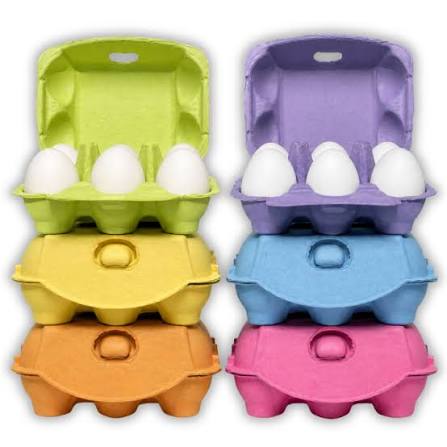
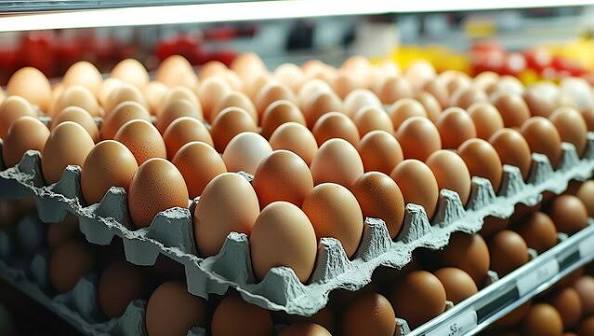
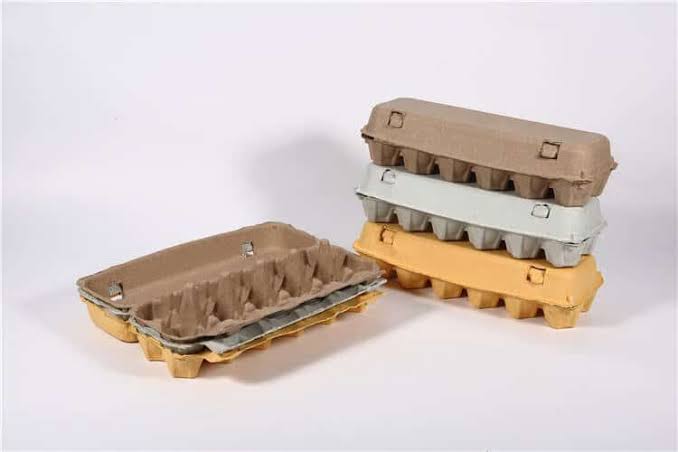
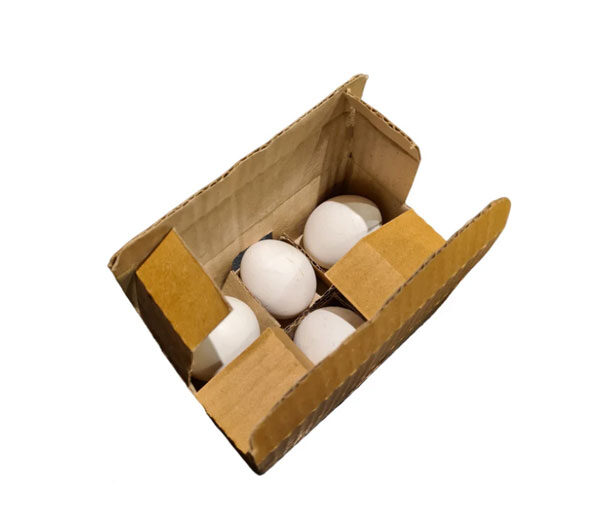
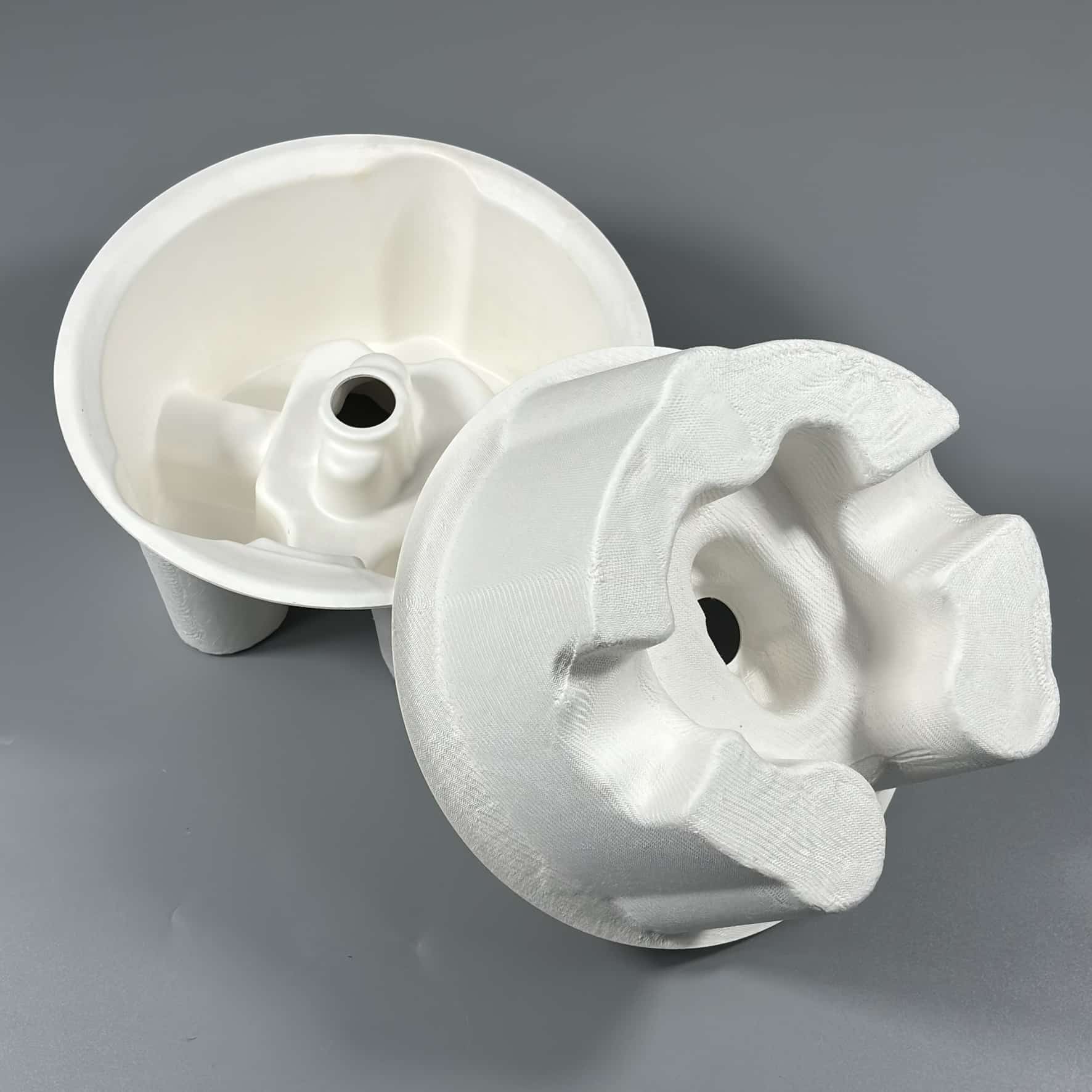
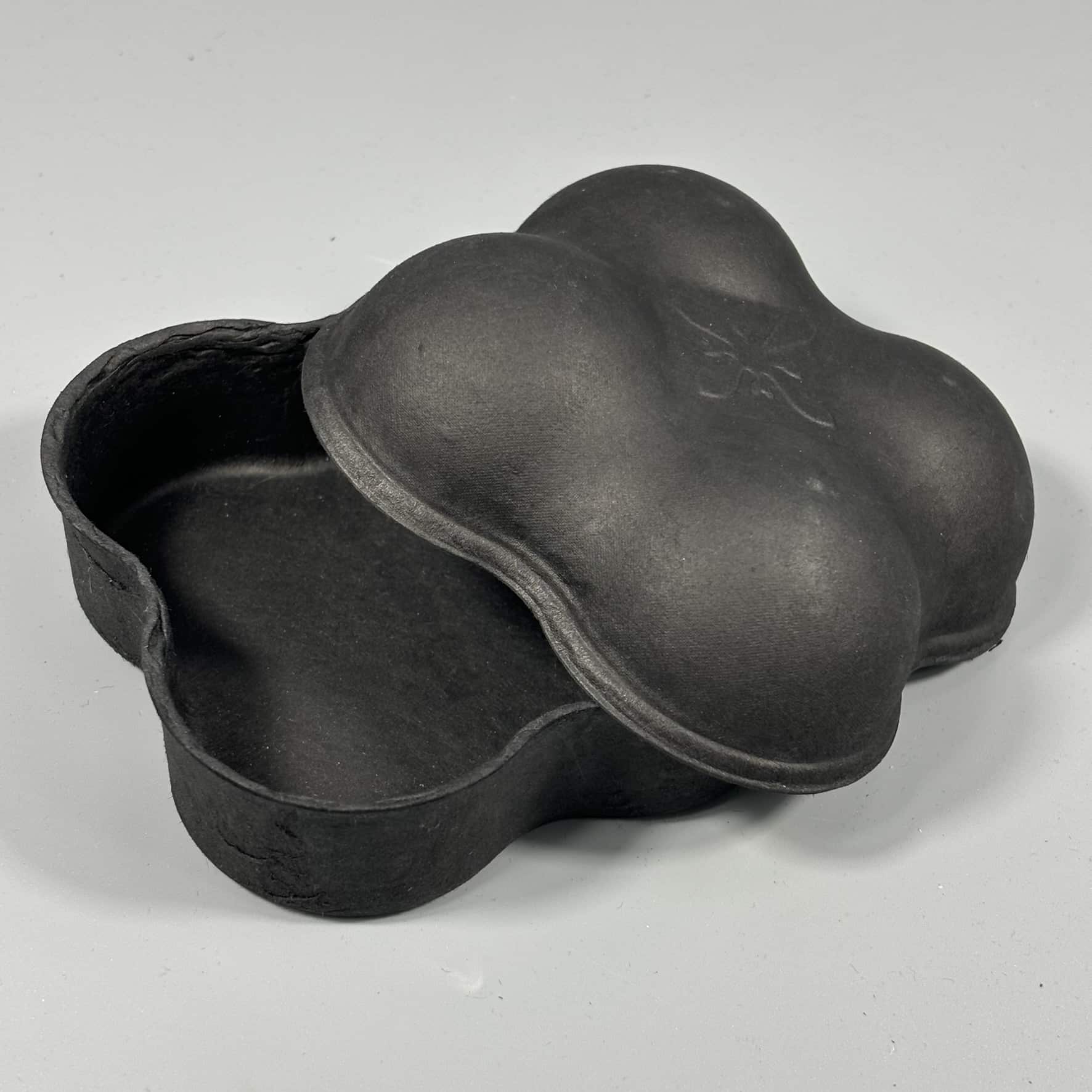
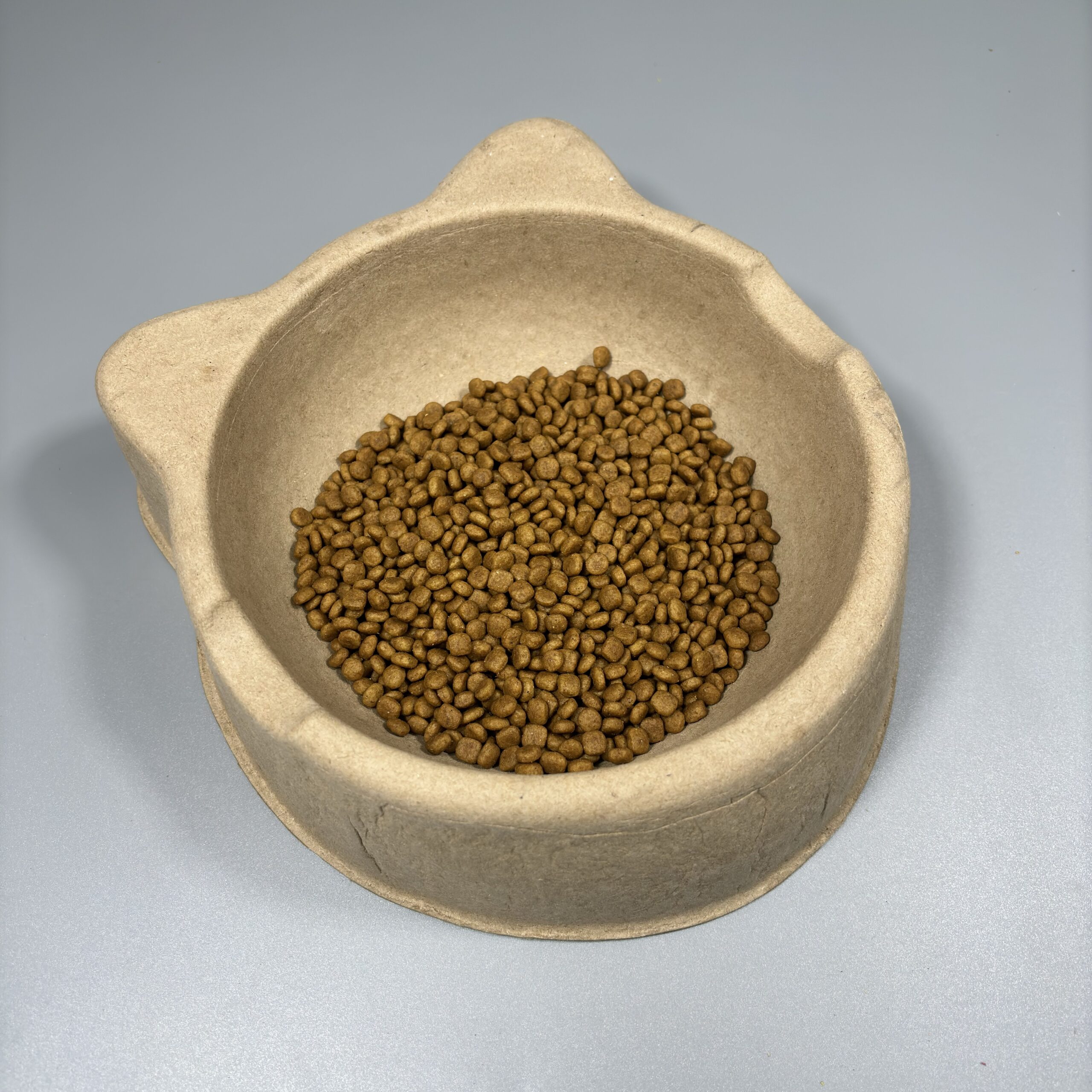
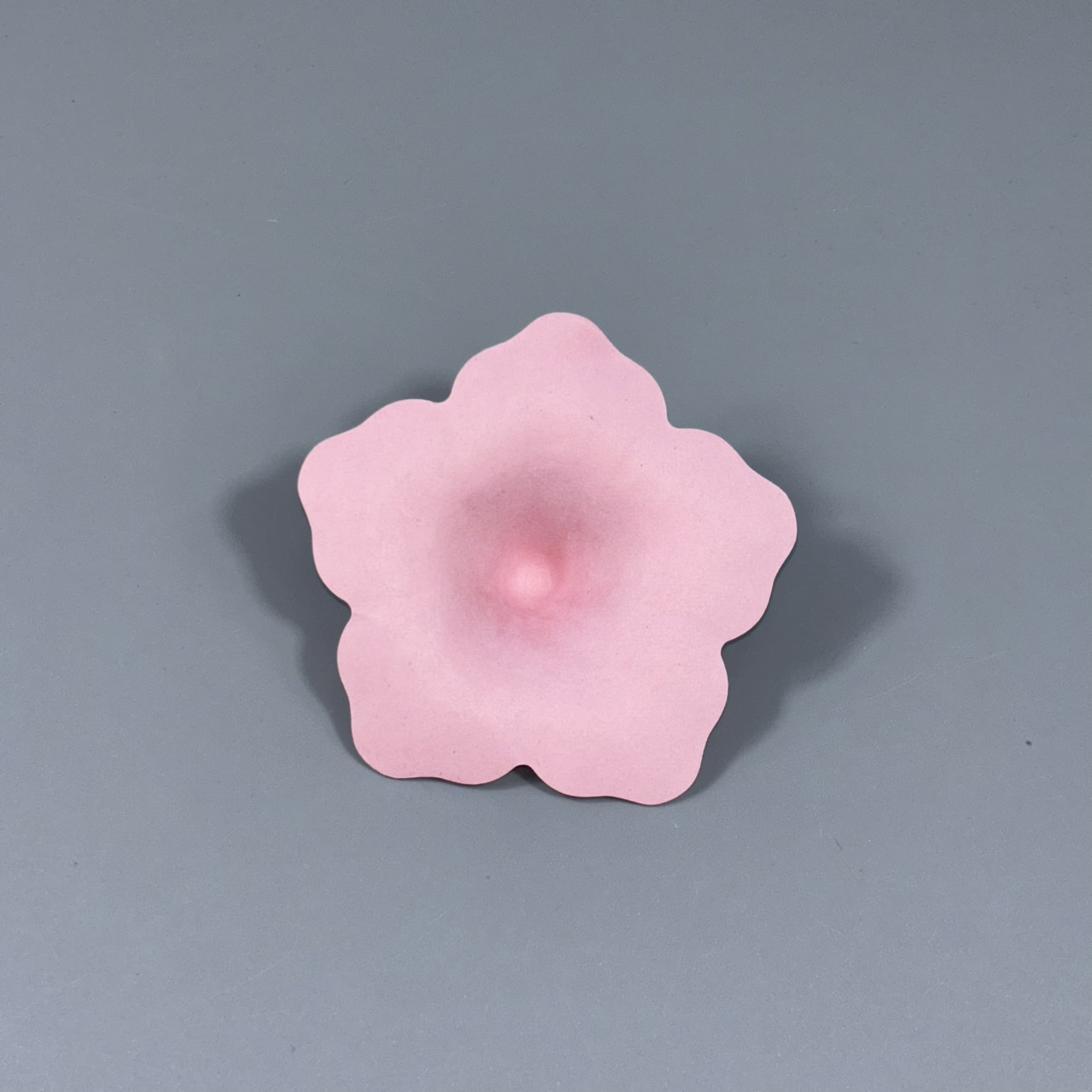
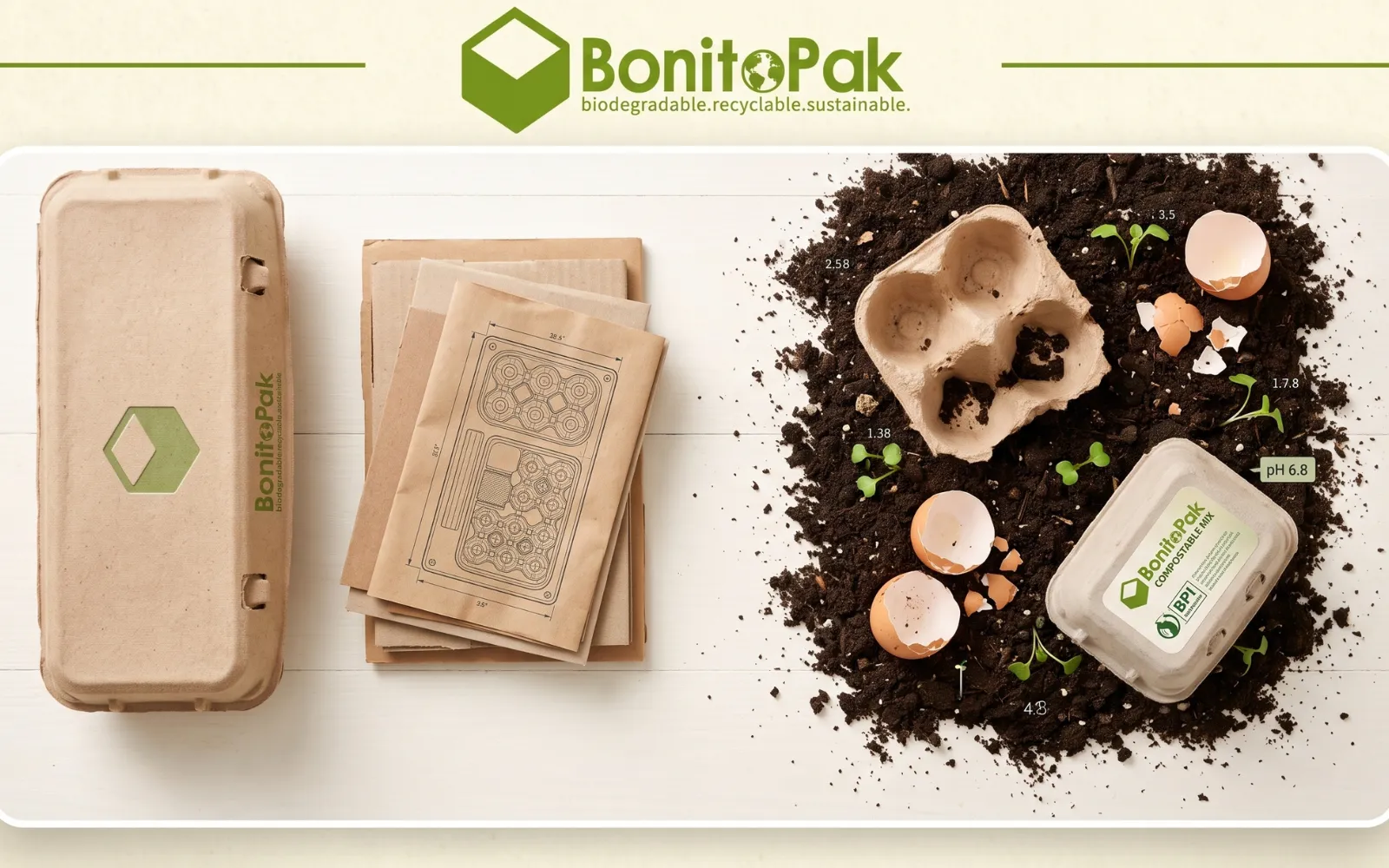
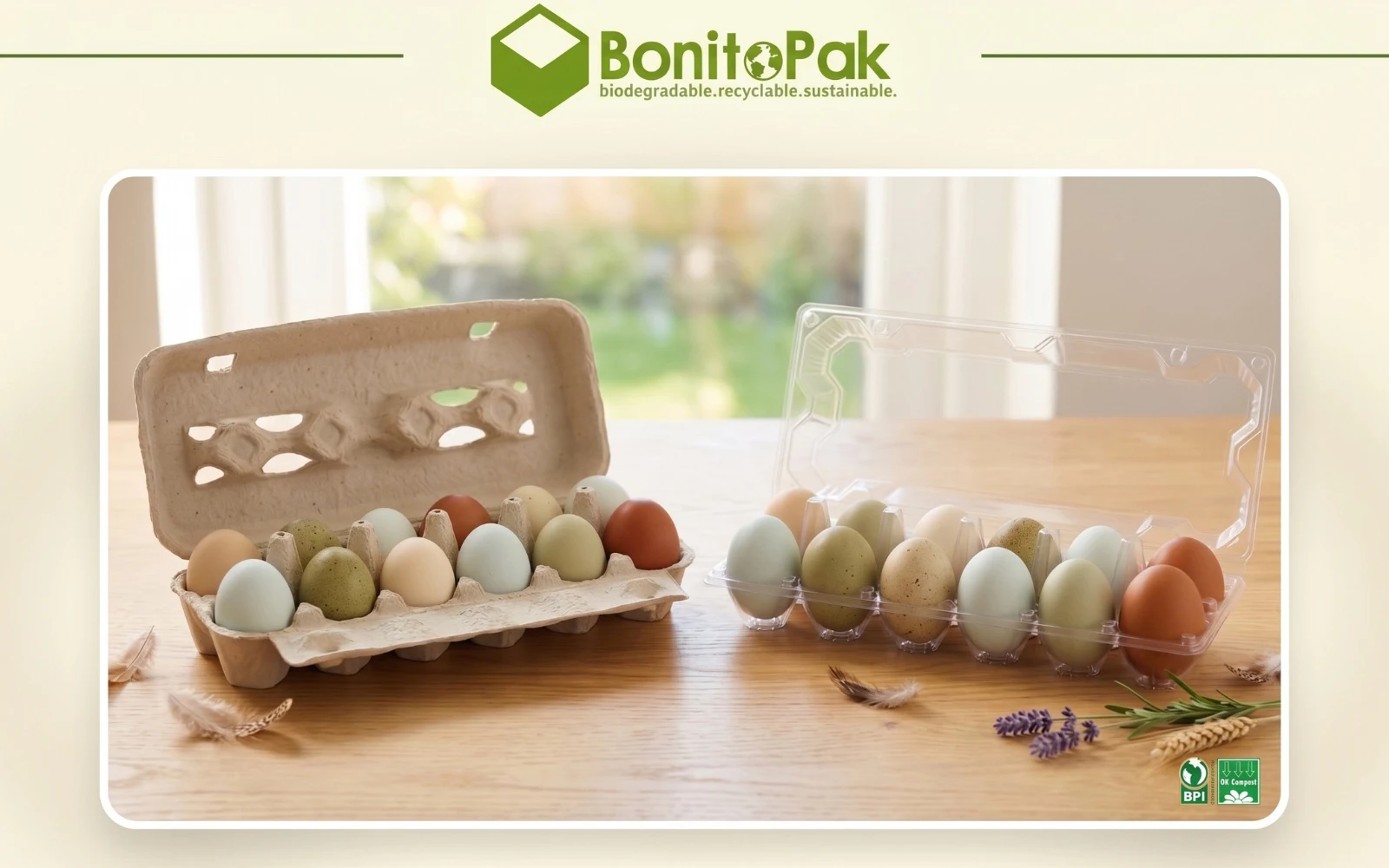
Every egg you sell arrives in something. Our molded pulp egg cartons are formed from 100% recycled paper fiber into cartons that protect the eggs, carry your brand, and break down in a home compost pile when the customer is finished with them. No plastic, no foam, no coating.
Here is what the range gives you:
Material :
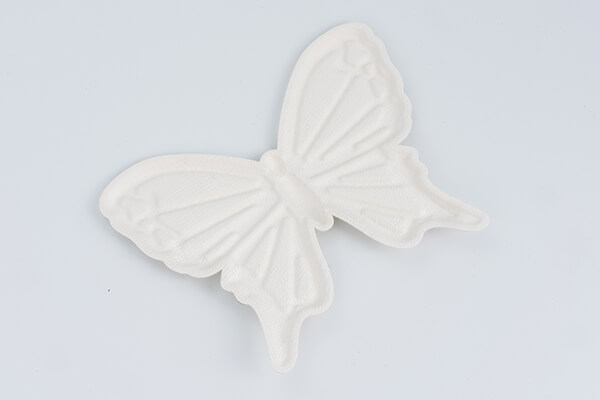
O processo de prensagem úmida usa materiais biodegradáveis, como bagaço, bambu e papel reciclado, oferecendo acabamentos suaves, proteção, amortecimento e embalagens ecológicas que economizam espaço.
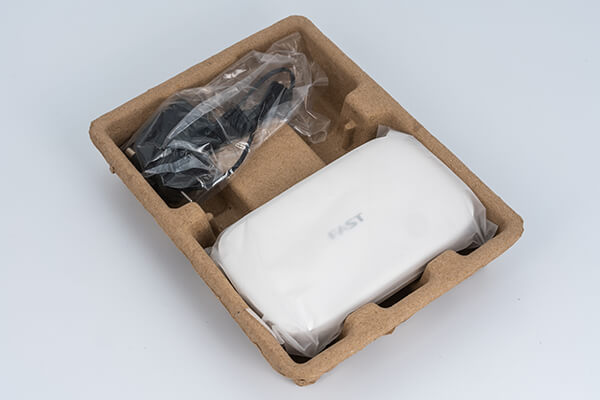
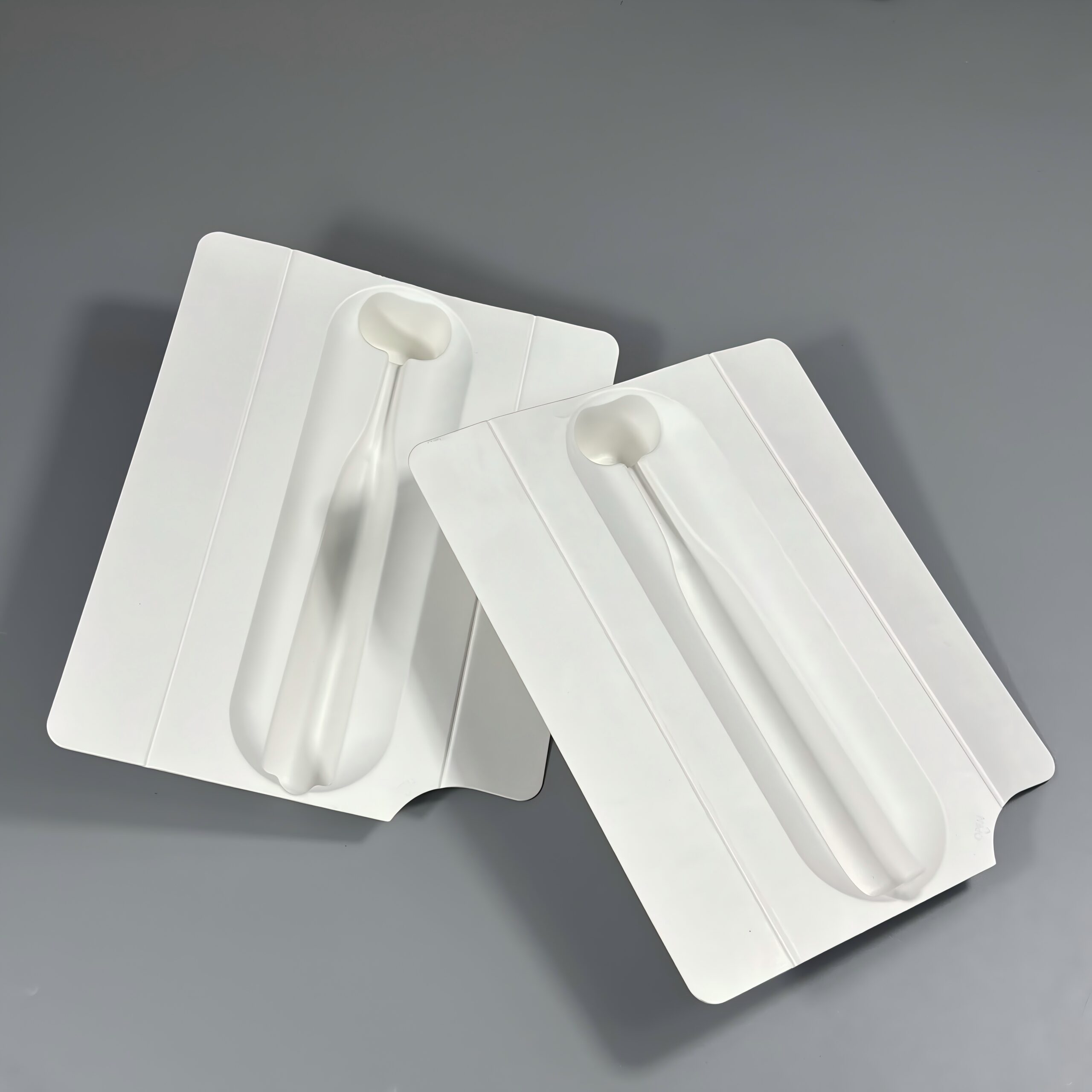
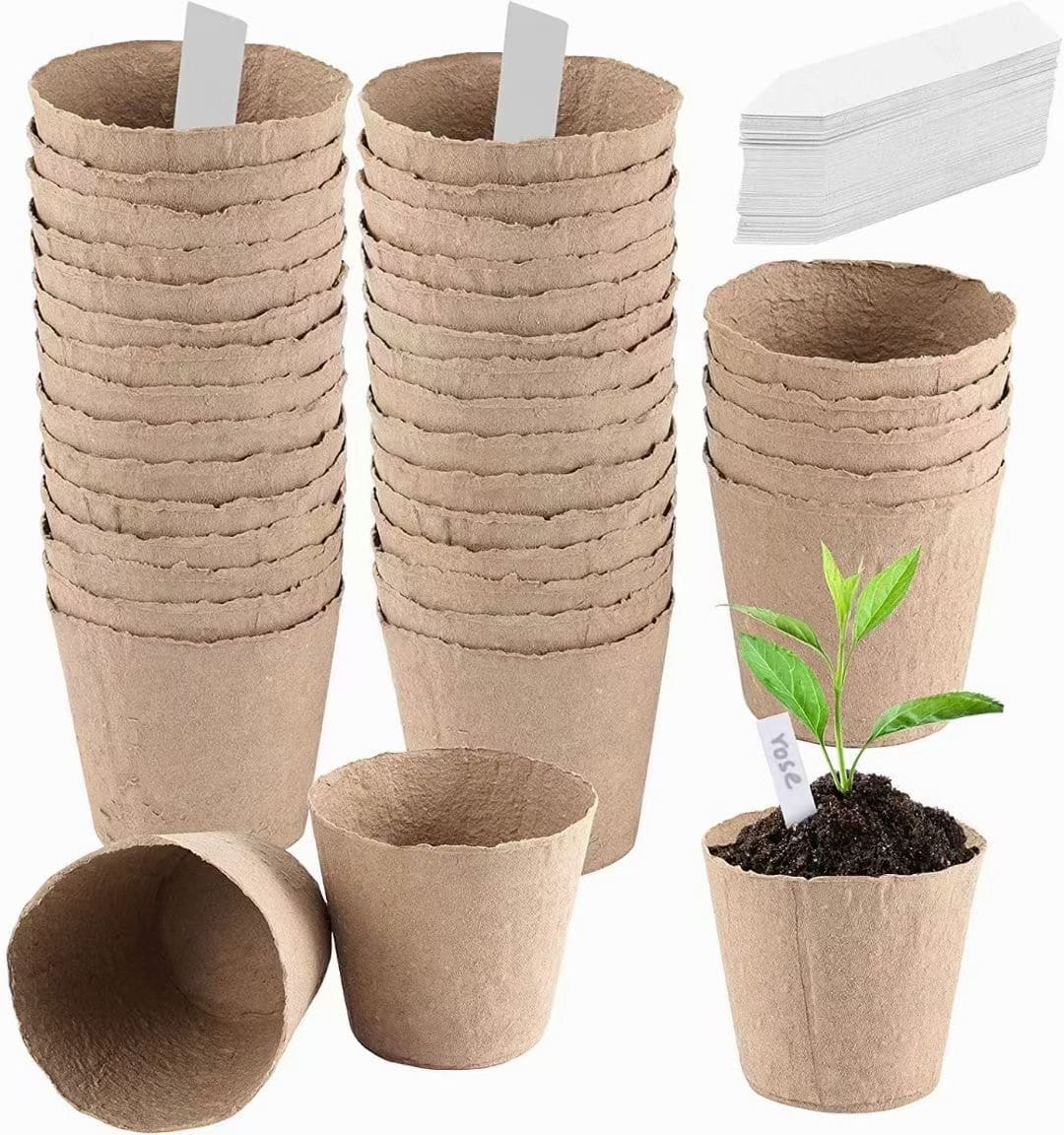
Os produtos de celulose moldada substituem o plástico e a espuma, oferecendo opções recicláveis e biodegradáveis. Formas personalizadas, cores e superfícies ecologicamente corretas estão disponíveis. Oferecemos embalagens econômicas e sustentáveis com prototipagem e fabricação próprias.
Nossos utensílios de mesa de fibra vegetal, feitos de bagaço, palha e bambu, são biodegradáveis, compostáveis, à prova d'água, resistentes a óleo e seguros para micro-ondas. Certificados, recicláveis e empilháveis para uso ecológico.
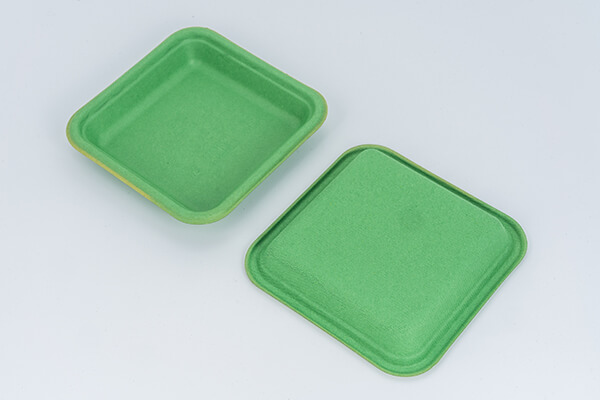
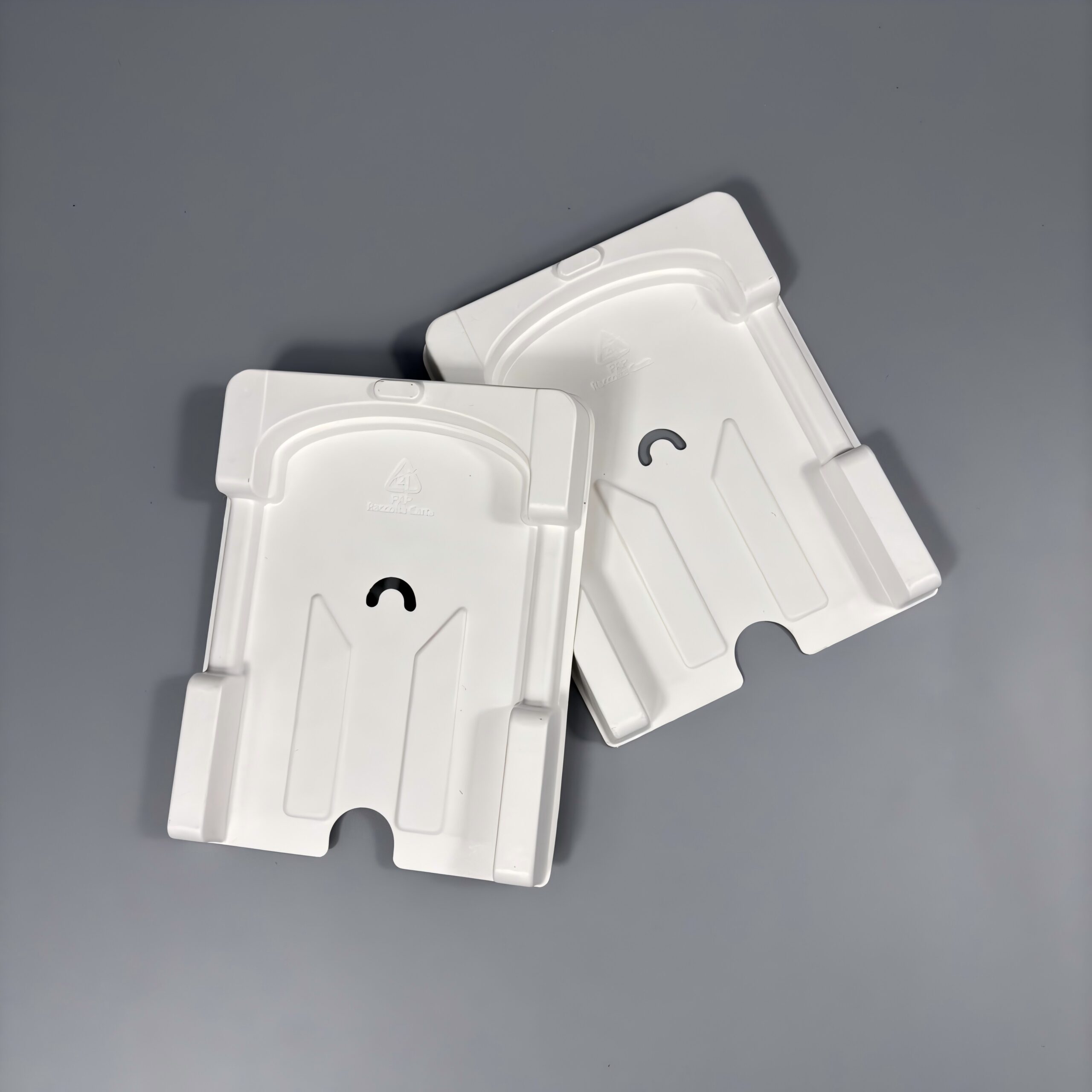
As bandejas de polpa de papel para prensagem a seco, fabricadas com materiais reciclados 100%, oferecem uma alternativa econômica e ecologicamente correta ao plástico. Elas oferecem amortecimento, resistência à temperatura e capacidade de empilhamento, economizando até 20% de espaço.
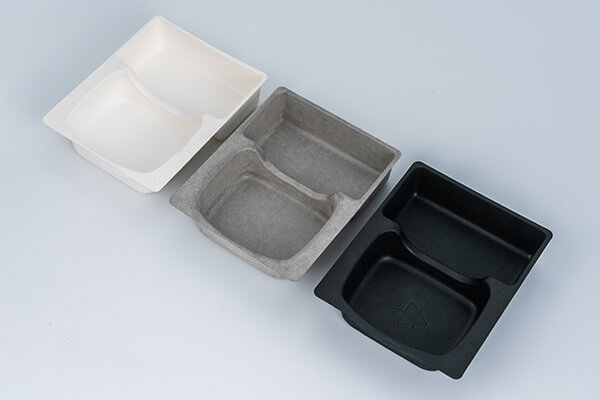
A Bonitopak oferece celulose moldada em seis cores, incluindo branco, natural e preto, com precisão de cor 95%. Métodos ecologicamente corretos garantem um branqueamento seguro. O natural e o branco são melhores para alimentos; os outros são adequados para embalagens de bandejas.
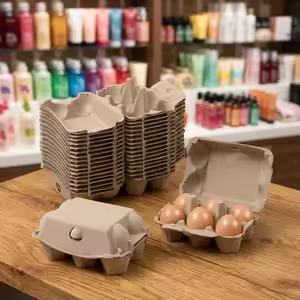
A 6 egg carton is not a twelve count cut in half. It serves a buyer with a different problem.
Small flock keepers rarely produce enough volume to fill dozens consistently. A backyard operation running fifteen hens through a molt might collect four dozen in a good week and two in a bad one. Packing in sixes lets them sell every egg they have instead of holding stock back to complete a dozen. That is the practical reason half dozen packs move so well at farm stands and roadside stalls.
The second buyer is the premium producer. Duck eggs, heritage breed eggs, and pasture raised lines carry a price that makes a full dozen feel expensive at the shelf. Splitting to six keeps the ticket price inside what a shopper will try on impulse. Producers who switch a premium line from twelve to six routinely see faster turns even though the price per egg goes up.
Most complaints about half dozen cartons trace back to one thing: the lid pressing on the eggs.
A carton molded for standard eggs has a cell bed around 45 mm deep. Drop a jumbo egg into it and roughly 8 mm of shell sits proud of the rim. Close the lid and that shell takes the load every time the carton is stacked, handled, or knocked in transit. Hairline cracks follow, usually invisible at packing and obvious to the customer at home.
Bonitopak molds the six cell bed deep enough to seat jumbo eggs below the lid line. That single dimension is why the same carton works across a flock that lays inconsistent sizes, which describes almost every small and mid-size operation. Buyers running a mixed flock do not have to sort by grade before packing.
Six cells can be laid out two ways. A 2×3 bed produces a short rectangular carton close to a paperback book. A 1×6 bed produces a long narrow one.
The 2×3 wins on almost every practical measure. It sits stable on a shelf without tipping. It fits a standard shipping case in clean multiples. Riders on a market table can stack it three high without the pile leaning. The long format only makes sense for a specific display fixture, which is rare outside of specialty grocers.
Wall geometry does the rest of the work. The ribs between cells are formed as continuous arches rather than flat dividers, so vertical load travels down the rib structure to the base instead of through the eggs. That is standard molded pulp practice and it is why paper cartons survive stacking that would crush a folded cardboard box of the same weight.
The top face of a half dozen carton gives roughly 180 square centimeters of flat panel. That is enough for a farm name, a logo, a lot code, and the nutrition or handling text most jurisdictions require.
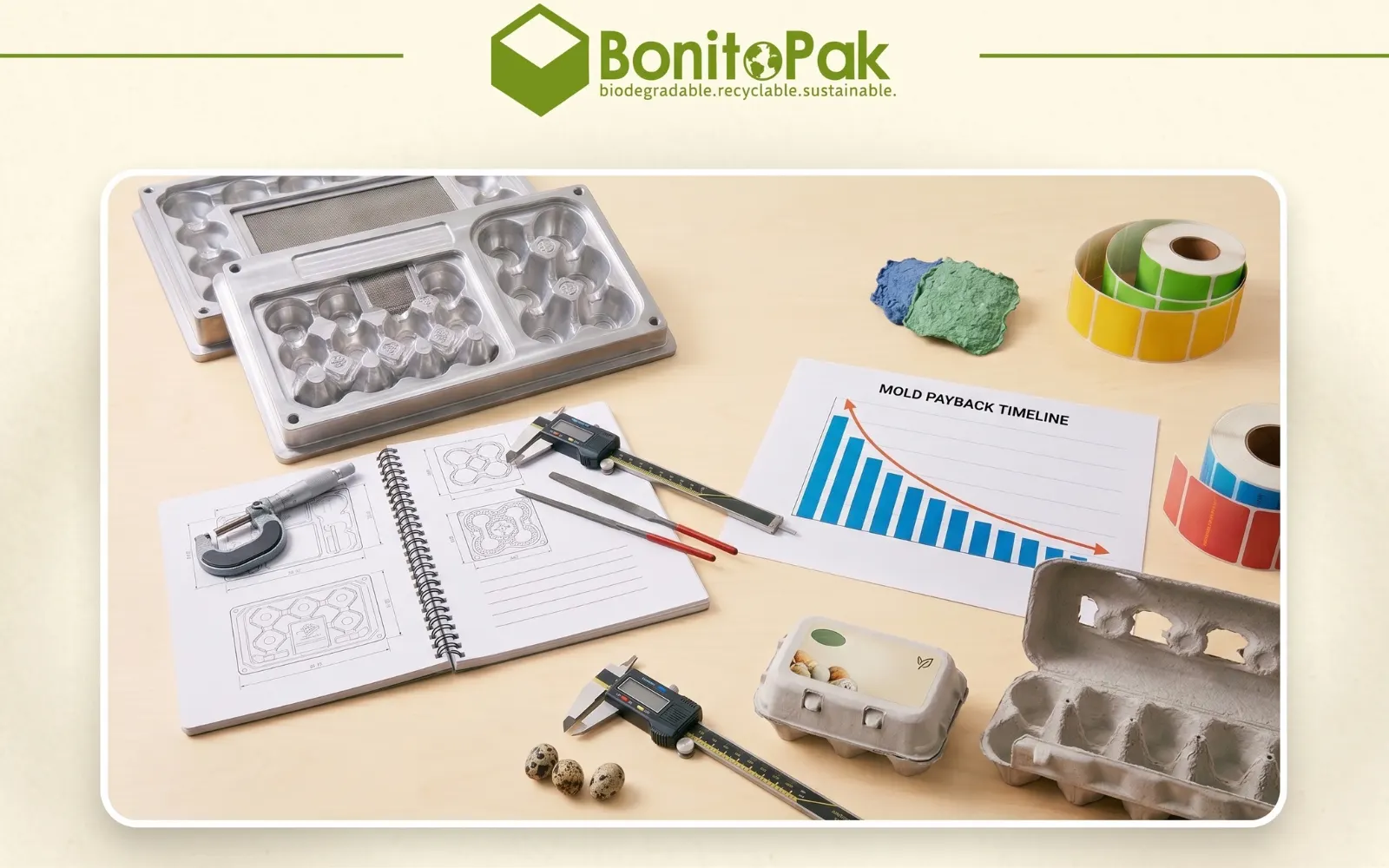
Embossing and debossing work directly into the mold, so the branding is part of the carton rather than a layer applied to it. There is no ink to scuff, no label to peel in a cold room, and no added cost per unit once the tool exists. For a producer selling at markets, an embossed lid reads as a serious operation in a way a sticker does not.
Flexographic printing is the alternative when a design needs more than one element or a color that differs from the carton body. Print runs need higher volume to be economical, so most small producers start with embossing and move to print as they scale.
Molded pulp cartons nest. A stack of 100 half dozen cartons compresses to a fraction of the height of 100 assembled plastic clamshells, because the pulp form collapses into itself while a rigid clamshell does not.
The effect on landed cost is significant on a full container. More units per cubic meter means fewer containers for the same order, and ocean freight is priced on volume long before it is priced on weight for a product this light. Buyers comparing pulp against foam or plastic on unit price alone often miss that the freight line moves the total in pulp’s favor.
Cartons also arrive dry and ready. There is no assembly step, no folding, and no glue, so packing crews handle one motion per carton instead of three.
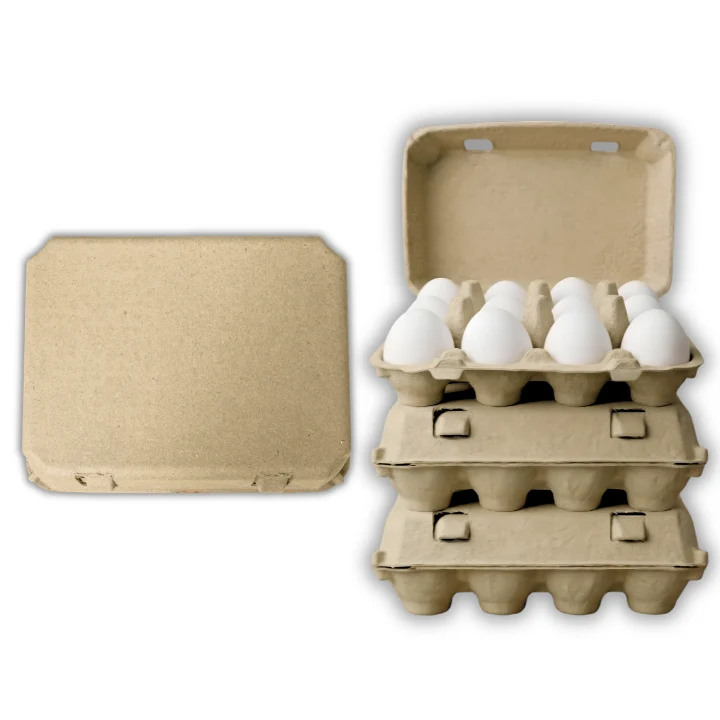
Most producers do not run one size. A working range usually pairs the dozen egg carton as the volume seller with the half dozen for premium and specialty lines, then adds a 4 egg carton for gift packs and samplers.
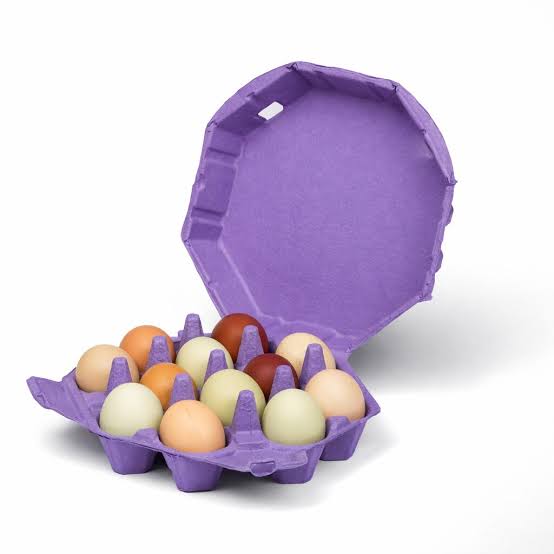
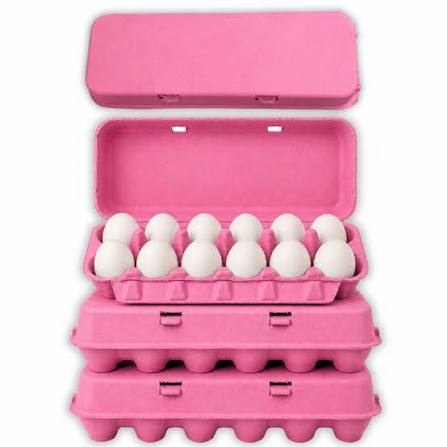
Producers building a branded line usually specify the whole range in one shade, which is covered on the caixas de ovos coloridas page. Producers running ducks or bantams should check cell diameter before ordering, since those eggs sit differently in a bed cut for chickens. The same applies in reverse to quail egg cartons, which use a completely different cell geometry.
A 6 egg carton is not a twelve count cut in half. It serves a buyer with a different problem.
Small flock keepers rarely produce enough volume to fill dozens consistently. A backyard operation running fifteen hens through a molt might collect four dozen in a good week and two in a bad one. Packing in sixes lets them sell every egg they have instead of holding stock back to complete a dozen. That is the practical reason half dozen packs move so well at farm stands and roadside stalls.
The second buyer is the premium producer. Duck eggs, heritage breed eggs, and pasture raised lines carry a price that makes a full dozen feel expensive at the shelf. Splitting to six keeps the ticket price inside what a shopper will try on impulse. Producers who switch a premium line from twelve to six routinely see faster turns even though the price per egg goes up.
Most complaints about half dozen cartons trace back to one thing: the lid pressing on the eggs.
A carton molded for standard eggs has a cell bed around 45 mm deep. Drop a jumbo egg into it and roughly 8 mm of shell sits proud of the rim. Close the lid and that shell takes the load every time the carton is stacked, handled, or knocked in transit. Hairline cracks follow, usually invisible at packing and obvious to the customer at home.
Bonitopak molds the six cell bed deep enough to seat jumbo eggs below the lid line. That single dimension is why the same carton works across a flock that lays inconsistent sizes, which describes almost every small and mid-size operation. Buyers running a mixed flock do not have to sort by grade before packing.
Six cells can be laid out two ways. A 2×3 bed produces a short rectangular carton close to a paperback book. A 1×6 bed produces a long narrow one.
The 2×3 wins on almost every practical measure. It sits stable on a shelf without tipping. It fits a standard shipping case in clean multiples. Riders on a market table can stack it three high without the pile leaning. The long format only makes sense for a specific display fixture, which is rare outside of specialty grocers.
Wall geometry does the rest of the work. The ribs between cells are formed as continuous arches rather than flat dividers, so vertical load travels down the rib structure to the base instead of through the eggs. That is standard molded pulp practice and it is why paper cartons survive stacking that would crush a folded cardboard box of the same weight.
The top face of a half dozen carton gives roughly 180 square centimeters of flat panel. That is enough for a farm name, a logo, a lot code, and the nutrition or handling text most jurisdictions require.
Embossing and debossing work directly into the mold, so the branding is part of the carton rather than a layer applied to it. There is no ink to scuff, no label to peel in a cold room, and no added cost per unit once the tool exists. For a producer selling at markets, an embossed lid reads as a serious operation in a way a sticker does not.
Flexographic printing is the alternative when a design needs more than one element or a color that differs from the carton body. Print runs need higher volume to be economical, so most small producers start with embossing and move to print as they scale.
Molded pulp cartons nest. A stack of 100 half dozen cartons compresses to a fraction of the height of 100 assembled plastic clamshells, because the pulp form collapses into itself while a rigid clamshell does not.
The effect on landed cost is significant on a full container. More units per cubic meter means fewer containers for the same order, and ocean freight is priced on volume long before it is priced on weight for a product this light. Buyers comparing pulp against foam or plastic on unit price alone often miss that the freight line moves the total in pulp’s favor.
Cartons also arrive dry and ready. There is no assembly step, no folding, and no glue, so packing crews handle one motion per carton instead of three.
Most producers do not run one size. A working range usually pairs the dozen egg carton as the volume seller with the half dozen for premium and specialty lines, then adds a 4 egg carton for gift packs and samplers.
Producers building a branded line usually specify the whole range in one shade, which is covered on the caixas de ovos coloridas page. Producers running ducks or bantams should check cell diameter before ordering, since those eggs sit differently in a bed cut for chickens. The same applies in reverse to quail egg cartons, which use a completely different cell geometry.
Respondemos em 24 horas, oferecendo comunicação rápida e clara, soluções personalizadas e serviço eficiente para economizar tempo e custos.
Nosso projeto, engenharia e fabricação internos garantem um ferramental rápido, com amostras prontas em 7 dias e moldes de produção em 8 dias.
Nossos engenheiros qualificados de P&D são excelentes em design, prototipagem e ferramental, oferecendo soluções completas de embalagem com blisters, latas e caixas impressas.
A equipe treinada realiza inspeções 100%, verificações aleatórias e controle de qualidade, garantindo altos padrões, reduzindo rejeições e economizando custos.
Oferecemos uma programação de pedidos razoável e coordenamos com os clientes para resolver os problemas prontamente, garantindo as melhores soluções.
Nossa experiente equipe de pós-venda garante uma comunicação tranquila, solucionando problemas com substituições, remessas e entregas, com o objetivo de zerar as reclamações.
Por Leo Chan | Redator, BonitoPak | Mais de 20 anos na área de embalagens de polpa moldada Publicado: 16
Por Leo Chan | Redator, BonitoPak | Mais de 20 anos na área de embalagens de polpa moldada Publicado: 15
Por Leo Chan | Redator, BonitoPak | Mais de 20 anos na área de embalagens de polpa moldada Publicado: 14