...

Molded Pulp Egg Cartons

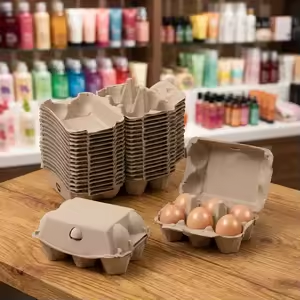
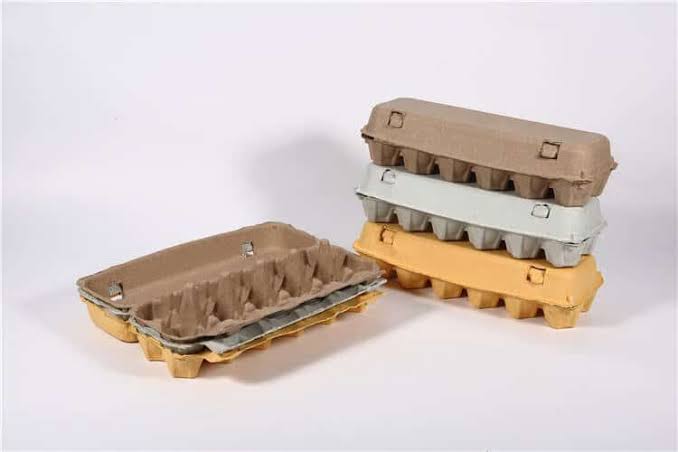
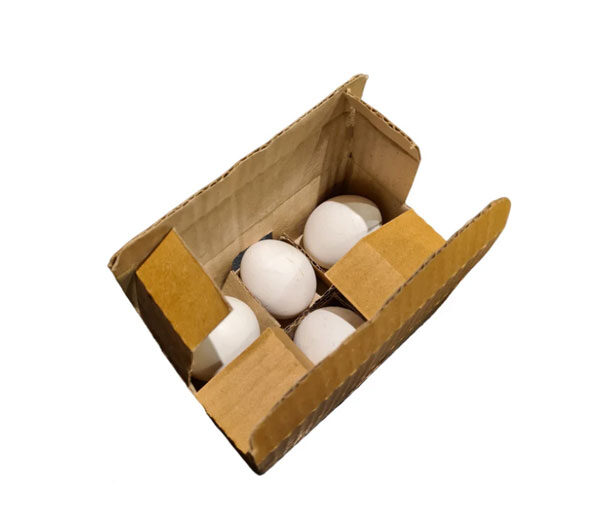
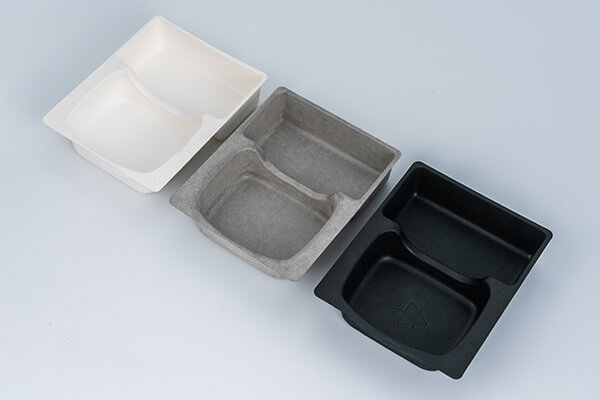
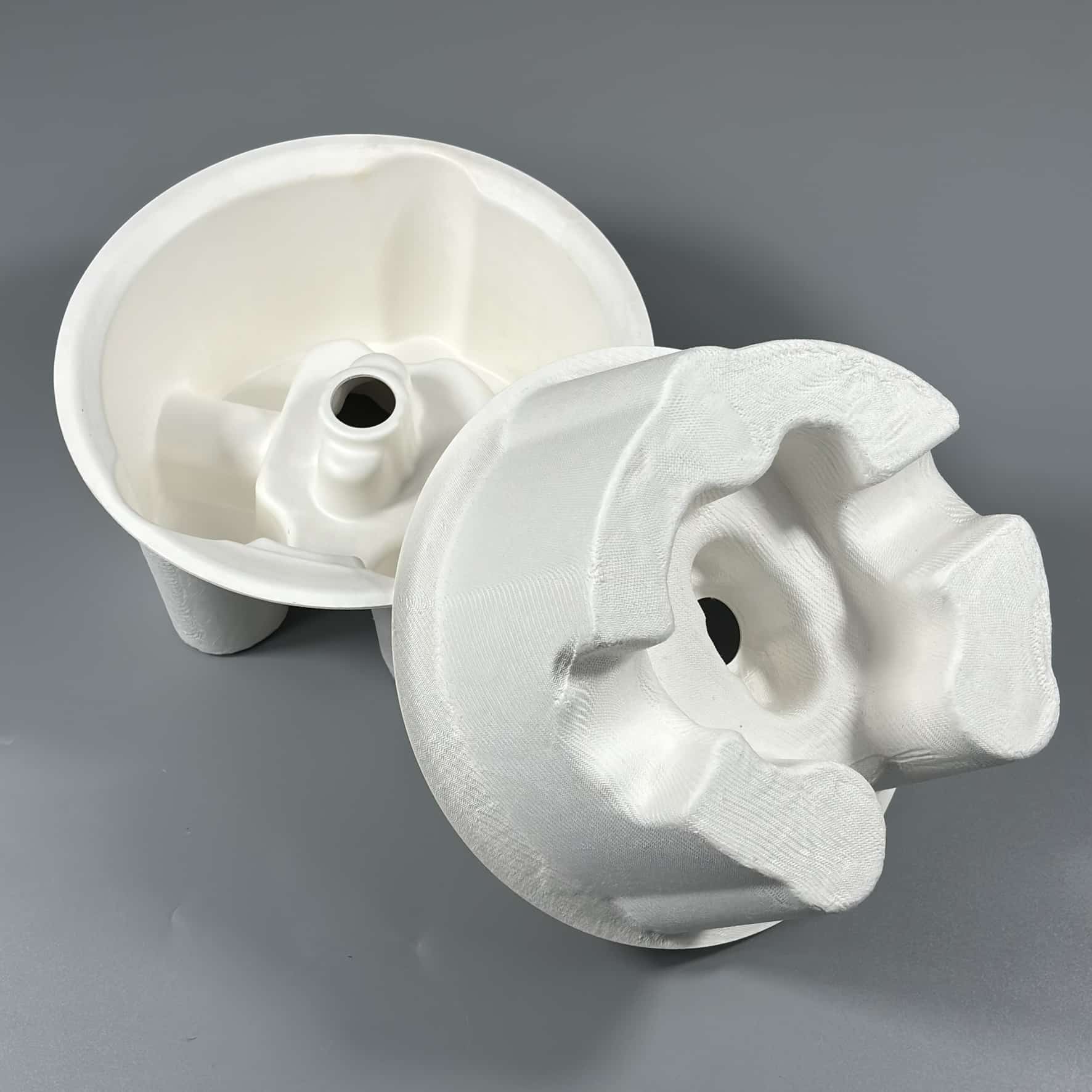
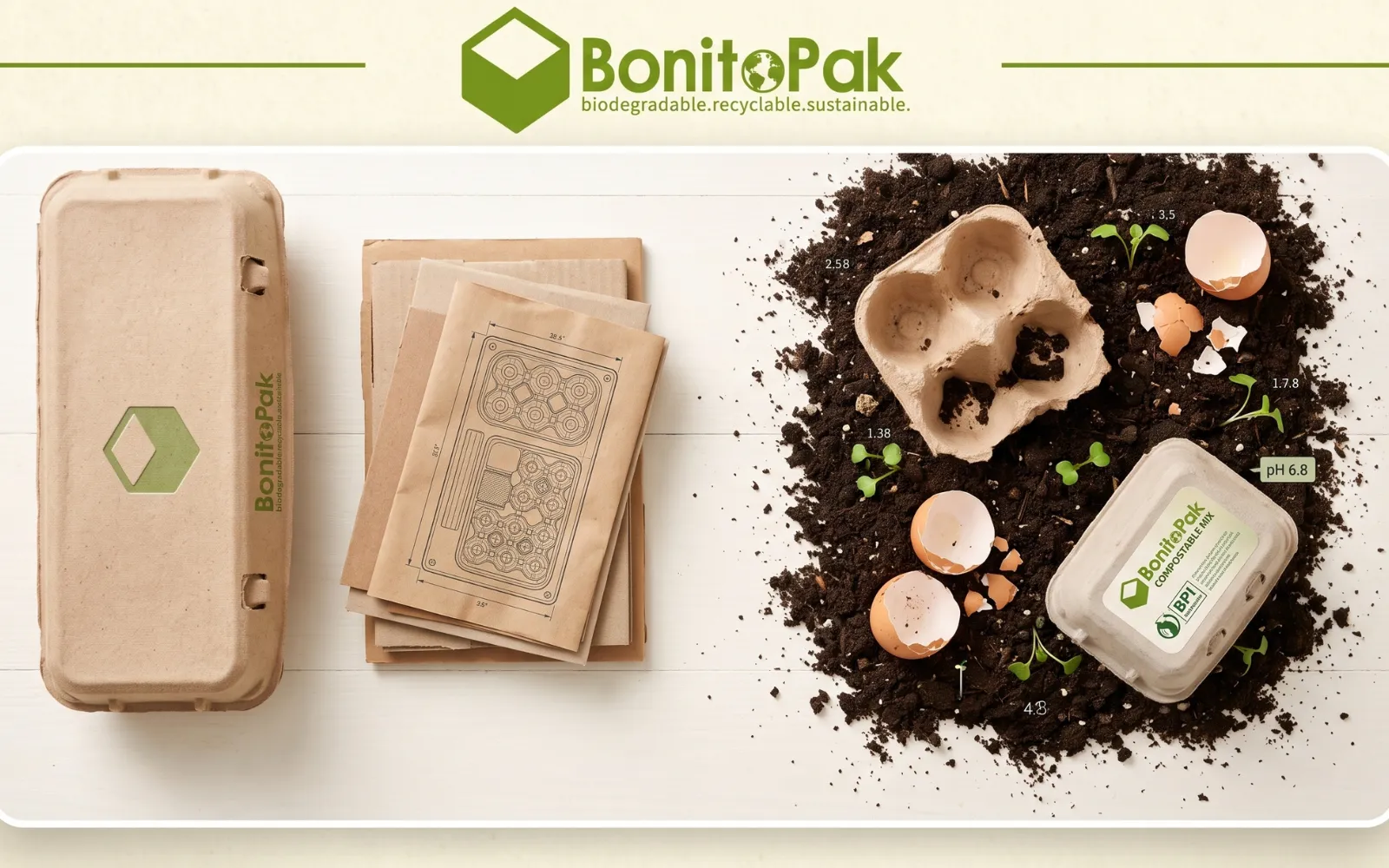
Every egg you sell arrives in something. Our molded pulp egg cartons are formed from 100% recycled paper fiber into cartons that protect the eggs, carry your brand, and break down in a home compost pile when the customer is finished with them. No plastic, no foam, no coating.

Here is what the range gives you:

  • Every count you need. Four, six, ten, twelve, eighteen, and twenty cell layouts running on molds we already own, so most orders skip the tooling charge entirely.
  • Cut for the bird, not just the count. Chicken cells shaped to the USDA weight grades and quail cells cut to true quail diameter, because a small egg in a large cup is an egg that chips.
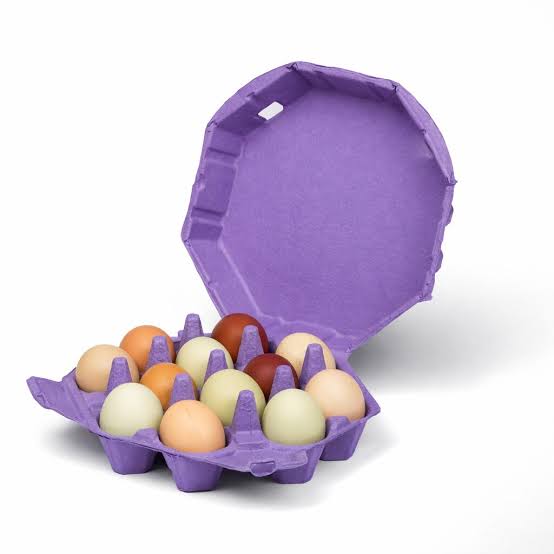
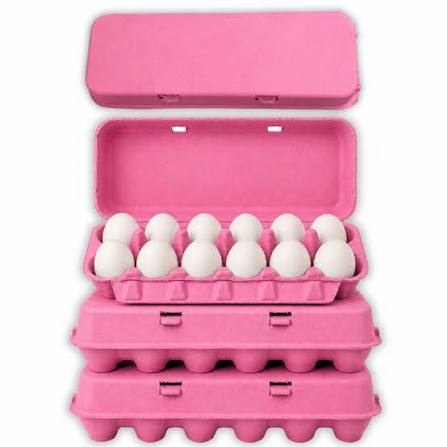
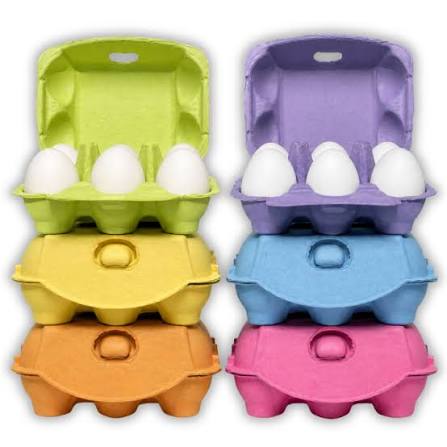
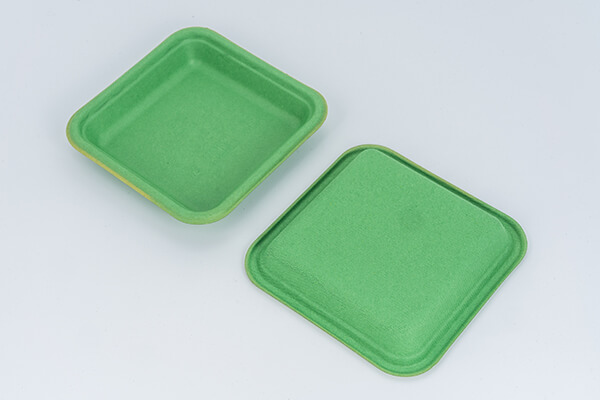
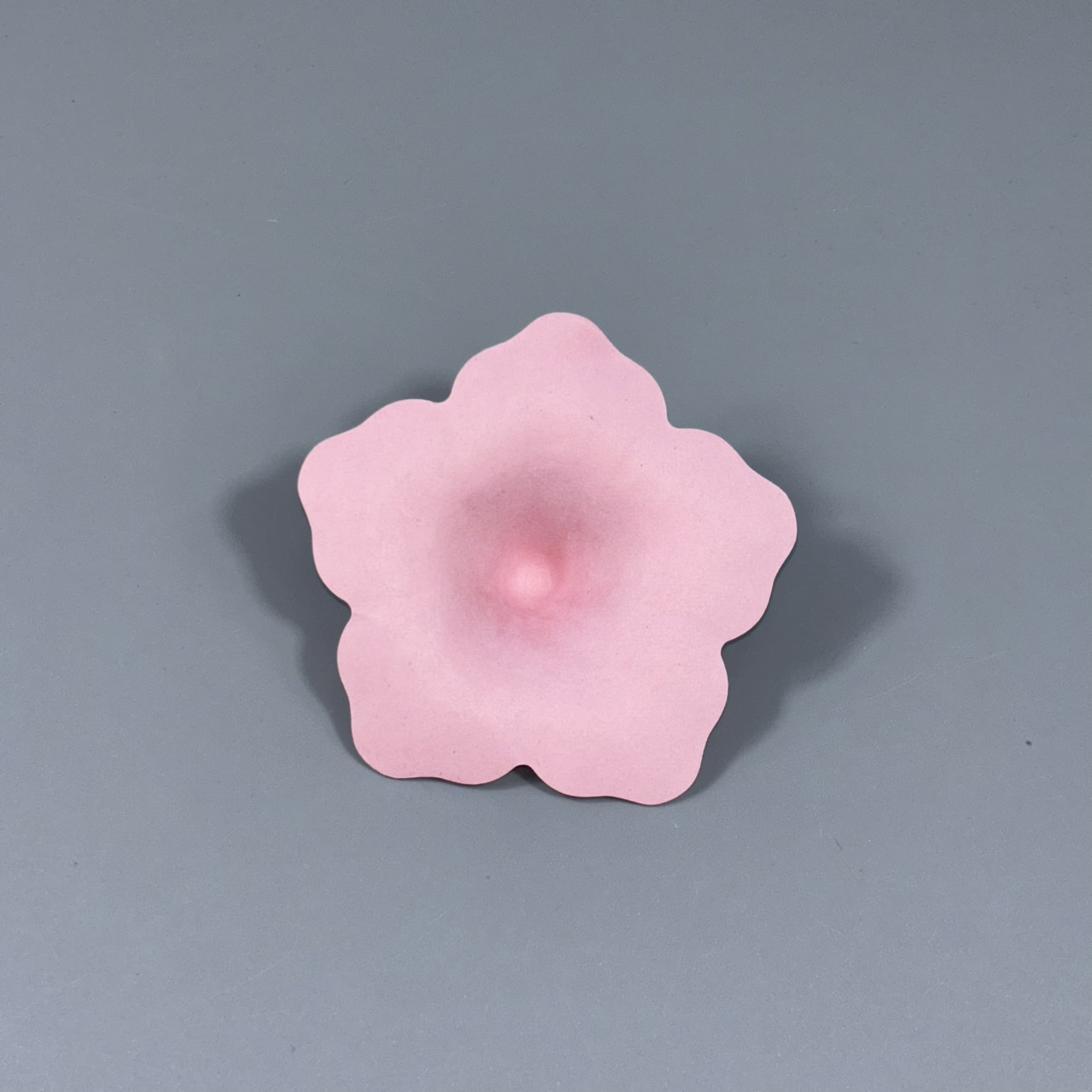
  • Color that runs through the fiber. Pigment blended into the pulp before forming, not sprayed on after. Scuff the carton and the color underneath is the same.
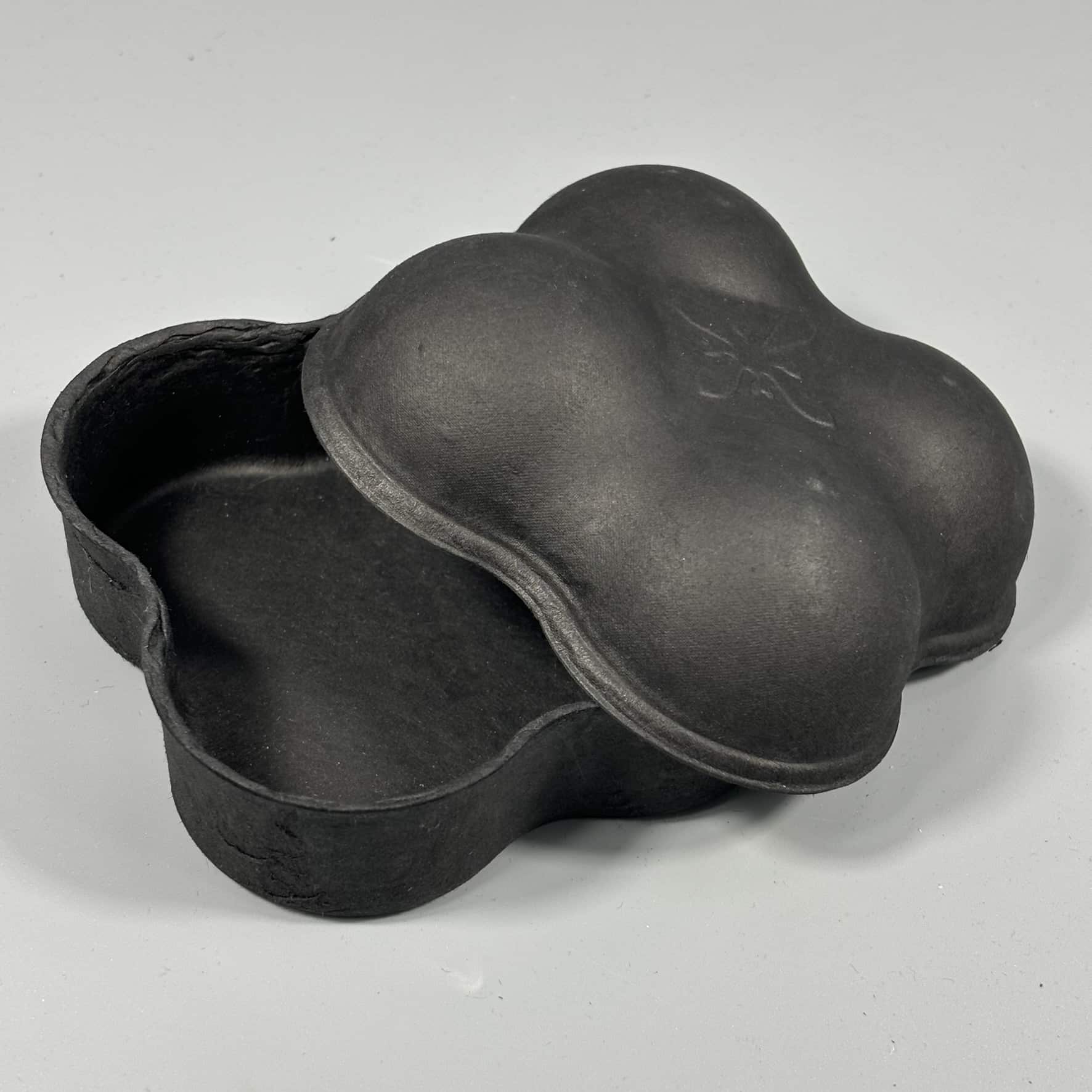
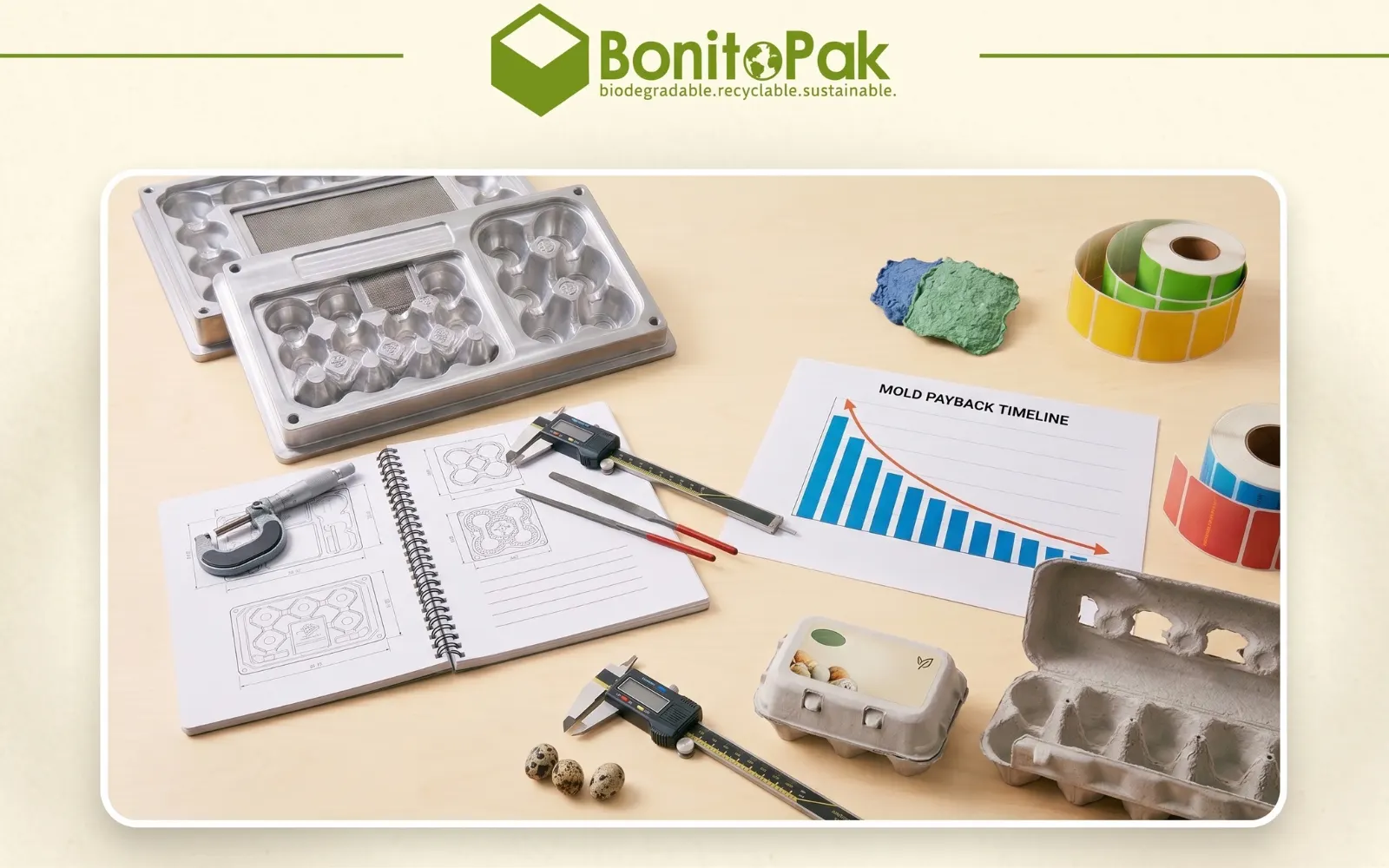
  • Your brand pressed into the mold. Embossed and debossed lids cost nothing per unit once the tool exists, and there is no ink to scuff or label to peel in a cold room.
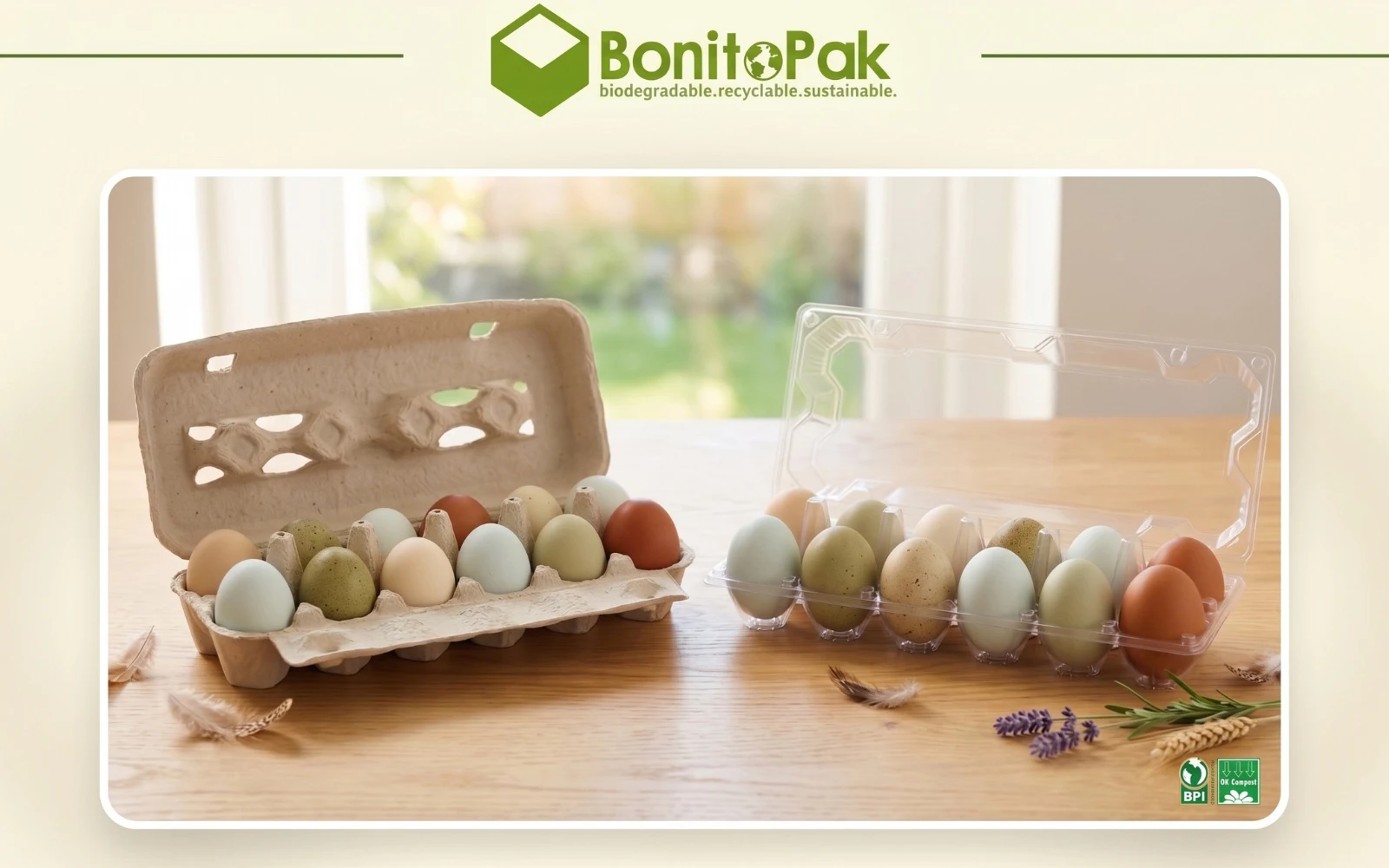
  • Freight that works in your favor. Cartons nest flat, so a container carries far more units than the same order in rigid plastic clamshells.

Material :

Tipo de material
Embalaje :
Tipo de envase
Proceso :
Lista de procesos
Color :
Color Gris

Nuestras categorías de productos

Descubra la variada gama de soluciones de envasado de Bonitopak, que incluye bandejas de pulpa moldeada, envases alimentarios, diseños personalizados y opciones sostenibles. Cada categoría está diseñada para ofrecer durabilidad, funcionalidad y responsabilidad medioambiental, y se adapta a sus necesidades específicas.

Why the half dozen format sells differently

A 6 egg carton is not a twelve count cut in half. It serves a buyer with a different problem.

Small flock keepers rarely produce enough volume to fill dozens consistently. A backyard operation running fifteen hens through a molt might collect four dozen in a good week and two in a bad one. Packing in sixes lets them sell every egg they have instead of holding stock back to complete a dozen. That is the practical reason half dozen packs move so well at farm stands and roadside stalls.

The second buyer is the premium producer. Duck eggs, heritage breed eggs, and pasture raised lines carry a price that makes a full dozen feel expensive at the shelf. Splitting to six keeps the ticket price inside what a shopper will try on impulse. Producers who switch a premium line from twelve to six routinely see faster turns even though the price per egg goes up.

Cell depth is the spec that matters most

Most complaints about half dozen cartons trace back to one thing: the lid pressing on the eggs.

A carton molded for standard eggs has a cell bed around 45 mm deep. Drop a jumbo egg into it and roughly 8 mm of shell sits proud of the rim. Close the lid and that shell takes the load every time the carton is stacked, handled, or knocked in transit. Hairline cracks follow, usually invisible at packing and obvious to the customer at home.

Bonitopak molds the six cell bed deep enough to seat jumbo eggs below the lid line. That single dimension is why the same carton works across a flock that lays inconsistent sizes, which describes almost every small and mid-size operation. Buyers running a mixed flock do not have to sort by grade before packing.

What the 2×3 layout does for handling

Six cells can be laid out two ways. A 2×3 bed produces a short rectangular carton close to a paperback book. A 1×6 bed produces a long narrow one.

The 2×3 wins on almost every practical measure. It sits stable on a shelf without tipping. It fits a standard shipping case in clean multiples. Riders on a market table can stack it three high without the pile leaning. The long format only makes sense for a specific display fixture, which is rare outside of specialty grocers.

Wall geometry does the rest of the work. The ribs between cells are formed as continuous arches rather than flat dividers, so vertical load travels down the rib structure to the base instead of through the eggs. That is standard molded pulp practice and it is why paper cartons survive stacking that would crush a folded cardboard box of the same weight.

The print surface is larger than buyers expect

The top face of a half dozen carton gives roughly 180 square centimeters of flat panel. That is enough for a farm name, a logo, a lot code, and the nutrition or handling text most jurisdictions require.

Embossing and debossing work directly into the mold, so the branding is part of the carton rather than a layer applied to it. There is no ink to scuff, no label to peel in a cold room, and no added cost per unit once the tool exists. For a producer selling at markets, an embossed lid reads as a serious operation in a way a sticker does not.

Flexographic printing is the alternative when a design needs more than one element or a color that differs from the carton body. Print runs need higher volume to be economical, so most small producers start with embossing and move to print as they scale.

Freight math on nested cartons

Molded pulp cartons nest. A stack of 100 half dozen cartons compresses to a fraction of the height of 100 assembled plastic clamshells, because the pulp form collapses into itself while a rigid clamshell does not.

The effect on landed cost is significant on a full container. More units per cubic meter means fewer containers for the same order, and ocean freight is priced on volume long before it is priced on weight for a product this light. Buyers comparing pulp against foam or plastic on unit price alone often miss that the freight line moves the total in pulp’s favor.

Cartons also arrive dry and ready. There is no assembly step, no folding, and no glue, so packing crews handle one motion per carton instead of three.

Where the half dozen sits in a full range

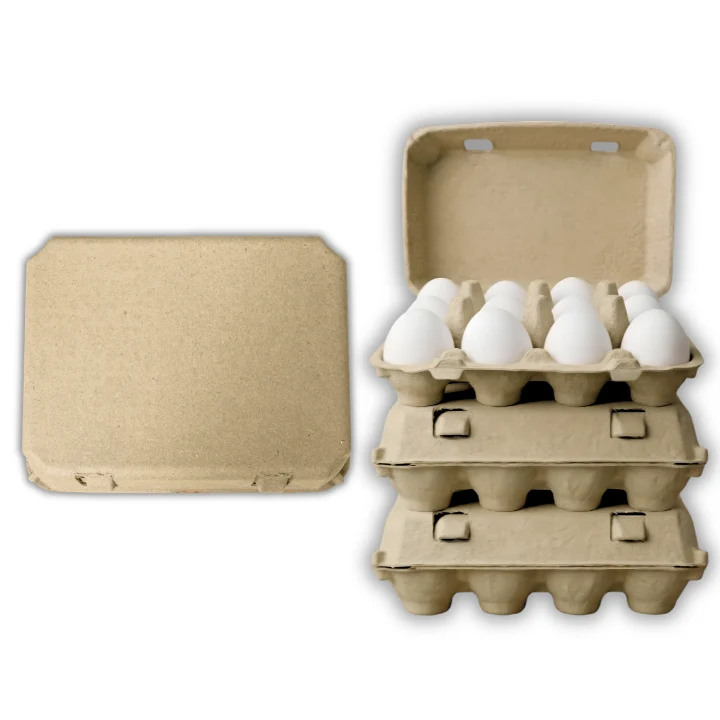
Most producers do not run one size. A working range usually pairs the dozen egg carton as the volume seller with the half dozen for premium and specialty lines, then adds a 4 egg carton for gift packs and samplers.

Producers building a branded line usually specify the whole range in one shade, which is covered on the cartones de huevos de colores page. Producers running ducks or bantams should check cell diameter before ordering, since those eggs sit differently in a bed cut for chickens. The same applies in reverse to quail egg cartons, which use a completely different cell geometry.

Why the half dozen format sells differently

A 6 egg carton is not a twelve count cut in half. It serves a buyer with a different problem.

Small flock keepers rarely produce enough volume to fill dozens consistently. A backyard operation running fifteen hens through a molt might collect four dozen in a good week and two in a bad one. Packing in sixes lets them sell every egg they have instead of holding stock back to complete a dozen. That is the practical reason half dozen packs move so well at farm stands and roadside stalls.

The second buyer is the premium producer. Duck eggs, heritage breed eggs, and pasture raised lines carry a price that makes a full dozen feel expensive at the shelf. Splitting to six keeps the ticket price inside what a shopper will try on impulse. Producers who switch a premium line from twelve to six routinely see faster turns even though the price per egg goes up.

Cell depth is the spec that matters most

Most complaints about half dozen cartons trace back to one thing: the lid pressing on the eggs.

A carton molded for standard eggs has a cell bed around 45 mm deep. Drop a jumbo egg into it and roughly 8 mm of shell sits proud of the rim. Close the lid and that shell takes the load every time the carton is stacked, handled, or knocked in transit. Hairline cracks follow, usually invisible at packing and obvious to the customer at home.

Bonitopak molds the six cell bed deep enough to seat jumbo eggs below the lid line. That single dimension is why the same carton works across a flock that lays inconsistent sizes, which describes almost every small and mid-size operation. Buyers running a mixed flock do not have to sort by grade before packing.

What the 2×3 layout does for handling

Six cells can be laid out two ways. A 2×3 bed produces a short rectangular carton close to a paperback book. A 1×6 bed produces a long narrow one.

The 2×3 wins on almost every practical measure. It sits stable on a shelf without tipping. It fits a standard shipping case in clean multiples. Riders on a market table can stack it three high without the pile leaning. The long format only makes sense for a specific display fixture, which is rare outside of specialty grocers.

Wall geometry does the rest of the work. The ribs between cells are formed as continuous arches rather than flat dividers, so vertical load travels down the rib structure to the base instead of through the eggs. That is standard molded pulp practice and it is why paper cartons survive stacking that would crush a folded cardboard box of the same weight.

The print surface is larger than buyers expect

The top face of a half dozen carton gives roughly 180 square centimeters of flat panel. That is enough for a farm name, a logo, a lot code, and the nutrition or handling text most jurisdictions require.

Embossing and debossing work directly into the mold, so the branding is part of the carton rather than a layer applied to it. There is no ink to scuff, no label to peel in a cold room, and no added cost per unit once the tool exists. For a producer selling at markets, an embossed lid reads as a serious operation in a way a sticker does not.

Flexographic printing is the alternative when a design needs more than one element or a color that differs from the carton body. Print runs need higher volume to be economical, so most small producers start with embossing and move to print as they scale.

Freight math on nested cartons

Molded pulp cartons nest. A stack of 100 half dozen cartons compresses to a fraction of the height of 100 assembled plastic clamshells, because the pulp form collapses into itself while a rigid clamshell does not.

The effect on landed cost is significant on a full container. More units per cubic meter means fewer containers for the same order, and ocean freight is priced on volume long before it is priced on weight for a product this light. Buyers comparing pulp against foam or plastic on unit price alone often miss that the freight line moves the total in pulp’s favor.

Cartons also arrive dry and ready. There is no assembly step, no folding, and no glue, so packing crews handle one motion per carton instead of three.

Where the half dozen sits in a full range

Most producers do not run one size. A working range usually pairs the dozen egg carton as the volume seller with the half dozen for premium and specialty lines, then adds a 4 egg carton for gift packs and samplers.

Producers building a branded line usually specify the whole range in one shade, which is covered on the cartones de huevos de colores page. Producers running ducks or bantams should check cell diameter before ordering, since those eggs sit differently in a bed cut for chickens. The same applies in reverse to quail egg cartons, which use a completely different cell geometry.

Experiencia industrial en BonitoPak

Tras haber fabricado millones de piezas, BonitoPak posee profundos conocimientos en numerosas aplicaciones. Destacamos especialmente en sectores que requieren la fabricación de componentes precisos e intrincados. Confíe en nuestra experiencia y calidad, sea cual sea la complejidad.
¿Listo para elevar su proyecto?

Dé vida a sus diseños con BonitoPak

Experimente la ingeniería de precisión con BonitoPak. Desde prototipos detallados hasta la producción de grandes volúmenes, estamos aquí para convertir sus conceptos en realidad. Póngase en contacto con nosotros hoy mismo para hablar de las necesidades de su proyecto.

¿Por qué elegir BonitoPak?

En Bonitopak, ofrecemos soluciones de envasado personalizables y ecológicas con el apoyo de expertos, prácticas sostenibles y calidad garantizada. Nuestros diseños innovadores y nuestra producción eficiente garantizan que sus envases destaquen al tiempo que reducen el impacto medioambiental.

Soluciones rápidas

Respondemos en 24 horas, ofreciendo una comunicación rápida y clara, soluciones a medida y un servicio eficaz para ahorrar tiempo y costes.

Adaptabilidad rápida

Nuestro diseño, ingeniería y fabricación internos garantizan una rápida fabricación de herramientas, con muestras listas en 7 días y moldes de producción en 8 días.

Expertos innovadores

Nuestros cualificados ingenieros de I+D destacan en el diseño, la creación de prototipos y el utillaje, ofreciendo soluciones completas de envasado con blíster, lata y cajas impresas.

Optimización eficiente

Personal formado realiza inspecciones 100%, comprobaciones aleatorias y controles de calidad, lo que garantiza un alto nivel, reduce los rechazos y ahorra costes.

Entrega puntual

Ofrecemos una programación razonable de los pedidos y nos coordinamos con los clientes para resolver los problemas con prontitud, garantizando las mejores soluciones.

Apoyo excelente

Nuestro experimentado equipo posventa garantiza una comunicación fluida, resolviendo problemas de sustitución, envío y entrega, con el objetivo de que no haya ninguna queja.

Artículos relacionados

Manténgase informado con las últimas actualizaciones sobre tendencias en envases sostenibles, perspectivas del sector y consejos de expertos a través de nuestro blog. Explore ideas y soluciones innovadoras para mejorar sus conocimientos sobre envasado.

Por Leo Chan | Redactor, BonitoPak | Más de 20 años de experiencia en embalajes de pulpa moldeada. Publicado: 16

Por Leo Chan | Redactor de BonitoPak | Más de 20 años de experiencia en embalajes de pulpa moldeada. Publicado: 15

Por Leo Chan | Redactor, BonitoPak | Más de 20 años de experiencia en embalajes de pulpa moldeada. Publicado: 14

es_MXSpanish
Rellene este formulario detallado