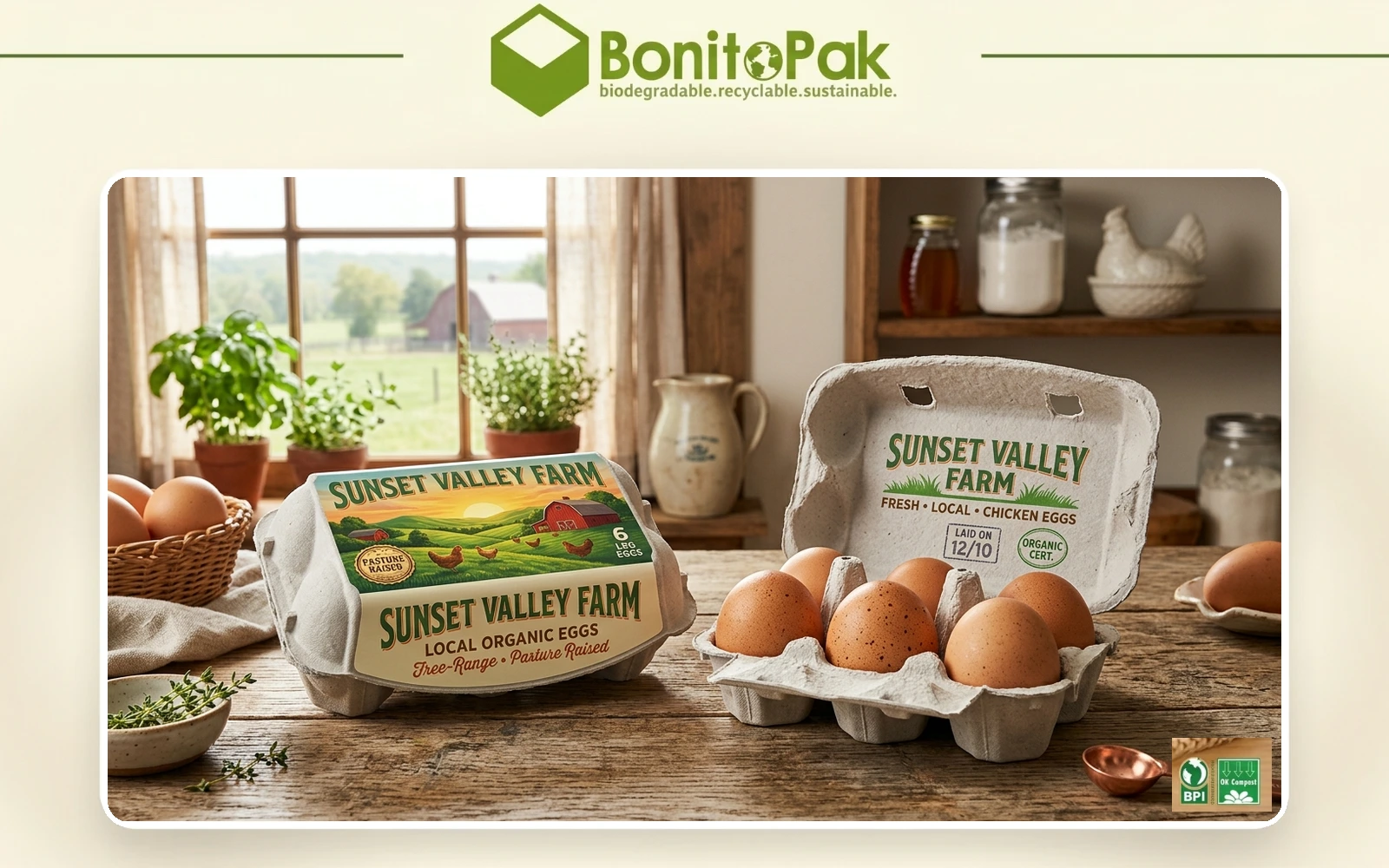
Caixas para ovos de galinha feitas de polpa moldada

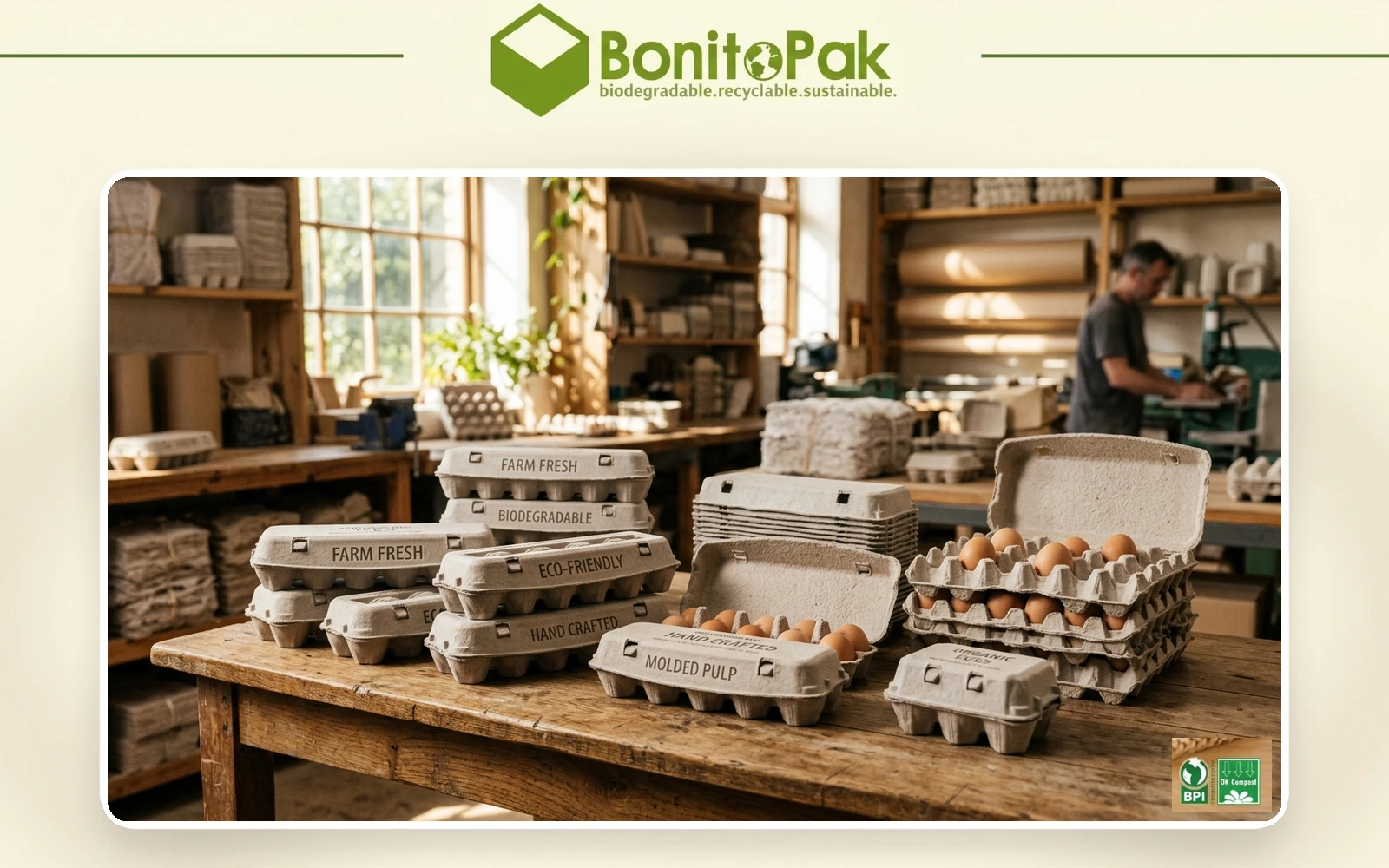
The BonitoPak molded pulp chicken egg carton is formed to the USDA weight grades, from peewee through jumbo, in every standard cell count.

  • Cell depth specified by egg weight grade rather than one depth for all sizes
  • Available in 4, 6, 12, 18, and 20 cell configurations
  • Fabricado com polpa de papel reciclado 100%, biodegradável e compostável em casa
  • Rib and cone geometry carries stacking load around the eggs rather than through them
  • Supplied blank for grading stations or printed for farm direct and retail brands
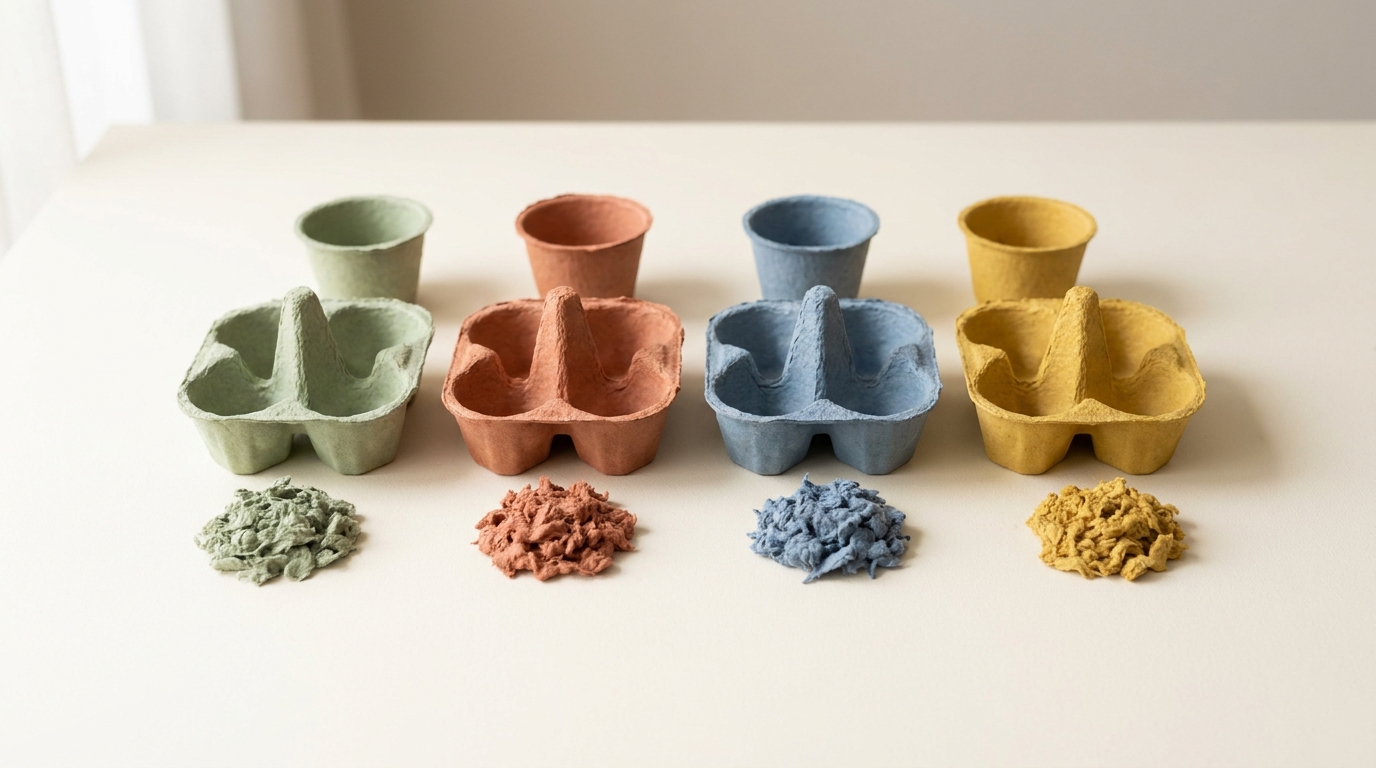
  • Polpa natural mais seis cores padrão; disponibilizamos a combinação personalizada de tons
  • OEM and ODM sizing accepted; compatible with common packing line specifications

Molde público

Soluções de embalagem

Design 3D

Molde personalizado

Descrição do produto

Especificação Detalhes
Nome da marca BonitoPak
Número do modelo EC-CH series
Nome do produto Chicken Egg Carton / Molded Pulp Egg Carton
Material Polpa de papel reciclado
Tipo de papel Papel reciclado pós-consumo
Técnica Moldagem de polpa (prensagem a úmido)
Contagem de células 4, 6, 12, 18 ou 20 células
Faixa de tamanho dos ovos Peewee (35 g) through jumbo (71 g and above)
Cell Depth Options Standard bed and deep bed for extra large and jumbo
Peso unitário 20 to 85 g depending on cell count
Cor Polpa natural; seis cores padrão; combinação de cores personalizada
Forma e estilo Top-fold clamshell, front locking tab; flat top available
Impressão do logotipo Estampagem em relevo, em baixo-relevo ou flexográfica
Uso industrial Layer farms, grading stations, packers, retail grocery
Aplicativo Commercial and farm direct chicken egg packing across all grades
Tamanho Aceitamos dimensões OEM e personalizadas
Vantagens Biodegradable, home compostable, nestable, plastic free
Embalagem A granel, acondicionado em caixas de exportação; aceita-se embalagem personalizada
Pedido personalizado Aceito
MOQ Confirm with sales; stock molds carry a lower minimum than custom tooling

Galeria de Caixas para ovos de galinha feitas de polpa moldada peças

Esta galeria mostra a qualidade excepcional e a atenção aos detalhes que oferecemos em cada projeto. De designs complexos a acabamentos impecáveis, cada imagem reflete nosso compromisso com a excelência em Caixas para ovos de galinha feitas de polpa moldada .

40%

Economia de tempo e custo

Experimente as principais soluções de embalagem que otimizam seus custos e tempo, proporcionando processos eficientes e maximizando seu ROI.

50%

Mais sustentável

Obtenha embalagens ecologicamente corretas com materiais sustentáveis, reduzindo o desperdício e promovendo a responsabilidade ambiental em todas as suas linhas de produtos.

25%

Aumento nas vendas

Aumente o apelo do seu produto nas prateleiras com designs inovadores que aumentam a visibilidade e as vendas nos mercados de varejo e on-line.

100%

Mais confiável

Confie no compromisso da BonitoPak com a qualidade, garantindo que cada produto atenda aos nossos altos padrões com um serviço consistente e confiável.

Grade, not count, decides the carton

Buyers order egg cartons by cell count. They should be ordering by egg grade first.

The USDA weight classes run peewee at 35 grams per egg, small at 43, medium at 50, large at 57, extra large at 64, and jumbo at 71 grams and above. Those weights translate directly into physical dimensions. A jumbo egg is roughly 8 mm taller and 5 mm wider than a large egg. That difference decides whether the lid closes on the shell or clears it.

A carton cut for large eggs will hold jumbos, but the lid contacts the shell tops. Under stacking load, that contact becomes point pressure on the strongest but most brittle part of the egg. The result is hairline cracking that shows up as leakage days later, and the packer usually blames handling rather than the carton.

We tool a standard bed for peewee through large, and a deep bed for extra large and jumbo. Producers running a mixed flock, which is most small and mid-size operations, generally specify the deep bed and accept a slightly looser fit on smaller eggs. Loose is safe. Tight is not.

What a grading station needs that a farm stand does not

Commercial packers and direct sellers want opposite things from the same product.

A grading station is running eggs through automated equipment at speed. The carton has to arrive with consistent dimensions run to run, hold tolerance on the infeed width, and open and close under machine force without hinge failure. Branding is usually irrelevant, since the eggs are packed for a retailer who applies their own labeling.

A farm direct seller wants the opposite. Volume is low, hand packing is normal, dimensional tolerance is forgiving, and the carton is a large part of how the product presents. Branding is the whole point.

We supply both from the same molds. What changes is the finishing: blank and bulk nested for the packer, embossed or printed and often color matched for the direct seller.

Cell geometry and how load actually travels

The visible part of the carton is the cell. The functional part is the cone between cells.

Each cone rises from the base to meet the lid when the carton closes. In a filled and closed carton, those cones become short vertical columns. Weight from the carton above lands on the cone tops, travels down through the cone walls, and lands on the base. The eggs sit in the voids between the columns and carry none of it.

This is why a molded pulp carton weighing 50 grams can support several kilograms in a pallet stack without deforming. It is also why cartons fail when they are packed open or short filled, since an unclosed lid leaves the columns disengaged and the structure incomplete.

Practically, this means cartons should be closed before stacking, and half filled cartons should not go to the bottom of a pallet. Packers know this. Farm sellers often do not.

Fiber source and what recycled means here

Chicken egg cartons are one of the oldest recycled paper products in continuous production. The fiber going into them has typically been through several use cycles already, which is why it is short, why it forms well, and why it is not suitable for most other paper products.

Short fiber is an advantage in molding. It flows into detail, drains predictably on the mold screen, and produces a dense wall without the long fiber tangles that cause thin spots. The characteristic gray-brown color comes from mixed recycled stock rather than from any added pigment.

That same short fiber is why municipal recycling programs vary in whether they accept egg cartons. The fibers are near the end of their usable life for repulping. Home composting is reliable across the board, since the material is untreated cellulose with no coating, film, or adhesive.

Storage before the eggs go in

Empty cartons need dry storage, and this is where a surprising share of quality complaints originate. Pulp will take on moisture from a damp warehouse over weeks, softening the hinge and reducing top load strength before the carton has held a single egg. Store nested stacks off the floor, away from exterior walls, and under cover. Cartons stored correctly hold their specification for a year or more.

Choosing the right count for a flock

Cell count should follow production volume and sales channel, not habit.

O caixa de ovos para uma dúzia remains the volume standard for anything going to retail. The Caixa de 6 ovos suits small flocks and premium lines where full dozens are hard to fill or too expensive at the shelf. The 18 egg carton covers value packs and club formats. The 4 caixas de ovos handles gift and sampler sales.

Producers who also keep quail should specify quail egg cartons separately rather than using a chicken carton, since the cell geometry is not compatible in either direction.

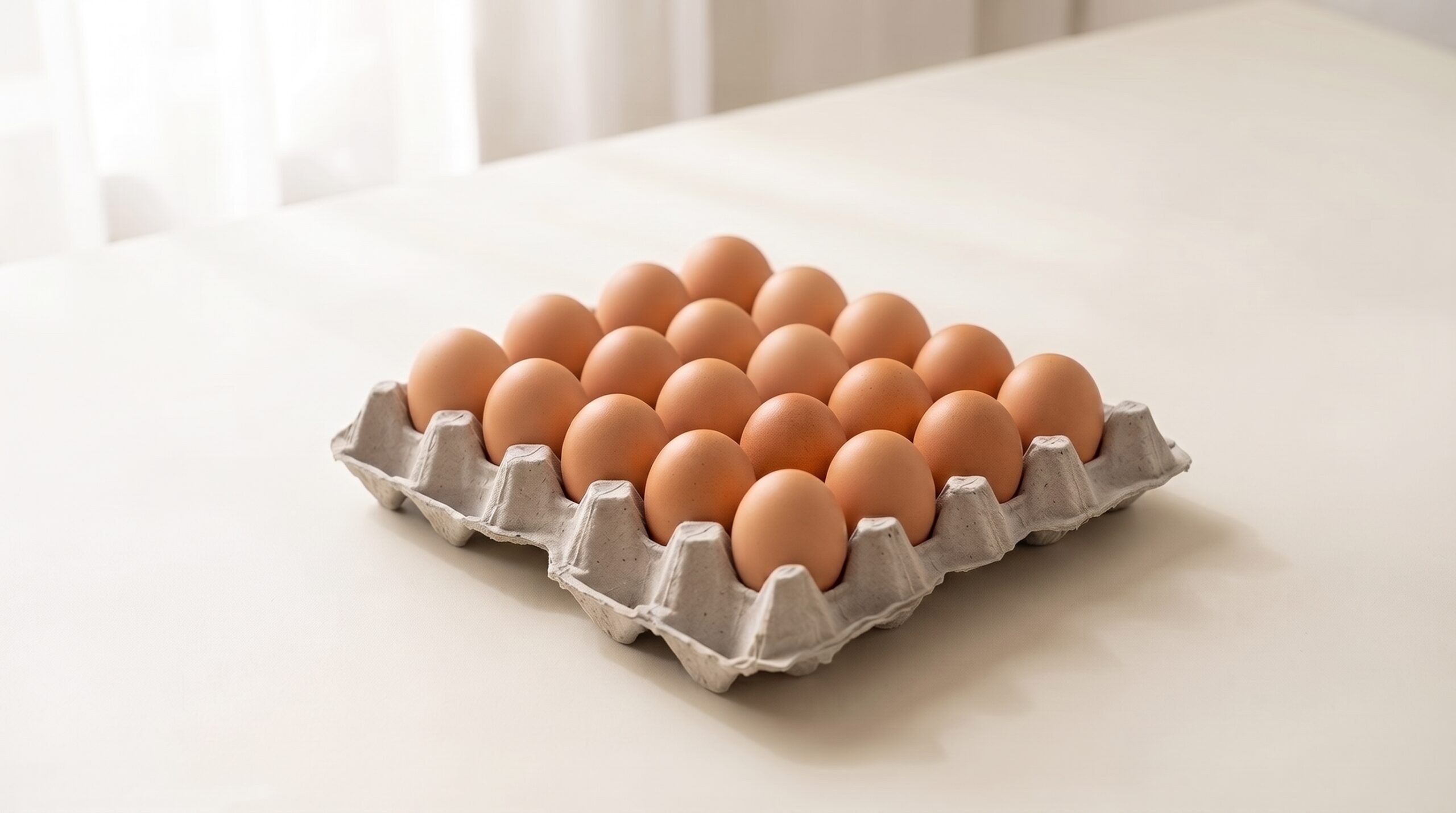
Grade, not count, decides the carton

Buyers order egg cartons by cell count. They should be ordering by egg grade first.

The USDA weight classes run peewee at 35 grams per egg, small at 43, medium at 50, large at 57, extra large at 64, and jumbo at 71 grams and above. Those weights translate directly into physical dimensions. A jumbo egg is roughly 8 mm taller and 5 mm wider than a large egg. That difference decides whether the lid closes on the shell or clears it.

A carton cut for large eggs will hold jumbos, but the lid contacts the shell tops. Under stacking load, that contact becomes point pressure on the strongest but most brittle part of the egg. The result is hairline cracking that shows up as leakage days later, and the packer usually blames handling rather than the carton.

We tool a standard bed for peewee through large, and a deep bed for extra large and jumbo. Producers running a mixed flock, which is most small and mid-size operations, generally specify the deep bed and accept a slightly looser fit on smaller eggs. Loose is safe. Tight is not.

What a grading station needs that a farm stand does not

Commercial packers and direct sellers want opposite things from the same product.

A grading station is running eggs through automated equipment at speed. The carton has to arrive with consistent dimensions run to run, hold tolerance on the infeed width, and open and close under machine force without hinge failure. Branding is usually irrelevant, since the eggs are packed for a retailer who applies their own labeling.

A farm direct seller wants the opposite. Volume is low, hand packing is normal, dimensional tolerance is forgiving, and the carton is a large part of how the product presents. Branding is the whole point.

We supply both from the same molds. What changes is the finishing: blank and bulk nested for the packer, embossed or printed and often color matched for the direct seller.

Cell geometry and how load actually travels

The visible part of the carton is the cell. The functional part is the cone between cells.

Each cone rises from the base to meet the lid when the carton closes. In a filled and closed carton, those cones become short vertical columns. Weight from the carton above lands on the cone tops, travels down through the cone walls, and lands on the base. The eggs sit in the voids between the columns and carry none of it.

This is why a molded pulp carton weighing 50 grams can support several kilograms in a pallet stack without deforming. It is also why cartons fail when they are packed open or short filled, since an unclosed lid leaves the columns disengaged and the structure incomplete.

Practically, this means cartons should be closed before stacking, and half filled cartons should not go to the bottom of a pallet. Packers know this. Farm sellers often do not.

Fiber source and what recycled means here

Chicken egg cartons are one of the oldest recycled paper products in continuous production. The fiber going into them has typically been through several use cycles already, which is why it is short, why it forms well, and why it is not suitable for most other paper products.

Short fiber is an advantage in molding. It flows into detail, drains predictably on the mold screen, and produces a dense wall without the long fiber tangles that cause thin spots. The characteristic gray-brown color comes from mixed recycled stock rather than from any added pigment.

That same short fiber is why municipal recycling programs vary in whether they accept egg cartons. The fibers are near the end of their usable life for repulping. Home composting is reliable across the board, since the material is untreated cellulose with no coating, film, or adhesive.

Storage before the eggs go in

Empty cartons need dry storage, and this is where a surprising share of quality complaints originate. Pulp will take on moisture from a damp warehouse over weeks, softening the hinge and reducing top load strength before the carton has held a single egg. Store nested stacks off the floor, away from exterior walls, and under cover. Cartons stored correctly hold their specification for a year or more.

Choosing the right count for a flock

Cell count should follow production volume and sales channel, not habit.

O caixa de ovos para uma dúzia remains the volume standard for anything going to retail. The Caixa de 6 ovos suits small flocks and premium lines where full dozens are hard to fill or too expensive at the shelf. The 18 egg carton covers value packs and club formats. The 4 caixas de ovos handles gift and sampler sales.

Producers who also keep quail should specify quail egg cartons separately rather than using a chicken carton, since the cell geometry is not compatible in either direction.
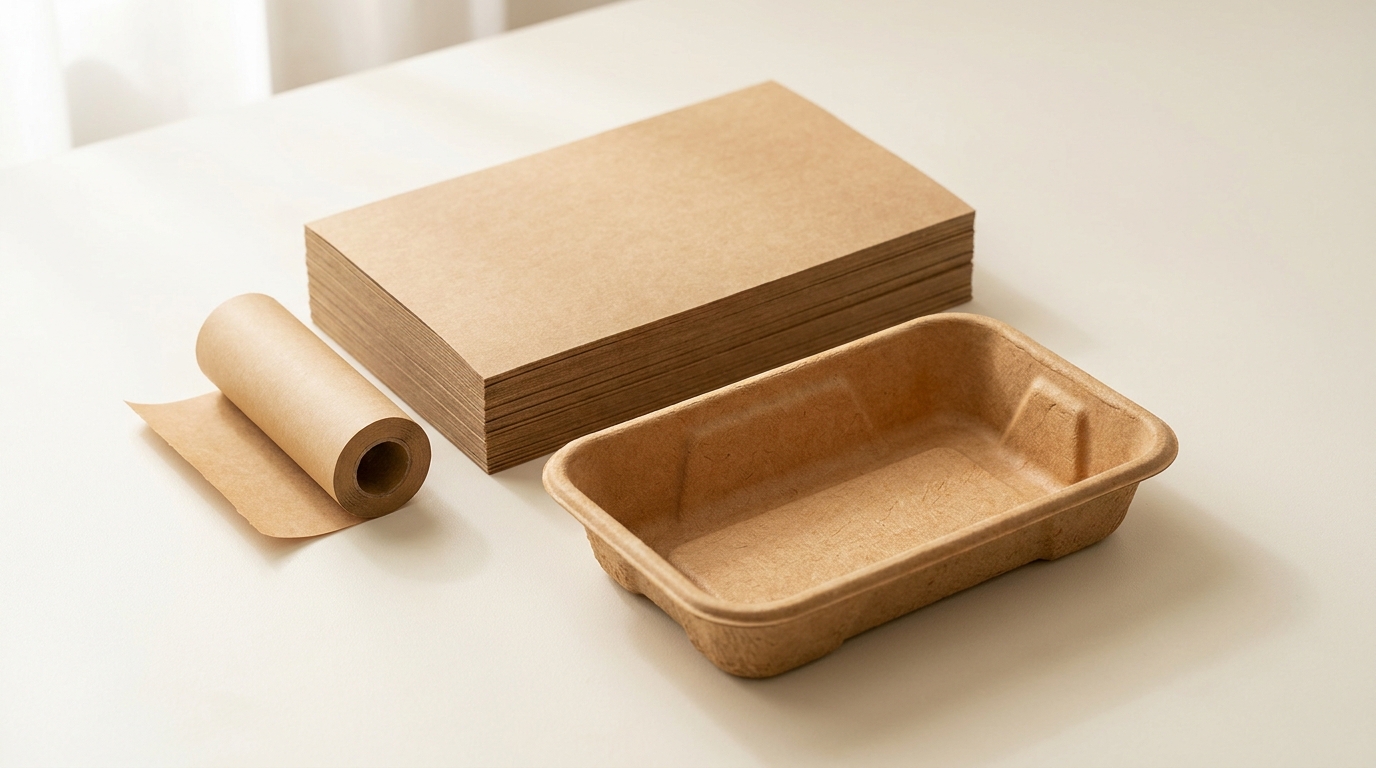
Materiais para Caixas para ovos de galinha feitas de polpa moldada Peças

Empresas e engenheiros líderes confiam no BonitoPak para iterações rápidas e peças duráveis e de alta qualidade. Seja para prototipagem ou produção em escala real, nossa ampla gama de materiais garante que atendamos aos requisitos exclusivos de qualquer Caixas para ovos de galinha feitas de polpa moldada projeto com precisão e rapidez.

Compostable kraft paper is the strongest fiber we form. Made from virgin

Colored pulp is not a separate fiber. It is any of our

Bleached pulp is the material to specify when the part has to

Natural plant fiber covers the non-wood cellulose sources we blend outside the

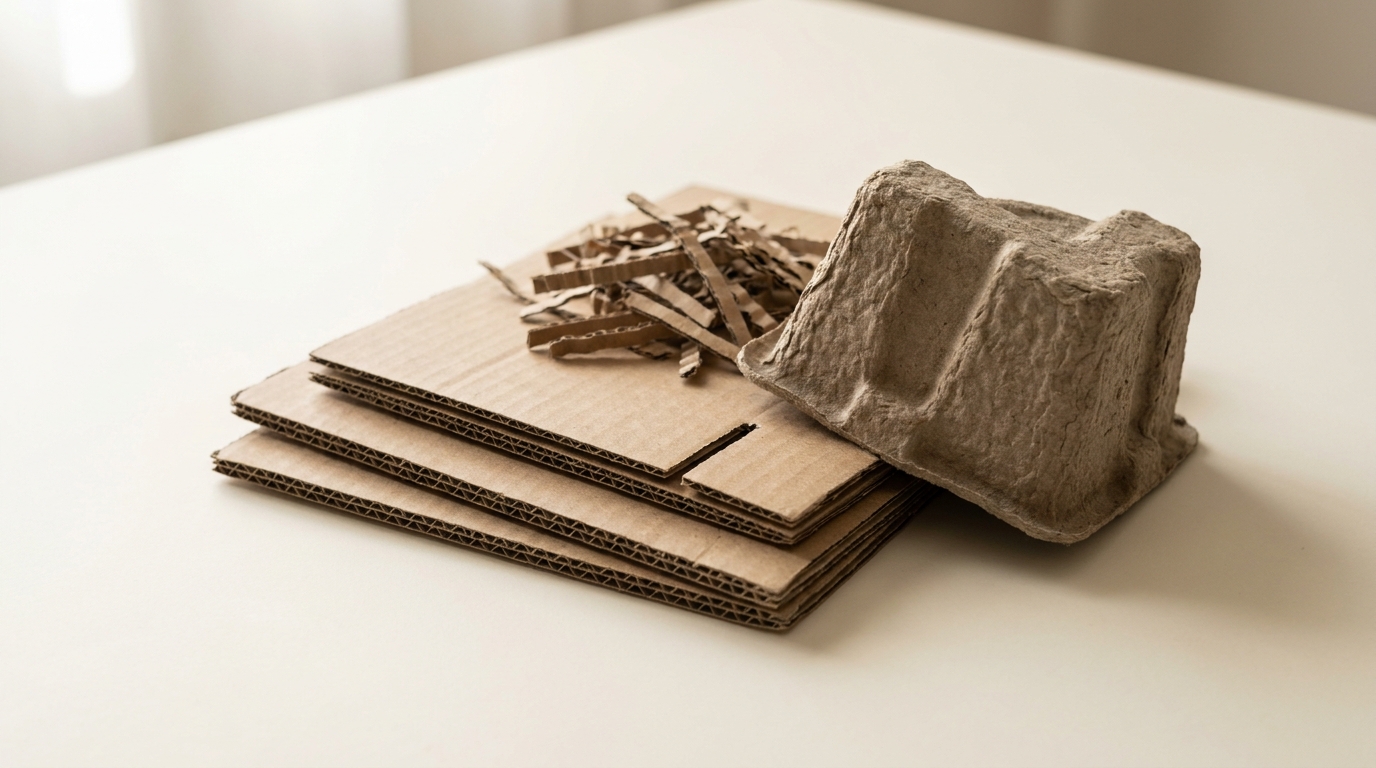
Corrugated paper as a molded pulp material means recovered cardboard boxes repulped

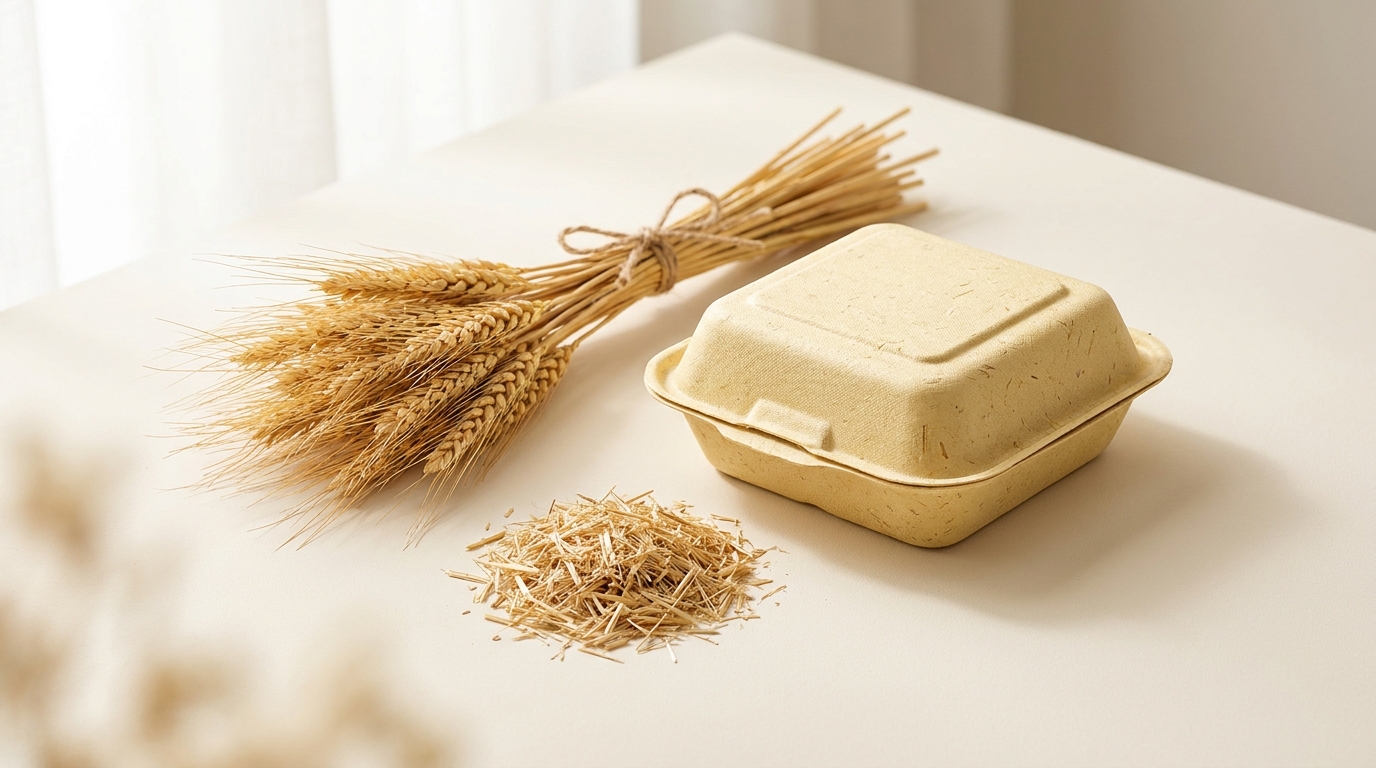
Straw fiber is made from the stalks left after grain harvest, material

Personalizado, ecológico e confiável

Excelência em embalagens personalizadas e ecologicamente corretas

Totalmente personalizável

Personalize sua embalagem com estilos, tamanhos, cores e acabamentos sob medida para atender a necessidades específicas.

Suporte especializado

A Bonitopak oferece consultoria especializada em design e logística para maximizar a eficiência da embalagem e aumentar o ROI.

Soluções ecológicas

Escolha embalagens sustentáveis e ecologicamente corretas para reduzir o impacto ambiental e apoiar as metas ecológicas de sua marca.

Garantia de qualidade

A Bonitopak garante serviço de alta qualidade e excelência de produto em cada solução de embalagem.

Perguntas frequentes (FAQ)

Chicken Egg Carton

  • Do you supply cartons that work on Moba or Diamond grading equipment?

    We supply to dimensional specification, and buyers running Moba, Diamond, or Sanovo equipment provide us the required carton tolerances from their machine documentation. We then produce and sample against those figures. We do not certify against specific equipment brands, since certification sits with the machine operator’s own trial.

  • How does molded pulp compare to foam on egg breakage rates?

    Both perform well in transit, and neither has a decisive edge on breakage when correctly specified. The differences that matter commercially are elsewhere: pulp composts and foam does not, pulp nests for lower inbound freight, and an increasing number of retailers and jurisdictions restrict foam. We do not produce foam, so we would rather state that plainly than argue a performance gap that the data does not support.

  • Can I use the same carton for washed and unwashed eggs?

    The carton does not differ. What differs is handling and storage, since washed eggs have lost the natural cuticle and need refrigeration, while unwashed eggs can be held at room temperature in many jurisdictions. Pulp handles both because it regulates moisture rather than sealing it in.

  • Does a pullet egg need a different carton?

    Pullet eggs from young hens fall into the peewee and small grades, roughly 35 to 43 grams, and they sit low in a standard bed. They are safe there, but they look sparse in the carton, which matters for retail presentation. Producers selling pullet eggs as a distinct product often use a shallower dedicated mold so the pack looks full.

  • What egg grade should I specify if my flock lays inconsistently?

    Specify to your largest regular egg, not your average. A smaller egg in a deeper cell is protected. A larger egg in a shallow cell takes lid pressure and cracks. Most mixed flocks are best served by the deep bed, which covers extra large and jumbo while still holding large eggs securely enough for transport.

Resultado biodegradável

0 dias

7 dias

14 dias

30 dias

Setores especializados

Tendo produzido milhões de peças, a BonitoPak possui profundo conhecimento em diversas aplicações. Nós nos destacamos especialmente em setores que exigem a fabricação de componentes precisos e intrincados. Confie em nós para oferecer experiência e qualidade, independentemente da complexidade.

Soluções de embalagem OEM e ODM

A Bonitopak oferece soluções de embalagem personalizadas (OEM) e pré-projetadas (ODM). Independentemente de você precisar de designs totalmente personalizados ou de embalagens prontas para uso, fornecemos opções de alta qualidade, eficientes e flexíveis para atender às necessidades da sua marca.

Serviços OEM

As soluções de embalagem OEM permitem que você crie produtos totalmente personalizados, projetados e fabricados para atender às suas necessidades específicas. Na Bonitopak, oferecemos suporte abrangente durante todo o processo de design, prototipagem e fabricação, garantindo que sua embalagem reflita a identidade exclusiva de sua marca. Nossos recursos de fabricação de precisão garantem uma produção consistente e de alta qualidade, independentemente da complexidade do projeto. Com serviço de ponta a ponta, cuidamos de tudo, desde o conceito até a entrega, ajudando-o a otimizar suas necessidades de embalagem.

Serviços ODM

As soluções de embalagem ODM oferecem produtos pré-projetados que podem ser adaptados aos requisitos de sua marca. Com a experiência em design inovador e o processo de produção eficiente da Bonitopak, você pode escolher entre uma ampla gama de opções de embalagens prontas para uso. Oferecemos personalização flexível, permitindo que você adicione sua marca e selecione entre vários acabamentos, cores e tamanhos. Essa solução economiza tempo e custos e, ao mesmo tempo, garante embalagens de alta qualidade que atendem aos padrões de sua marca.
Pronto para elevar seu projeto?

Dê vida aos seus projetos com o BonitoPak

Experimente a engenharia de precisão com a BonitoPak. De protótipos detalhados à produção de alto volume, estamos aqui para transformar seus conceitos em realidade. Entre em contato conosco hoje mesmo para discutir as necessidades do seu projeto!

Nossas categorias de produtos

Descubra a gama diversificada de soluções de embalagem da Bonitopak, incluindo bandejas de polpa moldada, embalagens para alimentos, designs personalizados e opções sustentáveis. Cada categoria é criada para oferecer durabilidade, funcionalidade e responsabilidade ambiental, adaptada para atender às suas necessidades específicas.

Grade, not count, decides the carton

Buyers order egg cartons by cell count. They should be ordering by egg grade first.

The USDA weight classes run peewee at 35 grams per egg, small at 43, medium at 50, large at 57, extra large at 64, and jumbo at 71 grams and above. Those weights translate directly into physical dimensions. A jumbo egg is roughly 8 mm taller and 5 mm wider than a large egg. That difference decides whether the lid closes on the shell or clears it.

A carton cut for large eggs will hold jumbos, but the lid contacts the shell tops. Under stacking load, that contact becomes point pressure on the strongest but most brittle part of the egg. The result is hairline cracking that shows up as leakage days later, and the packer usually blames handling rather than the carton.

We tool a standard bed for peewee through large, and a deep bed for extra large and jumbo. Producers running a mixed flock, which is most small and mid-size operations, generally specify the deep bed and accept a slightly looser fit on smaller eggs. Loose is safe. Tight is not.

What a grading station needs that a farm stand does not

Commercial packers and direct sellers want opposite things from the same product.

A grading station is running eggs through automated equipment at speed. The carton has to arrive with consistent dimensions run to run, hold tolerance on the infeed width, and open and close under machine force without hinge failure. Branding is usually irrelevant, since the eggs are packed for a retailer who applies their own labeling.

A farm direct seller wants the opposite. Volume is low, hand packing is normal, dimensional tolerance is forgiving, and the carton is a large part of how the product presents. Branding is the whole point.

We supply both from the same molds. What changes is the finishing: blank and bulk nested for the packer, embossed or printed and often color matched for the direct seller.

Cell geometry and how load actually travels

The visible part of the carton is the cell. The functional part is the cone between cells.

Each cone rises from the base to meet the lid when the carton closes. In a filled and closed carton, those cones become short vertical columns. Weight from the carton above lands on the cone tops, travels down through the cone walls, and lands on the base. The eggs sit in the voids between the columns and carry none of it.

This is why a molded pulp carton weighing 50 grams can support several kilograms in a pallet stack without deforming. It is also why cartons fail when they are packed open or short filled, since an unclosed lid leaves the columns disengaged and the structure incomplete.

Practically, this means cartons should be closed before stacking, and half filled cartons should not go to the bottom of a pallet. Packers know this. Farm sellers often do not.

Fiber source and what recycled means here

Chicken egg cartons are one of the oldest recycled paper products in continuous production. The fiber going into them has typically been through several use cycles already, which is why it is short, why it forms well, and why it is not suitable for most other paper products.

Short fiber is an advantage in molding. It flows into detail, drains predictably on the mold screen, and produces a dense wall without the long fiber tangles that cause thin spots. The characteristic gray-brown color comes from mixed recycled stock rather than from any added pigment.

That same short fiber is why municipal recycling programs vary in whether they accept egg cartons. The fibers are near the end of their usable life for repulping. Home composting is reliable across the board, since the material is untreated cellulose with no coating, film, or adhesive.

Storage before the eggs go in

Empty cartons need dry storage, and this is where a surprising share of quality complaints originate. Pulp will take on moisture from a damp warehouse over weeks, softening the hinge and reducing top load strength before the carton has held a single egg. Store nested stacks off the floor, away from exterior walls, and under cover. Cartons stored correctly hold their specification for a year or more.

Choosing the right count for a flock

Cell count should follow production volume and sales channel, not habit.

O caixa de ovos para uma dúzia remains the volume standard for anything going to retail. The Caixa de 6 ovos suits small flocks and premium lines where full dozens are hard to fill or too expensive at the shelf. The 18 egg carton covers value packs and club formats. The 4 caixas de ovos handles gift and sampler sales.

Producers who also keep quail should specify quail egg cartons separately rather than using a chicken carton, since the cell geometry is not compatible in either direction.
Grade, not count, decides the carton

Buyers order egg cartons by cell count. They should be ordering by egg grade first.

The USDA weight classes run peewee at 35 grams per egg, small at 43, medium at 50, large at 57, extra large at 64, and jumbo at 71 grams and above. Those weights translate directly into physical dimensions. A jumbo egg is roughly 8 mm taller and 5 mm wider than a large egg. That difference decides whether the lid closes on the shell or clears it.

A carton cut for large eggs will hold jumbos, but the lid contacts the shell tops. Under stacking load, that contact becomes point pressure on the strongest but most brittle part of the egg. The result is hairline cracking that shows up as leakage days later, and the packer usually blames handling rather than the carton.

We tool a standard bed for peewee through large, and a deep bed for extra large and jumbo. Producers running a mixed flock, which is most small and mid-size operations, generally specify the deep bed and accept a slightly looser fit on smaller eggs. Loose is safe. Tight is not.

What a grading station needs that a farm stand does not

Commercial packers and direct sellers want opposite things from the same product.

A grading station is running eggs through automated equipment at speed. The carton has to arrive with consistent dimensions run to run, hold tolerance on the infeed width, and open and close under machine force without hinge failure. Branding is usually irrelevant, since the eggs are packed for a retailer who applies their own labeling.

A farm direct seller wants the opposite. Volume is low, hand packing is normal, dimensional tolerance is forgiving, and the carton is a large part of how the product presents. Branding is the whole point.

We supply both from the same molds. What changes is the finishing: blank and bulk nested for the packer, embossed or printed and often color matched for the direct seller.

Cell geometry and how load actually travels

The visible part of the carton is the cell. The functional part is the cone between cells.

Each cone rises from the base to meet the lid when the carton closes. In a filled and closed carton, those cones become short vertical columns. Weight from the carton above lands on the cone tops, travels down through the cone walls, and lands on the base. The eggs sit in the voids between the columns and carry none of it.

This is why a molded pulp carton weighing 50 grams can support several kilograms in a pallet stack without deforming. It is also why cartons fail when they are packed open or short filled, since an unclosed lid leaves the columns disengaged and the structure incomplete.

Practically, this means cartons should be closed before stacking, and half filled cartons should not go to the bottom of a pallet. Packers know this. Farm sellers often do not.

Fiber source and what recycled means here

Chicken egg cartons are one of the oldest recycled paper products in continuous production. The fiber going into them has typically been through several use cycles already, which is why it is short, why it forms well, and why it is not suitable for most other paper products.

Short fiber is an advantage in molding. It flows into detail, drains predictably on the mold screen, and produces a dense wall without the long fiber tangles that cause thin spots. The characteristic gray-brown color comes from mixed recycled stock rather than from any added pigment.

That same short fiber is why municipal recycling programs vary in whether they accept egg cartons. The fibers are near the end of their usable life for repulping. Home composting is reliable across the board, since the material is untreated cellulose with no coating, film, or adhesive.

Storage before the eggs go in

Empty cartons need dry storage, and this is where a surprising share of quality complaints originate. Pulp will take on moisture from a damp warehouse over weeks, softening the hinge and reducing top load strength before the carton has held a single egg. Store nested stacks off the floor, away from exterior walls, and under cover. Cartons stored correctly hold their specification for a year or more.

Choosing the right count for a flock

Cell count should follow production volume and sales channel, not habit.

O caixa de ovos para uma dúzia remains the volume standard for anything going to retail. The Caixa de 6 ovos suits small flocks and premium lines where full dozens are hard to fill or too expensive at the shelf. The 18 egg carton covers value packs and club formats. The 4 caixas de ovos handles gift and sampler sales.

Producers who also keep quail should specify quail egg cartons separately rather than using a chicken carton, since the cell geometry is not compatible in either direction.
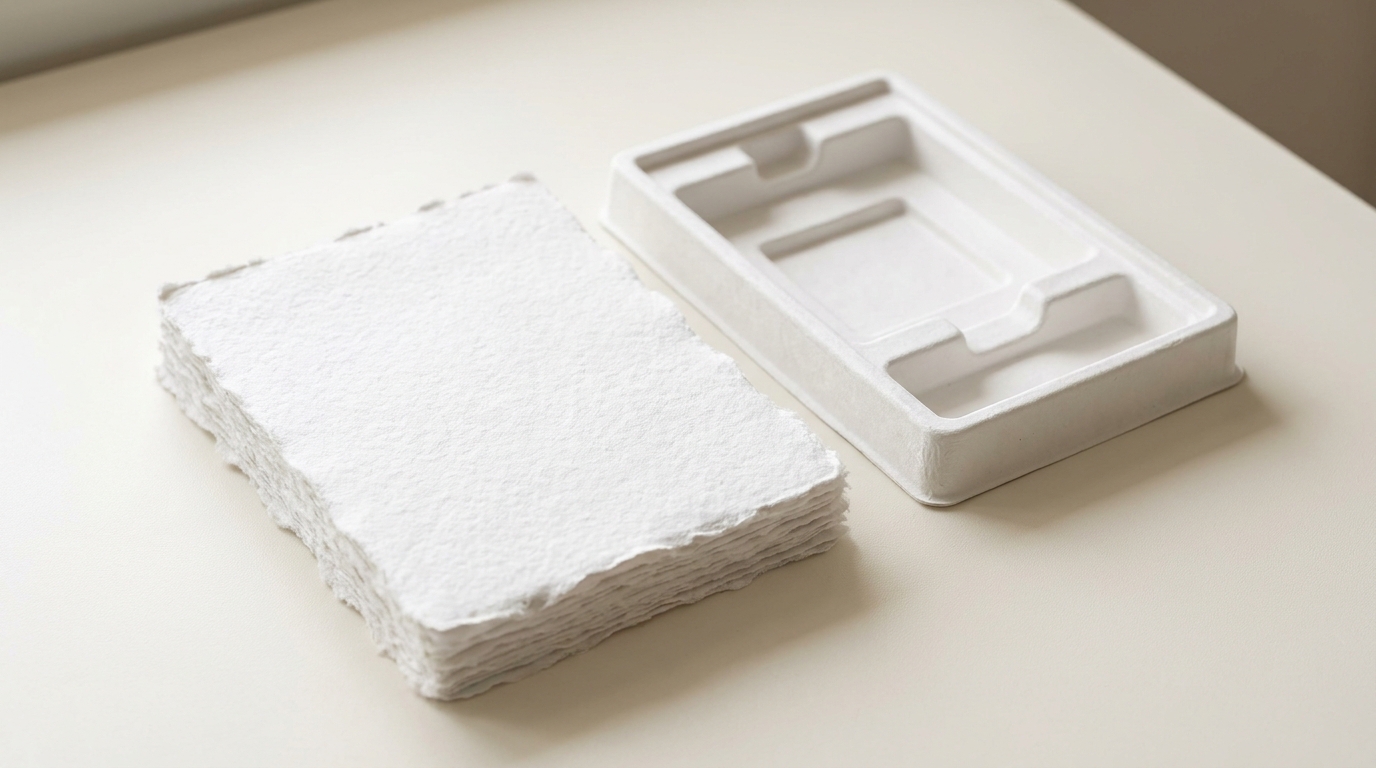
Artigos e insights relacionados

Mantenha-se informado com as últimas atualizações sobre tendências de embalagens sustentáveis, percepções do setor e dicas de especialistas em nosso blog. Explore ideias e soluções inovadoras para aprimorar seu conhecimento sobre embalagens.

Vietnam has become a serious alternative for buyers who want molded fiber packaging from outside

Searching for custom printed egg cartons turns up two very different kinds of company, and

Por Leo Chan | Redator, BonitoPak | Mais de 20 anos na área de embalagens de polpa moldada. A vodca é

Perguntas frequentes (FAQ)

Chicken Egg Carton

  • Do you supply cartons that work on Moba or Diamond grading equipment?

    We supply to dimensional specification, and buyers running Moba, Diamond, or Sanovo equipment provide us the required carton tolerances from their machine documentation. We then produce and sample against those figures. We do not certify against specific equipment brands, since certification sits with the machine operator’s own trial.

  • How does molded pulp compare to foam on egg breakage rates?

    Both perform well in transit, and neither has a decisive edge on breakage when correctly specified. The differences that matter commercially are elsewhere: pulp composts and foam does not, pulp nests for lower inbound freight, and an increasing number of retailers and jurisdictions restrict foam. We do not produce foam, so we would rather state that plainly than argue a performance gap that the data does not support.

  • Can I use the same carton for washed and unwashed eggs?

    The carton does not differ. What differs is handling and storage, since washed eggs have lost the natural cuticle and need refrigeration, while unwashed eggs can be held at room temperature in many jurisdictions. Pulp handles both because it regulates moisture rather than sealing it in.

  • Does a pullet egg need a different carton?

    Pullet eggs from young hens fall into the peewee and small grades, roughly 35 to 43 grams, and they sit low in a standard bed. They are safe there, but they look sparse in the carton, which matters for retail presentation. Producers selling pullet eggs as a distinct product often use a shallower dedicated mold so the pack looks full.

  • What egg grade should I specify if my flock lays inconsistently?

    Specify to your largest regular egg, not your average. A smaller egg in a deeper cell is protected. A larger egg in a shallow cell takes lid pressure and cracks. Most mixed flocks are best served by the deep bed, which covers extra large and jumbo while still holding large eggs securely enough for transport.

Preencha este formulário detalhado