Duck Egg Cartons

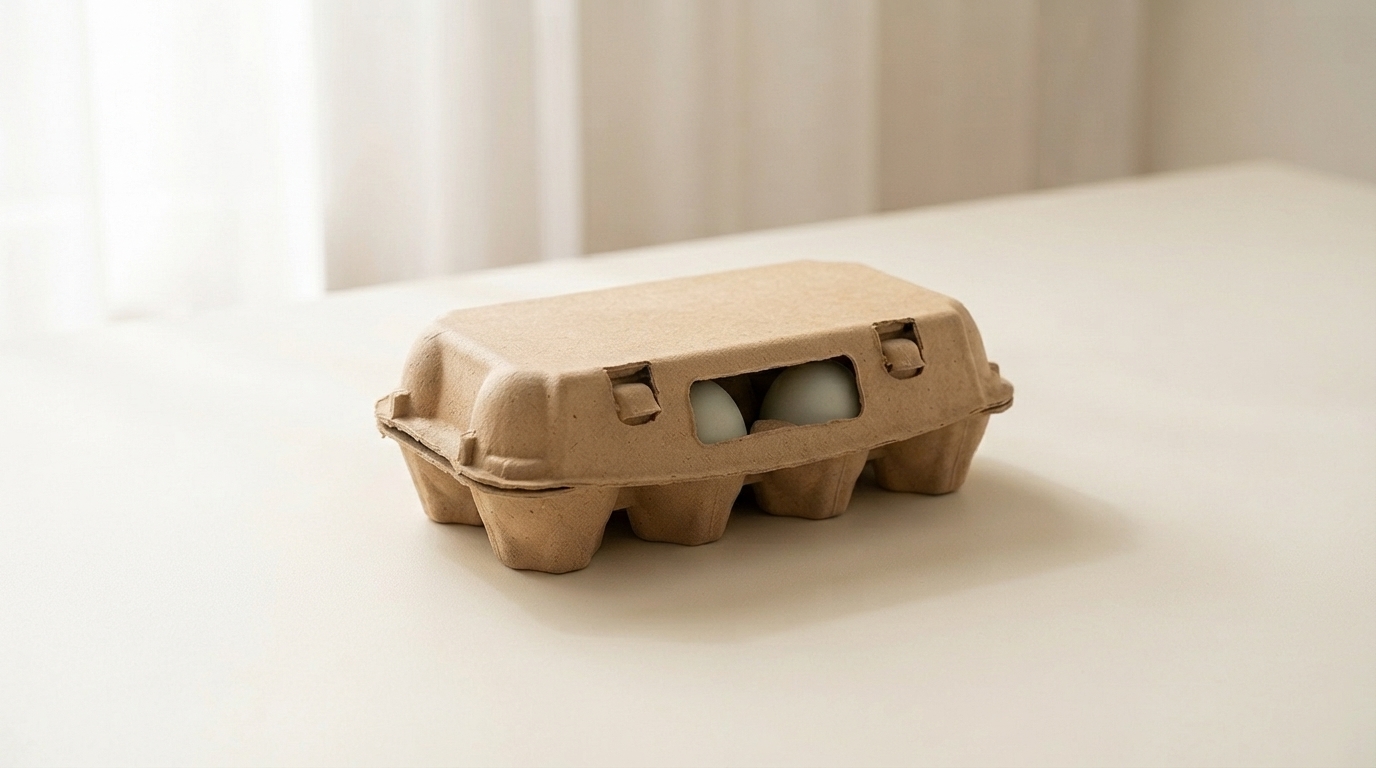
  • Cell bed cut to duck egg proportions, roughly 5 mm deeper and wider than a chicken cell
  • Available in 4, 6, and 12 cell layouts on a correspondingly larger footprint
  • Fabricado com polpa de papel reciclado 100%, biodegradável e compostável em casa
  • Lid clears the shell on Pekin, Khaki Campbell, Runner, and most Muscovy eggs
  • Taller clamshell profile stops the lid pressing on the pointed end
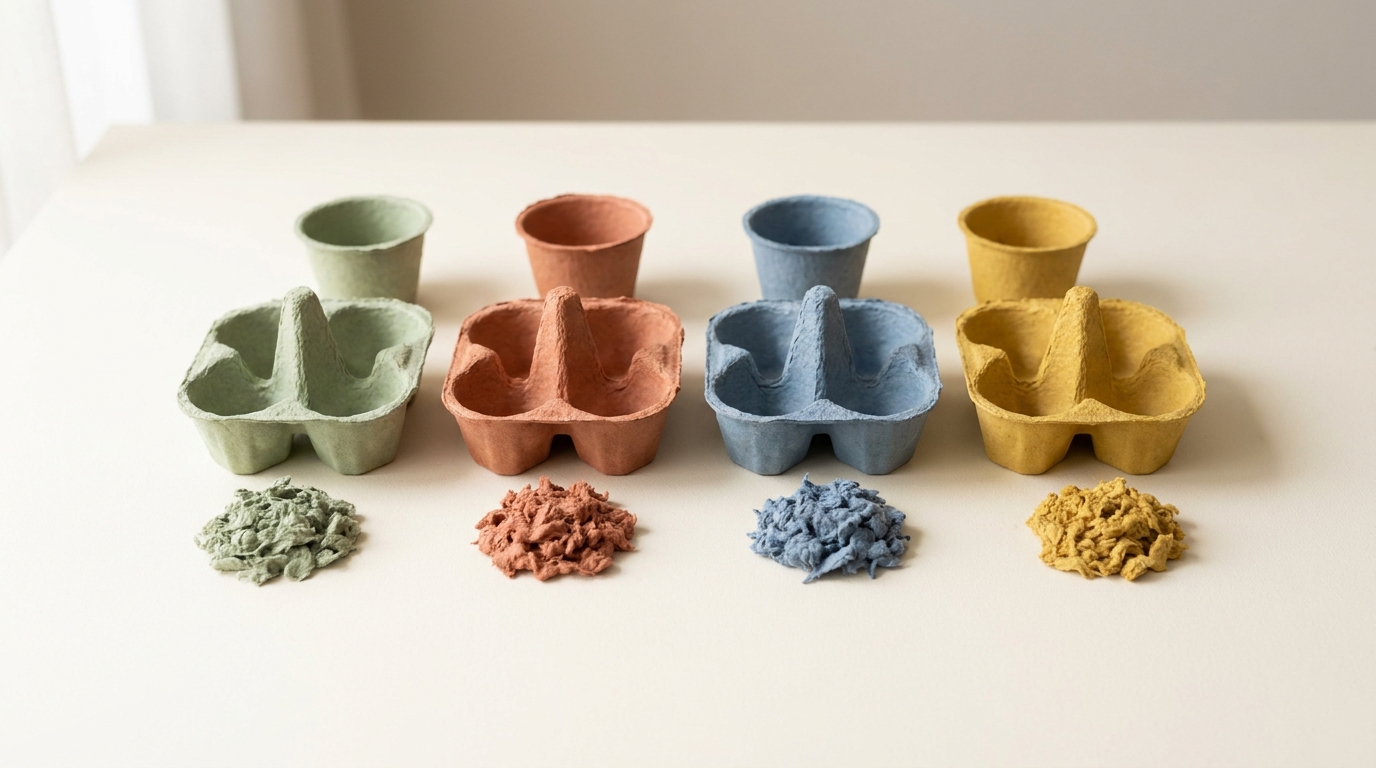
  • Polpa natural mais seis cores padrão; disponibilizamos a combinação personalizada de tons
  • OEM and ODM sizing accepted; stock molds available without tooling charge

Molde público

Soluções de embalagem

Design 3D

Molde personalizado

Descrição do produto

Especificação Detalhes
Nome da marca BonitoPak
Número do modelo EC-D04 / EC-D06 / EC-D12
Nome do produto Duck Egg Cartons / Deep Cell Pulp Carton
Material Polpa de papel reciclado
Tipo de papel Papel reciclado pós-consumo
Técnica Moldagem de polpa (prensagem a úmido)
Contagem de células 4, 6, or 12 cells
Faixa de tamanho dos ovos Pekin, Khaki Campbell, Runner, most Muscovy
Cell Depth Approximately 50 mm, deeper than the chicken standard
Dimensões externas 6 cell: 195 x 118 x 85 mm; 12 cell: 330 x 118 x 85 mm
Peso unitário 24 to 66 g depending on cell count
Cor Polpa natural; seis cores padrão; combinação de cores personalizada
Forma e estilo Top-fold clamshell with front locking tab
Impressão do logotipo Estampagem em relevo, em baixo-relevo ou flexográfica
Uso industrial Duck farms, specialty poultry, gourmet retail, farm direct
Aplicativo Retail duck egg packs, farm stand sales, hatching egg transport
Tamanho Aceitamos dimensões OEM e personalizadas
Vantagens Biodegradable, home compostable, nestable, plastic free
Embalagem A granel, acondicionado em caixas de exportação; aceita-se embalagem personalizada
Pedido personalizado Aceito
MOQ Confirm with sales; stock molds carry a lower minimum than custom tooling

Galeria de Duck Egg Cartons peças

Esta galeria mostra a qualidade excepcional e a atenção aos detalhes que oferecemos em cada projeto. De designs complexos a acabamentos impecáveis, cada imagem reflete nosso compromisso com a excelência em Duck Egg Cartons .

40%

Economia de tempo e custo

Experimente as principais soluções de embalagem que otimizam seus custos e tempo, proporcionando processos eficientes e maximizando seu ROI.

50%

Mais sustentável

Obtenha embalagens ecologicamente corretas com materiais sustentáveis, reduzindo o desperdício e promovendo a responsabilidade ambiental em todas as suas linhas de produtos.

25%

Aumento nas vendas

Aumente o apelo do seu produto nas prateleiras com designs inovadores que aumentam a visibilidade e as vendas nos mercados de varejo e on-line.

100%

Mais confiável

Confie no compromisso da BonitoPak com a qualidade, garantindo que cada produto atenda aos nossos altos padrões com um serviço consistente e confiável.

A duck egg is a different solid

The assumption that duck eggs are simply bigger chicken eggs is where most duck packaging goes wrong.

A Pekin duck egg weighs around 70 to 80 grams against roughly 57 for a large chicken egg. That weight difference is the part buyers notice. The shape difference is the part that breaks cartons.

Duck eggs are proportionally longer and more sharply pointed at the narrow end. Where a chicken egg is an oval that seats evenly into a conical cell, a duck egg sits lower at the point and higher at the broad end, which means it occupies more vertical space than its weight predicts. Drop one into a chicken cell rated for jumbo and the broad end still stands proud.

The shell is also thicker, around 0.4 mm against roughly 0.35 for chicken, with a tougher membrane underneath. Duck eggs survive handling that chips a chicken egg. What they do not survive is sustained lid pressure, because a thicker shell under constant point load cracks rather than flexes.

What we changed in the mold

Three dimensions, all of them in the same direction.

Cell depth increased to around 50 mm so the broad end seats below the lid line. Cell diameter widened to match the greater girth. And the clamshell profile itself is taller, which is why a duck carton looks visibly chunkier than a chicken carton of the same cell count.

The spacing between cells also opened slightly. Duck eggs sitting at chicken spacing touch at their widest point, and shell to shell contact in transit is what produces the hairline chips that show up as weeping eggs days later.

The Muscovy question

Muscovy eggs are the edge case worth naming honestly.

Most Muscovy eggs fit our standard duck mold. Some do not. Muscovy hens produce a noticeably variable egg, and birds at the larger end of the breed lay eggs that sit high even in a duck cell.

Producers running Muscovy exclusively should send us sample eggs before ordering. We will seat them in a production carton and tell you plainly whether the lid clears. If it does not, custom tooling is the honest answer rather than selling you a carton that almost fits.

Runner and Khaki Campbell eggs sit comfortably inside the standard mold. Pekin, which produces the majority of commercial duck eggs, is what the mold was dimensioned around.

Why duck producers pay more attention to packaging

Duck eggs sell at a premium, often two to three times the price of chicken eggs per unit in specialty retail. That changes the packaging calculation in two ways.

The cost of a better carton is a smaller fraction of the sale price, so there is room to specify properly rather than at the floor.

And the cost of a breakage is higher. A cracked duck egg loses more revenue than a cracked chicken egg, which means the deep cell that prevents it pays for itself across fewer saved eggs than the same logic would require in commodity chicken packing.

Duck buyers are also disproportionately baking customers, who buy for the higher fat and protein content in the yolk. They are repeat purchasers who notice when a producer’s eggs arrive intact every time.

Weight changes the handling math

A dozen duck eggs weighs close to 900 grams against roughly 680 for a dozen large chicken eggs. That extra third shows up in two places buyers do not anticipate.

Stacked on a pallet, a column of filled duck cartons loads the bottom carton considerably harder than the same column of chicken. Reduce stack height rather than assuming the carton compensates.

At the point of sale it matters too. A full dozen duck eggs is heavy enough that shoppers notice, which is part of why six count outsells twelve in almost every duck market we supply.

Counts that work for duck

Duck flocks are smaller than chicken flocks and lay less consistently, which pushes the count down.

Six is the most common retail format, and it is what most duck producers settle on. Four works for premium and gift sales, and crosses over with the molded pulp 4 egg carton which is already cut to a depth that accepts duck.

Twelve exists but moves slowly in most markets, because a dozen duck eggs is a serious purchase at duck pricing. Producers who do run twelves usually sell into restaurants rather than retail.

Producers running mixed flocks should read the molded pulp chicken egg carton page for the grade detail, and note that chicken eggs sit loose in a duck cell. Loose is safe, but a duck carton holding chicken eggs looks half empty, which is a presentation problem rather than a protection one.

For goose, turkey, and bantam, which need different geometry again, see molded pulp goose, turkey and bantam egg cartons. For color options across the range, start at molded pulp colored egg cartons.

A duck egg is a different solid

The assumption that duck eggs are simply bigger chicken eggs is where most duck packaging goes wrong.

A Pekin duck egg weighs around 70 to 80 grams against roughly 57 for a large chicken egg. That weight difference is the part buyers notice. The shape difference is the part that breaks cartons.

Duck eggs are proportionally longer and more sharply pointed at the narrow end. Where a chicken egg is an oval that seats evenly into a conical cell, a duck egg sits lower at the point and higher at the broad end, which means it occupies more vertical space than its weight predicts. Drop one into a chicken cell rated for jumbo and the broad end still stands proud.

The shell is also thicker, around 0.4 mm against roughly 0.35 for chicken, with a tougher membrane underneath. Duck eggs survive handling that chips a chicken egg. What they do not survive is sustained lid pressure, because a thicker shell under constant point load cracks rather than flexes.

What we changed in the mold

Three dimensions, all of them in the same direction.

Cell depth increased to around 50 mm so the broad end seats below the lid line. Cell diameter widened to match the greater girth. And the clamshell profile itself is taller, which is why a duck carton looks visibly chunkier than a chicken carton of the same cell count.

The spacing between cells also opened slightly. Duck eggs sitting at chicken spacing touch at their widest point, and shell to shell contact in transit is what produces the hairline chips that show up as weeping eggs days later.

The Muscovy question

Muscovy eggs are the edge case worth naming honestly.

Most Muscovy eggs fit our standard duck mold. Some do not. Muscovy hens produce a noticeably variable egg, and birds at the larger end of the breed lay eggs that sit high even in a duck cell.

Producers running Muscovy exclusively should send us sample eggs before ordering. We will seat them in a production carton and tell you plainly whether the lid clears. If it does not, custom tooling is the honest answer rather than selling you a carton that almost fits.

Runner and Khaki Campbell eggs sit comfortably inside the standard mold. Pekin, which produces the majority of commercial duck eggs, is what the mold was dimensioned around.

Why duck producers pay more attention to packaging

Duck eggs sell at a premium, often two to three times the price of chicken eggs per unit in specialty retail. That changes the packaging calculation in two ways.

The cost of a better carton is a smaller fraction of the sale price, so there is room to specify properly rather than at the floor.

And the cost of a breakage is higher. A cracked duck egg loses more revenue than a cracked chicken egg, which means the deep cell that prevents it pays for itself across fewer saved eggs than the same logic would require in commodity chicken packing.

Duck buyers are also disproportionately baking customers, who buy for the higher fat and protein content in the yolk. They are repeat purchasers who notice when a producer’s eggs arrive intact every time.

Weight changes the handling math

A dozen duck eggs weighs close to 900 grams against roughly 680 for a dozen large chicken eggs. That extra third shows up in two places buyers do not anticipate.

Stacked on a pallet, a column of filled duck cartons loads the bottom carton considerably harder than the same column of chicken. Reduce stack height rather than assuming the carton compensates.

At the point of sale it matters too. A full dozen duck eggs is heavy enough that shoppers notice, which is part of why six count outsells twelve in almost every duck market we supply.

Counts that work for duck

Duck flocks are smaller than chicken flocks and lay less consistently, which pushes the count down.

Six is the most common retail format, and it is what most duck producers settle on. Four works for premium and gift sales, and crosses over with the molded pulp 4 egg carton which is already cut to a depth that accepts duck.

Twelve exists but moves slowly in most markets, because a dozen duck eggs is a serious purchase at duck pricing. Producers who do run twelves usually sell into restaurants rather than retail.

Producers running mixed flocks should read the molded pulp chicken egg carton page for the grade detail, and note that chicken eggs sit loose in a duck cell. Loose is safe, but a duck carton holding chicken eggs looks half empty, which is a presentation problem rather than a protection one.

For goose, turkey, and bantam, which need different geometry again, see molded pulp goose, turkey and bantam egg cartons. For color options across the range, start at molded pulp colored egg cartons.
Materiais para Duck Egg Cartons Peças

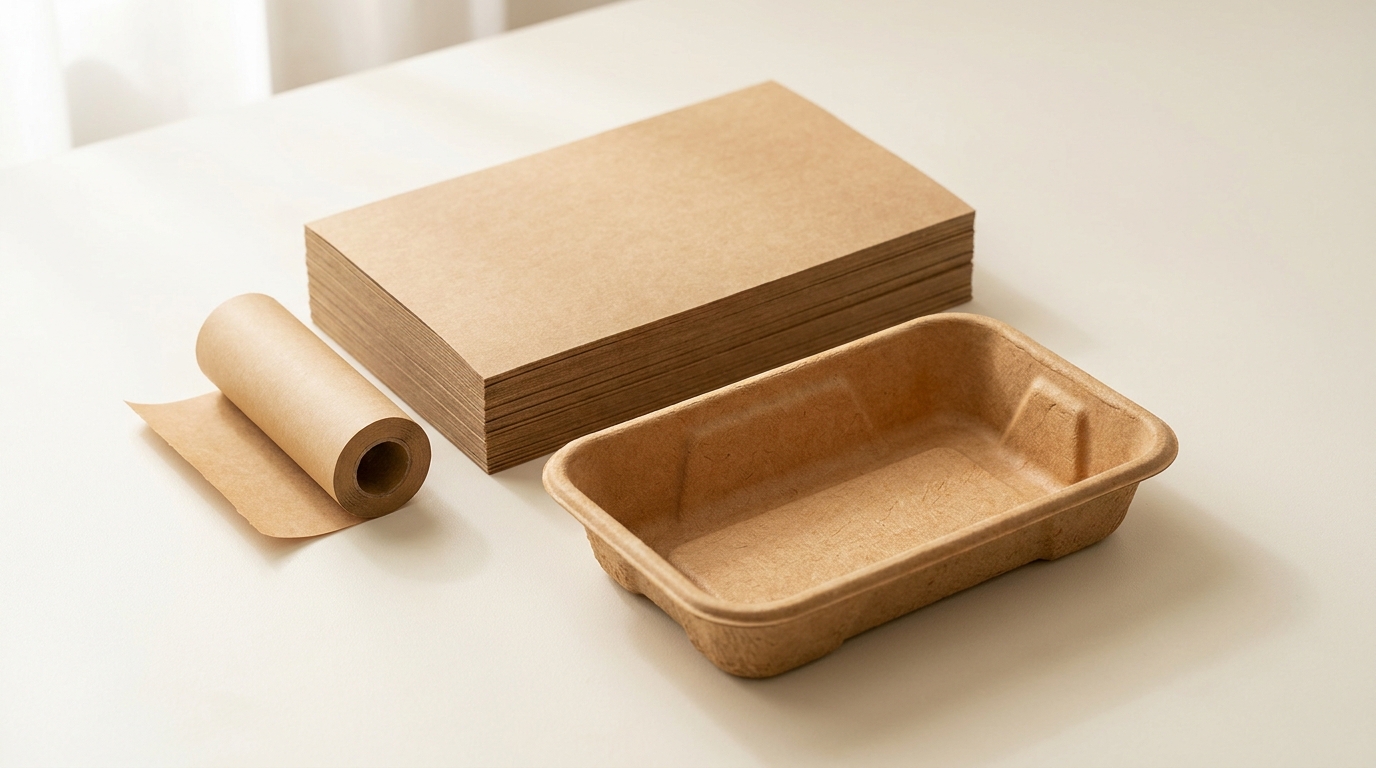
Empresas e engenheiros líderes confiam no BonitoPak para iterações rápidas e peças duráveis e de alta qualidade. Seja para prototipagem ou produção em escala real, nossa ampla gama de materiais garante que atendamos aos requisitos exclusivos de qualquer Duck Egg Cartons projeto com precisão e rapidez.

Compostable kraft paper is the strongest fiber we form. Made from virgin

Colored pulp is not a separate fiber. It is any of our

Bleached pulp is the material to specify when the part has to

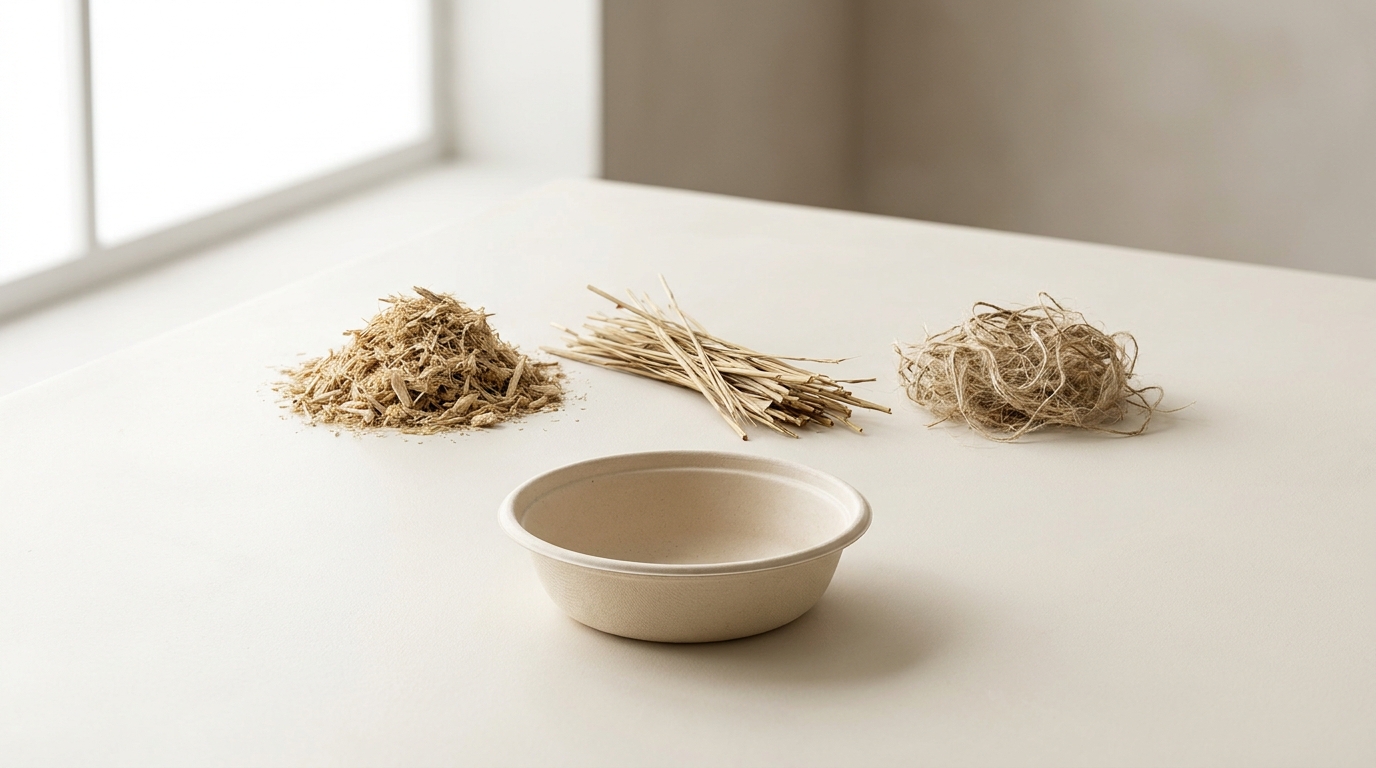
Natural plant fiber covers the non-wood cellulose sources we blend outside the

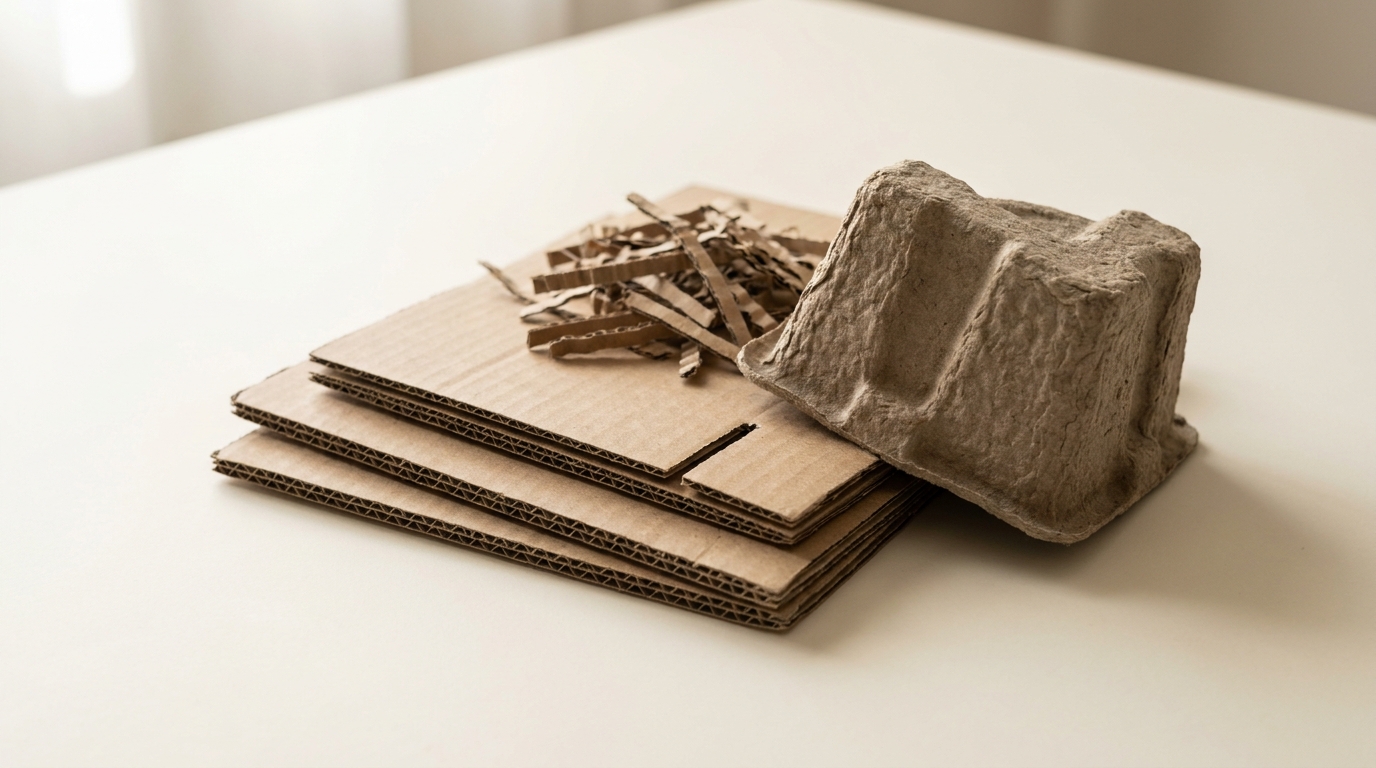
Corrugated paper as a molded pulp material means recovered cardboard boxes repulped

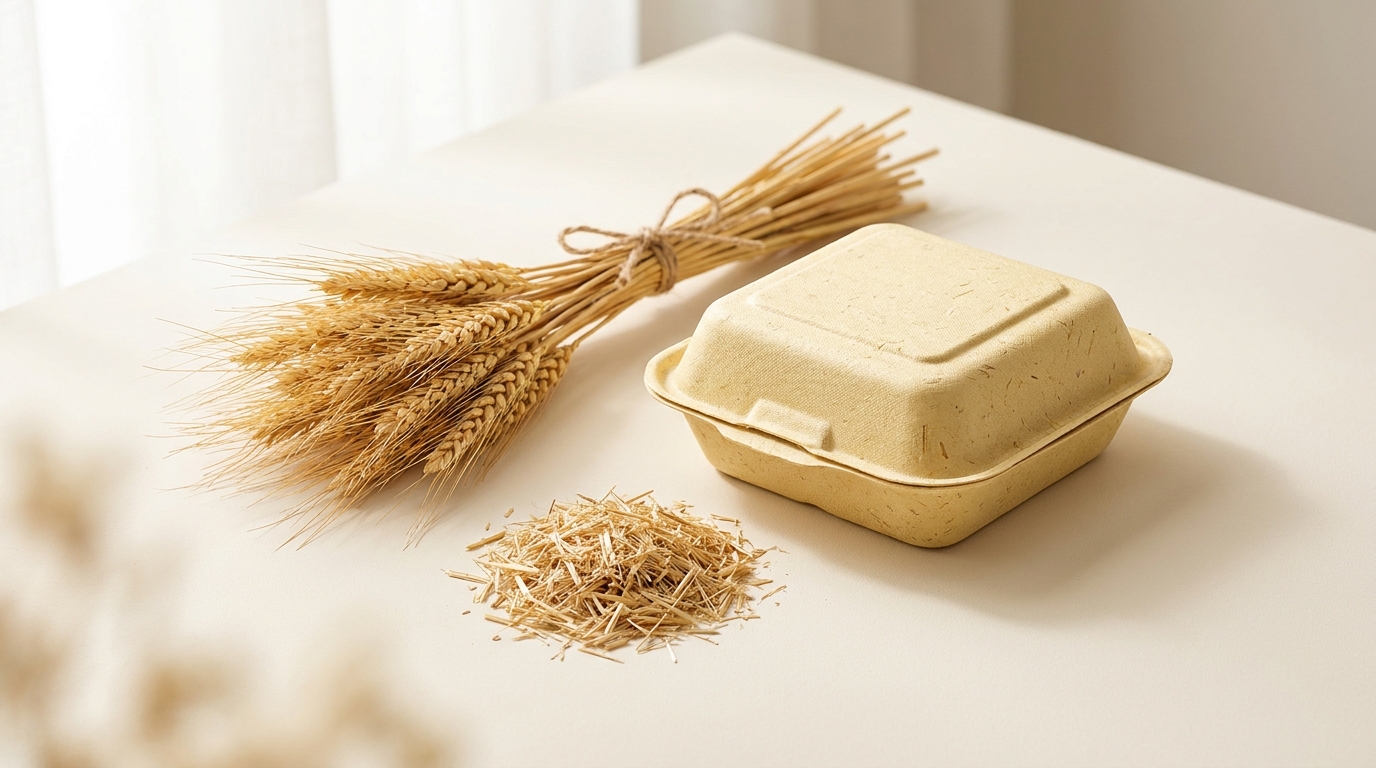
Straw fiber is made from the stalks left after grain harvest, material

Personalizado, ecológico e confiável

Excelência em embalagens personalizadas e ecologicamente corretas

Totalmente personalizável

Personalize sua embalagem com estilos, tamanhos, cores e acabamentos sob medida para atender a necessidades específicas.

Suporte especializado

A Bonitopak oferece consultoria especializada em design e logística para maximizar a eficiência da embalagem e aumentar o ROI.

Soluções ecológicas

Escolha embalagens sustentáveis e ecologicamente corretas para reduzir o impacto ambiental e apoiar as metas ecológicas de sua marca.

Garantia de qualidade

A Bonitopak garante serviço de alta qualidade e excelência de produto em cada solução de embalagem.

Perguntas frequentes (FAQ)

Duck Egg Cartons

  • Can I use duck cartons for chicken eggs to simplify my stock?

    You can, and the eggs will be safe, since a smaller egg in a deeper cell is protected rather than at risk. What you lose is presentation, because chicken eggs sit low and the carton reads as underfilled. Producers running both birds usually find the appearance penalty outweighs the simplicity of one SKU.

  • Do duck eggs need more ventilation than chicken eggs in packaging?

    No, and pulp handles both identically. Duck eggs have a slightly less porous shell than chicken, which is part of why they keep marginally longer unwashed. What matters is that the packaging neither traps condensation nor dries the shell, and fiber does neither because it regulates moisture rather than sealing it.

  • How do I know whether my Muscovy eggs will fit before ordering?

    Send us a few eggs, or send accurate measurements of your largest regular egg at both length and maximum girth. Length alone is not enough, since girth is what decides whether the egg seats or perches. We seat samples in a production carton and give you a direct answer rather than an estimate.

  • Are duck egg cartons more expensive than chicken?

    Per carton, yes, because deeper and wider cells use more fiber and the larger footprint nests slightly less efficiently per container. Per egg sold, the difference is small against duck egg pricing. Buyers comparing the two on carton cost alone are measuring against the wrong denominator.

  • Will a duck carton work for shipping hatching eggs?

     Inside an outer box with void fill, yes, and the deep cell is an advantage because it immobilizes the egg. Movement and rotation damage the air cell, which kills hatch rate well before the shell is at risk. We make no hatch rate claims, since outcomes depend on transit time and handling far beyond the packaging.

Resultado biodegradável

0 dias

7 dias

14 dias

30 dias

Setores especializados

Tendo produzido milhões de peças, a BonitoPak possui profundo conhecimento em diversas aplicações. Nós nos destacamos especialmente em setores que exigem a fabricação de componentes precisos e intrincados. Confie em nós para oferecer experiência e qualidade, independentemente da complexidade.

Soluções de embalagem OEM e ODM

A Bonitopak oferece soluções de embalagem personalizadas (OEM) e pré-projetadas (ODM). Independentemente de você precisar de designs totalmente personalizados ou de embalagens prontas para uso, fornecemos opções de alta qualidade, eficientes e flexíveis para atender às necessidades da sua marca.

Serviços OEM

As soluções de embalagem OEM permitem que você crie produtos totalmente personalizados, projetados e fabricados para atender às suas necessidades específicas. Na Bonitopak, oferecemos suporte abrangente durante todo o processo de design, prototipagem e fabricação, garantindo que sua embalagem reflita a identidade exclusiva de sua marca. Nossos recursos de fabricação de precisão garantem uma produção consistente e de alta qualidade, independentemente da complexidade do projeto. Com serviço de ponta a ponta, cuidamos de tudo, desde o conceito até a entrega, ajudando-o a otimizar suas necessidades de embalagem.

Serviços ODM

As soluções de embalagem ODM oferecem produtos pré-projetados que podem ser adaptados aos requisitos de sua marca. Com a experiência em design inovador e o processo de produção eficiente da Bonitopak, você pode escolher entre uma ampla gama de opções de embalagens prontas para uso. Oferecemos personalização flexível, permitindo que você adicione sua marca e selecione entre vários acabamentos, cores e tamanhos. Essa solução economiza tempo e custos e, ao mesmo tempo, garante embalagens de alta qualidade que atendem aos padrões de sua marca.
Pronto para elevar seu projeto?

Dê vida aos seus projetos com o BonitoPak

Experimente a engenharia de precisão com a BonitoPak. De protótipos detalhados à produção de alto volume, estamos aqui para transformar seus conceitos em realidade. Entre em contato conosco hoje mesmo para discutir as necessidades do seu projeto!

Nossas categorias de produtos

Descubra a gama diversificada de soluções de embalagem da Bonitopak, incluindo bandejas de polpa moldada, embalagens para alimentos, designs personalizados e opções sustentáveis. Cada categoria é criada para oferecer durabilidade, funcionalidade e responsabilidade ambiental, adaptada para atender às suas necessidades específicas.

A duck egg is a different solid

The assumption that duck eggs are simply bigger chicken eggs is where most duck packaging goes wrong.

A Pekin duck egg weighs around 70 to 80 grams against roughly 57 for a large chicken egg. That weight difference is the part buyers notice. The shape difference is the part that breaks cartons.

Duck eggs are proportionally longer and more sharply pointed at the narrow end. Where a chicken egg is an oval that seats evenly into a conical cell, a duck egg sits lower at the point and higher at the broad end, which means it occupies more vertical space than its weight predicts. Drop one into a chicken cell rated for jumbo and the broad end still stands proud.

The shell is also thicker, around 0.4 mm against roughly 0.35 for chicken, with a tougher membrane underneath. Duck eggs survive handling that chips a chicken egg. What they do not survive is sustained lid pressure, because a thicker shell under constant point load cracks rather than flexes.

What we changed in the mold

Three dimensions, all of them in the same direction.

Cell depth increased to around 50 mm so the broad end seats below the lid line. Cell diameter widened to match the greater girth. And the clamshell profile itself is taller, which is why a duck carton looks visibly chunkier than a chicken carton of the same cell count.

The spacing between cells also opened slightly. Duck eggs sitting at chicken spacing touch at their widest point, and shell to shell contact in transit is what produces the hairline chips that show up as weeping eggs days later.

The Muscovy question

Muscovy eggs are the edge case worth naming honestly.

Most Muscovy eggs fit our standard duck mold. Some do not. Muscovy hens produce a noticeably variable egg, and birds at the larger end of the breed lay eggs that sit high even in a duck cell.

Producers running Muscovy exclusively should send us sample eggs before ordering. We will seat them in a production carton and tell you plainly whether the lid clears. If it does not, custom tooling is the honest answer rather than selling you a carton that almost fits.

Runner and Khaki Campbell eggs sit comfortably inside the standard mold. Pekin, which produces the majority of commercial duck eggs, is what the mold was dimensioned around.

Why duck producers pay more attention to packaging

Duck eggs sell at a premium, often two to three times the price of chicken eggs per unit in specialty retail. That changes the packaging calculation in two ways.

The cost of a better carton is a smaller fraction of the sale price, so there is room to specify properly rather than at the floor.

And the cost of a breakage is higher. A cracked duck egg loses more revenue than a cracked chicken egg, which means the deep cell that prevents it pays for itself across fewer saved eggs than the same logic would require in commodity chicken packing.

Duck buyers are also disproportionately baking customers, who buy for the higher fat and protein content in the yolk. They are repeat purchasers who notice when a producer’s eggs arrive intact every time.

Weight changes the handling math

A dozen duck eggs weighs close to 900 grams against roughly 680 for a dozen large chicken eggs. That extra third shows up in two places buyers do not anticipate.

Stacked on a pallet, a column of filled duck cartons loads the bottom carton considerably harder than the same column of chicken. Reduce stack height rather than assuming the carton compensates.

At the point of sale it matters too. A full dozen duck eggs is heavy enough that shoppers notice, which is part of why six count outsells twelve in almost every duck market we supply.

Counts that work for duck

Duck flocks are smaller than chicken flocks and lay less consistently, which pushes the count down.

Six is the most common retail format, and it is what most duck producers settle on. Four works for premium and gift sales, and crosses over with the molded pulp 4 egg carton which is already cut to a depth that accepts duck.

Twelve exists but moves slowly in most markets, because a dozen duck eggs is a serious purchase at duck pricing. Producers who do run twelves usually sell into restaurants rather than retail.

Producers running mixed flocks should read the molded pulp chicken egg carton page for the grade detail, and note that chicken eggs sit loose in a duck cell. Loose is safe, but a duck carton holding chicken eggs looks half empty, which is a presentation problem rather than a protection one.

For goose, turkey, and bantam, which need different geometry again, see molded pulp goose, turkey and bantam egg cartons. For color options across the range, start at molded pulp colored egg cartons.
A duck egg is a different solid

The assumption that duck eggs are simply bigger chicken eggs is where most duck packaging goes wrong.

A Pekin duck egg weighs around 70 to 80 grams against roughly 57 for a large chicken egg. That weight difference is the part buyers notice. The shape difference is the part that breaks cartons.

Duck eggs are proportionally longer and more sharply pointed at the narrow end. Where a chicken egg is an oval that seats evenly into a conical cell, a duck egg sits lower at the point and higher at the broad end, which means it occupies more vertical space than its weight predicts. Drop one into a chicken cell rated for jumbo and the broad end still stands proud.

The shell is also thicker, around 0.4 mm against roughly 0.35 for chicken, with a tougher membrane underneath. Duck eggs survive handling that chips a chicken egg. What they do not survive is sustained lid pressure, because a thicker shell under constant point load cracks rather than flexes.

What we changed in the mold

Three dimensions, all of them in the same direction.

Cell depth increased to around 50 mm so the broad end seats below the lid line. Cell diameter widened to match the greater girth. And the clamshell profile itself is taller, which is why a duck carton looks visibly chunkier than a chicken carton of the same cell count.

The spacing between cells also opened slightly. Duck eggs sitting at chicken spacing touch at their widest point, and shell to shell contact in transit is what produces the hairline chips that show up as weeping eggs days later.

The Muscovy question

Muscovy eggs are the edge case worth naming honestly.

Most Muscovy eggs fit our standard duck mold. Some do not. Muscovy hens produce a noticeably variable egg, and birds at the larger end of the breed lay eggs that sit high even in a duck cell.

Producers running Muscovy exclusively should send us sample eggs before ordering. We will seat them in a production carton and tell you plainly whether the lid clears. If it does not, custom tooling is the honest answer rather than selling you a carton that almost fits.

Runner and Khaki Campbell eggs sit comfortably inside the standard mold. Pekin, which produces the majority of commercial duck eggs, is what the mold was dimensioned around.

Why duck producers pay more attention to packaging

Duck eggs sell at a premium, often two to three times the price of chicken eggs per unit in specialty retail. That changes the packaging calculation in two ways.

The cost of a better carton is a smaller fraction of the sale price, so there is room to specify properly rather than at the floor.

And the cost of a breakage is higher. A cracked duck egg loses more revenue than a cracked chicken egg, which means the deep cell that prevents it pays for itself across fewer saved eggs than the same logic would require in commodity chicken packing.

Duck buyers are also disproportionately baking customers, who buy for the higher fat and protein content in the yolk. They are repeat purchasers who notice when a producer’s eggs arrive intact every time.

Weight changes the handling math

A dozen duck eggs weighs close to 900 grams against roughly 680 for a dozen large chicken eggs. That extra third shows up in two places buyers do not anticipate.

Stacked on a pallet, a column of filled duck cartons loads the bottom carton considerably harder than the same column of chicken. Reduce stack height rather than assuming the carton compensates.

At the point of sale it matters too. A full dozen duck eggs is heavy enough that shoppers notice, which is part of why six count outsells twelve in almost every duck market we supply.

Counts that work for duck

Duck flocks are smaller than chicken flocks and lay less consistently, which pushes the count down.

Six is the most common retail format, and it is what most duck producers settle on. Four works for premium and gift sales, and crosses over with the molded pulp 4 egg carton which is already cut to a depth that accepts duck.

Twelve exists but moves slowly in most markets, because a dozen duck eggs is a serious purchase at duck pricing. Producers who do run twelves usually sell into restaurants rather than retail.

Producers running mixed flocks should read the molded pulp chicken egg carton page for the grade detail, and note that chicken eggs sit loose in a duck cell. Loose is safe, but a duck carton holding chicken eggs looks half empty, which is a presentation problem rather than a protection one.

For goose, turkey, and bantam, which need different geometry again, see molded pulp goose, turkey and bantam egg cartons. For color options across the range, start at molded pulp colored egg cartons.
Artigos e insights relacionados

Mantenha-se informado com as últimas atualizações sobre tendências de embalagens sustentáveis, percepções do setor e dicas de especialistas em nosso blog. Explore ideias e soluções inovadoras para aprimorar seu conhecimento sobre embalagens.

Por Leo Chan | Redator, BonitoPak | Mais de 20 anos na área de embalagens de polpa moldada. A vodca é

Por Leo Chan | Redator, BonitoPak | Mais de 20 anos na área de embalagens de polpa moldada Quase todas as

Por Leo Chan | Redator, BonitoPak | Mais de 20 anos na área de embalagens de polpa moldada Pesquisar isto

Perguntas frequentes (FAQ)

Duck Egg Cartons

  • Can I use duck cartons for chicken eggs to simplify my stock?

    You can, and the eggs will be safe, since a smaller egg in a deeper cell is protected rather than at risk. What you lose is presentation, because chicken eggs sit low and the carton reads as underfilled. Producers running both birds usually find the appearance penalty outweighs the simplicity of one SKU.

  • Do duck eggs need more ventilation than chicken eggs in packaging?

    No, and pulp handles both identically. Duck eggs have a slightly less porous shell than chicken, which is part of why they keep marginally longer unwashed. What matters is that the packaging neither traps condensation nor dries the shell, and fiber does neither because it regulates moisture rather than sealing it.

  • How do I know whether my Muscovy eggs will fit before ordering?

    Send us a few eggs, or send accurate measurements of your largest regular egg at both length and maximum girth. Length alone is not enough, since girth is what decides whether the egg seats or perches. We seat samples in a production carton and give you a direct answer rather than an estimate.

  • Are duck egg cartons more expensive than chicken?

    Per carton, yes, because deeper and wider cells use more fiber and the larger footprint nests slightly less efficiently per container. Per egg sold, the difference is small against duck egg pricing. Buyers comparing the two on carton cost alone are measuring against the wrong denominator.

  • Will a duck carton work for shipping hatching eggs?

     Inside an outer box with void fill, yes, and the deep cell is an advantage because it immobilizes the egg. Movement and rotation damage the air cell, which kills hatch rate well before the shell is at risk. We make no hatch rate claims, since outcomes depend on transit time and handling far beyond the packaging.

Preencha este formulário detalhado