...

Productos

Explore nuestra amplia gama de soluciones de envasado ecológicas y de alta calidad, diseñadas para satisfacer las necesidades específicas de diversos sectores. Desde diseños personalizados hasta materiales sostenibles, encuentre la opción de envasado perfecta para los requisitos de su producto.

Material :

Tipo de material
Embalaje :
Tipo de envase
Proceso :
Lista de procesos
Color :
Color Gris
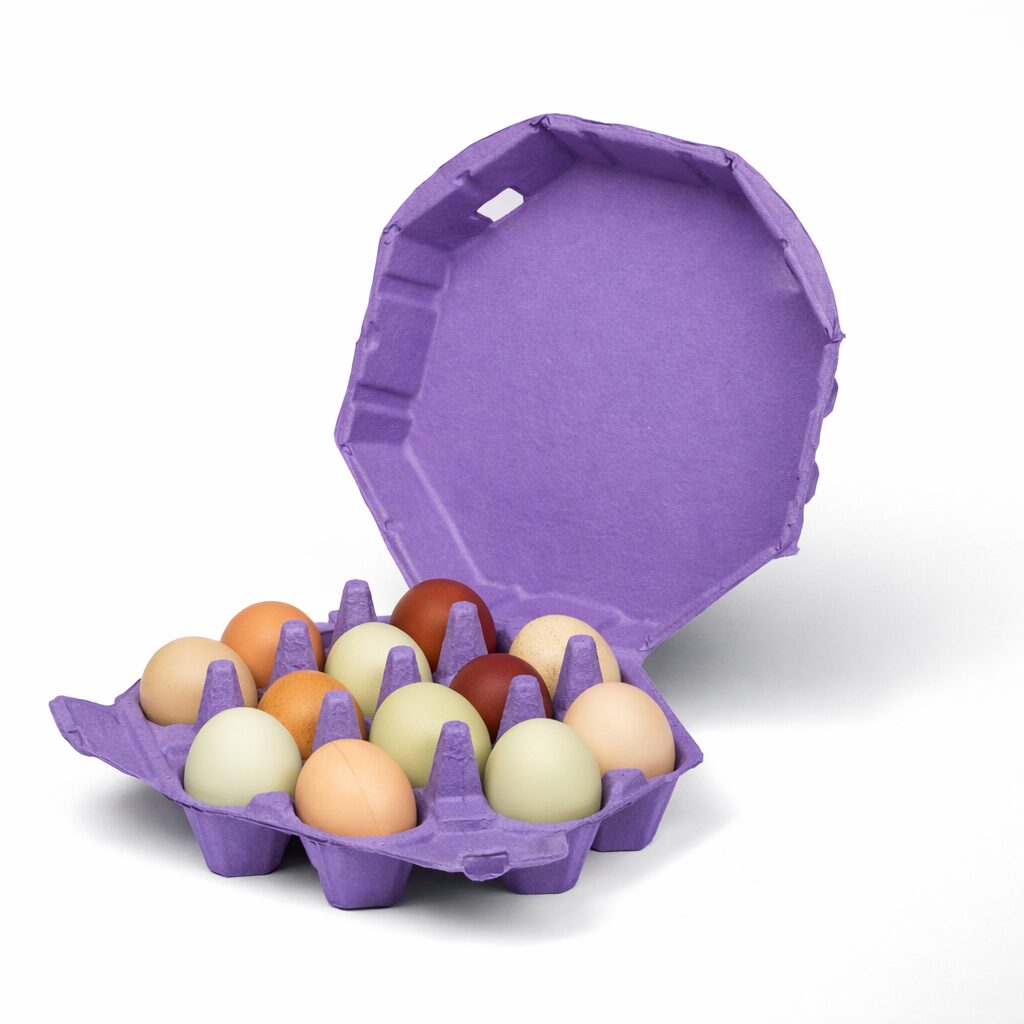
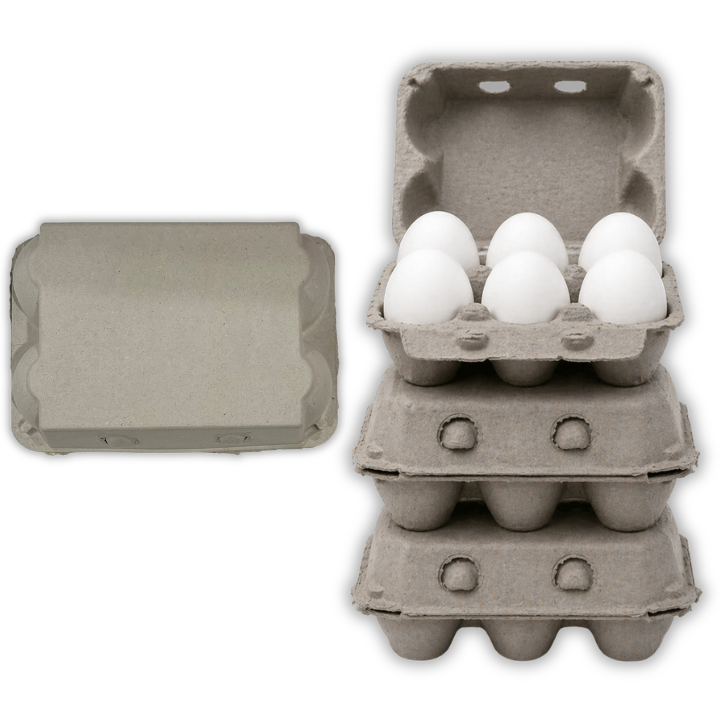
Cajas octogonales para huevos, fabricadas en pulpa moldeada, con la tapa de ocho lados abierta, dejando ver los huevos que hay en su interior

Material :

Tipo de material
Embalaje :
Tipo de envase
Proceso :
Lista de procesos
Color :
Color Gris
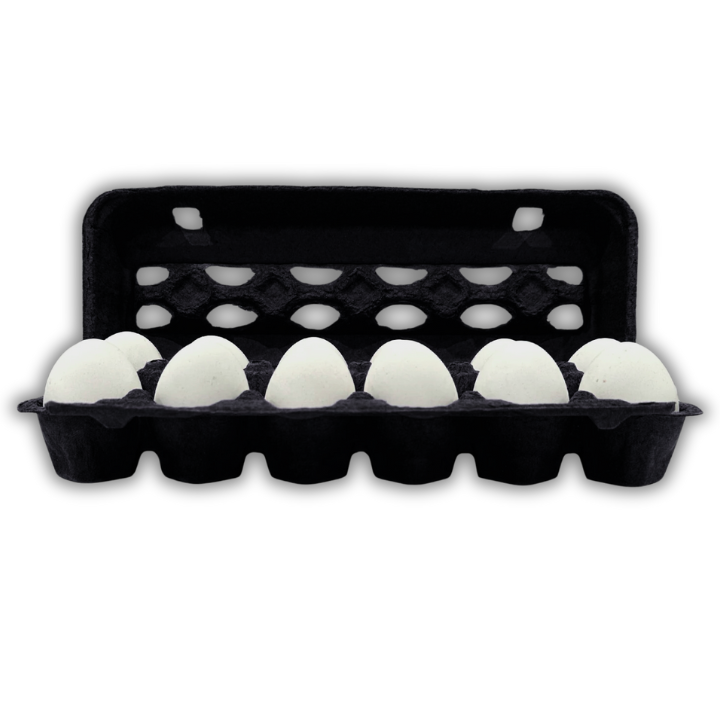
Cajas de huevos rosas de pulpa moldeada que contienen huevos blancos, con la tapa abierta

Material :

Tipo de material
Embalaje :
Tipo de envase
Proceso :
Lista de procesos
Color :
Color Gris
Cajas de huevos de colores en seis tonos de pulpa, apiladas, en las que se aprecian los colores rosa, azul, verde, morado, amarillo y natural

Material :

Tipo de material
Embalaje :
Tipo de envase
Proceso :
Lista de procesos
Color :
Color Gris

Material :

Tipo de material
Embalaje :
Tipo de envase
Proceso :
Lista de procesos
Color :
Color Gris

Material :

Tipo de material
Embalaje :
Tipo de envase
Proceso :
Lista de procesos
Color :
Color Gris

Material :

Tipo de material
Embalaje :
Tipo de envase
Proceso :
Lista de procesos
Color :
Color Gris
egg cartons stacked on a pallet showing reinforced lid profile

Material :

Tipo de material
Embalaje :
Tipo de envase
Proceso :
Lista de procesos
Color :
Color Gris
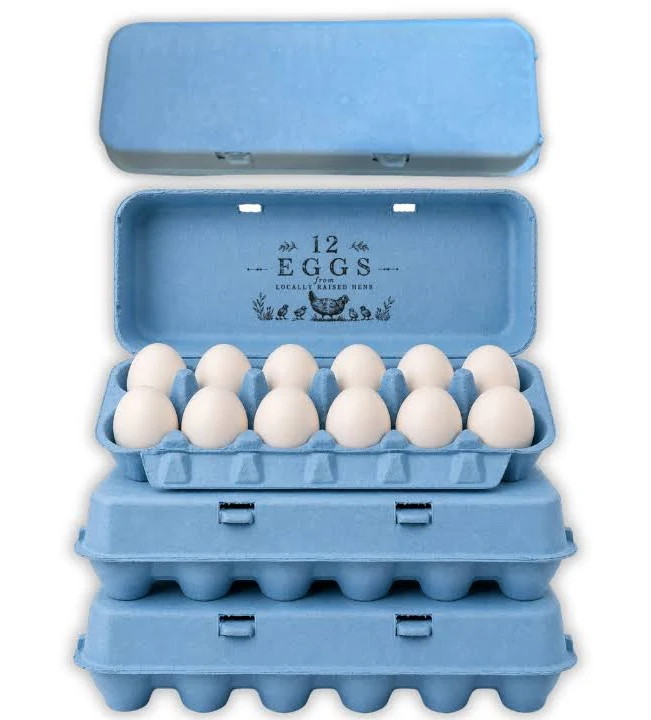
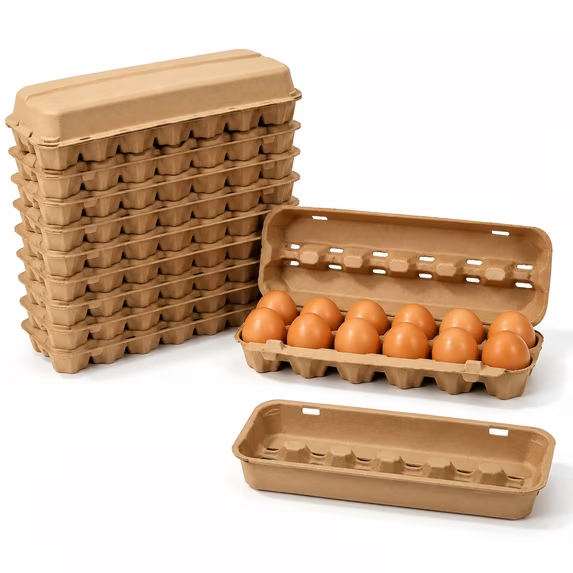
Dozen egg carton in molded pulp open to show twelve brown eggs seated in cells

Material :

Tipo de material
Embalaje :
Tipo de envase
Proceso :
Lista de procesos
Color :
Color Gris

Material :

Tipo de material
Embalaje :
Tipo de envase
Proceso :
Lista de procesos
Color :
Color Gris

Nuestras categorías de productos

Descubra la variada gama de soluciones de envasado de Bonitopak, que incluye bandejas de pulpa moldeada, envases alimentarios, diseños personalizados y opciones sostenibles. Cada categoría está diseñada para ofrecer durabilidad, funcionalidad y responsabilidad medioambiental, y se adapta a sus necesidades específicas.

Vintage describes a mold profile, not a decoration

Buyers searching for vintage egg cartons are usually looking for a specific physical shape rather than a printed graphic, and suppliers who treat the request as a print job get it wrong.

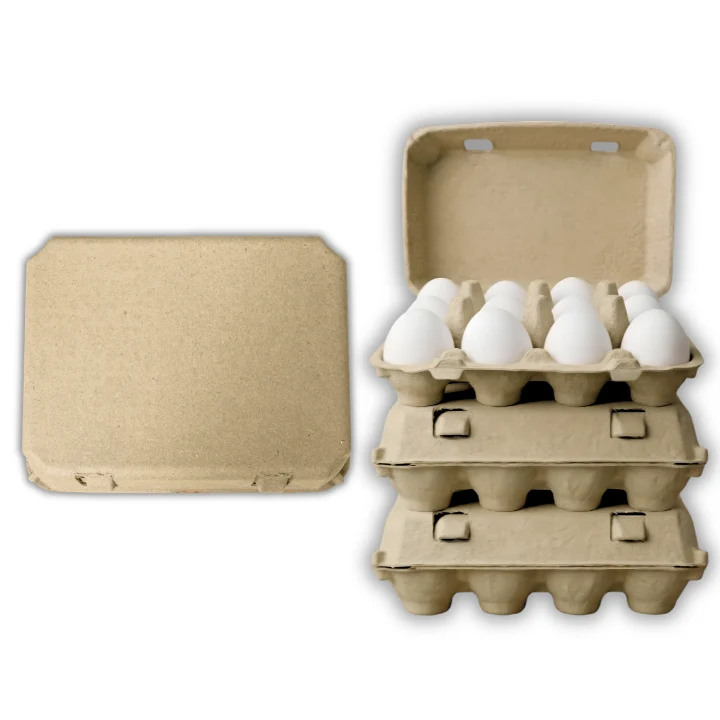
Egg cartons made through the middle of the twentieth century had a flat top. The lid was a squared panel with straight sides, folding down onto a base with a single deep hinge. Domed and contoured lids came later, driven by material savings and by automatic packing equipment that needed a self locating shape.

The flat top is the vintage carton. Print style contributes, but a domed modern carton with a retro typeface still looks modern, because the silhouette is what the eye reads first.

Our vintage molds reproduce the flat top geometry, including the squared shoulder where the lid meets the base and the deeper single fold hinge that lets the lid lay fully back.

Why the flat panel matters commercially

The flat top has a practical advantage that has nothing to do with nostalgia. It is the best print surface in egg packaging.

A domed lid curves in two directions, which means printed artwork distorts toward the edges and registration is harder to hold. A flat panel prints like a sheet. Fine detail holds, straight lines stay straight, and edge to edge coverage is achievable.

For a producer who wants their farm name reproduced properly rather than approximately, the flat top is the correct specification regardless of whether they care about the retro association. Several of our customers order it purely for the print quality.

The panel on a twelve cell vintage carton runs roughly 320 square centimeters of usable flat area, which is generous enough for a full illustrated design rather than a logo and a line of text.

The hinge behaves differently

A single deep fold hinge is more fragile than the multiple shallow creases used on modern cartons, and it needs more fiber to survive repeated opening.

We compensate by running additional wall thickness through the hinge zone, which adds a small amount of material per carton. The payoff is a lid that lays fully flat when opened, presenting the eggs as a display rather than propping the lid at an angle.

At a farmers market that difference is worth the extra grams. A carton that opens flat on a table shows twelve eggs to a passing customer. A carton with a lid standing up hides half of them.

Buyers should note that the deep hinge is the wear point on this format. Cartons opened and closed repeatedly for display, then sold, will show hinge fatigue. Producers who display eggs loose and pack at the point of sale avoid the issue entirely.

Color choices that read as period

Bright saturated color undermines the vintage effect. The shades that work are muted.

Natural pulp is the most authentic, since it is what the originals were, and it needs no pigment at all. Beyond that, muted greens, faded blues, and warm off-whites read as period. Bright pink and vivid purple do not, however well they perform on modern formats.

Print color follows the same logic. Single color printing in a dark ink on natural pulp is close to how these cartons were actually produced, since multi-color printing on egg cartons was uncommon until much later. A one color design also costs less to print, which is a rare case where the authentic choice is also the cheaper one.

Uses beyond selling eggs

Vintage cartons have a secondary market that surprises most producers.

Food stylists and photographers buy them as props, since a flat top carton signals farm and heritage in a single frame. Restaurants use them for table presentation. Craft and education buyers use them for the shape rather than the function.

These are low volume buyers, but they order consistently and they do not negotiate on price, since the carton is a small line item against a larger production. Producers with an online storefront often find prop sales cover a meaningful share of their minimum order.

Where it sits against the rest of the range

Vintage is a positioning choice rather than a functional one. A producer choosing it is trading efficiency for identity.

The pragmatic setup runs a caja de una docena de huevos in modern profile for volume and wholesale accounts, with vintage reserved for direct sales where the customer sees the pack. A 6 cajas de huevos in vintage profile works well for premium and gift lines.

Producers wanting distinctiveness through shape rather than period style should compare cajas de huevos octogonales. Those combining vintage profile with a brand shade should read cartones de huevos de colores for the pigment detail first.

Vintage describes a mold profile, not a decoration

Buyers searching for vintage egg cartons are usually looking for a specific physical shape rather than a printed graphic, and suppliers who treat the request as a print job get it wrong.

Egg cartons made through the middle of the twentieth century had a flat top. The lid was a squared panel with straight sides, folding down onto a base with a single deep hinge. Domed and contoured lids came later, driven by material savings and by automatic packing equipment that needed a self locating shape.

The flat top is the vintage carton. Print style contributes, but a domed modern carton with a retro typeface still looks modern, because the silhouette is what the eye reads first.

Our vintage molds reproduce the flat top geometry, including the squared shoulder where the lid meets the base and the deeper single fold hinge that lets the lid lay fully back.

Why the flat panel matters commercially

The flat top has a practical advantage that has nothing to do with nostalgia. It is the best print surface in egg packaging.

A domed lid curves in two directions, which means printed artwork distorts toward the edges and registration is harder to hold. A flat panel prints like a sheet. Fine detail holds, straight lines stay straight, and edge to edge coverage is achievable.

For a producer who wants their farm name reproduced properly rather than approximately, the flat top is the correct specification regardless of whether they care about the retro association. Several of our customers order it purely for the print quality.

The panel on a twelve cell vintage carton runs roughly 320 square centimeters of usable flat area, which is generous enough for a full illustrated design rather than a logo and a line of text.

The hinge behaves differently

A single deep fold hinge is more fragile than the multiple shallow creases used on modern cartons, and it needs more fiber to survive repeated opening.

We compensate by running additional wall thickness through the hinge zone, which adds a small amount of material per carton. The payoff is a lid that lays fully flat when opened, presenting the eggs as a display rather than propping the lid at an angle.

At a farmers market that difference is worth the extra grams. A carton that opens flat on a table shows twelve eggs to a passing customer. A carton with a lid standing up hides half of them.

Buyers should note that the deep hinge is the wear point on this format. Cartons opened and closed repeatedly for display, then sold, will show hinge fatigue. Producers who display eggs loose and pack at the point of sale avoid the issue entirely.

Color choices that read as period

Bright saturated color undermines the vintage effect. The shades that work are muted.

Natural pulp is the most authentic, since it is what the originals were, and it needs no pigment at all. Beyond that, muted greens, faded blues, and warm off-whites read as period. Bright pink and vivid purple do not, however well they perform on modern formats.

Print color follows the same logic. Single color printing in a dark ink on natural pulp is close to how these cartons were actually produced, since multi-color printing on egg cartons was uncommon until much later. A one color design also costs less to print, which is a rare case where the authentic choice is also the cheaper one.

Uses beyond selling eggs

Vintage cartons have a secondary market that surprises most producers.

Food stylists and photographers buy them as props, since a flat top carton signals farm and heritage in a single frame. Restaurants use them for table presentation. Craft and education buyers use them for the shape rather than the function.

These are low volume buyers, but they order consistently and they do not negotiate on price, since the carton is a small line item against a larger production. Producers with an online storefront often find prop sales cover a meaningful share of their minimum order.

Where it sits against the rest of the range

Vintage is a positioning choice rather than a functional one. A producer choosing it is trading efficiency for identity.

The pragmatic setup runs a caja de una docena de huevos in modern profile for volume and wholesale accounts, with vintage reserved for direct sales where the customer sees the pack. A 6 cajas de huevos in vintage profile works well for premium and gift lines.

Producers wanting distinctiveness through shape rather than period style should compare cajas de huevos octogonales. Those combining vintage profile with a brand shade should read cartones de huevos de colores for the pigment detail first.

Experiencia industrial en BonitoPak

Tras haber fabricado millones de piezas, BonitoPak posee profundos conocimientos en numerosas aplicaciones. Destacamos especialmente en sectores que requieren la fabricación de componentes precisos e intrincados. Confíe en nuestra experiencia y calidad, sea cual sea la complejidad.
¿Listo para elevar su proyecto?

Dé vida a sus diseños con BonitoPak

Experimente la ingeniería de precisión con BonitoPak. Desde prototipos detallados hasta la producción de grandes volúmenes, estamos aquí para convertir sus conceptos en realidad. Póngase en contacto con nosotros hoy mismo para hablar de las necesidades de su proyecto.

¿Por qué elegir BonitoPak?

En Bonitopak, ofrecemos soluciones de envasado personalizables y ecológicas con el apoyo de expertos, prácticas sostenibles y calidad garantizada. Nuestros diseños innovadores y nuestra producción eficiente garantizan que sus envases destaquen al tiempo que reducen el impacto medioambiental.

Soluciones rápidas

Respondemos en 24 horas, ofreciendo una comunicación rápida y clara, soluciones a medida y un servicio eficaz para ahorrar tiempo y costes.

Adaptabilidad rápida

Nuestro diseño, ingeniería y fabricación internos garantizan una rápida fabricación de herramientas, con muestras listas en 7 días y moldes de producción en 8 días.

Expertos innovadores

Nuestros cualificados ingenieros de I+D destacan en el diseño, la creación de prototipos y el utillaje, ofreciendo soluciones completas de envasado con blíster, lata y cajas impresas.

Optimización eficiente

Personal formado realiza inspecciones 100%, comprobaciones aleatorias y controles de calidad, lo que garantiza un alto nivel, reduce los rechazos y ahorra costes.

Entrega puntual

Ofrecemos una programación razonable de los pedidos y nos coordinamos con los clientes para resolver los problemas con prontitud, garantizando las mejores soluciones.

Apoyo excelente

Nuestro experimentado equipo posventa garantiza una comunicación fluida, resolviendo problemas de sustitución, envío y entrega, con el objetivo de que no haya ninguna queja.

Artículos relacionados

Manténgase informado con las últimas actualizaciones sobre tendencias en envases sostenibles, perspectivas del sector y consejos de expertos a través de nuestro blog. Explore ideas y soluciones innovadoras para mejorar sus conocimientos sobre envasado.

Por Leo Chan | Redactor, BonitoPak | Más de 20 años de experiencia en embalajes de pulpa moldeada. Publicado: 24

Por Leo Chan | Redactor, BonitoPak | Más de 20 años de experiencia en embalajes de pulpa moldeada. Publicado: 22

Por Leo Chan | Redactor, BonitoPak | Más de 20 años de experiencia en embalajes de pulpa moldeada. Publicado: 21

Preguntas frecuentes

Cajas de huevos vintage de pulpa moldeada

  • Will the deep hinge crack if customers reuse the carton?

    With repeated opening over weeks, eventually yes. The deep single fold concentrates flex in one line, which is the trade for a lid that lays flat. Modern multi-crease hinges last longer through reuse cycles. If your customers routinely return cartons for refilling, the modern profile is the more practical specification.

  • Do vintage cartons fit modern refrigerator door shelves?

    The twelve cell runs slightly shallower than a modern domed carton at around 68 mm tall against 75 mm, so it fits comfortably where a modern one does. Length is the same. Buyers switching between profiles do not usually need to change anything downstream.

  • Can I print a full color illustration on the lid?

    Yes, and the flat panel is the reason. Multi-color flexographic work holds registration on a flat surface in a way it cannot on a dome. Bear in mind that pulp texture softens fine detail regardless of print quality, so illustrations with heavy line work reproduce better than photographic images.

  • Does the flat top stack as well as a domed lid?

    Better, in fact. A flat surface bears directly on the base of the carton above with no contour to slide against, so stacks stay square. What the flat top loses is the arch strength a dome provides, which we compensate for with rib structure underneath the panel. Net top load performance is comparable.

  • Are vintage cartons actually old, or reproductions?

    They are newly manufactured to a historic profile. Genuinely old cartons are not food safe, since fiber packaging absorbs whatever it has been stored with and has no traceable material history. Our vintage cartons are produced from the same recycled pulp as the rest of the range, on molds cut to reproduce the flat top geometry

es_MXSpanish
Rellene este formulario detallado