Cajas para huevos de oca, pavo y gallina enana

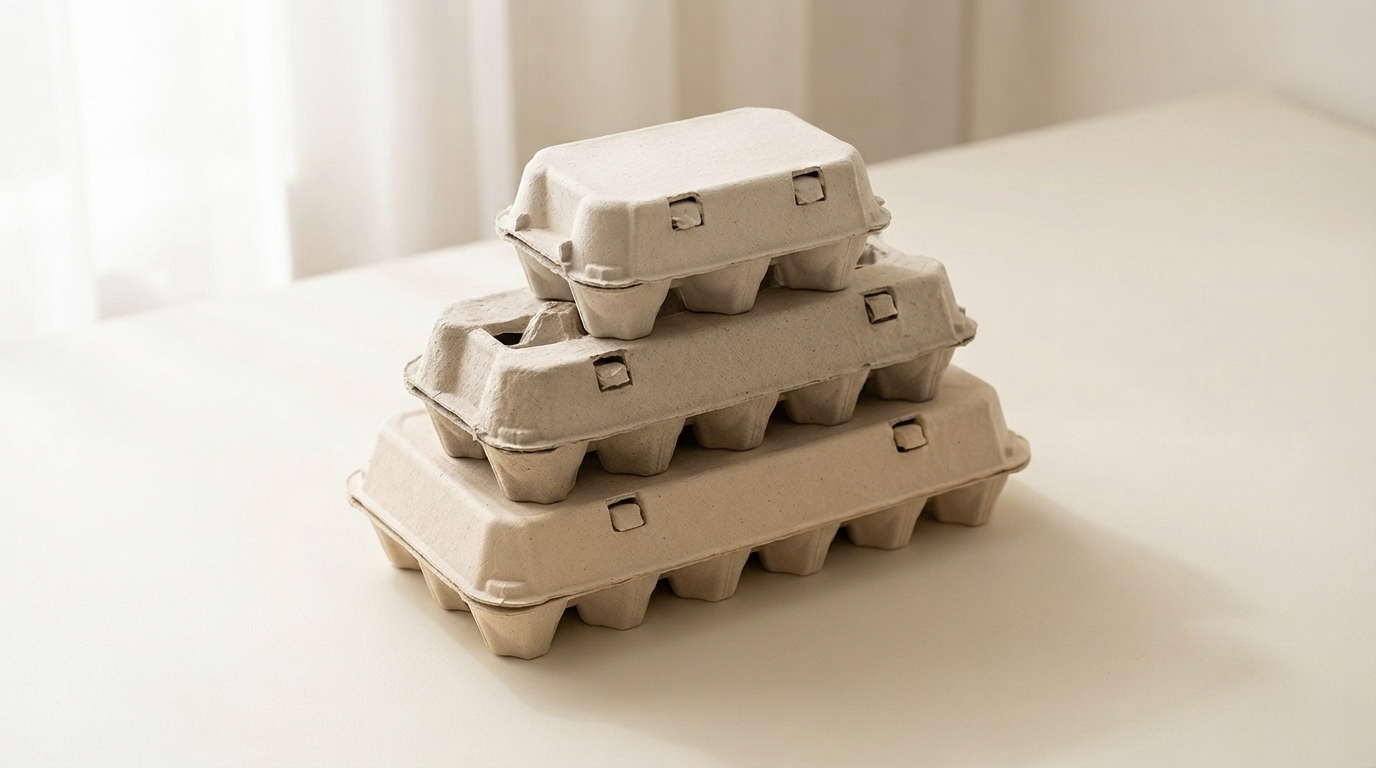
  • Three distinct cell geometries, one for each bird, not one compromise mold
  • Goose: deep wide cells for eggs up to 200 g, in 2, 4, and 6 counts
  • Turkey: intermediate cells between chicken jumbo and goose, in 6 and 12 counts
  • Bantam: shallow narrow cells for eggs around 30 g, in 6, 12, and 18 counts
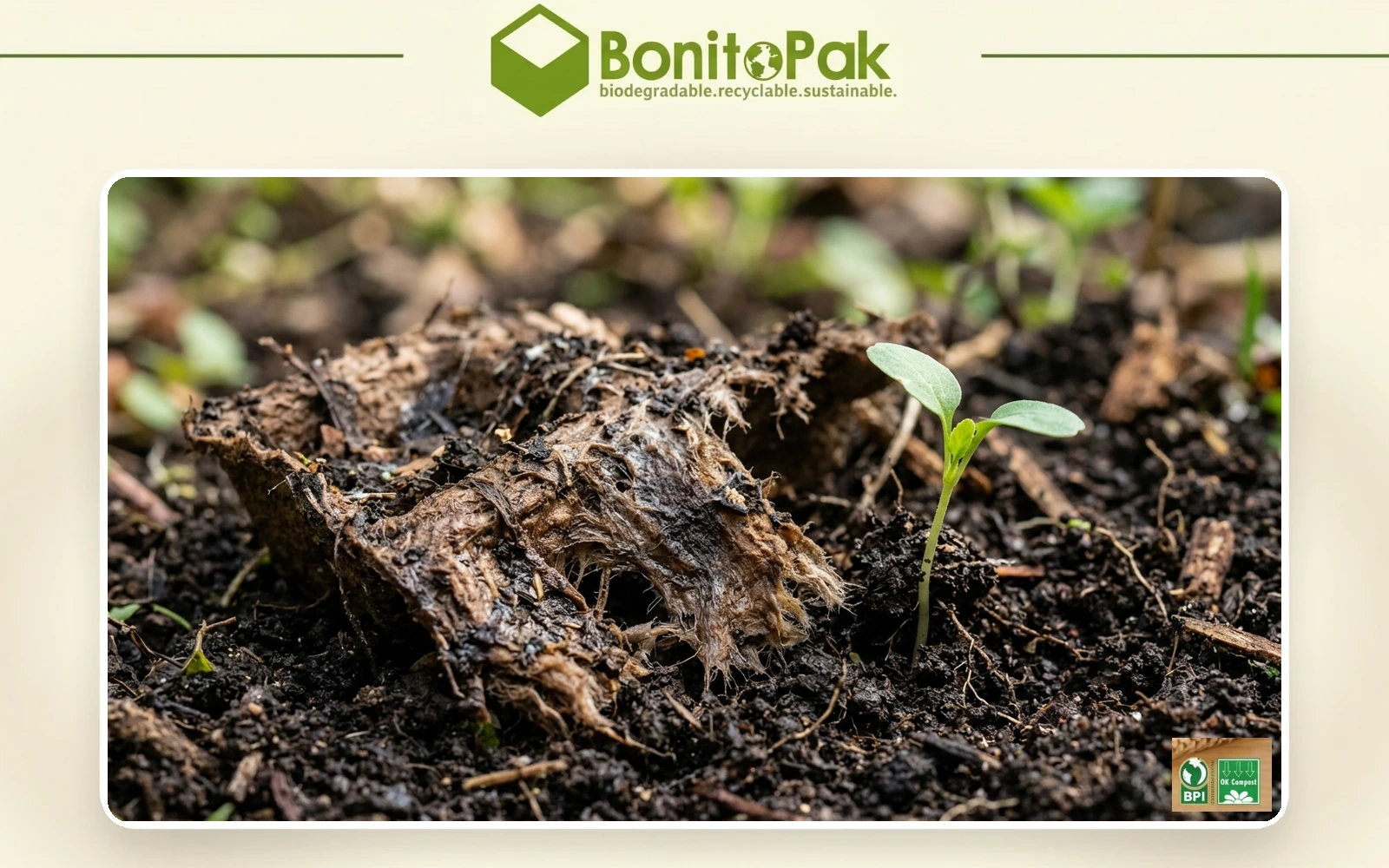
  • Fabricado con pasta de papel reciclada 100%, biodegradable y compostable en casa
  • Low minimum orders, because specialty flocks produce specialty volumes
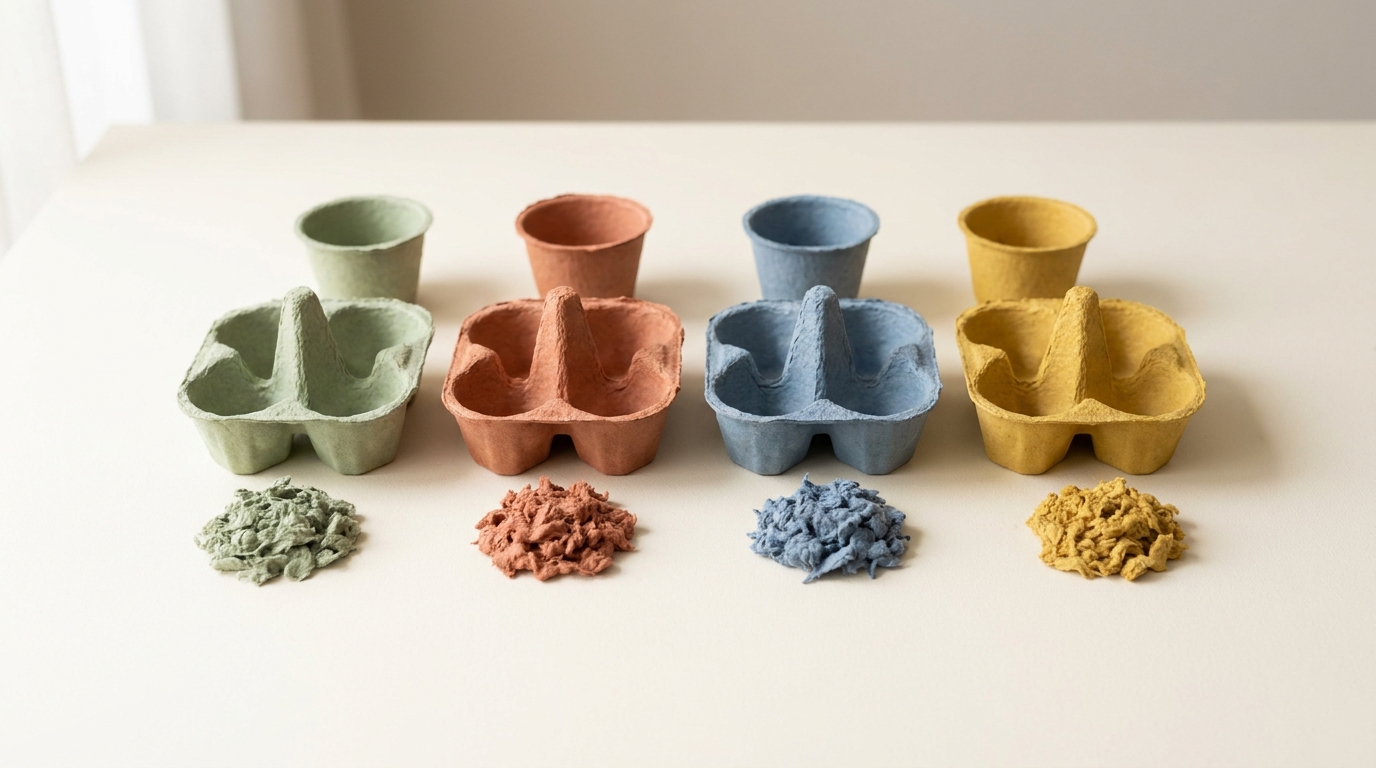
  • Natural pulp plus six stock colors; custom shade matching available

Molde público

Soluciones de envasado

Diseño 3D

Molde a medida

Descripción del producto

Especificación Detalles
Marca BonitoPak
Número de modelo EC-GO / EC-TU / EC-BA series
Nombre del producto Cajas para huevos de oca, pavo y gallina enana
Material Pasta de papel reciclada
Tipo de papel Papel reciclado postconsumo
Técnica Fabricación de pulpa moldeada (prensada en húmedo)
Goose Cell Count 2, 4, or 6 cells
Goose Egg Range 140 to 200 g, Embden and Toulouse
Turkey Cell Count 6 or 12 cells
Turkey Egg Range 75 to 95 g
Bantam Cell Count 6, 12, or 18 cells
Bantam Egg Range 25 to 35 g, Silkie, Serama, Sebright
Color Papel de pulpa natural; seis colores de serie; personalización de colores
Forma y estilo Top-fold clamshell with front locking tab
Impresión de logotipos Impresión en relieve, en hueco o flexográfica
Uso industrial Specialty poultry, heritage breeders, farm direct, gourmet retail
Aplicación Retail specialty egg packs, breeder sales, hatching egg transport
Talla Se aceptan dimensiones OEM y a medida
Ventajas Biodegradable, compostable en casa, apilable, sin plástico
Embalaje A granel, empaquetado en cajas de cartón para exportación; se aceptan embalajes a medida
Pedido a medida Aceptado
MOQ Low minimums on stock molds; confirm with sales

Galería de Cajas para huevos de oca, pavo y gallina enana piezas

Esta galería muestra la excepcional calidad y atención al detalle que ofrecemos en cada proyecto. Desde diseños complejos hasta acabados impecables, cada imagen refleja nuestro compromiso con la excelencia en Cajas para huevos de oca, pavo y gallina enana .

40%

Ahorro de tiempo y dinero

Experimente soluciones de envasado líderes que optimizan sus costes y tiempo, proporcionando procesos eficientes y maximizando su ROI.

50%

Más sostenible

Consiga envases ecológicos con materiales sostenibles, reduciendo los residuos y fomentando la responsabilidad medioambiental en todas sus líneas de productos.

25%

Aumento de las ventas

Aumente el atractivo de su producto en las estanterías con diseños innovadores que impulsen la visibilidad y las ventas tanto en los mercados minoristas como en línea.

100%

Más fiable

Confíe en el compromiso de BonitoPak con la calidad, garantizando que cada producto cumple nuestros elevados estándares con un servicio constante y fiable.

Three birds, three problems, one page

These three are grouped because they share a commercial situation, not because they share a carton. Each needs its own mold, and the reasons are worth taking separately.

What they have in common is that they are produced by small flocks in quantities no large converter will tool for. That is why specialty keepers end up packing in whatever chicken carton fits least badly, and why it is worth stocking molds that actually fit.

Goose: the size problem

A goose egg from an Embden or Toulouse weighs between 140 and 200 grams. That is roughly three large chicken eggs in one shell.

No chicken carton holds one. The egg does not fit the cell at any depth, and attempts to pack geese in chicken cartons usually end with the eggs laid loose in the carton with the dividers crushed down, which protects nothing.

The goose mold uses cells roughly twice the diameter of a chicken cell and considerably deeper. The footprint is large enough that a six count goose carton approaches the size of an eighteen count chicken carton.

Counts run low because production is low. A goose lays seasonally, typically 20 to 50 eggs a year against 250 or more for a laying hen. Two and four count cartons are the realistic retail formats, and six is usually the maximum worth stocking.

Goose shells are thick and strong, so the protection requirement is lower than the size requirement. The mold exists because the egg needs somewhere to sit, not because it is fragile.

Turkey: the awkward middle

Turkey eggs sit between chicken jumbo and goose, around 75 to 95 grams, which puts them in the worst position of the three.

They are too large for a chicken carton, including a deep bed jumbo mold, where the lid closes on the shell. They are far too small for a goose cell, where they roll freely and knock against the walls.

The turkey mold is dimensioned specifically for that gap. Cells are deeper and wider than our deep bed chicken spec but well short of goose.

Turkey eggs also have a distinctly more pointed profile than chicken, with a noticeably tapered narrow end, which means they seat lower at the point. The cell profile accounts for that taper rather than assuming a chicken-shaped oval.

Most turkey egg demand is for hatching rather than eating, since turkey eggs are rarely sold as food at scale. Breeders shipping fertile eggs are the main buyers, and immobilization matters more to them than cushioning.

Bantam: the small end

Bantam eggs run around 25 to 35 grams, roughly half a standard chicken egg, from Silkie, Serama, Sebright and other true bantam breeds.

They face the same problem as quail, one step up. In a chicken cell a bantam egg sits at the bottom of a cup far wider than it is, with nothing holding it. It rolls, contacts its neighbors, and chips.

The bantam mold uses shallower, narrower cells that hold the egg at its widest point. Counts run higher than the other two because bantam hens lay reasonably well, so 12 and 18 counts are both practical.

Bantam eggs are sold mostly to specialty and novelty retail, and to breeders. Silkie eggs in particular carry a following in several Asian markets where they are valued above standard chicken eggs.

Seasonality changes how you should order

Goose and turkey both lay seasonally, concentrated in spring, against a laying hen that produces most of the year. That turns carton buying into an annual decision rather than a rolling one.

Producers in these categories should order their full season’s requirement ahead of the laying period rather than reordering through it, because a mid-season stockout cannot be solved quickly when production and sea freight both sit in the path. Bantams lay more evenly and do not carry the same constraint.

Why these molds are hard to find

Tooling economics. A mold costs the same to cut whether it will run ten thousand cartons or ten million, so converters tool for volume. Goose, turkey, and bantam together are a rounding error against commercial chicken production.

The result is a market served badly. Specialty keepers in these three categories are used to compromising, and a correctly sized carton is a genuine differentiator for a producer selling at a farmers market where every other stall is using repurposed packaging.

We hold stock molds for all three specifically so small flocks can order realistic quantities without funding tooling.

Related formats

Producers running quail should go to molded pulp quail egg cartons, which is a separate geometry again and not interchangeable with bantam despite the similar egg size.

Duck sits between turkey and chicken in most dimensions and has its own mold at molded pulp duck egg cartons.

Keepers running a standard flock alongside specialty birds should see the molded pulp chicken egg carton page for the grade and cell depth detail. For small gift and sampler counts across any bird, the molded pulp 4 egg carton is cut deep enough to take most specialty sizes below goose.

Three birds, three problems, one page

These three are grouped because they share a commercial situation, not because they share a carton. Each needs its own mold, and the reasons are worth taking separately.

What they have in common is that they are produced by small flocks in quantities no large converter will tool for. That is why specialty keepers end up packing in whatever chicken carton fits least badly, and why it is worth stocking molds that actually fit.

Goose: the size problem

A goose egg from an Embden or Toulouse weighs between 140 and 200 grams. That is roughly three large chicken eggs in one shell.

No chicken carton holds one. The egg does not fit the cell at any depth, and attempts to pack geese in chicken cartons usually end with the eggs laid loose in the carton with the dividers crushed down, which protects nothing.

The goose mold uses cells roughly twice the diameter of a chicken cell and considerably deeper. The footprint is large enough that a six count goose carton approaches the size of an eighteen count chicken carton.

Counts run low because production is low. A goose lays seasonally, typically 20 to 50 eggs a year against 250 or more for a laying hen. Two and four count cartons are the realistic retail formats, and six is usually the maximum worth stocking.

Goose shells are thick and strong, so the protection requirement is lower than the size requirement. The mold exists because the egg needs somewhere to sit, not because it is fragile.

Turkey: the awkward middle

Turkey eggs sit between chicken jumbo and goose, around 75 to 95 grams, which puts them in the worst position of the three.

They are too large for a chicken carton, including a deep bed jumbo mold, where the lid closes on the shell. They are far too small for a goose cell, where they roll freely and knock against the walls.

The turkey mold is dimensioned specifically for that gap. Cells are deeper and wider than our deep bed chicken spec but well short of goose.

Turkey eggs also have a distinctly more pointed profile than chicken, with a noticeably tapered narrow end, which means they seat lower at the point. The cell profile accounts for that taper rather than assuming a chicken-shaped oval.

Most turkey egg demand is for hatching rather than eating, since turkey eggs are rarely sold as food at scale. Breeders shipping fertile eggs are the main buyers, and immobilization matters more to them than cushioning.

Bantam: the small end

Bantam eggs run around 25 to 35 grams, roughly half a standard chicken egg, from Silkie, Serama, Sebright and other true bantam breeds.

They face the same problem as quail, one step up. In a chicken cell a bantam egg sits at the bottom of a cup far wider than it is, with nothing holding it. It rolls, contacts its neighbors, and chips.

The bantam mold uses shallower, narrower cells that hold the egg at its widest point. Counts run higher than the other two because bantam hens lay reasonably well, so 12 and 18 counts are both practical.

Bantam eggs are sold mostly to specialty and novelty retail, and to breeders. Silkie eggs in particular carry a following in several Asian markets where they are valued above standard chicken eggs.

Seasonality changes how you should order

Goose and turkey both lay seasonally, concentrated in spring, against a laying hen that produces most of the year. That turns carton buying into an annual decision rather than a rolling one.

Producers in these categories should order their full season’s requirement ahead of the laying period rather than reordering through it, because a mid-season stockout cannot be solved quickly when production and sea freight both sit in the path. Bantams lay more evenly and do not carry the same constraint.

Why these molds are hard to find

Tooling economics. A mold costs the same to cut whether it will run ten thousand cartons or ten million, so converters tool for volume. Goose, turkey, and bantam together are a rounding error against commercial chicken production.

The result is a market served badly. Specialty keepers in these three categories are used to compromising, and a correctly sized carton is a genuine differentiator for a producer selling at a farmers market where every other stall is using repurposed packaging.

We hold stock molds for all three specifically so small flocks can order realistic quantities without funding tooling.

Related formats

Producers running quail should go to molded pulp quail egg cartons, which is a separate geometry again and not interchangeable with bantam despite the similar egg size.

Duck sits between turkey and chicken in most dimensions and has its own mold at molded pulp duck egg cartons.

Keepers running a standard flock alongside specialty birds should see the molded pulp chicken egg carton page for the grade and cell depth detail. For small gift and sampler counts across any bird, the molded pulp 4 egg carton is cut deep enough to take most specialty sizes below goose.
Materiales para Cajas para huevos de oca, pavo y gallina enana Piezas

Las principales empresas e ingenieros confían en BonitoPak para obtener iteraciones rápidas y piezas duraderas de alta calidad. Tanto si se trata de prototipos como de producción a gran escala, nuestra amplia gama de materiales garantiza que cumplimos los requisitos exclusivos de cualquier empresa. Cajas para huevos de oca, pavo y gallina enana proyecto con precisión y rapidez.

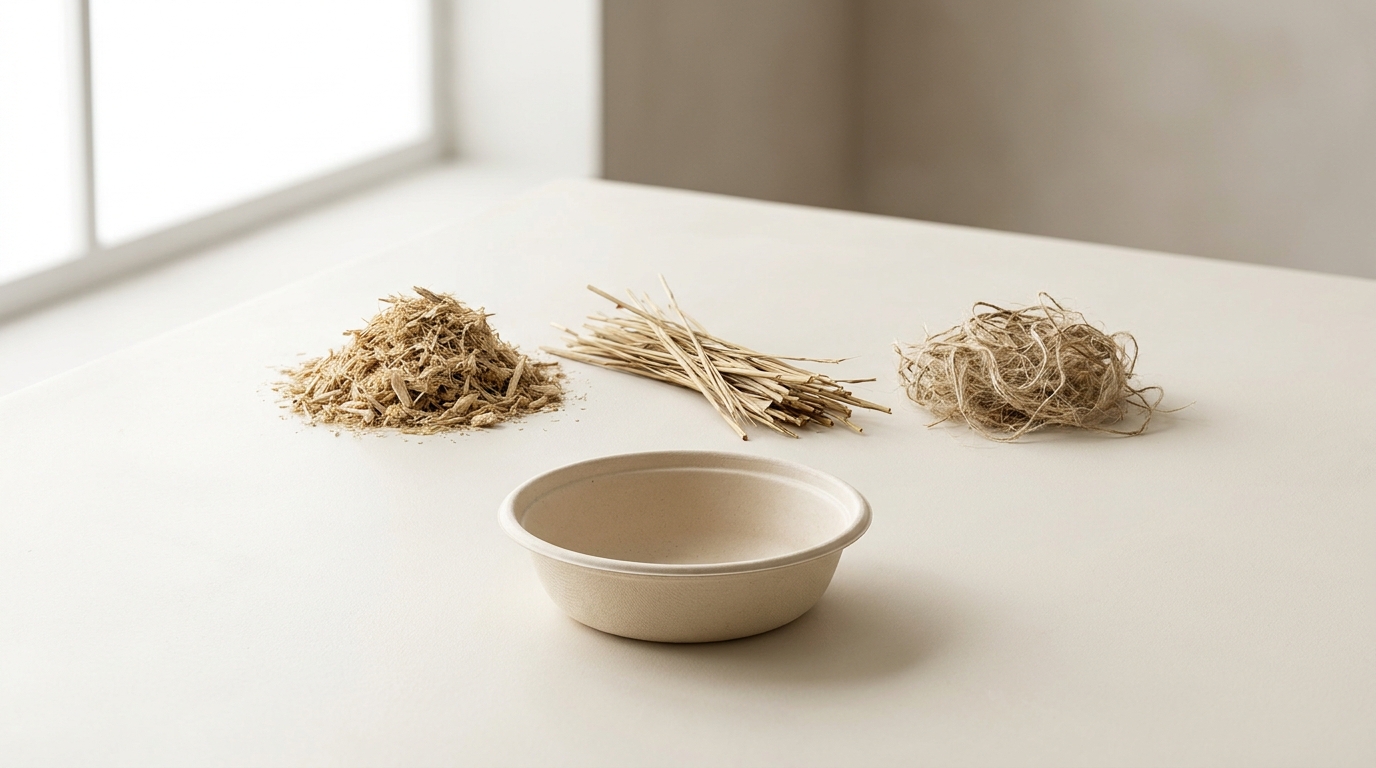
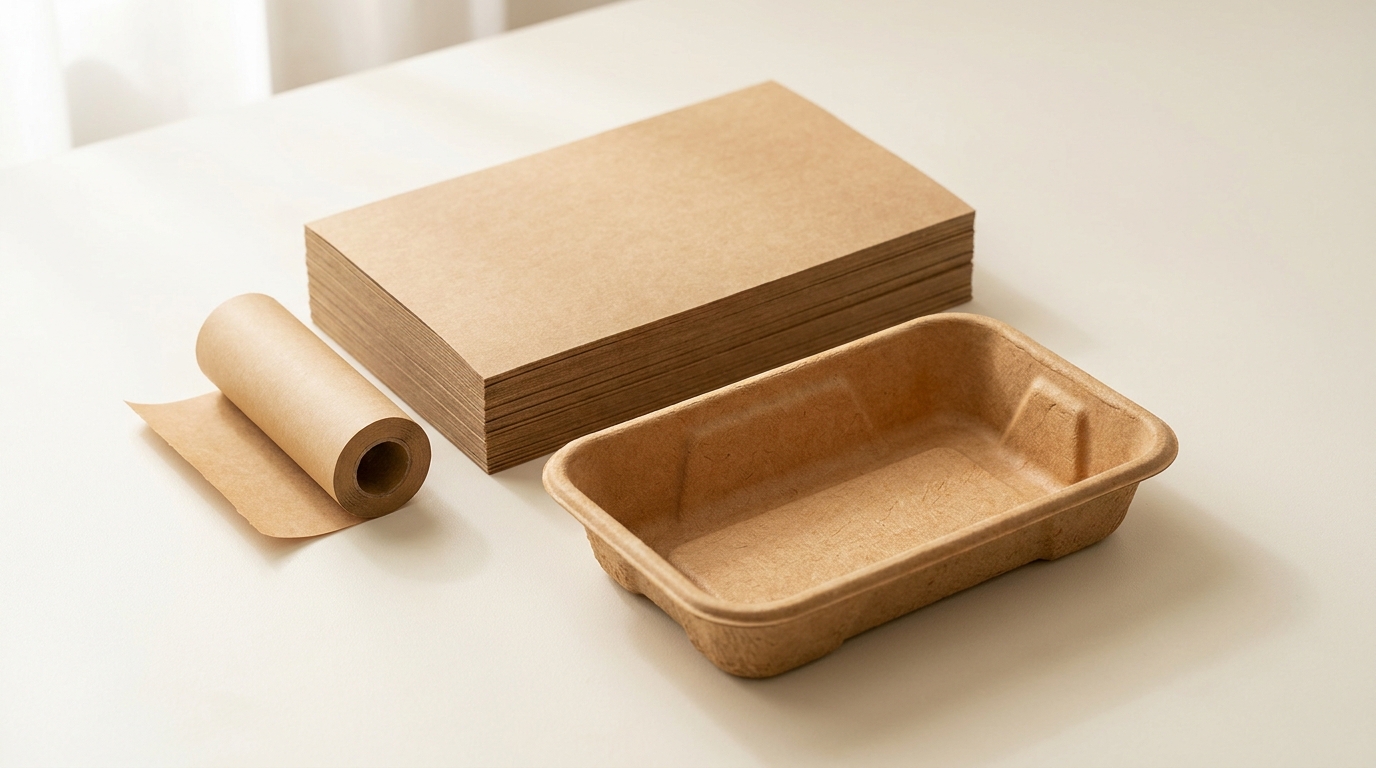
El papel kraft compostable es la fibra más resistente que fabricamos. Está elaborado a partir de materia prima virgen

La pulpa de color no es una fibra independiente. Se trata de cualquiera de nuestras

La pasta blanqueada es el material que hay que especificar cuando la pieza tiene que

El término «fibra vegetal natural» engloba las fuentes de celulosa no madereras que incorporamos a nuestra mezcla, aparte de la

El papel ondulado, como material de pulpa moldeada, se refiere a las cajas de cartón recuperadas que se han vuelto a convertir en pulpa.

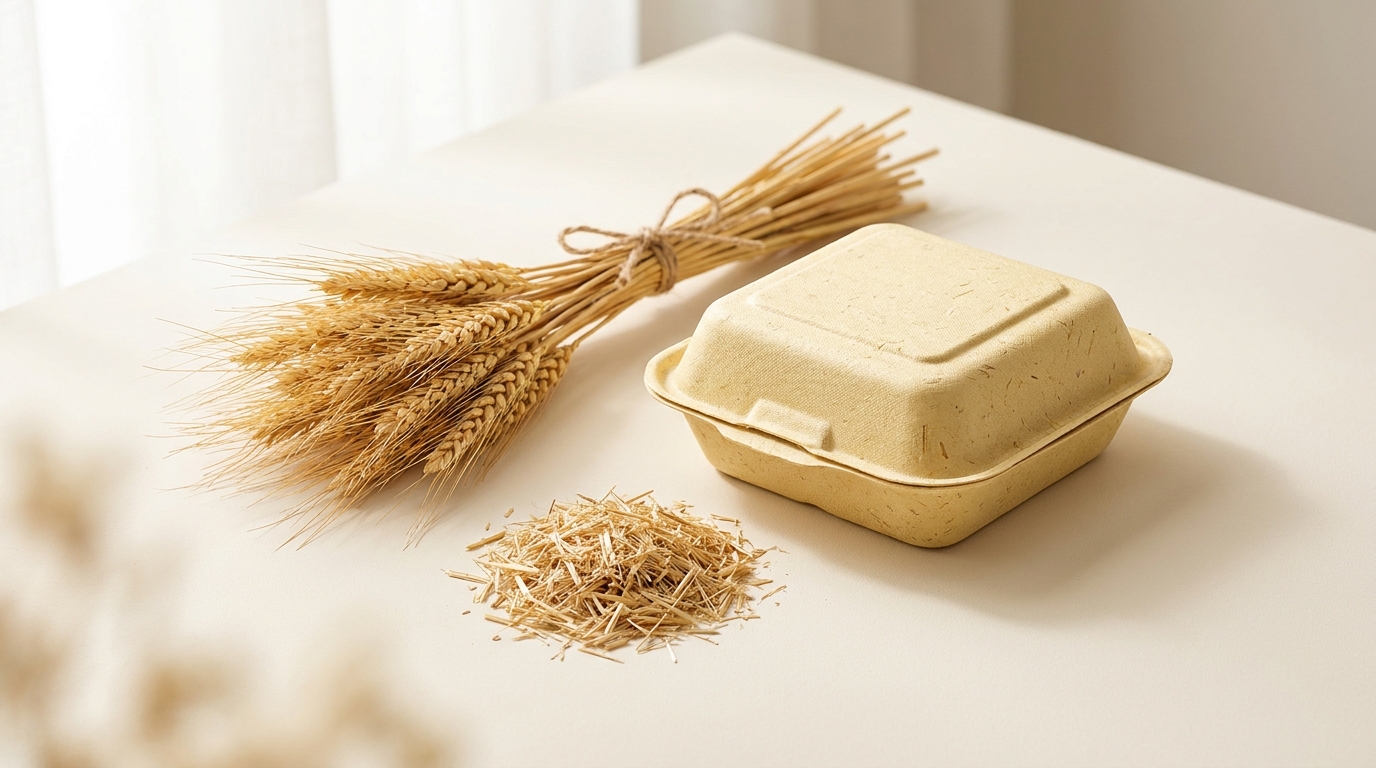
La fibra de paja se obtiene de los tallos que quedan tras la cosecha de cereales, un material

Personalizado Respetuoso con el medio ambiente Fiable

Excelencia en envases personalizados y ecológicos

Totalmente personalizable

Personalice sus envases con estilos, tamaños, colores y acabados a medida para satisfacer necesidades específicas.

Asistencia experta

Bonitopak ofrece asesoramiento experto en diseño y logística para maximizar la eficiencia de los envases y aumentar la rentabilidad de la inversión.

Soluciones ecológicas

Elija envases sostenibles y ecológicos para reducir el impacto ambiental y apoyar los objetivos ecológicos de su marca.

Garantía de calidad

Bonitopak garantiza un servicio de máxima calidad y la excelencia del producto con cada solución de envasado.

Preguntas frecuentes

Cajas para huevos de oca, pavo y gallina enana

  • Do you make a combined carton for mixed specialty eggs?

    No, and we would advise against one. A carton with cells of several sizes wastes space on every cell that is not filled, and it only works if a producer reliably has one of each bird on hand at packing time, which almost nobody does. Separate cartons per bird is the practical answer.

  • Why do goose cartons cost more per egg than chicken cartons?

    Fiber quantity and freight. A goose cell uses several times the material of a chicken cell, and the larger footprint means far fewer cartons per container. Against goose egg pricing, which is substantially above chicken, the packaging cost per egg sold remains proportionate.

  • Are turkey eggs actually sold for eating?

    Rarely at commercial scale, and the economics explain why. A turkey hen lays far fewer eggs than a laying hen and the bird is worth more as meat, so the eggs are usually set for hatching rather than sold. Most of our turkey carton demand comes from breeders shipping fertile eggs.

  • How do I pack a flock that lays goose and chicken eggs together?

    Separately, and there is no way around it. The size gap is too large for any single mold to bridge without failing one bird or the other. Producers running both keep two carton lines, which is normal in mixed specialty operations and costs less than the breakage from compromising.

  • Can a bantam egg use a quail carton instead?

    No, and the mismatch runs the other way from what people expect. A bantam egg at 25 to 35 grams is two to three times the weight of a quail egg, so it will not seat in a quail cell at all. Bantam needs its own geometry, sitting between quail and standard chicken.

Biodegradable Resultado

0 días

7 días

14 días

30 días

Industrias especializadas

Tras haber fabricado millones de piezas, BonitoPak posee profundos conocimientos en numerosas aplicaciones. Destacamos especialmente en sectores que requieren la fabricación de componentes precisos e intrincados. Confíe en nuestra experiencia y calidad, sea cual sea la complejidad.

Soluciones de envasado OEM y ODM

Bonitopak ofrece soluciones de envasado personalizadas (OEM) y prediseñadas (ODM). Tanto si necesita diseños totalmente a medida como envases listos para usar, le ofrecemos opciones de alta calidad, eficientes y flexibles para satisfacer las necesidades de su marca.

Servicios OEM

Las soluciones de envasado OEM le permiten crear productos totalmente personalizados, diseñados y fabricados para satisfacer sus requisitos específicos. En Bonitopak, le ofrecemos un apoyo integral a lo largo de todo el proceso de diseño, creación de prototipos y fabricación, garantizando que su envase refleje la identidad única de su marca. Nuestra capacidad de fabricación de precisión garantiza una producción coherente y de alta calidad, independientemente de la complejidad del diseño. Con un servicio integral, nos encargamos de todo, desde el concepto hasta la entrega, ayudándole a racionalizar sus necesidades de envasado.

Servicios ODM

Las soluciones de envasado ODM ofrecen productos prediseñados que pueden adaptarse a los requisitos de su marca. Con la innovadora experiencia en diseño y el eficiente proceso de producción de Bonitopak, puede elegir entre una amplia gama de opciones de envases listos para usar. Ofrecemos una personalización flexible, que le permite añadir su marca y seleccionar entre varios acabados, colores y tamaños. Esta solución ahorra tiempo y costes, al tiempo que garantiza un envase de alta calidad que cumple los estándares de su marca.
¿Listo para elevar su proyecto?

Dé vida a sus diseños con BonitoPak

Experimente la ingeniería de precisión con BonitoPak. Desde prototipos detallados hasta la producción de grandes volúmenes, estamos aquí para convertir sus conceptos en realidad. Póngase en contacto con nosotros hoy mismo para hablar de las necesidades de su proyecto.

Nuestras categorías de productos

Descubra la variada gama de soluciones de envasado de Bonitopak, que incluye bandejas de pulpa moldeada, envases alimentarios, diseños personalizados y opciones sostenibles. Cada categoría está diseñada para ofrecer durabilidad, funcionalidad y responsabilidad medioambiental, y se adapta a sus necesidades específicas.

Three birds, three problems, one page

These three are grouped because they share a commercial situation, not because they share a carton. Each needs its own mold, and the reasons are worth taking separately.

What they have in common is that they are produced by small flocks in quantities no large converter will tool for. That is why specialty keepers end up packing in whatever chicken carton fits least badly, and why it is worth stocking molds that actually fit.

Goose: the size problem

A goose egg from an Embden or Toulouse weighs between 140 and 200 grams. That is roughly three large chicken eggs in one shell.

No chicken carton holds one. The egg does not fit the cell at any depth, and attempts to pack geese in chicken cartons usually end with the eggs laid loose in the carton with the dividers crushed down, which protects nothing.

The goose mold uses cells roughly twice the diameter of a chicken cell and considerably deeper. The footprint is large enough that a six count goose carton approaches the size of an eighteen count chicken carton.

Counts run low because production is low. A goose lays seasonally, typically 20 to 50 eggs a year against 250 or more for a laying hen. Two and four count cartons are the realistic retail formats, and six is usually the maximum worth stocking.

Goose shells are thick and strong, so the protection requirement is lower than the size requirement. The mold exists because the egg needs somewhere to sit, not because it is fragile.

Turkey: the awkward middle

Turkey eggs sit between chicken jumbo and goose, around 75 to 95 grams, which puts them in the worst position of the three.

They are too large for a chicken carton, including a deep bed jumbo mold, where the lid closes on the shell. They are far too small for a goose cell, where they roll freely and knock against the walls.

The turkey mold is dimensioned specifically for that gap. Cells are deeper and wider than our deep bed chicken spec but well short of goose.

Turkey eggs also have a distinctly more pointed profile than chicken, with a noticeably tapered narrow end, which means they seat lower at the point. The cell profile accounts for that taper rather than assuming a chicken-shaped oval.

Most turkey egg demand is for hatching rather than eating, since turkey eggs are rarely sold as food at scale. Breeders shipping fertile eggs are the main buyers, and immobilization matters more to them than cushioning.

Bantam: the small end

Bantam eggs run around 25 to 35 grams, roughly half a standard chicken egg, from Silkie, Serama, Sebright and other true bantam breeds.

They face the same problem as quail, one step up. In a chicken cell a bantam egg sits at the bottom of a cup far wider than it is, with nothing holding it. It rolls, contacts its neighbors, and chips.

The bantam mold uses shallower, narrower cells that hold the egg at its widest point. Counts run higher than the other two because bantam hens lay reasonably well, so 12 and 18 counts are both practical.

Bantam eggs are sold mostly to specialty and novelty retail, and to breeders. Silkie eggs in particular carry a following in several Asian markets where they are valued above standard chicken eggs.

Seasonality changes how you should order

Goose and turkey both lay seasonally, concentrated in spring, against a laying hen that produces most of the year. That turns carton buying into an annual decision rather than a rolling one.

Producers in these categories should order their full season’s requirement ahead of the laying period rather than reordering through it, because a mid-season stockout cannot be solved quickly when production and sea freight both sit in the path. Bantams lay more evenly and do not carry the same constraint.

Why these molds are hard to find

Tooling economics. A mold costs the same to cut whether it will run ten thousand cartons or ten million, so converters tool for volume. Goose, turkey, and bantam together are a rounding error against commercial chicken production.

The result is a market served badly. Specialty keepers in these three categories are used to compromising, and a correctly sized carton is a genuine differentiator for a producer selling at a farmers market where every other stall is using repurposed packaging.

We hold stock molds for all three specifically so small flocks can order realistic quantities without funding tooling.

Related formats

Producers running quail should go to molded pulp quail egg cartons, which is a separate geometry again and not interchangeable with bantam despite the similar egg size.

Duck sits between turkey and chicken in most dimensions and has its own mold at molded pulp duck egg cartons.

Keepers running a standard flock alongside specialty birds should see the molded pulp chicken egg carton page for the grade and cell depth detail. For small gift and sampler counts across any bird, the molded pulp 4 egg carton is cut deep enough to take most specialty sizes below goose.
Three birds, three problems, one page

These three are grouped because they share a commercial situation, not because they share a carton. Each needs its own mold, and the reasons are worth taking separately.

What they have in common is that they are produced by small flocks in quantities no large converter will tool for. That is why specialty keepers end up packing in whatever chicken carton fits least badly, and why it is worth stocking molds that actually fit.

Goose: the size problem

A goose egg from an Embden or Toulouse weighs between 140 and 200 grams. That is roughly three large chicken eggs in one shell.

No chicken carton holds one. The egg does not fit the cell at any depth, and attempts to pack geese in chicken cartons usually end with the eggs laid loose in the carton with the dividers crushed down, which protects nothing.

The goose mold uses cells roughly twice the diameter of a chicken cell and considerably deeper. The footprint is large enough that a six count goose carton approaches the size of an eighteen count chicken carton.

Counts run low because production is low. A goose lays seasonally, typically 20 to 50 eggs a year against 250 or more for a laying hen. Two and four count cartons are the realistic retail formats, and six is usually the maximum worth stocking.

Goose shells are thick and strong, so the protection requirement is lower than the size requirement. The mold exists because the egg needs somewhere to sit, not because it is fragile.

Turkey: the awkward middle

Turkey eggs sit between chicken jumbo and goose, around 75 to 95 grams, which puts them in the worst position of the three.

They are too large for a chicken carton, including a deep bed jumbo mold, where the lid closes on the shell. They are far too small for a goose cell, where they roll freely and knock against the walls.

The turkey mold is dimensioned specifically for that gap. Cells are deeper and wider than our deep bed chicken spec but well short of goose.

Turkey eggs also have a distinctly more pointed profile than chicken, with a noticeably tapered narrow end, which means they seat lower at the point. The cell profile accounts for that taper rather than assuming a chicken-shaped oval.

Most turkey egg demand is for hatching rather than eating, since turkey eggs are rarely sold as food at scale. Breeders shipping fertile eggs are the main buyers, and immobilization matters more to them than cushioning.

Bantam: the small end

Bantam eggs run around 25 to 35 grams, roughly half a standard chicken egg, from Silkie, Serama, Sebright and other true bantam breeds.

They face the same problem as quail, one step up. In a chicken cell a bantam egg sits at the bottom of a cup far wider than it is, with nothing holding it. It rolls, contacts its neighbors, and chips.

The bantam mold uses shallower, narrower cells that hold the egg at its widest point. Counts run higher than the other two because bantam hens lay reasonably well, so 12 and 18 counts are both practical.

Bantam eggs are sold mostly to specialty and novelty retail, and to breeders. Silkie eggs in particular carry a following in several Asian markets where they are valued above standard chicken eggs.

Seasonality changes how you should order

Goose and turkey both lay seasonally, concentrated in spring, against a laying hen that produces most of the year. That turns carton buying into an annual decision rather than a rolling one.

Producers in these categories should order their full season’s requirement ahead of the laying period rather than reordering through it, because a mid-season stockout cannot be solved quickly when production and sea freight both sit in the path. Bantams lay more evenly and do not carry the same constraint.

Why these molds are hard to find

Tooling economics. A mold costs the same to cut whether it will run ten thousand cartons or ten million, so converters tool for volume. Goose, turkey, and bantam together are a rounding error against commercial chicken production.

The result is a market served badly. Specialty keepers in these three categories are used to compromising, and a correctly sized carton is a genuine differentiator for a producer selling at a farmers market where every other stall is using repurposed packaging.

We hold stock molds for all three specifically so small flocks can order realistic quantities without funding tooling.

Related formats

Producers running quail should go to molded pulp quail egg cartons, which is a separate geometry again and not interchangeable with bantam despite the similar egg size.

Duck sits between turkey and chicken in most dimensions and has its own mold at molded pulp duck egg cartons.

Keepers running a standard flock alongside specialty birds should see the molded pulp chicken egg carton page for the grade and cell depth detail. For small gift and sampler counts across any bird, the molded pulp 4 egg carton is cut deep enough to take most specialty sizes below goose.
Artículos relacionados

Manténgase informado con las últimas actualizaciones sobre tendencias en envases sostenibles, perspectivas del sector y consejos de expertos a través de nuestro blog. Explore ideas y soluciones innovadoras para mejorar sus conocimientos sobre envasado.

Por Leo Chan | Redactor, BonitoPak | Más de 20 años de experiencia en envases de pulpa moldeada. El vodka es

Por Leo Chan | Redactor, BonitoPak | Más de 20 años de experiencia en embalajes de pulpa moldeada. Casi todos los

Por Leo Chan | Redactor, BonitoPak | Más de 20 años de experiencia en embalajes de pulpa moldeada. Buscar esto

Preguntas frecuentes

Cajas para huevos de oca, pavo y gallina enana

  • Do you make a combined carton for mixed specialty eggs?

    No, and we would advise against one. A carton with cells of several sizes wastes space on every cell that is not filled, and it only works if a producer reliably has one of each bird on hand at packing time, which almost nobody does. Separate cartons per bird is the practical answer.

  • Why do goose cartons cost more per egg than chicken cartons?

    Fiber quantity and freight. A goose cell uses several times the material of a chicken cell, and the larger footprint means far fewer cartons per container. Against goose egg pricing, which is substantially above chicken, the packaging cost per egg sold remains proportionate.

  • Are turkey eggs actually sold for eating?

    Rarely at commercial scale, and the economics explain why. A turkey hen lays far fewer eggs than a laying hen and the bird is worth more as meat, so the eggs are usually set for hatching rather than sold. Most of our turkey carton demand comes from breeders shipping fertile eggs.

  • How do I pack a flock that lays goose and chicken eggs together?

    Separately, and there is no way around it. The size gap is too large for any single mold to bridge without failing one bird or the other. Producers running both keep two carton lines, which is normal in mixed specialty operations and costs less than the breakage from compromising.

  • Can a bantam egg use a quail carton instead?

    No, and the mismatch runs the other way from what people expect. A bantam egg at 25 to 35 grams is two to three times the weight of a quail egg, so it will not seat in a quail cell at all. Bantam needs its own geometry, sitting between quail and standard chicken.

Rellene este formulario detallado