الصفحة الرئيسية " الخدمات
المادة :
المادة :
المادة :
المادة :
المادة :
المادة :
المادة :
المادة :
المادة :
المادة :
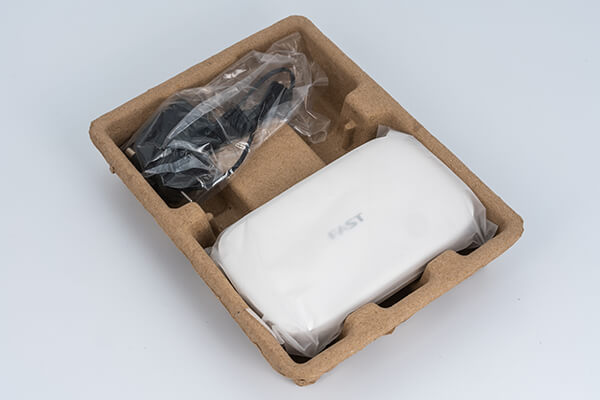
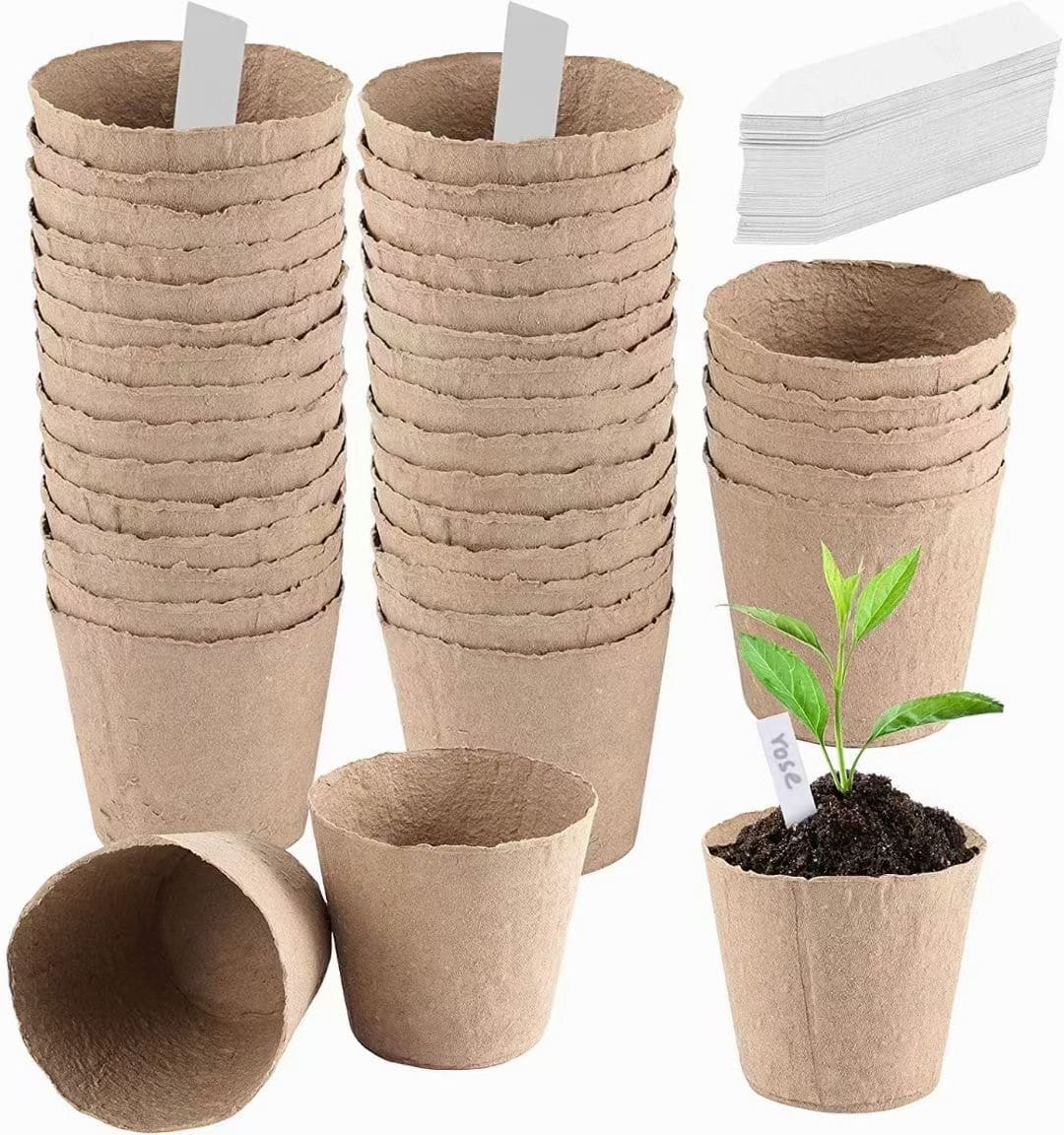
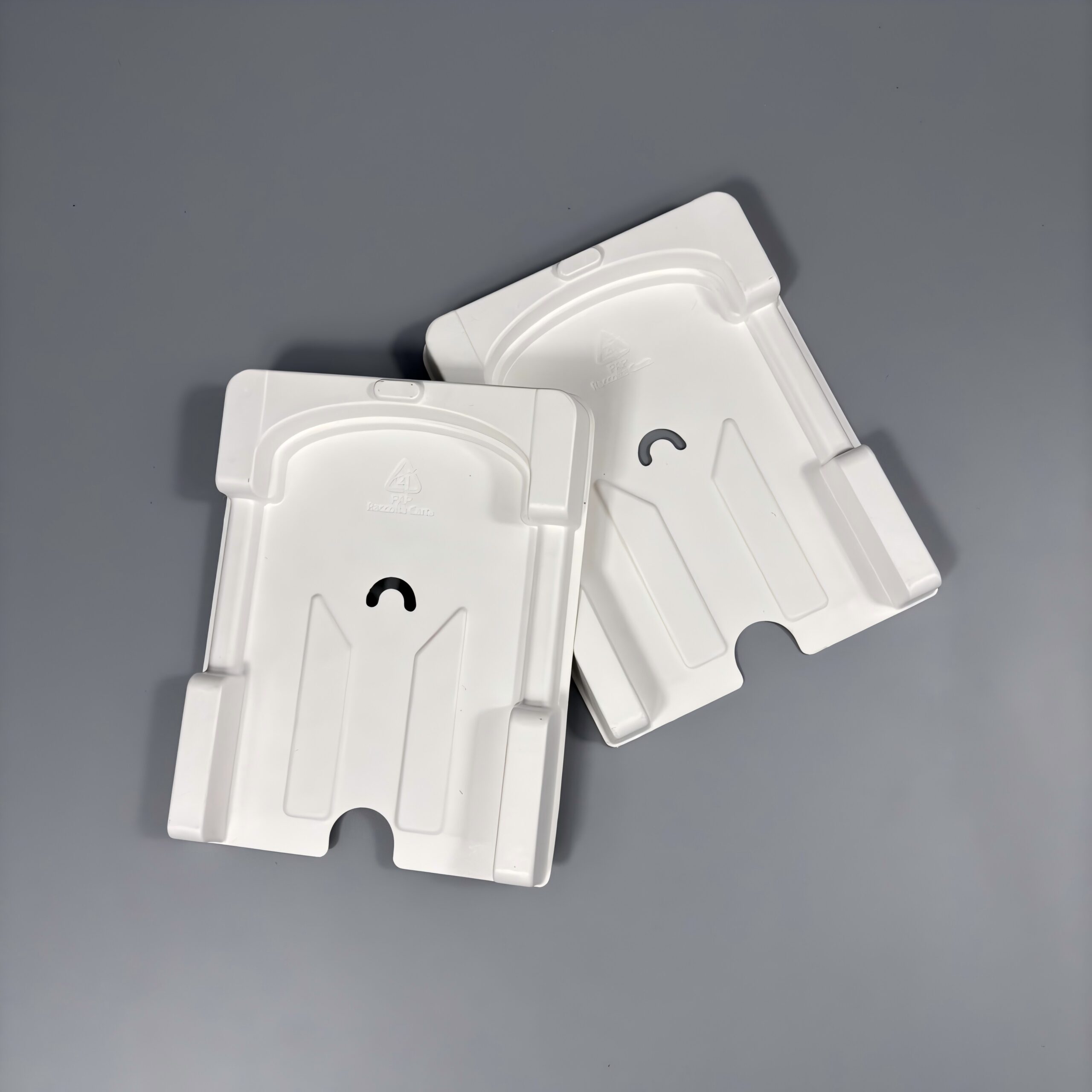
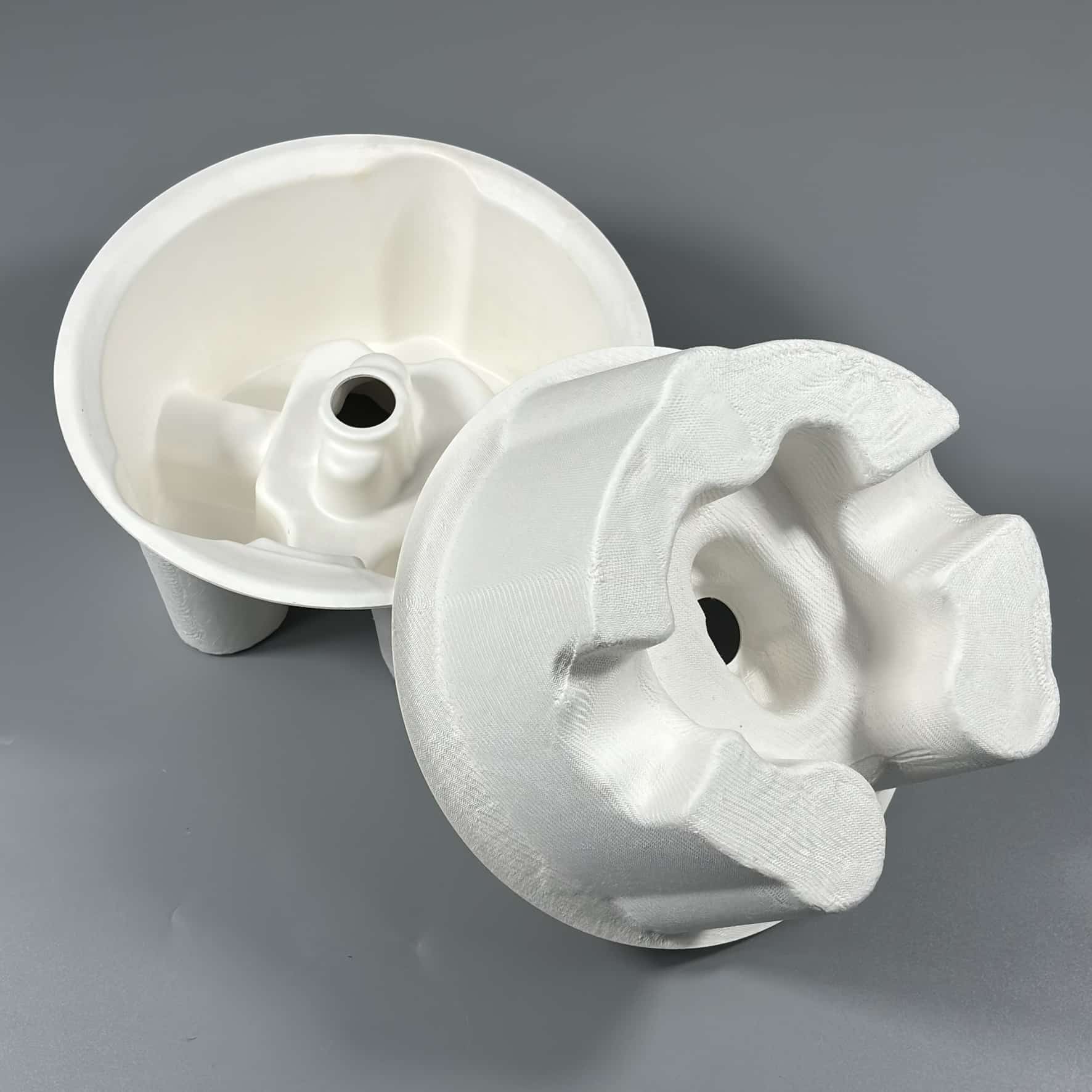
تستخدم عملية الكبس الرطب مواد قابلة للتحلل الحيوي مثل تفل قصب القصب والخيزران والورق المعاد تدويره، مما يوفر لمسات نهائية ناعمة وحماية وتوسيداً وتغليفاً موفراً للمساحة وصديقاً للبيئة.
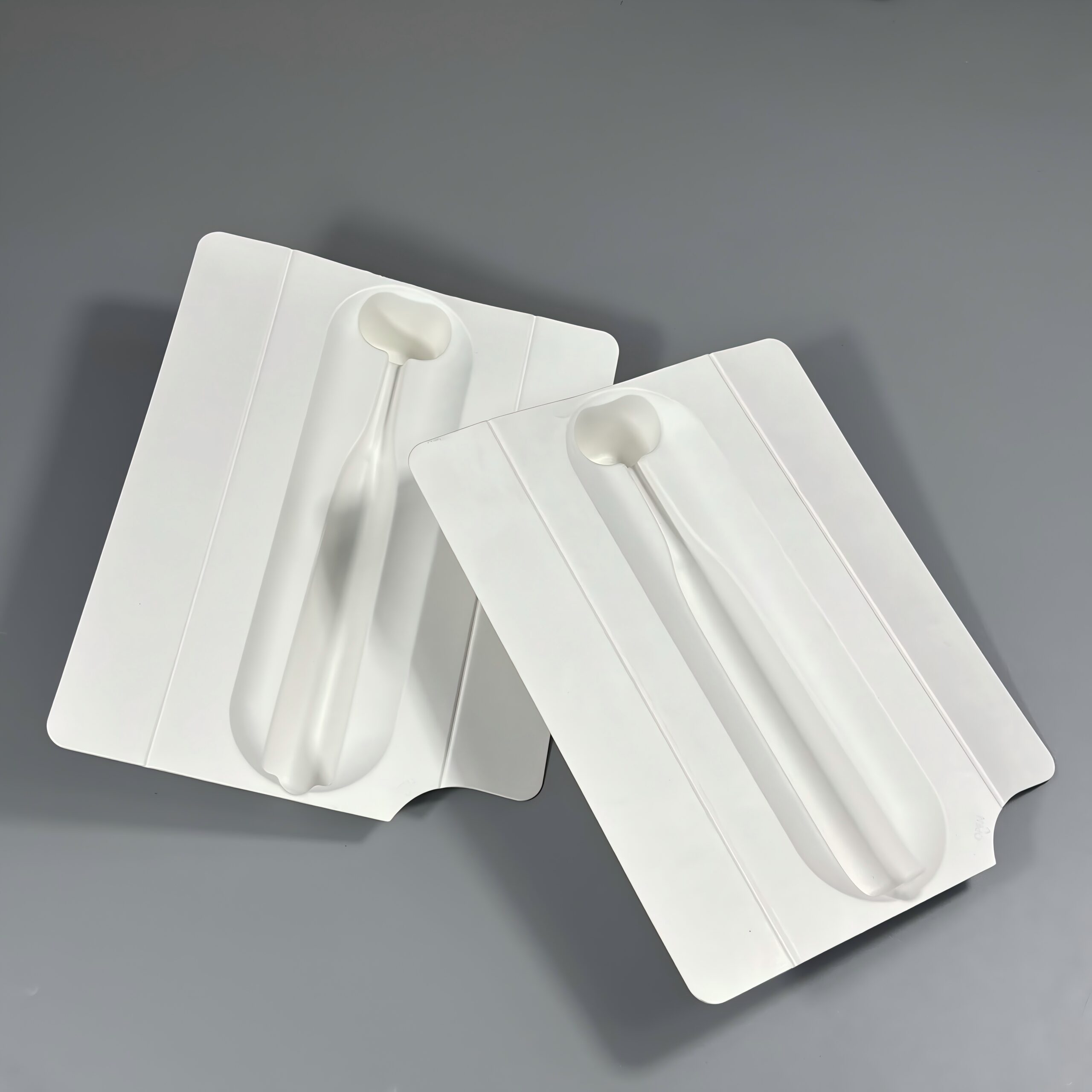
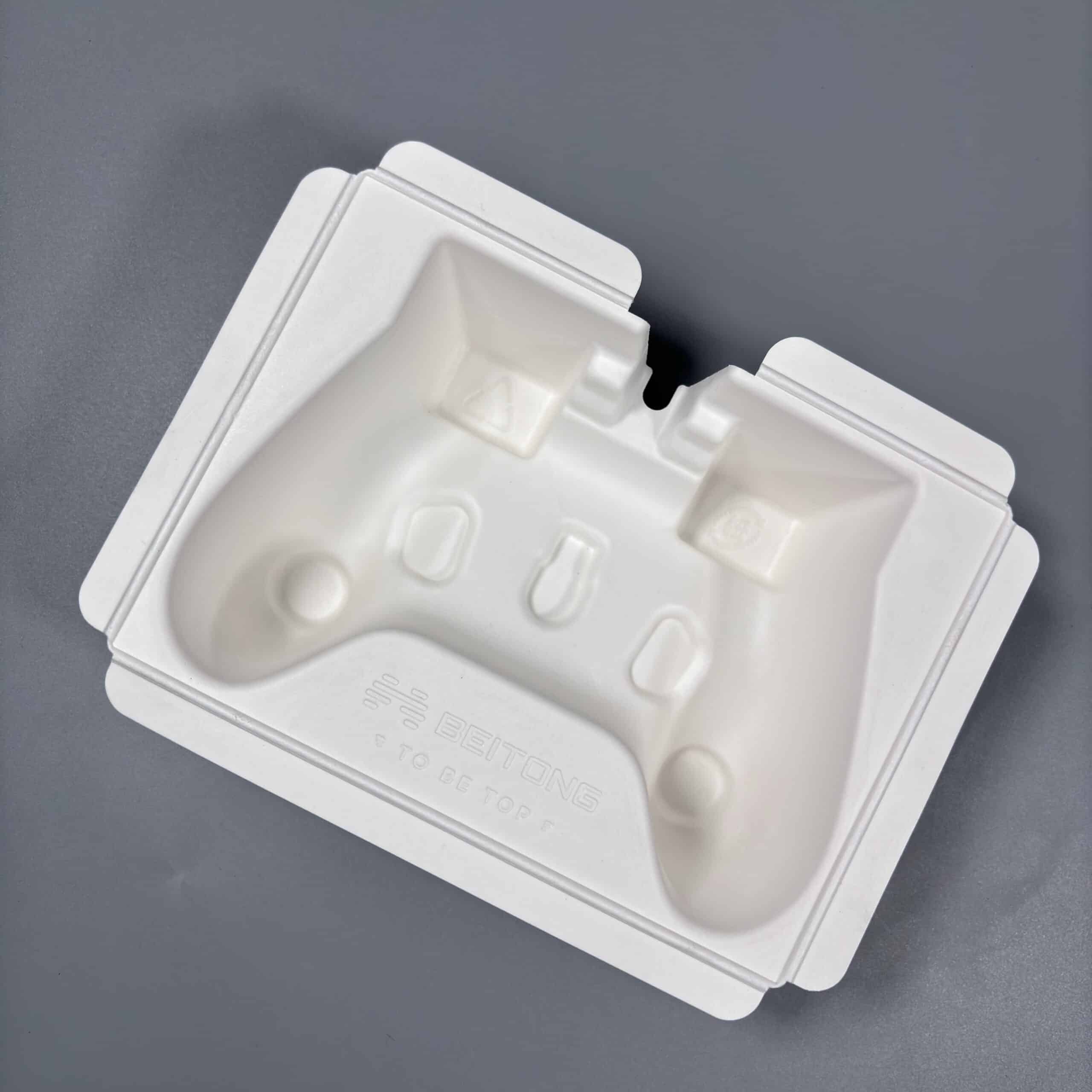
تحل منتجات اللب المقولب محل البلاستيك والرغوة، مما يوفر خيارات قابلة لإعادة التدوير وقابلة للتحلل الحيوي. تتوفر الأشكال والألوان والأسطح الصديقة للبيئة حسب الطلب. نحن نوفر عبوات مستدامة وبأسعار معقولة من خلال النماذج الأولية والتصنيع الداخلي.
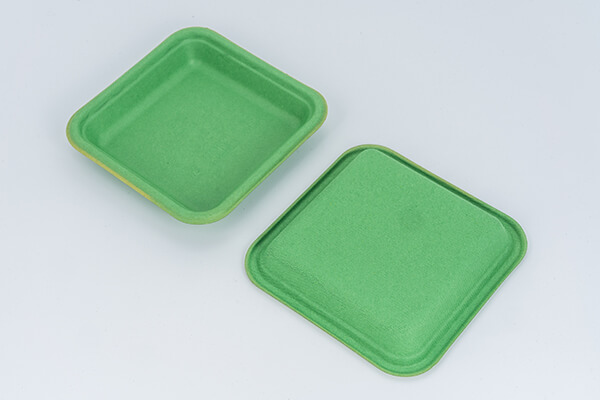
أدوات مائدتنا المصنوعة من الألياف النباتية المصنوعة من تفل قصب الباجاس والقش والخيزران قابلة للتحلل الحيوي وقابلة للتسميد ومقاومة للماء ومقاومة للزيت وآمنة للاستخدام في الميكروويف. معتمدة وقابلة لإعادة التدوير وقابلة للتكديس للاستخدام الصديق للبيئة.
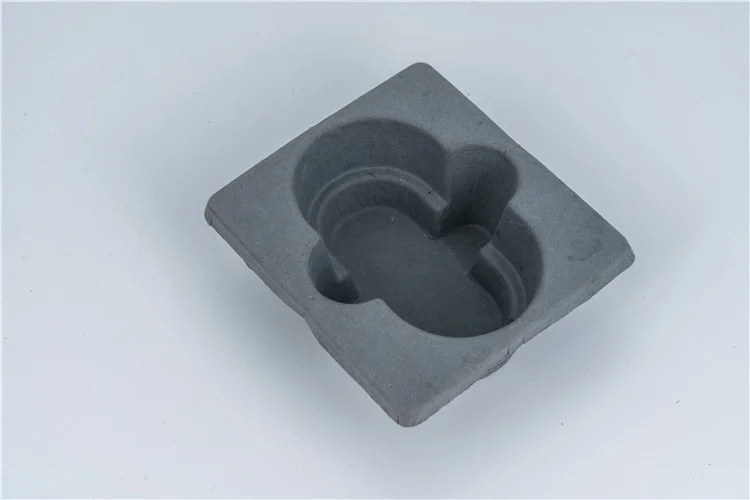
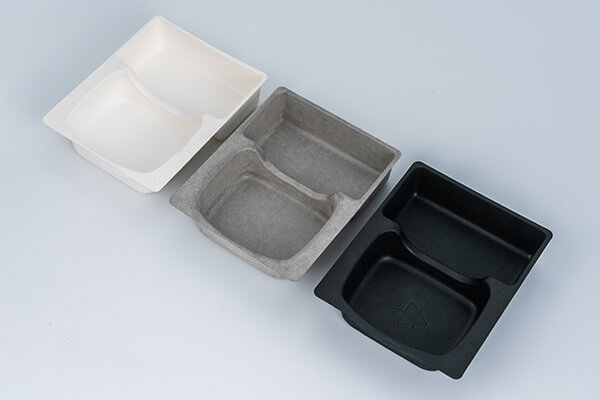
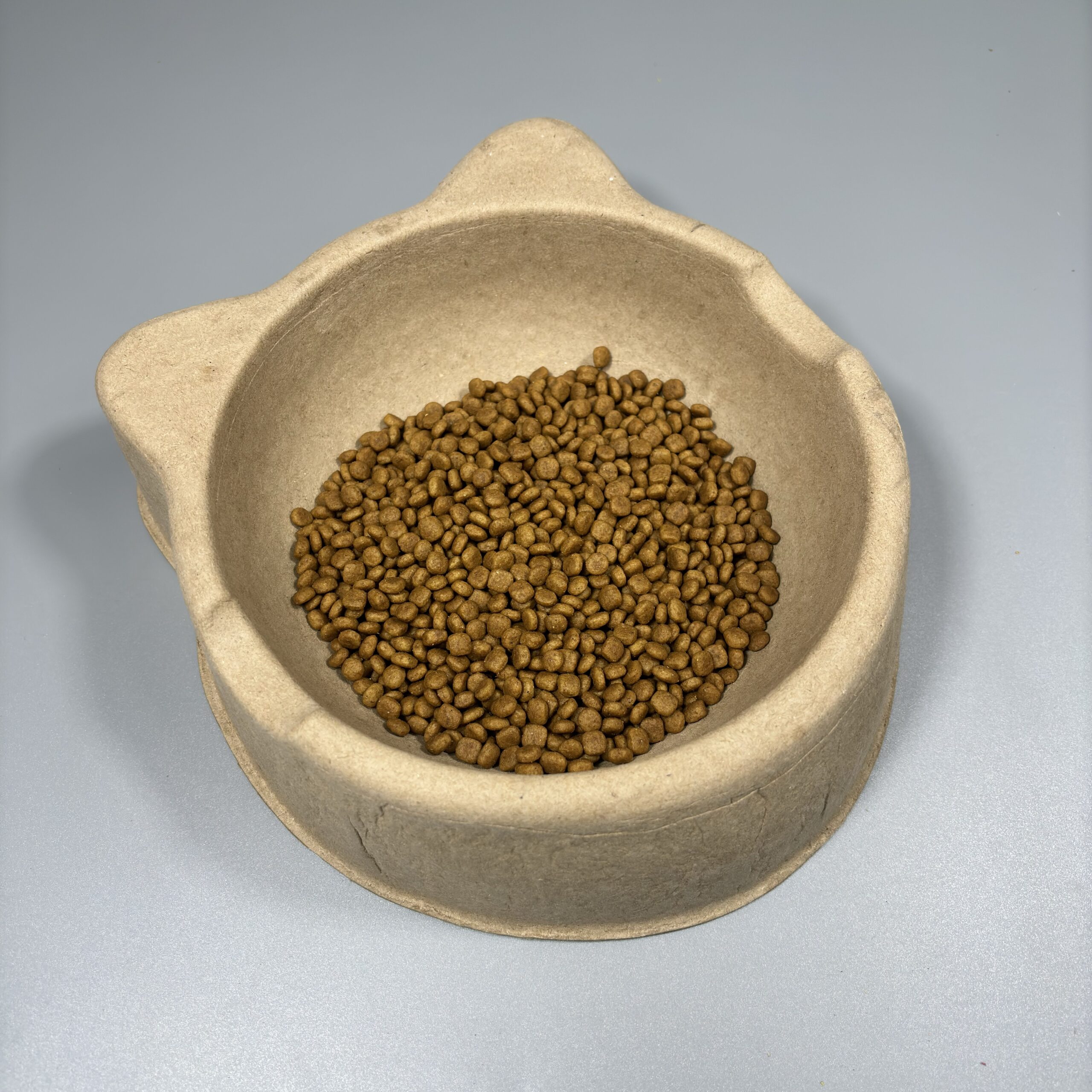
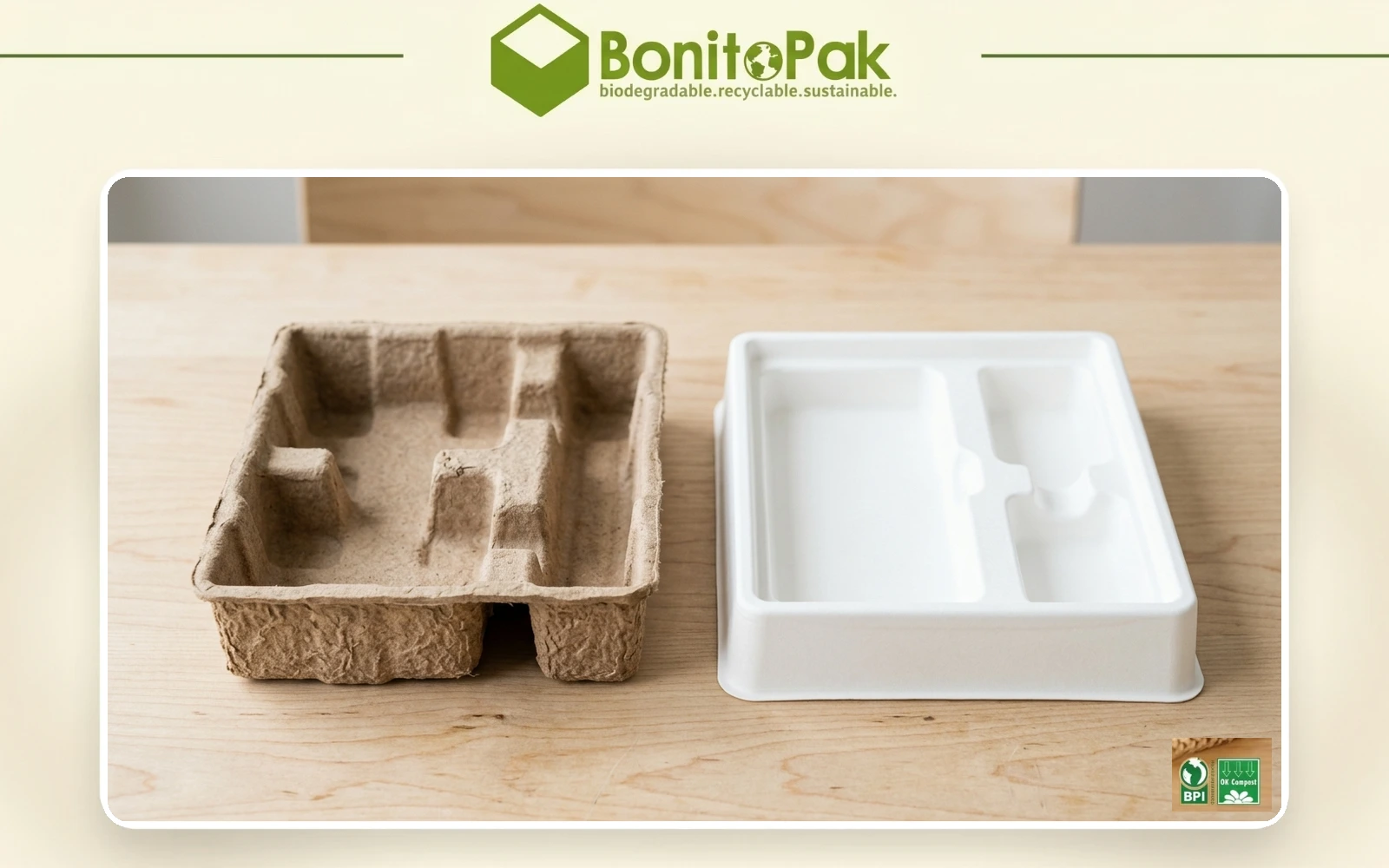
توفر صواني لب الورق الجاف المضغوط الجاف، المصنوعة من مواد معاد تدويرها 100%، بديلاً صديقًا للبيئة وفعالاً من حيث التكلفة للبلاستيك. فهي توفر توسيدًا ومقاومة لدرجات الحرارة وقابلية للتكديس وتوفر مساحة تصل إلى 20%.
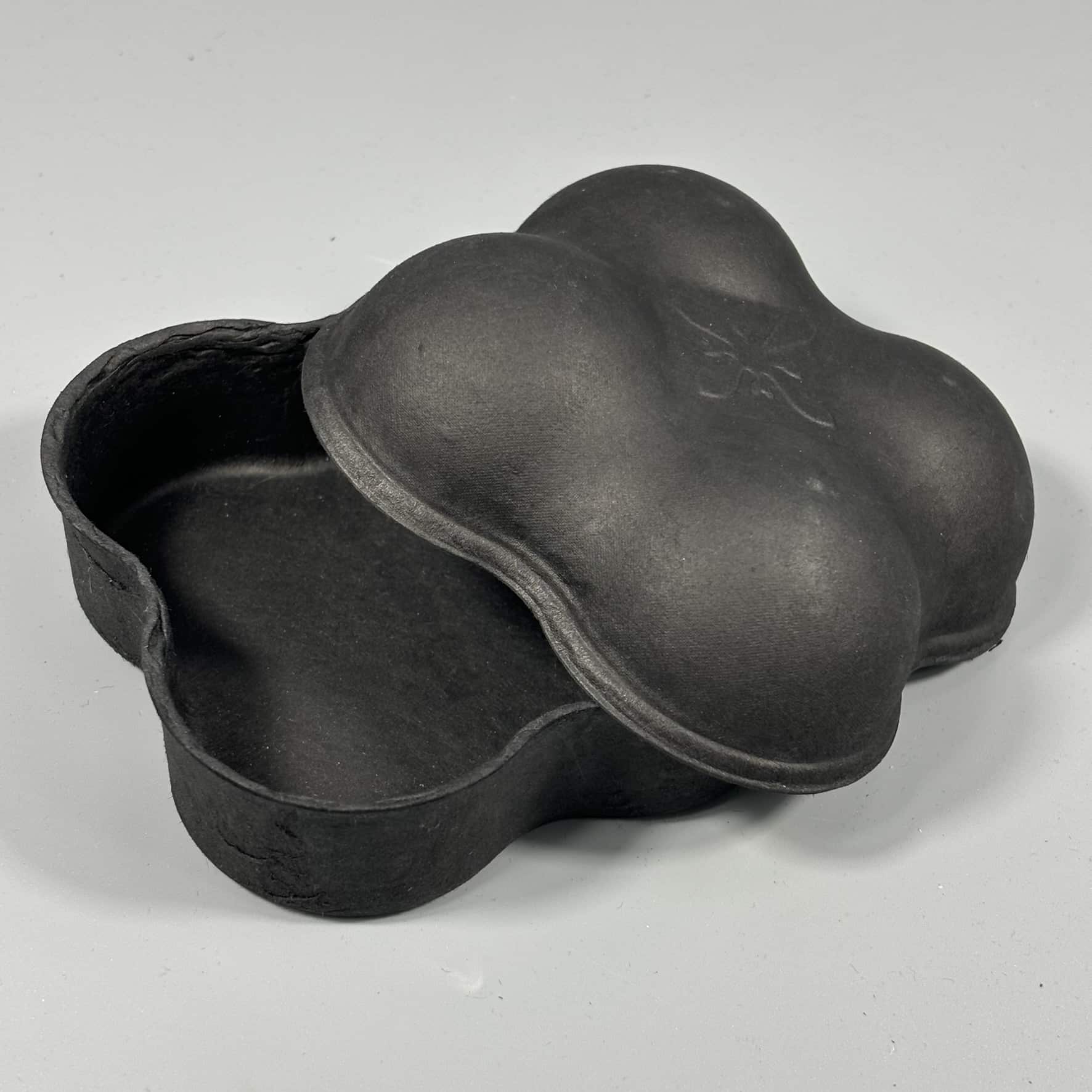
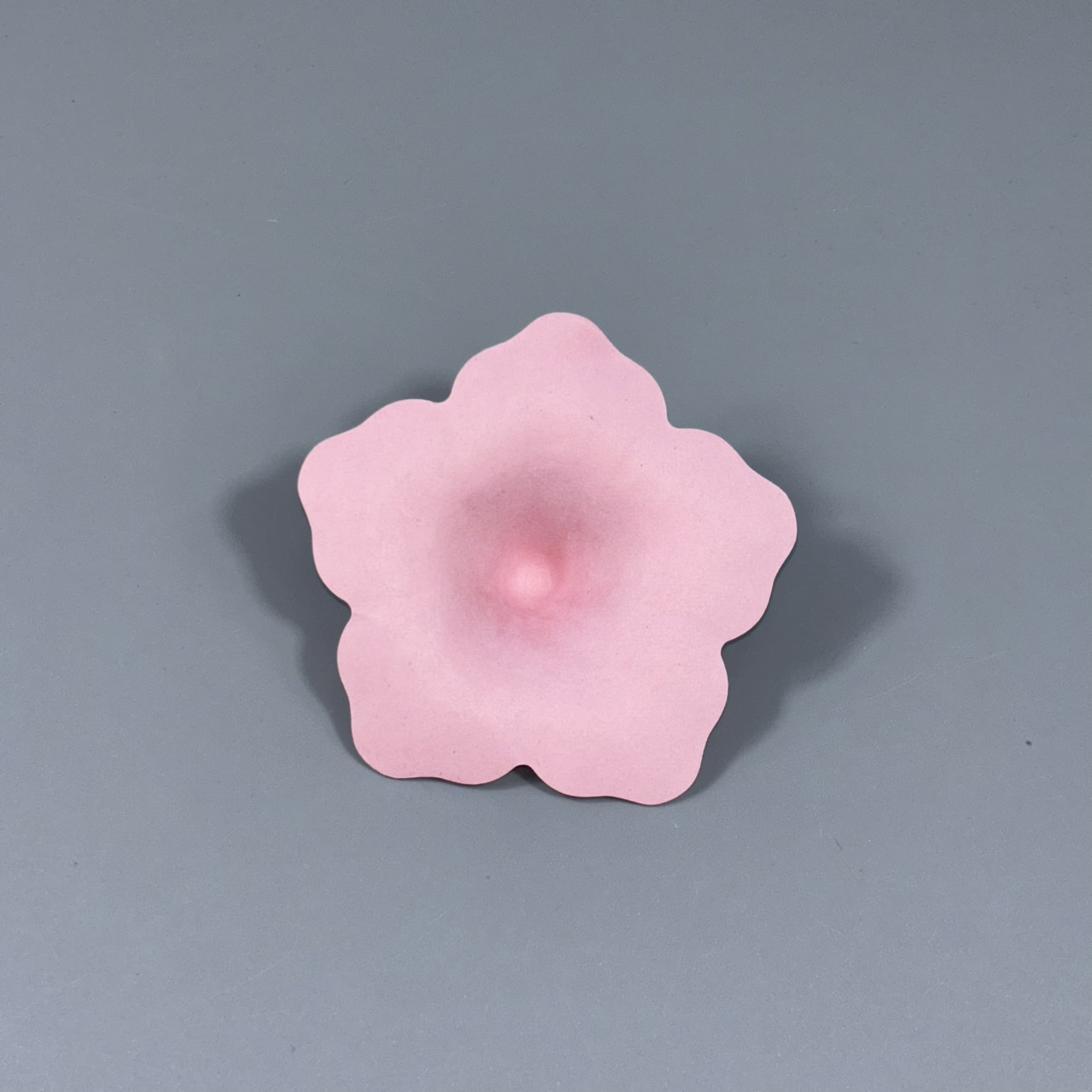
تقدم بونيتوباك اللب المقولب بستة ألوان، بما في ذلك الأبيض والطبيعي والأسود، مع دقة ألوان 95%. تضمن الطرق الصديقة للبيئة التبييض الآمن. الطبيعي والأبيض هما الأفضل للطعام؛ أما الألوان الأخرى فتناسب تغليف الصواني.
Buyers searching for vintage egg cartons are usually looking for a specific physical shape rather than a printed graphic, and suppliers who treat the request as a print job get it wrong.
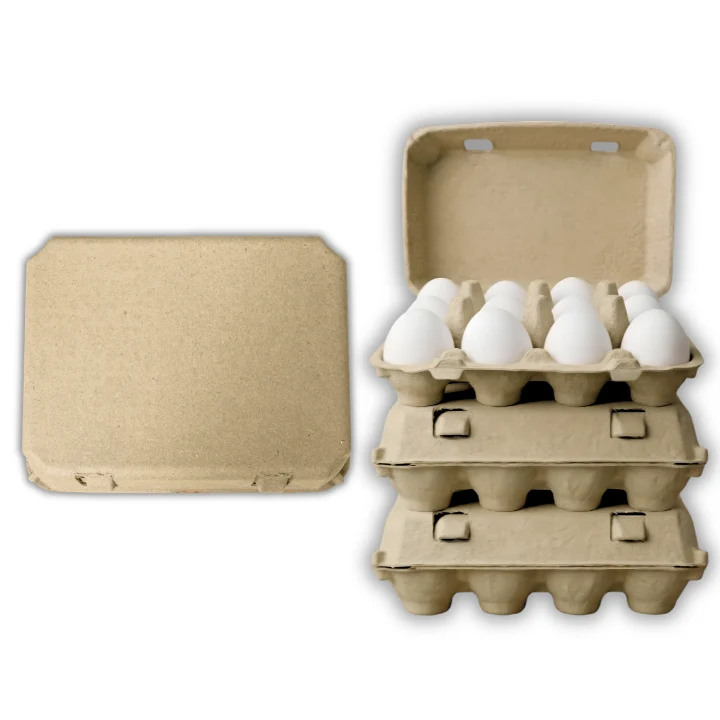
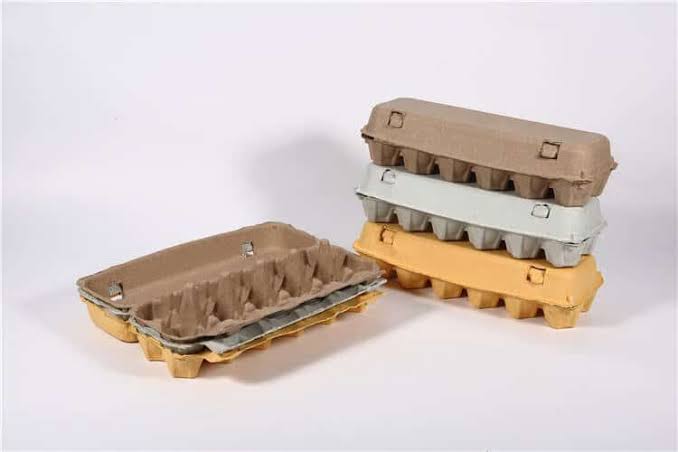
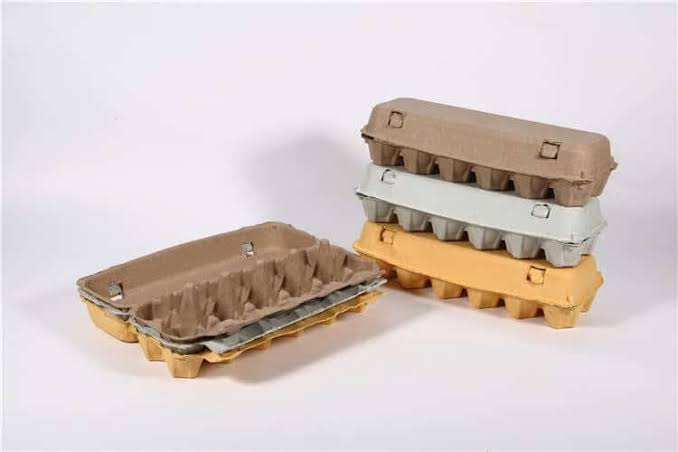
Egg cartons made through the middle of the twentieth century had a flat top. The lid was a squared panel with straight sides, folding down onto a base with a single deep hinge. Domed and contoured lids came later, driven by material savings and by automatic packing equipment that needed a self locating shape.
The flat top is the vintage carton. Print style contributes, but a domed modern carton with a retro typeface still looks modern, because the silhouette is what the eye reads first.
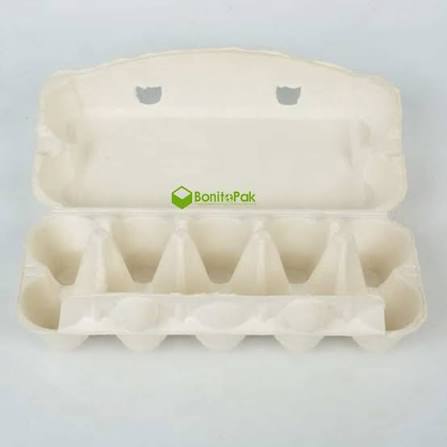
Our vintage molds reproduce the flat top geometry, including the squared shoulder where the lid meets the base and the deeper single fold hinge that lets the lid lay fully back.
The flat top has a practical advantage that has nothing to do with nostalgia. It is the best print surface in egg packaging.
A domed lid curves in two directions, which means printed artwork distorts toward the edges and registration is harder to hold. A flat panel prints like a sheet. Fine detail holds, straight lines stay straight, and edge to edge coverage is achievable.
For a producer who wants their farm name reproduced properly rather than approximately, the flat top is the correct specification regardless of whether they care about the retro association. Several of our customers order it purely for the print quality.
The panel on a twelve cell vintage carton runs roughly 320 square centimeters of usable flat area, which is generous enough for a full illustrated design rather than a logo and a line of text.
A single deep fold hinge is more fragile than the multiple shallow creases used on modern cartons, and it needs more fiber to survive repeated opening.
We compensate by running additional wall thickness through the hinge zone, which adds a small amount of material per carton. The payoff is a lid that lays fully flat when opened, presenting the eggs as a display rather than propping the lid at an angle.
At a farmers market that difference is worth the extra grams. A carton that opens flat on a table shows twelve eggs to a passing customer. A carton with a lid standing up hides half of them.
Buyers should note that the deep hinge is the wear point on this format. Cartons opened and closed repeatedly for display, then sold, will show hinge fatigue. Producers who display eggs loose and pack at the point of sale avoid the issue entirely.
Bright saturated color undermines the vintage effect. The shades that work are muted.
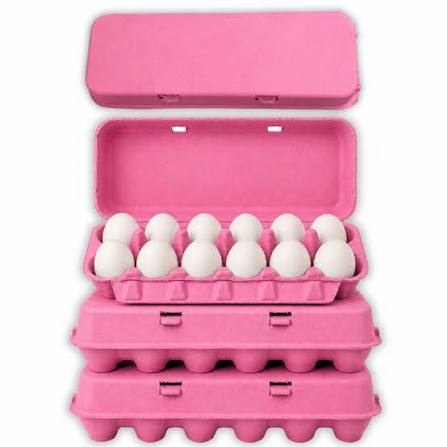
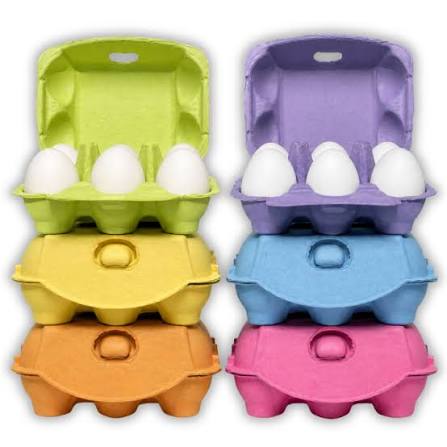
Natural pulp is the most authentic, since it is what the originals were, and it needs no pigment at all. Beyond that, muted greens, faded blues, and warm off-whites read as period. Bright pink and vivid purple do not, however well they perform on modern formats.
Print color follows the same logic. Single color printing in a dark ink on natural pulp is close to how these cartons were actually produced, since multi-color printing on egg cartons was uncommon until much later. A one color design also costs less to print, which is a rare case where the authentic choice is also the cheaper one.
Vintage cartons have a secondary market that surprises most producers.
Food stylists and photographers buy them as props, since a flat top carton signals farm and heritage in a single frame. Restaurants use them for table presentation. Craft and education buyers use them for the shape rather than the function.
These are low volume buyers, but they order consistently and they do not negotiate on price, since the carton is a small line item against a larger production. Producers with an online storefront often find prop sales cover a meaningful share of their minimum order.
Vintage is a positioning choice rather than a functional one. A producer choosing it is trading efficiency for identity.
The pragmatic setup runs a dozen egg carton in modern profile for volume and wholesale accounts, with vintage reserved for direct sales where the customer sees the pack. A 6 egg carton in vintage profile works well for premium and gift lines.
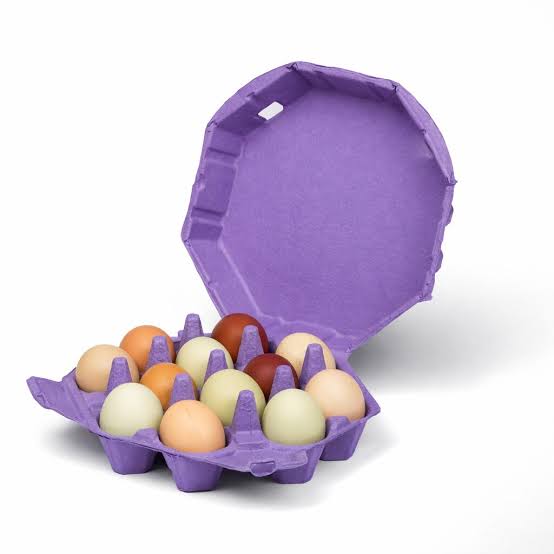
Producers wanting distinctiveness through shape rather than period style should compare octagon egg cartons. Those combining vintage profile with a brand shade should read كرتون البيض الملون for the pigment detail first.
Buyers searching for vintage egg cartons are usually looking for a specific physical shape rather than a printed graphic, and suppliers who treat the request as a print job get it wrong.
Egg cartons made through the middle of the twentieth century had a flat top. The lid was a squared panel with straight sides, folding down onto a base with a single deep hinge. Domed and contoured lids came later, driven by material savings and by automatic packing equipment that needed a self locating shape.
The flat top is the vintage carton. Print style contributes, but a domed modern carton with a retro typeface still looks modern, because the silhouette is what the eye reads first.
Our vintage molds reproduce the flat top geometry, including the squared shoulder where the lid meets the base and the deeper single fold hinge that lets the lid lay fully back.
The flat top has a practical advantage that has nothing to do with nostalgia. It is the best print surface in egg packaging.
A domed lid curves in two directions, which means printed artwork distorts toward the edges and registration is harder to hold. A flat panel prints like a sheet. Fine detail holds, straight lines stay straight, and edge to edge coverage is achievable.
For a producer who wants their farm name reproduced properly rather than approximately, the flat top is the correct specification regardless of whether they care about the retro association. Several of our customers order it purely for the print quality.
The panel on a twelve cell vintage carton runs roughly 320 square centimeters of usable flat area, which is generous enough for a full illustrated design rather than a logo and a line of text.
A single deep fold hinge is more fragile than the multiple shallow creases used on modern cartons, and it needs more fiber to survive repeated opening.
We compensate by running additional wall thickness through the hinge zone, which adds a small amount of material per carton. The payoff is a lid that lays fully flat when opened, presenting the eggs as a display rather than propping the lid at an angle.
At a farmers market that difference is worth the extra grams. A carton that opens flat on a table shows twelve eggs to a passing customer. A carton with a lid standing up hides half of them.
Buyers should note that the deep hinge is the wear point on this format. Cartons opened and closed repeatedly for display, then sold, will show hinge fatigue. Producers who display eggs loose and pack at the point of sale avoid the issue entirely.
Bright saturated color undermines the vintage effect. The shades that work are muted.
Natural pulp is the most authentic, since it is what the originals were, and it needs no pigment at all. Beyond that, muted greens, faded blues, and warm off-whites read as period. Bright pink and vivid purple do not, however well they perform on modern formats.
Print color follows the same logic. Single color printing in a dark ink on natural pulp is close to how these cartons were actually produced, since multi-color printing on egg cartons was uncommon until much later. A one color design also costs less to print, which is a rare case where the authentic choice is also the cheaper one.
Vintage cartons have a secondary market that surprises most producers.
Food stylists and photographers buy them as props, since a flat top carton signals farm and heritage in a single frame. Restaurants use them for table presentation. Craft and education buyers use them for the shape rather than the function.
These are low volume buyers, but they order consistently and they do not negotiate on price, since the carton is a small line item against a larger production. Producers with an online storefront often find prop sales cover a meaningful share of their minimum order.
Vintage is a positioning choice rather than a functional one. A producer choosing it is trading efficiency for identity.
The pragmatic setup runs a dozen egg carton in modern profile for volume and wholesale accounts, with vintage reserved for direct sales where the customer sees the pack. A 6 egg carton in vintage profile works well for premium and gift lines.
Producers wanting distinctiveness through shape rather than period style should compare octagon egg cartons. Those combining vintage profile with a brand shade should read كرتون البيض الملون for the pigment detail first.
نحن نستجيب في غضون 24 ساعة، ونقدم تواصلاً سريعاً وواضحاً وحلولاً مصممة خصيصاً وخدمة فعالة لتوفير الوقت والتكاليف.
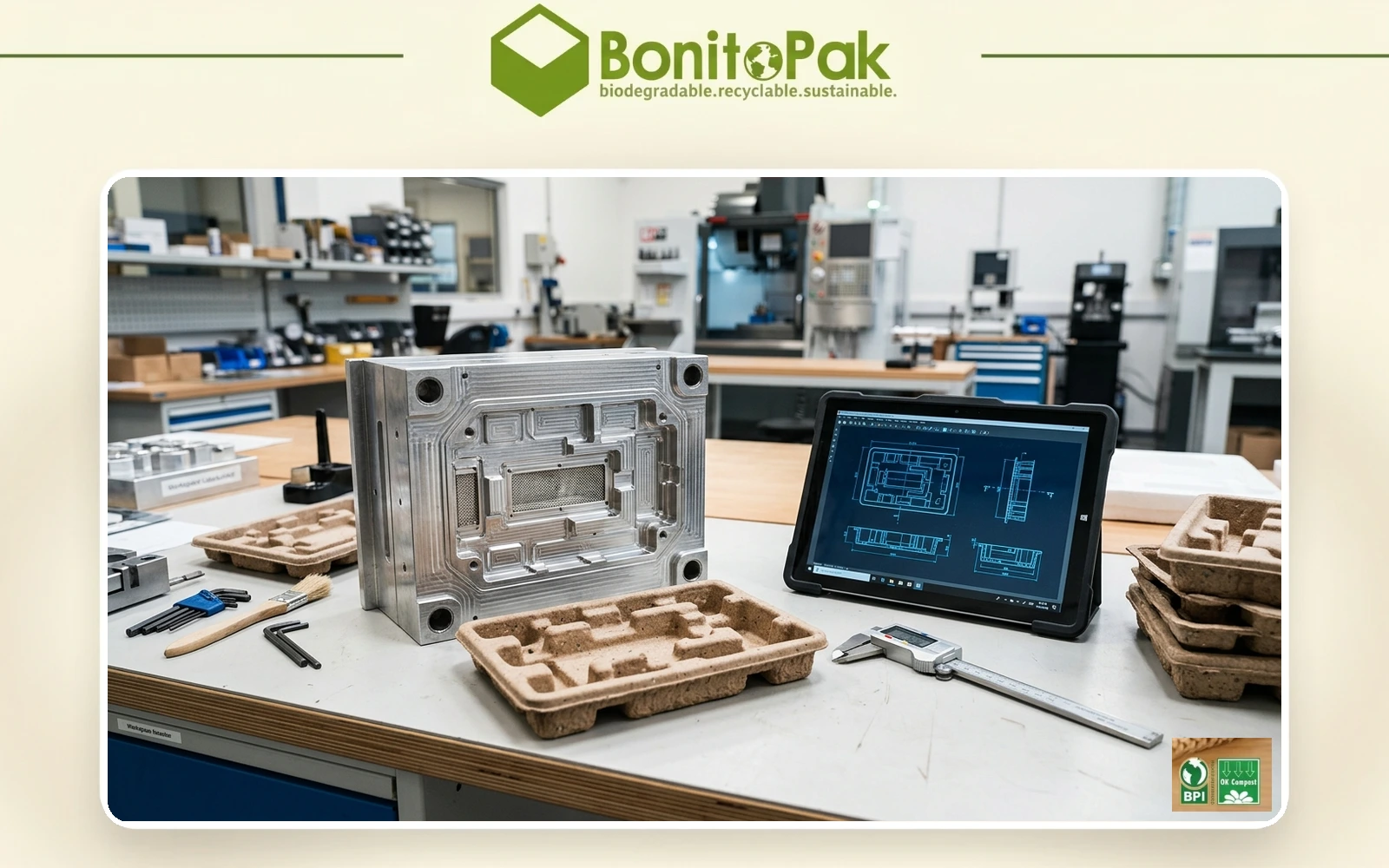
يضمن تصميمنا وهندستنا وتصنيعنا الداخلي سرعة تصنيع الأدوات، حيث تكون العينات جاهزة في 7 أيام وقوالب الإنتاج في 8 أيام.
يتفوق مهندسو البحث والتطوير المهرة لدينا في التصميم والنماذج الأولية والأدوات، ويقدمون حلول تغليف كاملة مع علب الصفيح والعلب الصفيح والعلب المطبوعة.
يقوم الموظفون المدربون بإجراء عمليات التفتيش والفحص العشوائي ومراقبة الجودة 100%، مما يضمن معايير عالية، ويقلل من حالات الرفض، ويوفر التكاليف.
نحن نوفر جدولة معقولة للطلبات وننسق مع العملاء لحل المشكلات على الفور، مما يضمن أفضل الحلول.
يضمن فريقنا المتمرس في خدمات ما بعد البيع التواصل السلس وحل المشكلات المتعلقة بالاستبدال والشحن والتوصيل بهدف الوصول إلى صفر شكاوى.
بقلم ليو تشان | كاتب في BonitoPak | أكثر من 20 عامًا من الخبرة في مجال التغليف المصنوع من اللب المقولب تاريخ النشر: 16
بقلم ليو تشان | كاتب في BonitoPak | أكثر من 20 عامًا من الخبرة في مجال التغليف المصنوع من اللب المقولب تاريخ النشر: 15
بقلم ليو تشان | كاتب في BonitoPak | أكثر من 20 عامًا من الخبرة في مجال التغليف المصنوع من اللب المقولب تاريخ النشر: 14