Material :
Material :
Material :
Material :
Material :
Material :
Material :
Material :
Material :
Material :
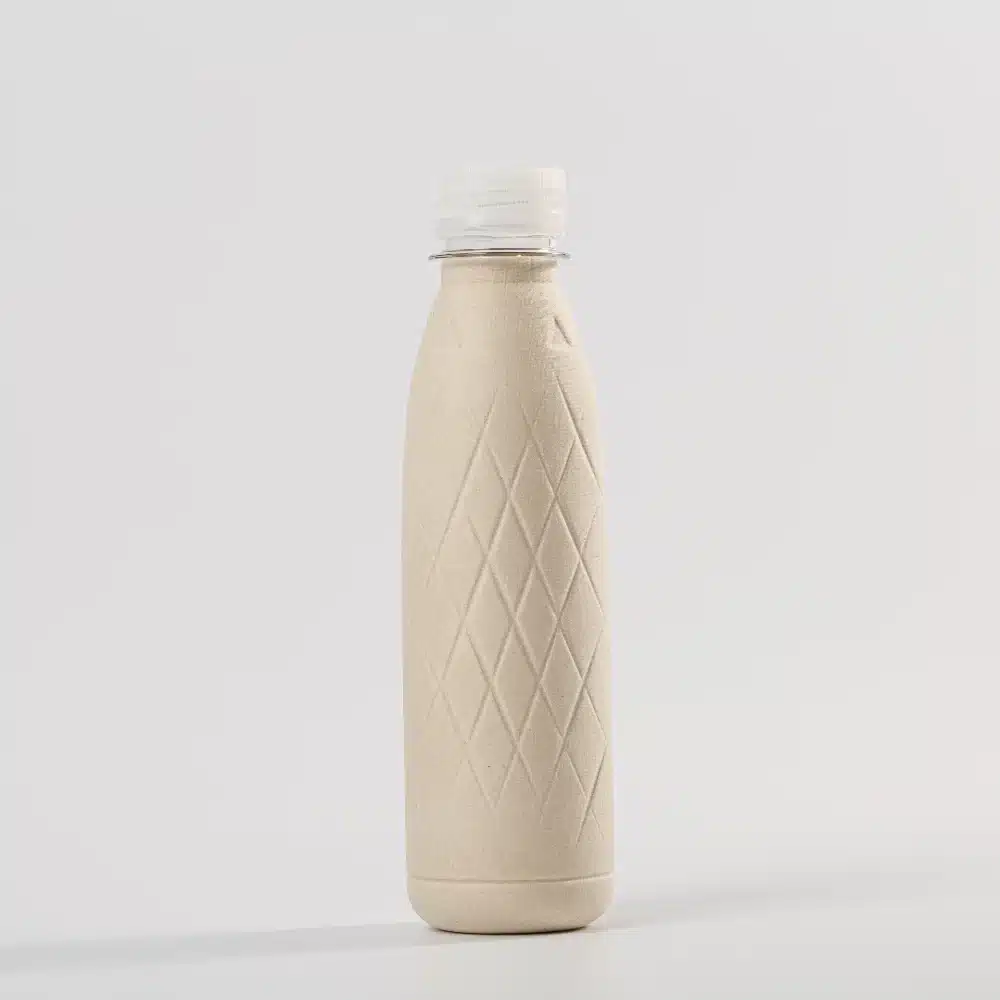
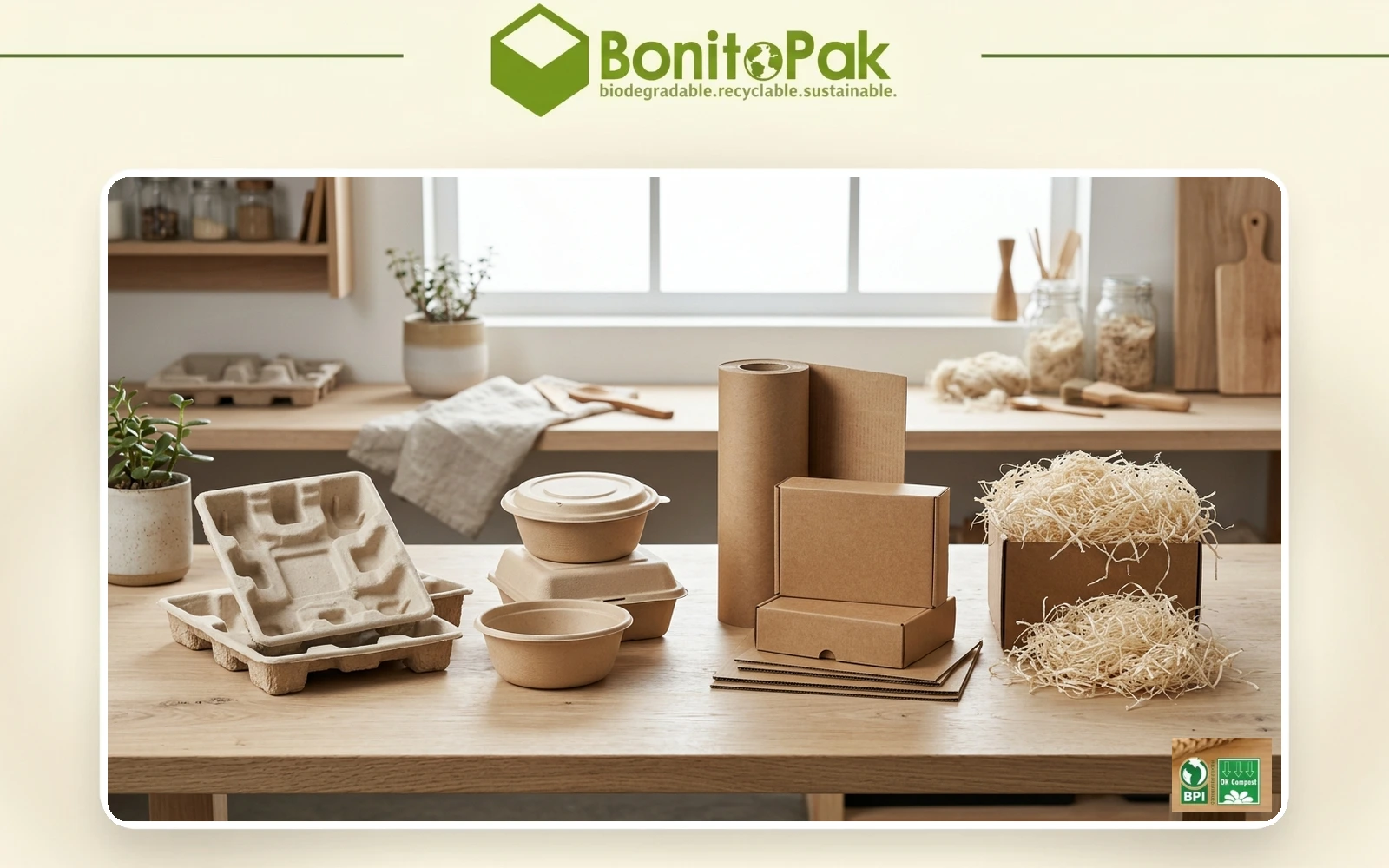
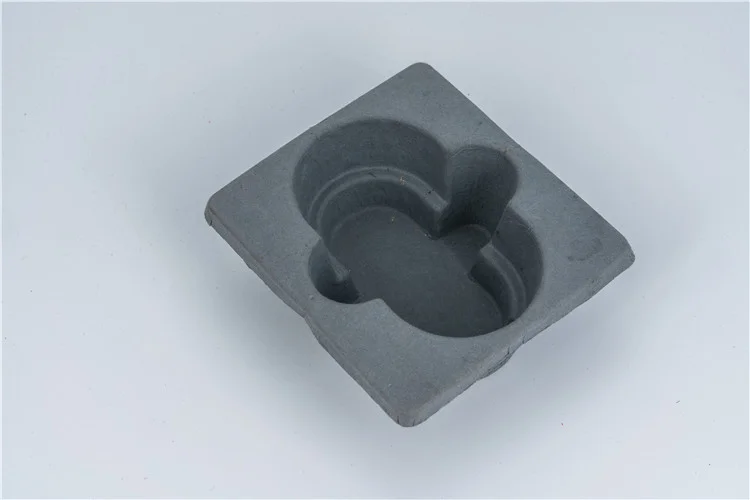
The wet pressing process uses biodegradable materials like bagasse, bamboo, and recycled paper, offering smooth finishes, protection, cushioning, and space-saving, eco-friendly packaging.
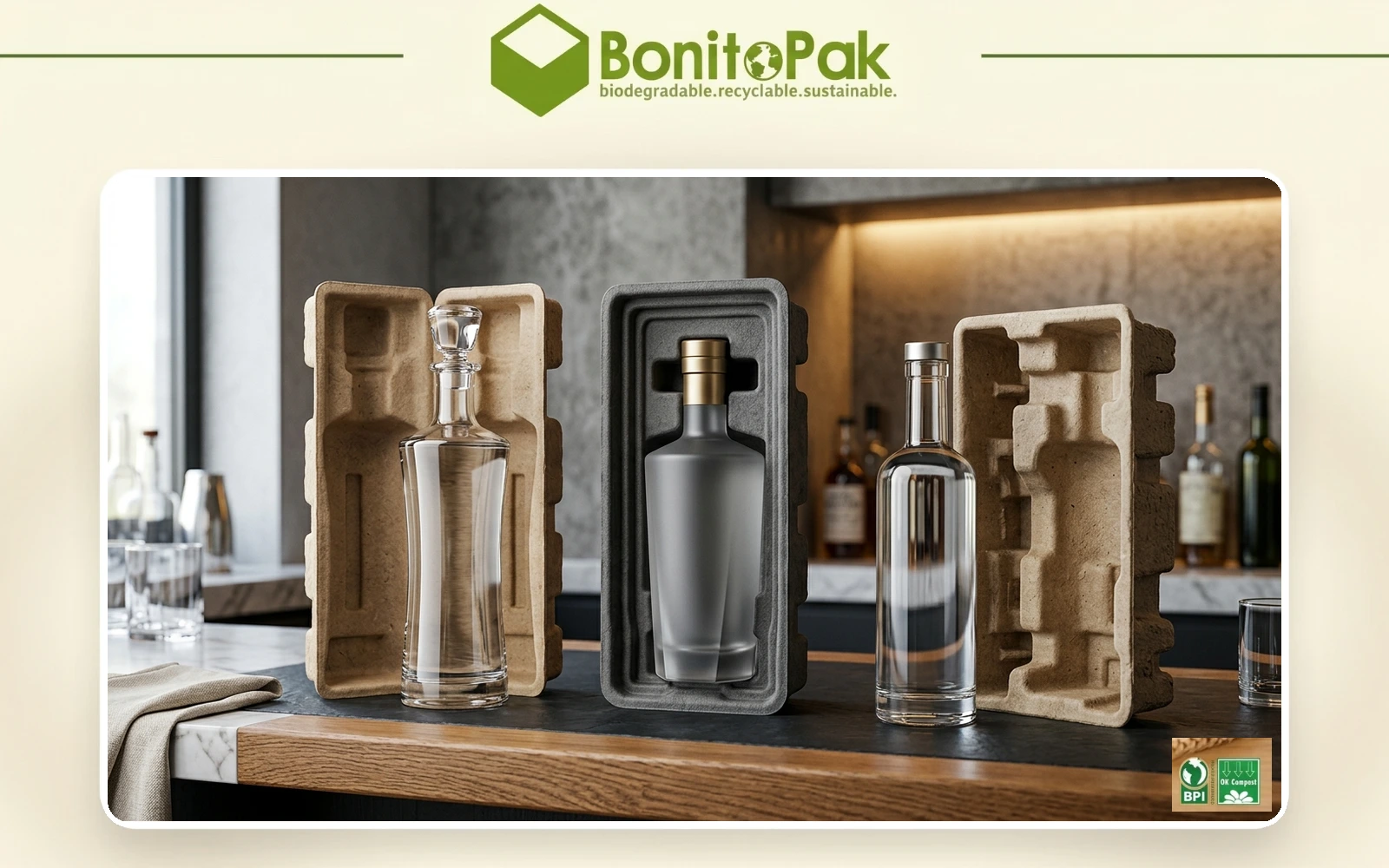
Molded pulp products replace plastic and foam, offering recyclable, biodegradable options. Custom shapes, colors, and eco-friendly surfaces are available. We provide affordable, sustainable packaging with in-house prototyping and manufacturing.
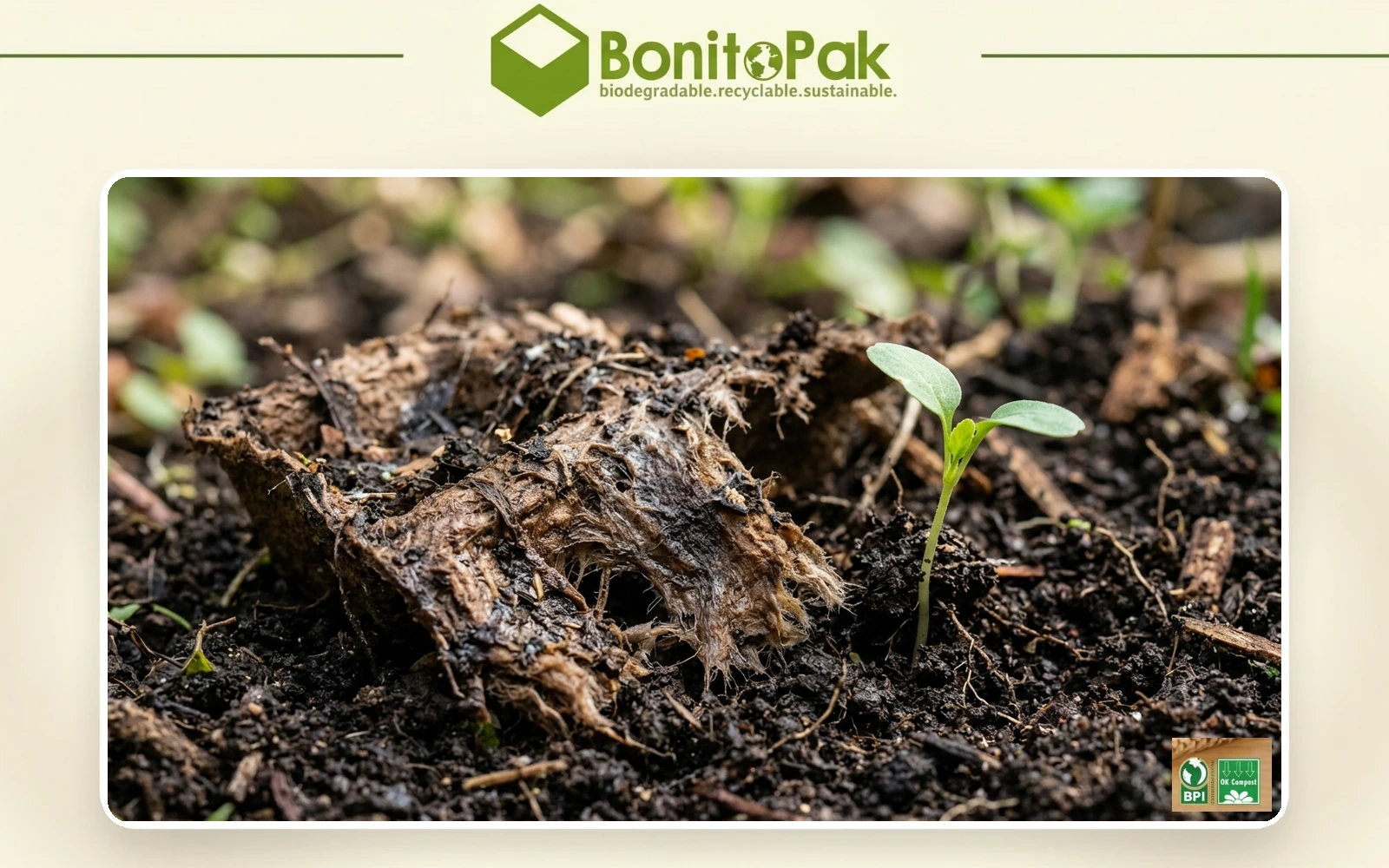
Our plant fiber tableware, made from bagasse, straw, and bamboo, is biodegradable, compostable, waterproof, oil-resistant, and microwave-safe. Certified, recyclable, and stackable for eco-friendly use.
Dry pressing paper pulp trays, made from 100% recycled materials, offer an eco-friendly, cost-effective alternative to plastic. They provide cushioning, temperature resistance, and stackability, saving up to 20% space.
Bonitopak offers molded pulp in six colors, including white, natural, and black, with 95% color accuracy. Eco-friendly methods ensure safe bleaching. Natural and white are best for food; others suit tray packaging.
Egg trays fail when eggs are supported at isolated contact points instead of along their natural curvature. Poorly designed molds create stress concentrations that increase cracking during stacking and transport.
This mold uses controlled cradle geometry and consistent depth to distribute load evenly across each egg. When combined with stable nesting design, this significantly improves tray performance without increasing material usage.
Cavity geometry is developed based on egg size standards, stacking height, and transport conditions. Draft angles and flange dimensions are tuned to support smooth de-nesting and reduce line stoppages on automated equipment.
Tool layouts are created using 3D CAD, allowing optimization for cavity count, sheet utilization, and cycle time. Surface polishing and edge radiusing improve plastic flow and reduce stress marks, particularly when running recycled PET.
It is important to note that rPET variability can affect clarity and thickness consistency. In most cases, these issues are addressed through forming parameter adjustments rather than tooling changes.
Can this mold be customized for different egg sizes or tray counts?
Yes. Cavity dimensions and layout are customized based on egg size standards and packaging requirements.
What plastic materials can be used with this mold?
The mold is suitable for PET, rPET, and PS, depending on regulatory and cost considerations.
How does the mold affect tray nesting and de-nesting?
Draft angles and flange geometry are designed to control nesting depth and support reliable de-nesting on automated lines.
Is this mold suitable for recycled PET?
Yes, but forming parameters may need adjustment due to rPET sheet variability.
What is the typical tooling lead time?
Lead time depends on cavity count and complexity and begins after design approval.
If you are planning or upgrading plastic egg tray production and need tooling designed for stable output and real production conditions, request a quotation or technical review to confirm fit for your forming line.

Egg trays fail when eggs are supported at isolated contact points instead of along their natural curvature. Poorly designed molds create stress concentrations that increase cracking during stacking and transport.
This mold uses controlled cradle geometry and consistent depth to distribute load evenly across each egg. When combined with stable nesting design, this significantly improves tray performance without increasing material usage.
Cavity geometry is developed based on egg size standards, stacking height, and transport conditions. Draft angles and flange dimensions are tuned to support smooth de-nesting and reduce line stoppages on automated equipment.
Tool layouts are created using 3D CAD, allowing optimization for cavity count, sheet utilization, and cycle time. Surface polishing and edge radiusing improve plastic flow and reduce stress marks, particularly when running recycled PET.
It is important to note that rPET variability can affect clarity and thickness consistency. In most cases, these issues are addressed through forming parameter adjustments rather than tooling changes.
Can this mold be customized for different egg sizes or tray counts?
Yes. Cavity dimensions and layout are customized based on egg size standards and packaging requirements.
What plastic materials can be used with this mold?
The mold is suitable for PET, rPET, and PS, depending on regulatory and cost considerations.
How does the mold affect tray nesting and de-nesting?
Draft angles and flange geometry are designed to control nesting depth and support reliable de-nesting on automated lines.
Is this mold suitable for recycled PET?
Yes, but forming parameters may need adjustment due to rPET sheet variability.
What is the typical tooling lead time?
Lead time depends on cavity count and complexity and begins after design approval.
If you are planning or upgrading plastic egg tray production and need tooling designed for stable output and real production conditions, request a quotation or technical review to confirm fit for your forming line.
We respond within 24 hours, offering fast, clear communication, tailored solutions, and efficient service to save time and costs.
Our in-house design, engineering, and manufacturing ensure rapid tooling, with samples ready in 7 days and production molds in 8 days.
Our skilled R&D engineers excel in designing, prototyping, and tooling, offering complete packaging solutions with blister, tin can, and printed boxes.
Trained staff conduct 100% inspections, random checks, and quality control, ensuring high standards, reducing rejects, and saving costs.
We provide reasonable order scheduling and coordinate with clients to resolve issues promptly, ensuring the best solutions.
Our experienced after-sales team ensures smooth communication, solving issues with replacements, shipping, and delivery, aiming for zero complaints.
By Leo Chan | Writer, BonitoPak | 20+ years in moulded pulp packaging Vodka is
By Leo Chan | Writer, BonitoPak | 20+ years in molded pulp packaging Almost every
By Leo Chan | Writer, BonitoPak | 20+ years in molded pulp packaging Search this