Início " Serviços
Material :
Material :
Material :
Material :
Material :
Material :
Material :
Material :
Material :
Material :
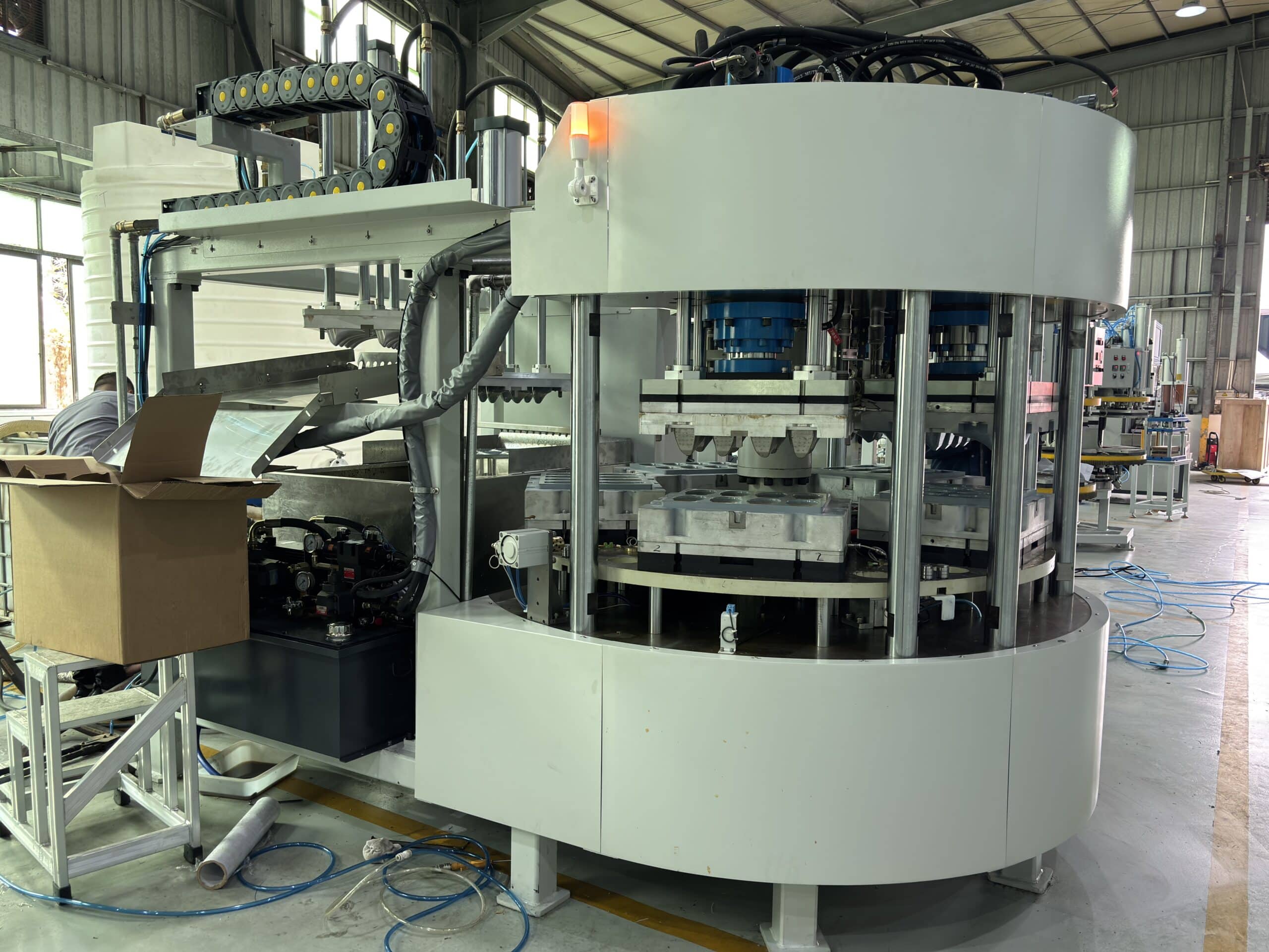
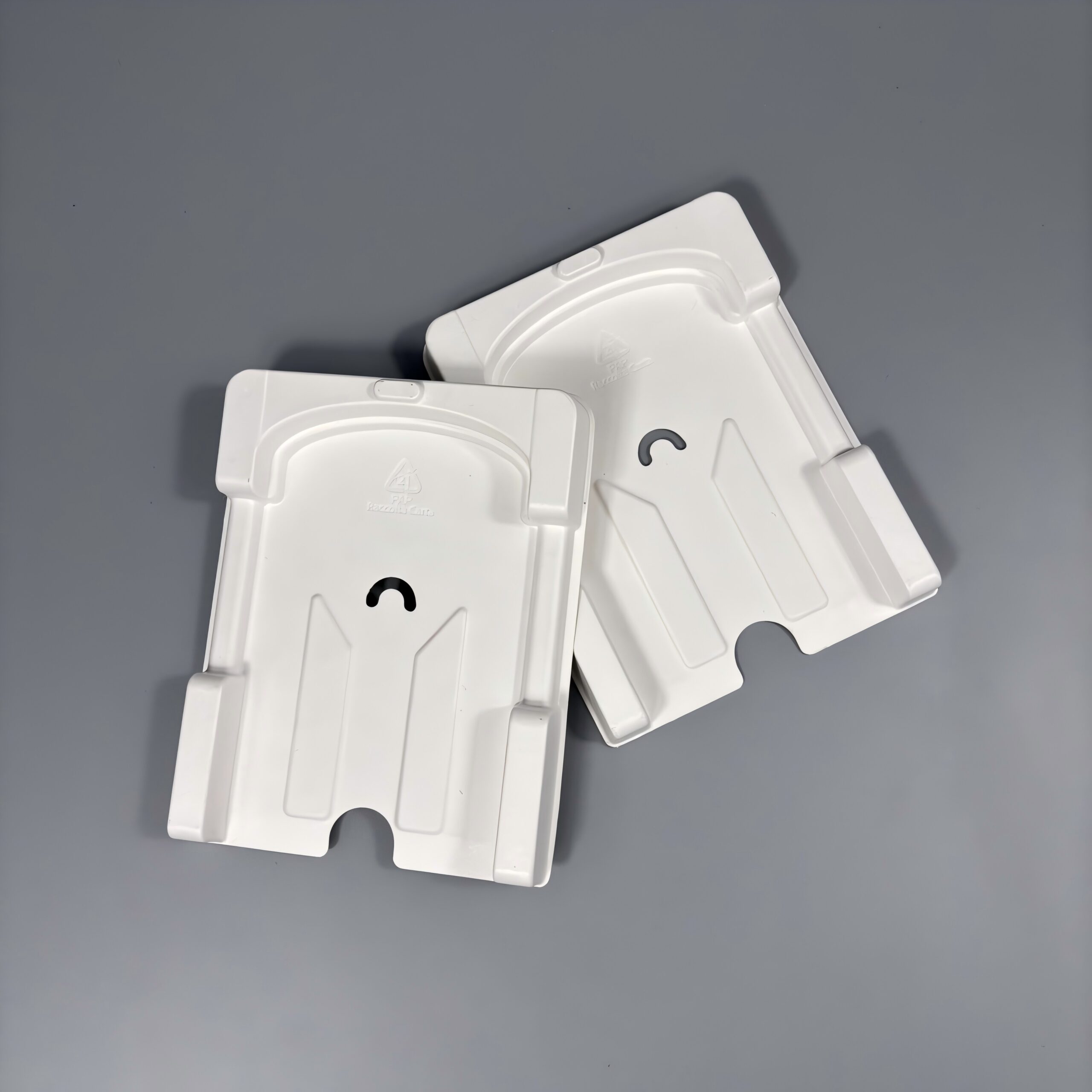
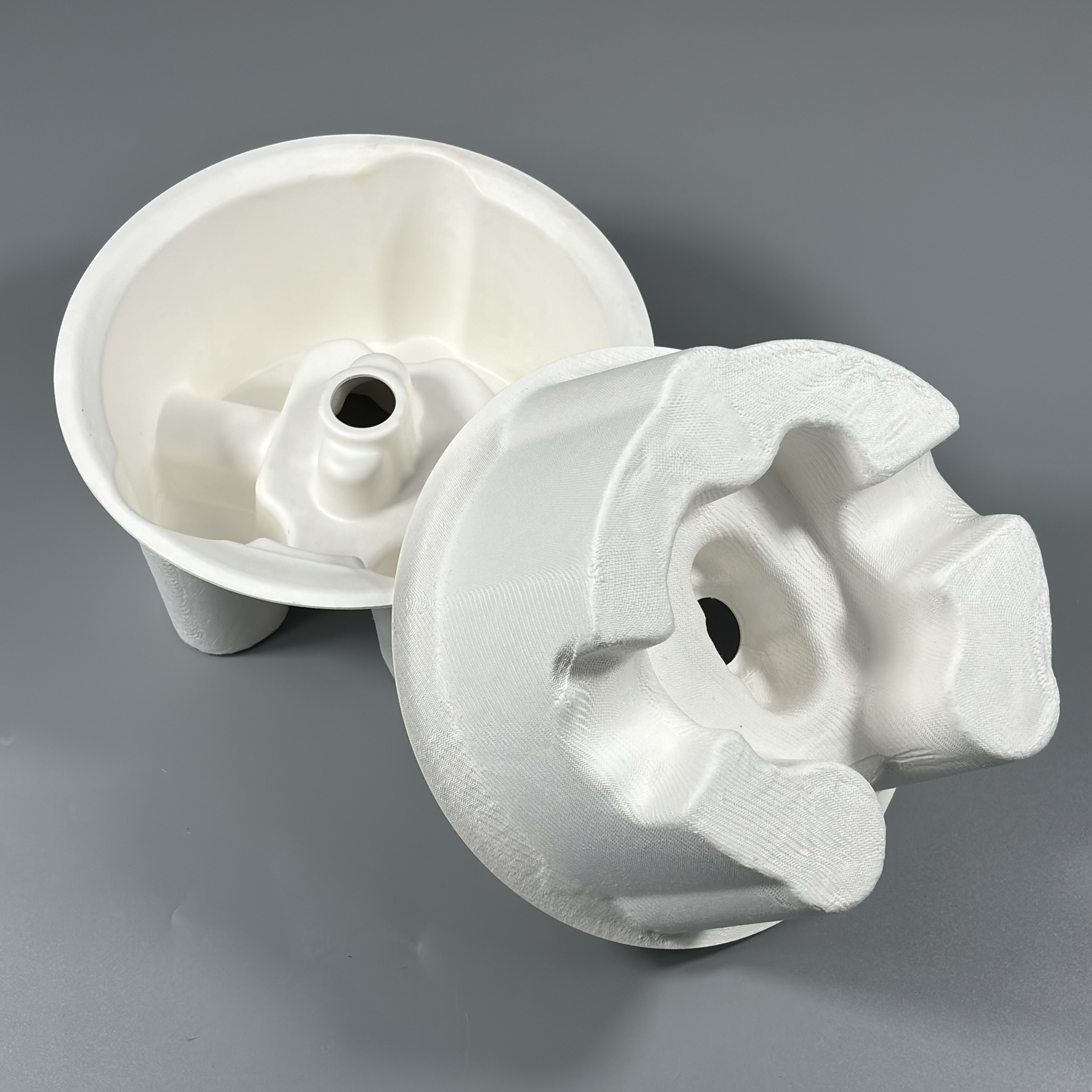
O processo de prensagem úmida usa materiais biodegradáveis, como bagaço, bambu e papel reciclado, oferecendo acabamentos suaves, proteção, amortecimento e embalagens ecológicas que economizam espaço.
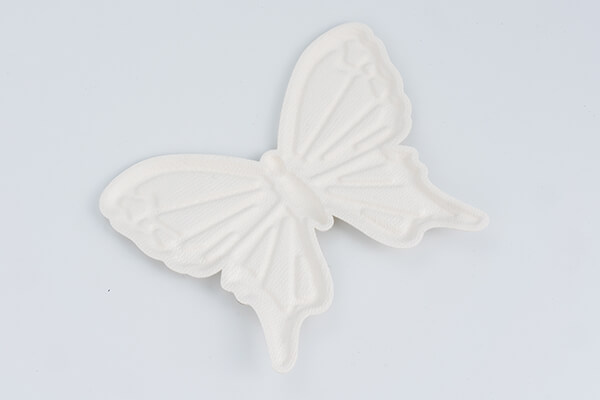
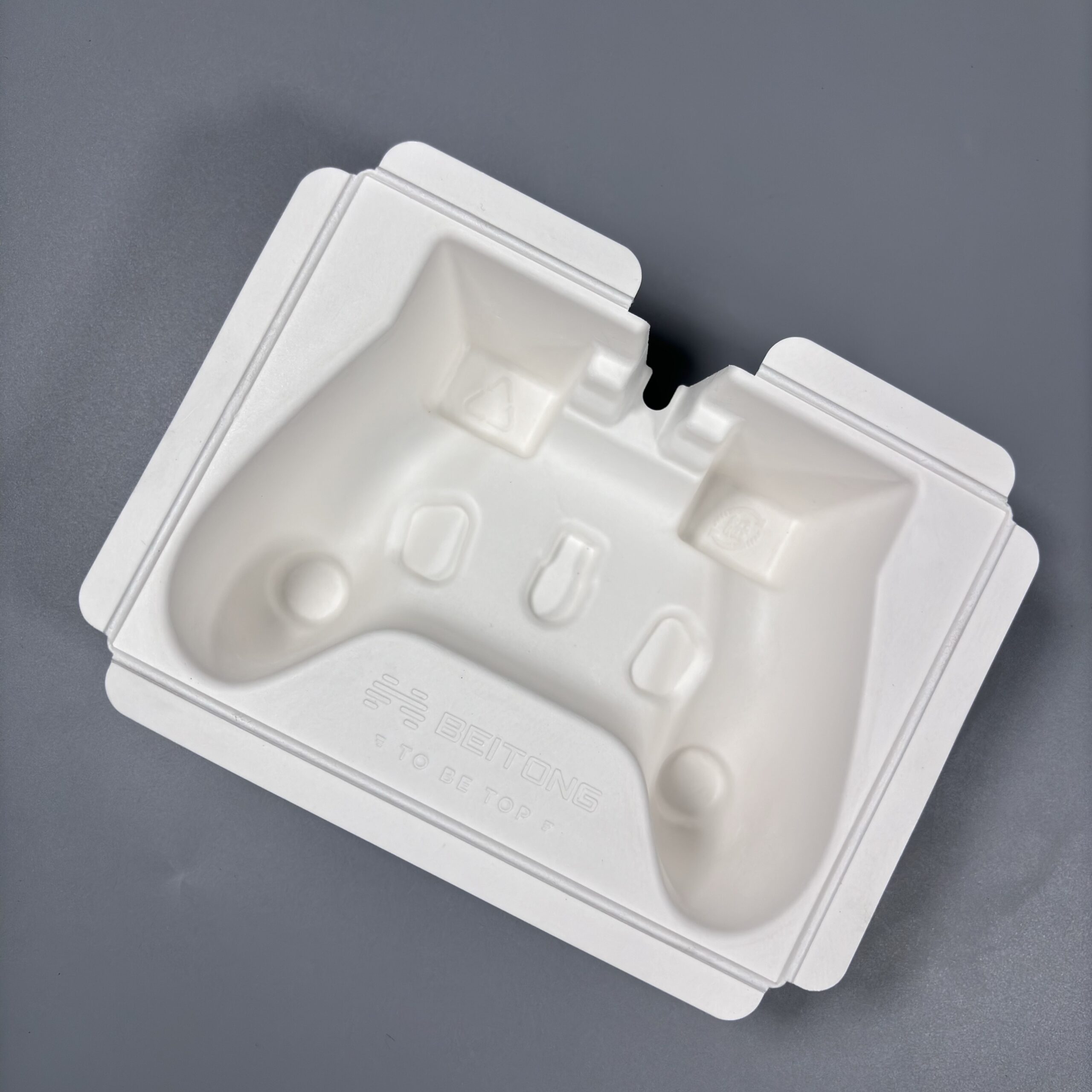
Os produtos de celulose moldada substituem o plástico e a espuma, oferecendo opções recicláveis e biodegradáveis. Formas personalizadas, cores e superfícies ecologicamente corretas estão disponíveis. Oferecemos embalagens econômicas e sustentáveis com prototipagem e fabricação próprias.
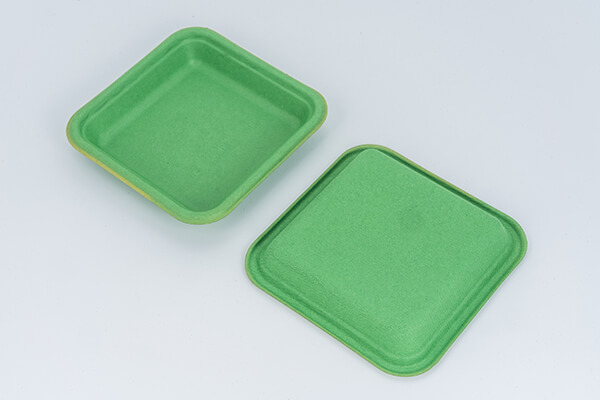
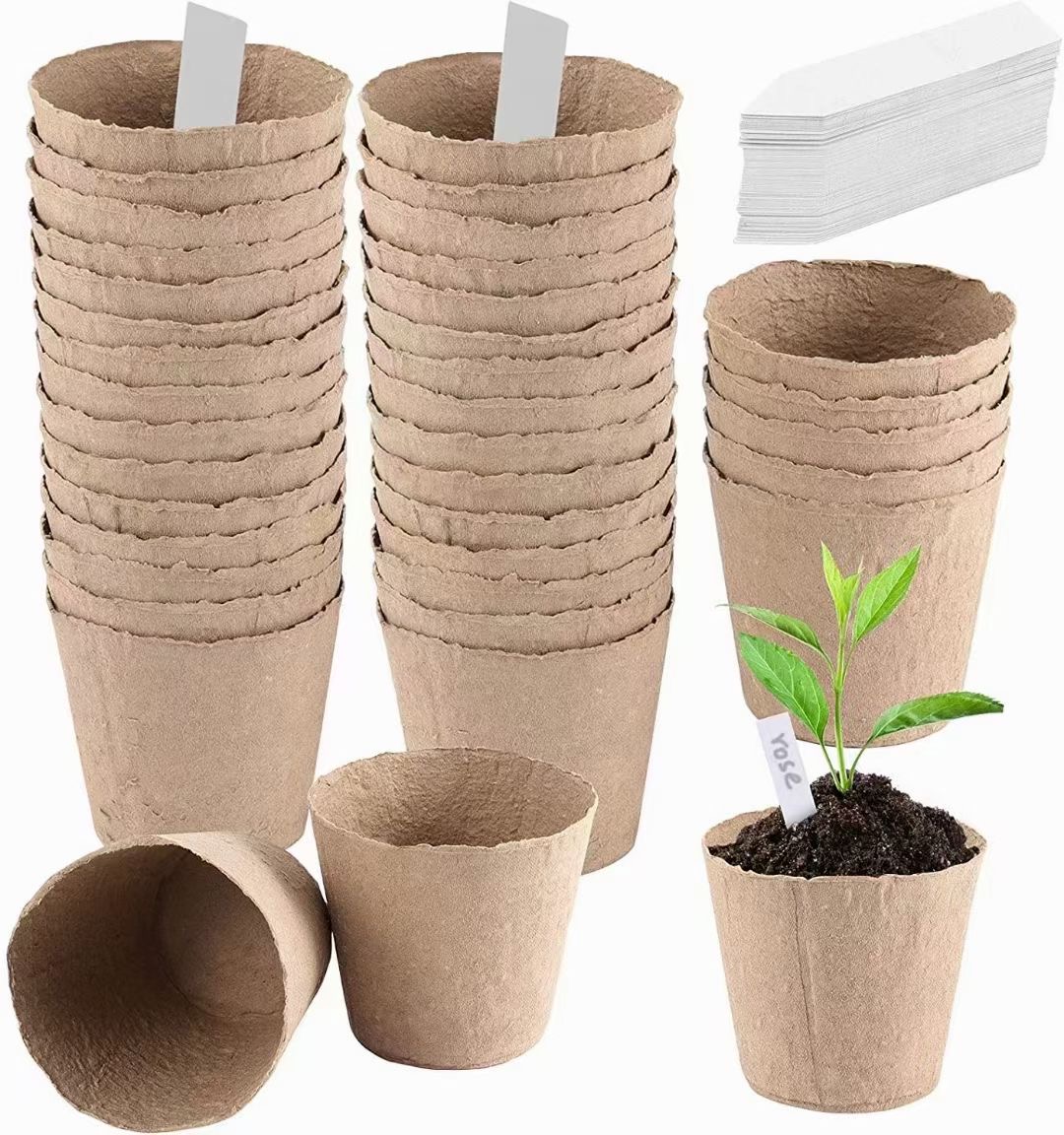
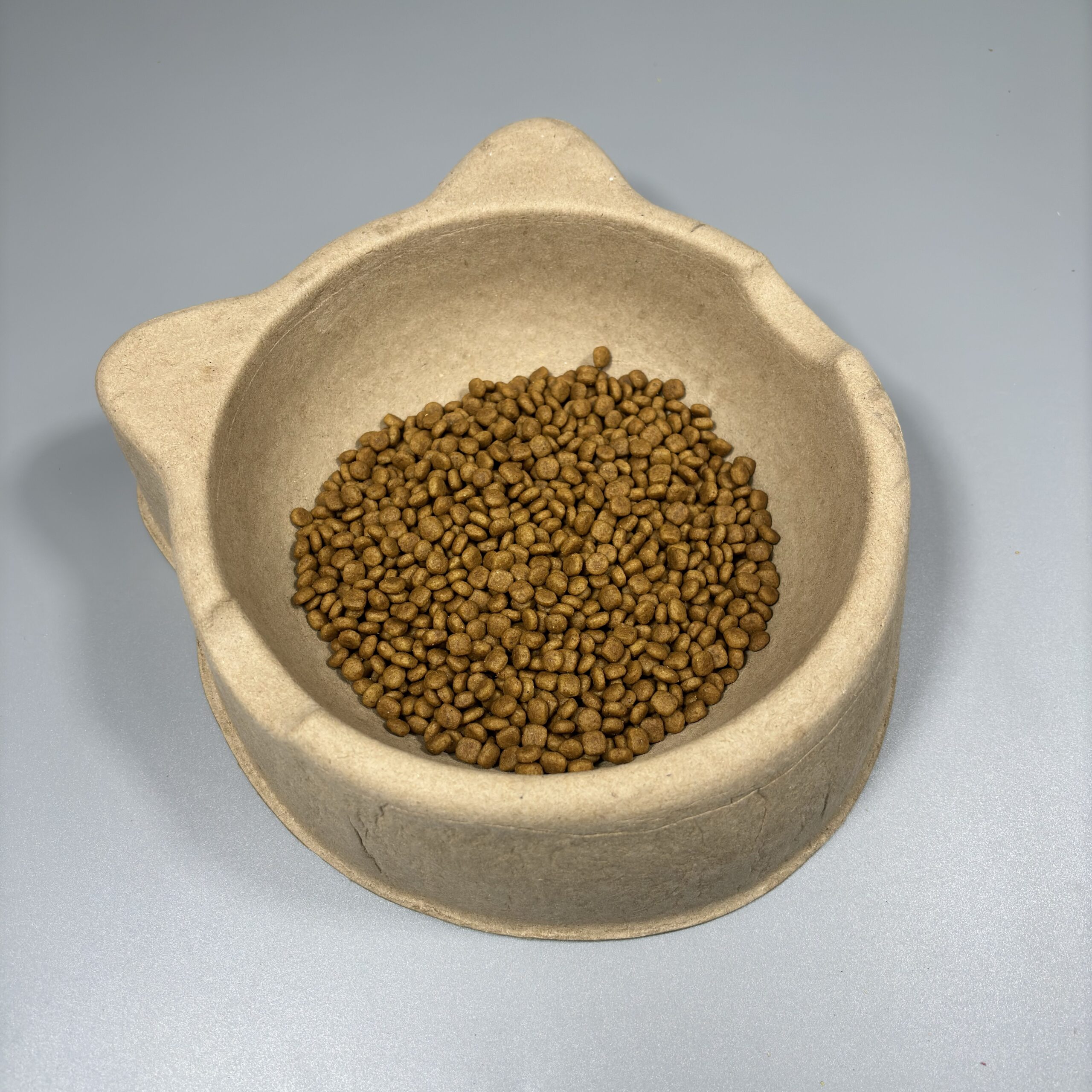
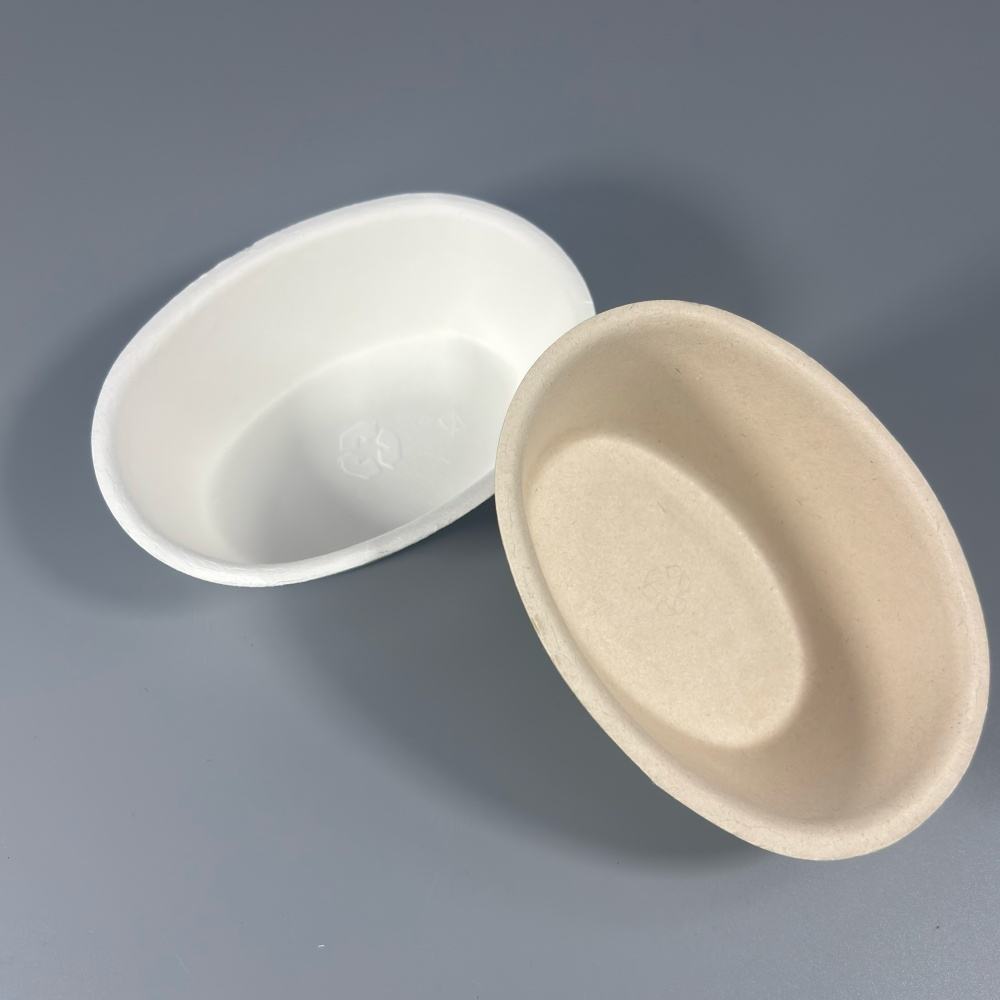
Nossos utensílios de mesa de fibra vegetal, feitos de bagaço, palha e bambu, são biodegradáveis, compostáveis, à prova d'água, resistentes a óleo e seguros para micro-ondas. Certificados, recicláveis e empilháveis para uso ecológico.
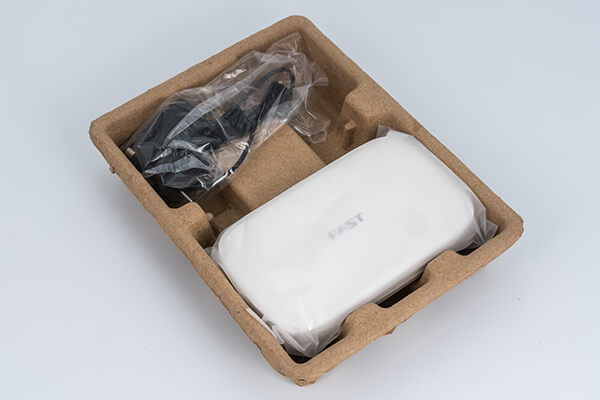
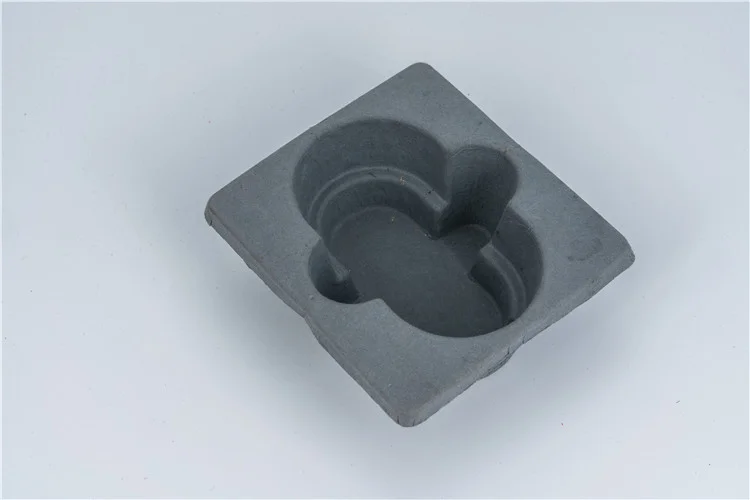
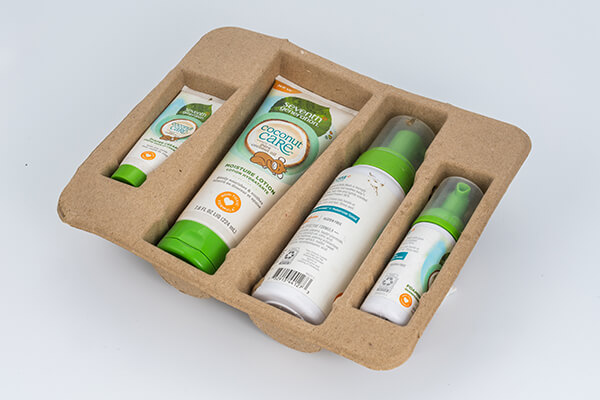
As bandejas de polpa de papel para prensagem a seco, fabricadas com materiais reciclados 100%, oferecem uma alternativa econômica e ecologicamente correta ao plástico. Elas oferecem amortecimento, resistência à temperatura e capacidade de empilhamento, economizando até 20% de espaço.
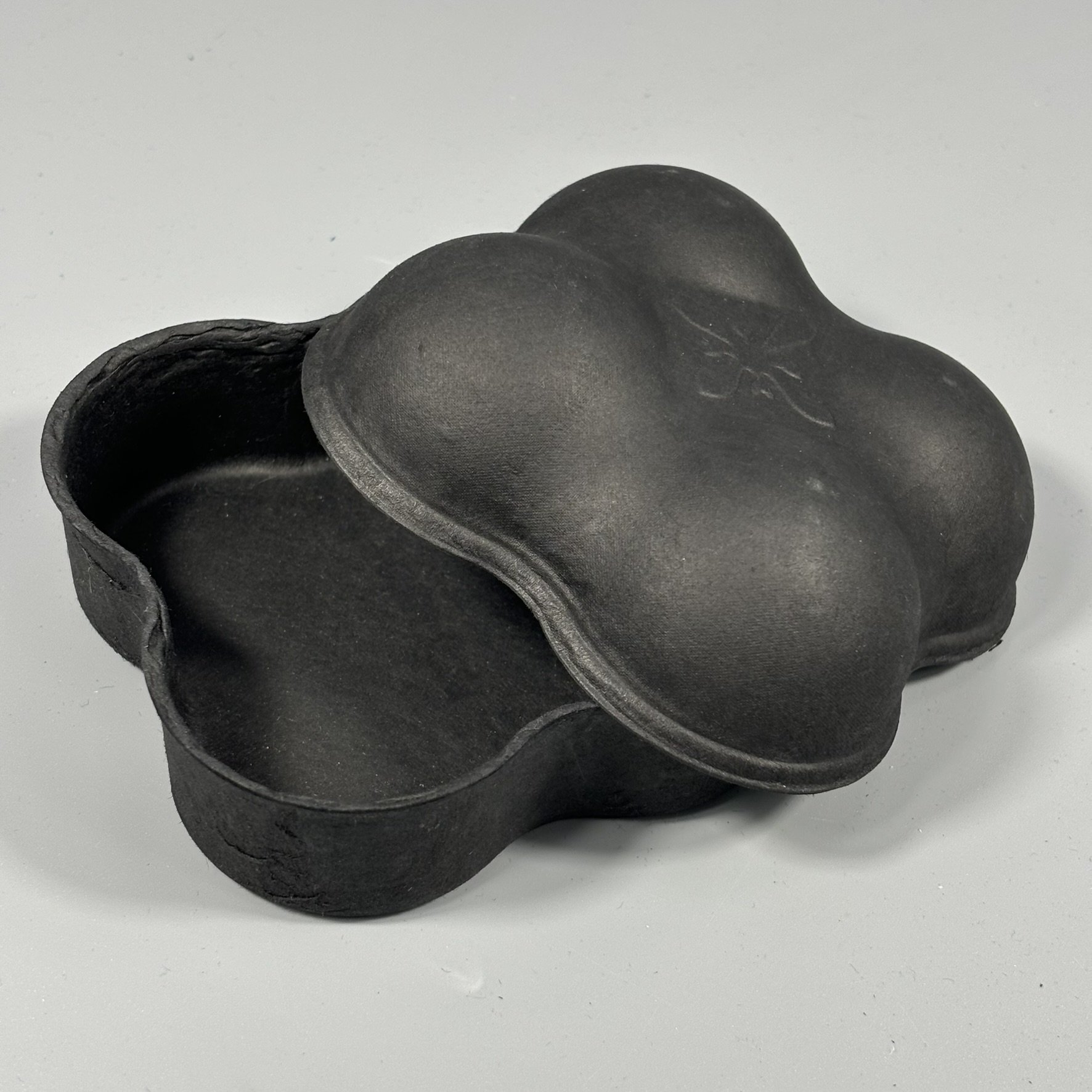
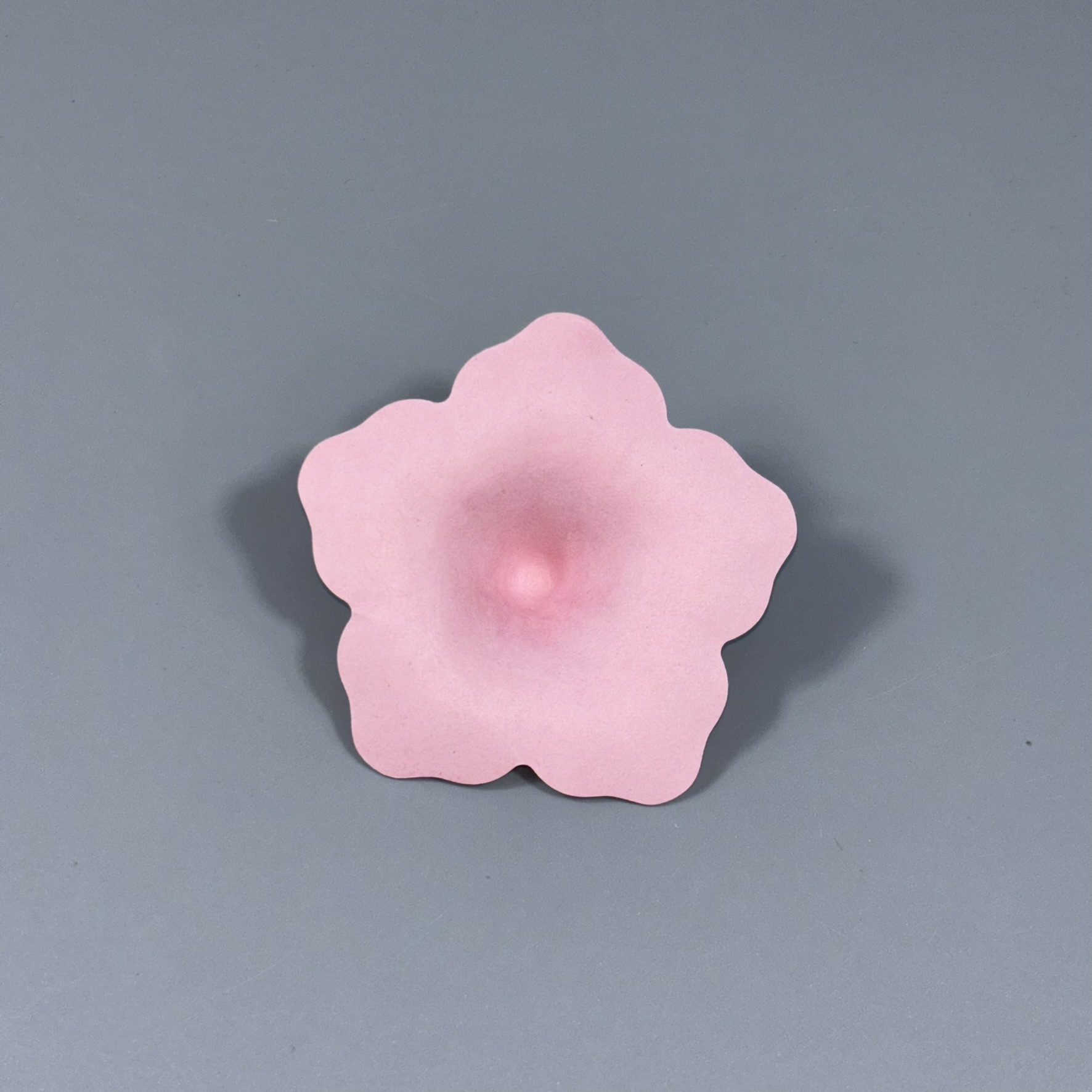
A Bonitopak oferece celulose moldada em seis cores, incluindo branco, natural e preto, com precisão de cor 95%. Métodos ecologicamente corretos garantem um branqueamento seguro. O natural e o branco são melhores para alimentos; os outros são adequados para embalagens de bandejas.
As global brands and consumers move away from single-use plastics, packaging innovation has become a critical differentiator. Sustainable Molded Pulp Water Paper Bottle Packaging represents a new generation of eco-conscious bottle solutions that balance environmental responsibility with real-world performance. Designed for still beverages and liquid products, this paper bottle packaging offers a credible and scalable alternative to conventional plastic and glass bottles.
Molded pulp water paper bottle packaging uses renewable plant fibers, such as bagasse or recycled paper pulp, to form a rigid outer bottle shell. The outer structure is produced using a wet-press molded pulp process, resulting in a smooth surface, consistent thickness, and enhanced strength compared to traditional dry-pressed pulp products.
To ensure liquid compatibility, the molded pulp shell is paired with a food-grade inner liner. This hybrid construction allows the bottle to safely contain liquids while significantly reducing overall plastic usage.
Sustainability is no longer optional—it is a business requirement. Molded pulp paper bottle packaging helps brands meet environmental goals without sacrificing functionality or brand presence.
Key advantages include:
Reduced reliance on fossil-based plastics
Use of renewable, plant-based raw materials
Lower perceived environmental impact for consumers
Strong alignment with sustainability messaging and ESG targets
Unlike fully plastic bottles, molded pulp paper bottles visibly communicate eco-friendly values on the shelf, reinforcing brand credibility and trust.
We specialize in sustainable molded pulp water paper bottle packaging designed to replace traditional plastic and glass bottles in selected beverage and liquid product applications. Our core focus is on developing fiber-based bottle solutions that combine environmental responsibility with functional performance and modern branding needs.
Our molded pulp bottle packaging is manufactured using renewable plant fibers such as bagasse and recycled paper pulp. The wet-press molding process creates a smooth, premium outer shell with consistent thickness and reliable rigidity. This outer structure provides protection, shelf presence, and a natural tactile feel while significantly reducing plastic usage.
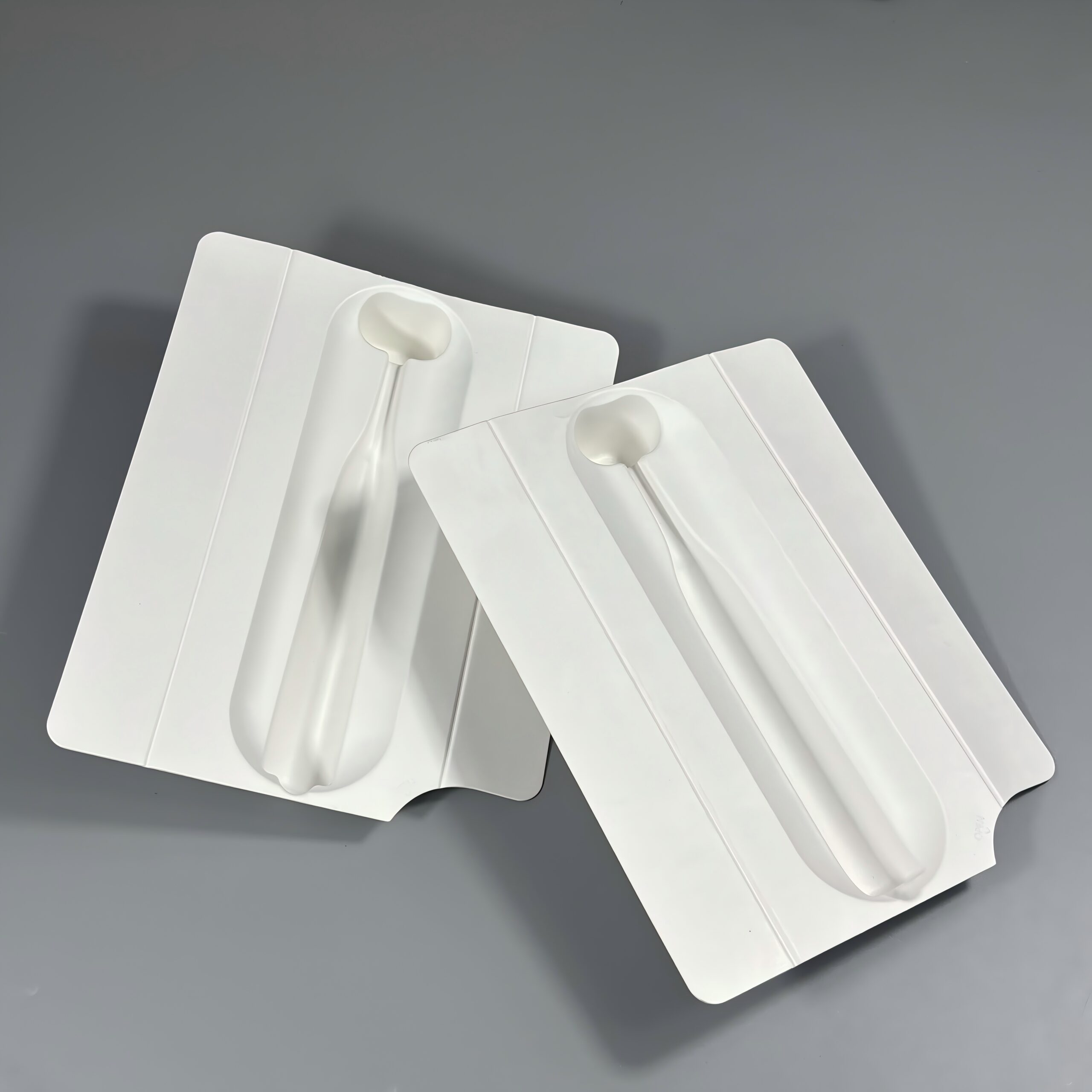
In addition to complete bottle shells, we produce molded pulp structural components such as internal supports, protective inserts, and stabilizing elements that improve transport safety and packaging efficiency for paper bottle systems.
We also develop compatible molded pulp accessories, including pulp over-caps, outer sleeves, dividers, and custom structural features that enhance usability, branding, and sustainability across the full packaging system.
Our molded pulp water paper bottle packaging uses a plastic-free fiber outer shell, helping brands move away from fossil-based materials. By replacing plastic exteriors with renewable pulp fibers, this packaging reduces environmental impact while visibly communicating sustainability to consumers.
Protecting ecosystems and reducing plastic pollution are increasingly important to both brands and end users. Fiber-based packaging supports these goals by offering a lower-impact alternative that aligns with global sustainability initiatives.
The molded pulp outer shell is made from bagasse or paper fibers that are biodegradable and recyclable under appropriate conditions. Unlike conventional plastic bottles, fiber-based shells break down naturally over time and can be integrated into existing paper recycling streams where facilities allow.
Overall recyclability depends on the selected inner liner and local recycling infrastructure, offering flexibility to meet regional compliance and performance requirements.
Despite its natural composition, molded pulp bottle packaging is engineered for strength. Wet-press molding delivers a dense, smooth surface capable of protecting still beverages during filling, transport, and handling. The lightweight structure helps reduce shipping emissions and improves logistics efficiency compared to heavier glass alternatives.
Molded pulp packaging allows for customization in shape, color, surface texture, and branding. Bottles can be sculpted for better grip, distinctive silhouettes, or improved shelf blocking, while embossed or debossed logos create a clean, ink-free brand presentation.
We offer a structured and transparent customization process to ensure every molded pulp water paper bottle meets functional, aesthetic, and sustainability expectations.
We begin by understanding your product requirements, target market, and sustainability goals. Customers may provide sketches, reference samples, or 3D files to support faster development.
Based on the provided information, our team proposes a tailored molded pulp bottle solution, including material selection, liner options, closure compatibility, and structural design recommendations.
Once the proposal is reviewed, the final design specifications are confirmed. This step ensures alignment on dimensions, appearance, and functional performance before tooling begins.
Physical samples or prototypes are created to validate form, feel, and usability. This stage allows for adjustments before moving into mold production.
After sample approval, production molds are manufactured. Bottle size, wall thickness, and geometry are verified to ensure consistency and scalability.
Final samples produced from the production mold are approved by the client. Once confirmed, the project moves into mass production with consistent quality control.
Yes. When combined with a food-grade inner liner, molded pulp bottles are suitable for still beverages such as water, milk, juice, and coffee.
This packaging is designed for still beverages. Carbonated drinks are not recommended due to internal pressure requirements.
The outer shell is made from bagasse or recycled paper pulp. Inner liners may include PLA/biopolymer, water-based dispersion coatings, or PE, depending on application needs.
The molded pulp outer shell is biodegradable. Overall recyclability and biodegradability depend on the selected liner and local waste management systems.
Yes. Size, shape, color, branding, liner type, and closure options are fully customizable to meet brand and product requirements.
Common applications include bottled water, dairy and plant-based milk, juice, wellness beverages, and promotional eco-focused product lines.
Yes. We use FDA-approved, plant-based liners or additives to ensure oil and grease do not soak through the material. This keeps the packaging sturdy and prevents unsightly stains during delivery or consumption.
Not at all. We use inert, food-grade plant fibers that are flavorless and odorless. This ensures that your organic products maintain their natural taste and aroma without any chemical leaching from the package.
Molded pulp has natural thermal insulation properties due to its fibrous structure. It helps maintain the temperature of hot or cold food longer than thin plastic, enhancing the customer’s “to-go” dining experience.
Molded pulp is 100% biodegradable, lightweight, stackable, and cost-effective. It reduces shipping costs, maximizes warehouse space, provides excellent shock absorption, and showcases your commitment to environmental responsibility to eco-conscious consumers.
We serve diverse industries including cosmetics, electronics, food, supplements, perfume, jewelry, eyewear, houseware, and clothing. Our solutions adapt to various product protection needs while maintaining sustainability across all sectors.
Respondemos em 24 horas, oferecendo comunicação rápida e clara, soluções personalizadas e serviço eficiente para economizar tempo e custos.
Nosso projeto, engenharia e fabricação internos garantem um ferramental rápido, com amostras prontas em 7 dias e moldes de produção em 8 dias.
Nossos engenheiros qualificados de P&D são excelentes em design, prototipagem e ferramental, oferecendo soluções completas de embalagem com blisters, latas e caixas impressas.
A equipe treinada realiza inspeções 100%, verificações aleatórias e controle de qualidade, garantindo altos padrões, reduzindo rejeições e economizando custos.
Oferecemos uma programação de pedidos razoável e coordenamos com os clientes para resolver os problemas prontamente, garantindo as melhores soluções.
Nossa experiente equipe de pós-venda garante uma comunicação tranquila, solucionando problemas com substituições, remessas e entregas, com o objetivo de zerar as reclamações.
Sustainable packaging is no longer just a buzzword—it’s a necessity. As both businesses and consumers
As sustainability becomes more important, industries are rapidly shifting toward eco-friendly alternatives to traditional plastic
The packaging industry is undergoing a major transformation, driven by the demand for eco-friendly alternatives