...

Cajas de cartón moldeadas para huevos de gallina

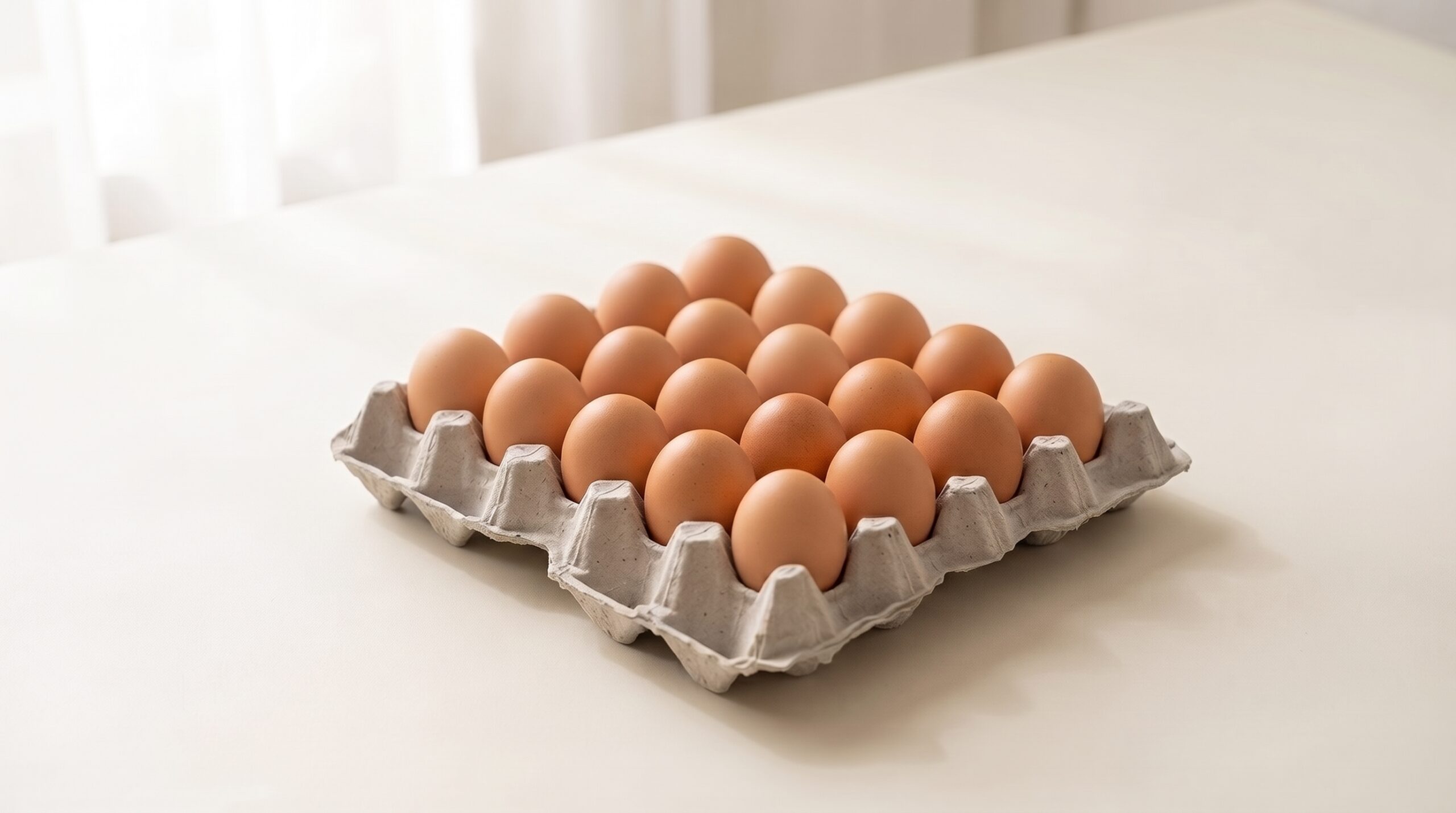
The BonitoPak molded pulp chicken egg carton is formed to the USDA weight grades, from peewee through jumbo, in every standard cell count.

  • Cell depth specified by egg weight grade rather than one depth for all sizes
  • Available in 4, 6, 12, 18, and 20 cell configurations
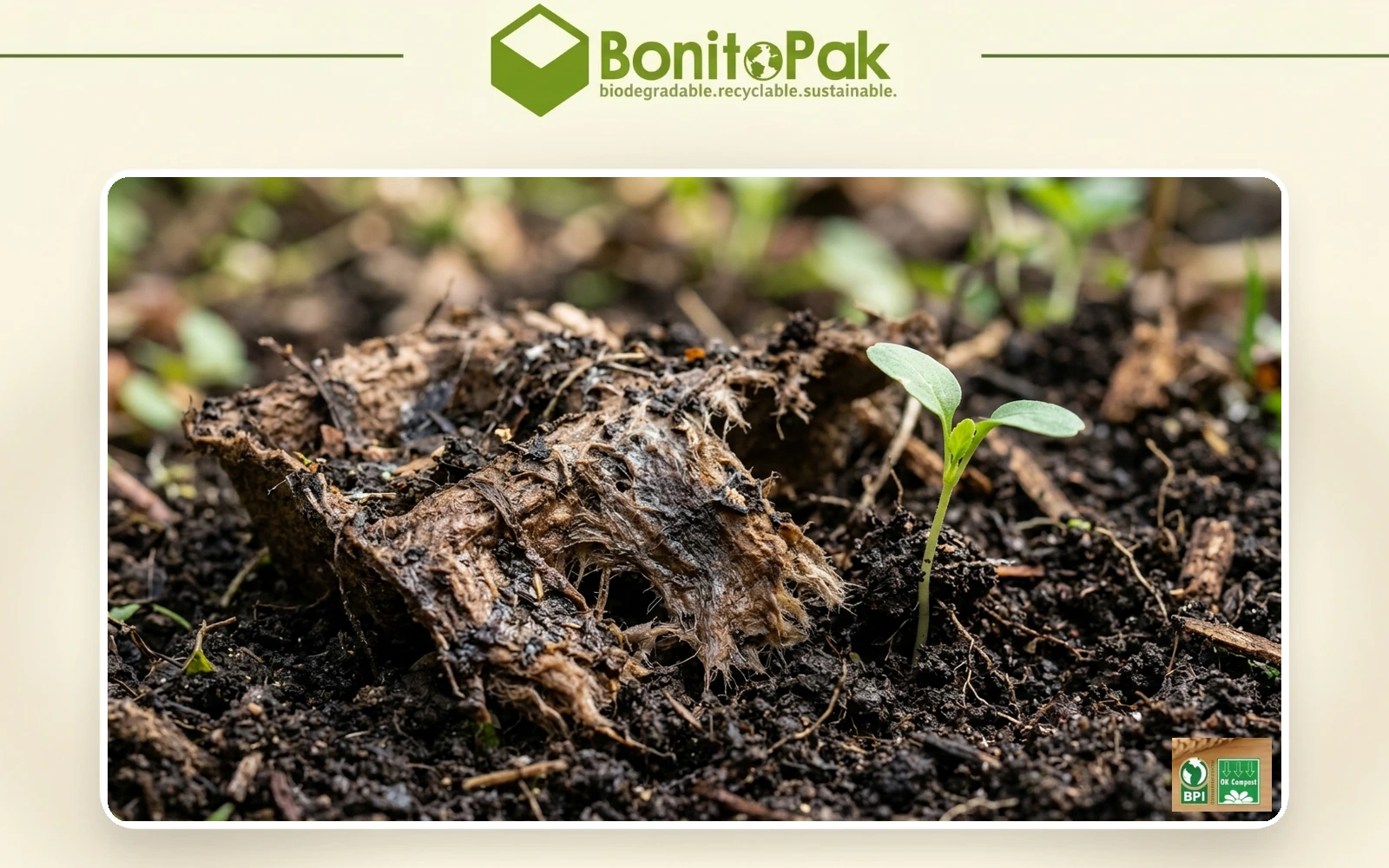
  • Fabricado con pasta de papel reciclada 100%, biodegradable y compostable en casa
  • Rib and cone geometry carries stacking load around the eggs rather than through them
  • Supplied blank for grading stations or printed for farm direct and retail brands
  • Natural pulp plus six stock colors; custom shade matching available
  • OEM and ODM sizing accepted; compatible with common packing line specifications

Molde público

Soluciones de envasado

Diseño 3D

Molde a medida

Descripción del producto

EspecificaciónDetalles
MarcaBonitoPak
Número de modeloEC-CH series
Nombre del productoChicken Egg Carton / Molded Pulp Egg Carton
MaterialPasta de papel reciclada
Tipo de papelPapel reciclado postconsumo
TécnicaFabricación de pulpa moldeada (prensada en húmedo)
Recuento celular4, 6, 12, 18 o 20 celdas
Rango de tamaños de los huevosPeewee (35 g) through jumbo (71 g and above)
Cell Depth OptionsStandard bed and deep bed for extra large and jumbo
Peso unitario20 to 85 g depending on cell count
ColorPapel de pulpa natural; seis colores de serie; personalización de colores
Forma y estiloEnvase tipo concha con pliegue superior y lengüeta de cierre frontal; disponible con parte superior plana
Impresión de logotiposImpresión en relieve, en hueco o flexográfica
Uso industrialLayer farms, grading stations, packers, retail grocery
AplicaciónCommercial and farm direct chicken egg packing across all grades
TallaSe aceptan dimensiones OEM y a medida
VentajasBiodegradable, compostable en casa, apilable, sin plástico
EmbalajeA granel, empaquetado en cajas de cartón para exportación; se aceptan embalajes a medida
Pedido a medidaAceptado
MOQConsúltalo con el departamento de ventas; los moldes en stock tienen un pedido mínimo inferior al de las herramientas a medida.

Galería de Cajas de cartón moldeadas para huevos de gallina piezas

Esta galería muestra la excepcional calidad y atención al detalle que ofrecemos en cada proyecto. Desde diseños complejos hasta acabados impecables, cada imagen refleja nuestro compromiso con la excelencia en Cajas de cartón moldeadas para huevos de gallina .

40%

Ahorro de tiempo y dinero

Experimente soluciones de envasado líderes que optimizan sus costes y tiempo, proporcionando procesos eficientes y maximizando su ROI.

50%

Más sostenible

Consiga envases ecológicos con materiales sostenibles, reduciendo los residuos y fomentando la responsabilidad medioambiental en todas sus líneas de productos.

25%

Aumento de las ventas

Aumente el atractivo de su producto en las estanterías con diseños innovadores que impulsen la visibilidad y las ventas tanto en los mercados minoristas como en línea.

100%

Más fiable

Confíe en el compromiso de BonitoPak con la calidad, garantizando que cada producto cumple nuestros elevados estándares con un servicio constante y fiable.

Materiales para Cajas de cartón moldeadas para huevos de gallina Piezas

Las principales empresas e ingenieros confían en BonitoPak para obtener iteraciones rápidas y piezas duraderas de alta calidad. Tanto si se trata de prototipos como de producción a gran escala, nuestra amplia gama de materiales garantiza que cumplimos los requisitos exclusivos de cualquier empresa. Cajas de cartón moldeadas para huevos de gallina proyecto con precisión y rapidez.

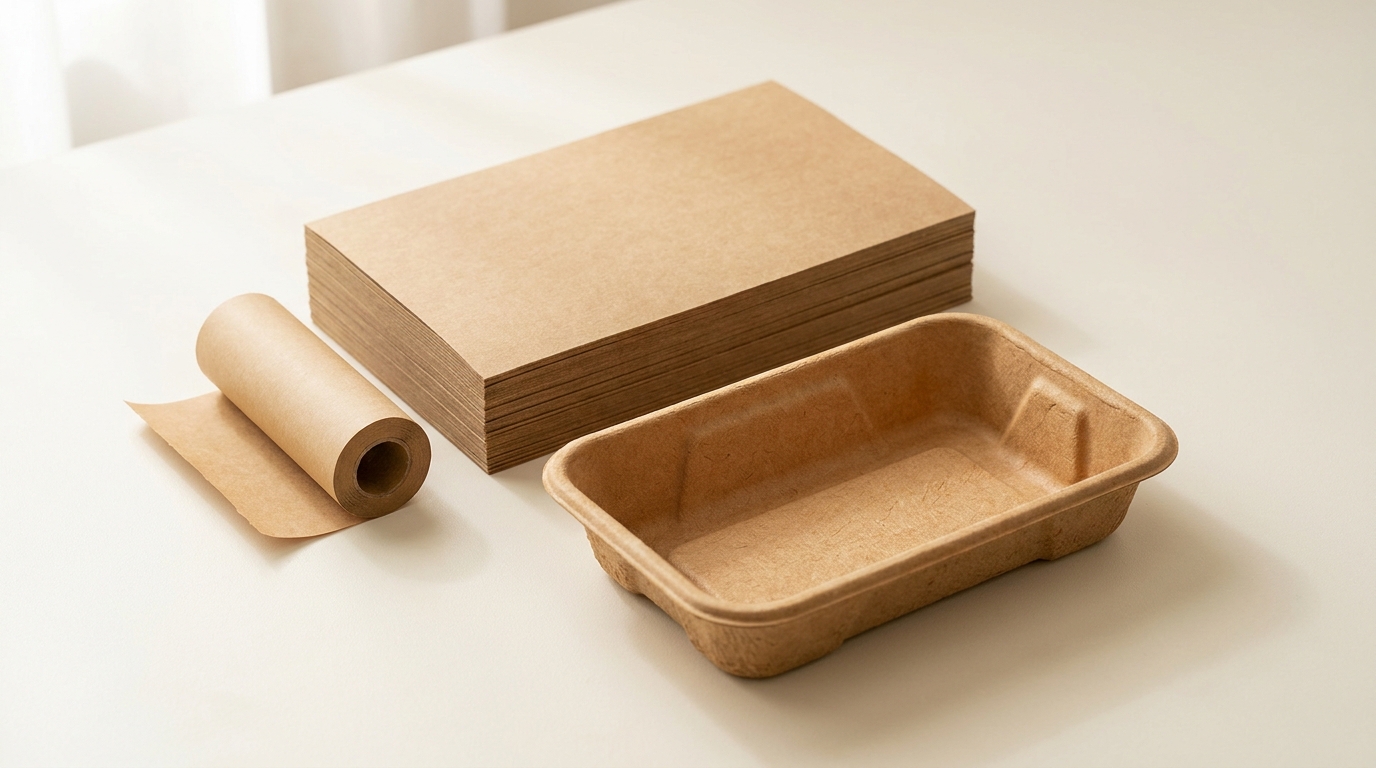
Papel kraft reciclable y compostable, ideal para envases sostenibles y ecoconscientes.

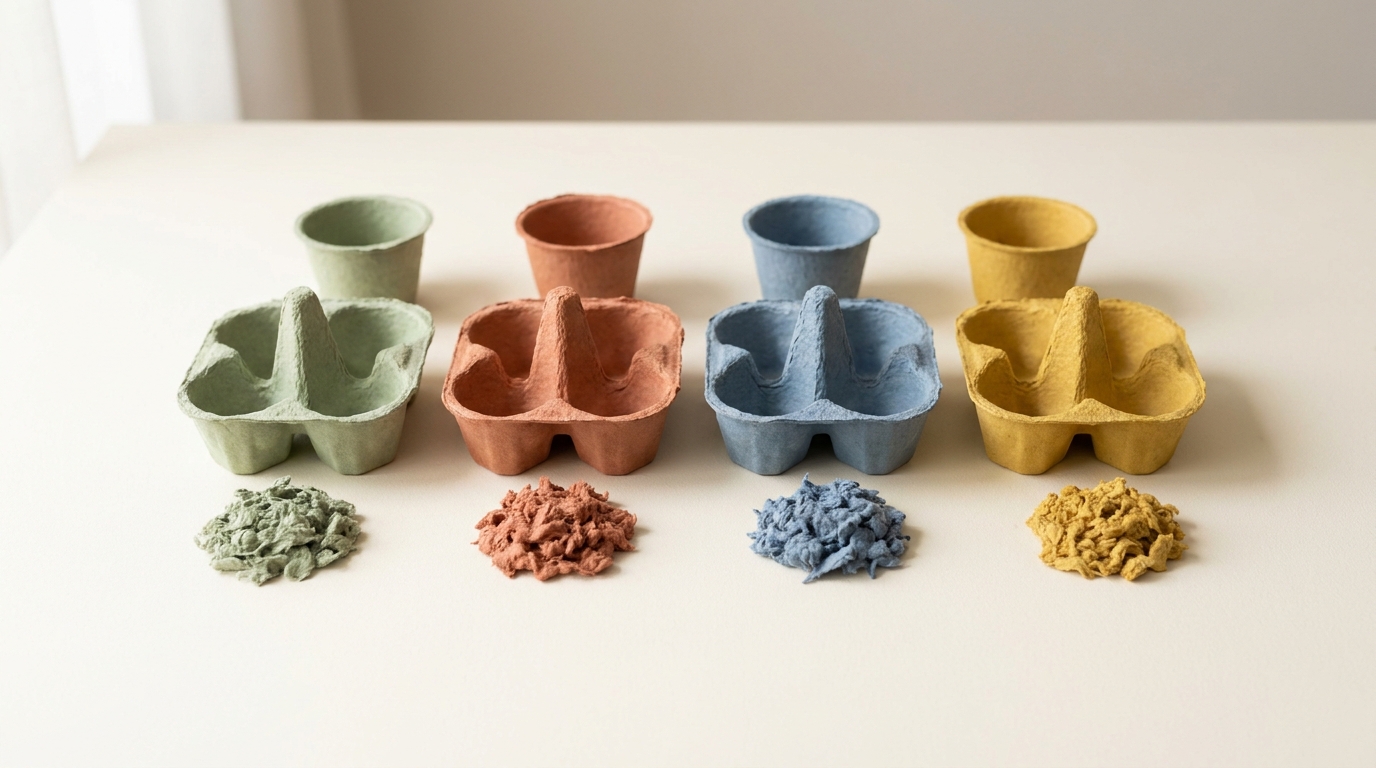
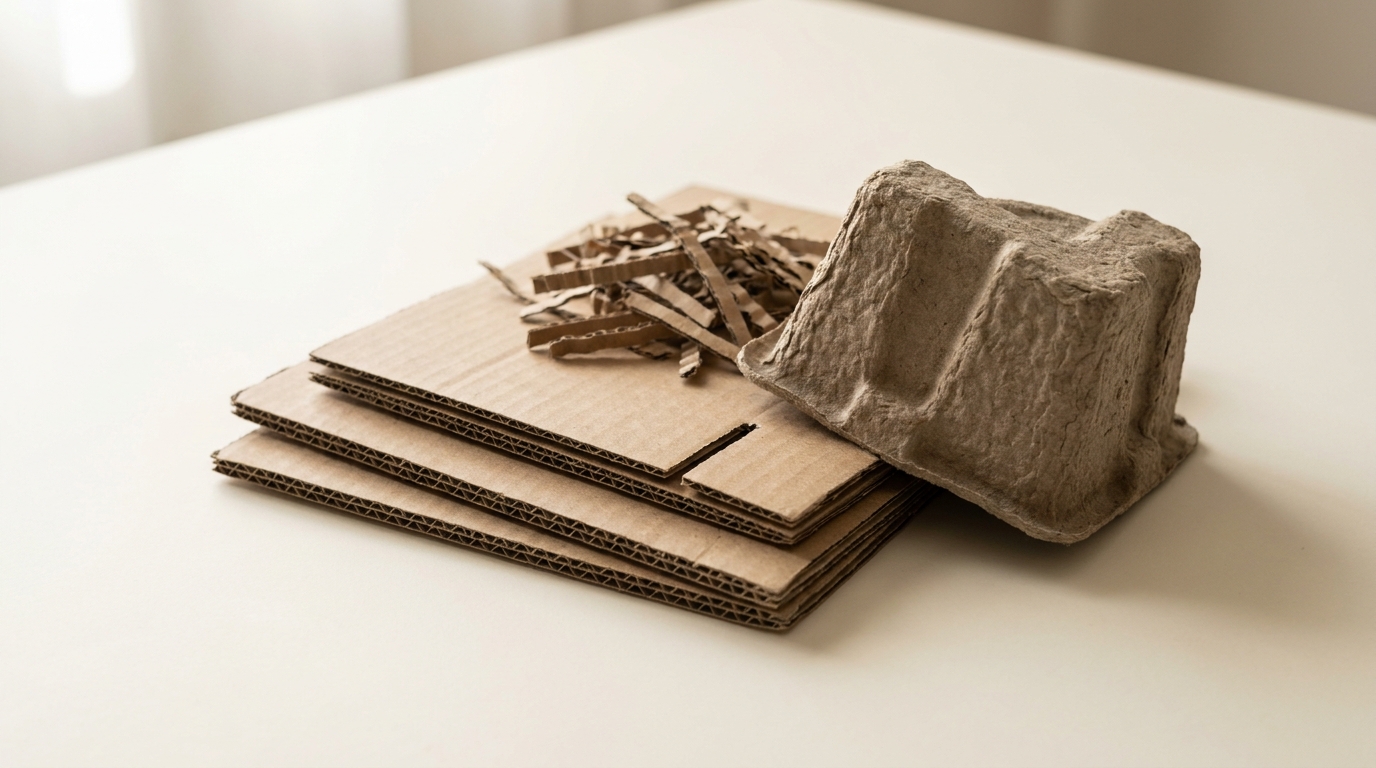
Pasta moldeada ecológica y personalizable, disponible en varios colores para envases de marca.

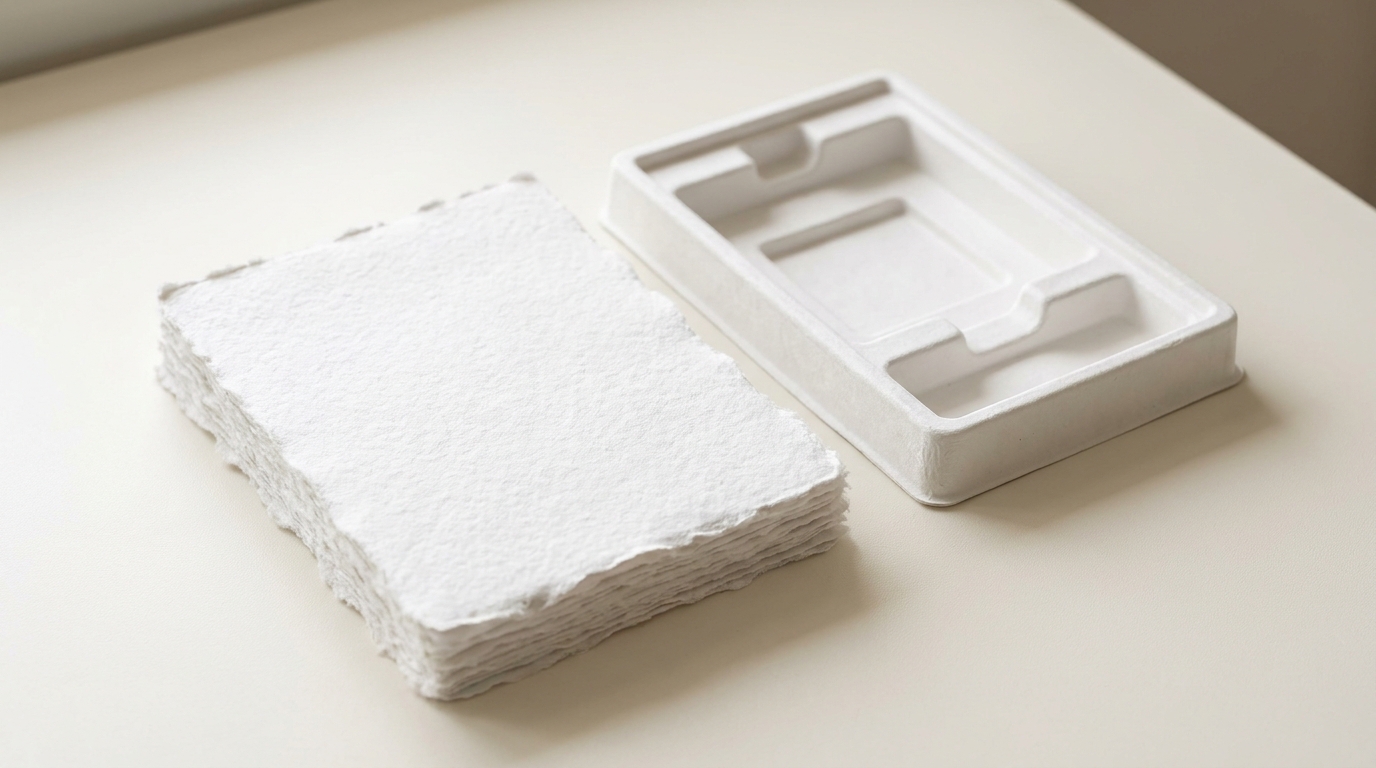
Pulpa blanqueada con peróxido de hidrógeno, segura para el envasado de alimentos y el mantenimiento de la seguridad medioambiental.

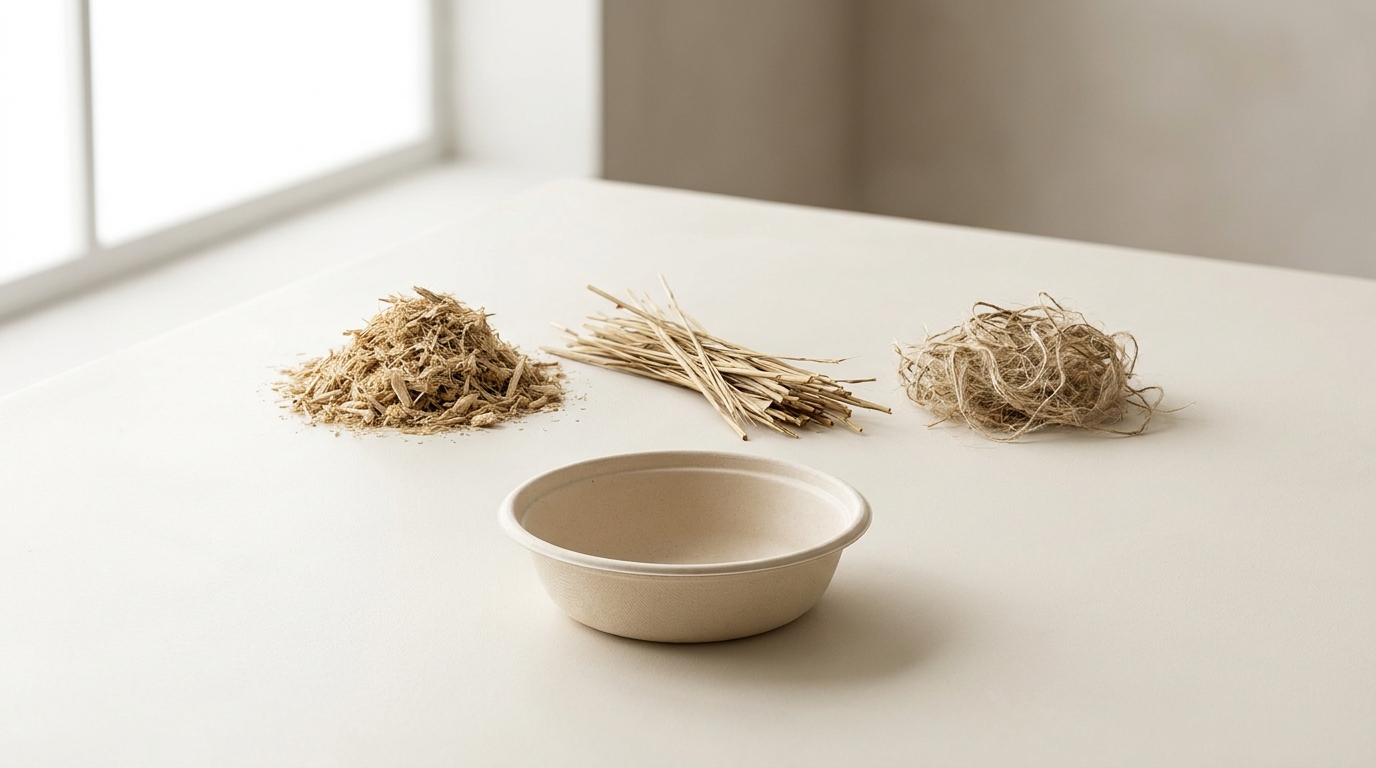
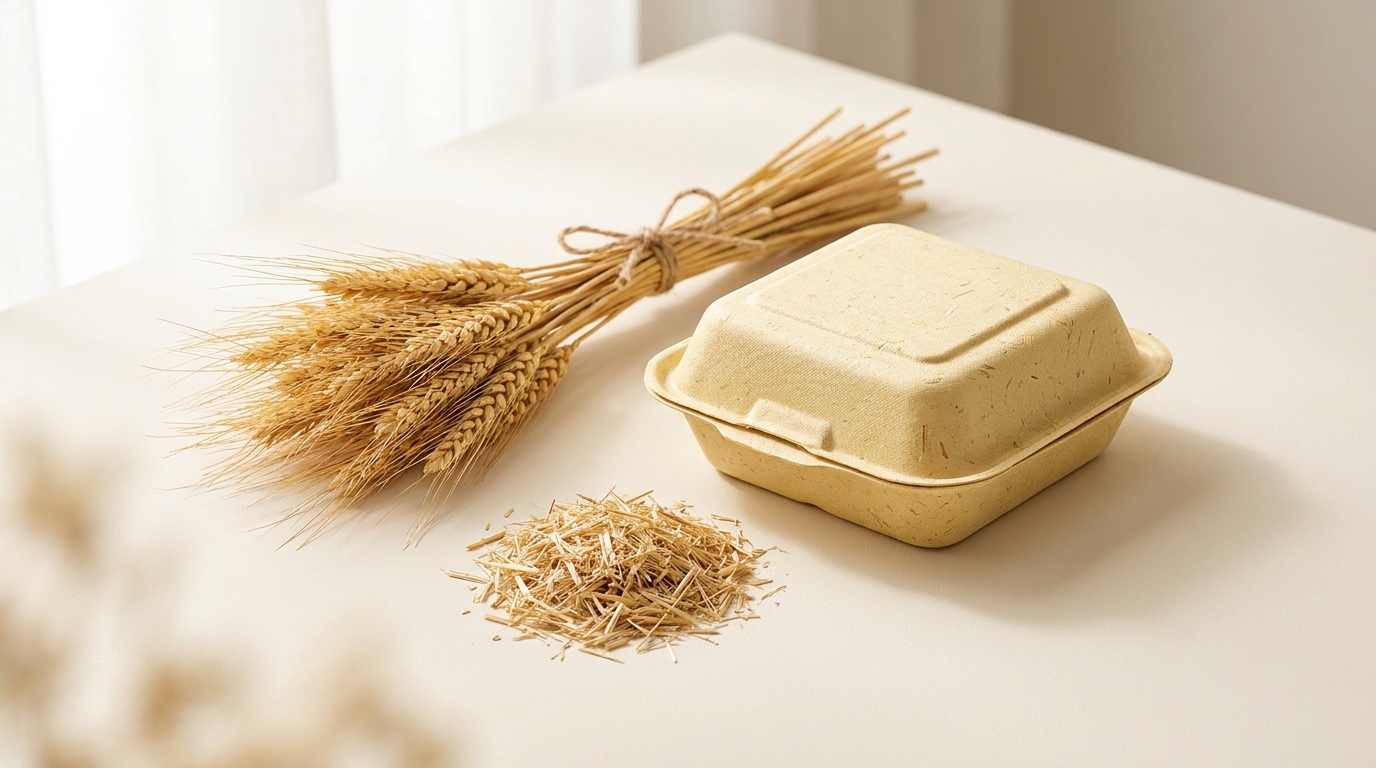
Material flexible y biodegradable procedente de diversas plantas, adecuado para una amplia gama

Ligeros, resistentes y reciclables, perfectos para envases protectores y sostenibles.

Material renovable que ofrece resistencia y es respetuoso con el medio ambiente para envases de pasta moldeada.

Personalizado Respetuoso con el medio ambiente Fiable

Excelencia en envases personalizados y ecológicos

Totalmente personalizable

Personalice sus envases con estilos, tamaños, colores y acabados a medida para satisfacer necesidades específicas.

Asistencia experta

Bonitopak ofrece asesoramiento experto en diseño y logística para maximizar la eficiencia de los envases y aumentar la rentabilidad de la inversión.

Soluciones ecológicas

Elija envases sostenibles y ecológicos para reducir el impacto ambiental y apoyar los objetivos ecológicos de su marca.

Garantía de calidad

Bonitopak garantiza un servicio de máxima calidad y la excelencia del producto con cada solución de envasado.

Preguntas frecuentes

Chicken Egg Carton

  • Do you supply cartons that work on Moba or Diamond grading equipment?

    We supply to dimensional specification, and buyers running Moba, Diamond, or Sanovo equipment provide us the required carton tolerances from their machine documentation. We then produce and sample against those figures. We do not certify against specific equipment brands, since certification sits with the machine operator’s own trial.

  • How does molded pulp compare to foam on egg breakage rates?

    Both perform well in transit, and neither has a decisive edge on breakage when correctly specified. The differences that matter commercially are elsewhere: pulp composts and foam does not, pulp nests for lower inbound freight, and an increasing number of retailers and jurisdictions restrict foam. We do not produce foam, so we would rather state that plainly than argue a performance gap that the data does not support.

  • Can I use the same carton for washed and unwashed eggs?

    The carton does not differ. What differs is handling and storage, since washed eggs have lost the natural cuticle and need refrigeration, while unwashed eggs can be held at room temperature in many jurisdictions. Pulp handles both because it regulates moisture rather than sealing it in.

  • Does a pullet egg need a different carton?

    Pullet eggs from young hens fall into the peewee and small grades, roughly 35 to 43 grams, and they sit low in a standard bed. They are safe there, but they look sparse in the carton, which matters for retail presentation. Producers selling pullet eggs as a distinct product often use a shallower dedicated mold so the pack looks full.

  • What egg grade should I specify if my flock lays inconsistently?

    Specify to your largest regular egg, not your average. A smaller egg in a deeper cell is protected. A larger egg in a shallow cell takes lid pressure and cracks. Most mixed flocks are best served by the deep bed, which covers extra large and jumbo while still holding large eggs securely enough for transport.

Biodegradable Resultado

0 días

7 días

14 días

30 días

Industrias especializadas

Tras haber fabricado millones de piezas, BonitoPak posee profundos conocimientos en numerosas aplicaciones. Destacamos especialmente en sectores que requieren la fabricación de componentes precisos e intrincados. Confíe en nuestra experiencia y calidad, sea cual sea la complejidad.

Soluciones de envasado OEM y ODM

Bonitopak ofrece soluciones de envasado personalizadas (OEM) y prediseñadas (ODM). Tanto si necesita diseños totalmente a medida como envases listos para usar, le ofrecemos opciones de alta calidad, eficientes y flexibles para satisfacer las necesidades de su marca.

Servicios OEM

Las soluciones de envasado OEM le permiten crear productos totalmente personalizados, diseñados y fabricados para satisfacer sus requisitos específicos. En Bonitopak, le ofrecemos un apoyo integral a lo largo de todo el proceso de diseño, creación de prototipos y fabricación, garantizando que su envase refleje la identidad única de su marca. Nuestra capacidad de fabricación de precisión garantiza una producción coherente y de alta calidad, independientemente de la complejidad del diseño. Con un servicio integral, nos encargamos de todo, desde el concepto hasta la entrega, ayudándole a racionalizar sus necesidades de envasado.

Servicios ODM

Las soluciones de envasado ODM ofrecen productos prediseñados que pueden adaptarse a los requisitos de su marca. Con la innovadora experiencia en diseño y el eficiente proceso de producción de Bonitopak, puede elegir entre una amplia gama de opciones de envases listos para usar. Ofrecemos una personalización flexible, que le permite añadir su marca y seleccionar entre varios acabados, colores y tamaños. Esta solución ahorra tiempo y costes, al tiempo que garantiza un envase de alta calidad que cumple los estándares de su marca.
¿Listo para elevar su proyecto?

Dé vida a sus diseños con BonitoPak

Experimente la ingeniería de precisión con BonitoPak. Desde prototipos detallados hasta la producción de grandes volúmenes, estamos aquí para convertir sus conceptos en realidad. Póngase en contacto con nosotros hoy mismo para hablar de las necesidades de su proyecto.

Nuestras categorías de productos

Descubra la variada gama de soluciones de envasado de Bonitopak, que incluye bandejas de pulpa moldeada, envases alimentarios, diseños personalizados y opciones sostenibles. Cada categoría está diseñada para ofrecer durabilidad, funcionalidad y responsabilidad medioambiental, y se adapta a sus necesidades específicas.

Grade, not count, decides the carton

Buyers order egg cartons by cell count. They should be ordering by egg grade first.

The USDA weight classes run peewee at 35 grams per egg, small at 43, medium at 50, large at 57, extra large at 64, and jumbo at 71 grams and above. Those weights translate directly into physical dimensions. A jumbo egg is roughly 8 mm taller and 5 mm wider than a large egg. That difference decides whether the lid closes on the shell or clears it.

A carton cut for large eggs will hold jumbos, but the lid contacts the shell tops. Under stacking load, that contact becomes point pressure on the strongest but most brittle part of the egg. The result is hairline cracking that shows up as leakage days later, and the packer usually blames handling rather than the carton.

We tool a standard bed for peewee through large, and a deep bed for extra large and jumbo. Producers running a mixed flock, which is most small and mid-size operations, generally specify the deep bed and accept a slightly looser fit on smaller eggs. Loose is safe. Tight is not.

What a grading station needs that a farm stand does not

Commercial packers and direct sellers want opposite things from the same product.

A grading station is running eggs through automated equipment at speed. The carton has to arrive with consistent dimensions run to run, hold tolerance on the infeed width, and open and close under machine force without hinge failure. Branding is usually irrelevant, since the eggs are packed for a retailer who applies their own labeling.

A farm direct seller wants the opposite. Volume is low, hand packing is normal, dimensional tolerance is forgiving, and the carton is a large part of how the product presents. Branding is the whole point.

We supply both from the same molds. What changes is the finishing: blank and bulk nested for the packer, embossed or printed and often color matched for the direct seller.

Cell geometry and how load actually travels

The visible part of the carton is the cell. The functional part is the cone between cells.

Each cone rises from the base to meet the lid when the carton closes. In a filled and closed carton, those cones become short vertical columns. Weight from the carton above lands on the cone tops, travels down through the cone walls, and lands on the base. The eggs sit in the voids between the columns and carry none of it.

This is why a molded pulp carton weighing 50 grams can support several kilograms in a pallet stack without deforming. It is also why cartons fail when they are packed open or short filled, since an unclosed lid leaves the columns disengaged and the structure incomplete.

Practically, this means cartons should be closed before stacking, and half filled cartons should not go to the bottom of a pallet. Packers know this. Farm sellers often do not.

Fiber source and what recycled means here

Chicken egg cartons are one of the oldest recycled paper products in continuous production. The fiber going into them has typically been through several use cycles already, which is why it is short, why it forms well, and why it is not suitable for most other paper products.

Short fiber is an advantage in molding. It flows into detail, drains predictably on the mold screen, and produces a dense wall without the long fiber tangles that cause thin spots. The characteristic gray-brown color comes from mixed recycled stock rather than from any added pigment.

That same short fiber is why municipal recycling programs vary in whether they accept egg cartons. The fibers are near the end of their usable life for repulping. Home composting is reliable across the board, since the material is untreated cellulose with no coating, film, or adhesive.

Storage before the eggs go in

Empty cartons need dry storage, and this is where a surprising share of quality complaints originate. Pulp will take on moisture from a damp warehouse over weeks, softening the hinge and reducing top load strength before the carton has held a single egg. Store nested stacks off the floor, away from exterior walls, and under cover. Cartons stored correctly hold their specification for a year or more.

Choosing the right count for a flock

Cell count should follow production volume and sales channel, not habit.

En caja de una docena de huevos remains the volume standard for anything going to retail. The 6 cajas de huevos suits small flocks and premium lines where full dozens are hard to fill or too expensive at the shelf. The Caja de 18 huevos covers value packs and club formats. The 4 egg carton handles gift and sampler sales.

Producers who also keep quail should specify quail egg cartons separately rather than using a chicken carton, since the cell geometry is not compatible in either direction.

Artículos relacionados

Manténgase informado con las últimas actualizaciones sobre tendencias en envases sostenibles, perspectivas del sector y consejos de expertos a través de nuestro blog. Explore ideas y soluciones innovadoras para mejorar sus conocimientos sobre envasado.

Por Leo Chan | Redactor, BonitoPak | Más de 20 años de experiencia en envases de pulpa moldeada. Olor en

Por Leo Chan | Redactor, BonitoPak | Más de 20 años de experiencia en envases de pulpa moldeada para el sector alimentario federal

Por Leo Chan | Redactor, BonitoPak | Más de 20 años de experiencia en envases de pulpa moldeada, MOSH y

Preguntas frecuentes

Chicken Egg Carton

  • Do you supply cartons that work on Moba or Diamond grading equipment?

    We supply to dimensional specification, and buyers running Moba, Diamond, or Sanovo equipment provide us the required carton tolerances from their machine documentation. We then produce and sample against those figures. We do not certify against specific equipment brands, since certification sits with the machine operator’s own trial.

  • How does molded pulp compare to foam on egg breakage rates?

    Both perform well in transit, and neither has a decisive edge on breakage when correctly specified. The differences that matter commercially are elsewhere: pulp composts and foam does not, pulp nests for lower inbound freight, and an increasing number of retailers and jurisdictions restrict foam. We do not produce foam, so we would rather state that plainly than argue a performance gap that the data does not support.

  • Can I use the same carton for washed and unwashed eggs?

    The carton does not differ. What differs is handling and storage, since washed eggs have lost the natural cuticle and need refrigeration, while unwashed eggs can be held at room temperature in many jurisdictions. Pulp handles both because it regulates moisture rather than sealing it in.

  • Does a pullet egg need a different carton?

    Pullet eggs from young hens fall into the peewee and small grades, roughly 35 to 43 grams, and they sit low in a standard bed. They are safe there, but they look sparse in the carton, which matters for retail presentation. Producers selling pullet eggs as a distinct product often use a shallower dedicated mold so the pack looks full.

  • What egg grade should I specify if my flock lays inconsistently?

    Specify to your largest regular egg, not your average. A smaller egg in a deeper cell is protected. A larger egg in a shallow cell takes lid pressure and cracks. Most mixed flocks are best served by the deep bed, which covers extra large and jumbo while still holding large eggs securely enough for transport.

es_MXSpanish
Rellene este formulario detallado