木材パルプ

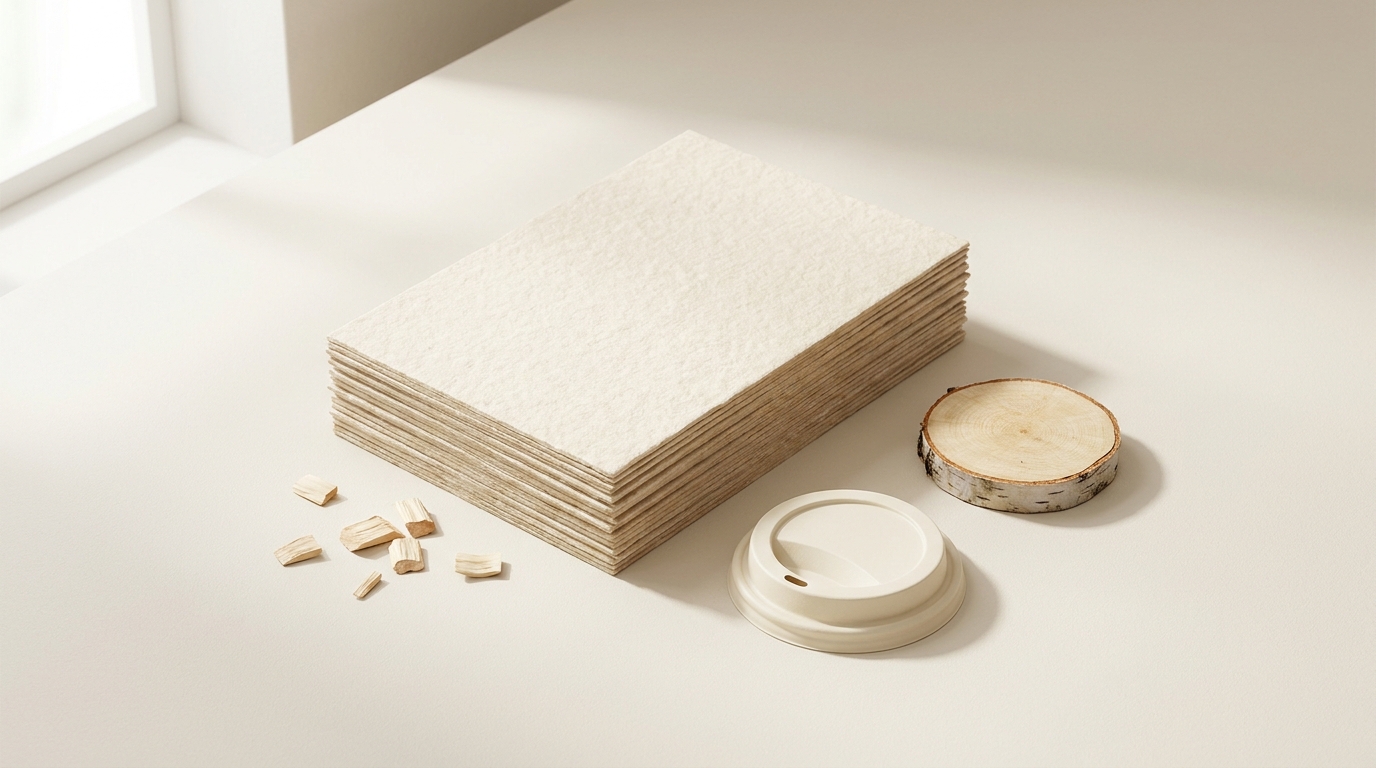
Wood pulp is the engineered option in our range. Softwood supplies long fibers at 2.5 to 4.5 mm for structural strength; hardwood supplies short fibers at 0.8 to 1.2 mm that fill mold detail and smooth the surface. Blending the two lets us tune a single material toward strength or toward definition depending on what the part needs, which is why it handles precision work that no single-source fiber manages as well.

Why the softwood and hardwood blend matters

  • Two fiber lengths doing two jobs. Long softwood fiber builds the load-carrying network. Short hardwood fiber flows into detail that long fiber bridges over. One material, both properties.
  • Adjustable ratio. A deep structural part shifts the blend toward softwood. A fine-detail Type 3 part shifts toward hardwood. The specification moves with the application rather than forcing a compromise.
  • Best detail reproduction in the range. Hardwood fiber at under 1.2 mm reaches into mold features that agricultural and recycled fibers cannot fill cleanly.
  • Pale natural tone. Lighter than kraft and considerably lighter than recycled, which gives a clean finish without a bleaching stage.
  • Chain of custody available. FSC and PEFC certification can be supplied where your customer or your reporting requires documented forest sourcing.
  • Dimensional consistency. Virgin fiber with controlled composition drains predictably on the forming screen, which is what tight dimensional tolerance actually depends on.

Hardwood and softwood differ because the trees do. Softwoods such as pine and spruce have long tracheid cells that evolved to carry water up tall trunks. Hardwoods such as eucalyptus and birch have shorter vessel and fiber cells. Neither is better; they do different work, and almost every high-quality paper and molded fiber product uses both.

The cost position is at the upper end, since this is virgin fiber competing with every other use for the same wood. The argument for paying it is that a precision part in this material can often run thinner and tighter than the same part in a cheaper fiber, which recovers some of the difference.

仕様表

仕様 詳細
材料名 木材パルプ
素材タイプ Virgin softwood and hardwood blend
Softwood Fiber Length 2.5~4.5 mm
Hardwood Fiber Length 0.8 to 1.2 mm
Blend Ratio Adjusted to the application
パルプ化方法 クラフト(硫酸塩)化学製紙法
ナチュラルカラー Pale natural; white if bleached
表面仕上げ Smooth, high definition
相対力 高い
Detail Reproduction Best in the BonitoPak range
代表的な壁厚 0.8 to 4.0 mm
プロセスの互換性 Wet pressing, dry pressing, thermoformed fiber
成形パルプの種類 Type 2, Type 3, Type 4
堆肥化可能性 EN 13432 および ASTM D6400(コーティングなし)の化学的要件を満たしています
リサイクル性 Accepted in paper streams uncoated
食品との接触 Use bleached variant; confirm for your market
認証 ご要望に応じて、FSCまたはPEFCのチェーン・オブ・カストシーの証明書をご提供いたします
相対コスト Medium-high

Where wood pulp earns its place

Precision inserts. Electronics, instruments, and any part where the product has to sit in a cavity with controlled clearance. Dimensional consistency and detail reproduction are what this material is for.

Type 3 thermoformed fiber parts. Cure-in-the-mold tooling, where heated molds press and densify the part to a smooth, almost plastic-like finish, needs a fiber that supports that surface. Wood pulp and 晒しパルプ are the two materials that justify the process.

Parts replacing vacuum-formed plastic trays. Brands switching from PET or PVC inserts expect the fiber version to hold the same cavity definition. Wood pulp is the material that gets closest.

Where chain of custody is required. Buyers reporting under a procurement policy that requires documented forest sourcing need certified virgin fiber, which agricultural and recycled streams cannot provide in the same form.

Where wood pulp is the wrong call: cost-driven volume parts, where 再生紙パルプ または 藁繊維 deliver the function far cheaper, and parts where maximum tear strength governs, where 堆肥化クラフト紙 at full softwood is the better specification.

Buyers weighing virgin wood against a faster-renewing source should compare with 竹繊維, which reaches similar strength on a three to five year growth cycle rather than a multi-decade one.

よくある質問 (FAQ)

What is the difference between wood pulp and compostable kraft paper?
Both are virgin wood fiber pulped by the kraft process. Compostable kraft paper is softwood only and unbleached, which maximizes strength and produces a brown part. The blended version adds hardwood to the softwood for detail reproduction and a paler tone, trading some tear strength for definition and appearance. Choose kraft for maximum strength, wood pulp for precision.
A fiber longer than the feature it has to fill cannot bend into it, so it bridges across and leaves the detail soft or hollow underneath. Short fibers conform. This is why a 4 mm softwood fiber reproduces a rib poorly while a 1 mm hardwood fiber fills it. Blending gives you both behaviors in one furnish.
No, and the two claims should not be conflated. FSC chain of custody documents that the fiber came from responsibly managed forests with verified supply chain tracking. It says nothing about the carbon footprint of pulping, forming, drying, or shipping. If carbon is what you are reporting, that needs a separate assessment covering the whole production and transport path.
Tighter than any other fiber in our range, and still looser than injection molding. Molded fiber shrinks as it dries, and shrinkage varies slightly with wall thickness and geometry. We design tolerance into the tooling rather than promising plastic-level precision. If your part needs tolerances that pulp cannot hold, we will tell you at quotation.
It can be, with the right framing. Certified virgin fiber from managed forests is a renewable resource with documented chain of custody, and it produces parts strong enough to run thinner or survive more cycles than recycled equivalents. The weak position is using virgin fiber where recycled would have performed identically. Specify it where the performance requirement genuinely calls for it, and the policy argument holds.
材料名

木材パルプ

素材タイプ

持続可能な植物性繊維

プロセスの互換性

ボニトパック包装資材

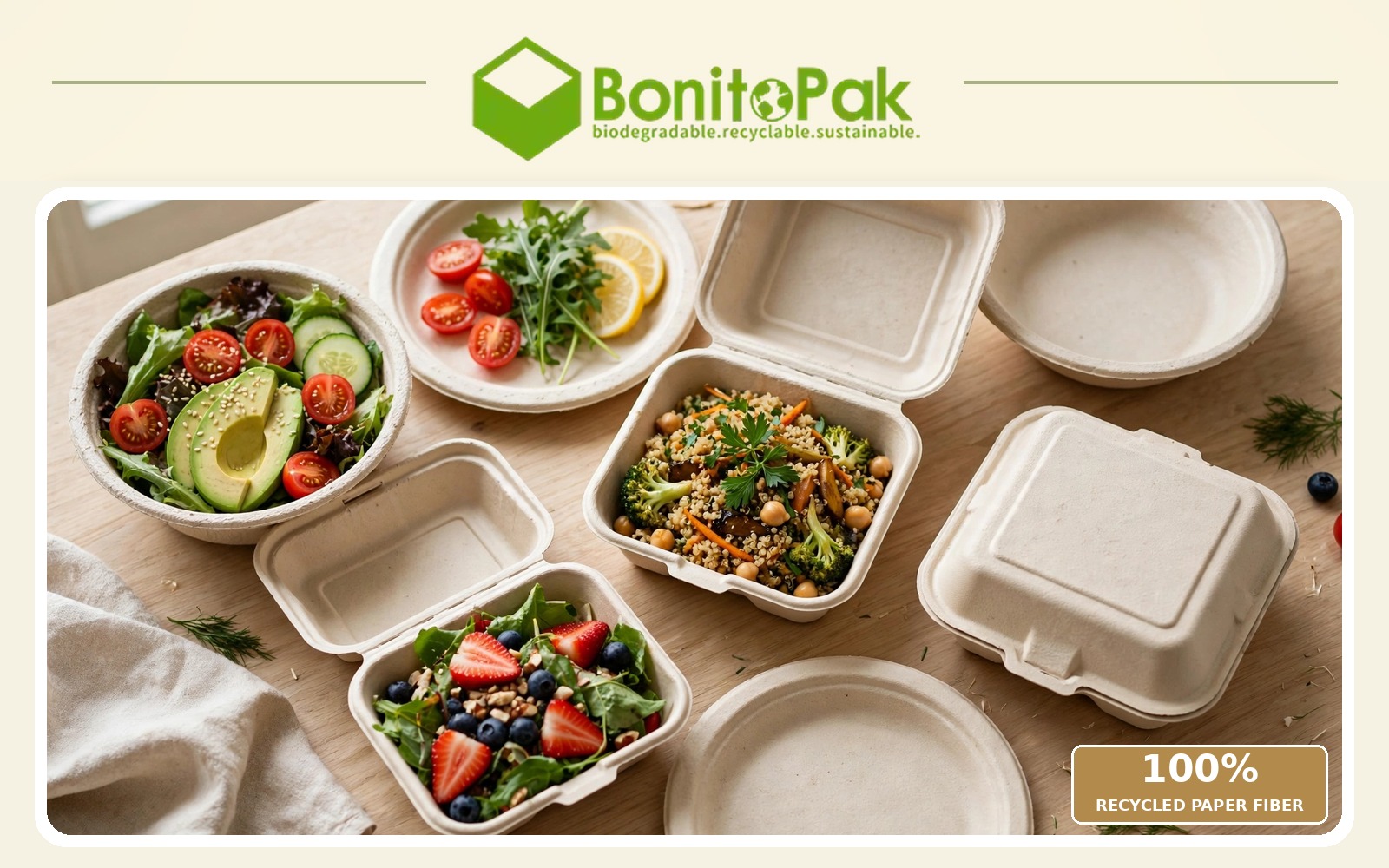
当社のパッケージング・ソリューションは、サトウキビ繊維、竹、再生紙パルプなどの持続可能な素材から作られており、さまざまな製品に環境に優しく生分解性のオプションを提供しています。

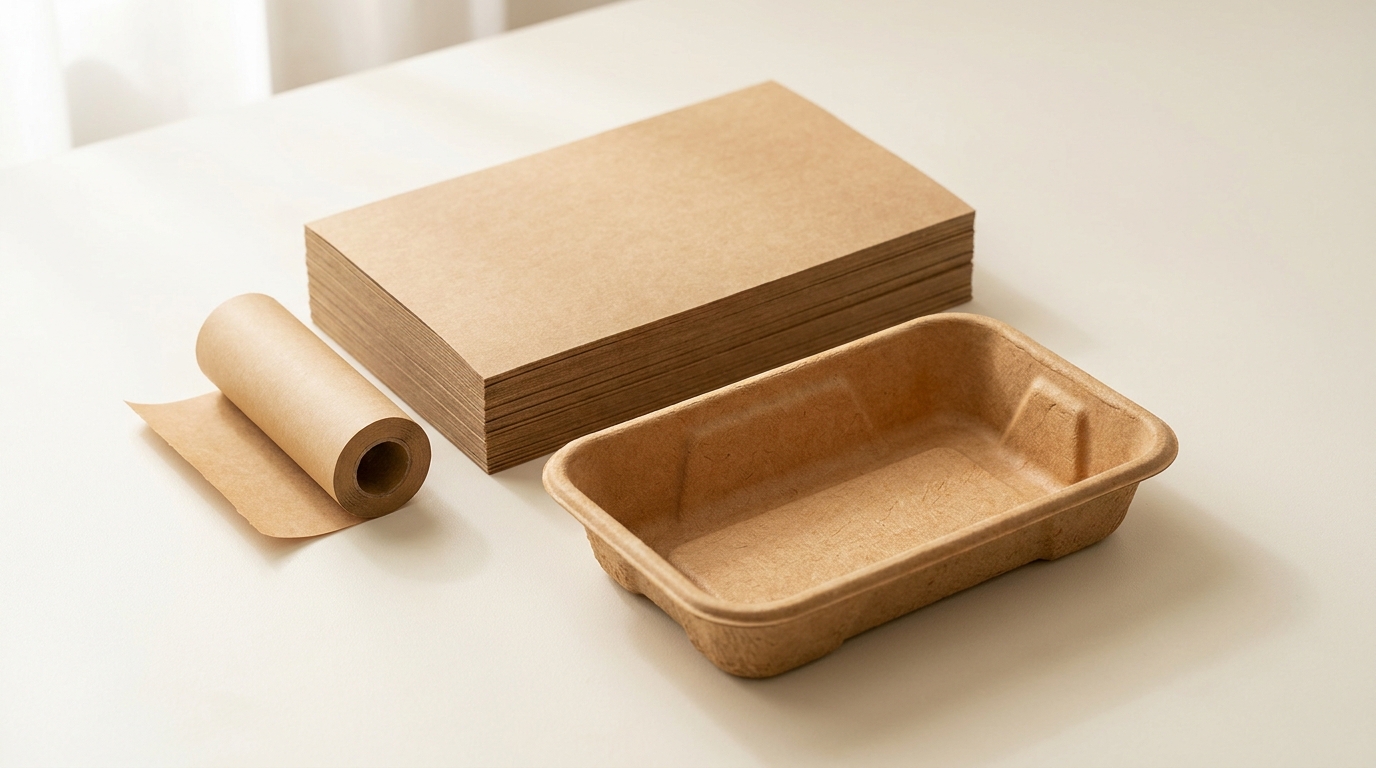
生分解性クラフト紙は、当社が製造する繊維製品の中で最も強度が高いものです。バージン

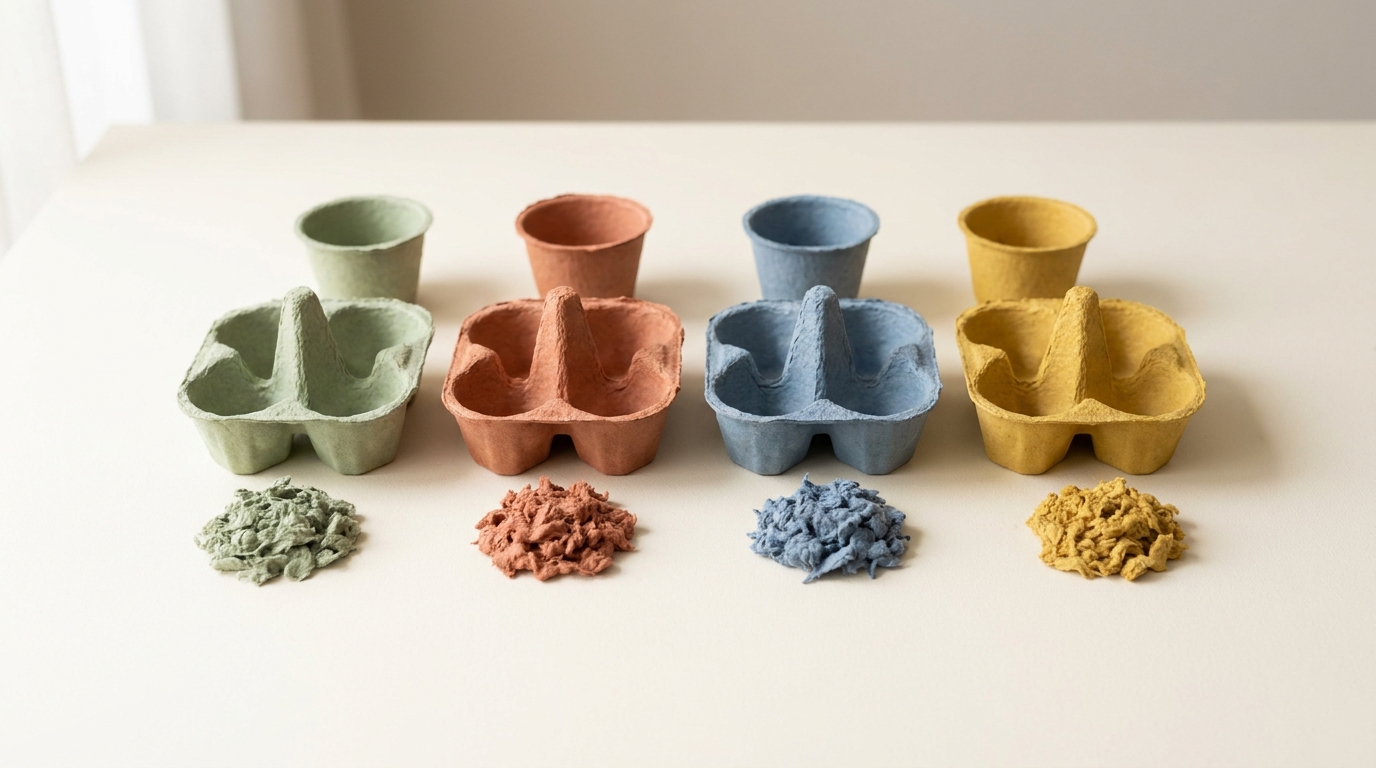
着色パルプは、独立した繊維ではありません。これは、当社の

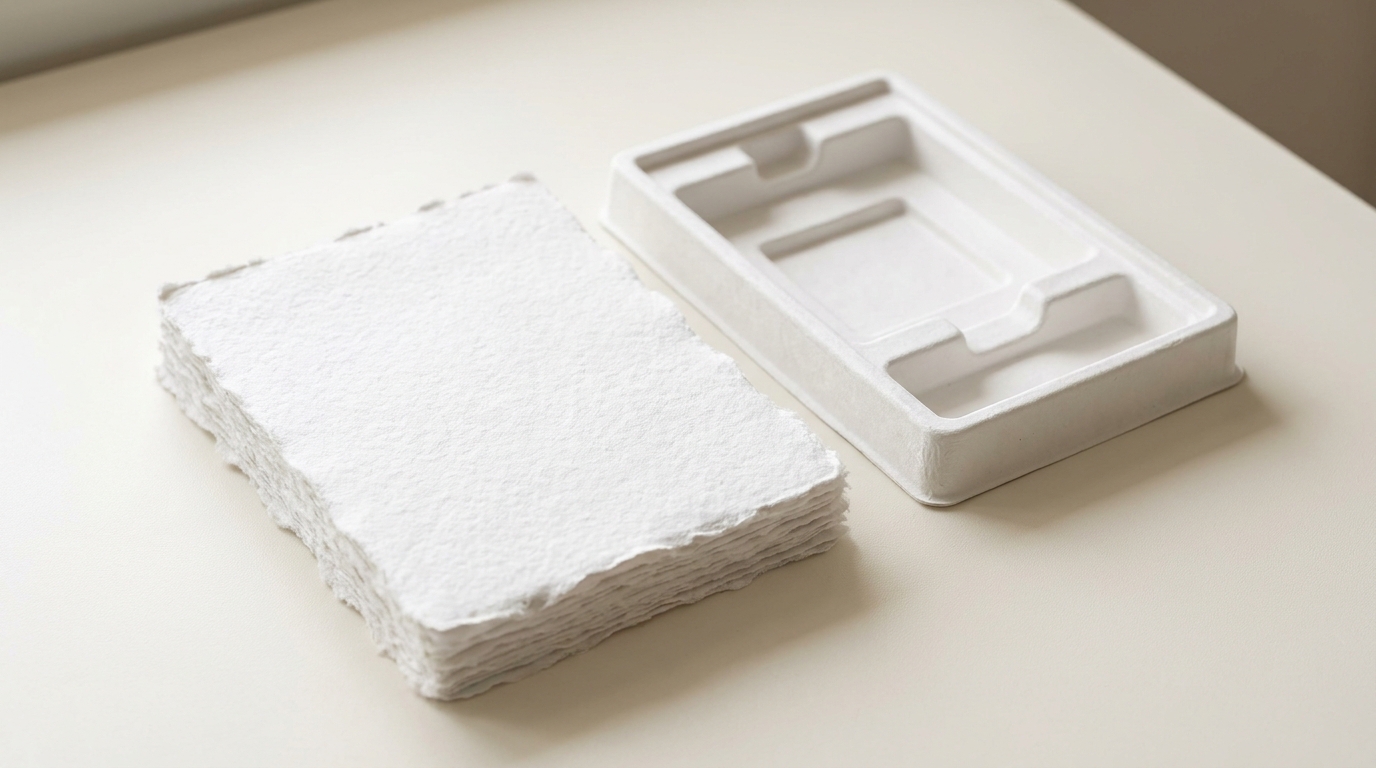
部品が以下の条件を満たす必要がある場合は、漂白パルプを指定する必要があります。

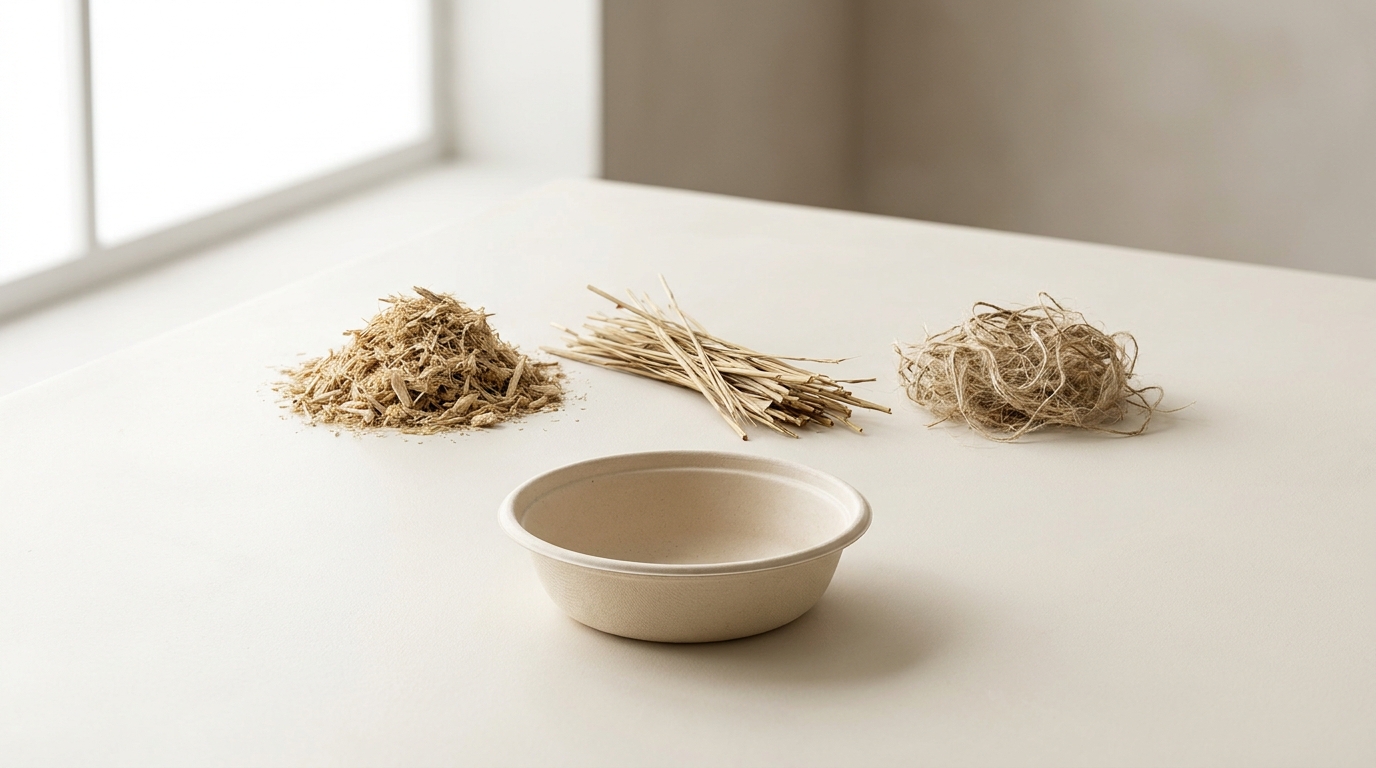
天然植物繊維とは、当社がブレンドに用いる、木材以外のセルロース源を指します。

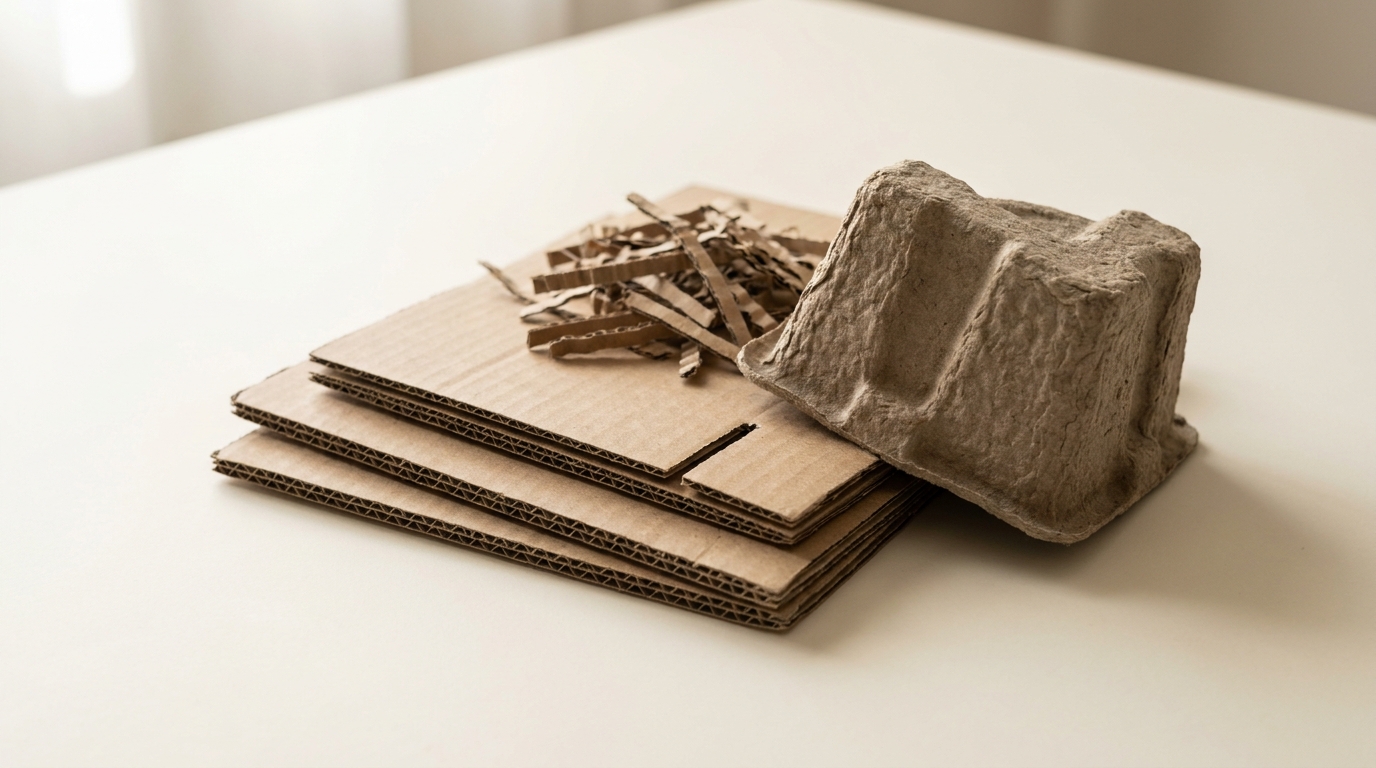
成形パルプ材料としての段ボール紙とは、回収された段ボール箱を再パルプ化したものを指す。

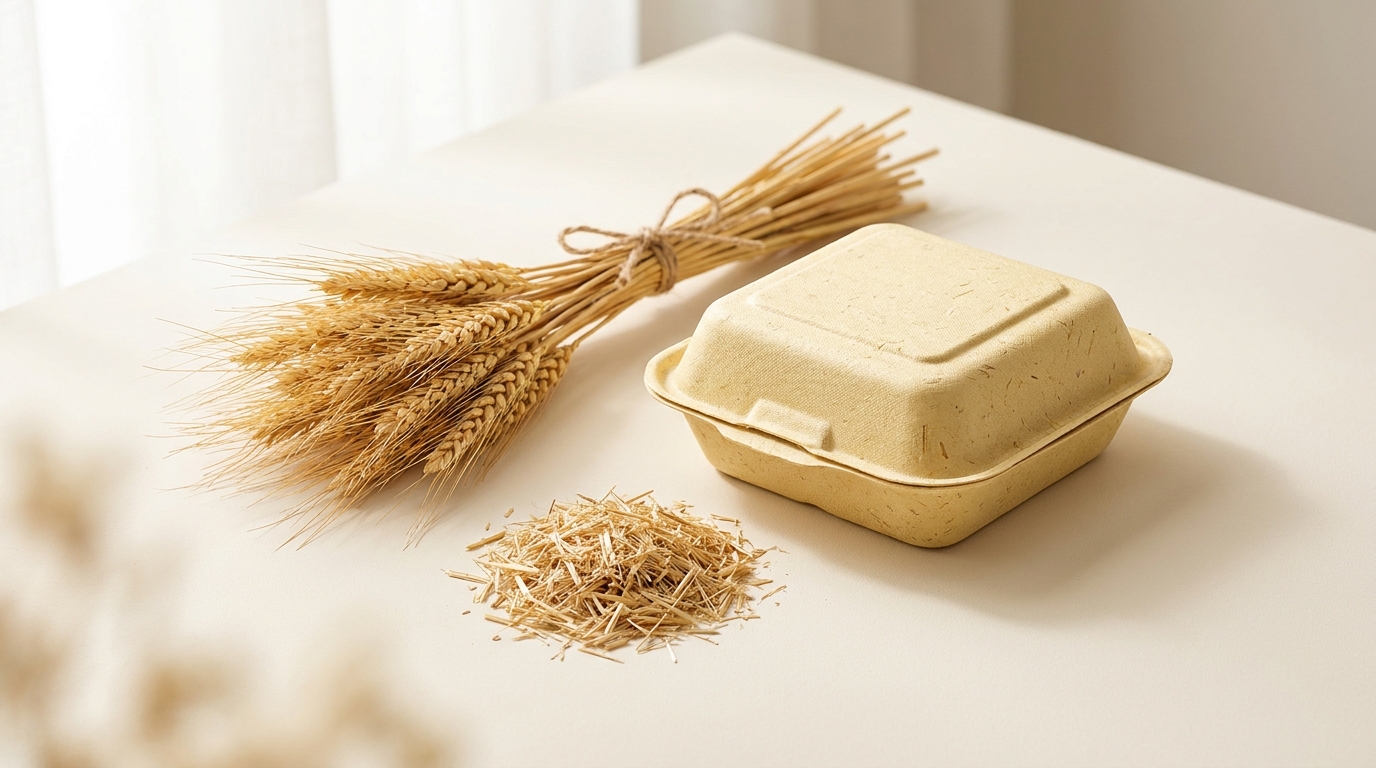
わら繊維は、穀物の収穫後に残る茎から作られる素材です。

製品カテゴリー

成型パルプトレイ、食品包装、カスタムデザイン、持続可能なオプションなど、Bonitopakの多様なパッケージングソリューションをご覧ください。各カテゴリーは、耐久性、機能性、環境への責任を考慮し、お客様の特定のニーズに合わせて作られています。
あなたのプロジェクトを向上させる準備はできていますか?

BonitoPakでデザインに命を吹き込もう

BonitoPakで精密なエンジニアリングを体験してください。詳細なプロトタイプから大量生産まで、お客様のコンセプトを現実にします。今すぐお問い合わせください!

関連記事と洞察

持続可能なパッケージングのトレンド、業界の洞察、専門家のヒントに関する最新情報をブログでお届けします。革新的なアイデアやソリューションを探求し、パッケージングの知識を深めましょう。

By Leo Chan, Senior Packaging Consultant · November 14, 2026 Molded fiber food containers are

By Leo Chan, Senior Packaging Consultant · November 14, 2026 Egg cartons are easy to

By Leo Chan, Senior Packaging Consultant · November 14, 2026 The molded pulp packaging market

詳細フォーム