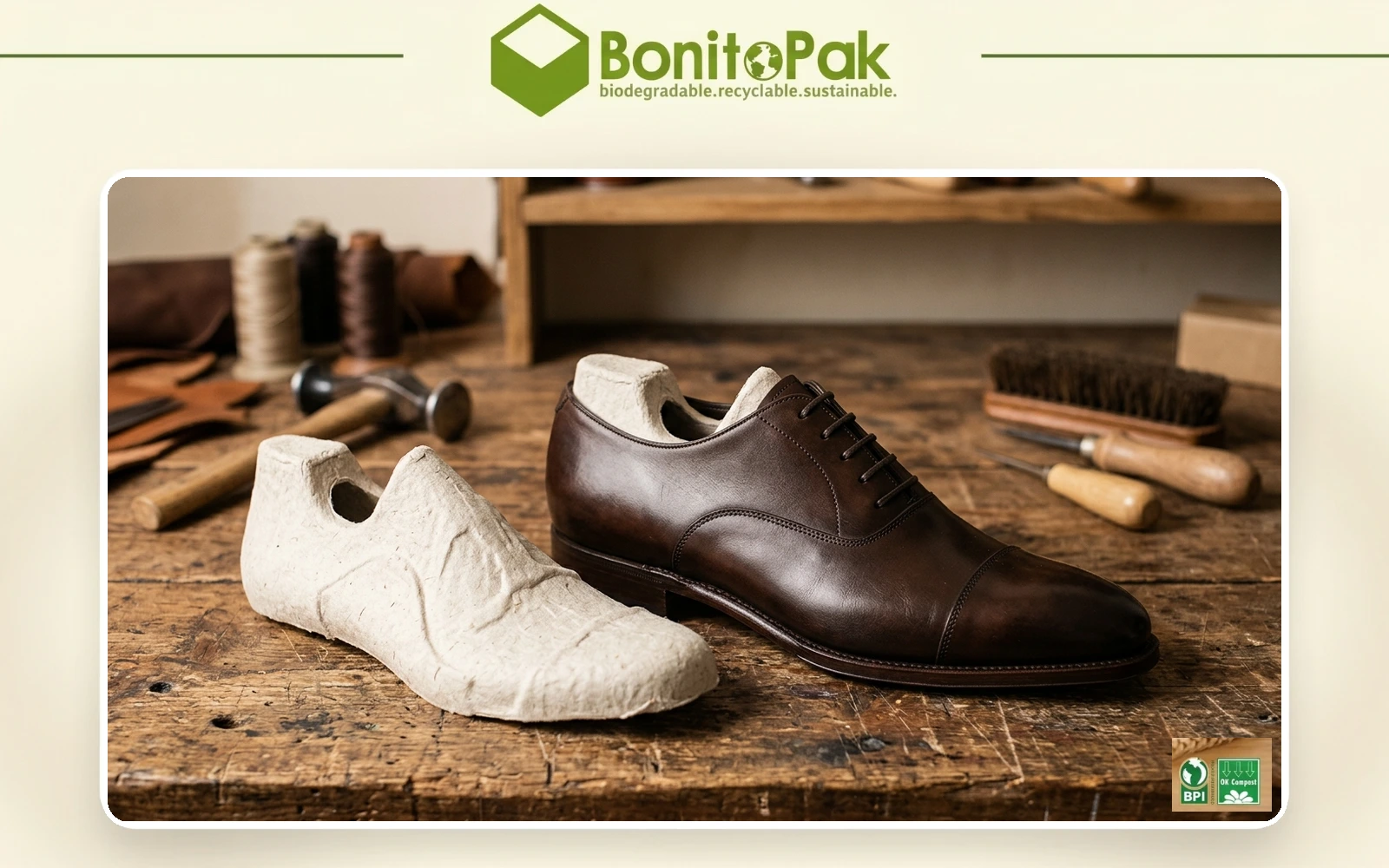
Holzschliff

Wood pulp is the engineered option in our range. Softwood supplies long fibers at 2.5 to 4.5 mm for structural strength; hardwood supplies short fibers at 0.8 to 1.2 mm that fill mold detail and smooth the surface. Blending the two lets us tune a single material toward strength or toward definition depending on what the part needs, which is why it handles precision work that no single-source fiber manages as well.

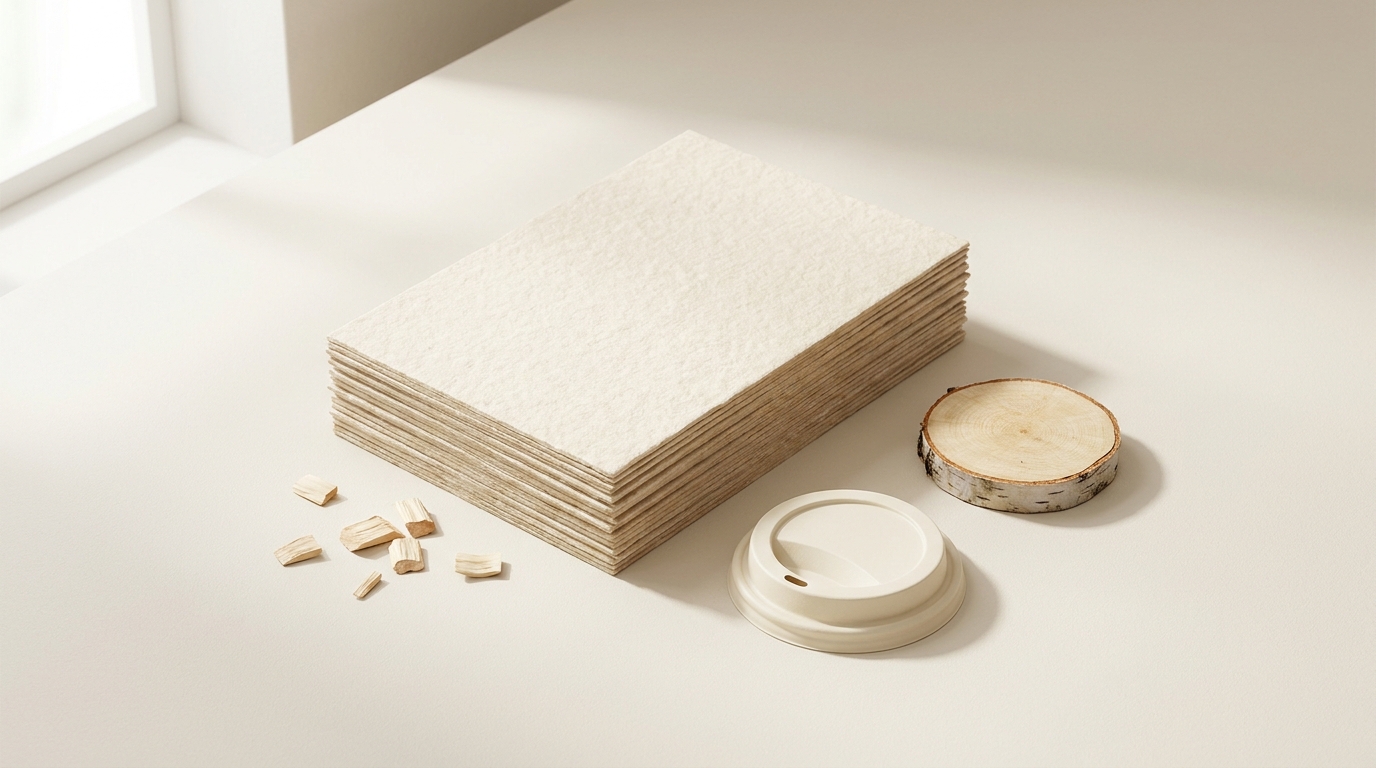
Why the softwood and hardwood blend matters

  • Two fiber lengths doing two jobs. Long softwood fiber builds the load-carrying network. Short hardwood fiber flows into detail that long fiber bridges over. One material, both properties.
  • Adjustable ratio. A deep structural part shifts the blend toward softwood. A fine-detail Type 3 part shifts toward hardwood. The specification moves with the application rather than forcing a compromise.
  • Best detail reproduction in the range. Hardwood fiber at under 1.2 mm reaches into mold features that agricultural and recycled fibers cannot fill cleanly.
  • Pale natural tone. Lighter than kraft and considerably lighter than recycled, which gives a clean finish without a bleaching stage.
  • Chain of custody available. FSC and PEFC certification can be supplied where your customer or your reporting requires documented forest sourcing.
  • Dimensional consistency. Virgin fiber with controlled composition drains predictably on the forming screen, which is what tight dimensional tolerance actually depends on.

Hardwood and softwood differ because the trees do. Softwoods such as pine and spruce have long tracheid cells that evolved to carry water up tall trunks. Hardwoods such as eucalyptus and birch have shorter vessel and fiber cells. Neither is better; they do different work, and almost every high-quality paper and molded fiber product uses both.

The cost position is at the upper end, since this is virgin fiber competing with every other use for the same wood. The argument for paying it is that a precision part in this material can often run thinner and tighter than the same part in a cheaper fiber, which recovers some of the difference.

Specification table

Spezifikation Einzelheiten
Material Name Holzschliff
Material Typ Virgin softwood and hardwood blend
Softwood Fiber Length 2.5 to 4.5 mm
Hardwood Fiber Length 0.8 to 1.2 mm
Blend Ratio Adjusted to the application
Pulping Method Kraft (sulfate) chemical process
Natural Color Pale natural; white if bleached
Oberflächenbehandlung Smooth, high definition
Relative Strength Hoch
Detail Reproduction Best in the BonitoPak range
Typical Wall Thickness 0.8 to 4.0 mm
Prozess-Kompatibilität Wet pressing, dry pressing, thermoformed fiber
Geformte Zellstofftypen Type 2, Type 3, Type 4
Kompostierbarkeit Meets the chemistry basis for EN 13432 and ASTM D6400 uncoated
Wiederverwertbarkeit Accepted in paper streams uncoated
Food Contact Use bleached variant; confirm for your market
Zertifizierung FSC or PEFC chain of custody available on request
Relative Kosten Medium-high

Where wood pulp earns its place

Precision inserts. Electronics, instruments, and any part where the product has to sit in a cavity with controlled clearance. Dimensional consistency and detail reproduction are what this material is for.

Type 3 thermoformed fiber parts. Cure-in-the-mold tooling, where heated molds press and densify the part to a smooth, almost plastic-like finish, needs a fiber that supports that surface. Wood pulp and gebleichter Zellstoff are the two materials that justify the process.

Parts replacing vacuum-formed plastic trays. Brands switching from PET or PVC inserts expect the fiber version to hold the same cavity definition. Wood pulp is the material that gets closest.

Where chain of custody is required. Buyers reporting under a procurement policy that requires documented forest sourcing need certified virgin fiber, which agricultural and recycled streams cannot provide in the same form.

Where wood pulp is the wrong call: cost-driven volume parts, where Zellstoff aus Recyclingpapier oder Strohfaser deliver the function far cheaper, and parts where maximum tear strength governs, where kompostierbares Kraftpapier at full softwood is the better specification.

Buyers weighing virgin wood against a faster-renewing source should compare with Bambusfaser, which reaches similar strength on a three to five year growth cycle rather than a multi-decade one.

Häufig gestellte Fragen (FAQs)

What is the difference between wood pulp and compostable kraft paper?
Both are virgin wood fiber pulped by the kraft process. Compostable kraft paper is softwood only and unbleached, which maximizes strength and produces a brown part. The blended version adds hardwood to the softwood for detail reproduction and a paler tone, trading some tear strength for definition and appearance. Choose kraft for maximum strength, wood pulp for precision.
A fiber longer than the feature it has to fill cannot bend into it, so it bridges across and leaves the detail soft or hollow underneath. Short fibers conform. This is why a 4 mm softwood fiber reproduces a rib poorly while a 1 mm hardwood fiber fills it. Blending gives you both behaviors in one furnish.
No, and the two claims should not be conflated. FSC chain of custody documents that the fiber came from responsibly managed forests with verified supply chain tracking. It says nothing about the carbon footprint of pulping, forming, drying, or shipping. If carbon is what you are reporting, that needs a separate assessment covering the whole production and transport path.
Tighter than any other fiber in our range, and still looser than injection molding. Molded fiber shrinks as it dries, and shrinkage varies slightly with wall thickness and geometry. We design tolerance into the tooling rather than promising plastic-level precision. If your part needs tolerances that pulp cannot hold, we will tell you at quotation.
It can be, with the right framing. Certified virgin fiber from managed forests is a renewable resource with documented chain of custody, and it produces parts strong enough to run thinner or survive more cycles than recycled equivalents. The weak position is using virgin fiber where recycled would have performed identically. Specify it where the performance requirement genuinely calls for it, and the policy argument holds.
Material Name

Holzschliff

Material Typ

Nachhaltige Fasern auf Pflanzenbasis

Prozess-Kompatibilität

Bonitopak Verpackungsmaterialien

Unsere Verpackungslösungen werden aus nachhaltigen Materialien wie Zuckerrohrfasern, Bambus und recyceltem Zellstoff hergestellt und bieten umweltfreundliche, biologisch abbaubare Optionen für eine Vielzahl von Produkten.

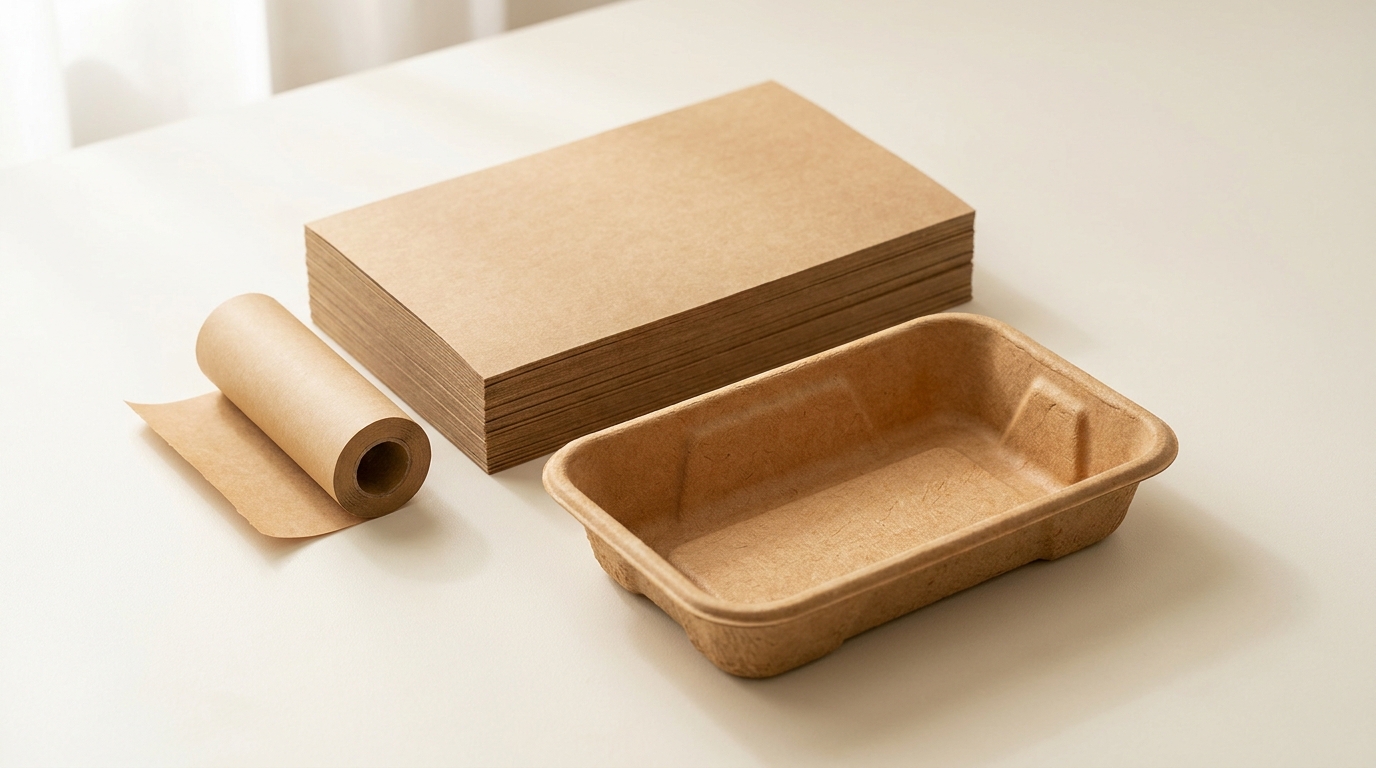
Kompostierbares Kraftpapier ist die festeste Faser, die wir herstellen. Hergestellt aus Frischfaser

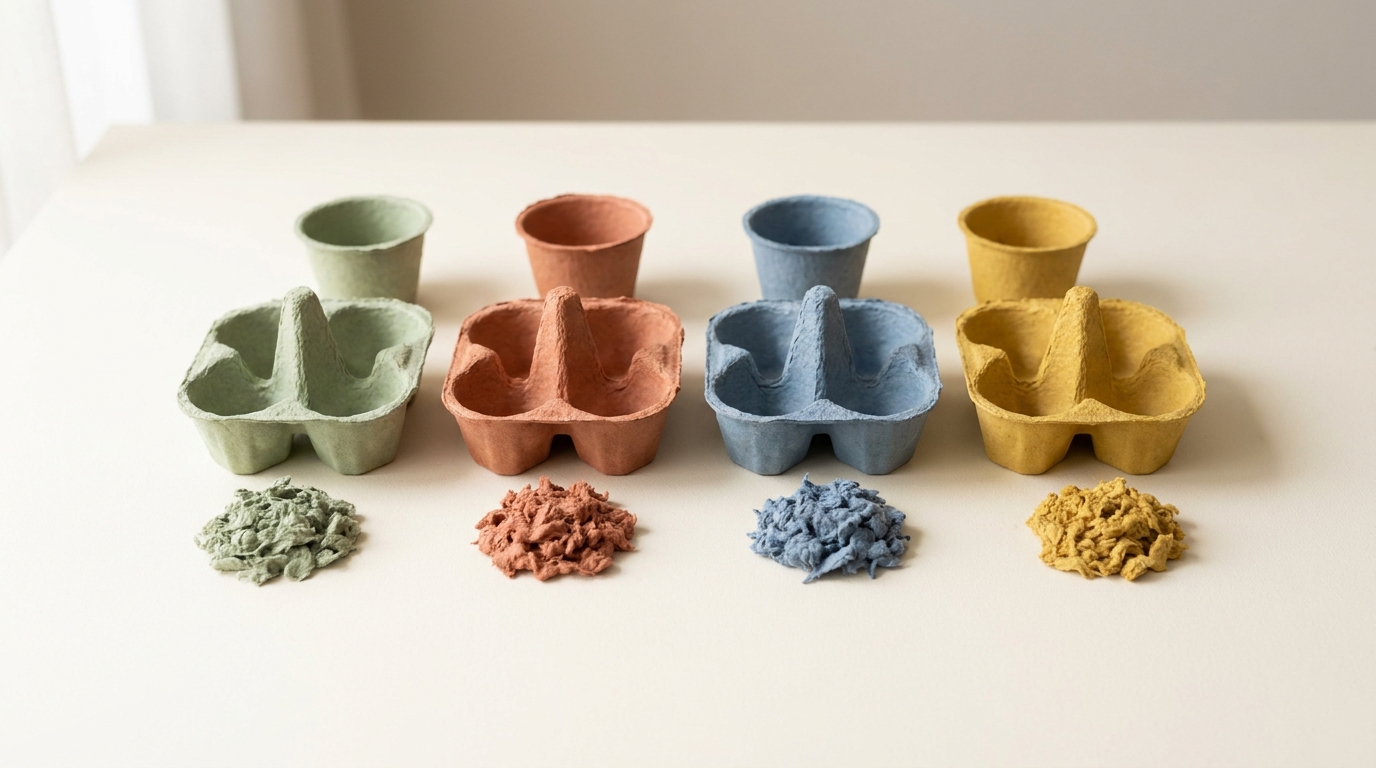
Farbiger Zellstoff ist keine eigenständige Faser. Es handelt sich dabei um einen unserer

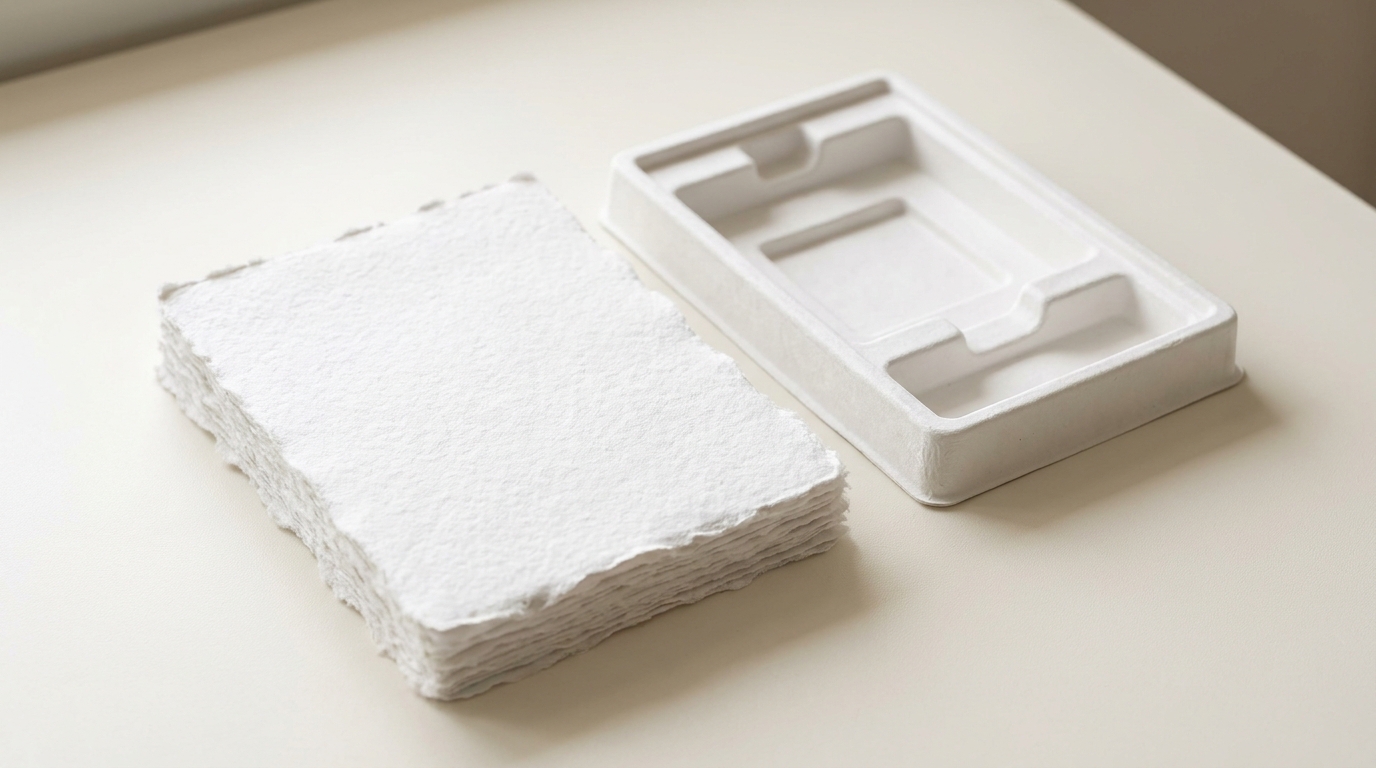
Gebleichter Zellstoff ist das zu spezifizierende Material, wenn das Bauteil

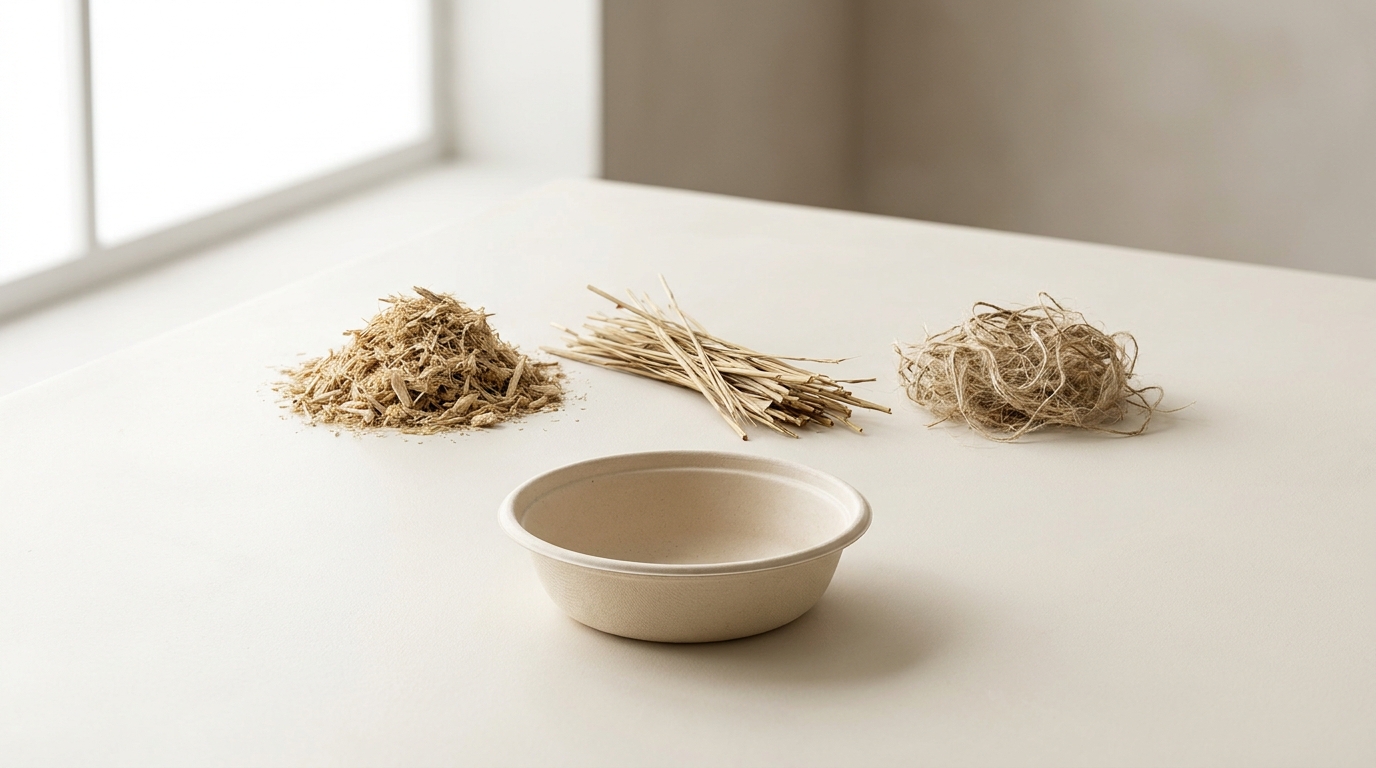
Der Begriff „natürliche Pflanzenfasern“ umfasst die nicht aus Holz stammenden Zellulosequellen, die wir außerhalb der

Wellpappe als Formmasse bezeichnet wiederverwertete Kartons, die zu Zellstoff zerkleinert wurden

Strohfasern werden aus den nach der Getreideernte übrig gebliebenen Stängeln hergestellt, Material

Unsere Produktkategorien

Entdecken Sie das vielfältige Angebot an Verpackungslösungen von Bonitopak, darunter geformte Zellstoffschalen, Lebensmittelverpackungen, kundenspezifische Designs und nachhaltige Optionen. Jede Kategorie ist auf Langlebigkeit, Funktionalität und Umweltverträglichkeit ausgelegt und auf Ihre spezifischen Anforderungen zugeschnitten.
Sind Sie bereit, Ihr Projekt aufzuwerten?

Erwecken Sie Ihre Entwürfe mit BonitoPak zum Leben

Erleben Sie Präzisionstechnik mit BonitoPak. Von detaillierten Prototypen bis hin zur Großserienproduktion - wir sind da, um Ihre Konzepte in die Realität umzusetzen. Kontaktieren Sie uns noch heute, um Ihre Projektanforderungen zu besprechen!

Verwandte Artikel und Einblicke

Bleiben Sie auf dem Laufenden mit den neuesten Informationen über nachhaltige Verpackungstrends, Einblicke in die Branche und Expertentipps in unserem Blog. Entdecken Sie innovative Ideen und Lösungen, um Ihr Verpackungswissen zu erweitern.

Von Leo Chan | Gründer von BonitoPak | Über 20 Jahre Erfahrung in der Herstellung von Formmasse Zuletzt aktualisiert:

Von Leo Chan | Gründer von BonitoPak | Über 20 Jahre Erfahrung in der Herstellung von Formmasse Zuletzt aktualisiert:

Von Leo Chan | Gründer von BonitoPak | Über 20 Jahre Erfahrung in der Herstellung von Formmasse Zuletzt aktualisiert:

Füllen Sie dieses detaillierte Formular aus