天然植物繊維

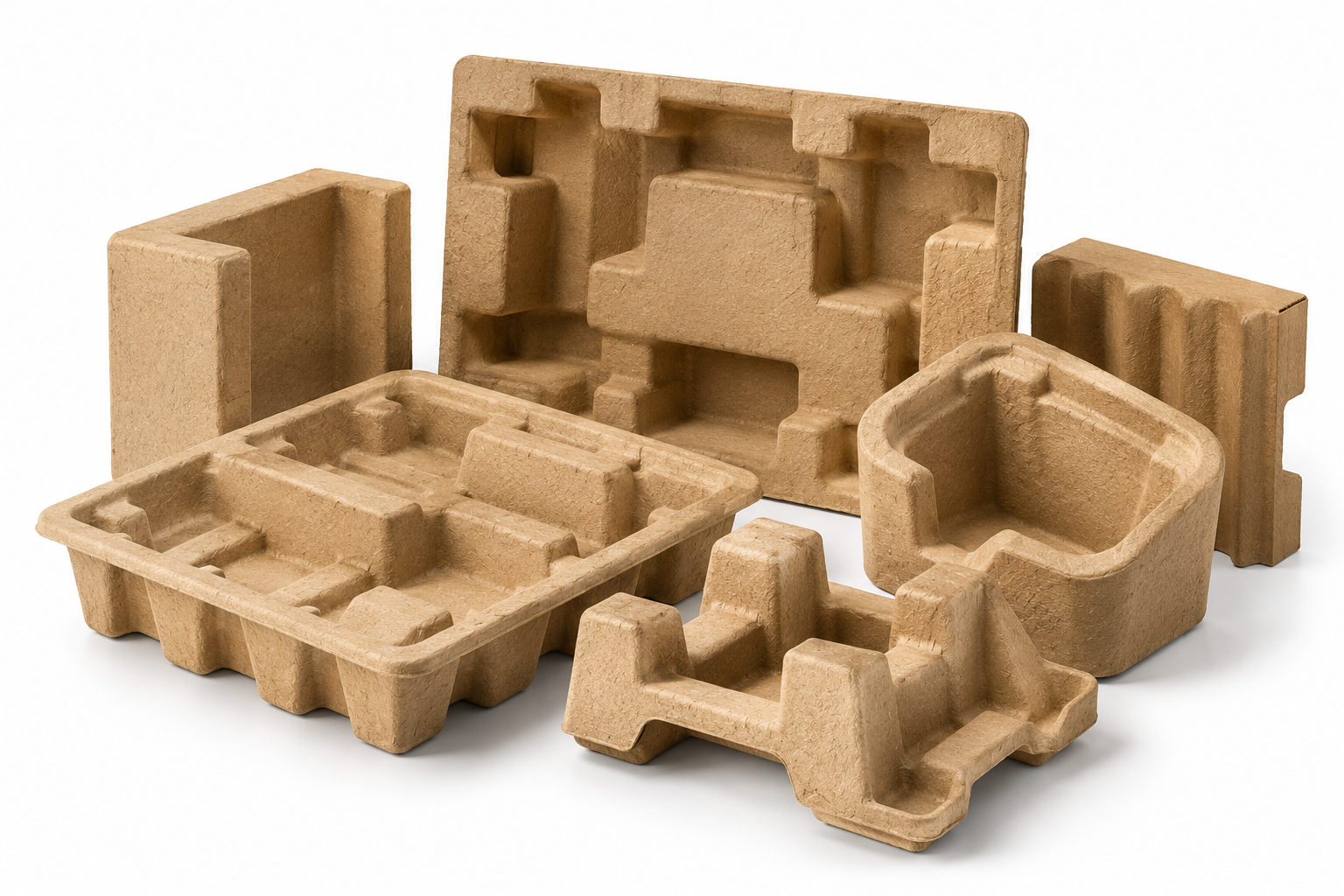
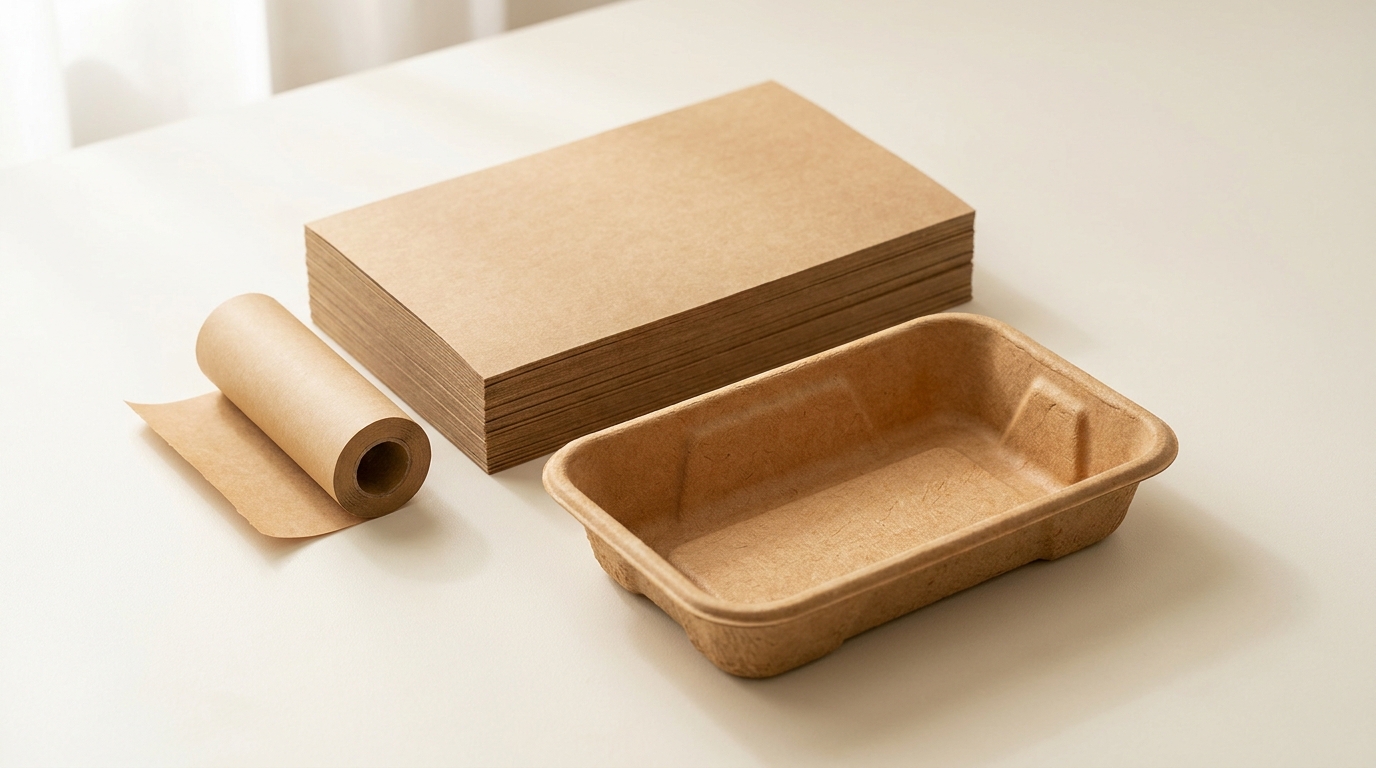
Natural plant fiber covers the non-wood cellulose sources we blend outside the named single-origin materials: sugarcane bagasse, reed, grass, and other agricultural cellulose depending on what the part needs and what is seasonally available. It is the most flexible material in the range, because the blend is tuned to the application rather than fixed by a single source. Fiber lengths sit in the 1.0 to 2.0 mm band, which balances formability against strength.

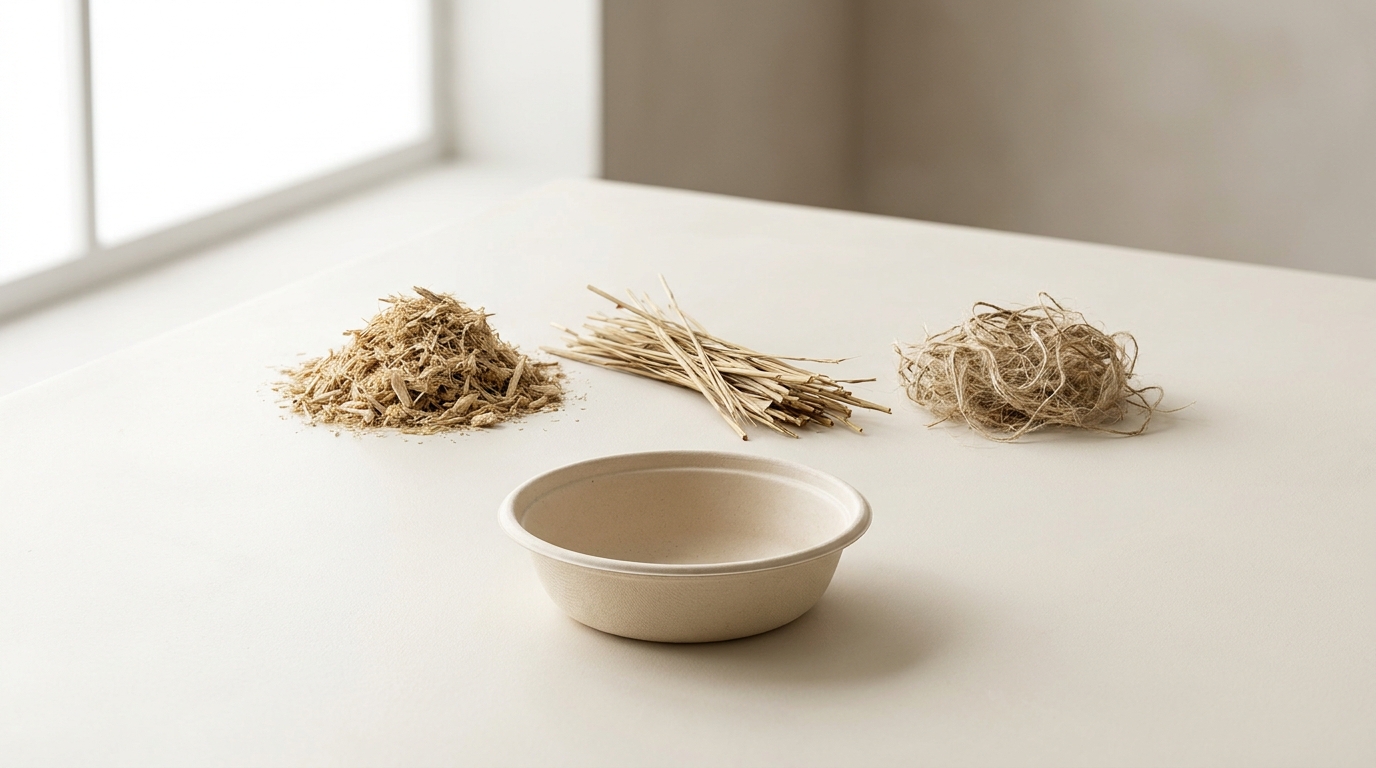
Why a blended plant fiber rather than a single source

  • The blend is tuned to the part. A deep-draw insert and a flat tray need different fiber behavior. A blended furnish can be adjusted toward formability or toward strength without changing the material designation.
  • Mid-range fiber length. At 1.0 to 2.0 mm, plant fibers flow into mold detail better than long softwood and carry more load than short recycled fiber.
  • Agricultural residue base. Most of the sources are byproducts of food or crop production rather than material grown for packaging, which keeps the land-use argument clean.
  • Pale natural tone. Lighter than recycled fiber and warmer than bleached, which reads as organic without any bleaching stage.
  • Supply resilience. Multiple qualifying sources means less exposure to a single crop, a single season, or a single regional price movement.
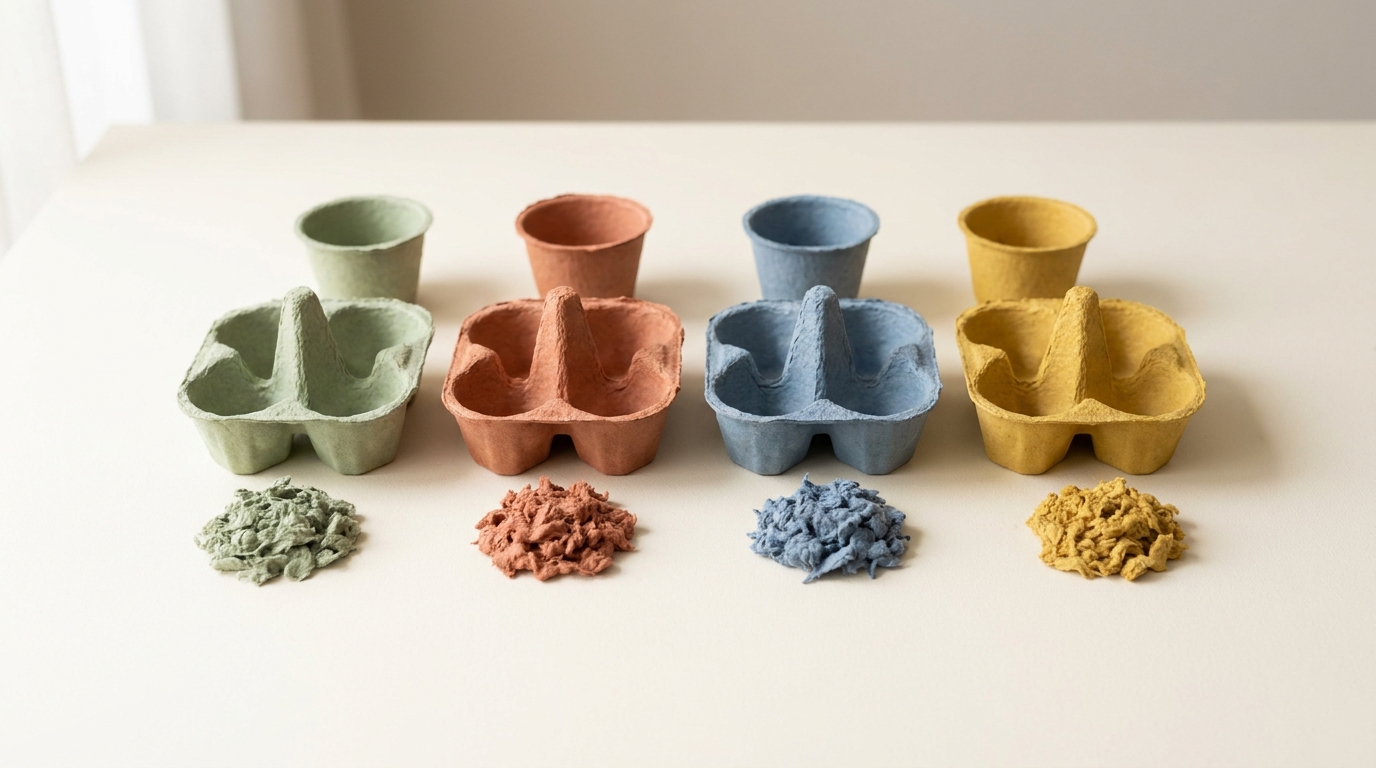
  • Takes pigment predictably. The paler base gives better color reproduction than recycled fiber, without the cost of bleaching.

Sugarcane bagasse is the most commonly used component. It is the fibrous residue left after sugar extraction, available in very large volumes as a byproduct, with fibers around 1.0 to 1.7 mm that form a smooth pale surface. It is the reason these parts tend to look better than their cost suggests.

The honest limitation of a blended material is batch-to-batch variation. A single-source fiber behaves predictably. A blend whose composition shifts with availability needs process control to deliver consistent parts, which is managed through furnish testing rather than assumed.

仕様表

仕様 詳細
材料名 天然植物繊維
素材タイプ Blended non-wood plant cellulose
Typical Components Sugarcane bagasse, reed, grass, agricultural cellulose
平均繊維長 1.0 to 2.0 mm
Bagasse Fiber Length 1.0 to 1.7 mm
ナチュラルカラー Pale natural, warm tone
表面仕上げ Smooth to lightly textured
相対力 ミディアム
代表的な壁厚 1.0~4.0 mm
プロセスの互換性 湿式プレス、乾式プレス、トランスファー成形
成形パルプの種類 タイプ1、タイプ2、タイプ4
堆肥化可能性 EN 13432 および ASTM D6400(コーティングなし)の化学的要件を満たしています
リサイクル性 ほとんどの用紙種別で、非コート紙として受け入れられます
食品との接触 Confirm the specific blend against your market requirement
カラーオプション Natural; takes pigment well on a pale base
Blend Consistency Managed by furnish testing per batch
相対コスト ミディアム

Where natural plant fiber fits

General purpose protective packaging. This is the default material for parts that need reasonable strength, acceptable appearance, and moderate cost, which describes a large share of molded pulp work. Electronics inserts, consumer goods trays, and transit protection all sit here.

Food service and produce. Bagasse in particular has an established record in food service, where the smooth pale surface and the agricultural residue origin both work in the product’s favor.

Brands with an agricultural story. Where a buyer wants packaging that visibly comes from plants rather than from trees or from waste paper, the natural tone and the crop-residue origin support that positioning directly.

Cost-sensitive parts that still need to look reasonable. Recycled fiber is cheaper and grays. Bleached is cleaner and costs considerably more. This material sits between them, which is frequently the right place to be.

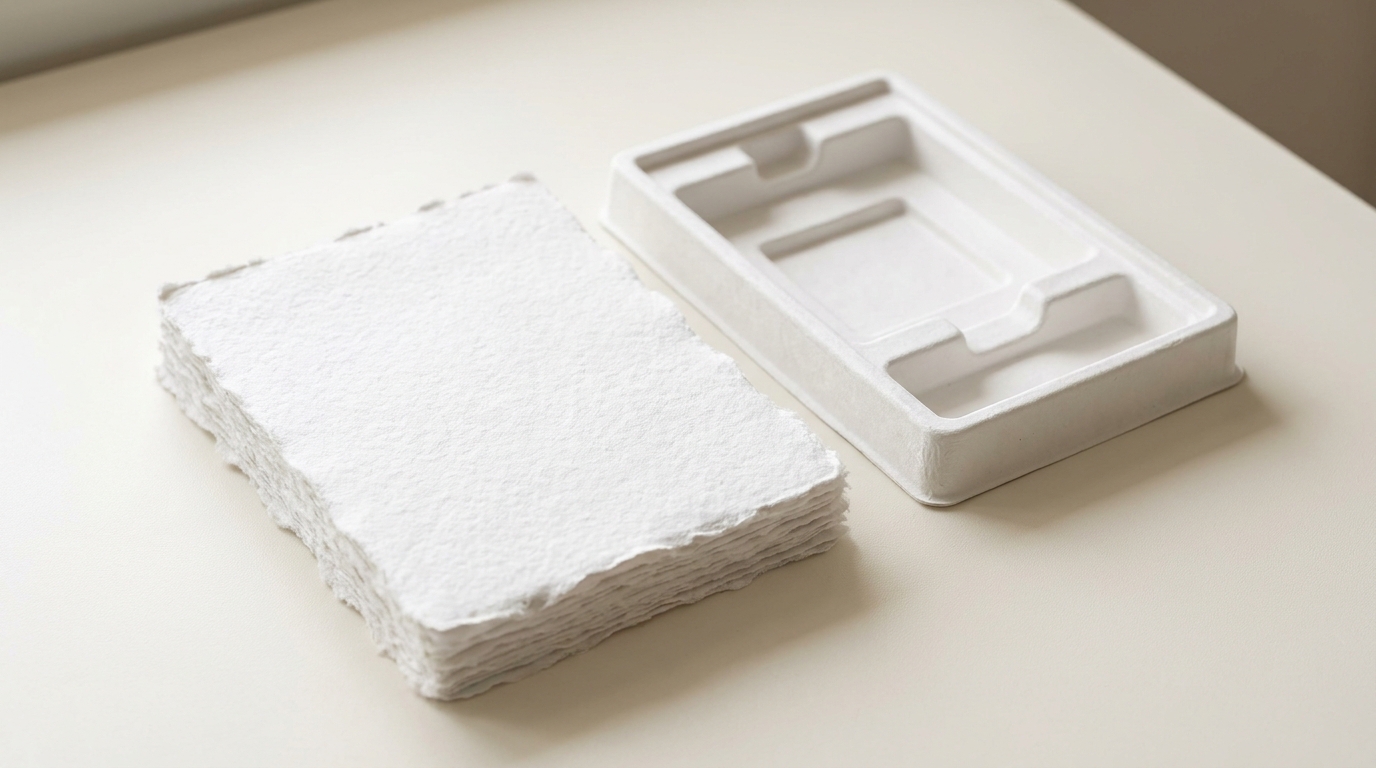
Where it is the wrong call: parts carrying heavy compression, which need 堆肥化クラフト紙 または 竹繊維, and parts requiring a true white or direct food contact clearance, which need 晒しパルプ.

Buyers who want a single, traceable agricultural source rather than a blend should look at 藁繊維, which is the same family with a defined origin.

よくある質問 (FAQ)

What exactly is in your natural plant fiber blend?
It varies by part and by season, and sugarcane bagasse is usually the largest component. Reed, grass, and other agricultural cellulose make up the balance depending on what the application needs and what is available. If your specification or your customer requires a declared single origin, tell us and we will quote a defined-source material instead of a blend.
It would, without control. Each incoming batch is tested and the furnish is adjusted so the formed part meets the same specification regardless of composition shifts. The thing to ask any supplier offering a blended material is how they test incoming fiber, not whether the blend is fixed. A fixed blend with no testing is less reliable than a managed one.
Not as strong as virgin softwood, which has considerably longer fibers. It sits above recycled paper pulp and below bamboo and kraft. For the majority of protective packaging the difference does not govern the design, because wall thickness and geometry carry more of the performance than the fiber choice does. For load-critical parts it does govern, and we would specify differently.
It follows the sugarcane harvest, so supply is seasonal at origin and is managed through stock rather than through continuous production. This is one of the practical reasons we work with a blend: it reduces exposure to any single crop cycle. For a large recurring order we plan material availability against your schedule at quotation.
Reasonably well. The mid-range fiber length flows into detail better than long softwood fiber does, so embossed marks and text reproduce cleanly down to around 4 mm type height. Below that, fiber size becomes the limit regardless of which material you choose, which is a constraint of molded pulp rather than of this fiber.
材料名

天然植物繊維

素材タイプ

再生可能な天然繊維

プロセスの互換性

ボニトパック包装資材

当社のパッケージング・ソリューションは、サトウキビ繊維、竹、再生紙パルプなどの持続可能な素材から作られており、さまざまな製品に環境に優しく生分解性のオプションを提供しています。

生分解性クラフト紙は、当社が製造する繊維製品の中で最も強度が高いものです。バージン

着色パルプは、独立した繊維ではありません。これは、当社の

部品が以下の条件を満たす必要がある場合は、漂白パルプを指定する必要があります。

天然植物繊維とは、当社がブレンドに用いる、木材以外のセルロース源を指します。

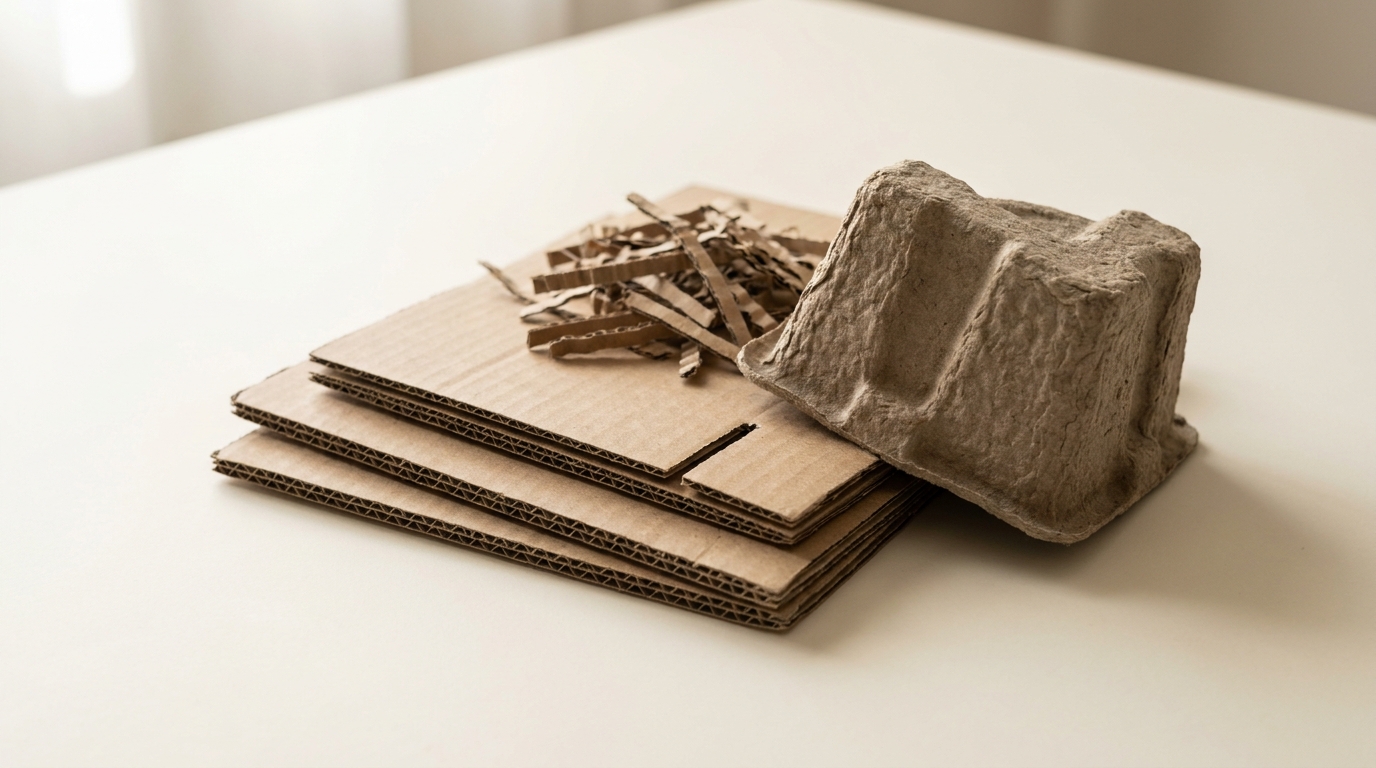
成形パルプ材料としての段ボール紙とは、回収された段ボール箱を再パルプ化したものを指す。

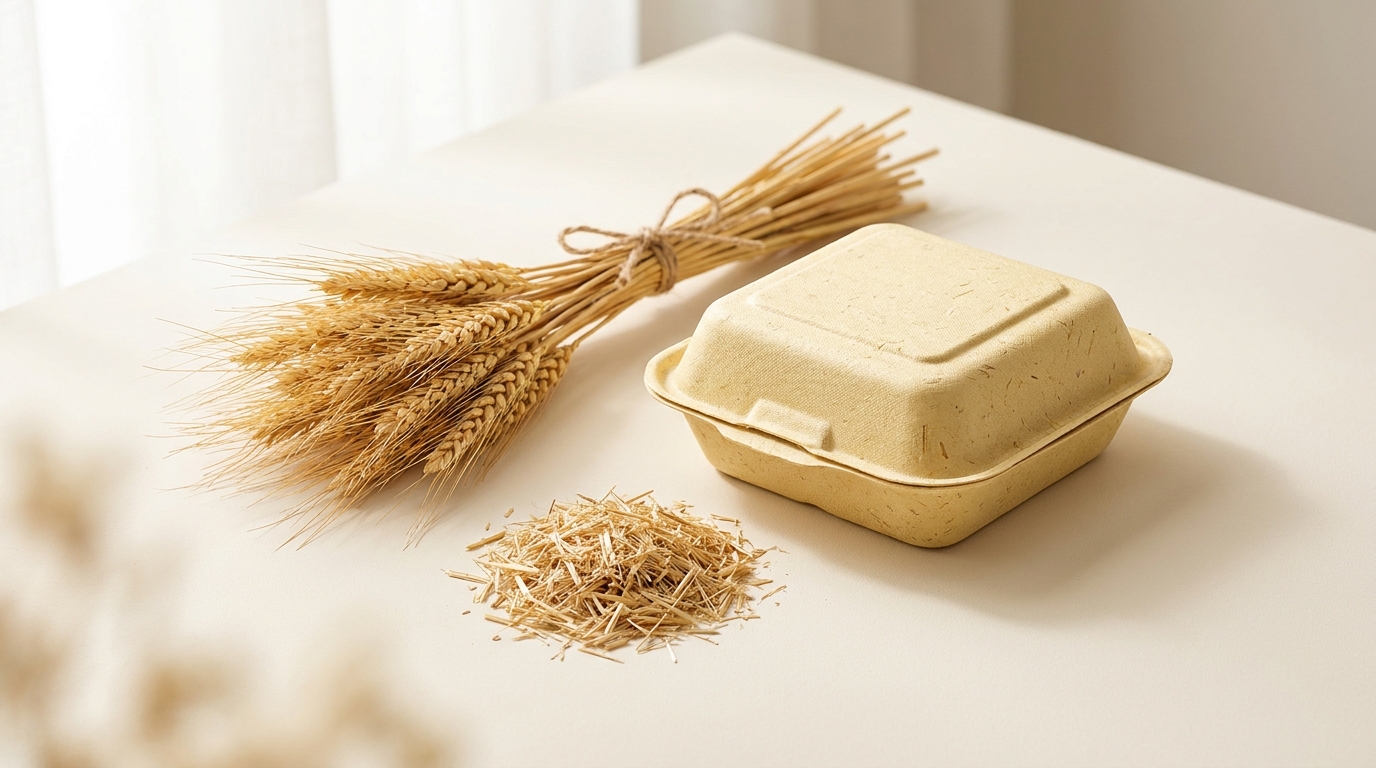
わら繊維は、穀物の収穫後に残る茎から作られる素材です。

製品カテゴリー

成型パルプトレイ、食品包装、カスタムデザイン、持続可能なオプションなど、Bonitopakの多様なパッケージングソリューションをご覧ください。各カテゴリーは、耐久性、機能性、環境への責任を考慮し、お客様の特定のニーズに合わせて作られています。
あなたのプロジェクトを向上させる準備はできていますか?

BonitoPakでデザインに命を吹き込もう

BonitoPakで精密なエンジニアリングを体験してください。詳細なプロトタイプから大量生産まで、お客様のコンセプトを現実にします。今すぐお問い合わせください!

関連記事と洞察

持続可能なパッケージングのトレンド、業界の洞察、専門家のヒントに関する最新情報をブログでお届けします。革新的なアイデアやソリューションを探求し、パッケージングの知識を深めましょう。

By Leo Chan, Senior Packaging Consultant · November 14, 2026 Molded fiber food containers are

By Leo Chan, Senior Packaging Consultant · November 14, 2026 Yes, egg cartons are compostable

By Leo Chan, Senior Packaging Consultant · November 14, 2026 The molded pulp packaging market

詳細フォーム