Pasta de madera

Wood pulp is the engineered option in our range. Softwood supplies long fibers at 2.5 to 4.5 mm for structural strength; hardwood supplies short fibers at 0.8 to 1.2 mm that fill mold detail and smooth the surface. Blending the two lets us tune a single material toward strength or toward definition depending on what the part needs, which is why it handles precision work that no single-source fiber manages as well.

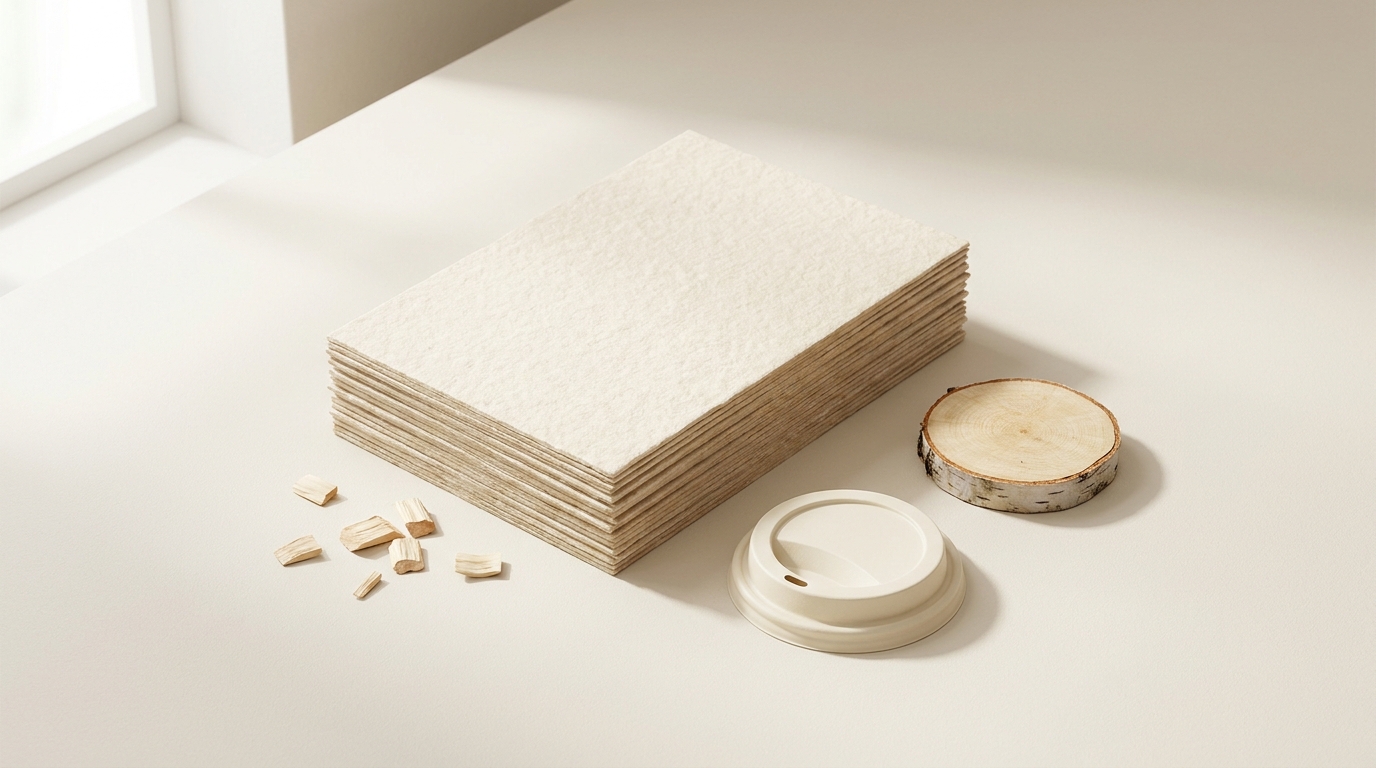
Why the softwood and hardwood blend matters

  • Two fiber lengths doing two jobs. Long softwood fiber builds the load-carrying network. Short hardwood fiber flows into detail that long fiber bridges over. One material, both properties.
  • Adjustable ratio. A deep structural part shifts the blend toward softwood. A fine-detail Type 3 part shifts toward hardwood. The specification moves with the application rather than forcing a compromise.
  • Best detail reproduction in the range. Hardwood fiber at under 1.2 mm reaches into mold features that agricultural and recycled fibers cannot fill cleanly.
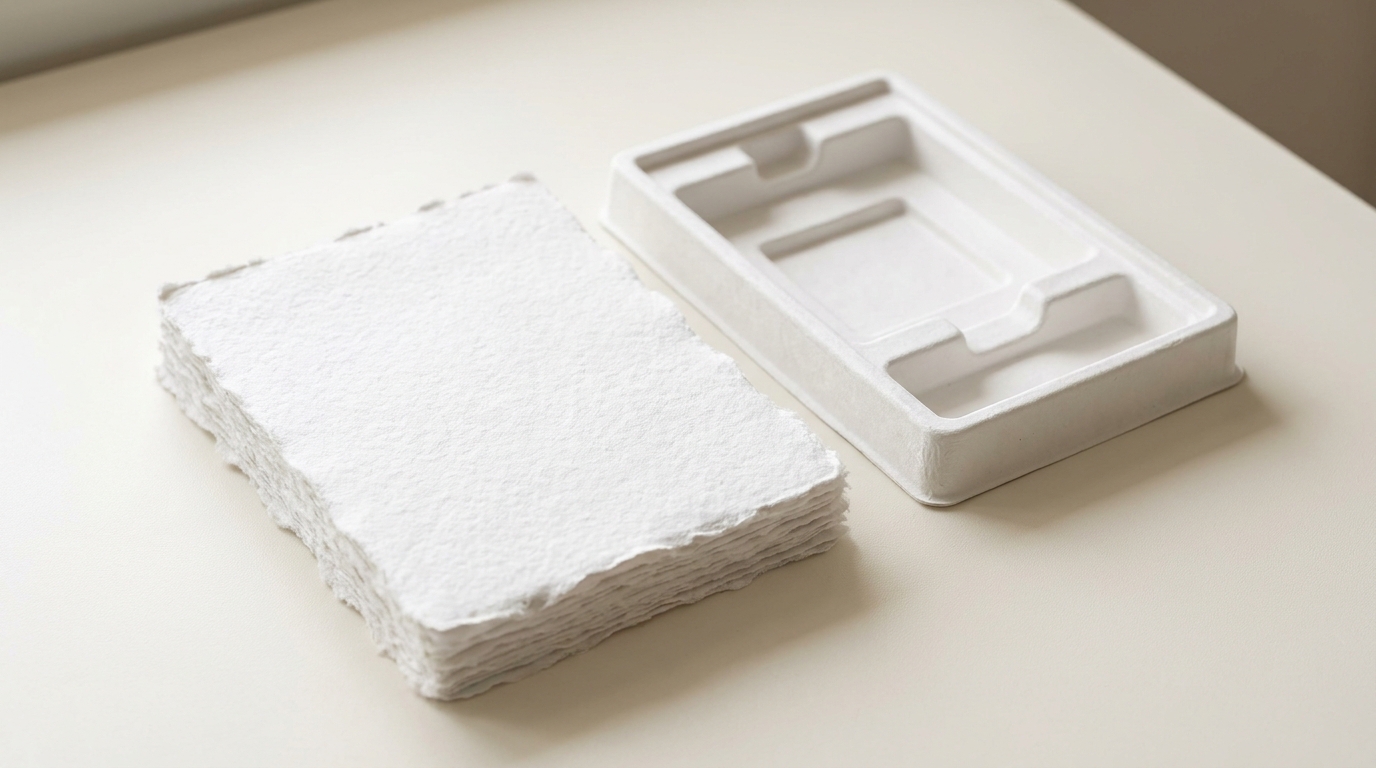
  • Pale natural tone. Lighter than kraft and considerably lighter than recycled, which gives a clean finish without a bleaching stage.
  • Chain of custody available. FSC and PEFC certification can be supplied where your customer or your reporting requires documented forest sourcing.
  • Dimensional consistency. Virgin fiber with controlled composition drains predictably on the forming screen, which is what tight dimensional tolerance actually depends on.

Hardwood and softwood differ because the trees do. Softwoods such as pine and spruce have long tracheid cells that evolved to carry water up tall trunks. Hardwoods such as eucalyptus and birch have shorter vessel and fiber cells. Neither is better; they do different work, and almost every high-quality paper and molded fiber product uses both.

The cost position is at the upper end, since this is virgin fiber competing with every other use for the same wood. The argument for paying it is that a precision part in this material can often run thinner and tighter than the same part in a cheaper fiber, which recovers some of the difference.

Tabla de especificaciones

Especificación Detalles
Nombre del material Pasta de madera
Tipo de material Virgin softwood and hardwood blend
Softwood Fiber Length 2.5 to 4.5 mm
Hardwood Fiber Length 0.8 to 1.2 mm
Blend Ratio Adjusted to the application
Pulping Method Kraft (sulfate) chemical process
Color natural Pale natural; white if bleached
Acabado superficial Smooth, high definition
Fuerza relativa Alta
Detail Reproduction Best in the BonitoPak range
Espesor típico de la pared 0.8 to 4.0 mm
Compatibilidad de procesos Wet pressing, dry pressing, thermoformed fiber
Tipos de pasta moldeada Type 2, Type 3, Type 4
Compostabilidad Cumple con los requisitos químicos de la norma EN 13432 y la norma ASTM D6400 para productos sin recubrimiento
Reciclabilidad Accepted in paper streams uncoated
Contacto con los alimentos Use bleached variant; confirm for your market
Certificación FSC or PEFC chain of custody available on request
Coste relativo Medium-high

Where wood pulp earns its place

Precision inserts. Electronics, instruments, and any part where the product has to sit in a cavity with controlled clearance. Dimensional consistency and detail reproduction are what this material is for.

Type 3 thermoformed fiber parts. Cure-in-the-mold tooling, where heated molds press and densify the part to a smooth, almost plastic-like finish, needs a fiber that supports that surface. Wood pulp and pasta blanqueada are the two materials that justify the process.

Parts replacing vacuum-formed plastic trays. Brands switching from PET or PVC inserts expect the fiber version to hold the same cavity definition. Wood pulp is the material that gets closest.

Where chain of custody is required. Buyers reporting under a procurement policy that requires documented forest sourcing need certified virgin fiber, which agricultural and recycled streams cannot provide in the same form.

Where wood pulp is the wrong call: cost-driven volume parts, where pasta de papel reciclado o fibra de paja deliver the function far cheaper, and parts where maximum tear strength governs, where papel kraft compostable at full softwood is the better specification.

Buyers weighing virgin wood against a faster-renewing source should compare with fibra de bambú, which reaches similar strength on a three to five year growth cycle rather than a multi-decade one.

Preguntas más frecuentes (FAQ)

What is the difference between wood pulp and compostable kraft paper?
Both are virgin wood fiber pulped by the kraft process. Compostable kraft paper is softwood only and unbleached, which maximizes strength and produces a brown part. The blended version adds hardwood to the softwood for detail reproduction and a paler tone, trading some tear strength for definition and appearance. Choose kraft for maximum strength, wood pulp for precision.
A fiber longer than the feature it has to fill cannot bend into it, so it bridges across and leaves the detail soft or hollow underneath. Short fibers conform. This is why a 4 mm softwood fiber reproduces a rib poorly while a 1 mm hardwood fiber fills it. Blending gives you both behaviors in one furnish.
No, and the two claims should not be conflated. FSC chain of custody documents that the fiber came from responsibly managed forests with verified supply chain tracking. It says nothing about the carbon footprint of pulping, forming, drying, or shipping. If carbon is what you are reporting, that needs a separate assessment covering the whole production and transport path.
Tighter than any other fiber in our range, and still looser than injection molding. Molded fiber shrinks as it dries, and shrinkage varies slightly with wall thickness and geometry. We design tolerance into the tooling rather than promising plastic-level precision. If your part needs tolerances that pulp cannot hold, we will tell you at quotation.
It can be, with the right framing. Certified virgin fiber from managed forests is a renewable resource with documented chain of custody, and it produces parts strong enough to run thinner or survive more cycles than recycled equivalents. The weak position is using virgin fiber where recycled would have performed identically. Specify it where the performance requirement genuinely calls for it, and the policy argument holds.
Nombre del material

Pasta de madera

Tipo de material

Fibra vegetal sostenible

Compatibilidad de procesos

Materiales de envasado Bonitopak

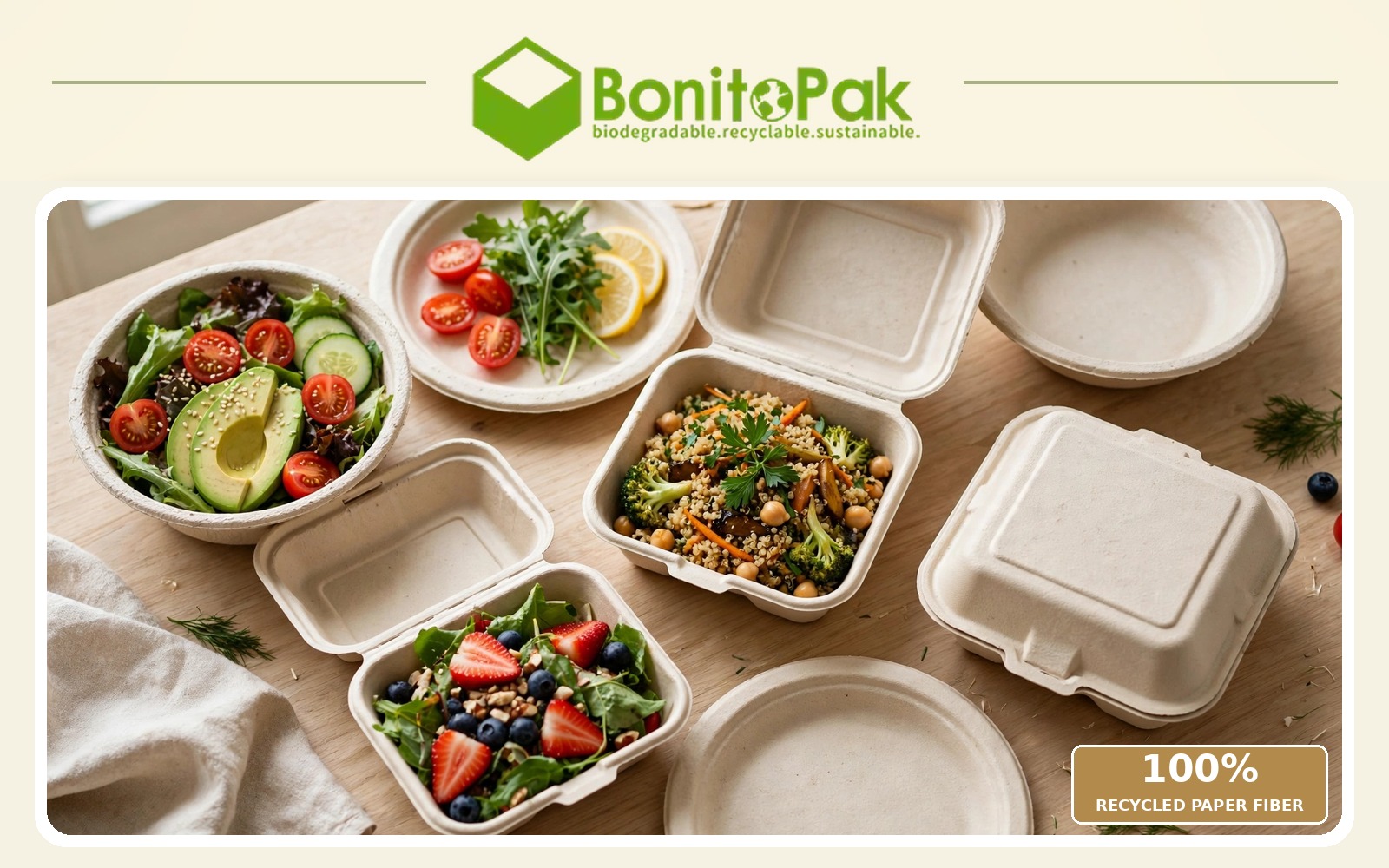
Nuestras soluciones de envasado están fabricadas con materiales sostenibles como fibra de caña de azúcar, bambú y pasta de papel reciclado, y ofrecen opciones ecológicas y biodegradables para una amplia gama de productos.

El papel kraft compostable es la fibra más resistente que fabricamos. Está elaborado a partir de materia prima virgen

La pulpa de color no es una fibra independiente. Se trata de cualquiera de nuestras

La pasta blanqueada es el material que hay que especificar cuando la pieza tiene que

El término «fibra vegetal natural» engloba las fuentes de celulosa no madereras que incorporamos a nuestra mezcla, aparte de la

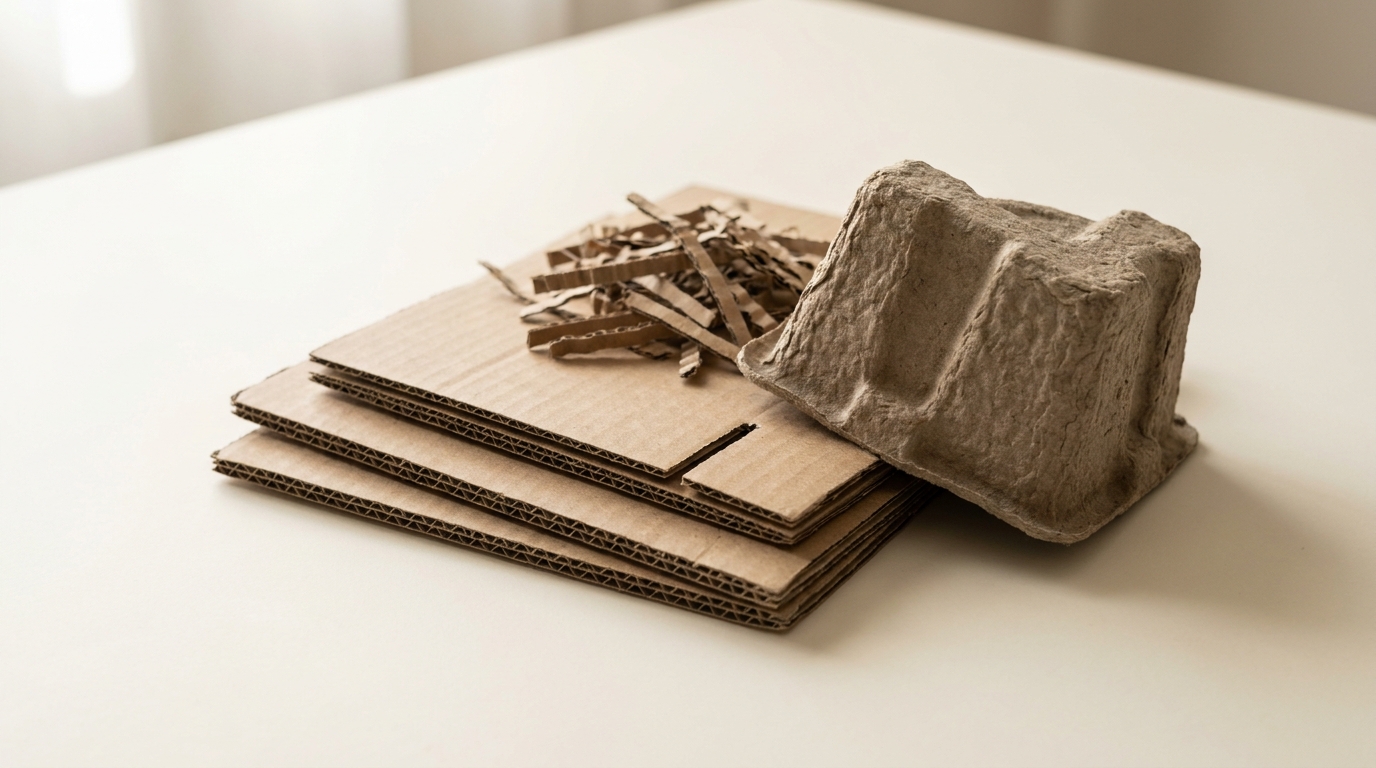
El papel ondulado, como material de pulpa moldeada, se refiere a las cajas de cartón recuperadas que se han vuelto a convertir en pulpa.

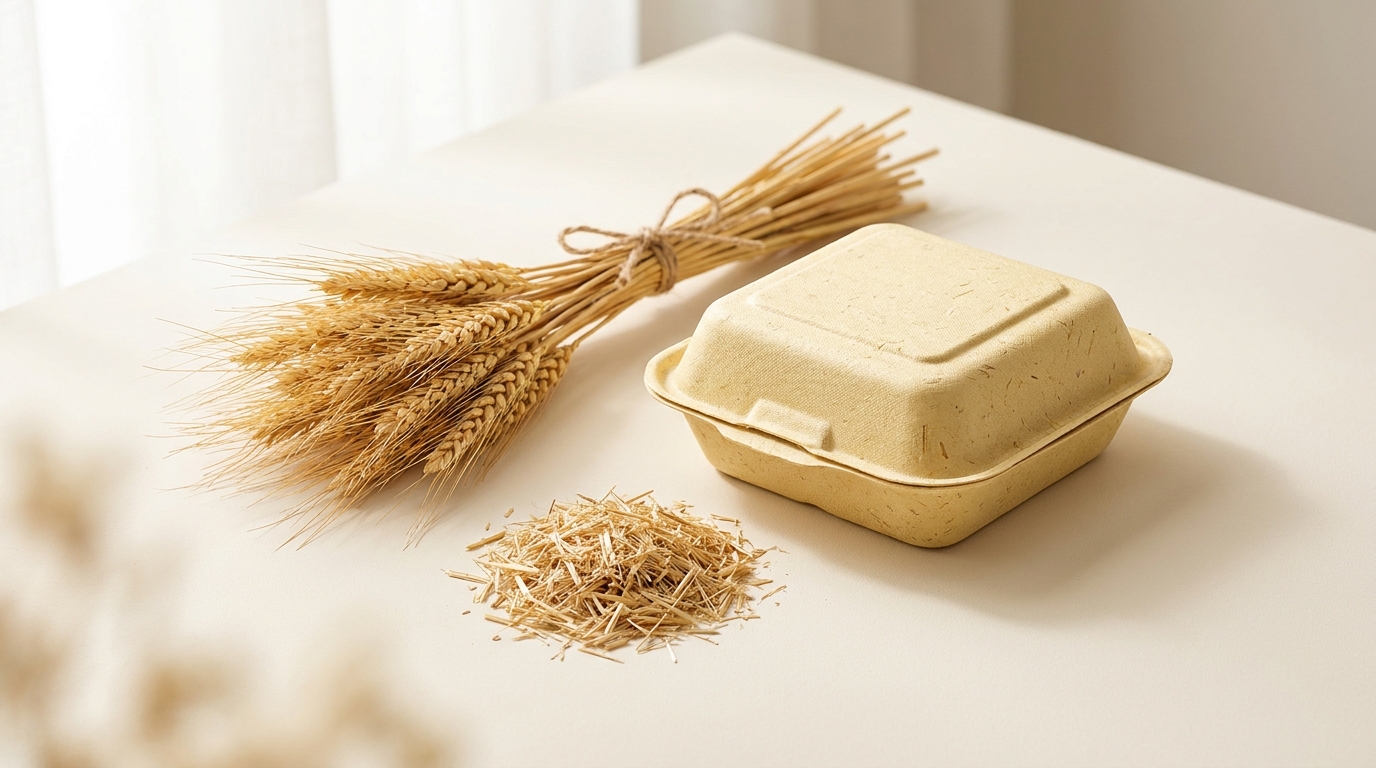
La fibra de paja se obtiene de los tallos que quedan tras la cosecha de cereales, un material

Nuestras categorías de productos

Descubra la variada gama de soluciones de envasado de Bonitopak, que incluye bandejas de pulpa moldeada, envases alimentarios, diseños personalizados y opciones sostenibles. Cada categoría está diseñada para ofrecer durabilidad, funcionalidad y responsabilidad medioambiental, y se adapta a sus necesidades específicas.
¿Listo para elevar su proyecto?

Dé vida a sus diseños con BonitoPak

Experimente la ingeniería de precisión con BonitoPak. Desde prototipos detallados hasta la producción de grandes volúmenes, estamos aquí para convertir sus conceptos en realidad. Póngase en contacto con nosotros hoy mismo para hablar de las necesidades de su proyecto.

Artículos relacionados

Manténgase informado con las últimas actualizaciones sobre tendencias en envases sostenibles, perspectivas del sector y consejos de expertos a través de nuestro blog. Explore ideas y soluciones innovadoras para mejorar sus conocimientos sobre envasado.

By Leo Chan, Senior Packaging Consultant · November 14, 2026 Molded fiber food containers are

By Leo Chan, Senior Packaging Consultant · November 14, 2026 Egg cartons are easy to

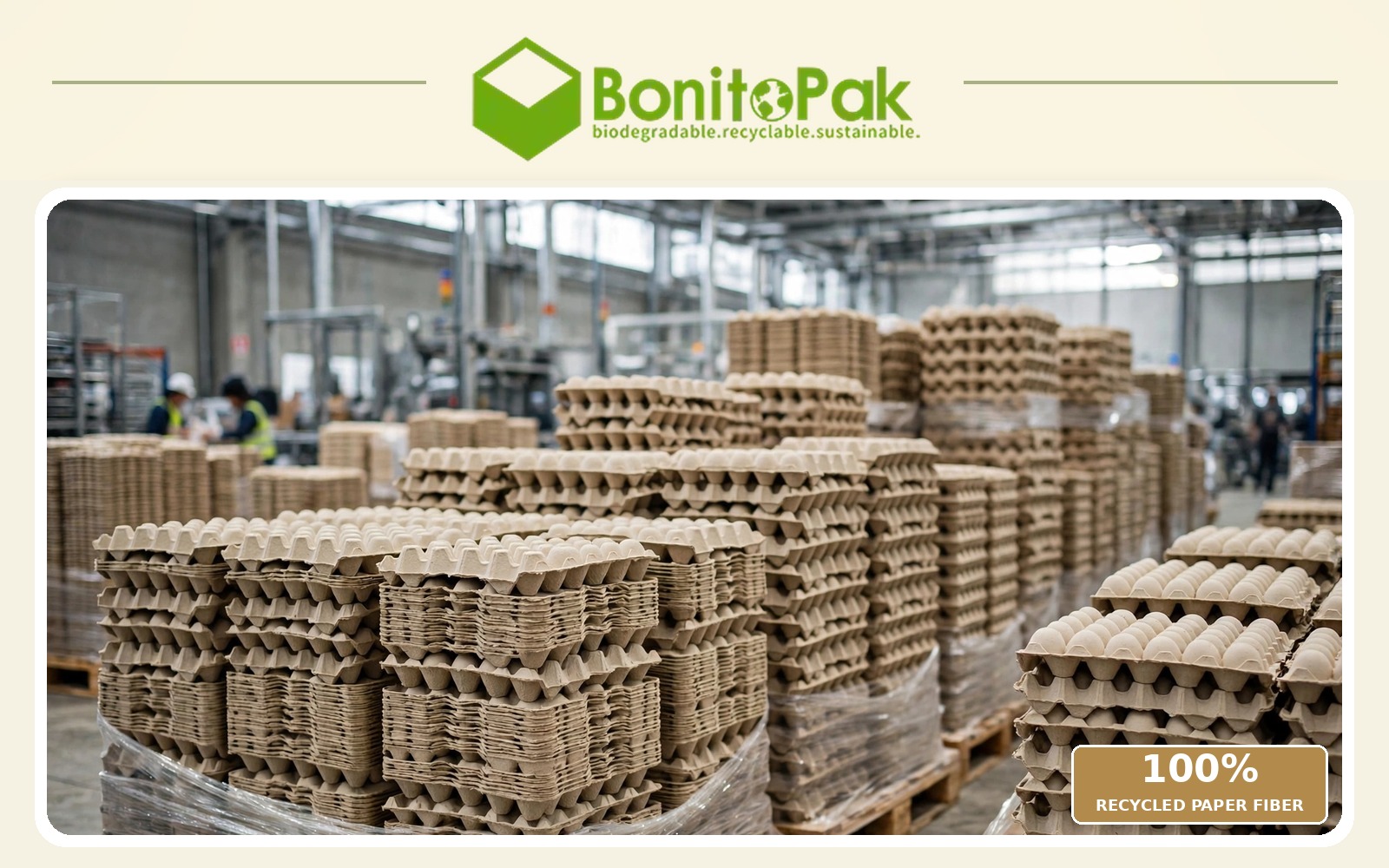
By Leo Chan, Senior Packaging Consultant · November 14, 2026 The molded pulp packaging market

Rellene este formulario detallado