Design und Anpassung für jeden Seifenstil
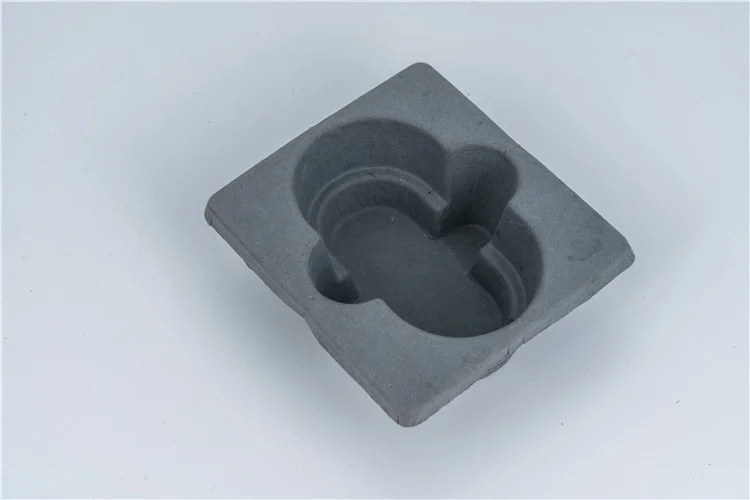
Die BonitoPak PM-126 Seifendose ist so konstruiert, dass sie perfekt zu Ihrem Stück passt - ganz gleich, ob Sie klassische ovale Seifenstücke, quadratische handwerkliche Stücke, Shampoo- oder Gesichtsreinigungsstücke herstellen. Das Innenprofil ist so gestaltet, dass es die Seife sanft umschließt und Abrieb verhindert, während die geschwungenen Fingeraussparungen eine einfache Entnahme ermöglichen. Wählen Sie ein zweiteiliges Set aus Boden und Deckel oder ein integriertes Scharnier mit Schnapplaschen für schnelles Verpacken auf der Linie. Die Belüftung ist individuell anpassbar: Fügen Sie diskrete Löcher, Kanäle oder ein abnehmbares Abflusspolster aus Fasern hinzu, um die Bar anzuheben und einen Luftstrom zu ermöglichen. Auf diese Weise trocknen die Seifen zwischen den Anwendungen schneller und kommen auch nach langem Transport stabil an.
Materialien, die Haut und Umwelt schonen
Die aus recyceltem Papier und landwirtschaftlichen Fasern hergestellte Seifenkiste enthält keine Kunststofflaminate, Schaumstoffe oder scharfe Chemikalien. Die Oberfläche fühlt sich glatt an - ideal für Premium-Bad- und Körpermarken - und lässt sich vollständig in Papierströmen recyceln. Für Marken, die ein Zero-Waste-Ziel anstreben, kann die Box unter geeigneten Bedingungen zu Hause kompostiert werden, so dass sie ohne Rückstände in die Natur zurückkehrt. Pigmente auf Wasserbasis ermöglichen die Anpassung an Pantone-Farben, während die Recyclingfähigkeit erhalten bleibt.
Einzelhandelspräsenz mit natürlichem Aussehen
Prägen Sie Ihren Markennamen, Duftsymbole oder Gebrauchsabbildungen direkt in den Deckel, um ein hochwertiges, minimalistisches Erscheinungsbild ohne zusätzliche Etiketten zu erzielen. Kombinieren Sie die Pulp-Box mit einer Papierbanderole oder einer Hülle für Storytelling und Zutaten. Die starre Geometrie schützt den Riegel bei der Handhabung und widersteht der Kompression im E-Commerce. Da sich die Hälften eng aneinander schmiegen, wird das Versandvolumen minimiert, wodurch Logistikkosten und Emissionen gesenkt werden.
Produktion, Qualität und Vorlaufzeit
Wir beginnen mit Ihren Stangenabmessungen oder CAD-Daten. Nach einer kurzen DFM-Prüfung stellen wir polierte Werkzeuge her, um saubere Kanten und eine gleichmäßige Passform zu erreichen. Die typische Toleranz beträgt ±0,5 mm. Musterformen und erste Artikel werden in etwa 10 Tagen geliefert, die Massenproduktion erfolgt in der Regel 15-25 Tage nach der Freigabe. Die Mindestbestellmenge beträgt 5000 Stück pro Design/Farbe. Wir bieten eine exportfertige Verpackung und können die Versandbedingungen EXW/FOB/CIF koordinieren.
Anwendungsfälle außerhalb des Bades
Die Seifendose aus Zellstoff eignet sich auch als kompaktes, plastikfreies Etui für feste Shampoos, Pflegespülungen, Reisesets, Hotelzubehör oder ökologische Geschenksets. Mit einer herausnehmbaren Einlage kann sie Wattepads oder kleine Hautpflegeartikel aufnehmen und hilft Ihnen, eine zusammenhängende Familie nachhaltiger Körperpflegeverpackungen zu schaffen.
FAQs
F1: Ist die Seifenkiste sicher für den direkten Kontakt mit Kosmetikprodukten?
A: Ja. Es wird aus Papierzellstoff hergestellt, ohne Plastikfolie oder zugesetzte Chemikalien. Optionen für den Kontakt mit Lebensmitteln oder Kosmetika sind auf Anfrage erhältlich.
F2: Bleibt die Seife an der Dose haften?
A: Wir entwerfen Drainage- und Luftzirkulationselemente - Löcher, Kanäle oder ein Faserpolster -, um die Stange trocken zu halten und das Anhaften zu verringern.
F3: Kann ich mein Logo auf dem Deckel anbringen?
A: Auf jeden Fall. Wir unterstützen geprägte/geprägte Logos und können den Zellstoff in Ihrer Pantone-Farbe einfärben.
F4: Welche Größen können Sie herstellen?
A: Völlig individuell. Schicken Sie uns die Abmessungen Ihrer Stange, und wir werden den Hohlraum und die Struktur entsprechend anpassen.
F5: Wie haltbar ist der Karton für den Versand?
A: Die nassgepresste Struktur ist steif und stapelresistent. Wir können Rippen oder dickere Wände für E-Commerce und Langstrecken hinzufügen.
F6: Wie hoch ist der Mindestbestellwert und die Vorlaufzeit?
A: MOQ 5000 Stück. Muster in etwa 10 Tagen; Massenproduktion 15-25 Tage nach Genehmigung.
Sind Sie bereit, eine plastikfreie Seifenverpackung zu erstellen?
Geben Sie Größe, Farbe, Logo und Bestellmenge an. Wir entwerfen Ihre kompostierbare Seifenkiste, bemustern sie schnell und liefern pünktlich mit BonitoPak PM-126.