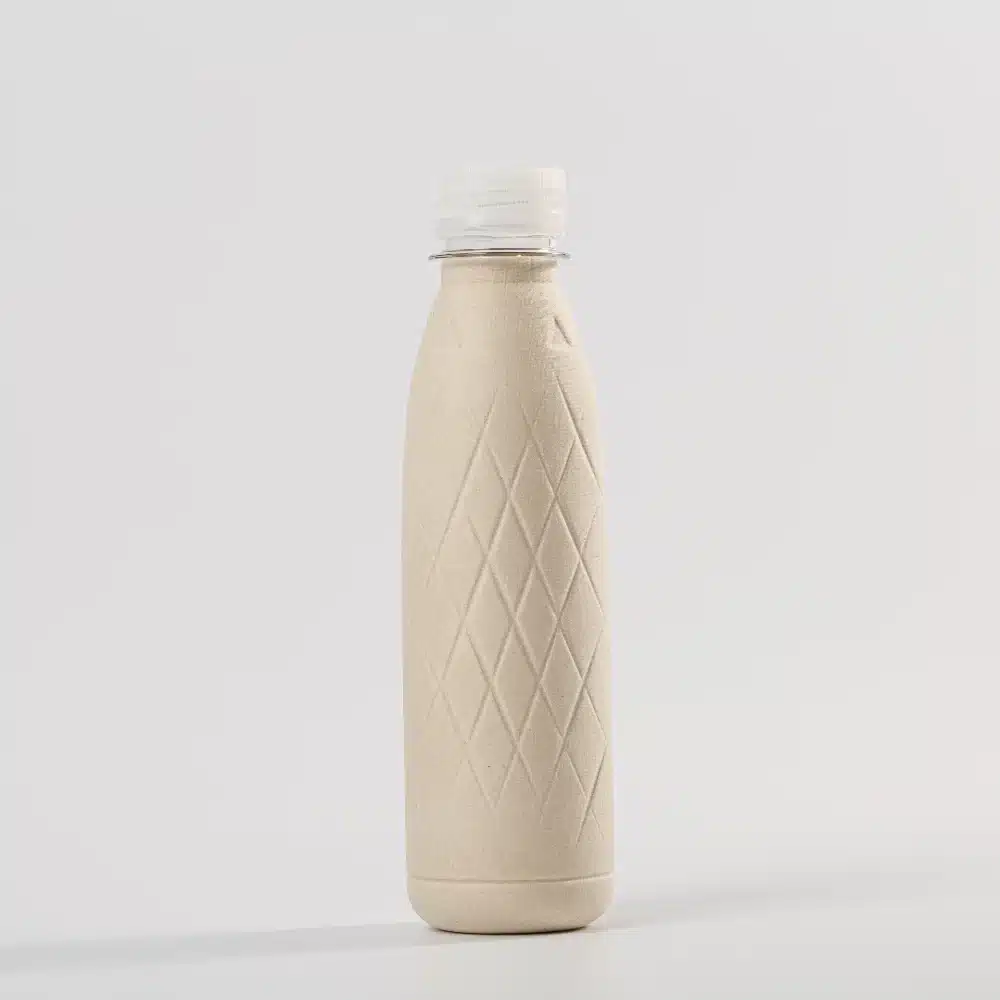
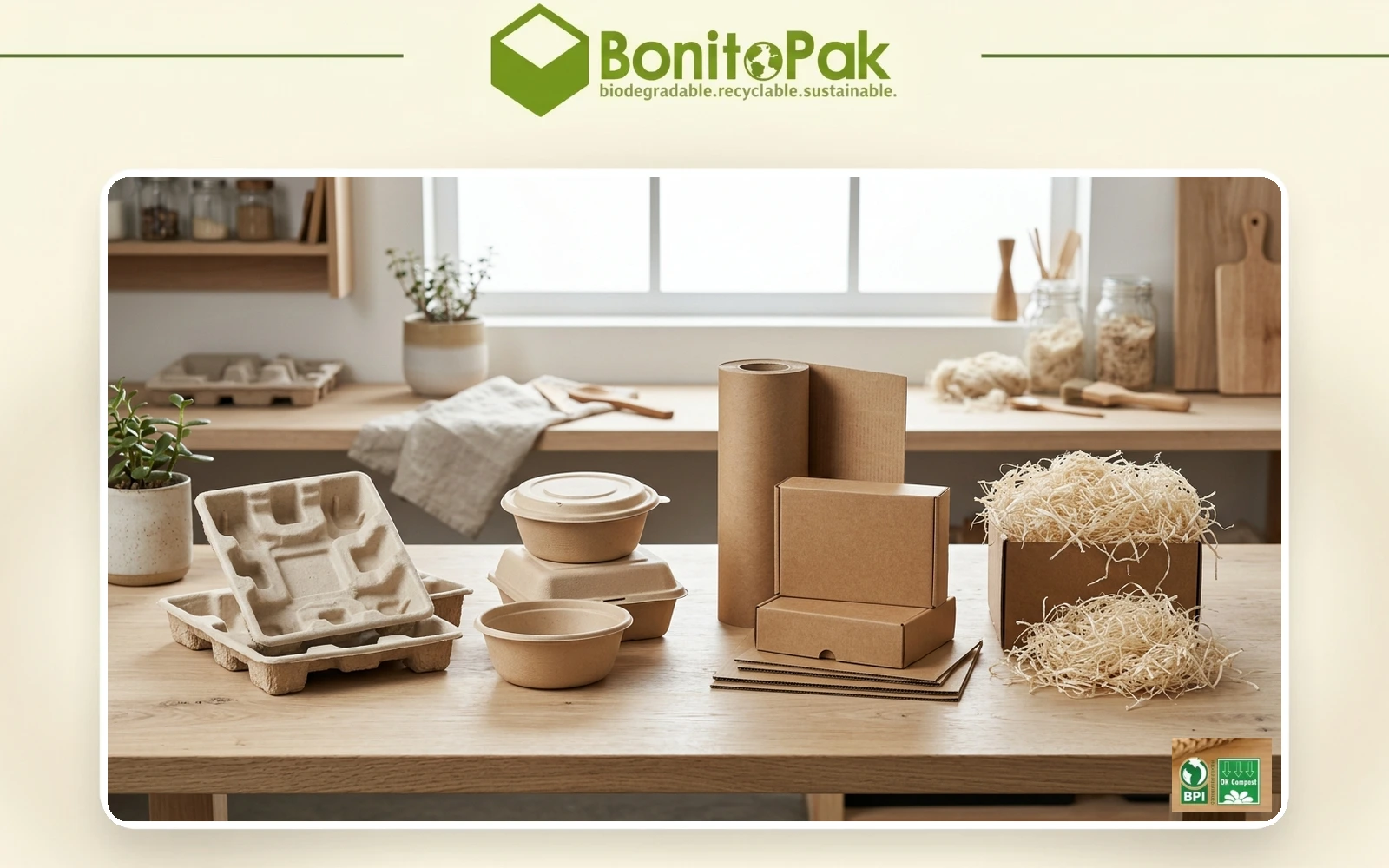
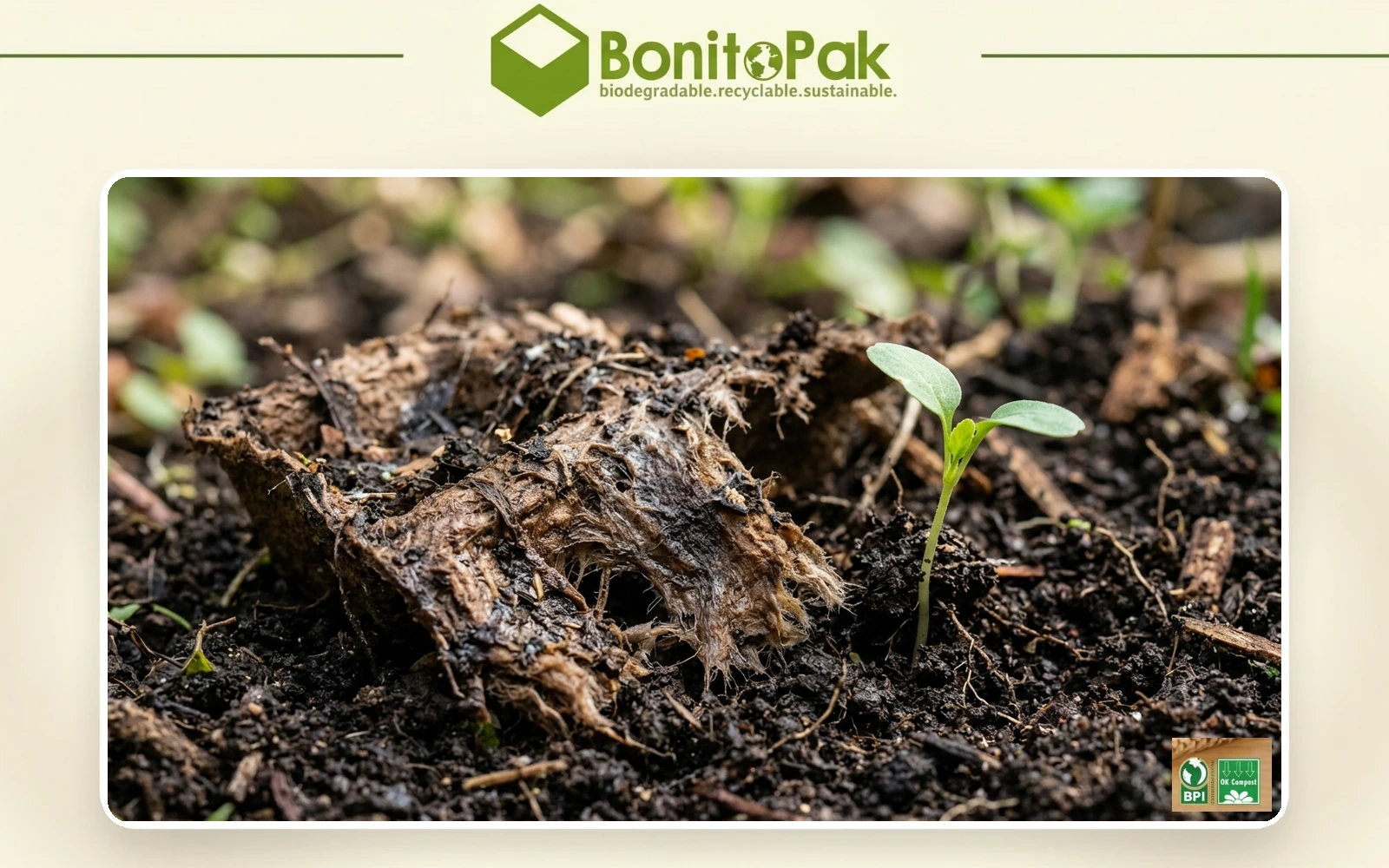
バガス、竹、再生紙などの生分解性素材を使用したウェットプレス加工は、滑らかな仕上がり、保護、クッション性、省スペースで環境に優しいパッケージを提供する。
プラスチックや発泡スチロールに代わる成型パルプ製品は、リサイクル可能で生分解性のオプションを提供します。特注の形状、色、環境に優しい表面加工も可能です。社内で試作と製造を行い、手頃な価格で持続可能なパッケージを提供します。
バガス、わら、竹から作られた植物繊維食器は、生分解性、堆肥化可能、防水性、耐油性、電子レンジ対応。認定を受け、リサイクル可能で、環境にやさしいスタッキングもできます。
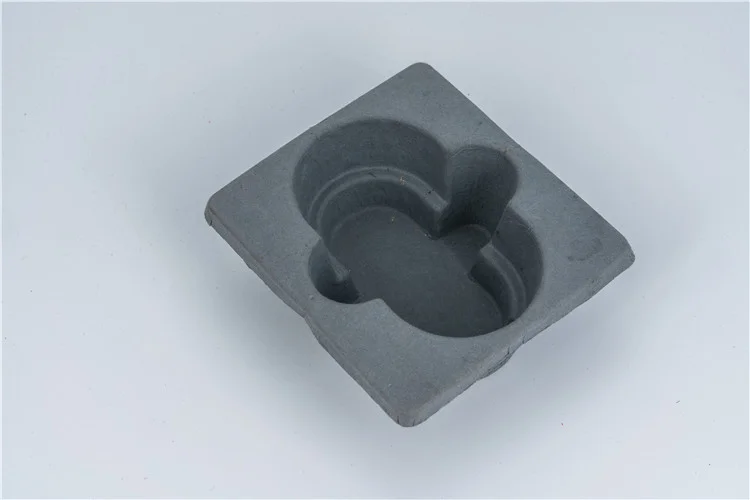
100%の再生材料から作られたドライプレス紙パルプトレーは、プラスチックに代わる環境にやさしく、費用対効果の高い製品です。クッション性、耐熱性、積み重ねが可能で、最大20%のスペースを節約できます。
ボニトパックは、95%の色精度で、ホワイト、ナチュラル、ブラックを含む6色の成形パルプを提供しています。環境にやさしい方法で、安全な漂白を実現しています。ナチュラルとホワイトは食品に最適で、その他はトレイ包装に適しています。
Egg trays fail when eggs are supported at isolated contact points instead of along their natural curvature. Poorly designed molds create stress concentrations that increase cracking during stacking and transport.
This mold uses controlled cradle geometry and consistent depth to distribute load evenly across each egg. When combined with stable nesting design, this significantly improves tray performance without increasing material usage.
Cavity geometry is developed based on egg size standards, stacking height, and transport conditions. Draft angles and flange dimensions are tuned to support smooth de-nesting and reduce line stoppages on automated equipment.
Tool layouts are created using 3D CAD, allowing optimization for cavity count, sheet utilization, and cycle time. Surface polishing and edge radiusing improve plastic flow and reduce stress marks, particularly when running recycled PET.
It is important to note that rPET variability can affect clarity and thickness consistency. In most cases, these issues are addressed through forming parameter adjustments rather than tooling changes.
Can this mold be customized for different egg sizes or tray counts?
Yes. Cavity dimensions and layout are customized based on egg size standards and packaging requirements.
What plastic materials can be used with this mold?
The mold is suitable for PET, rPET, and PS, depending on regulatory and cost considerations.
How does the mold affect tray nesting and de-nesting?
Draft angles and flange geometry are designed to control nesting depth and support reliable de-nesting on automated lines.
Is this mold suitable for recycled PET?
Yes, but forming parameters may need adjustment due to rPET sheet variability.
What is the typical tooling lead time?
Lead time depends on cavity count and complexity and begins after design approval.
If you are planning or upgrading plastic egg tray production and need tooling designed for stable output and real production conditions, request a quotation or technical review to confirm fit for your forming line.

Egg trays fail when eggs are supported at isolated contact points instead of along their natural curvature. Poorly designed molds create stress concentrations that increase cracking during stacking and transport.
This mold uses controlled cradle geometry and consistent depth to distribute load evenly across each egg. When combined with stable nesting design, this significantly improves tray performance without increasing material usage.
Cavity geometry is developed based on egg size standards, stacking height, and transport conditions. Draft angles and flange dimensions are tuned to support smooth de-nesting and reduce line stoppages on automated equipment.
Tool layouts are created using 3D CAD, allowing optimization for cavity count, sheet utilization, and cycle time. Surface polishing and edge radiusing improve plastic flow and reduce stress marks, particularly when running recycled PET.
It is important to note that rPET variability can affect clarity and thickness consistency. In most cases, these issues are addressed through forming parameter adjustments rather than tooling changes.
Can this mold be customized for different egg sizes or tray counts?
Yes. Cavity dimensions and layout are customized based on egg size standards and packaging requirements.
What plastic materials can be used with this mold?
The mold is suitable for PET, rPET, and PS, depending on regulatory and cost considerations.
How does the mold affect tray nesting and de-nesting?
Draft angles and flange geometry are designed to control nesting depth and support reliable de-nesting on automated lines.
Is this mold suitable for recycled PET?
Yes, but forming parameters may need adjustment due to rPET sheet variability.
What is the typical tooling lead time?
Lead time depends on cavity count and complexity and begins after design approval.
If you are planning or upgrading plastic egg tray production and need tooling designed for stable output and real production conditions, request a quotation or technical review to confirm fit for your forming line.
24時間以内に対応し、迅速で明確なコミュニケーション、オーダーメイドのソリューション、時間とコストを節約する効率的なサービスを提供します。
社内で設計、エンジニアリング、製造を行っているため、迅速な金型製作が可能で、サンプルは7日、生産用金型は8日で完成する。
当社の熟練したR&Dエンジニアは、設計、試作、金型製作に優れており、ブリスター、ブリキ缶、印刷箱など、完全なパッケージング・ソリューションを提供しています。
訓練を受けたスタッフが100%検査、抜き取り検査、品質管理を行い、高い水準を確保し、不良品を減らし、コストを削減する。
合理的な受注スケジュールを提供し、お客様と調整しながら問題を迅速に解決し、最善のソリューションを確保します。
経験豊富なアフターセールス・チームがスムーズなコミュニケーションを図り、交換や発送、配送に関する問題を解決し、クレームゼロを目指します。