製品紹介

様々な業界のユニークなニーズを満たすように設計された、高品質で環境に優しいパッケージング・ソリューションの幅広いラインナップをご覧ください。カスタムデザインから持続可能な素材まで、お客様の製品要件に最適なパッケージングオプションをお探しください。

素材:

再生紙
パッケージング:
卵パック
プロセス:
ウェット・プレス
色:
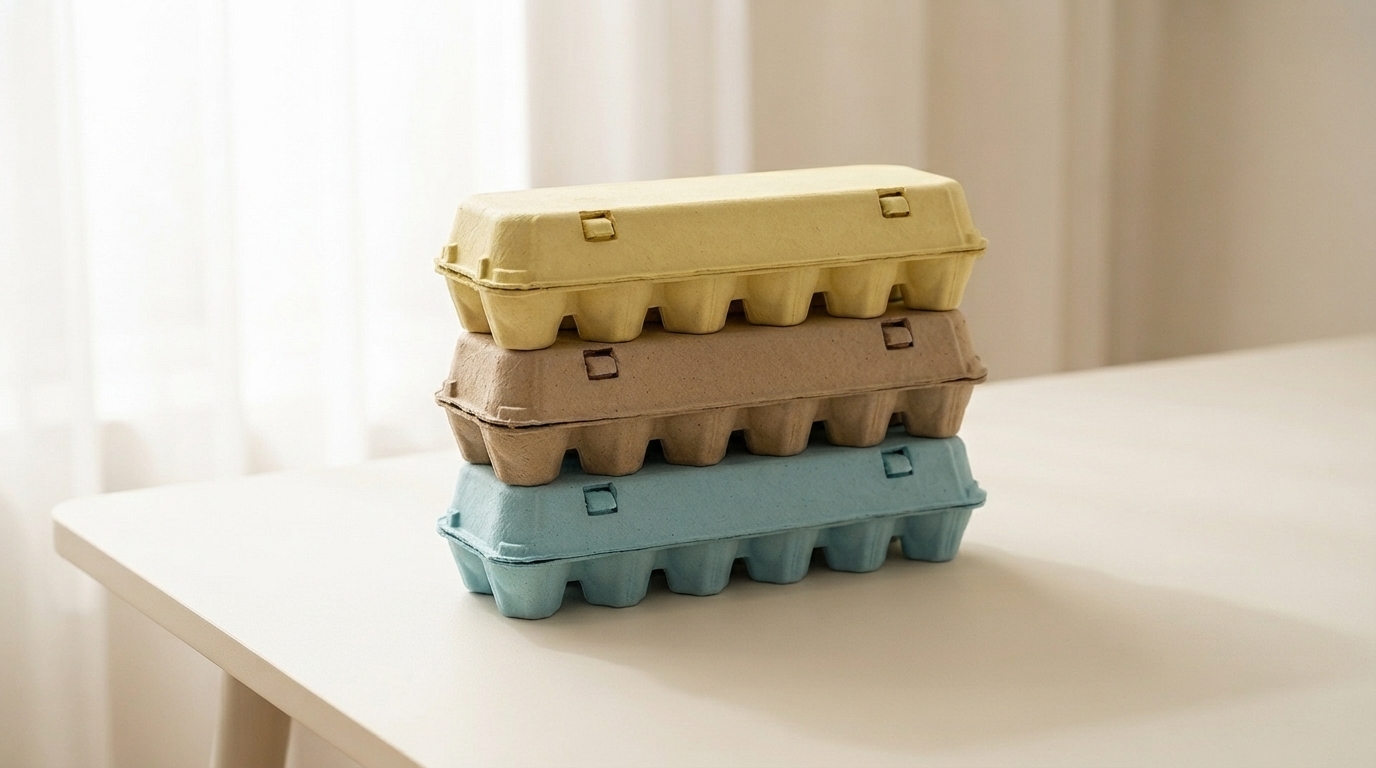
Multicolor

素材:

再生紙
パッケージング:
卵パック
プロセス:
ウェット・プレス
色:
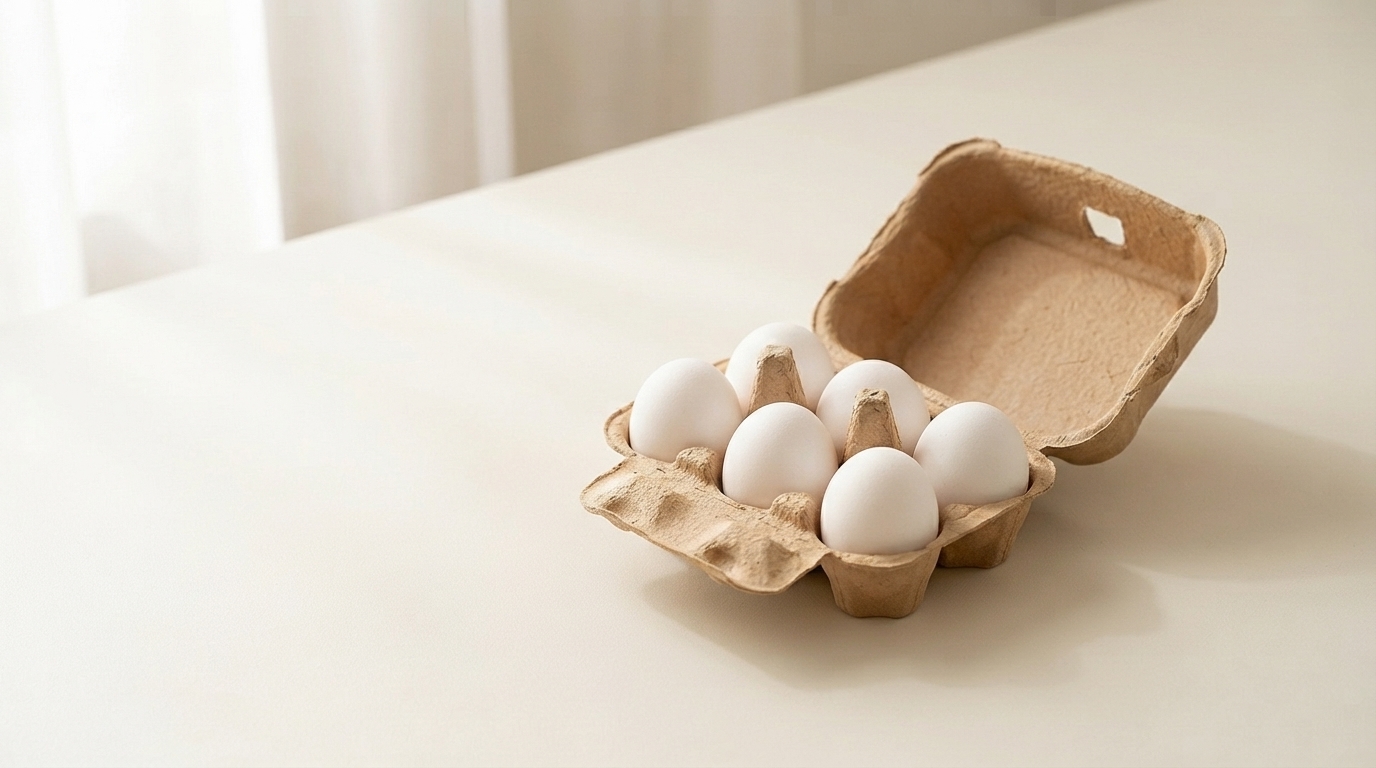
ナチュラル

素材:

再生紙
パッケージング:
Quail Egg Carton
プロセス:
ウェット・プレス
色:
ナチュラル

素材:

素材タイプ
パッケージング:
包装タイプ
プロセス:
プロセス一覧
色:
カラー・グレー
パレットに積み上げられた卵パック。蓋の補強部分がはっきりと見える

素材:

素材タイプ
パッケージング:
包装タイプ
プロセス:
プロセス一覧
色:
カラー・グレー

素材:

素材タイプ
パッケージング:
包装タイプ
プロセス:
プロセス一覧
色:
カラー・グレー

素材:

素材タイプ
パッケージング:
包装タイプ
プロセス:
プロセス一覧
色:
カラー・グレー
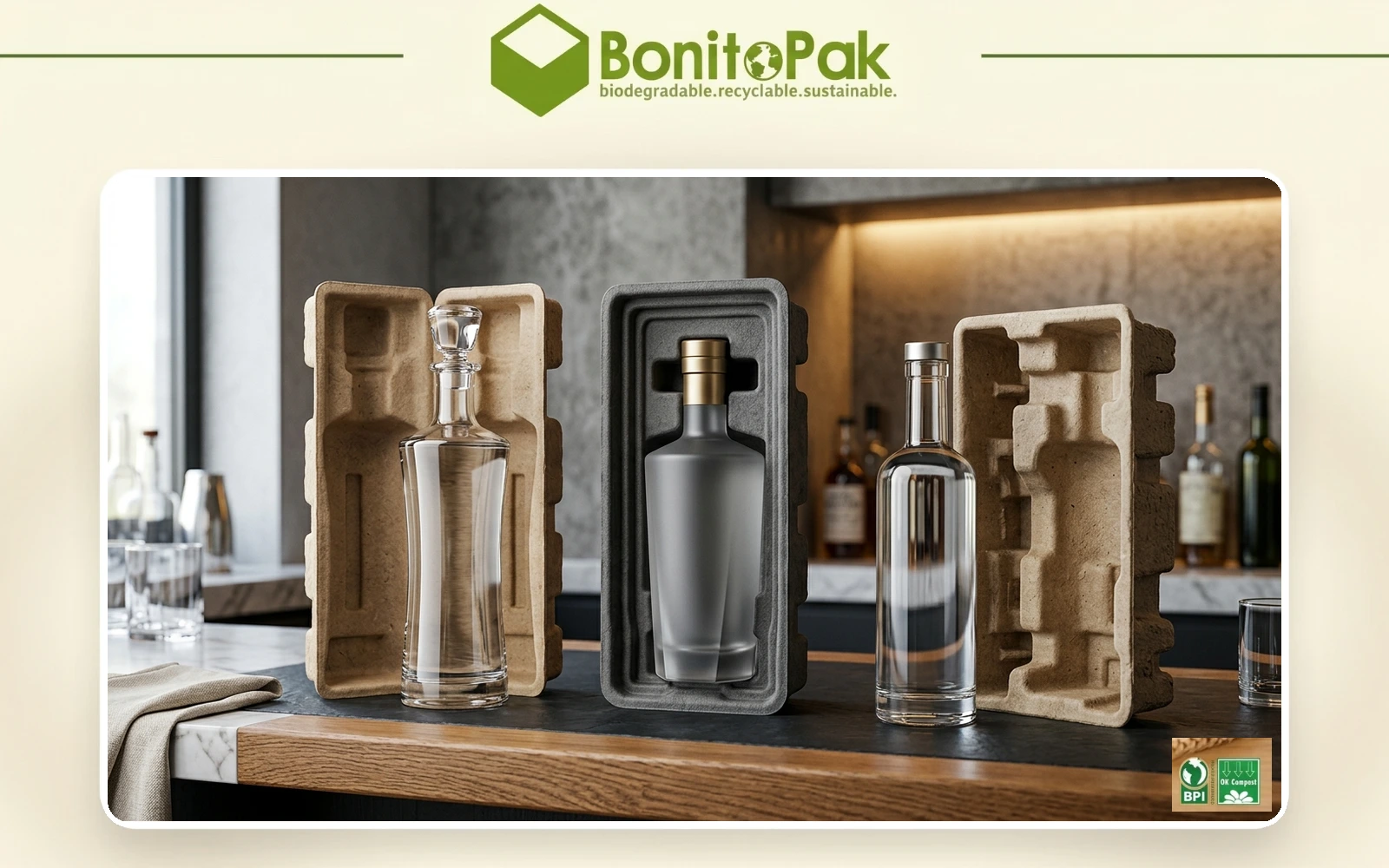
カスタム成形パルプワインシッパーインサート

素材:

素材タイプ
パッケージング:
包装タイプ
プロセス:
プロセス一覧
色:
カラー・グレー

素材:

素材タイプ
パッケージング:
包装タイプ
プロセス:
プロセス一覧
色:
カラー・グレー

素材:

素材タイプ
パッケージング:
包装タイプ
プロセス:
プロセス一覧
色:
カラー・グレー

製品カテゴリー

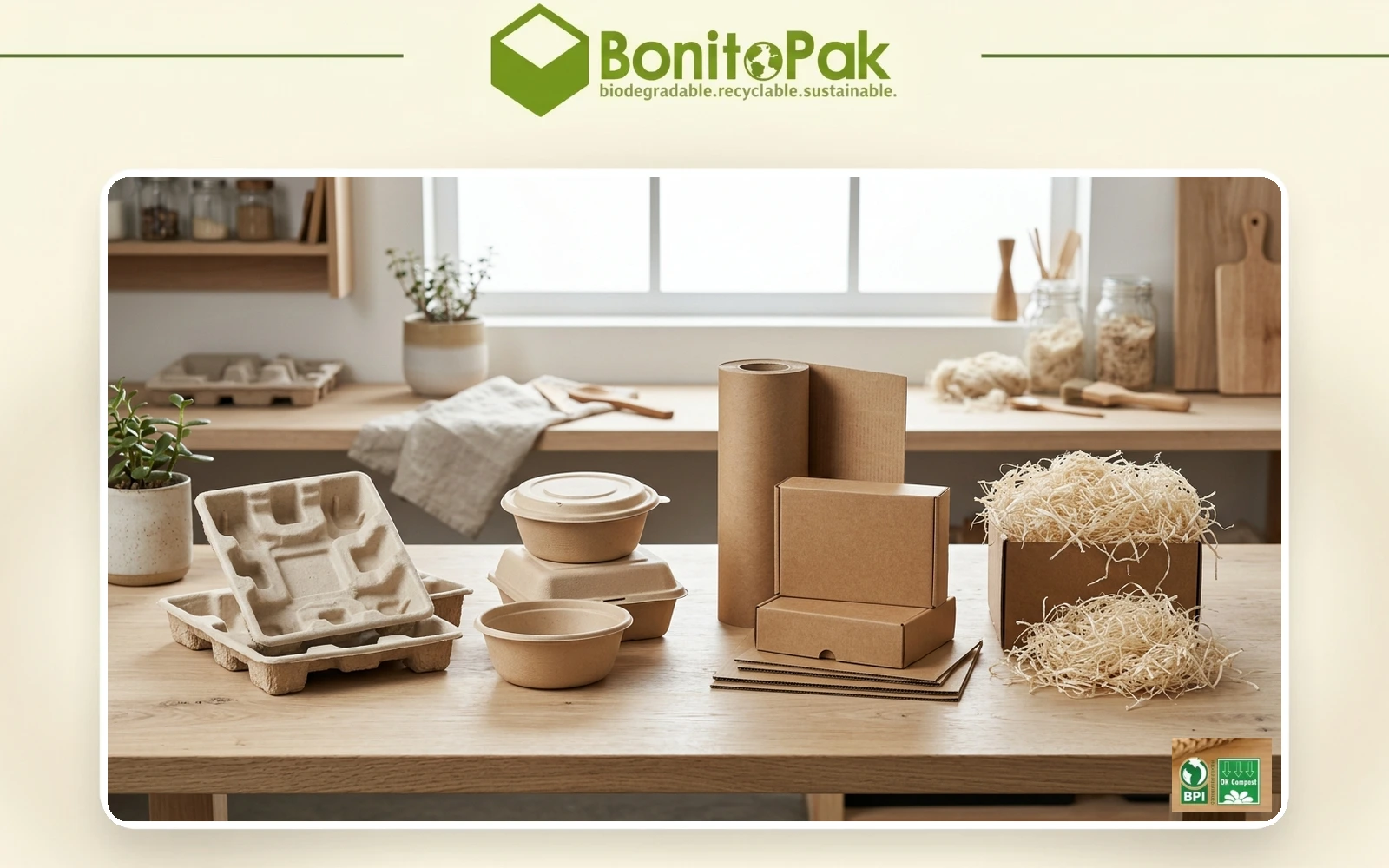
成型パルプトレイ、食品包装、カスタムデザイン、持続可能なオプションなど、Bonitopakの多様なパッケージングソリューションをご覧ください。各カテゴリーは、耐久性、機能性、環境への責任を考慮し、お客様の特定のニーズに合わせて作られています。

Two ways to color a pulp carton, and only one of them lasts

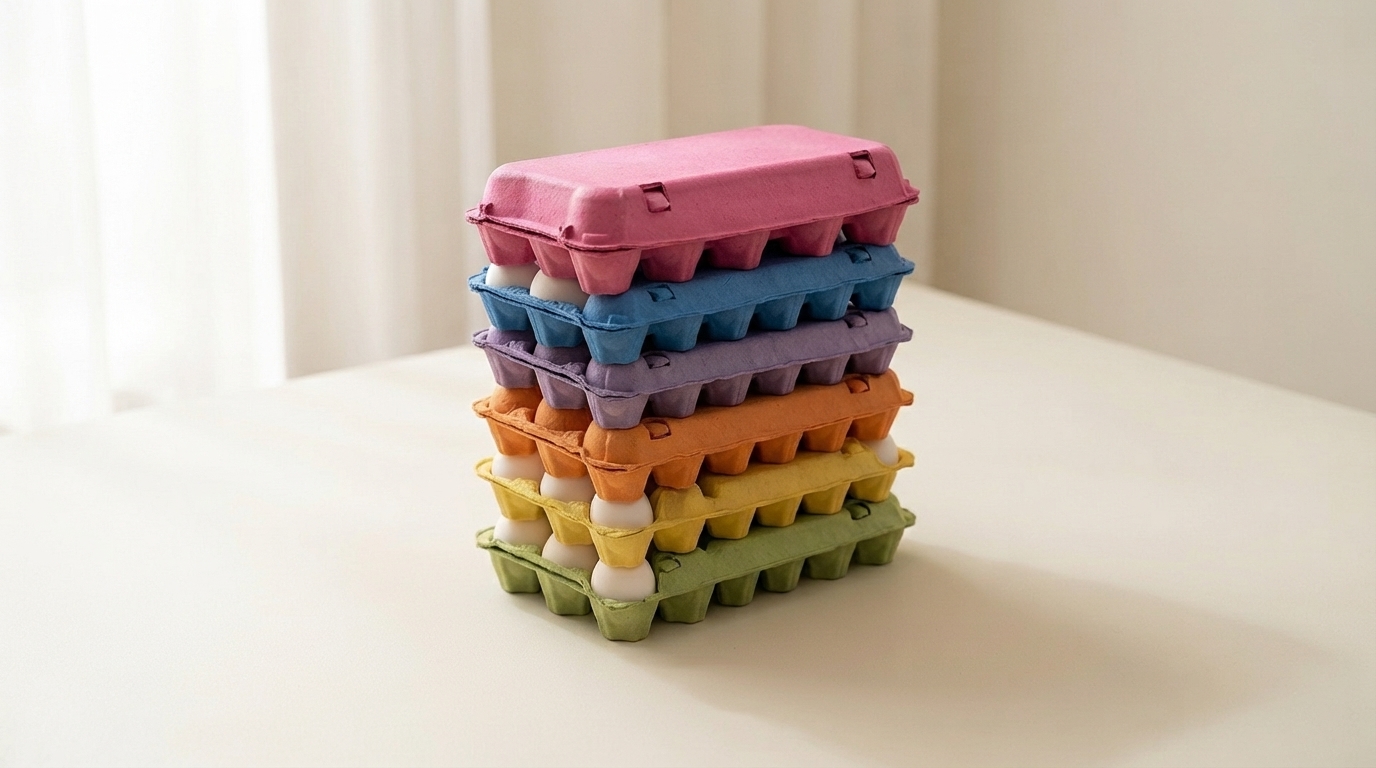
Colored egg cartons are produced by two very different methods, and the difference determines almost everything about how the finished carton performs.

Surface coating applies pigment after the carton is formed and dried, either by spray or by print. It is cheap, it allows fast color changes, and it produces bright results. It also sits on top of the fiber. Scuff a coated carton against a shelf edge and the natural pulp shows through. Coating also adds a layer that may not compost at the same rate as the fiber underneath, which undermines the reason most buyers chose pulp.

Wet end pigmentation blends the pigment into the pulp slurry before the mold ever touches it. The color is distributed through the fiber, so a torn edge shows the same shade as the face. Nothing can scuff off because there is no layer to remove.

Bonitopak colors at the wet end. That is why our colored cartons cost more than a coated equivalent and why they still look correct after a shipping cycle.

What pigment does to compostability

The concern buyers raise most often is whether color compromises the environmental claim. It is a fair question and the answer depends entirely on pigment selection.

Pigments intended for packaging that will compost have to break down without leaving heavy metals or persistent residue in the finished compost. That rules out several traditional colorant chemistries, particularly some historic reds and yellows. It leaves a narrower palette, which is one reason pulp color ranges are smaller than plastic ones.

Working inside that constraint, a pigmented pulp carton composts on essentially the same timeline as a natural one. The fiber is the same, the quantity of pigment is very small by mass, and there is no film or coating to interfere.

Buyers should ask any colored pulp supplier which pigment system they use and whether it is rated for compostable packaging. A supplier who cannot answer is probably surface coating.

Batch consistency is the real production challenge

Getting a color right once is straightforward. Getting the same color across a twelve month supply relationship is where suppliers separate.

Recycled pulp is not a consistent starting point. Incoming fiber varies in base color depending on the waste stream, seasonally and by supplier. A pigment dose that produces the target shade on a light batch will produce something darker on a gray one.

The control is measurement rather than recipe. Base pulp brightness is checked before dosing, the pigment quantity is adjusted against that reading, and formed samples are compared to a retained physical standard rather than to a color chip on a screen. Records for each batch let a repeat order be matched to the original rather than to the nominal specification.

Buyers running a branded line should request a retained sample at first production and reference it on every reorder. It is the only reliable way to hold a shade over time.

Where color earns its cost

Color adds cost. It is worth understanding where it pays that back.

At a farm stand or market table, a colored carton separates one producer from every other producer selling the same product in gray pulp. That visual difference does more work than any label, because it registers before the shopper is close enough to read anything.

In retail, color functions as a range signal. Producers commonly use different shades to distinguish free range from pasture raised, or standard from organic, which lets a shopper find their usual product without reading the pack.

In gift and seasonal channels, color is the product. Easter, holiday hampers, and branded corporate gifts are bought on appearance.

Where color rarely pays back is commodity commercial packing. If eggs are going through a grading station to a retailer who applies their own labeling, the carton is invisible and natural pulp is the right call.

Specifying color across a range

Buyers running several cell counts in one brand color need to plan for it, because each mold is a separate production run and shade drift between molds is a genuine risk.

The reliable approach is to run all molds in the same color from the same pigment batch where volumes allow, or to match every mold to one retained physical standard where they cannot. Ordering a 1ダース入りの卵パック and a 卵パック 6個分 in the same shade six months apart without a retained standard will usually produce a visible difference.

Buyers focused on a single shade should see ピンクの卵パック for the shade specific detail. Those pairing color with a distinctive shape should look at octagon egg cartons または ヴィンテージの卵パック.
Colored egg cartons are produced by two very different methods, and the difference determines almost everything about how the finished carton performs.

Surface coating applies pigment after the carton is formed and dried, either by spray or by print. It is cheap, it allows fast color changes, and it produces bright results. It also sits on top of the fiber. Scuff a coated carton against a shelf edge and the natural pulp shows through. Coating also adds a layer that may not compost at the same rate as the fiber underneath, which undermines the reason most buyers chose pulp.

Wet end pigmentation blends the pigment into the pulp slurry before the mold ever touches it. The color is distributed through the fiber, so a torn edge shows the same shade as the face. Nothing can scuff off because there is no layer to remove.

Bonitopak colors at the wet end. That is why our colored cartons cost more than a coated equivalent and why they still look correct after a shipping cycle.

What pigment does to compostability

The concern buyers raise most often is whether color compromises the environmental claim. It is a fair question and the answer depends entirely on pigment selection.

Pigments intended for packaging that will compost have to break down without leaving heavy metals or persistent residue in the finished compost. That rules out several traditional colorant chemistries, particularly some historic reds and yellows. It leaves a narrower palette, which is one reason pulp color ranges are smaller than plastic ones.

Working inside that constraint, a pigmented pulp carton composts on essentially the same timeline as a natural one. The fiber is the same, the quantity of pigment is very small by mass, and there is no film or coating to interfere.

Buyers should ask any colored pulp supplier which pigment system they use and whether it is rated for compostable packaging. A supplier who cannot answer is probably surface coating.

Batch consistency is the real production challenge

Getting a color right once is straightforward. Getting the same color across a twelve month supply relationship is where suppliers separate.

Recycled pulp is not a consistent starting point. Incoming fiber varies in base color depending on the waste stream, seasonally and by supplier. A pigment dose that produces the target shade on a light batch will produce something darker on a gray one.

The control is measurement rather than recipe. Base pulp brightness is checked before dosing, the pigment quantity is adjusted against that reading, and formed samples are compared to a retained physical standard rather than to a color chip on a screen. Records for each batch let a repeat order be matched to the original rather than to the nominal specification.

Buyers running a branded line should request a retained sample at first production and reference it on every reorder. It is the only reliable way to hold a shade over time.

Where color earns its cost

Color adds cost. It is worth understanding where it pays that back.

At a farm stand or market table, a colored carton separates one producer from every other producer selling the same product in gray pulp. That visual difference does more work than any label, because it registers before the shopper is close enough to read anything.

In retail, color functions as a range signal. Producers commonly use different shades to distinguish free range from pasture raised, or standard from organic, which lets a shopper find their usual product without reading the pack.

In gift and seasonal channels, color is the product. Easter, holiday hampers, and branded corporate gifts are bought on appearance.

Where color rarely pays back is commodity commercial packing. If eggs are going through a grading station to a retailer who applies their own labeling, the carton is invisible and natural pulp is the right call.

Specifying color across a range

Buyers running several cell counts in one brand color need to plan for it, because each mold is a separate production run and shade drift between molds is a genuine risk.

The reliable approach is to run all molds in the same color from the same pigment batch where volumes allow, or to match every mold to one retained physical standard where they cannot. Ordering a 1ダース入りの卵パック and a 卵パック 6個分 in the same shade six months apart without a retained standard will usually produce a visible difference.

Buyers focused on a single shade should see ピンクの卵パック for the shade specific detail. Those pairing color with a distinctive shape should look at octagon egg cartons または ヴィンテージの卵パック.
Two ways to color a pulp carton, and only one of them lasts

Colored egg cartons are produced by two very different methods, and the difference determines almost everything about how the finished carton performs.

Surface coating applies pigment after the carton is formed and dried, either by spray or by print. It is cheap, it allows fast color changes, and it produces bright results. It also sits on top of the fiber. Scuff a coated carton against a shelf edge and the natural pulp shows through. Coating also adds a layer that may not compost at the same rate as the fiber underneath, which undermines the reason most buyers chose pulp.

Wet end pigmentation blends the pigment into the pulp slurry before the mold ever touches it. The color is distributed through the fiber, so a torn edge shows the same shade as the face. Nothing can scuff off because there is no layer to remove.

Bonitopak colors at the wet end. That is why our colored cartons cost more than a coated equivalent and why they still look correct after a shipping cycle.

What pigment does to compostability

The concern buyers raise most often is whether color compromises the environmental claim. It is a fair question and the answer depends entirely on pigment selection.

Pigments intended for packaging that will compost have to break down without leaving heavy metals or persistent residue in the finished compost. That rules out several traditional colorant chemistries, particularly some historic reds and yellows. It leaves a narrower palette, which is one reason pulp color ranges are smaller than plastic ones.

Working inside that constraint, a pigmented pulp carton composts on essentially the same timeline as a natural one. The fiber is the same, the quantity of pigment is very small by mass, and there is no film or coating to interfere.

Buyers should ask any colored pulp supplier which pigment system they use and whether it is rated for compostable packaging. A supplier who cannot answer is probably surface coating.

Batch consistency is the real production challenge

Getting a color right once is straightforward. Getting the same color across a twelve month supply relationship is where suppliers separate.

Recycled pulp is not a consistent starting point. Incoming fiber varies in base color depending on the waste stream, seasonally and by supplier. A pigment dose that produces the target shade on a light batch will produce something darker on a gray one.

The control is measurement rather than recipe. Base pulp brightness is checked before dosing, the pigment quantity is adjusted against that reading, and formed samples are compared to a retained physical standard rather than to a color chip on a screen. Records for each batch let a repeat order be matched to the original rather than to the nominal specification.

Buyers running a branded line should request a retained sample at first production and reference it on every reorder. It is the only reliable way to hold a shade over time.

Where color earns its cost

Color adds cost. It is worth understanding where it pays that back.

At a farm stand or market table, a colored carton separates one producer from every other producer selling the same product in gray pulp. That visual difference does more work than any label, because it registers before the shopper is close enough to read anything.

In retail, color functions as a range signal. Producers commonly use different shades to distinguish free range from pasture raised, or standard from organic, which lets a shopper find their usual product without reading the pack.

In gift and seasonal channels, color is the product. Easter, holiday hampers, and branded corporate gifts are bought on appearance.

Where color rarely pays back is commodity commercial packing. If eggs are going through a grading station to a retailer who applies their own labeling, the carton is invisible and natural pulp is the right call.

Specifying color across a range

Buyers running several cell counts in one brand color need to plan for it, because each mold is a separate production run and shade drift between molds is a genuine risk.

The reliable approach is to run all molds in the same color from the same pigment batch where volumes allow, or to match every mold to one retained physical standard where they cannot. Ordering a 1ダース入りの卵パック and a 卵パック 6個分 in the same shade six months apart without a retained standard will usually produce a visible difference.

Buyers focused on a single shade should see ピンクの卵パック for the shade specific detail. Those pairing color with a distinctive shape should look at octagon egg cartons または ヴィンテージの卵パック.
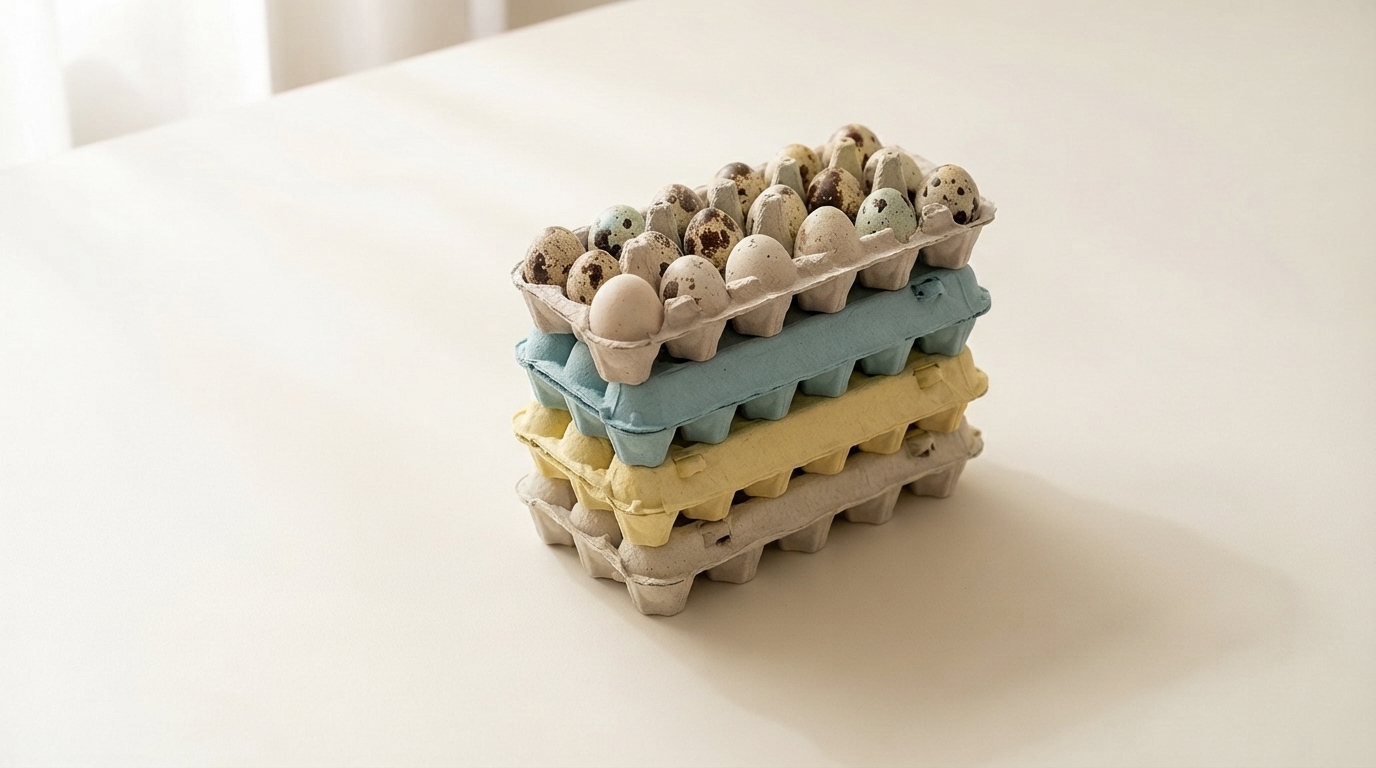
Colored egg cartons are produced by two very different methods, and the difference determines almost everything about how the finished carton performs.

Surface coating applies pigment after the carton is formed and dried, either by spray or by print. It is cheap, it allows fast color changes, and it produces bright results. It also sits on top of the fiber. Scuff a coated carton against a shelf edge and the natural pulp shows through. Coating also adds a layer that may not compost at the same rate as the fiber underneath, which undermines the reason most buyers chose pulp.

Wet end pigmentation blends the pigment into the pulp slurry before the mold ever touches it. The color is distributed through the fiber, so a torn edge shows the same shade as the face. Nothing can scuff off because there is no layer to remove.

Bonitopak colors at the wet end. That is why our colored cartons cost more than a coated equivalent and why they still look correct after a shipping cycle.

What pigment does to compostability

The concern buyers raise most often is whether color compromises the environmental claim. It is a fair question and the answer depends entirely on pigment selection.

Pigments intended for packaging that will compost have to break down without leaving heavy metals or persistent residue in the finished compost. That rules out several traditional colorant chemistries, particularly some historic reds and yellows. It leaves a narrower palette, which is one reason pulp color ranges are smaller than plastic ones.

Working inside that constraint, a pigmented pulp carton composts on essentially the same timeline as a natural one. The fiber is the same, the quantity of pigment is very small by mass, and there is no film or coating to interfere.

Buyers should ask any colored pulp supplier which pigment system they use and whether it is rated for compostable packaging. A supplier who cannot answer is probably surface coating.

Batch consistency is the real production challenge

Getting a color right once is straightforward. Getting the same color across a twelve month supply relationship is where suppliers separate.

Recycled pulp is not a consistent starting point. Incoming fiber varies in base color depending on the waste stream, seasonally and by supplier. A pigment dose that produces the target shade on a light batch will produce something darker on a gray one.

The control is measurement rather than recipe. Base pulp brightness is checked before dosing, the pigment quantity is adjusted against that reading, and formed samples are compared to a retained physical standard rather than to a color chip on a screen. Records for each batch let a repeat order be matched to the original rather than to the nominal specification.

Buyers running a branded line should request a retained sample at first production and reference it on every reorder. It is the only reliable way to hold a shade over time.

Where color earns its cost

Color adds cost. It is worth understanding where it pays that back.

At a farm stand or market table, a colored carton separates one producer from every other producer selling the same product in gray pulp. That visual difference does more work than any label, because it registers before the shopper is close enough to read anything.

In retail, color functions as a range signal. Producers commonly use different shades to distinguish free range from pasture raised, or standard from organic, which lets a shopper find their usual product without reading the pack.

In gift and seasonal channels, color is the product. Easter, holiday hampers, and branded corporate gifts are bought on appearance.

Where color rarely pays back is commodity commercial packing. If eggs are going through a grading station to a retailer who applies their own labeling, the carton is invisible and natural pulp is the right call.

Specifying color across a range

Buyers running several cell counts in one brand color need to plan for it, because each mold is a separate production run and shade drift between molds is a genuine risk.

The reliable approach is to run all molds in the same color from the same pigment batch where volumes allow, or to match every mold to one retained physical standard where they cannot. Ordering a 1ダース入りの卵パック and a 卵パック 6個分 in the same shade six months apart without a retained standard will usually produce a visible difference.

Buyers focused on a single shade should see ピンクの卵パック for the shade specific detail. Those pairing color with a distinctive shape should look at octagon egg cartons または ヴィンテージの卵パック.

BonitoPakの業界専門知識

数百万個の部品を製造してきたBonitoPakは、数多くの用途において深い知識を有しています。特に精密で複雑な部品加工を必要とする業界を得意としています。どのような複雑さであっても、専門知識と品質を提供する私たちを信頼してください。
あなたのプロジェクトを向上させる準備はできていますか?

BonitoPakでデザインに命を吹き込もう

BonitoPakで精密なエンジニアリングを体験してください。詳細なプロトタイプから大量生産まで、お客様のコンセプトを現実にします。今すぐお問い合わせください!

BonitoPakを選ぶ理由

Bonitopakでは、専門家のサポート、持続可能な慣行、保証された品質で、カスタマイズ可能な環境に優しいパッケージングソリューションを提供しています。私たちの革新的なデザインと効率的な生産は、環境への影響を軽減しながら、お客様のパッケージが際立つことを保証します。

クイック・ソリューション

24時間以内に対応し、迅速で明確なコミュニケーション、オーダーメイドのソリューション、時間とコストを節約する効率的なサービスを提供します。

迅速な適応性

社内で設計、エンジニアリング、製造を行っているため、迅速な金型製作が可能で、サンプルは7日、生産用金型は8日で完成する。

エキスパート・イノベーター

当社の熟練したR&Dエンジニアは、設計、試作、金型製作に優れており、ブリスター、ブリキ缶、印刷箱など、完全なパッケージング・ソリューションを提供しています。

効率的な最適化

訓練を受けたスタッフが100%検査、抜き取り検査、品質管理を行い、高い水準を確保し、不良品を減らし、コストを削減する。

迅速な配達

合理的な受注スケジュールを提供し、お客様と調整しながら問題を迅速に解決し、最善のソリューションを確保します。

優れたサポート

経験豊富なアフターセールス・チームがスムーズなコミュニケーションを図り、交換や発送、配送に関する問題を解決し、クレームゼロを目指します。

関連記事と洞察

持続可能なパッケージングのトレンド、業界の洞察、専門家のヒントに関する最新情報をブログでお届けします。革新的なアイデアやソリューションを探求し、パッケージングの知識を深めましょう。

レオ・チャン | BonitoPak ライター | 成形パルプ包装業界で20年以上の経験を持つ ウォッカとは

レオ・チャン | BonitoPak ライター | 成形パルプ包装業界で20年以上の経験 ほぼすべての

レオ・チャン | BonitoPak ライター | 成形パルプ包装分野で20年以上の経験 検索

よくある質問

着色パルプ成形のエッグカートン

  • Can I get a color card before ordering?

    Yes, and we recommend it. Screen renderings of pulp color are unreliable because fiber texture affects perceived shade. We send physical color chips of the six stock shades, and for custom work we produce a formed sample in the actual carton geometry, since a flat chip and a molded surface read differently.

  • Does the pigment transfer onto the eggshells?

    No. The pigment is bound within the fiber structure, not sitting loose on the surface, and dry pulp does not transfer color under normal handling. A carton that marks the eggs would indicate a surface coated product with poor adhesion, which is one of the practical arguments for wet end coloring.

  • Why do colored cartons cost more than natural?

    Three reasons. The pigment itself is an added material cost. Wet end color changes require the system to be flushed between shades, which is downtime. And colored runs cannot absorb variable incoming fiber the way natural production can, so more batches get rejected on shade. Stock colors cost less than custom because we run them continuously and avoid most of the changeover.

  • Can you match my exact brand color?

    We can get close, and we produce a physical match sample before any full run so you can approve or adjust. Exact matching to a printed Pantone reference is not achievable in pigmented fiber, because pulp scatters light differently than coated paper does. Brands with a strict color standard usually approve a designated pulp equivalent rather than insisting on the ink reference.

  • Will colored cartons fade in sunlight?

    Slowly, and mostly at a farm stand rather than in a cold case. Pulp pigments are less lightfast than printing inks because the palette is limited to compostable chemistries. Cartons held in direct sun for weeks will lighten, particularly in the blue and purple range. Retail cold cases and covered market stalls are not a problem.

詳細フォーム