 Aller au contenu

Modern manufacturing increasingly requires sustainable practices. Consequently, understanding how a pulp machine contributes to eco-friendly paper production becomes essential. Furthermore, these specialized systems convert raw materials into usable pulp while minimizing environmental impact through efficient technology.
How Does a Pulp Machine Convert Raw Materials Through Advanced Processing
A machine à pâte functions as the foundation of sustainable paper manufacturing operations. Initially, it processes wood pulp, recycled paper, and agricultural waste systematically through chemical pulping methods. Afterward, the pulp digester breaks down fiber materials using steam and specialized liquor solutions.
Additionally, the global pulp and paper industry consumes approximately 91 million cubic meters of water daily. Nevertheless, modern paper pulping machines address this challenge through high efficiency equipment. Furthermore, they incorporate advanced disc filter systems and vacuum drum washer technology for optimal white water management.
Composants clés de l'équipement moderne de traitement de la pâte à papier
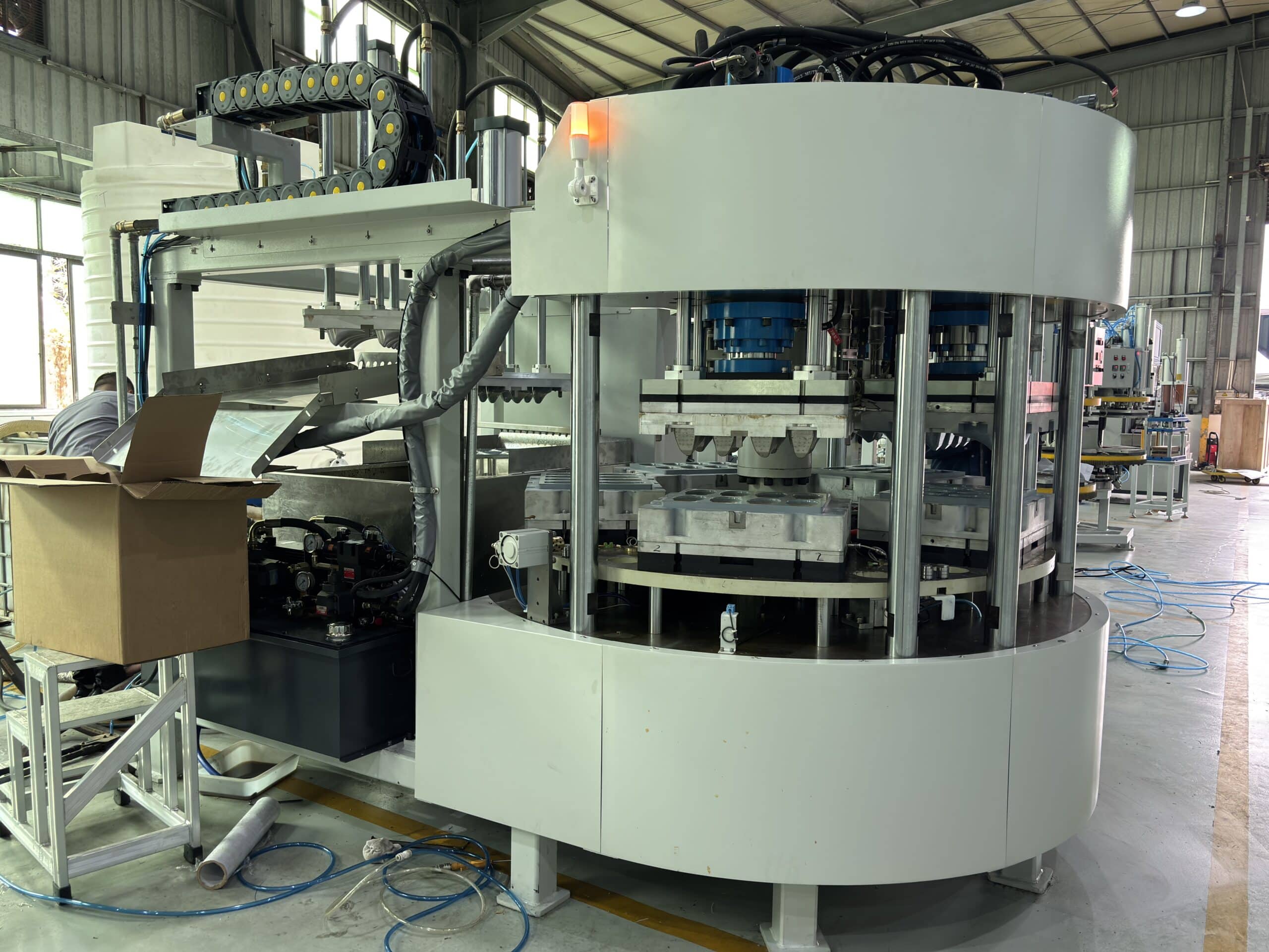
Paper pulp machines include several critical pieces of equipment that maximize production efficiency:
- Pulper systems with twin roll press for mechanical breakdown
- Blow tank and vacuum systems for pressure control
- Disc filter technology for fiber separation
- Vertical cutter equipment for material preparation
Subsequently, each machinery component works together to optimize pulp production while minimizing maintenance costs.
Why Are Paper Pulping Machines Critical for Sustainable Manufacturing
Environmental regulations push paper manufacturers toward greener solutions through advanced equipment. Machines à pulpe de papier satisfy these requirements effectively using bagasse, straw, reed, and jute as alternative fiber sources. Additionally, water consumption in the pulp and paper sector ranges from 10 to 300 cubic meters per ton of product.
Tableau 1 : Amélioration de l'efficacité de l'utilisation de l'eau dans les usines de pâte à papier modernes
| Type de broyeur | Consommation traditionnelle | Systèmes efficaces de machines à pâte | Amélioration de la production |
|---|---|---|---|
| Moulins Kraft | 17 000 gallons/tonne | 4 500 gallons/tonne | 73,51 Réduction de TTP3T |
| Production de tissus | Exigence standard | 1 000-2 000 gallons/tonne | Jusqu'à 88% d'économies |
| Usines de pâte à papier | Manipulation variable | Solution zéro rejet | 100% recyclage de l'eau |
The data clearly illustrates substantial environmental improvements through modern pulp processing technology.
What Types of Pulp Machines Exist for Various Industrial Applications
Various pulp machine configurations serve specific production requirements across different grades. Each design targets particular materials and end-use applications through specialized process automation.
Opérations de fabrication de pâte chimique et de pâte de bois
Chemical pulping paper pulping machines excel at wood pulp making through controlled pulp cooking operations. They manage wood recycling and sugarcane processing effectively. Additionally, these systems create high-grade pulp through efficient pulp bleaching and washing cycles.
BonitoPak utilizes advanced wet pressing pulp machine technology for packaging applications. Their plant operations process biodegradable materials including bagasse fiber and bamboo through reliable equipment. Additionally, resulting products achieve temperature resistance through controlled pulp drying processes.
Systèmes de mise en pâte mécanique et de préparation des fibres
Conversely, mechanical pulp machines efficiently process recycled materials through roll press technology. They manage corrugated materials and waste paper streams with minimal steam consumption. Furthermore, these systems require lower maintenance costs while achieving consistent concentration levels.
Où les machines de mise en pâte du papier trouvent-elles des applications industrielles ?
Paper pulping machines serve diverse industries beyond traditional paper production through specialized equipment solutions. Consequently, their applications continue expanding across multiple packaging sectors through improved process efficiency.
Emballages pour la restauration et production de tissus
Food-grade paper pulping machines create certified biodegradable containers through advanced pulp making technology. BPI certification indicates products break down completely in commercial compost facilities through proper fiber handling. Additionally, ASTM D6400 testing ensures bio-plastics become compost in industrial facilities.
BonitoPak’s molded pulp solutions demonstrate successful packaging applications through reliable machinery operation. Their products achieve decomposition within 180 days through optimized pulp processing. Furthermore, all products contain no added chemicals through clean production methods.
Emballages électroniques et applications industrielles
Electronics manufacturers increasingly choose pulp machine products over plastic alternatives through sustainable equipment solutions. These deliver excellent protection through efficient fiber press technology. Additionally, they eliminate petroleum-based materials completely through wood recycling processes.
Quels sont les facteurs qui déterminent le choix optimal d'une machine à pâte à papier pour les opérations ?
Choosing appropriate paper pulping machines requires careful technical evaluation of plant requirements. Several factors influence equipment selection decisions for successful mill operation.
Capacité de production et besoins de l'usine
Initially, manufacturers must assess daily production targets through accurate machinery specification. Pulp machines range from laboratory-scale units to industrial plant systems with high output capacity. Consequently, capacity planning becomes crucial for successful mill operation and grade consistency.
Traitement des matières premières et préparation des fibres
Furthermore, feedstock availability influences paper pulping machine selection through specific handling requirements. Mills using kraft, semi-chemical, and sulfite processes require specialized pieces of equipment for emission control. Additionally, facilities must implement proper automation for greenhouse gas management.
Tableau 2 : Traitement des matériaux par différents types d'équipement
| Source de fibres | Technologie de transformation | Application de la machine à pâte à papier | Cote de fiabilité |
|---|---|---|---|
| Pâte de bois | Digestion chimique | Fonctionnement à haute efficacité | Excellent |
| Papier recyclé | Traitement mécanique | Équipement très compatible | Supérieure |
| Fibre de bagasse | Préparation minimale | Excellents résultats de broyage | Remarquable |
| Matériaux de paille et de roseau | Manipulation aisée | Sortie de fibre supérieure | Très bon |
Quand les entreprises doivent-elles moderniser la technologie de leurs machines à papier ?
Technology advancement necessitates regular equipment assessment for improved efficiency. Global paper output increased over 25% between 2000 and 2017, while energy consumption rose less than 5% through advanced machinery. Therefore, upgrading becomes economically beneficial for mill operations.
Modern paper pulping machines achieve improved efficiency ratings through automation technology. They decrease operational costs substantially while maintaining high reliability. Furthermore, they comply with stricter environmental regulations through advanced process control.
Qui bénéficie de la mise en œuvre de machines à pâte avancées dans l'industrie manufacturière ?
Multiple stakeholders gain from modern paper pulping machine deployment systematically across operations:
Manufacturers enjoy reduced production costs and enhanced efficiency through reliable equipment operation. Environmental agencies observe decreased pollution levels through improved technology. Consumers receive higher-quality, sustainable products through advanced mill processes.
Des entreprises comme Huaqiang New Times et BonitoPak exemplify successful pulp machine utilization across applications. Their experience demonstrates consistent innovation through reliable machinery operation. Additionally, they provide comprehensive packaging solutions through efficient plant technology.
Conclusion
Pulp machines revolutionize sustainable paper production through advanced technology and efficient processing systems. These machines convert waste materials into valuable products while reducing environmental impact through improved equipment design. Furthermore, companies demonstrate successful implementation across diverse packaging applications through reliable mill operations.
The future of paper manufacturing depends on continued pulp machine innovation through advanced automation technology. Consequently, investing in modern paper pulping machines est bénéfique à la fois pour les performances de l'entreprise et pour la durabilité de l'environnement grâce à l'exploitation efficace de l'usine.
Questions fréquemment posées
Quelle est la fonction principale d'une machine à pâte dans les opérations de fabrication ?
A pulp machine breaks down raw materials including wood, recycled paper, and agricultural waste into usable pulp through chemical pulping processes. Furthermore, it ensures consistent fiber quality while minimizing environmental impact through efficient equipment operation and water conservation.
Comment les machines de fabrication de pâte à papier contribuent-elles au développement durable grâce à une technologie de pointe ?
Paper pulping machines significantly decrease water consumption and energy usage through high efficiency equipment design. Additionally, they process recycled materials effectively through mechanical pulping, supporting circular economy principles while meeting strict environmental regulations through automation.
Quels matériaux les machines à pâte modernes peuvent-elles traiter grâce à différents types d'équipements ?
Modern pulp machines handle wood pulp, recycled paper, bagasse fiber, straw, reed, and jute materials through specialized machinery. Consequently, this versatility enables sustainable packaging solutions across multiple industries through reliable processing equipment.
Quelle est la vitesse de biodégradation des produits des machines à pulpe de papier par les processus naturels ?
Products from paper pulping machines using natural fibers achieve complete decomposition within 90-180 days through proper composting conditions. Additionally, BPI-certified products meet ASTM standards for industrial composting facilities through verified testing procedures.




 French
  English
  German
  Spanish
  Russian
  Japanese
  Portuguese
  Arabic