Black Egg Cartons

  • Deepest pigment load in the range, giving a true black rather than charcoal
  • Holds embossed and debossed detail more sharply than any other shade
  • Pigment blended into the slurry, so a scuffed edge shows black underneath
  • White, metallic, and foil print all read strongly against the base
  • Compostable and plastic free, with no surface coating
  • Most consistent shade we produce, since dark pigment covers base fiber variation
  • Available across every cell count from 4 through 20

القالب العام

حلول التعبئة والتغليف

تصميم ثلاثي الأبعاد

قالب مخصص حسب الطلب

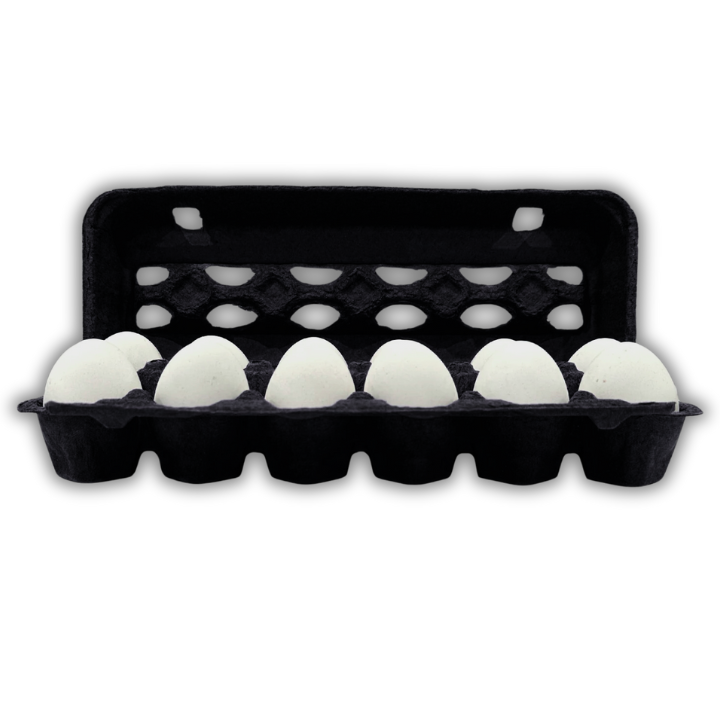
Black egg cartons in molded pulp holding white eggs with the lid open

وصف المنتج

المواصفات التفاصيل
اسم العلامة التجارية بونيتوباك
رقم الموديل EC-BLK-C series
اسم المنتج Black Egg Cartons / Black Pigmented Pulp Cartons
المواد Recycled paper pulp with slurry-blended pigment
التقنية Molded pulp forming (wet-pressed), wet end pigmentation
Cell Count 4, 6, 10, 12, 18, or 20 cells
Shade True black; charcoal available as a lighter alternative
Color Method Pigment blended into slurry before forming, not surface coated
Emboss Performance Highest contrast in the range
Print Contrast Strong with white, metallic, and foil
Shade Consistency Highest in the range
طباعة الشعار Embossed, debossed, or flexographic print
الاستخدام الصناعي Premium farm brands, gift retail, hospitality, specialty grocery
التطبيق Premium egg lines, gift sets, high end retail positioning
المزايا Biodegradable, home compostable, plastic free, no coating
طلب مخصص مقبولة
موك Confirm with sales; stock black carries a lower minimum than custom shades

معرض الصور Black Egg Cartons الأجزاء

يعرض هذا المعرض الجودة الاستثنائية والاهتمام بالتفاصيل التي نقدمها في كل مشروع. من التصاميم المعقدة إلى اللمسات النهائية الخالية من العيوب، تعكس كل صورة التزامنا بالتميز في Black Egg Cartons .

40%

التكلفة والوقت الموفر

اختبر حلول التعبئة والتغليف الرائدة التي تعمل على تحسين التكاليف والوقت وتقديم عمليات فعالة وتعظيم العائد على الاستثمار.

50%

أكثر استدامة

حقق تغليفاً صديقاً للبيئة باستخدام مواد مستدامة، مما يقلل من النفايات ويعزز المسؤولية البيئية في جميع خطوط إنتاجك.

25%

الزيادة في المبيعات

عزز من جاذبية منتجاتك على الرفوف بتصميمات مبتكرة تعزز من ظهورها ومبيعاتها في أسواق التجزئة والأسواق الإلكترونية.

100%

أكثر موثوقية

ثق في التزام BonitoPak بالجودة، مما يضمن أن كل منتج يفي بمعاييرنا العالية مع خدمة متسقة وموثوقة.

Black is the easiest color we make

That sounds counterintuitive for the most dramatic shade in the range, but it follows directly from how pigmented pulp works.

Recycled fiber arrives gray-brown and varies batch to batch depending on the waste stream. Every pigment has to work against that moving base. Light tints show the variation, which is why pink is the hardest shade we produce.

Black overwhelms it. The pigment load is high enough that incoming fiber color has almost no influence on the finished shade. A grayer batch and a warmer batch produce the same black.

The practical consequence for buyers is consistency. Black reorders match the original more reliably than any other shade, which matters for a brand running the same carton across years rather than a single seasonal run.

Why embossing works best here

Embossed detail is read through shadow, not through color contrast. The mark is the same material as the carton around it, so what the eye picks up is the way light falls into and out of the raised or recessed area.

Shadow depth depends on how much tonal range the surface has. A pale surface reflects light into its own shadows and softens them. A dark surface absorbs that bounced light, so the shadow stays dark and the edge of the emboss stays sharp.

Black has more tonal depth than anything else we produce. An embossed logo on black reads clearly at a distance where the same logo on natural pulp is barely visible.

For a producer who wants permanent branding with no per unit print cost, black plus embossing is the strongest combination in the catalog.

Print behavior

Black is a limited print substrate with two very strong options.

White ink is the workhorse. Maximum contrast, clean reproduction, and it photographs well, which matters for producers selling through social channels where the pack appears in images.

Metallic and foil effects read dramatically on black in a way they do not on lighter pulp, where they compete with the base brightness. Gold and copper on black is a common specification for gift and premium lines.

What does not work is any dark ink, and any design relying on tonal gradation. Black is an absolute floor, so there is nothing below it to build shading against.

Colored inks other than white and metallic generally come out muddy, because ink sitting on a black absorbent surface loses most of its chroma. Designs needing color should specify a lighter carton.

Soil and scuff behavior

Dark packaging shows marks differently from pale packaging, and the difference is not what most buyers expect.

Black hides the gray scuffing that pale cartons pick up from handling and from sliding against each other in a case. A natural pulp carton that has moved through distribution often arrives looking handled. A black one does not.

What black does show is dust and dried moisture spotting, which sit lighter than the surface. Cartons stored in a dusty environment will need more care in presentation than natural pulp would. For refrigerated retail and indoor market selling this never arises, and the scuff advantage is what dominates.

Where black sells

Black carries specific associations in food retail that work for and against it.

It reads premium, which is why gift, hospitality, and high end specialty grocery are the natural channels. A black carton on a market table against a row of gray ones is an immediate signal of a producer who has made a decision.

It also reads as unusual for eggs specifically, since consumers associate egg packaging with natural fiber tones. That cuts both ways. For a premium line it is differentiation. For a mainstream line it can read as incongruous, and producers selling on value should not reach for it.

Black also conceals the eggs visually more than a pale carton does when the lid is open, which matters for producers whose shell color is part of the product. Blue and olive shells from Ameraucana and Olive Egger flocks pop against black. White eggs do too. Brown eggs sit flatter against it.

Pairing with format

Black works hardest on premium formats.

On molded pulp octagon egg cartons it produces the strongest premium presentation we can make in fiber, since an unusual shape and an unusual shade reinforce each other.

On a molded pulp 6 egg carton it suits a premium half dozen line sold alongside standard packaging.

On a molded pulp dozen egg carton it works as a permanent brand identity for producers positioning above the category.

For the full pigment detail, shade control, and how color is held across reorders, see molded pulp colored egg cartons. For embossing and printing specifications, see custom printed egg cartons.

Black is the easiest color we make

That sounds counterintuitive for the most dramatic shade in the range, but it follows directly from how pigmented pulp works.

Recycled fiber arrives gray-brown and varies batch to batch depending on the waste stream. Every pigment has to work against that moving base. Light tints show the variation, which is why pink is the hardest shade we produce.

Black overwhelms it. The pigment load is high enough that incoming fiber color has almost no influence on the finished shade. A grayer batch and a warmer batch produce the same black.

The practical consequence for buyers is consistency. Black reorders match the original more reliably than any other shade, which matters for a brand running the same carton across years rather than a single seasonal run.

Why embossing works best here

Embossed detail is read through shadow, not through color contrast. The mark is the same material as the carton around it, so what the eye picks up is the way light falls into and out of the raised or recessed area.

Shadow depth depends on how much tonal range the surface has. A pale surface reflects light into its own shadows and softens them. A dark surface absorbs that bounced light, so the shadow stays dark and the edge of the emboss stays sharp.

Black has more tonal depth than anything else we produce. An embossed logo on black reads clearly at a distance where the same logo on natural pulp is barely visible.

For a producer who wants permanent branding with no per unit print cost, black plus embossing is the strongest combination in the catalog.

Print behavior

Black is a limited print substrate with two very strong options.

White ink is the workhorse. Maximum contrast, clean reproduction, and it photographs well, which matters for producers selling through social channels where the pack appears in images.

Metallic and foil effects read dramatically on black in a way they do not on lighter pulp, where they compete with the base brightness. Gold and copper on black is a common specification for gift and premium lines.

What does not work is any dark ink, and any design relying on tonal gradation. Black is an absolute floor, so there is nothing below it to build shading against.

Colored inks other than white and metallic generally come out muddy, because ink sitting on a black absorbent surface loses most of its chroma. Designs needing color should specify a lighter carton.

Soil and scuff behavior

Dark packaging shows marks differently from pale packaging, and the difference is not what most buyers expect.

Black hides the gray scuffing that pale cartons pick up from handling and from sliding against each other in a case. A natural pulp carton that has moved through distribution often arrives looking handled. A black one does not.

What black does show is dust and dried moisture spotting, which sit lighter than the surface. Cartons stored in a dusty environment will need more care in presentation than natural pulp would. For refrigerated retail and indoor market selling this never arises, and the scuff advantage is what dominates.

Where black sells

Black carries specific associations in food retail that work for and against it.

It reads premium, which is why gift, hospitality, and high end specialty grocery are the natural channels. A black carton on a market table against a row of gray ones is an immediate signal of a producer who has made a decision.

It also reads as unusual for eggs specifically, since consumers associate egg packaging with natural fiber tones. That cuts both ways. For a premium line it is differentiation. For a mainstream line it can read as incongruous, and producers selling on value should not reach for it.

Black also conceals the eggs visually more than a pale carton does when the lid is open, which matters for producers whose shell color is part of the product. Blue and olive shells from Ameraucana and Olive Egger flocks pop against black. White eggs do too. Brown eggs sit flatter against it.

Pairing with format

Black works hardest on premium formats.

On molded pulp octagon egg cartons it produces the strongest premium presentation we can make in fiber, since an unusual shape and an unusual shade reinforce each other.

On a molded pulp 6 egg carton it suits a premium half dozen line sold alongside standard packaging.

On a molded pulp dozen egg carton it works as a permanent brand identity for producers positioning above the category.

For the full pigment detail, shade control, and how color is held across reorders, see molded pulp colored egg cartons. For embossing and printing specifications, see custom printed egg cartons.

مواد ل Black Egg Cartons قطع الغيار

تعتمد الشركات الرائدة والمهندسون الرائدون على BonitoPak في التكرارات السريعة والأجزاء المتينة عالية الجودة. سواء كان ذلك للنماذج الأولية أو للإنتاج على نطاق واسع، فإن مجموعتنا الواسعة من المواد تضمن تلبية المتطلبات الفريدة لأي Black Egg Cartons المشروع بدقة وسرعة.

Compostable kraft paper is the strongest fiber we form. Made from virgin

Colored pulp is not a separate fiber. It is any of our

Bleached pulp is the material to specify when the part has to

Natural plant fiber covers the non-wood cellulose sources we blend outside the

Corrugated paper as a molded pulp material means recovered cardboard boxes repulped

Straw fiber is made from the stalks left after grain harvest, material

صديقة للبيئة وموثوقة ومخصصة وموثوقة

تعبئة وتغليف مخصص وصديق للبيئة بامتياز

قابل للتخصيص بالكامل

خصص عبواتك بأنماط وأحجام وألوان ولمسات نهائية مصممة خصيصًا لتلبية احتياجاتك الخاصة.

دعم الخبراء

تقدم بونيتوباك مشورة الخبراء في مجال التصميم والخدمات اللوجستية لزيادة كفاءة التعبئة والتغليف إلى أقصى حد وتعزيز العائد على الاستثمار.

الحلول البيئية

اختر عبوات مستدامة وصديقة للبيئة لتقليل الأثر البيئي ودعم أهداف علامتك التجارية الخضراء.

ضمان الجودة

تضمن بونيتوباك خدمة عالية الجودة ومنتجات متميزة مع كل حل من حلول التعبئة والتغليف.

الأسئلة المتكررة

Black Egg Cartons

  • Will black pigment rub off onto eggshells?

    No. The pigment is bound within the fiber rather than applied to the surface, so there is nothing loose to transfer. Transfer onto eggs would indicate a surface coated carton with poor adhesion, which is one of the practical reasons we color at the wet end rather than coating afterward.

  • Does black cost more than your other stock colors?

    Slightly, because the pigment loading is higher by mass than for a light tint. That is partly offset by a lower rejection rate, since black does not fail shade checks the way pink and pastels do. Net difference against other stock colors is small.

  • Can you print a photograph in white on black?

    No, and not because of the color. Fiber texture breaks up continuous tone regardless of substrate, so photographic reproduction fails on pulp generally. A bold single color illustration in white on black reproduces well. A halftone image does not.

  • Will a black carton fade in sunlight?

    Less than any other shade we produce. Black pigment has more lightfastness headroom than light tints, because fading is a proportional loss and there is far more pigment present to lose. Cartons held in strong sun for months will dull toward charcoal, but the effect is slower and less visible than on pastels.

  • Does a black carton compost as readily as a natural one?

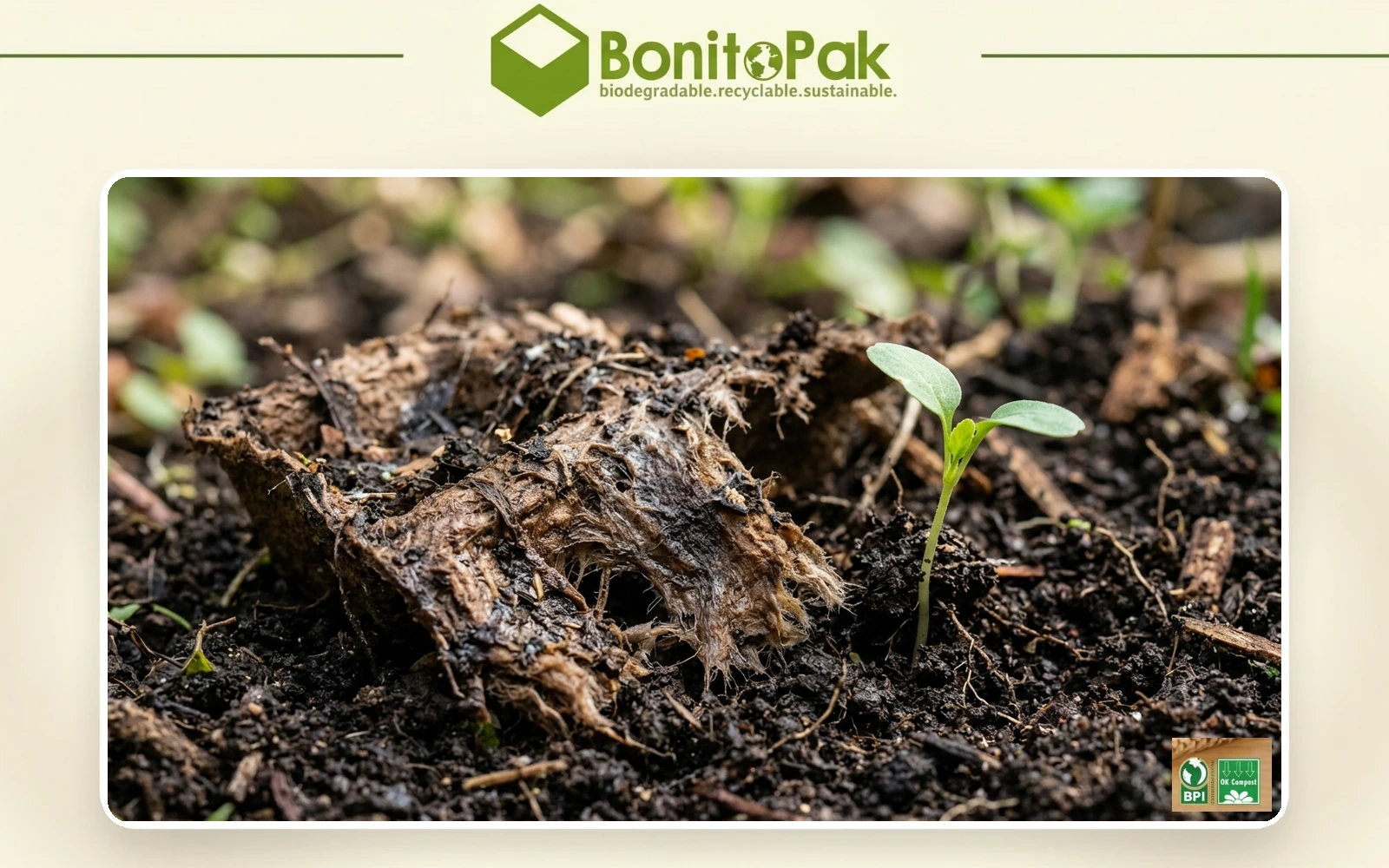
    Yes. The pigment is a very small fraction by mass and is selected for compostable packaging use, with no coating or film involved. Buyers sometimes assume heavy pigmentation means heavy additives, but the loading required to reach black in fiber is still minor against the mass of the fiber itself.

نتيجة قابلة للتحلل الحيوي

0 يوم

7 أيام

14 يوماً

30 يوماً

الصناعات المتخصصة

بعد إنتاج ملايين القطع، تمتلك BonitoPak معرفة عميقة في العديد من التطبيقات. نحن نتفوق بشكل خاص في الصناعات التي تتطلب تصنيع مكونات دقيقة ومعقدة. ثق بنا لتقديم الخبرة والجودة، بغض النظر عن مدى تعقيدها.

حلول التعبئة والتغليف OEM و ODM

تقدم بونيتوباك حلول تغليف مخصصة (OEM) ومصممة مسبقًا (ODM). سواء كنت بحاجة إلى تصميمات مصممة بالكامل أو عبوات جاهزة للاستخدام، فإننا نقدم خيارات عالية الجودة وفعالة ومرنة لتلبية احتياجات علامتك التجارية.

خدمات تصنيع المعدات الأصلية

تتيح لك حلول التعبئة والتغليف لمصنعي المعدات الأصلية إنشاء منتجات مخصصة بالكامل مصممة ومصنعة لتلبية متطلباتك الخاصة. نحن في بونيتوباك نقدم دعمًا شاملاً طوال عملية التصميم والنماذج الأولية والتصنيع، مما يضمن أن تعكس عبواتك الهوية الفريدة لعلامتك التجارية. تضمن قدراتنا التصنيعية الدقيقة إنتاجاً عالي الجودة ومتسقاً، بغض النظر عن مدى تعقيد التصميم. ومن خلال الخدمة المتكاملة، نتعامل مع كل شيء بدءاً من الفكرة وحتى التسليم، مما يساعدك على تبسيط احتياجاتك من التغليف.

خدمات ODM

تقدم حلول التعبئة والتغليف ODM منتجات مصممة مسبقًا يمكن تصميمها وفقًا لمتطلبات علامتك التجارية. بفضل خبرة بونيتوباك في التصميم المبتكر وعملية الإنتاج الفعالة، يمكنك الاختيار من بين مجموعة كبيرة من خيارات التغليف الجاهزة للاستخدام. نحن نوفر تخصيصاً مرناً، مما يسمح لك بإضافة علامتك التجارية والاختيار من بين مختلف التشطيبات والألوان والأحجام. يوفر هذا الحل الوقت والتكلفة مع ضمان تغليف عالي الجودة يلبي معايير علامتك التجارية.
هل أنت مستعد للارتقاء بمشروعك؟

اجعل تصميماتك تنبض بالحياة مع BonitoPak

اختبر الهندسة الدقيقة مع BonitoPak. من النماذج الأولية التفصيلية إلى الإنتاج بكميات كبيرة، نحن هنا لتحويل مفاهيمك إلى واقع ملموس. اتصل بنا اليوم لمناقشة احتياجات مشروعك!

فئات منتجاتنا

اكتشف مجموعة بونيتوباك المتنوعة من حلول التعبئة والتغليف، بما في ذلك صواني اللب المقولبة، وتغليف المواد الغذائية، والتصميمات المخصصة، والخيارات المستدامة. صُممت كل فئة من هذه الفئات من أجل المتانة والأداء الوظيفي والمسؤولية البيئية، وهي مصممة خصيصًا لتلبية احتياجاتك الخاصة.

Black is the easiest color we make

That sounds counterintuitive for the most dramatic shade in the range, but it follows directly from how pigmented pulp works.

Recycled fiber arrives gray-brown and varies batch to batch depending on the waste stream. Every pigment has to work against that moving base. Light tints show the variation, which is why pink is the hardest shade we produce.

Black overwhelms it. The pigment load is high enough that incoming fiber color has almost no influence on the finished shade. A grayer batch and a warmer batch produce the same black.

The practical consequence for buyers is consistency. Black reorders match the original more reliably than any other shade, which matters for a brand running the same carton across years rather than a single seasonal run.

Why embossing works best here

Embossed detail is read through shadow, not through color contrast. The mark is the same material as the carton around it, so what the eye picks up is the way light falls into and out of the raised or recessed area.

Shadow depth depends on how much tonal range the surface has. A pale surface reflects light into its own shadows and softens them. A dark surface absorbs that bounced light, so the shadow stays dark and the edge of the emboss stays sharp.

Black has more tonal depth than anything else we produce. An embossed logo on black reads clearly at a distance where the same logo on natural pulp is barely visible.

For a producer who wants permanent branding with no per unit print cost, black plus embossing is the strongest combination in the catalog.

Print behavior

Black is a limited print substrate with two very strong options.

White ink is the workhorse. Maximum contrast, clean reproduction, and it photographs well, which matters for producers selling through social channels where the pack appears in images.

Metallic and foil effects read dramatically on black in a way they do not on lighter pulp, where they compete with the base brightness. Gold and copper on black is a common specification for gift and premium lines.

What does not work is any dark ink, and any design relying on tonal gradation. Black is an absolute floor, so there is nothing below it to build shading against.

Colored inks other than white and metallic generally come out muddy, because ink sitting on a black absorbent surface loses most of its chroma. Designs needing color should specify a lighter carton.

Soil and scuff behavior

Dark packaging shows marks differently from pale packaging, and the difference is not what most buyers expect.

Black hides the gray scuffing that pale cartons pick up from handling and from sliding against each other in a case. A natural pulp carton that has moved through distribution often arrives looking handled. A black one does not.

What black does show is dust and dried moisture spotting, which sit lighter than the surface. Cartons stored in a dusty environment will need more care in presentation than natural pulp would. For refrigerated retail and indoor market selling this never arises, and the scuff advantage is what dominates.

Where black sells

Black carries specific associations in food retail that work for and against it.

It reads premium, which is why gift, hospitality, and high end specialty grocery are the natural channels. A black carton on a market table against a row of gray ones is an immediate signal of a producer who has made a decision.

It also reads as unusual for eggs specifically, since consumers associate egg packaging with natural fiber tones. That cuts both ways. For a premium line it is differentiation. For a mainstream line it can read as incongruous, and producers selling on value should not reach for it.

Black also conceals the eggs visually more than a pale carton does when the lid is open, which matters for producers whose shell color is part of the product. Blue and olive shells from Ameraucana and Olive Egger flocks pop against black. White eggs do too. Brown eggs sit flatter against it.

Pairing with format

Black works hardest on premium formats.

On molded pulp octagon egg cartons it produces the strongest premium presentation we can make in fiber, since an unusual shape and an unusual shade reinforce each other.

On a molded pulp 6 egg carton it suits a premium half dozen line sold alongside standard packaging.

On a molded pulp dozen egg carton it works as a permanent brand identity for producers positioning above the category.

For the full pigment detail, shade control, and how color is held across reorders, see molded pulp colored egg cartons. For embossing and printing specifications, see custom printed egg cartons.

مقالات ورؤى ذات صلة

ابق على اطلاع بآخر التحديثات حول اتجاهات التغليف المستدام ورؤى الصناعة ونصائح الخبراء من خلال مدونتنا. استكشف الأفكار والحلول المبتكرة لتعزيز معرفتك بالتعبئة والتغليف.

بقلم ليو تشان | كاتب في BonitoPak | أكثر من 20 عامًا من الخبرة في مجال التغليف المصنوع من اللب المقولب. الفودكا هي

بقلم ليو تشان | كاتب في BonitoPak | أكثر من 20 عامًا من الخبرة في مجال التغليف المصنوع من اللب المقولب تقريبًا كل

بقلم ليو تشان | كاتب في BonitoPak | أكثر من 20 عامًا من الخبرة في مجال التغليف المصنوع من اللب المقولب ابحث في هذا

الأسئلة المتكررة

Black Egg Cartons

  • Will black pigment rub off onto eggshells?

    No. The pigment is bound within the fiber rather than applied to the surface, so there is nothing loose to transfer. Transfer onto eggs would indicate a surface coated carton with poor adhesion, which is one of the practical reasons we color at the wet end rather than coating afterward.

  • Does black cost more than your other stock colors?

    Slightly, because the pigment loading is higher by mass than for a light tint. That is partly offset by a lower rejection rate, since black does not fail shade checks the way pink and pastels do. Net difference against other stock colors is small.

  • Can you print a photograph in white on black?

    No, and not because of the color. Fiber texture breaks up continuous tone regardless of substrate, so photographic reproduction fails on pulp generally. A bold single color illustration in white on black reproduces well. A halftone image does not.

  • Will a black carton fade in sunlight?

    Less than any other shade we produce. Black pigment has more lightfastness headroom than light tints, because fading is a proportional loss and there is far more pigment present to lose. Cartons held in strong sun for months will dull toward charcoal, but the effect is slower and less visible than on pastels.

  • Does a black carton compost as readily as a natural one?

    Yes. The pigment is a very small fraction by mass and is selected for compostable packaging use, with no coating or film involved. Buyers sometimes assume heavy pigmentation means heavy additives, but the loading required to reach black in fiber is still minor against the mass of the fiber itself.

املأ هذا النموذج المفصل