المنتجات

استكشف مجموعتنا الواسعة من حلول التغليف عالية الجودة والصديقة للبيئة المصممة لتلبية الاحتياجات الفريدة لمختلف الصناعات. من التصميمات المخصصة إلى المواد المستدامة، اعثر على خيار التغليف المثالي لمتطلبات منتجاتك.

المادة :

الورق المعاد تدويره
التغليف :
علبة البيض
العملية :
الصحافة الرطبة
اللون :
Multicolor

المادة :

الورق المعاد تدويره
التغليف :
علبة البيض
العملية :
الصحافة الرطبة
اللون :
طبيعي

المادة :

الورق المعاد تدويره
التغليف :
Quail Egg Carton
العملية :
الصحافة الرطبة
اللون :
طبيعي

المادة :

نوع المادة
التغليف :
نوع التغليف
العملية :
قائمة العمليات
اللون :
اللون الرمادي
egg cartons stacked on a pallet showing reinforced lid profile

المادة :

نوع المادة
التغليف :
نوع التغليف
العملية :
قائمة العمليات
اللون :
اللون الرمادي

المادة :

نوع المادة
التغليف :
نوع التغليف
العملية :
قائمة العمليات
اللون :
اللون الرمادي

المادة :

نوع المادة
التغليف :
نوع التغليف
العملية :
قائمة العمليات
اللون :
اللون الرمادي
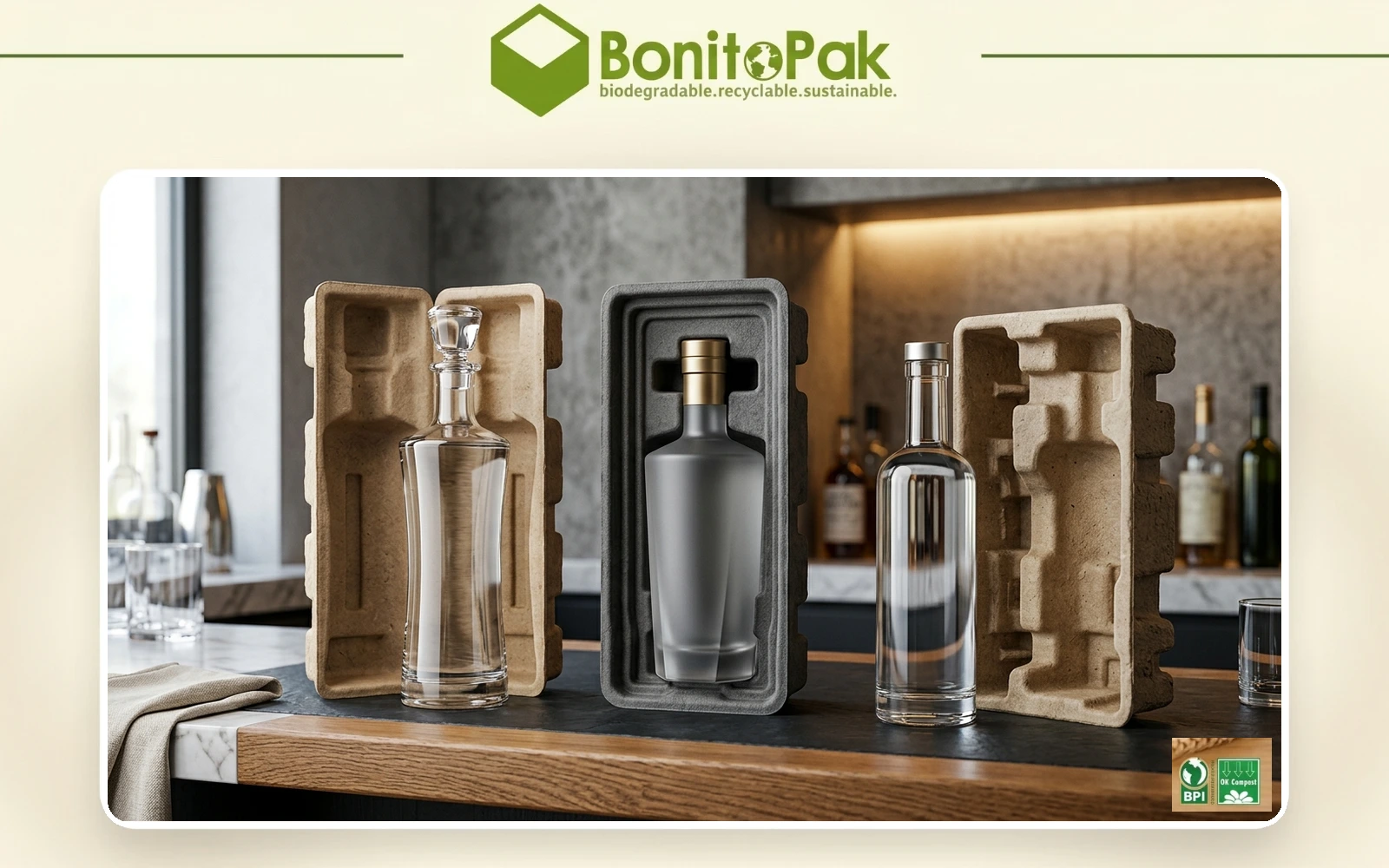
إدخالات شاحن النبيذ المصبوبة المصنوعة من اللب المصبوب حسب الطلب

المادة :

نوع المادة
التغليف :
نوع التغليف
العملية :
قائمة العمليات
اللون :
اللون الرمادي

المادة :

نوع المادة
التغليف :
نوع التغليف
العملية :
قائمة العمليات
اللون :
اللون الرمادي

المادة :

نوع المادة
التغليف :
نوع التغليف
العملية :
قائمة العمليات
اللون :
اللون الرمادي

فئات منتجاتنا

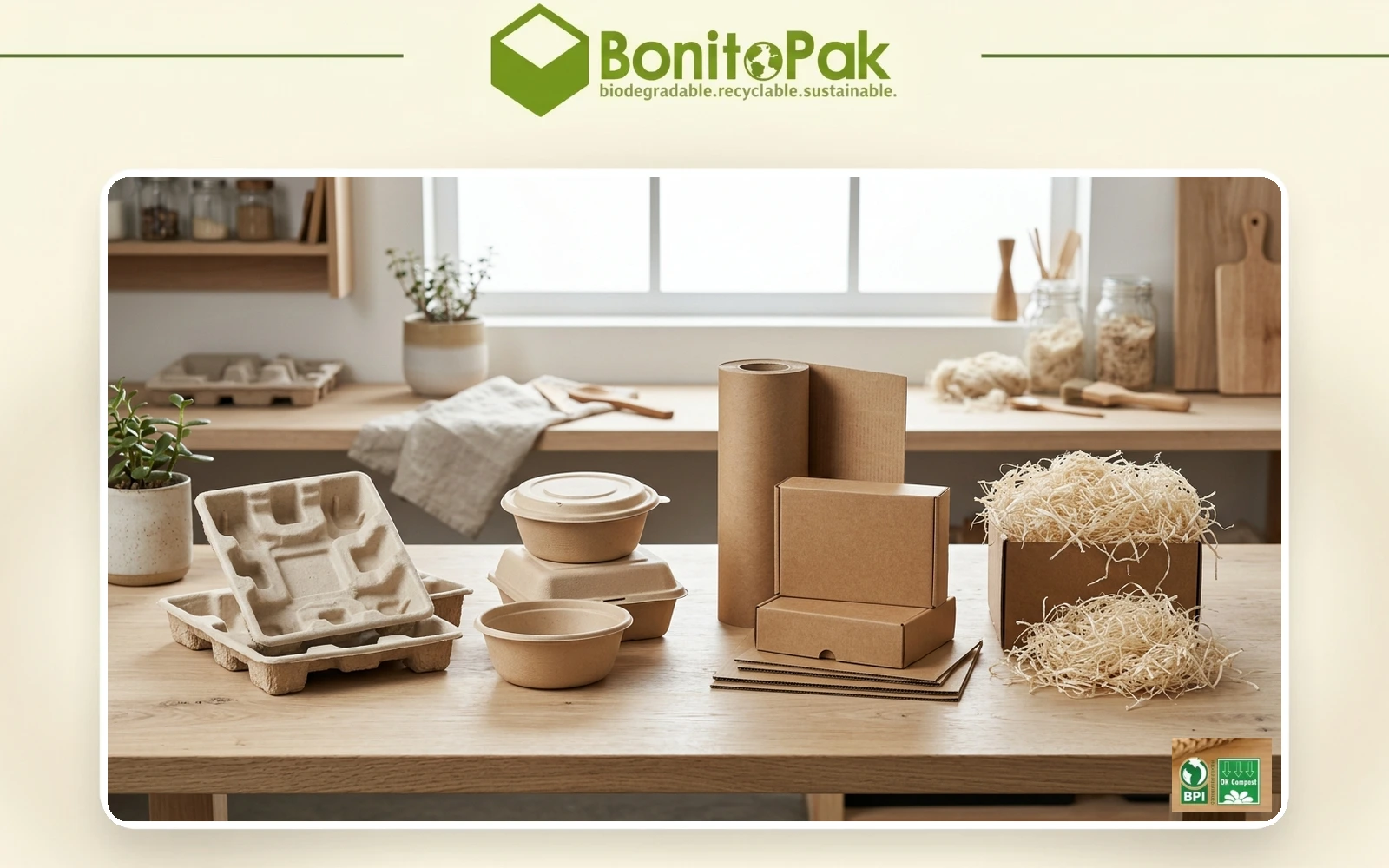
اكتشف مجموعة بونيتوباك المتنوعة من حلول التعبئة والتغليف، بما في ذلك صواني اللب المقولبة، وتغليف المواد الغذائية، والتصميمات المخصصة، والخيارات المستدامة. صُممت كل فئة من هذه الفئات من أجل المتانة والأداء الوظيفي والمسؤولية البيئية، وهي مصممة خصيصًا لتلبية احتياجاتك الخاصة.

Two ways to color a pulp carton, and only one of them lasts

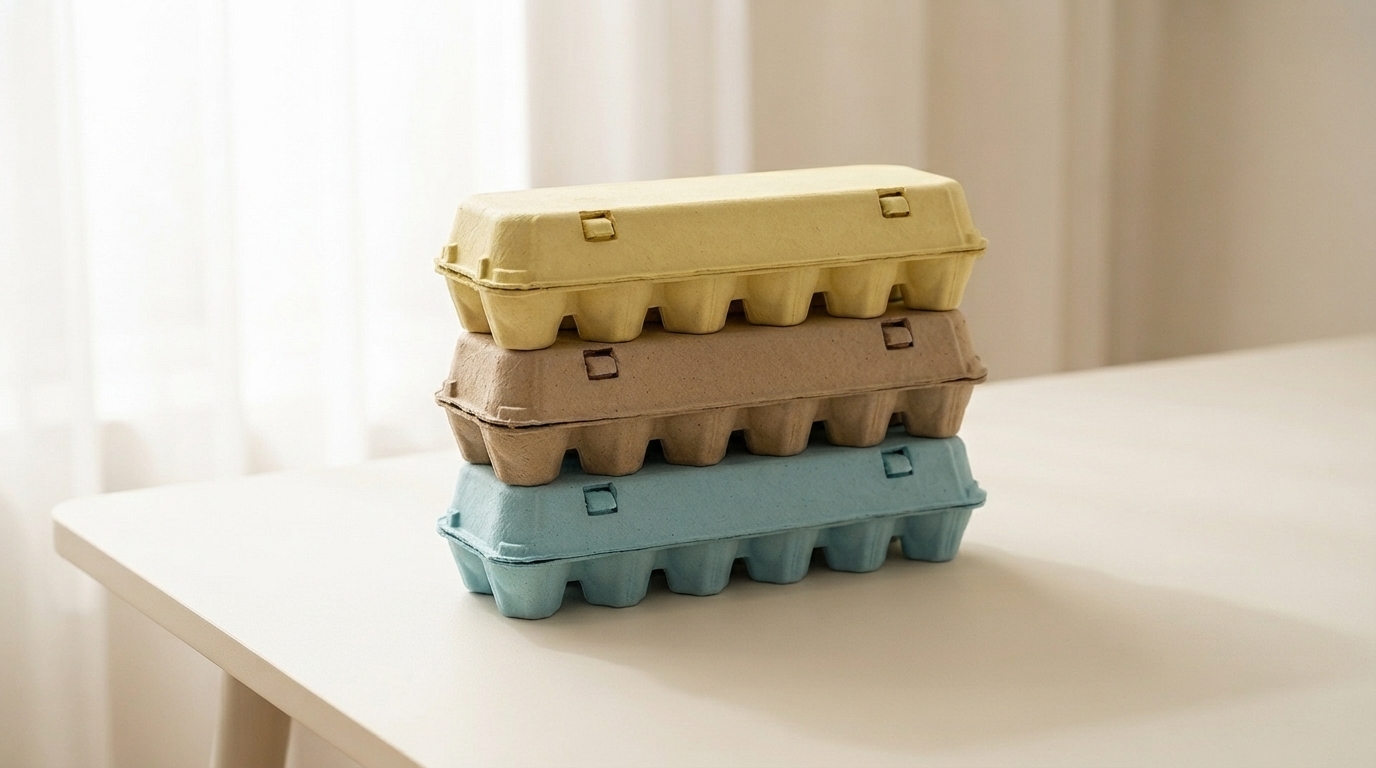
Colored egg cartons are produced by two very different methods, and the difference determines almost everything about how the finished carton performs.

Surface coating applies pigment after the carton is formed and dried, either by spray or by print. It is cheap, it allows fast color changes, and it produces bright results. It also sits on top of the fiber. Scuff a coated carton against a shelf edge and the natural pulp shows through. Coating also adds a layer that may not compost at the same rate as the fiber underneath, which undermines the reason most buyers chose pulp.

Wet end pigmentation blends the pigment into the pulp slurry before the mold ever touches it. The color is distributed through the fiber, so a torn edge shows the same shade as the face. Nothing can scuff off because there is no layer to remove.

Bonitopak colors at the wet end. That is why our colored cartons cost more than a coated equivalent and why they still look correct after a shipping cycle.

What pigment does to compostability

The concern buyers raise most often is whether color compromises the environmental claim. It is a fair question and the answer depends entirely on pigment selection.

Pigments intended for packaging that will compost have to break down without leaving heavy metals or persistent residue in the finished compost. That rules out several traditional colorant chemistries, particularly some historic reds and yellows. It leaves a narrower palette, which is one reason pulp color ranges are smaller than plastic ones.

Working inside that constraint, a pigmented pulp carton composts on essentially the same timeline as a natural one. The fiber is the same, the quantity of pigment is very small by mass, and there is no film or coating to interfere.

Buyers should ask any colored pulp supplier which pigment system they use and whether it is rated for compostable packaging. A supplier who cannot answer is probably surface coating.

Batch consistency is the real production challenge

Getting a color right once is straightforward. Getting the same color across a twelve month supply relationship is where suppliers separate.

Recycled pulp is not a consistent starting point. Incoming fiber varies in base color depending on the waste stream, seasonally and by supplier. A pigment dose that produces the target shade on a light batch will produce something darker on a gray one.

The control is measurement rather than recipe. Base pulp brightness is checked before dosing, the pigment quantity is adjusted against that reading, and formed samples are compared to a retained physical standard rather than to a color chip on a screen. Records for each batch let a repeat order be matched to the original rather than to the nominal specification.

Buyers running a branded line should request a retained sample at first production and reference it on every reorder. It is the only reliable way to hold a shade over time.

Where color earns its cost

Color adds cost. It is worth understanding where it pays that back.

At a farm stand or market table, a colored carton separates one producer from every other producer selling the same product in gray pulp. That visual difference does more work than any label, because it registers before the shopper is close enough to read anything.

In retail, color functions as a range signal. Producers commonly use different shades to distinguish free range from pasture raised, or standard from organic, which lets a shopper find their usual product without reading the pack.

In gift and seasonal channels, color is the product. Easter, holiday hampers, and branded corporate gifts are bought on appearance.

Where color rarely pays back is commodity commercial packing. If eggs are going through a grading station to a retailer who applies their own labeling, the carton is invisible and natural pulp is the right call.

Specifying color across a range

Buyers running several cell counts in one brand color need to plan for it, because each mold is a separate production run and shade drift between molds is a genuine risk.

The reliable approach is to run all molds in the same color from the same pigment batch where volumes allow, or to match every mold to one retained physical standard where they cannot. Ordering a علبة بيض سعة اثني عشر بيضة and a علبة بيض سعة 6 بيضات in the same shade six months apart without a retained standard will usually produce a visible difference.

Buyers focused on a single shade should see pink egg cartons for the shade specific detail. Those pairing color with a distinctive shape should look at علب البيض المثمنة أو vintage egg cartons.
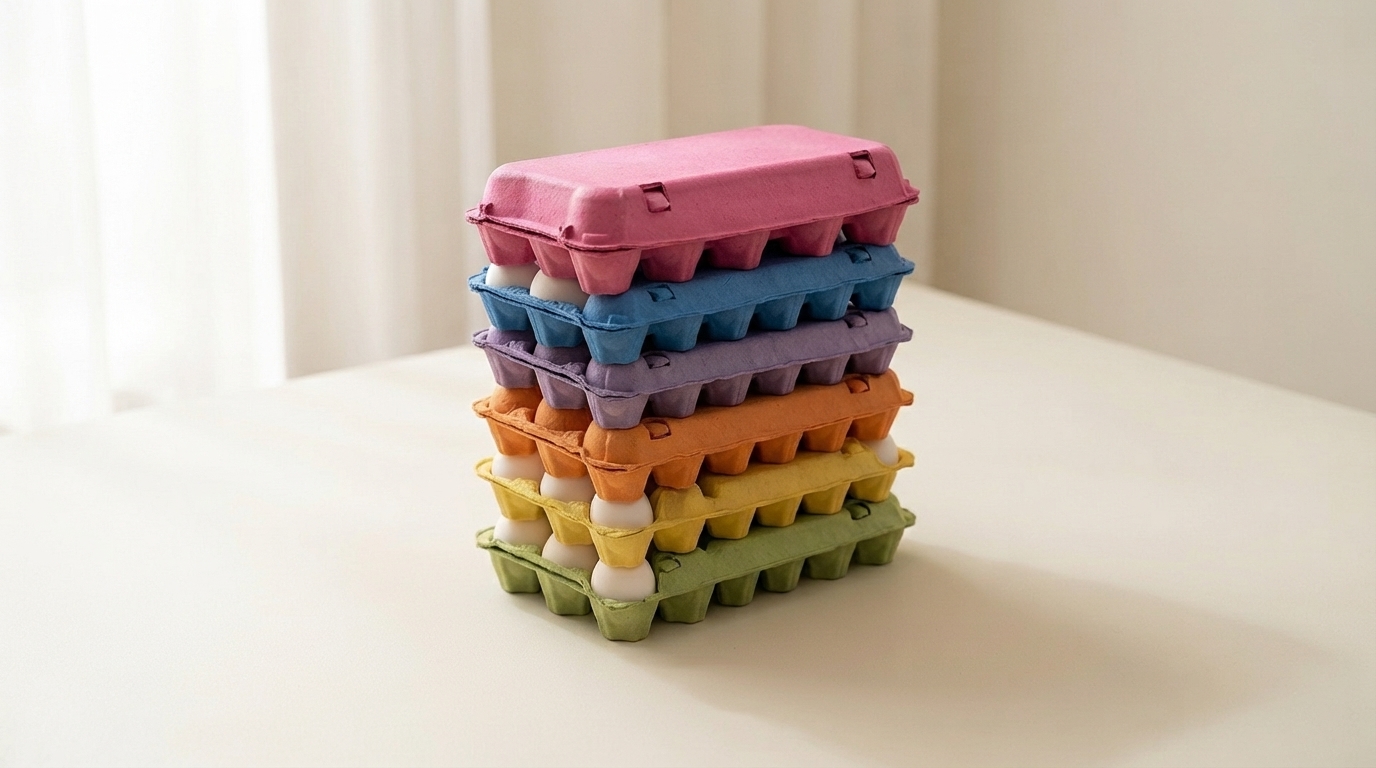
Colored egg cartons are produced by two very different methods, and the difference determines almost everything about how the finished carton performs.

Surface coating applies pigment after the carton is formed and dried, either by spray or by print. It is cheap, it allows fast color changes, and it produces bright results. It also sits on top of the fiber. Scuff a coated carton against a shelf edge and the natural pulp shows through. Coating also adds a layer that may not compost at the same rate as the fiber underneath, which undermines the reason most buyers chose pulp.

Wet end pigmentation blends the pigment into the pulp slurry before the mold ever touches it. The color is distributed through the fiber, so a torn edge shows the same shade as the face. Nothing can scuff off because there is no layer to remove.

Bonitopak colors at the wet end. That is why our colored cartons cost more than a coated equivalent and why they still look correct after a shipping cycle.

What pigment does to compostability

The concern buyers raise most often is whether color compromises the environmental claim. It is a fair question and the answer depends entirely on pigment selection.

Pigments intended for packaging that will compost have to break down without leaving heavy metals or persistent residue in the finished compost. That rules out several traditional colorant chemistries, particularly some historic reds and yellows. It leaves a narrower palette, which is one reason pulp color ranges are smaller than plastic ones.

Working inside that constraint, a pigmented pulp carton composts on essentially the same timeline as a natural one. The fiber is the same, the quantity of pigment is very small by mass, and there is no film or coating to interfere.

Buyers should ask any colored pulp supplier which pigment system they use and whether it is rated for compostable packaging. A supplier who cannot answer is probably surface coating.

Batch consistency is the real production challenge

Getting a color right once is straightforward. Getting the same color across a twelve month supply relationship is where suppliers separate.

Recycled pulp is not a consistent starting point. Incoming fiber varies in base color depending on the waste stream, seasonally and by supplier. A pigment dose that produces the target shade on a light batch will produce something darker on a gray one.

The control is measurement rather than recipe. Base pulp brightness is checked before dosing, the pigment quantity is adjusted against that reading, and formed samples are compared to a retained physical standard rather than to a color chip on a screen. Records for each batch let a repeat order be matched to the original rather than to the nominal specification.

Buyers running a branded line should request a retained sample at first production and reference it on every reorder. It is the only reliable way to hold a shade over time.

Where color earns its cost

Color adds cost. It is worth understanding where it pays that back.

At a farm stand or market table, a colored carton separates one producer from every other producer selling the same product in gray pulp. That visual difference does more work than any label, because it registers before the shopper is close enough to read anything.

In retail, color functions as a range signal. Producers commonly use different shades to distinguish free range from pasture raised, or standard from organic, which lets a shopper find their usual product without reading the pack.

In gift and seasonal channels, color is the product. Easter, holiday hampers, and branded corporate gifts are bought on appearance.

Where color rarely pays back is commodity commercial packing. If eggs are going through a grading station to a retailer who applies their own labeling, the carton is invisible and natural pulp is the right call.

Specifying color across a range

Buyers running several cell counts in one brand color need to plan for it, because each mold is a separate production run and shade drift between molds is a genuine risk.

The reliable approach is to run all molds in the same color from the same pigment batch where volumes allow, or to match every mold to one retained physical standard where they cannot. Ordering a علبة بيض سعة اثني عشر بيضة and a علبة بيض سعة 6 بيضات in the same shade six months apart without a retained standard will usually produce a visible difference.

Buyers focused on a single shade should see pink egg cartons for the shade specific detail. Those pairing color with a distinctive shape should look at علب البيض المثمنة أو vintage egg cartons.
Two ways to color a pulp carton, and only one of them lasts

Colored egg cartons are produced by two very different methods, and the difference determines almost everything about how the finished carton performs.

Surface coating applies pigment after the carton is formed and dried, either by spray or by print. It is cheap, it allows fast color changes, and it produces bright results. It also sits on top of the fiber. Scuff a coated carton against a shelf edge and the natural pulp shows through. Coating also adds a layer that may not compost at the same rate as the fiber underneath, which undermines the reason most buyers chose pulp.

Wet end pigmentation blends the pigment into the pulp slurry before the mold ever touches it. The color is distributed through the fiber, so a torn edge shows the same shade as the face. Nothing can scuff off because there is no layer to remove.

Bonitopak colors at the wet end. That is why our colored cartons cost more than a coated equivalent and why they still look correct after a shipping cycle.

What pigment does to compostability

The concern buyers raise most often is whether color compromises the environmental claim. It is a fair question and the answer depends entirely on pigment selection.

Pigments intended for packaging that will compost have to break down without leaving heavy metals or persistent residue in the finished compost. That rules out several traditional colorant chemistries, particularly some historic reds and yellows. It leaves a narrower palette, which is one reason pulp color ranges are smaller than plastic ones.

Working inside that constraint, a pigmented pulp carton composts on essentially the same timeline as a natural one. The fiber is the same, the quantity of pigment is very small by mass, and there is no film or coating to interfere.

Buyers should ask any colored pulp supplier which pigment system they use and whether it is rated for compostable packaging. A supplier who cannot answer is probably surface coating.

Batch consistency is the real production challenge

Getting a color right once is straightforward. Getting the same color across a twelve month supply relationship is where suppliers separate.

Recycled pulp is not a consistent starting point. Incoming fiber varies in base color depending on the waste stream, seasonally and by supplier. A pigment dose that produces the target shade on a light batch will produce something darker on a gray one.

The control is measurement rather than recipe. Base pulp brightness is checked before dosing, the pigment quantity is adjusted against that reading, and formed samples are compared to a retained physical standard rather than to a color chip on a screen. Records for each batch let a repeat order be matched to the original rather than to the nominal specification.

Buyers running a branded line should request a retained sample at first production and reference it on every reorder. It is the only reliable way to hold a shade over time.

Where color earns its cost

Color adds cost. It is worth understanding where it pays that back.

At a farm stand or market table, a colored carton separates one producer from every other producer selling the same product in gray pulp. That visual difference does more work than any label, because it registers before the shopper is close enough to read anything.

In retail, color functions as a range signal. Producers commonly use different shades to distinguish free range from pasture raised, or standard from organic, which lets a shopper find their usual product without reading the pack.

In gift and seasonal channels, color is the product. Easter, holiday hampers, and branded corporate gifts are bought on appearance.

Where color rarely pays back is commodity commercial packing. If eggs are going through a grading station to a retailer who applies their own labeling, the carton is invisible and natural pulp is the right call.

Specifying color across a range

Buyers running several cell counts in one brand color need to plan for it, because each mold is a separate production run and shade drift between molds is a genuine risk.

The reliable approach is to run all molds in the same color from the same pigment batch where volumes allow, or to match every mold to one retained physical standard where they cannot. Ordering a علبة بيض سعة اثني عشر بيضة and a علبة بيض سعة 6 بيضات in the same shade six months apart without a retained standard will usually produce a visible difference.

Buyers focused on a single shade should see pink egg cartons for the shade specific detail. Those pairing color with a distinctive shape should look at علب البيض المثمنة أو vintage egg cartons.
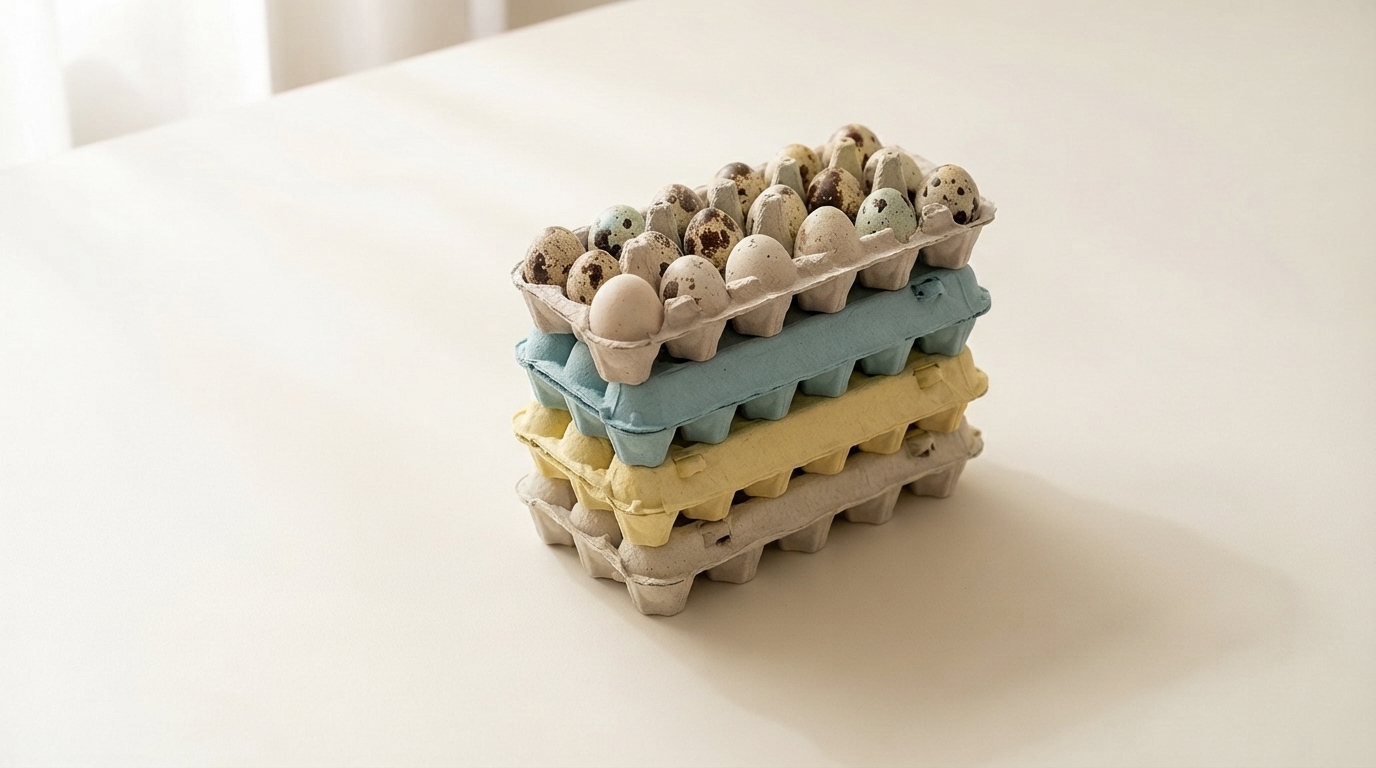
Colored egg cartons are produced by two very different methods, and the difference determines almost everything about how the finished carton performs.

Surface coating applies pigment after the carton is formed and dried, either by spray or by print. It is cheap, it allows fast color changes, and it produces bright results. It also sits on top of the fiber. Scuff a coated carton against a shelf edge and the natural pulp shows through. Coating also adds a layer that may not compost at the same rate as the fiber underneath, which undermines the reason most buyers chose pulp.

Wet end pigmentation blends the pigment into the pulp slurry before the mold ever touches it. The color is distributed through the fiber, so a torn edge shows the same shade as the face. Nothing can scuff off because there is no layer to remove.

Bonitopak colors at the wet end. That is why our colored cartons cost more than a coated equivalent and why they still look correct after a shipping cycle.

What pigment does to compostability

The concern buyers raise most often is whether color compromises the environmental claim. It is a fair question and the answer depends entirely on pigment selection.

Pigments intended for packaging that will compost have to break down without leaving heavy metals or persistent residue in the finished compost. That rules out several traditional colorant chemistries, particularly some historic reds and yellows. It leaves a narrower palette, which is one reason pulp color ranges are smaller than plastic ones.

Working inside that constraint, a pigmented pulp carton composts on essentially the same timeline as a natural one. The fiber is the same, the quantity of pigment is very small by mass, and there is no film or coating to interfere.

Buyers should ask any colored pulp supplier which pigment system they use and whether it is rated for compostable packaging. A supplier who cannot answer is probably surface coating.

Batch consistency is the real production challenge

Getting a color right once is straightforward. Getting the same color across a twelve month supply relationship is where suppliers separate.

Recycled pulp is not a consistent starting point. Incoming fiber varies in base color depending on the waste stream, seasonally and by supplier. A pigment dose that produces the target shade on a light batch will produce something darker on a gray one.

The control is measurement rather than recipe. Base pulp brightness is checked before dosing, the pigment quantity is adjusted against that reading, and formed samples are compared to a retained physical standard rather than to a color chip on a screen. Records for each batch let a repeat order be matched to the original rather than to the nominal specification.

Buyers running a branded line should request a retained sample at first production and reference it on every reorder. It is the only reliable way to hold a shade over time.

Where color earns its cost

Color adds cost. It is worth understanding where it pays that back.

At a farm stand or market table, a colored carton separates one producer from every other producer selling the same product in gray pulp. That visual difference does more work than any label, because it registers before the shopper is close enough to read anything.

In retail, color functions as a range signal. Producers commonly use different shades to distinguish free range from pasture raised, or standard from organic, which lets a shopper find their usual product without reading the pack.

In gift and seasonal channels, color is the product. Easter, holiday hampers, and branded corporate gifts are bought on appearance.

Where color rarely pays back is commodity commercial packing. If eggs are going through a grading station to a retailer who applies their own labeling, the carton is invisible and natural pulp is the right call.

Specifying color across a range

Buyers running several cell counts in one brand color need to plan for it, because each mold is a separate production run and shade drift between molds is a genuine risk.

The reliable approach is to run all molds in the same color from the same pigment batch where volumes allow, or to match every mold to one retained physical standard where they cannot. Ordering a علبة بيض سعة اثني عشر بيضة and a علبة بيض سعة 6 بيضات in the same shade six months apart without a retained standard will usually produce a visible difference.

Buyers focused on a single shade should see pink egg cartons for the shade specific detail. Those pairing color with a distinctive shape should look at علب البيض المثمنة أو vintage egg cartons.

خبرات الصناعة في بونيتو باك

بعد إنتاج ملايين القطع، تمتلك BonitoPak معرفة عميقة في العديد من التطبيقات. نحن نتفوق بشكل خاص في الصناعات التي تتطلب تصنيع مكونات دقيقة ومعقدة. ثق بنا لتقديم الخبرة والجودة، بغض النظر عن مدى تعقيدها.
هل أنت مستعد للارتقاء بمشروعك؟

اجعل تصميماتك تنبض بالحياة مع BonitoPak

اختبر الهندسة الدقيقة مع BonitoPak. من النماذج الأولية التفصيلية إلى الإنتاج بكميات كبيرة، نحن هنا لتحويل مفاهيمك إلى واقع ملموس. اتصل بنا اليوم لمناقشة احتياجات مشروعك!

لماذا تختار BonitoPak؟

في Bonitopak، نقدم حلول تغليف صديقة للبيئة قابلة للتخصيص مع دعم الخبراء والممارسات المستدامة والجودة المضمونة. تضمن تصميماتنا المبتكرة وإنتاجنا الفعال تميز عبواتك مع تقليل الأثر البيئي.

حلول سريعة

نحن نستجيب في غضون 24 ساعة، ونقدم تواصلاً سريعاً وواضحاً وحلولاً مصممة خصيصاً وخدمة فعالة لتوفير الوقت والتكاليف.

القدرة على التكيف السريع

يضمن تصميمنا وهندستنا وتصنيعنا الداخلي سرعة تصنيع الأدوات، حيث تكون العينات جاهزة في 7 أيام وقوالب الإنتاج في 8 أيام.

المبتكرون الخبراء

يتفوق مهندسو البحث والتطوير المهرة لدينا في التصميم والنماذج الأولية والأدوات، ويقدمون حلول تغليف كاملة مع علب الصفيح والعلب الصفيح والعلب المطبوعة.

التحسين الفعال

يقوم الموظفون المدربون بإجراء عمليات التفتيش والفحص العشوائي ومراقبة الجودة 100%، مما يضمن معايير عالية، ويقلل من حالات الرفض، ويوفر التكاليف.

التسليم الفوري

نحن نوفر جدولة معقولة للطلبات وننسق مع العملاء لحل المشكلات على الفور، مما يضمن أفضل الحلول.

دعم ممتاز

يضمن فريقنا المتمرس في خدمات ما بعد البيع التواصل السلس وحل المشكلات المتعلقة بالاستبدال والشحن والتوصيل بهدف الوصول إلى صفر شكاوى.

مقالات ورؤى ذات صلة

ابق على اطلاع بآخر التحديثات حول اتجاهات التغليف المستدام ورؤى الصناعة ونصائح الخبراء من خلال مدونتنا. استكشف الأفكار والحلول المبتكرة لتعزيز معرفتك بالتعبئة والتغليف.

بقلم ليو تشان | كاتب في BonitoPak | أكثر من 20 عامًا من الخبرة في مجال التغليف المصنوع من اللب المقولب. الفودكا هي

بقلم ليو تشان | كاتب في BonitoPak | أكثر من 20 عامًا من الخبرة في مجال التغليف المصنوع من اللب المقولب تقريبًا كل

بقلم ليو تشان | كاتب في BonitoPak | أكثر من 20 عامًا من الخبرة في مجال التغليف المصنوع من اللب المقولب ابحث في هذا

الأسئلة المتكررة

علب بيض ملونة مصنوعة من اللب المقولب

  • Can I get a color card before ordering?

    Yes, and we recommend it. Screen renderings of pulp color are unreliable because fiber texture affects perceived shade. We send physical color chips of the six stock shades, and for custom work we produce a formed sample in the actual carton geometry, since a flat chip and a molded surface read differently.

  • Does the pigment transfer onto the eggshells?

    No. The pigment is bound within the fiber structure, not sitting loose on the surface, and dry pulp does not transfer color under normal handling. A carton that marks the eggs would indicate a surface coated product with poor adhesion, which is one of the practical arguments for wet end coloring.

  • Why do colored cartons cost more than natural?

    Three reasons. The pigment itself is an added material cost. Wet end color changes require the system to be flushed between shades, which is downtime. And colored runs cannot absorb variable incoming fiber the way natural production can, so more batches get rejected on shade. Stock colors cost less than custom because we run them continuously and avoid most of the changeover.

  • Can you match my exact brand color?

    We can get close, and we produce a physical match sample before any full run so you can approve or adjust. Exact matching to a printed Pantone reference is not achievable in pigmented fiber, because pulp scatters light differently than coated paper does. Brands with a strict color standard usually approve a designated pulp equivalent rather than insisting on the ink reference.

  • Will colored cartons fade in sunlight?

    Slowly, and mostly at a farm stand rather than in a cold case. Pulp pigments are less lightfast than printing inks because the palette is limited to compostable chemistries. Cartons held in direct sun for weeks will lighten, particularly in the blue and purple range. Retail cold cases and covered market stalls are not a problem.

املأ هذا النموذج المفصل