Straw Fiber

Straw fiber is made from the stalks left after grain harvest, material that in many regions is still burned in the field because there is nothing else to do with it. Using it for packaging turns a disposal problem into an input. The fiber runs 1.0 to 1.5 mm, forms a pale gold part with a lightly textured surface, and renews annually rather than over the decades a tree needs.

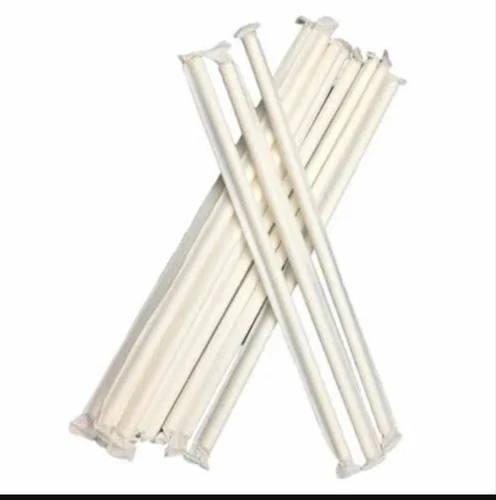
Why straw fiber works as a packaging material

  • Annual renewal cycle. Wheat and rice are harvested every year. A softwood plantation runs 25 to 40 years before harvest. On renewability per year, no wood fiber comes close.
  • Diverts open field burning. Straw disposal by burning is a significant regional air quality problem across several major grain-growing areas. Diverting it into packaging has a measurable environmental argument behind it.
  • No competition with food production. The grain is already harvested. The straw is residue, so using it does not displace food crops or farmland.
  • Pale gold natural tone. Lighter and warmer than recycled fiber, which gives a finished part that reads as agricultural rather than as waste paper.
  • Low cost at volume. Residue pricing rather than commodity fiber pricing, where collection logistics are established.
  • Good formability. Mid-short fibers flow into mold detail cleanly and drain predictably on the forming screen.

The technical complication worth naming is silica. Rice straw in particular carries a high silica content, which is abrasive on processing equipment and interferes with fiber bonding if it is not managed. Straw pulping therefore needs process control that wood pulping does not, and suppliers who treat straw as a drop-in substitute for wood fiber tend to produce inconsistent parts.

Wheat straw carries less silica than rice straw, which is why wheat is the more common input where both are available. We select and blend on that basis rather than taking whatever residue is cheapest.

Specification table

Specification Details
Material Name Straw Fiber
Material Type Agricultural residue cellulose
Fiber Source Wheat straw, rice straw
Average Fiber Length 1.0 to 1.5 mm
Renewal Cycle Annual
Silica Content Present; higher in rice than wheat straw
Natural Color Pale gold
Surface Finish Lightly textured, matte
Relative Strength Medium
Typical Wall Thickness 1.0 to 4.0 mm
Process Compatibility Wet pressing, dry pressing, transfer molding
Molded Pulp Types Type 1, Type 2, Type 4
Compostability Meets the chemistry basis for EN 13432 and ASTM D6400 uncoated
Recyclability Accepted in most paper streams uncoated
Food Contact Confirm against your market requirement
Color Options Natural gold; takes pigment on a pale base
Supply Pattern Seasonal at harvest, stocked for year-round production
Relative Cost Low

Where straw fiber is the right specification

Volume parts with a sustainability requirement. This is the material’s natural home. It costs close to recycled fiber, looks considerably better, and carries a stronger environmental argument than either recycled or virgin wood.

Brands reporting on agricultural circularity. Field-burning diversion is a specific, defensible claim rather than a general eco statement, which is exactly what procurement teams need when they have to substantiate a packaging decision.

Food service and produce trays. The pale gold tone and the agricultural origin sit naturally alongside food, and the formability supports the shallow trays these applications use.

Replacing expanded polystyrene in retail-facing packaging. Where OCC-based pulp is too coarse to put in front of a customer, straw fiber does the same protective job and looks intentional.

Straw stops being the answer in two situations. Anything carrying serious compression needs the longer fibers in compostable kraft paper or bamboo fiber. Anything needing a true white finish or direct food contact clearance needs bleached pulp.

The closest material in the range is natural plant fiber, which blends several agricultural sources rather than committing to straw specifically. Choose straw when you want a single declared origin for a sustainability claim; choose the blend when you want supply resilience.

Frequently Asked Questions (FAQs)

Is straw fiber weaker than wood fiber?
Yes, and the reason is fiber length. Straw runs 1.0 to 1.5 mm against 2.5 to 4.5 mm for softwood kraft, so it builds a less interconnected bonded network. In practice this governs only load-critical parts. For trays, inserts, and general protective packaging, geometry carries the performance and the difference does not decide the design.
Two things. It is abrasive, so it wears processing equipment faster than wood pulping does, which is a cost that shows up in the supplier’s operation rather than in the part. And it interferes with fiber-to-fiber bonding, which reduces strength if the pulping process does not manage it. Suppliers who have not solved this produce straw parts with inconsistent compression performance.
Some straw is used for animal bedding, soil incorporation, and energy, and some is simply burned. Volumes are large enough in major grain regions that packaging demand sits well within what is currently disposed of rather than competing with established uses. The claim worth making is field-burning diversion rather than that no alternative use exists.
Yes, and the pale gold base takes pigment better than gray-brown recycled fiber does. Light tints reproduce more predictably because there is less base color to work against. The base tone does warm the result slightly, so a cool shade on straw will read marginally warmer than the same pigment on bleached pulp.
Harvest is seasonal, so the input arrives in a concentrated period and is stocked for continuous production. The risk to manage is a poor harvest year rather than the normal seasonal cycle. For large recurring orders we plan material availability against your schedule at quotation rather than assuming supply.
Material Name

Straw Fiber

Material Type

Natural plant-based fiber

Process Compatibility

Bonitopak Packaging Materials

Our packaging solutions are crafted from sustainable materials like sugarcane fiber, bamboo, and recycled paper pulp, offering eco-friendly, biodegradable options for a wide range of products.

Compostable kraft paper is the strongest fiber we form. Made from virgin

Colored pulp is not a separate fiber. It is any of our

Bleached pulp is the material to specify when the part has to

Natural plant fiber covers the non-wood cellulose sources we blend outside the

Corrugated paper as a molded pulp material means recovered cardboard boxes repulped

Straw fiber is made from the stalks left after grain harvest, material

Our Product Categories

Discover Bonitopak’s diverse range of packaging solutions, including molded pulp trays, food packaging, custom designs, and sustainable options. Each category is crafted for durability, functionality, and environmental responsibility, tailored to meet your specific needs.
Ready to Elevate Your Project?

Bring Your Designs to Life with BonitoPak

Experience precision engineering with BonitoPak. From detailed prototypes to high-volume production, we’re here to turn your concepts into reality. Contact us today to discuss your project needs!

Related Articles and Insights

Stay informed with the latest updates on sustainable packaging trends, industry insights, and expert tips through our blog. Explore innovative ideas and solutions to enhance your packaging knowledge.

Canada has a smaller domestic moulded pulp sector than the United States, but it has

Australia has one domestic moulded fibre egg carton manufacturer. Huhtamaki Australia describes itself as the

British egg packaging is sold differently from the American market. Where US suppliers talk in

Fill This Detailed Form