Stroh Faser

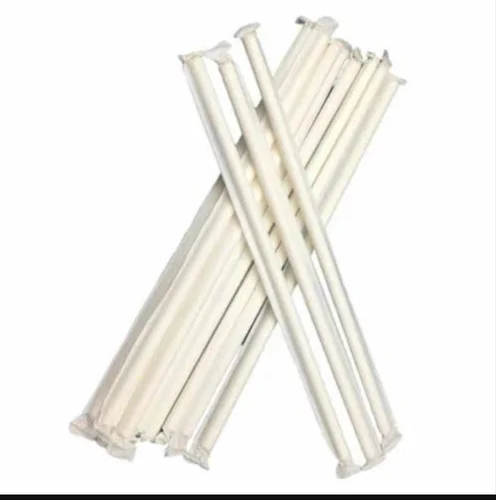
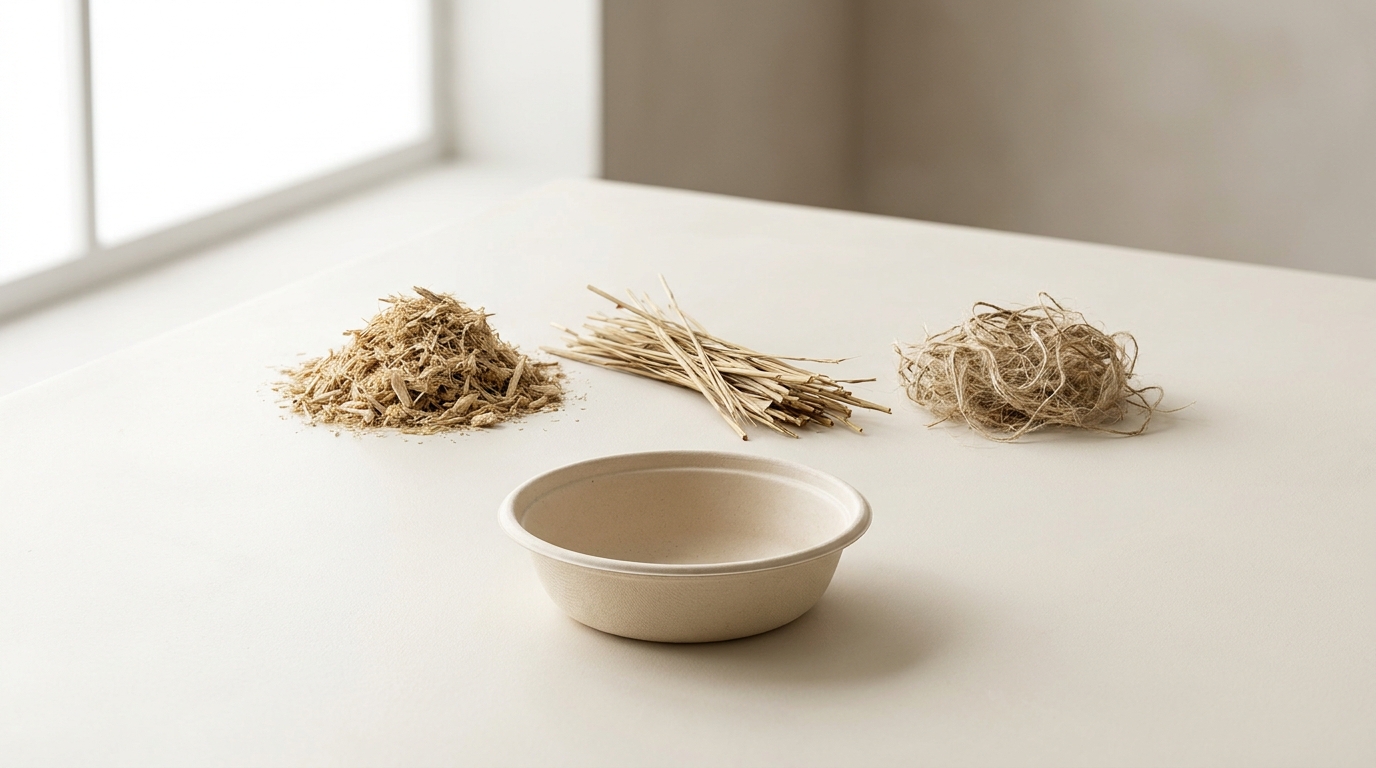
Straw fiber is made from the stalks left after grain harvest, material that in many regions is still burned in the field because there is nothing else to do with it. Using it for packaging turns a disposal problem into an input. The fiber runs 1.0 to 1.5 mm, forms a pale gold part with a lightly textured surface, and renews annually rather than over the decades a tree needs.

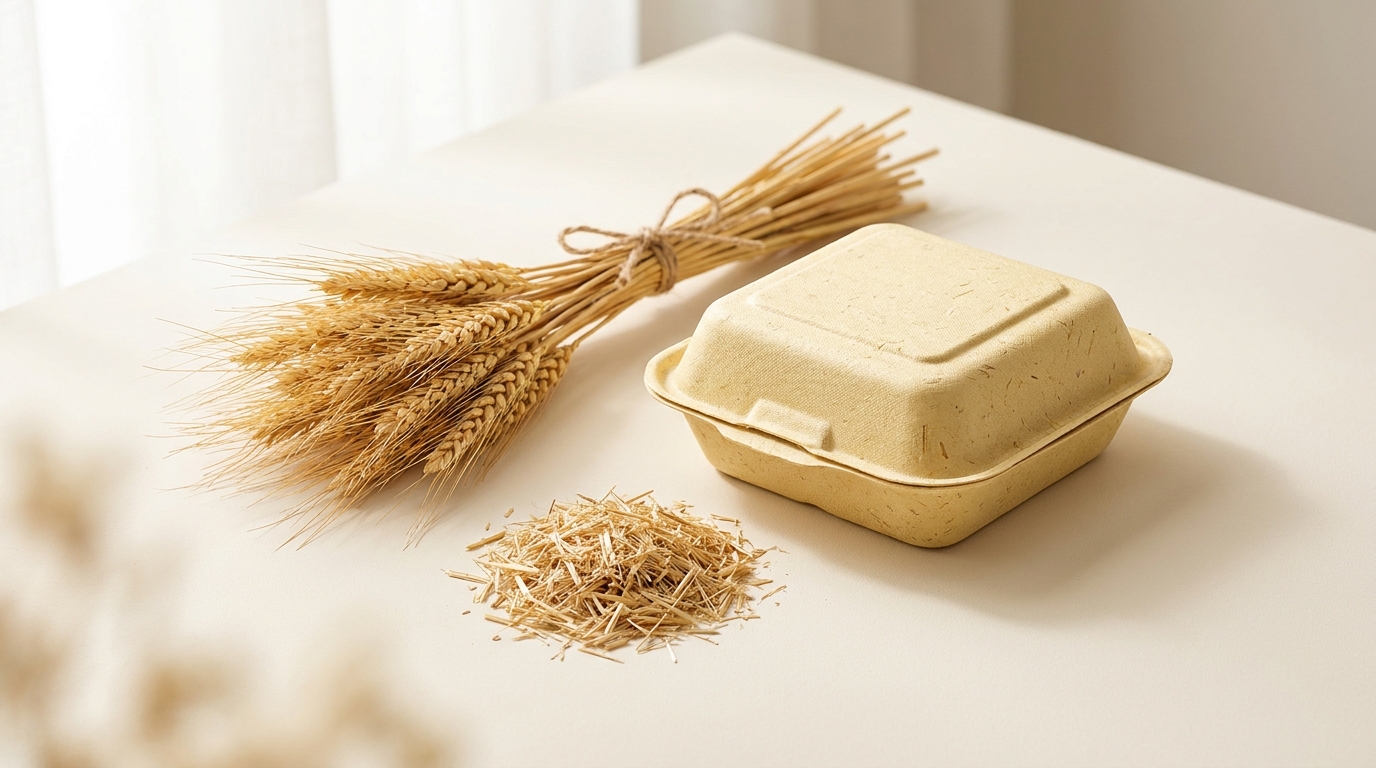
Why straw fiber works as a packaging material

  • Annual renewal cycle. Wheat and rice are harvested every year. A softwood plantation runs 25 to 40 years before harvest. On renewability per year, no wood fiber comes close.
  • Diverts open field burning. Straw disposal by burning is a significant regional air quality problem across several major grain-growing areas. Diverting it into packaging has a measurable environmental argument behind it.
  • No competition with food production. The grain is already harvested. The straw is residue, so using it does not displace food crops or farmland.
  • Pale gold natural tone. Lighter and warmer than recycled fiber, which gives a finished part that reads as agricultural rather than as waste paper.
  • Low cost at volume. Residue pricing rather than commodity fiber pricing, where collection logistics are established.
  • Good formability. Mid-short fibers flow into mold detail cleanly and drain predictably on the forming screen.

The technical complication worth naming is silica. Rice straw in particular carries a high silica content, which is abrasive on processing equipment and interferes with fiber bonding if it is not managed. Straw pulping therefore needs process control that wood pulping does not, and suppliers who treat straw as a drop-in substitute for wood fiber tend to produce inconsistent parts.

Wheat straw carries less silica than rice straw, which is why wheat is the more common input where both are available. We select and blend on that basis rather than taking whatever residue is cheapest.

Specification table

Spezifikation Einzelheiten
Material Name Stroh Faser
Material Typ Agricultural residue cellulose
Faserquelle Wheat straw, rice straw
Average Fiber Length 1.0 to 1.5 mm
Renewal Cycle Annual
Silica Content Present; higher in rice than wheat straw
Natural Color Pale gold
Oberflächenbehandlung Lightly textured, matte
Relative Strength Mittel
Typical Wall Thickness 1.0 to 4.0 mm
Prozess-Kompatibilität Wet pressing, dry pressing, transfer molding
Geformte Zellstofftypen Type 1, Type 2, Type 4
Kompostierbarkeit Meets the chemistry basis for EN 13432 and ASTM D6400 uncoated
Wiederverwertbarkeit Accepted in most paper streams uncoated
Food Contact Confirm against your market requirement
Farboptionen Natural gold; takes pigment on a pale base
Supply Pattern Seasonal at harvest, stocked for year-round production
Relative Kosten Niedrig

Where straw fiber is the right specification

Volume parts with a sustainability requirement. This is the material’s natural home. It costs close to recycled fiber, looks considerably better, and carries a stronger environmental argument than either recycled or virgin wood.

Brands reporting on agricultural circularity. Field-burning diversion is a specific, defensible claim rather than a general eco statement, which is exactly what procurement teams need when they have to substantiate a packaging decision.

Food service and produce trays. The pale gold tone and the agricultural origin sit naturally alongside food, and the formability supports the shallow trays these applications use.

Replacing expanded polystyrene in retail-facing packaging. Where OCC-based pulp is too coarse to put in front of a customer, straw fiber does the same protective job and looks intentional.

Straw stops being the answer in two situations. Anything carrying serious compression needs the longer fibers in kompostierbares Kraftpapier oder Bambusfaser. Anything needing a true white finish or direct food contact clearance needs gebleichter Zellstoff.

The closest material in the range is natürliche Pflanzenfaser, which blends several agricultural sources rather than committing to straw specifically. Choose straw when you want a single declared origin for a sustainability claim; choose the blend when you want supply resilience.

Häufig gestellte Fragen (FAQs)

Is straw fiber weaker than wood fiber?
Yes, and the reason is fiber length. Straw runs 1.0 to 1.5 mm against 2.5 to 4.5 mm for softwood kraft, so it builds a less interconnected bonded network. In practice this governs only load-critical parts. For trays, inserts, and general protective packaging, geometry carries the performance and the difference does not decide the design.
Two things. It is abrasive, so it wears processing equipment faster than wood pulping does, which is a cost that shows up in the supplier’s operation rather than in the part. And it interferes with fiber-to-fiber bonding, which reduces strength if the pulping process does not manage it. Suppliers who have not solved this produce straw parts with inconsistent compression performance.
Some straw is used for animal bedding, soil incorporation, and energy, and some is simply burned. Volumes are large enough in major grain regions that packaging demand sits well within what is currently disposed of rather than competing with established uses. The claim worth making is field-burning diversion rather than that no alternative use exists.
Yes, and the pale gold base takes pigment better than gray-brown recycled fiber does. Light tints reproduce more predictably because there is less base color to work against. The base tone does warm the result slightly, so a cool shade on straw will read marginally warmer than the same pigment on bleached pulp.
Harvest is seasonal, so the input arrives in a concentrated period and is stocked for continuous production. The risk to manage is a poor harvest year rather than the normal seasonal cycle. For large recurring orders we plan material availability against your schedule at quotation rather than assuming supply.
Material Name

Stroh Faser

Material Typ

Natürliche Faser auf Pflanzenbasis

Prozess-Kompatibilität

Bonitopak Verpackungsmaterialien

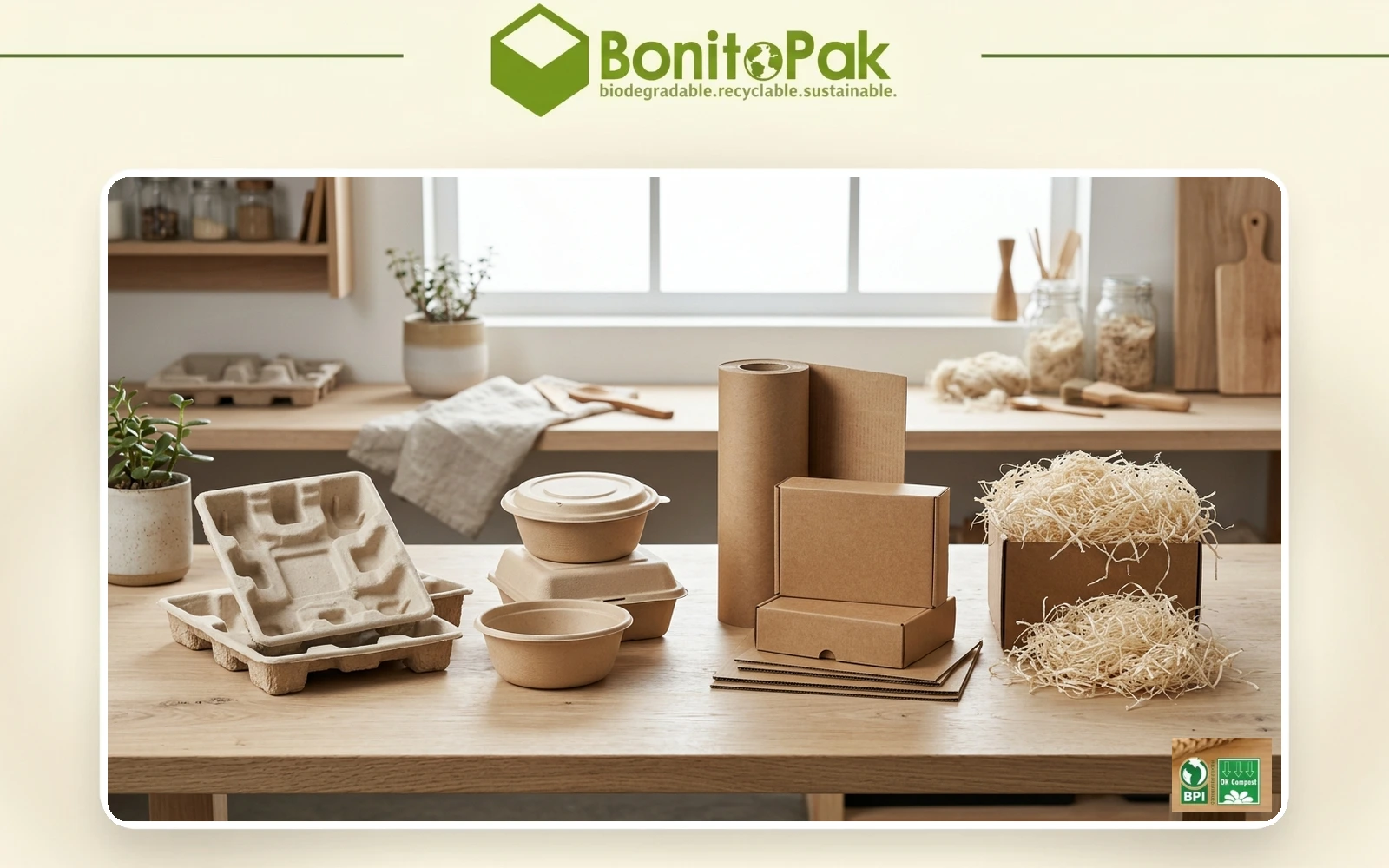
Unsere Verpackungslösungen werden aus nachhaltigen Materialien wie Zuckerrohrfasern, Bambus und recyceltem Zellstoff hergestellt und bieten umweltfreundliche, biologisch abbaubare Optionen für eine Vielzahl von Produkten.

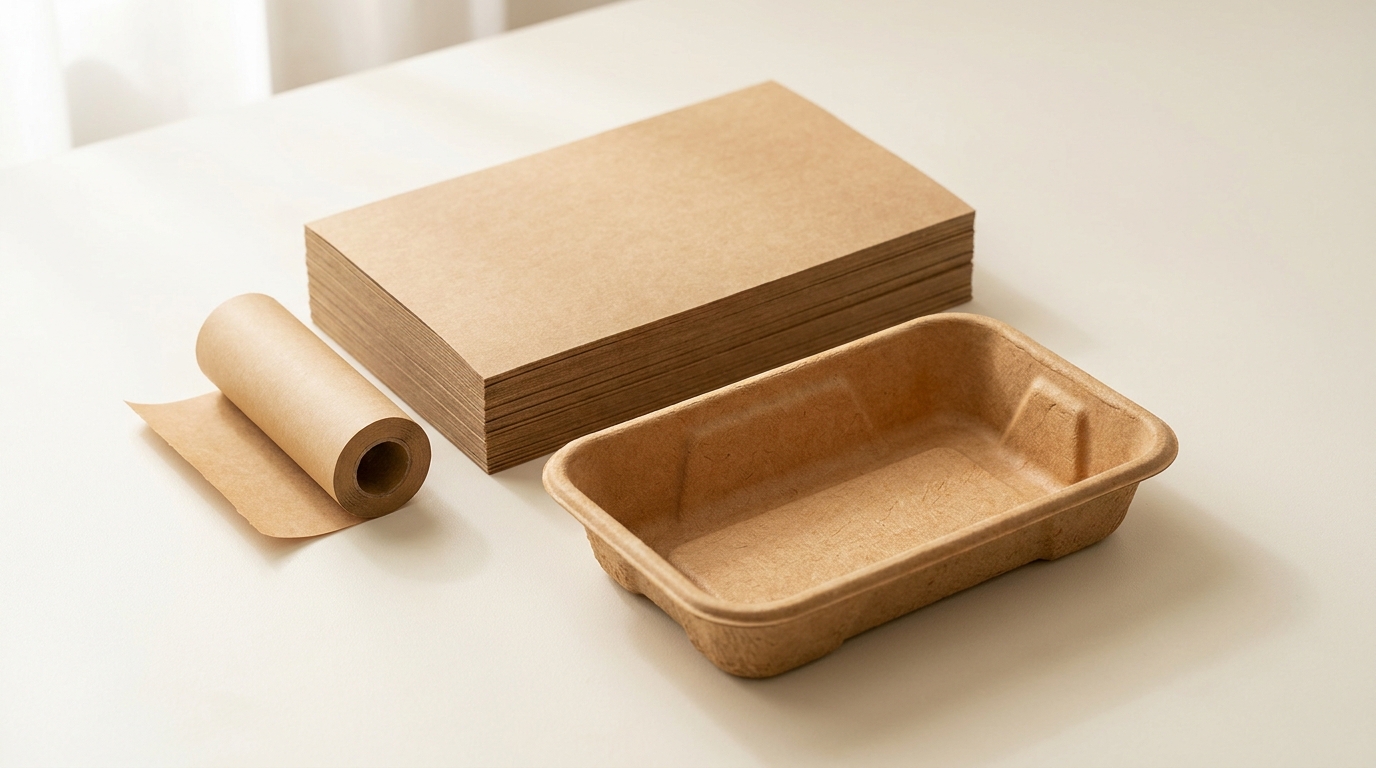
Kompostierbares Kraftpapier ist die festeste Faser, die wir herstellen. Hergestellt aus Frischfaser

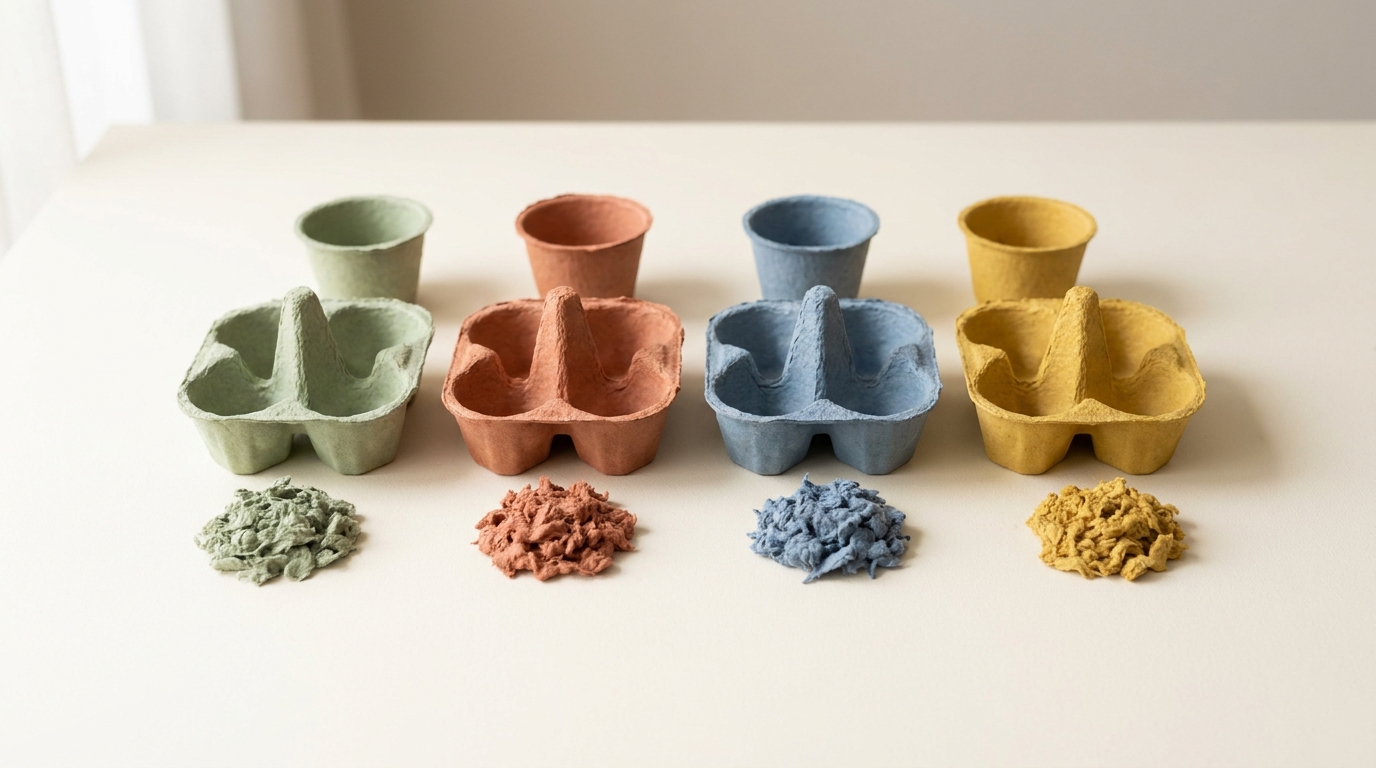
Farbiger Zellstoff ist keine eigenständige Faser. Es handelt sich dabei um einen unserer

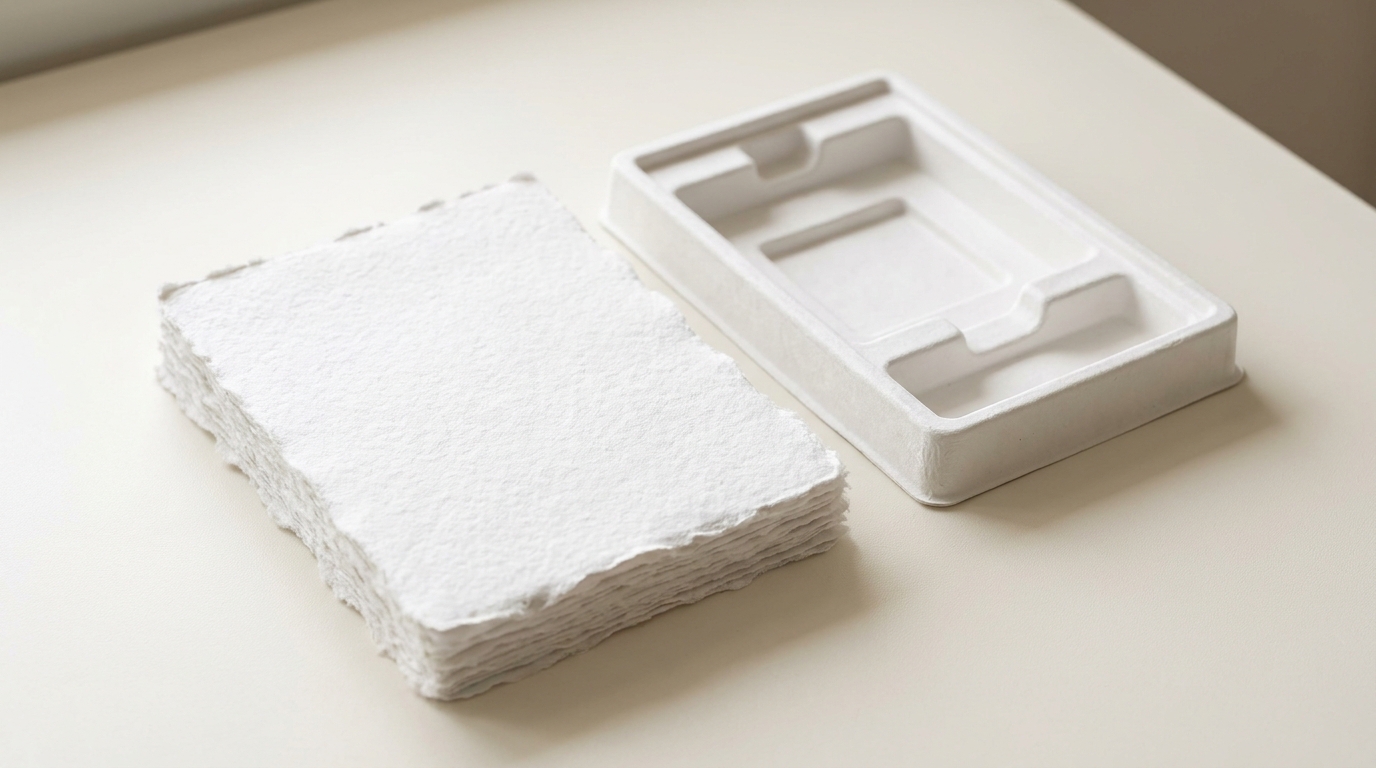
Gebleichter Zellstoff ist das zu spezifizierende Material, wenn das Bauteil

Der Begriff „natürliche Pflanzenfasern“ umfasst die nicht aus Holz stammenden Zellulosequellen, die wir außerhalb der

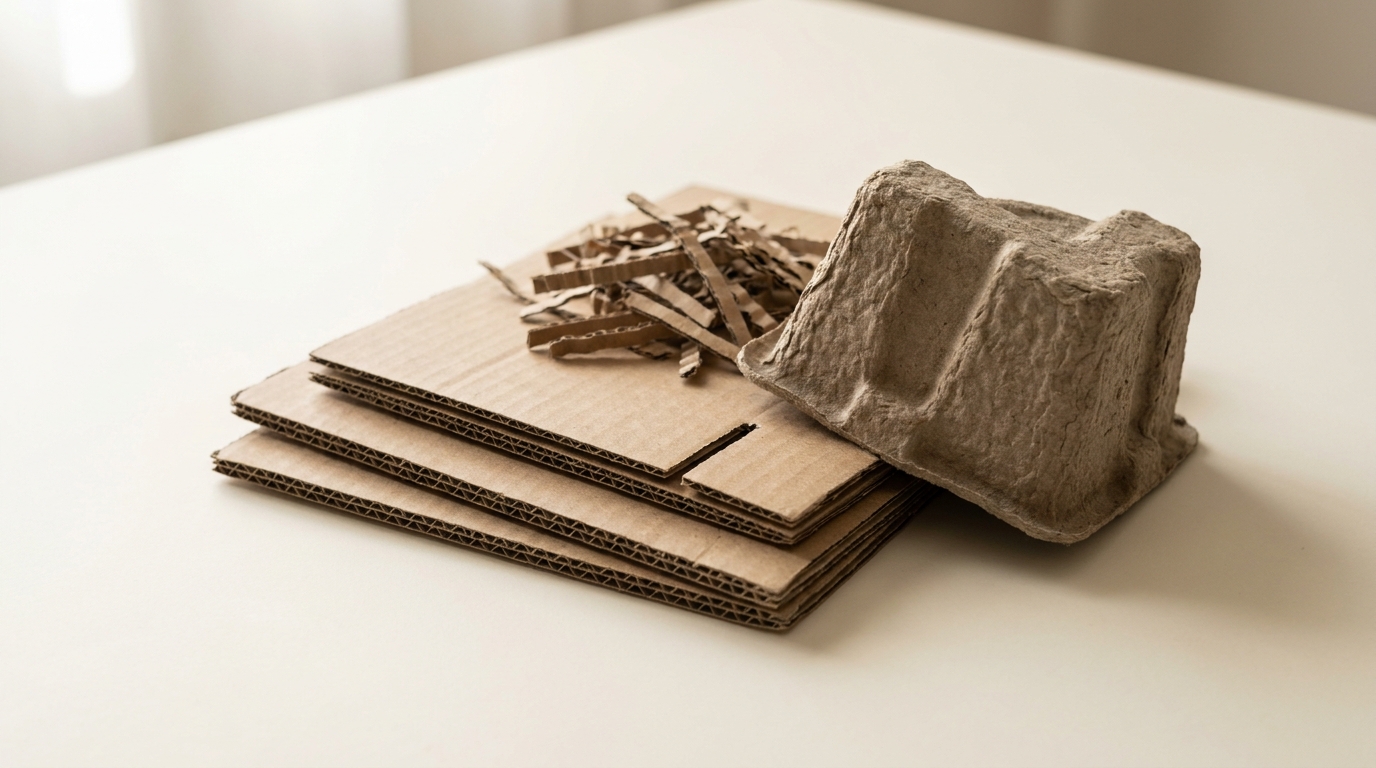
Wellpappe als Formmasse bezeichnet wiederverwertete Kartons, die zu Zellstoff zerkleinert wurden

Strohfasern werden aus den nach der Getreideernte übrig gebliebenen Stängeln hergestellt, Material

Unsere Produktkategorien

Entdecken Sie das vielfältige Angebot an Verpackungslösungen von Bonitopak, darunter geformte Zellstoffschalen, Lebensmittelverpackungen, kundenspezifische Designs und nachhaltige Optionen. Jede Kategorie ist auf Langlebigkeit, Funktionalität und Umweltverträglichkeit ausgelegt und auf Ihre spezifischen Anforderungen zugeschnitten.
Sind Sie bereit, Ihr Projekt aufzuwerten?

Erwecken Sie Ihre Entwürfe mit BonitoPak zum Leben

Erleben Sie Präzisionstechnik mit BonitoPak. Von detaillierten Prototypen bis hin zur Großserienproduktion - wir sind da, um Ihre Konzepte in die Realität umzusetzen. Kontaktieren Sie uns noch heute, um Ihre Projektanforderungen zu besprechen!

Verwandte Artikel und Einblicke

Bleiben Sie auf dem Laufenden mit den neuesten Informationen über nachhaltige Verpackungstrends, Einblicke in die Branche und Expertentipps in unserem Blog. Entdecken Sie innovative Ideen und Lösungen, um Ihr Verpackungswissen zu erweitern.

Von Leo Chan | Autor, BonitoPak | Über 20 Jahre Erfahrung im Bereich Verpackungen aus Formzellstoff Wodka ist

Von Leo Chan | Autor, BonitoPak | Über 20 Jahre Erfahrung im Bereich Formzellstoffverpackungen Fast jede

Von Leo Chan | Autor, BonitoPak | Über 20 Jahre Erfahrung im Bereich Verpackungen aus Formzellstoff Hier suchen

Füllen Sie dieses detaillierte Formular aus