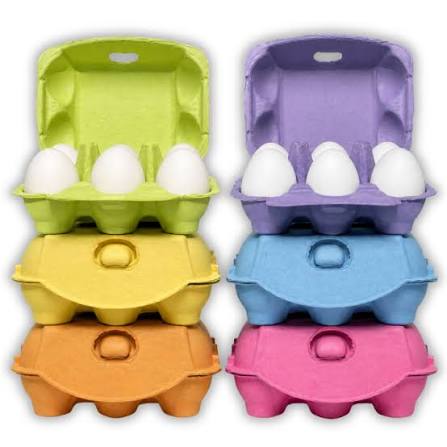
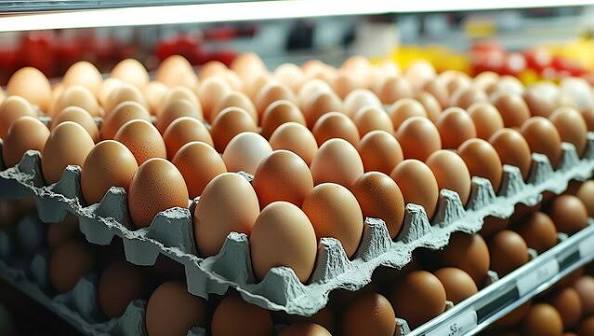
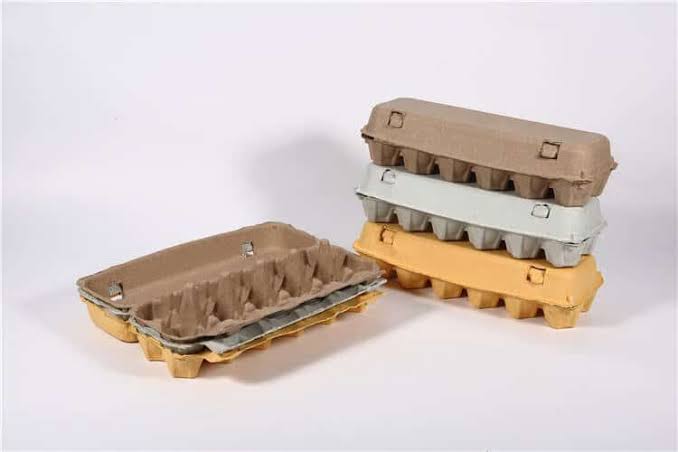
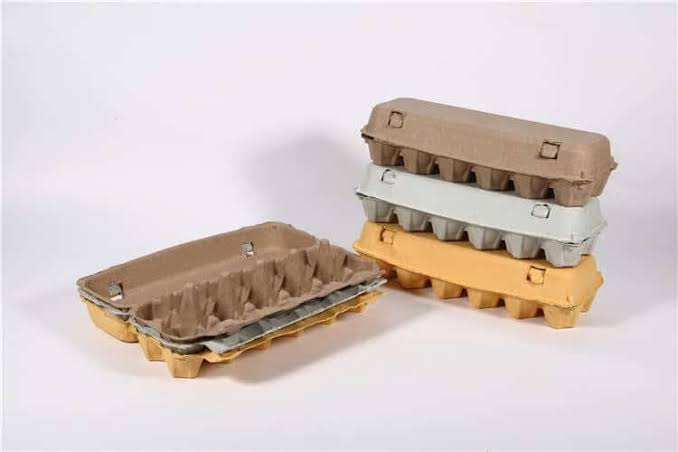
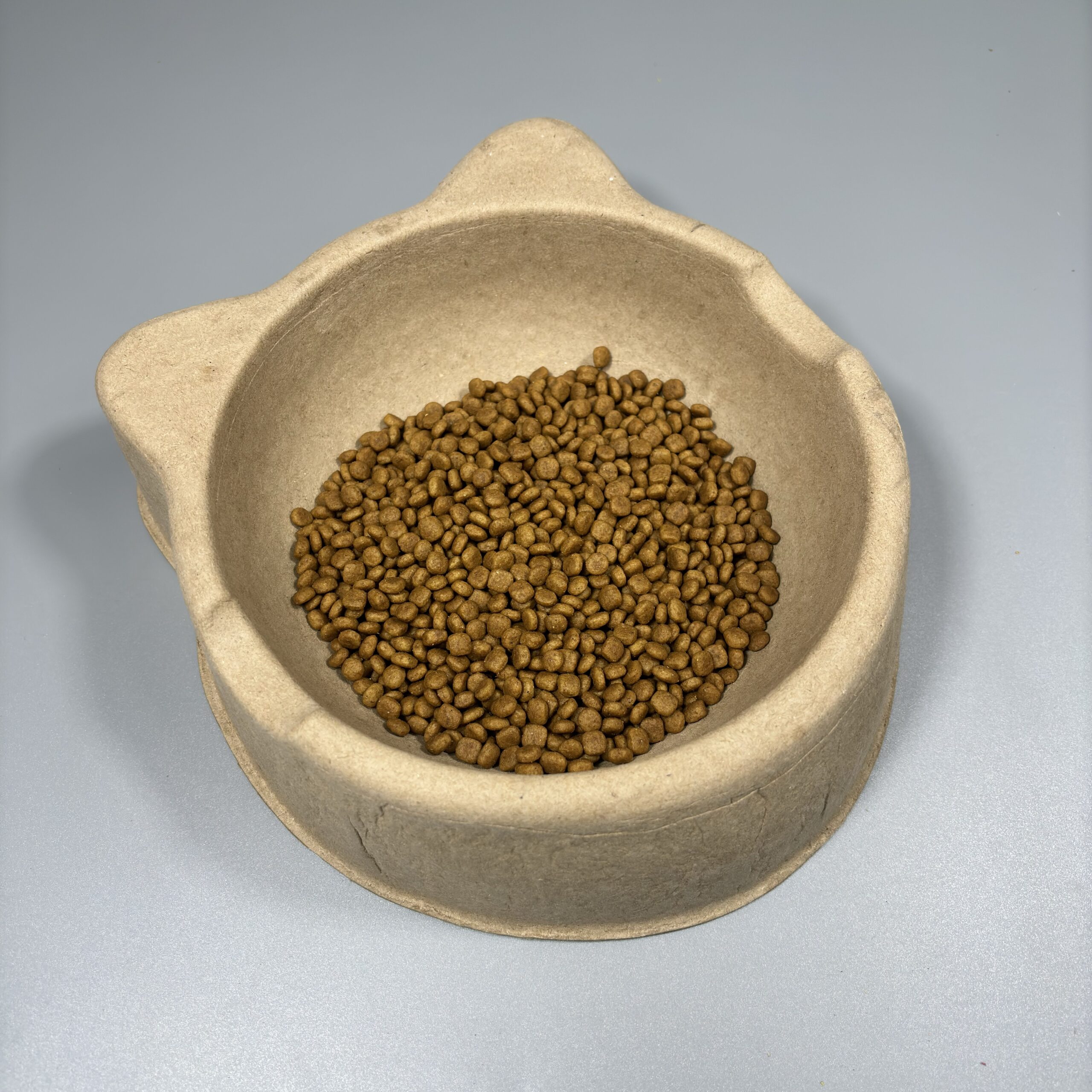
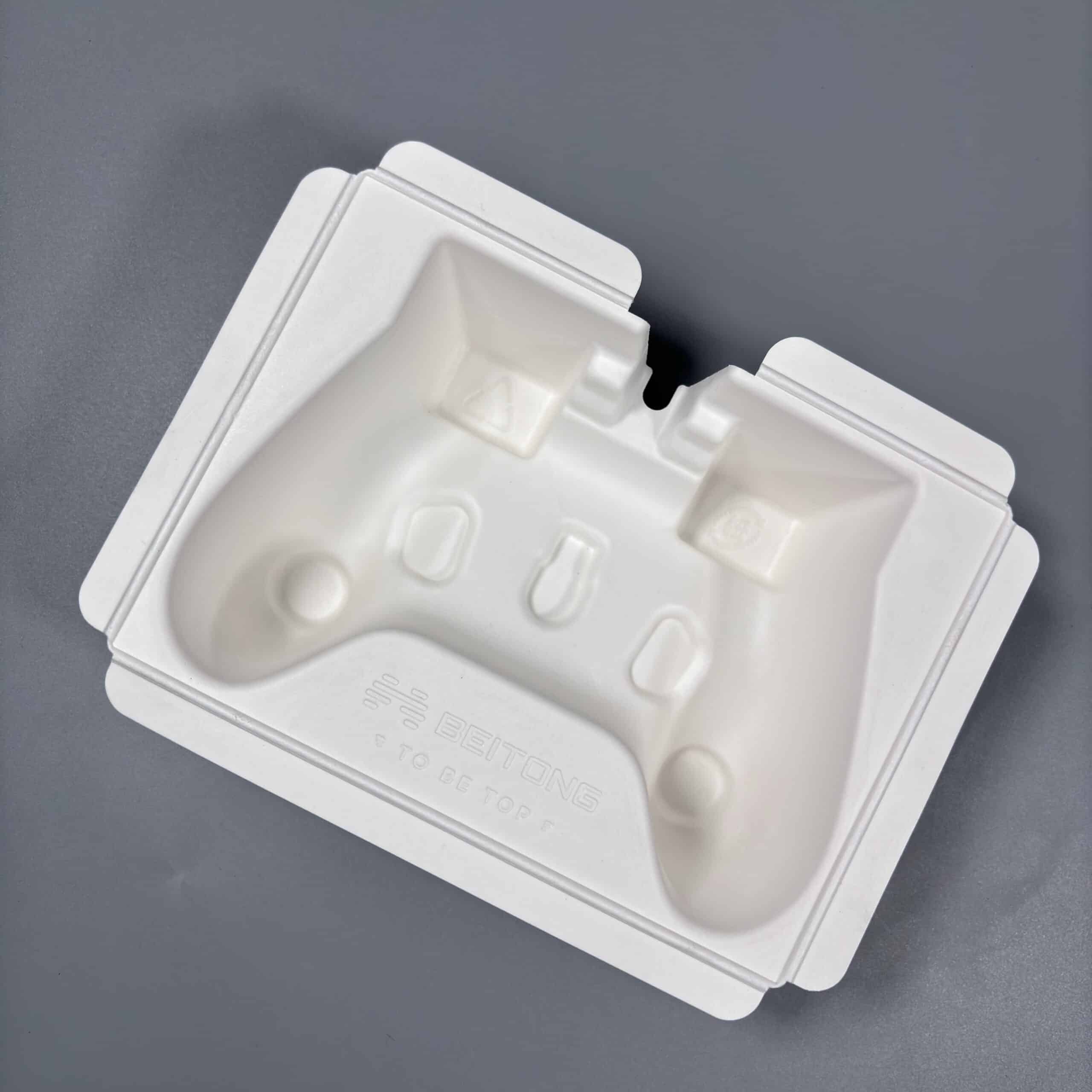
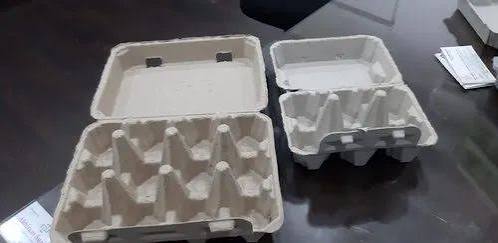
Every egg you sell arrives in something. Our molded pulp egg cartons are formed from 100% recycled paper fiber into cartons that protect the eggs, carry your brand, and break down in a home compost pile when the customer is finished with them. No plastic, no foam, no coating.
Here is what the range gives you:
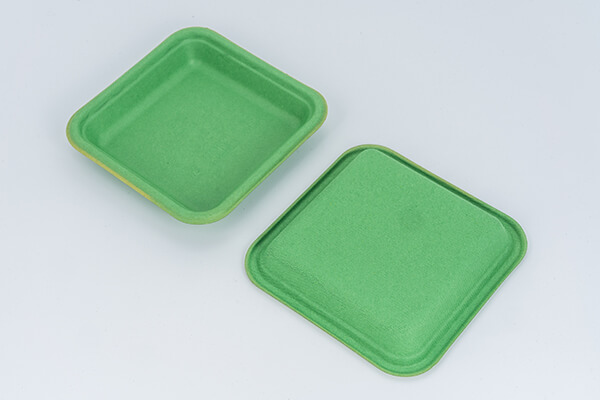
バガス、竹、再生紙などの生分解性素材を使用したウェットプレス加工は、滑らかな仕上がり、保護、クッション性、省スペースで環境に優しいパッケージを提供する。
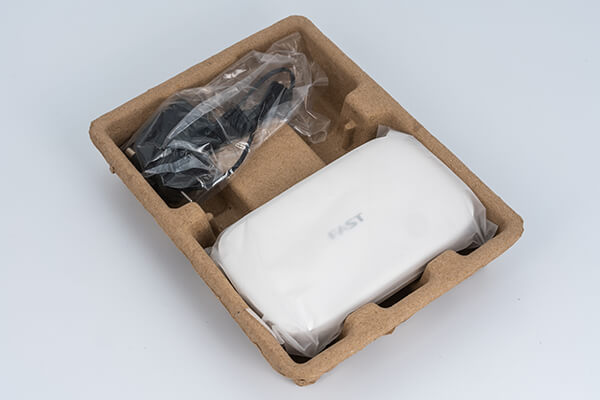
プラスチックや発泡スチロールに代わる成型パルプ製品は、リサイクル可能で生分解性のオプションを提供します。特注の形状、色、環境に優しい表面加工も可能です。社内で試作と製造を行い、手頃な価格で持続可能なパッケージを提供します。
バガス、わら、竹から作られた植物繊維食器は、生分解性、堆肥化可能、防水性、耐油性、電子レンジ対応。認定を受け、リサイクル可能で、環境にやさしいスタッキングもできます。
100%の再生材料から作られたドライプレス紙パルプトレーは、プラスチックに代わる環境にやさしく、費用対効果の高い製品です。クッション性、耐熱性、積み重ねが可能で、最大20%のスペースを節約できます。
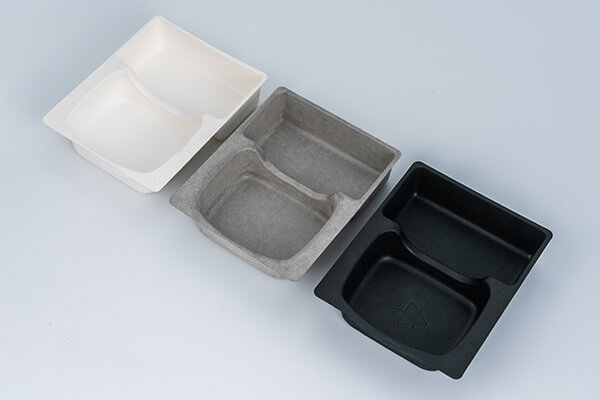
ボニトパックは、95%の色精度で、ホワイト、ナチュラル、ブラックを含む6色の成形パルプを提供しています。環境にやさしい方法で、安全な漂白を実現しています。ナチュラルとホワイトは食品に最適で、その他はトレイ包装に適しています。
A twelve count has a harder job than any other size in the range. It has to fit a supermarket shelf, run through a packer’s line, survive a distributor’s pallet, and still open cleanly in a customer’s kitchen. Get one of those wrong and the whole order comes back.
That is why the twelve count is where specification discipline matters most. The other sizes tolerate a few millimeters of variance. This one does not.
Twelve cells come in two standard footprints, and they are not interchangeable.
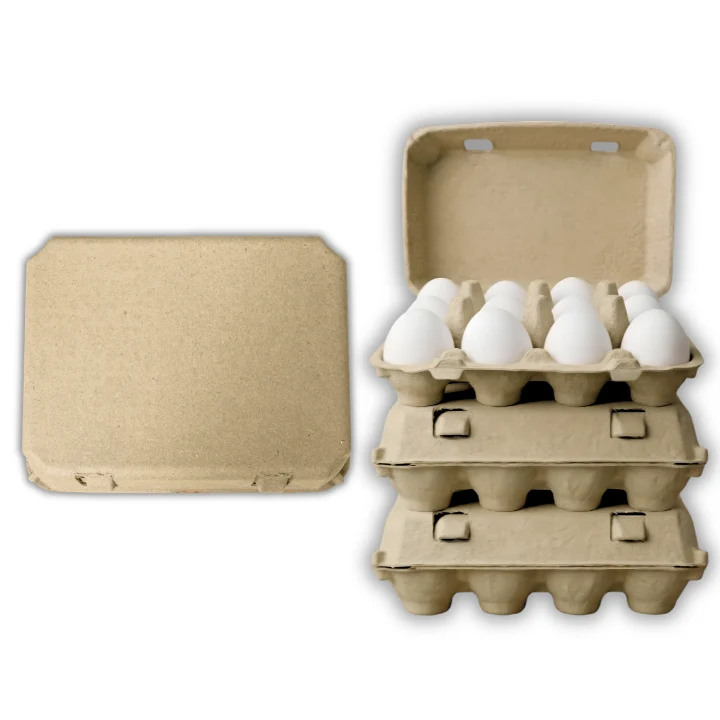
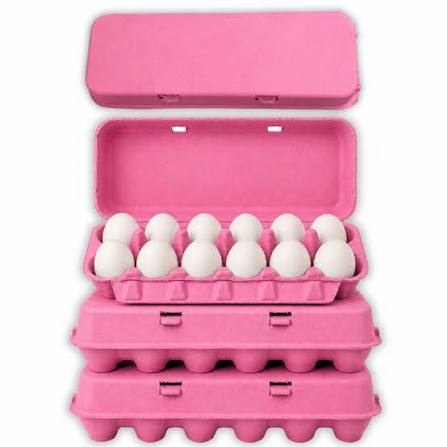
The 2×6 long format is the shape most people picture. It measures roughly 300 mm end to end and fits the shelf channels most grocery chains built their cold cases around. It also matches the infeed width on the majority of automatic packing lines, which is the reason it dominates commercial supply.
The 3×4 compact format runs shorter and wider at roughly 205 x 150 mm. It uses less linear shelf space, stacks into a tighter pallet cube, and gives a squarer lid panel that suits a centered logo. Farm direct sellers and specialty retailers often prefer it. Automatic lines generally do not, unless the machine was specified for it.
Choosing between them is a distribution decision before it is a design decision. If the eggs are going through a grading station, the packer’s line dictates the answer. If they are going to a market table, the choice is open.
Stack a pallet of filled dozen cartons twelve high and the bottom layer carries real weight. A filled twelve count runs close to 700 grams, so a twelve high column puts several kilograms on the base carton before anyone adds a second pallet.
Molded pulp handles this through geometry rather than material thickness. The cone that separates each pair of cells rises to meet the lid, so when the lid closes, those cones become vertical columns transferring load from the carton above straight to the base. The eggs sit in the gaps between the load path, not in it.
This is the single clearest advantage pulp holds over folded cardboard at the same weight. Cardboard carries load through its outer walls and buckles when they fail. Pulp carries it through an internal frame that stays engaged even when a corner is knocked.
US retail egg cartons carry more mandatory text than most buyers expect. Grade shield, size class, packing plant code, Julian date, handling statement, and nutrition panel all have to appear, and several must meet minimum type sizes.
The 2×6 lid gives roughly 315 square centimeters of flat panel, which is enough to place all of it and still leave the center third for brand identity. The 3×4 lid gives slightly less total area but a better proportioned block for a logo.
Buyers who plan to print should map the mandatory elements first and treat the remaining space as the brand area. Working the other way around is how designs come back from compliance review.
Embossing works alongside print rather than instead of it. A common setup runs the brand mark embossed into the mold and the regulatory text flexo printed, which keeps the identity permanent and lets the variable data change between runs.
Egg cartons live in humidity. A retail cold case sits around 4 degrees Celsius with high relative humidity, and cartons often move between that and a warmer back room several times.
Molded pulp absorbs moisture, which is a genuine property of the material rather than a defect. Fiber density is what controls it. A carton pressed to the correct density picks up moisture slowly enough that it holds structural rigidity through normal retail cycles and releases it again without warping. Under-pressed pulp goes soft at the hinge, which is where field failures usually appear first.
This is a manufacturing control point, not a design choice, and it is worth asking any supplier how they measure it.
The dozen is the volume seller in almost every catalog, but it works best supported on both sides. Producers pair it with the 6 egg carton for premium and low volume lines, and the 18 egg carton for value packs where the shopper is buying on price per egg.
Buyers packing eggs from a mixed or specialty flock should read the chicken egg carton page for the grade and cell depth detail, since egg size class drives the fit more than carton footprint does.
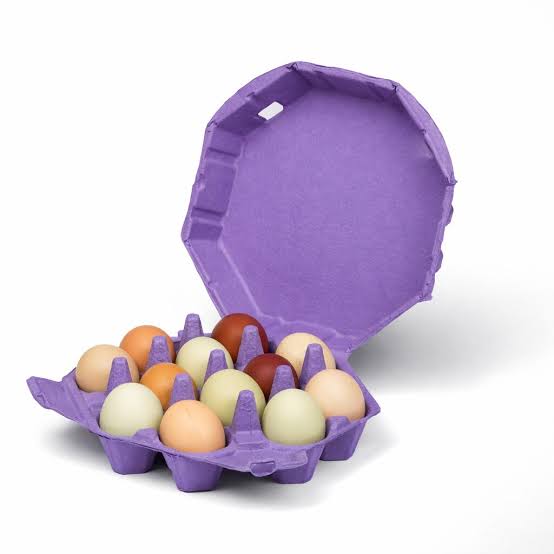
For twelve counts sold into gift or premium channels, the octagon egg cartons format gives the same capacity in a shape that reads differently on a shelf.
A twelve count has a harder job than any other size in the range. It has to fit a supermarket shelf, run through a packer’s line, survive a distributor’s pallet, and still open cleanly in a customer’s kitchen. Get one of those wrong and the whole order comes back.
That is why the twelve count is where specification discipline matters most. The other sizes tolerate a few millimeters of variance. This one does not.
Twelve cells come in two standard footprints, and they are not interchangeable.
The 2×6 long format is the shape most people picture. It measures roughly 300 mm end to end and fits the shelf channels most grocery chains built their cold cases around. It also matches the infeed width on the majority of automatic packing lines, which is the reason it dominates commercial supply.
The 3×4 compact format runs shorter and wider at roughly 205 x 150 mm. It uses less linear shelf space, stacks into a tighter pallet cube, and gives a squarer lid panel that suits a centered logo. Farm direct sellers and specialty retailers often prefer it. Automatic lines generally do not, unless the machine was specified for it.
Choosing between them is a distribution decision before it is a design decision. If the eggs are going through a grading station, the packer’s line dictates the answer. If they are going to a market table, the choice is open.
Stack a pallet of filled dozen cartons twelve high and the bottom layer carries real weight. A filled twelve count runs close to 700 grams, so a twelve high column puts several kilograms on the base carton before anyone adds a second pallet.
Molded pulp handles this through geometry rather than material thickness. The cone that separates each pair of cells rises to meet the lid, so when the lid closes, those cones become vertical columns transferring load from the carton above straight to the base. The eggs sit in the gaps between the load path, not in it.
This is the single clearest advantage pulp holds over folded cardboard at the same weight. Cardboard carries load through its outer walls and buckles when they fail. Pulp carries it through an internal frame that stays engaged even when a corner is knocked.
US retail egg cartons carry more mandatory text than most buyers expect. Grade shield, size class, packing plant code, Julian date, handling statement, and nutrition panel all have to appear, and several must meet minimum type sizes.
The 2×6 lid gives roughly 315 square centimeters of flat panel, which is enough to place all of it and still leave the center third for brand identity. The 3×4 lid gives slightly less total area but a better proportioned block for a logo.
Buyers who plan to print should map the mandatory elements first and treat the remaining space as the brand area. Working the other way around is how designs come back from compliance review.
Embossing works alongside print rather than instead of it. A common setup runs the brand mark embossed into the mold and the regulatory text flexo printed, which keeps the identity permanent and lets the variable data change between runs.
Egg cartons live in humidity. A retail cold case sits around 4 degrees Celsius with high relative humidity, and cartons often move between that and a warmer back room several times.
Molded pulp absorbs moisture, which is a genuine property of the material rather than a defect. Fiber density is what controls it. A carton pressed to the correct density picks up moisture slowly enough that it holds structural rigidity through normal retail cycles and releases it again without warping. Under-pressed pulp goes soft at the hinge, which is where field failures usually appear first.
This is a manufacturing control point, not a design choice, and it is worth asking any supplier how they measure it.
The dozen is the volume seller in almost every catalog, but it works best supported on both sides. Producers pair it with the 6 egg carton for premium and low volume lines, and the 18 egg carton for value packs where the shopper is buying on price per egg.
Buyers packing eggs from a mixed or specialty flock should read the chicken egg carton page for the grade and cell depth detail, since egg size class drives the fit more than carton footprint does.
For twelve counts sold into gift or premium channels, the octagon egg cartons format gives the same capacity in a shape that reads differently on a shelf.
24時間以内に対応し、迅速で明確なコミュニケーション、オーダーメイドのソリューション、時間とコストを節約する効率的なサービスを提供します。
社内で設計、エンジニアリング、製造を行っているため、迅速な金型製作が可能で、サンプルは7日、生産用金型は8日で完成する。
当社の熟練したR&Dエンジニアは、設計、試作、金型製作に優れており、ブリスター、ブリキ缶、印刷箱など、完全なパッケージング・ソリューションを提供しています。
訓練を受けたスタッフが100%検査、抜き取り検査、品質管理を行い、高い水準を確保し、不良品を減らし、コストを削減する。
合理的な受注スケジュールを提供し、お客様と調整しながら問題を迅速に解決し、最善のソリューションを確保します。
経験豊富なアフターセールス・チームがスムーズなコミュニケーションを図り、交換や発送、配送に関する問題を解決し、クレームゼロを目指します。