الألياف النباتية الطبيعية

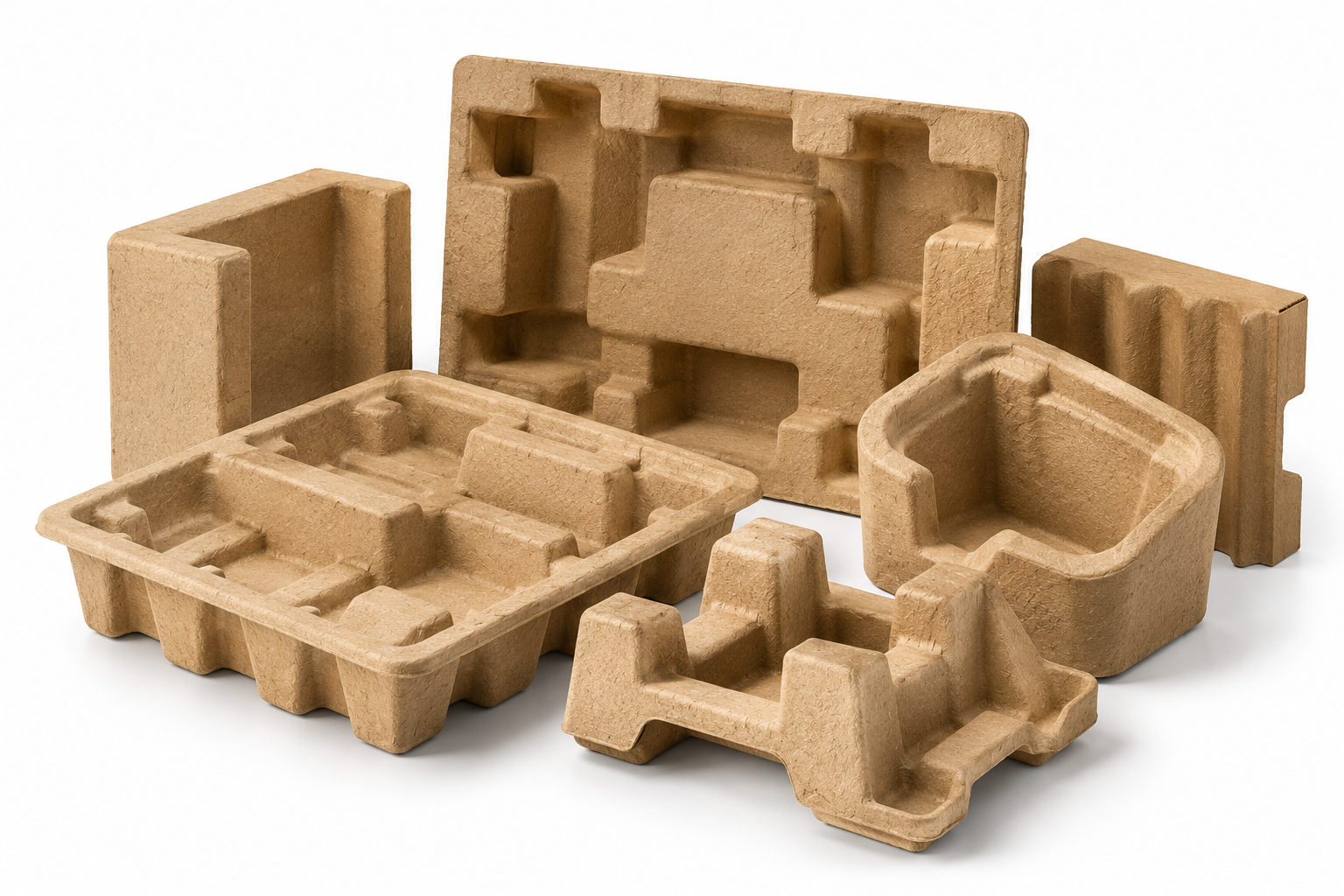
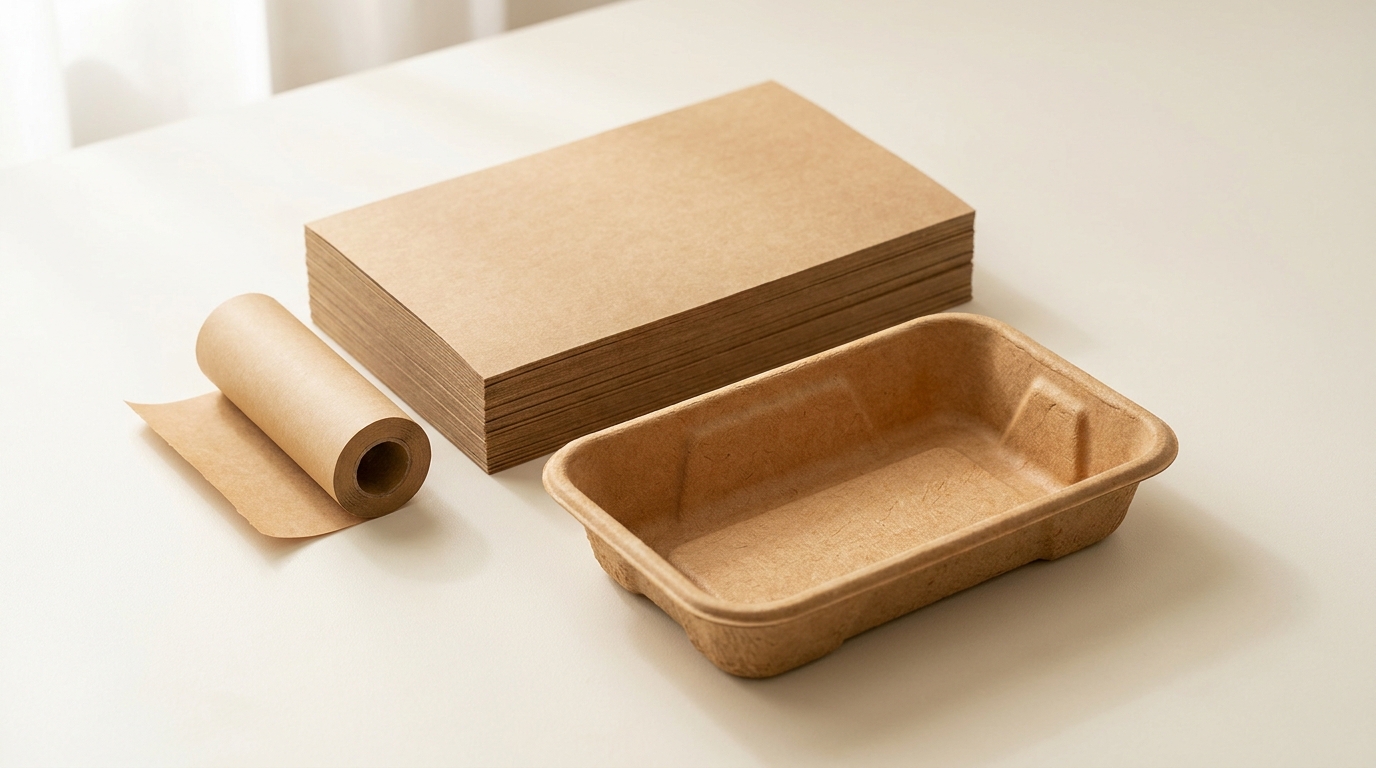
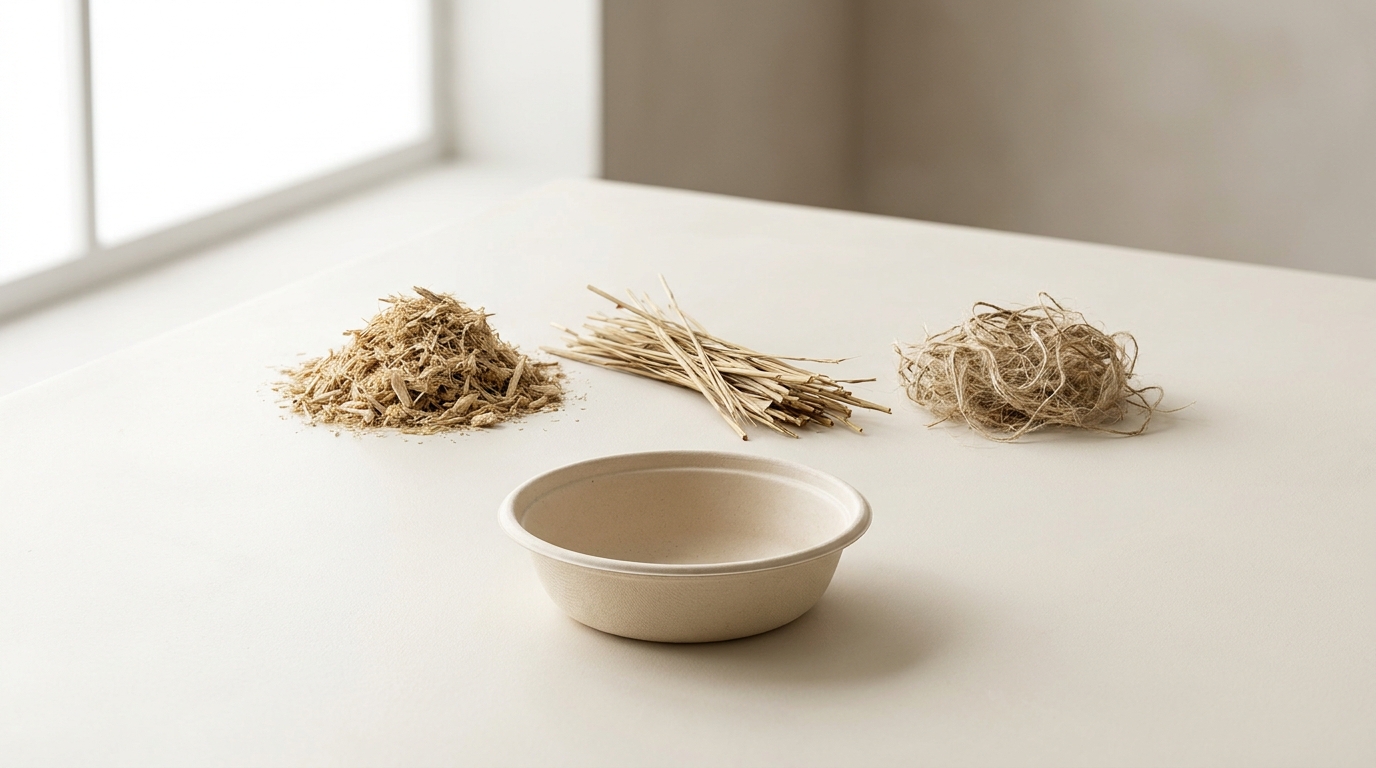
Natural plant fiber covers the non-wood cellulose sources we blend outside the named single-origin materials: sugarcane bagasse, reed, grass, and other agricultural cellulose depending on what the part needs and what is seasonally available. It is the most flexible material in the range, because the blend is tuned to the application rather than fixed by a single source. Fiber lengths sit in the 1.0 to 2.0 mm band, which balances formability against strength.

Why a blended plant fiber rather than a single source

  • The blend is tuned to the part. A deep-draw insert and a flat tray need different fiber behavior. A blended furnish can be adjusted toward formability or toward strength without changing the material designation.
  • Mid-range fiber length. At 1.0 to 2.0 mm, plant fibers flow into mold detail better than long softwood and carry more load than short recycled fiber.
  • Agricultural residue base. Most of the sources are byproducts of food or crop production rather than material grown for packaging, which keeps the land-use argument clean.
  • Pale natural tone. Lighter than recycled fiber and warmer than bleached, which reads as organic without any bleaching stage.
  • Supply resilience. Multiple qualifying sources means less exposure to a single crop, a single season, or a single regional price movement.
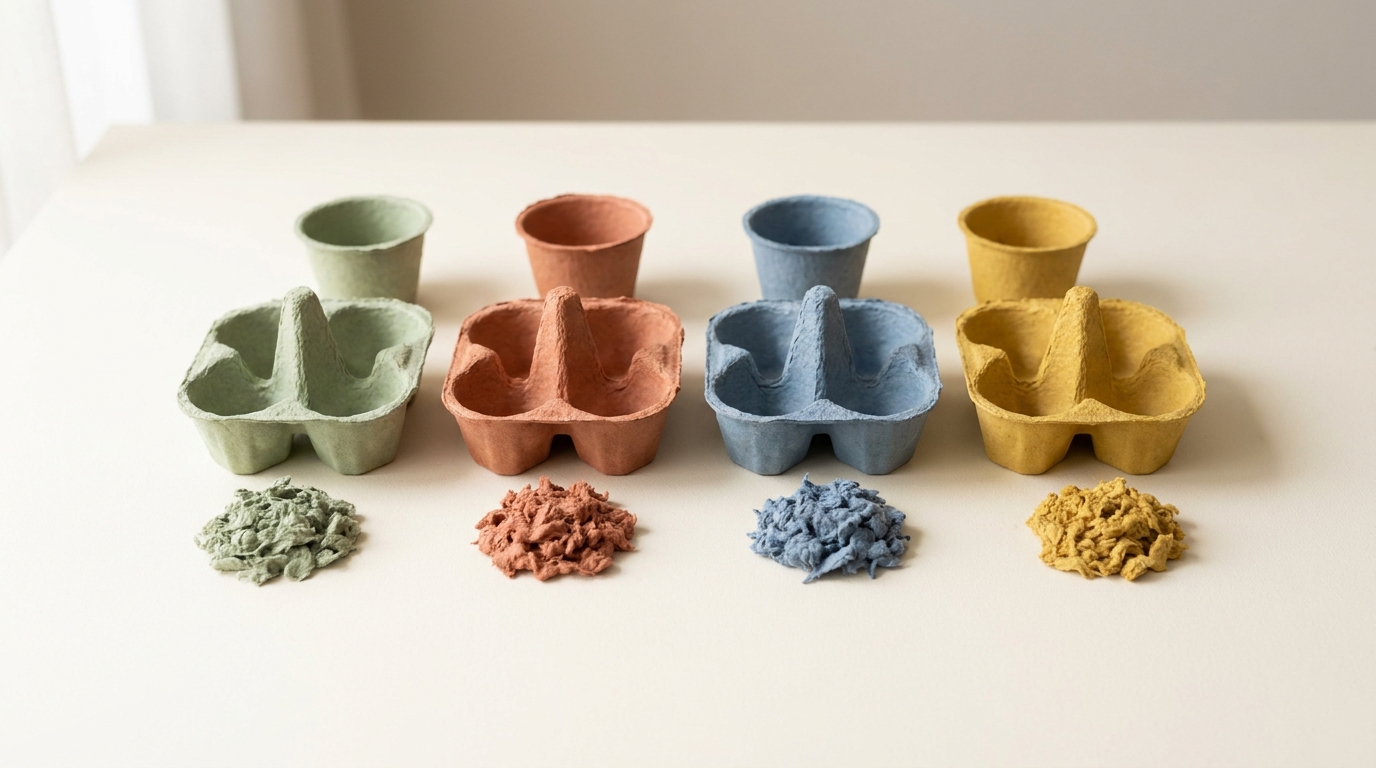
  • Takes pigment predictably. The paler base gives better color reproduction than recycled fiber, without the cost of bleaching.

Sugarcane bagasse is the most commonly used component. It is the fibrous residue left after sugar extraction, available in very large volumes as a byproduct, with fibers around 1.0 to 1.7 mm that form a smooth pale surface. It is the reason these parts tend to look better than their cost suggests.

The honest limitation of a blended material is batch-to-batch variation. A single-source fiber behaves predictably. A blend whose composition shifts with availability needs process control to deliver consistent parts, which is managed through furnish testing rather than assumed.

Specification table

المواصفات التفاصيل
اسم المادة الألياف النباتية الطبيعية
نوع المادة Blended non-wood plant cellulose
Typical Components Sugarcane bagasse, reed, grass, agricultural cellulose
Average Fiber Length 1.0 to 2.0 mm
Bagasse Fiber Length 1.0 to 1.7 mm
Natural Color Pale natural, warm tone
تشطيب السطح Smooth to lightly textured
Relative Strength متوسط
Typical Wall Thickness 1.0 to 4.0 mm
توافق العملية Wet pressing, dry pressing, transfer molding
أنواع اللب المقولب Type 1, Type 2, Type 4
قابلية التسميد Meets the chemistry basis for EN 13432 and ASTM D6400 uncoated
قابلية إعادة التدوير Accepted in most paper streams uncoated
Food Contact Confirm the specific blend against your market requirement
خيارات الألوان Natural; takes pigment well on a pale base
Blend Consistency Managed by furnish testing per batch
Relative Cost متوسط

Where natural plant fiber fits

General purpose protective packaging. This is the default material for parts that need reasonable strength, acceptable appearance, and moderate cost, which describes a large share of molded pulp work. Electronics inserts, consumer goods trays, and transit protection all sit here.

Food service and produce. Bagasse in particular has an established record in food service, where the smooth pale surface and the agricultural residue origin both work in the product’s favor.

Brands with an agricultural story. Where a buyer wants packaging that visibly comes from plants rather than from trees or from waste paper, the natural tone and the crop-residue origin support that positioning directly.

Cost-sensitive parts that still need to look reasonable. Recycled fiber is cheaper and grays. Bleached is cleaner and costs considerably more. This material sits between them, which is frequently the right place to be.

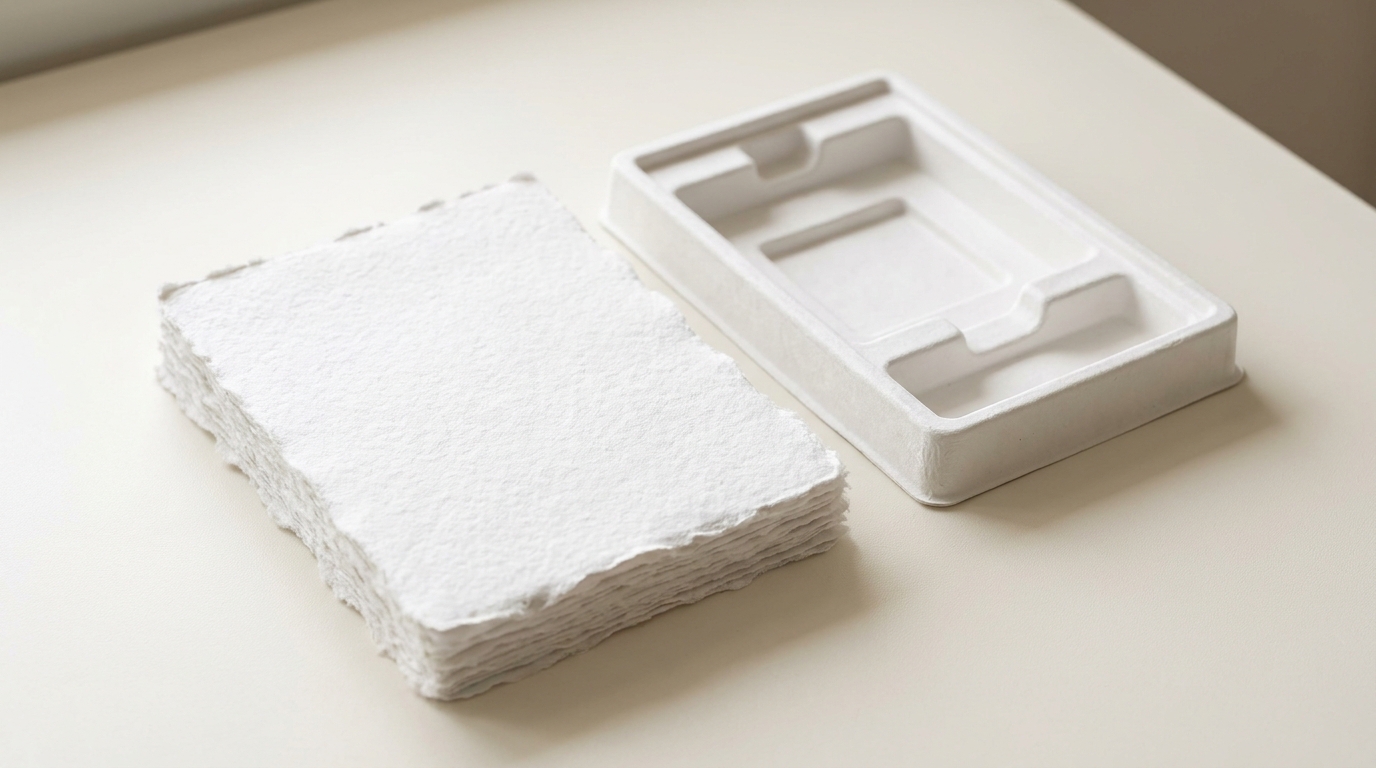
Where it is the wrong call: parts carrying heavy compression, which need ورق كرافت قابل للتحويل إلى سماد أو ألياف الخيزران, and parts requiring a true white or direct food contact clearance, which need اللب المبيض.

Buyers who want a single, traceable agricultural source rather than a blend should look at ألياف القش, which is the same family with a defined origin.

الأسئلة الشائعة (FAQs)

What exactly is in your natural plant fiber blend?
It varies by part and by season, and sugarcane bagasse is usually the largest component. Reed, grass, and other agricultural cellulose make up the balance depending on what the application needs and what is available. If your specification or your customer requires a declared single origin, tell us and we will quote a defined-source material instead of a blend.
It would, without control. Each incoming batch is tested and the furnish is adjusted so the formed part meets the same specification regardless of composition shifts. The thing to ask any supplier offering a blended material is how they test incoming fiber, not whether the blend is fixed. A fixed blend with no testing is less reliable than a managed one.
Not as strong as virgin softwood, which has considerably longer fibers. It sits above recycled paper pulp and below bamboo and kraft. For the majority of protective packaging the difference does not govern the design, because wall thickness and geometry carry more of the performance than the fiber choice does. For load-critical parts it does govern, and we would specify differently.
It follows the sugarcane harvest, so supply is seasonal at origin and is managed through stock rather than through continuous production. This is one of the practical reasons we work with a blend: it reduces exposure to any single crop cycle. For a large recurring order we plan material availability against your schedule at quotation.
Reasonably well. The mid-range fiber length flows into detail better than long softwood fiber does, so embossed marks and text reproduce cleanly down to around 4 mm type height. Below that, fiber size becomes the limit regardless of which material you choose, which is a constraint of molded pulp rather than of this fiber.
اسم المادة

الألياف النباتية الطبيعية

نوع المادة

الألياف الطبيعية المتجددة

توافق العملية

مواد تغليف بونيتوباك بونيتوباك

تُصنع حلول التعبئة والتغليف لدينا من مواد مستدامة مثل ألياف قصب السكر والخيزران ولب الورق المعاد تدويره، مما يوفر خيارات صديقة للبيئة وقابلة للتحلل لمجموعة كبيرة من المنتجات.

ورق الكرافت القابل للتحلل هو أقوى أنواع الألياف التي نصنعها. وهو مصنوع من ألياف خام

اللب الملون ليس أليافًا منفصلة. إنه أي من منتجاتنا

يجب تحديد «اللب المبيض» كمواد عند الحاجة إلى أن يكون الجزء

تشمل الألياف النباتية الطبيعية مصادر السليلوز غير الخشبية التي نمزجها خارج

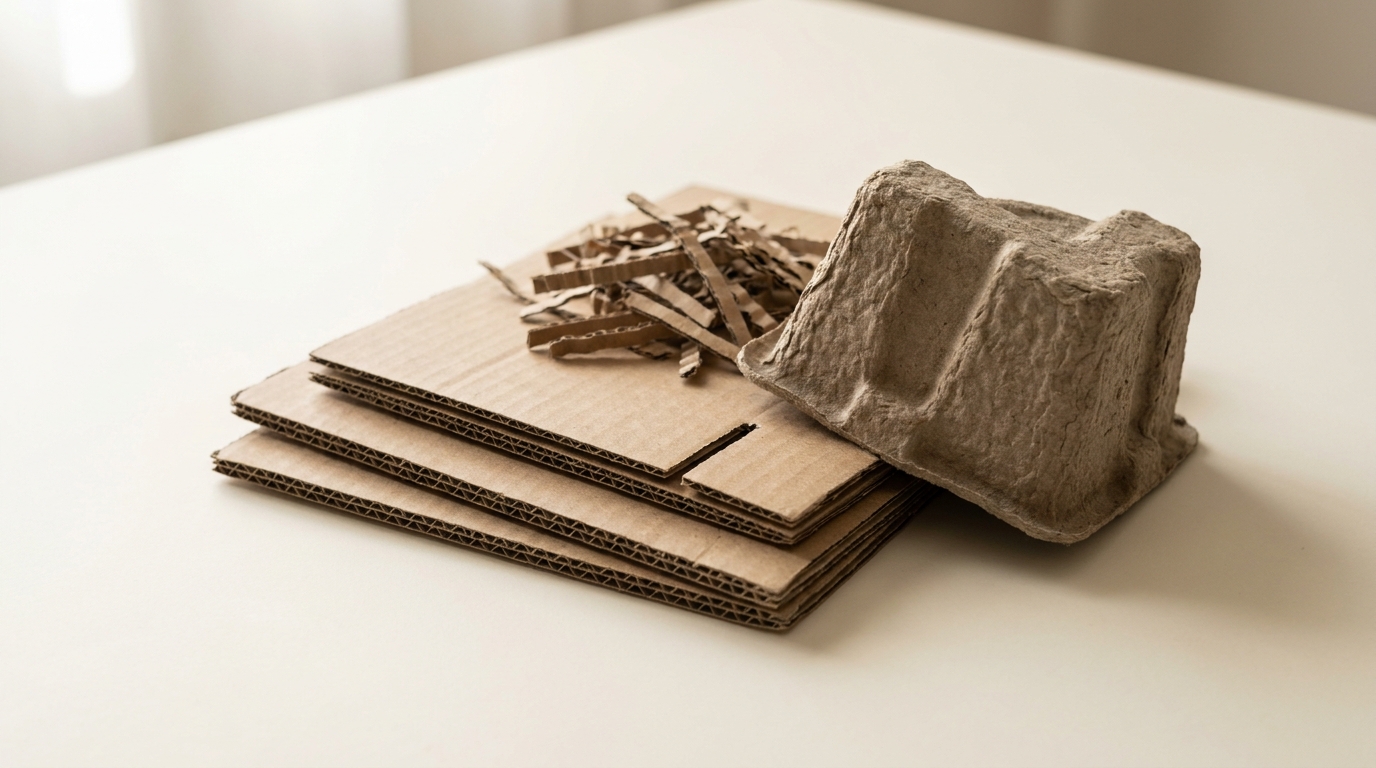
الورق المموج، باعتباره مادة من اللب المقولب، يعني صناديق الكرتون المسترجعة التي أعيد تحويلها إلى لب

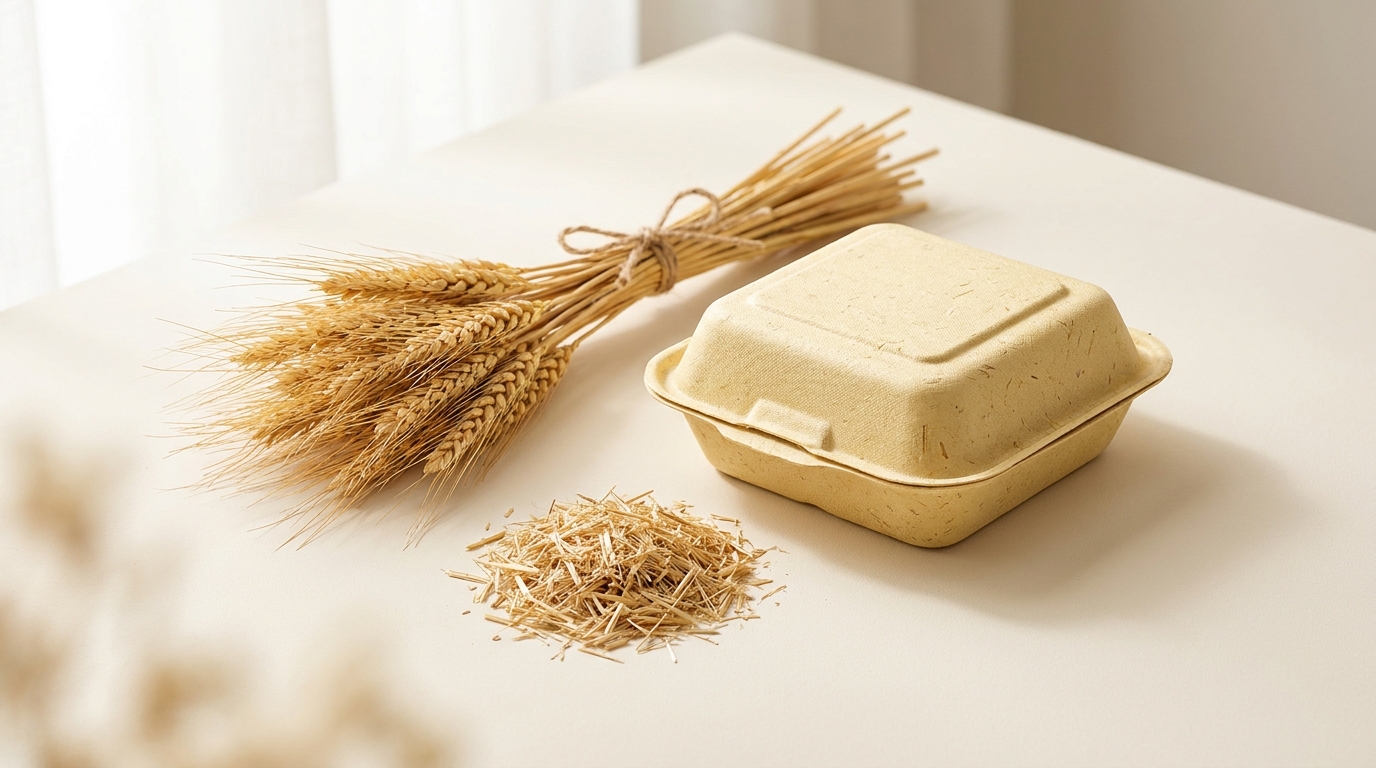
تُصنع ألياف القش من السيقان المتبقية بعد حصاد الحبوب، وهي مادة

فئات منتجاتنا

اكتشف مجموعة بونيتوباك المتنوعة من حلول التعبئة والتغليف، بما في ذلك صواني اللب المقولبة، وتغليف المواد الغذائية، والتصميمات المخصصة، والخيارات المستدامة. صُممت كل فئة من هذه الفئات من أجل المتانة والأداء الوظيفي والمسؤولية البيئية، وهي مصممة خصيصًا لتلبية احتياجاتك الخاصة.
هل أنت مستعد للارتقاء بمشروعك؟

اجعل تصميماتك تنبض بالحياة مع BonitoPak

اختبر الهندسة الدقيقة مع BonitoPak. من النماذج الأولية التفصيلية إلى الإنتاج بكميات كبيرة، نحن هنا لتحويل مفاهيمك إلى واقع ملموس. اتصل بنا اليوم لمناقشة احتياجات مشروعك!

مقالات ورؤى ذات صلة

ابق على اطلاع بآخر التحديثات حول اتجاهات التغليف المستدام ورؤى الصناعة ونصائح الخبراء من خلال مدونتنا. استكشف الأفكار والحلول المبتكرة لتعزيز معرفتك بالتعبئة والتغليف.

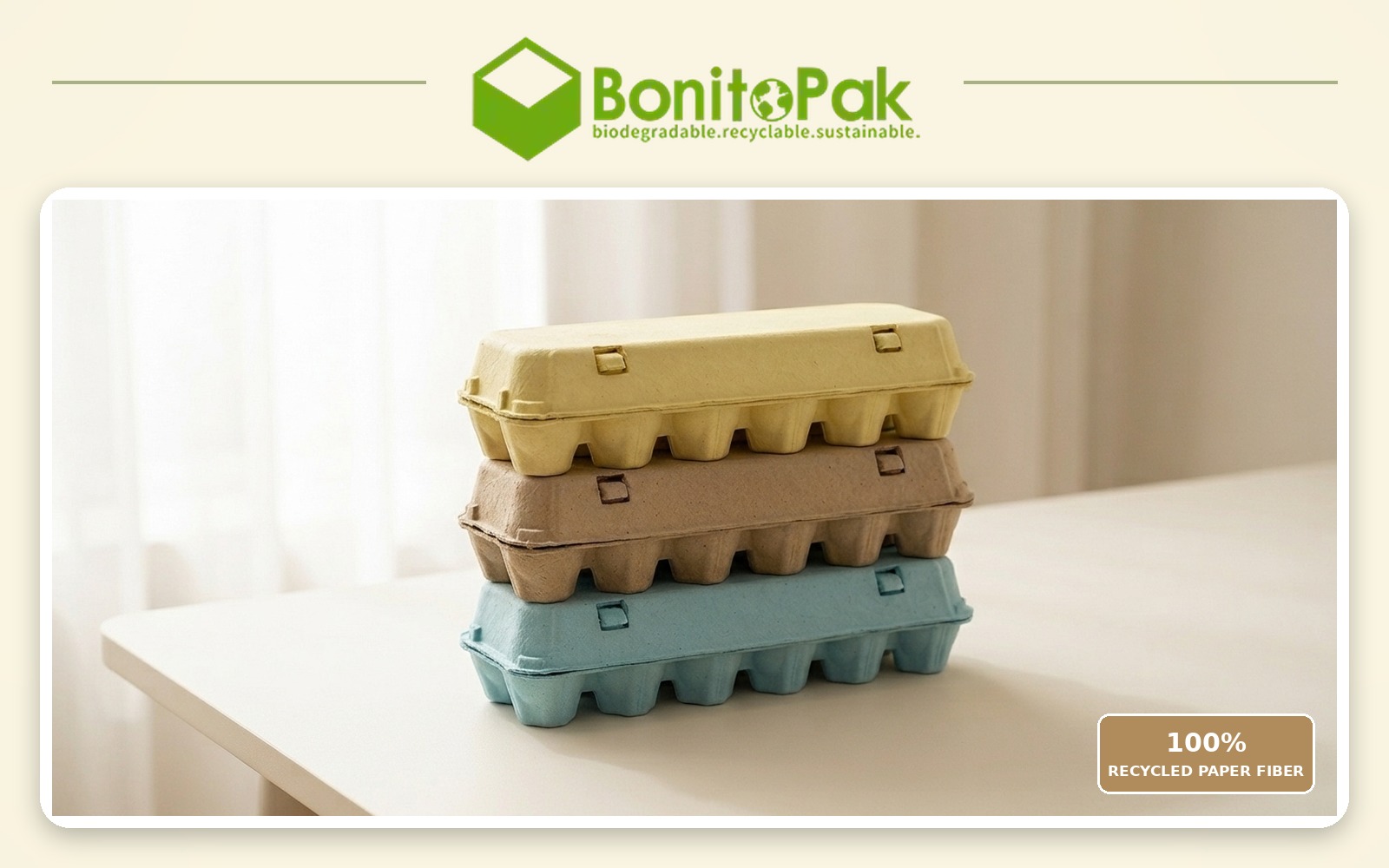
بقلم ليو تشان، مستشار أول في مجال التغليف بشركة BonitoPak. آخر تحديث: نوفمبر 2026. علبة البيض التي تتسع لـ 12 بيضة تحتوي على

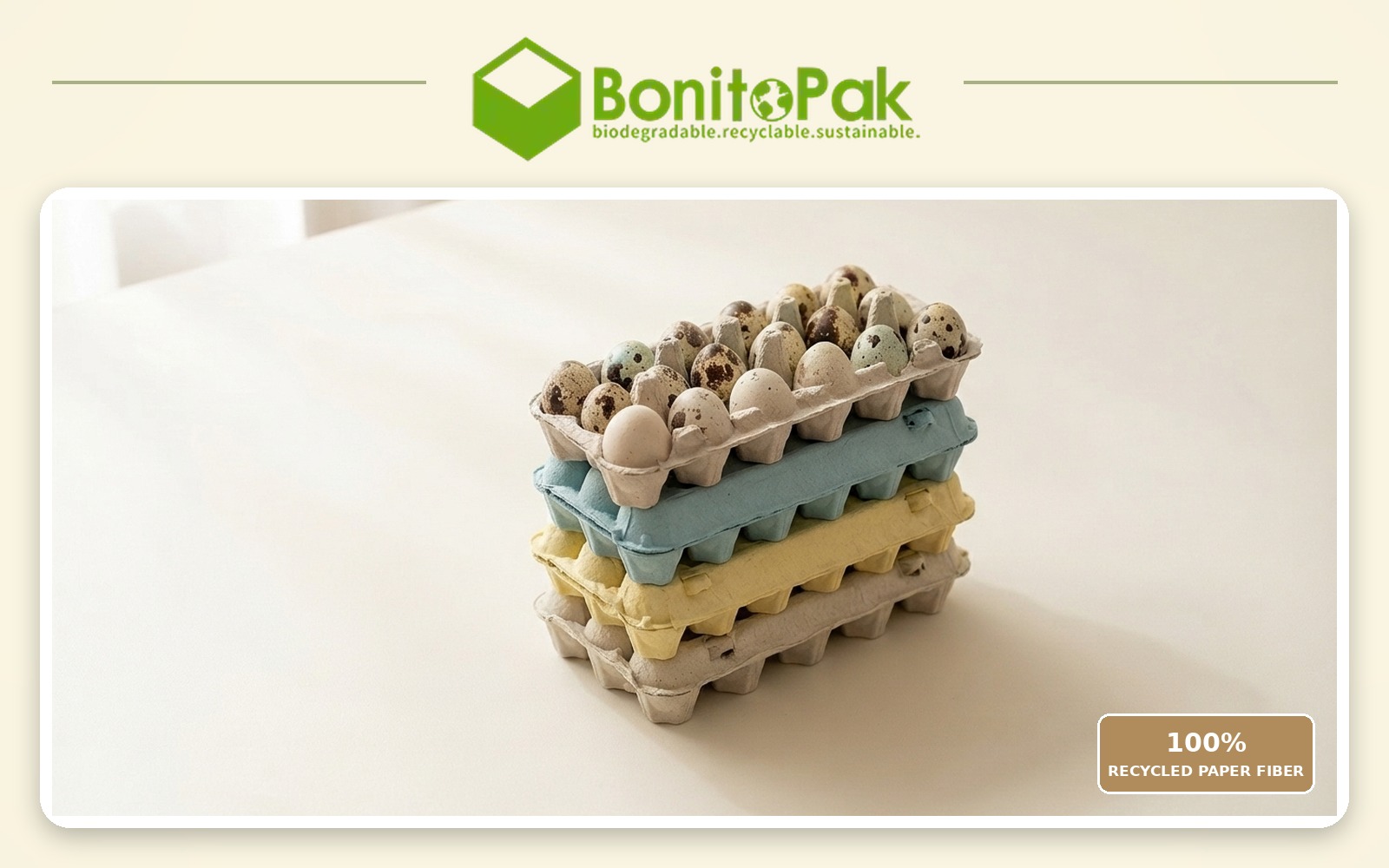
بقلم ليو تشان، مستشار أول في مجال التغليف بشركة BonitoPak. آخر تحديث: نوفمبر 2026. تُصنع علب بيض السمان بالقولبة

بقلم ليو تشان، مستشار أول في مجال التغليف بشركة BonitoPak. آخر تحديث: نوفمبر 2026. حامل أكواب مصنوع من اللب المقولب

املأ هذا النموذج المفصل