 Aller au contenu

As sustainability becomes more important, industries are rapidly shifting toward eco-friendly alternatives to traditional plastic packaging. One of the most innovative solutions is molded pulp packaging, which is made from biodegradable materials such as recycled paper, bagasse, or bamboo fibers. These molded pulp products offer an environmentally friendly alternative to plastic trays, boxes, and other forms of packaging.
The process of creating molded pulp products starts with designing and producing specialized molds. These molds shape the raw materials into functional products. But how exactly is the mold process done, and how do manufacturers ensure the best results for each product?
Au BonitoPak, we specialize in manufacturing custom molded pulp products designed to meet the needs of various industries. This guide will take you through the detailed process of creating molds for pulp products and explain the key stages involved in transforming raw materials into high-quality, eco-friendly items.
Understanding the Mold Process
The mold process for pulp products is quite different from traditional plastic molding. Instead of molding molten plastic, the pulp molding process shapes a slurry of fibers into desired forms. This slurry can be made from different sustainable materials, and the mold process ensures that the pulp hardens into strong, functional products.
There are two main techniques involved in the creation of molded pulp products:
- Pressage humide:
This method involves pressing wet pulp slurry into a mold. The slurry is left to dry in the mold, where it forms the final product’s shape. Wet pressing is often used for products that need extra compression and consistency. - Pressage à sec:
Dry pressing involves pressing dried pulp into molds using high pressure. This process allows for faster production, making it a great option for larger production runs.
Materials Used in Pulp Products
The materials used in pulp products are one of the most important aspects of the mold-making process. The type of fiber used determines the product’s strength, texture, and environmental footprint. Here are some commonly used materials in the production of molded pulp products:
- Bagasse: Bagasse is the fibrous residue left after sugarcane juice is extracted. It is biodegradable, highly durable, and provides excellent strength for molded pulp products. It’s used in a wide range of packaging applications.
- Bambou: Bamboo fibers are fast-growing and offer a great alternative to traditional wood-based fibers. Bamboo pulp is strong and resistant to moisture, making it ideal for packaging fragile goods and food containers.
- Papier recyclé: Recycled paper is one of the most common materials used in molded pulp products. It’s an eco-friendly solution that repurposes waste paper to create new products, thus contributing to waste reduction.
Each of these materials is carefully chosen based on the intended product’s needs, including durability, cost, and environmental benefits.
The Mold-Making Process
The mold-making process involves several critical steps, each of which ensures that the final molded pulp product meets specific performance and aesthetic standards. Here’s a detailed breakdown of how molds for pulp products are made:
Step 1: Designing the Mold
The first step in the process is designing the mold. Mold design is done using CAD (Computer-Aided Design) software, which allows manufacturers to create detailed and precise representations of the mold’s shape and size.
- Custom Molds: For unique products, molds are often custom-made to fit specific requirements. This is particularly true for industries like electronics and cosmetics, where the packaging needs to have custom compartments or shapes.
- Standard Molds: In some cases, standard molds may be used for bulk production of simpler products like food trays or protective packaging.
Step 2: Material Selection for Molds
Molds for pulp products are made from durable materials like steel or aluminum. Steel is often preferred for its strength and resistance to wear, while aluminum molds are lighter and cost-effective for smaller production runs.
The choice of material for the mold depends on factors such as:
- Durabilité: Molds must withstand high pressure and temperature during the pressing process.
- Coût: Steel molds are more expensive but offer longer-lasting use, while aluminum molds are cheaper but may wear out more quickly.
- Complexity: More intricate designs may require molds made from stronger materials to maintain their precision over multiple uses.
Step 3: CNC Machining or Casting the Mold
Once the design and material are finalized, the next step is creating the mold. There are two primary methods used to make molds for pulp products:
- CNC Machining:
In this method, a block of metal (usually steel or aluminum) is precisely cut using a CNC machine. This allows for high precision and the ability to create intricate designs. - Casting:
For less complex designs, casting is used. In this process, molten metal is poured into a mold cavity and allowed to cool, forming the desired shape. Though casting is more cost-effective, it is less accurate than CNC machining.
Step 4: Mold Assembly
After the individual parts are created, they are assembled to form a complete mold. This includes:
- Aligning the mold halves: The two halves of the mold must be perfectly aligned to ensure there are no gaps or misalignments in the final product.
- Test Fittings: Before moving to the next step, the mold is tested for functionality and fit. The edges, seams, and cavities must align perfectly to prevent defects in the molded pulp product.
Step 5: Mold Testing and Calibration
Once the mold is assembled, it undergoes testing. This involves running test products through the mold to ensure the desired product quality is achieved. Testing helps identify issues like uneven compression or poor fiber distribution. If any issues arise, adjustments are made before moving to full-scale production.
Step 6: Final Adjustments and Production
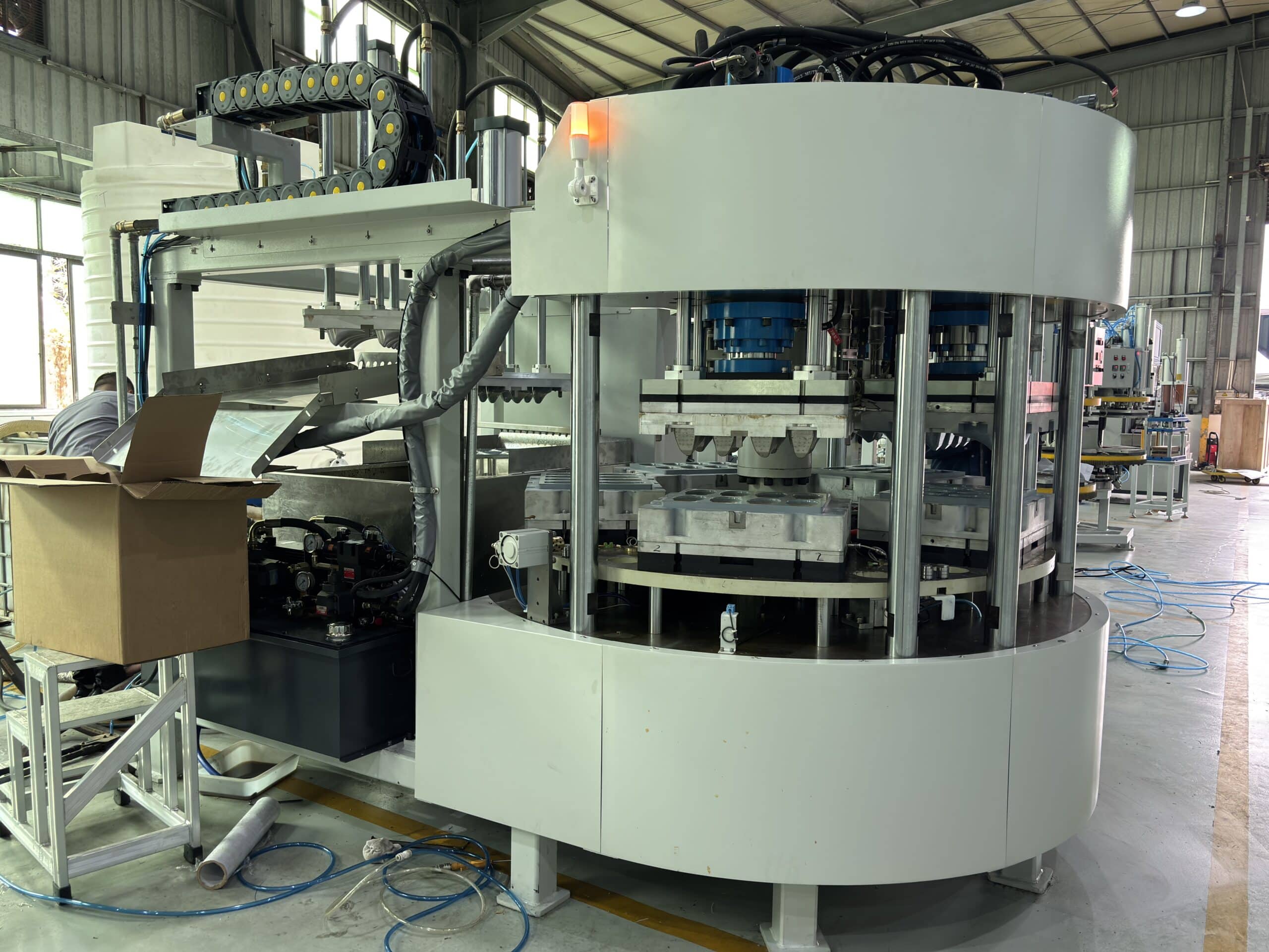
Once testing is complete, the mold is ready for mass production. At this stage, the mold is used to press the pulp slurry into the desired shape. This step involves applying pressure and heat (if necessary) to form the pulp into the mold’s cavity. Once the product has been pressed, it is allowed to dry, and any finishing steps (such as trimming or coating) are applied.
Table: Comparison of Materials for Molded Pulp Products
| Matériau | Durabilité | Impact sur l'environnement | Applications courantes |
|---|---|---|---|
| Bagasse | Haut | Biodégradable | Food packaging, trays, boxes |
| Bambou | Haut | Durable | Packaging, food containers |
| Papier recyclé | Modéré | Recyclé | Protective packaging, trays |
Applications of Molded Pulp Products
Molded pulp products are incredibly versatile and have various applications across industries:
- Emballage alimentaire: Molded pulp is used extensively in the food industry for creating trays, containers, and protective packaging for items like fruits, eggs, and take-out containers.
- Electronics Packaging: Due to its strength and durability, molded pulp is perfect for packaging fragile electronic items like mobile phones, tablets, and laptops.
- Emballage protecteur: Molded pulp can replace plastic foam and other non-biodegradable materials used for cushioning and protecting delicate items during shipping.
FAQ
Q1: What are the benefits of molded pulp over plastic packaging?
A1: Molded pulp is biodegradable, compostable, and made from sustainable materials, which makes it a more eco-friendly choice compared to plastic. It also offers similar protection and strength for products, making it a great alternative for packaging.
Q2: How long does the mold-making process take?
A2: The mold-making process can take several weeks, depending on the complexity of the design. Custom molds usually take longer than standard molds because of the intricate design and testing phases involved.
Q3: Can molded pulp products be customized?
A3: Yes, molded pulp products can be customized in terms of shape, size, and color. Brands can use molded pulp packaging to add their logos or create compartments for their products, making it an excellent choice for branded packaging.
Q4: How do I ensure that the molded pulp product is of high quality?
A4: To ensure high-quality products, it’s crucial to choose a reliable manufacturer who uses quality materials and advanced manufacturing processes. Regular testing and calibration of molds are also essential to maintain quality.
Conclusion
The mold-making process is a critical part of creating sustainable, eco-friendly molded pulp products. By understanding the various steps involved, businesses can make better decisions about the materials and manufacturers they choose for their packaging needs. At BonitoPak, we specialize in providing high-quality, custom-molded pulp products that meet the specific needs of various industries.
As the demand for eco-friendly packaging continues to grow, molded pulp products are becoming an essential part of the sustainable packaging landscape. Embracing this process can not only reduce your environmental footprint but also provide an effective solution for protecting and showcasing your products.




 French
  English
  German
  Spanish
  Russian
  Japanese
  Portuguese
  Arabic