 Aller au contenu

When looking to boost efficiency in paper production, finding the right machine can be a challenge. If you’re considering the BPM 400 Commercial Pulp Board Machine, you’re likely looking for a solution that can offer high performance, reliability, and cost-efficiency. This guide will help you determine whether this machine fits your needs and give you the insights required to make an informed purchase decision.
With over [X] years of experience in the paper manufacturing industry, we’ve seen firsthand the impact that the right machinery can have on production efficiency and product quality. Whether you are considering upgrading your existing machinery or are new to pulp board manufacturing, this article covers everything you need to know about the BPM 400.
1. What is the BPM 400 Commercial Pulp Board Machine?
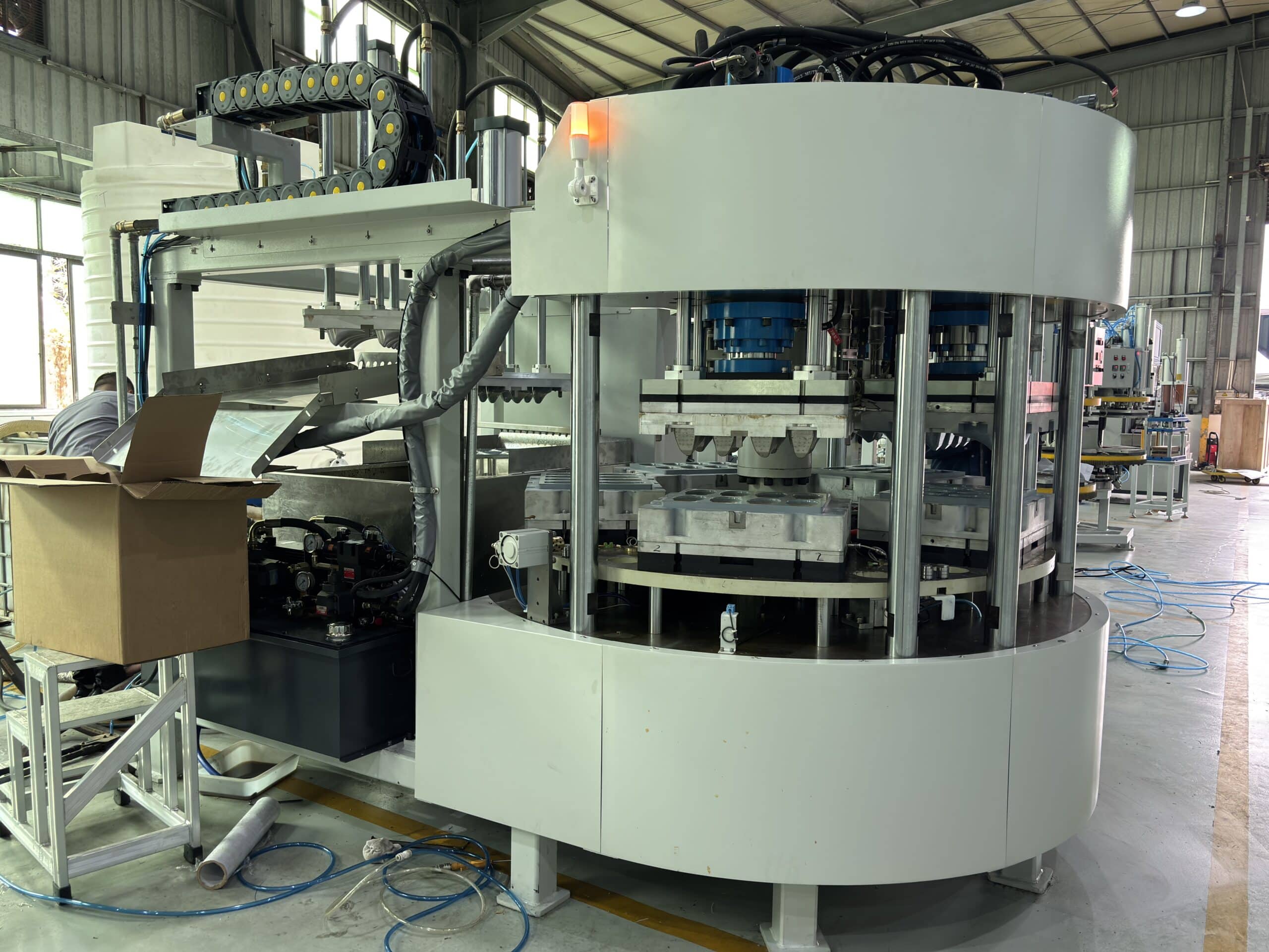
Le BPM 400 Commercial Pulp Board Machine is designed for high-performance production of quality pulp board used in a variety of industries like packaging and paper goods manufacturing. It is a versatile piece of equipment capable of handling different board grades and ensuring consistent output at high speeds.
Caractéristiques principales :
- Capacity: Capable of producing large volumes of pulp board per day.
- Technology: Equipped with state-of-the-art control systems for improved accuracy and monitoring.
- Efficacité : Designed to optimize energy use, ensuring that the operation is cost-effective.
- Durabilité : Built for long-term performance, even under heavy industrial use.
These features make the BPM 400 an excellent choice for businesses that require high-volume production without sacrificing quality.
2. How Does the BPM 400 Improve Production?
Increased Production Speed
The BPM 400 has been designed to run at higher speeds than many other pulp board machines, allowing manufacturers to scale production to meet demand more effectively. Its automated system reduces the time spent on manual interventions, enhancing overall throughput.
Consistent Board Quality
One of the standout features of the BPM 400 is its ability to produce consistent board quality, ensuring minimal waste and high-end product outcomes. The machine’s advanced technology helps control thickness, weight, and surface quality for optimal production.
Rapport coût-efficacité
By reducing the need for manual labor, improving energy efficiency, and reducing maintenance costs, the BPM 400 significantly reduces overall operational expenses. It’s a machine designed to pay for itself quickly through operational savings.
Additionally, businesses benefit from Bonitopak’s support services, ensuring smooth transitions and minimal downtime.
Explore more about how the BPM 400 fits into your production line at Bonitopak Machines.
3. A Step-by-Step Guide for Using the BPM 400
Step 1: Installation
Installing the BPM 400 requires precise calibration and integration with your current production line. Typically, manufacturers can expect the installation process to take several weeks. Bonitopak provides expert installation services to ensure everything is set up correctly, minimizing downtime and maximizing productivity.
Key Considerations for Installation:
- Space requirements: Ensure your production floor has enough room to accommodate the machine.
- Electrical setup: The BPM 400 may require a dedicated power supply due to its high energy needs.
- Calibration: Precise calibration is necessary to ensure optimal machine performance.
Step 2: Operation
Once installed, operators can begin running the machine. The BPM 400 is equipped with a user-friendly control panel, allowing operators to adjust settings for different board grades. Operators will also have real-time monitoring capabilities, ensuring that any potential issues are detected early.
Step 3: Maintenance
Regular maintenance is essential to ensure the longevity and efficiency of the BPM 400. Bonitopak offers ongoing maintenance support, including diagnostics and regular service checks, to help you avoid any unexpected breakdowns.
4. Maximizing Performance with the BPM 400
To get the most out of your BPM 400, consider the following best practices:
- Regular Lubrication: Ensure that all moving parts are adequately lubricated to prevent unnecessary wear and tear.
- Monitoring System Updates: The BPM 400 is equipped with smart monitoring systems that require regular updates for optimal performance.
- Operator Training: Invest in training for operators to ensure they fully understand how to manage the machine efficiently and troubleshoot common issues.
Maintenance Tools and Support
For those looking to streamline their maintenance processes, Bonitopak offers access to comprehensive maintenance tools and expert service professionals. This service ensures you never miss a beat in production.
5. Troubleshooting Common Problems
1. Machine Speed Drops
If the BPM 400 slows down, this could be due to an issue with the feed system. Check for blockages or material buildup in the system, and make sure all sensors are working correctly.
2. Quality Control Issues
Inconsistent board quality may be a result of improper calibration or material inconsistencies. Re-calibrate the machine using the control panel, and ensure you’re using high-quality pulp.
3. Excessive Vibration
If you notice excessive vibration, check the alignment of the rollers and ensure that they are correctly lubricated.
6. Advanced Strategies – Going Beyond the BPM 400
Once you’ve successfully integrated the BPM 400 into your production line, you can consider next-level strategies to improve overall output.
Integration with IoT
By integrating the BPM 400 with Internet of Things (IoT) technology, you can monitor and control the machine remotely, which opens up new possibilities for automation and predictive maintenance.
Using AI for Quality Control
Artificial Intelligence (AI) can be used to track board quality in real-time, using algorithms to automatically adjust production settings to maintain consistent quality.
For information on integrating advanced technologies into your production process, check out our advanced solutions.
Section FAQ
1. What’s the average lifespan of the BPM 400?
The BPM 400 is designed for long-term use. With regular maintenance, the machine can last for many years, providing consistent high-quality production throughout its lifespan.
2. How much energy does the BPM 400 consume?
The BPM 400 is designed to be energy-efficient. It uses advanced control systems to minimize energy consumption during production without sacrificing performance.
3. How do I know if the BPM 400 is right for my business?
If you’re looking for high-speed, high-quality pulp board production and need a reliable, cost-effective machine, the BPM 400 is a great fit. For a personalized consultation, visit our consultation page.
Conclusion
Le BPM 400 Commercial Pulp Board Machine stands out as an excellent choice for businesses seeking a high-performance solution to increase production and quality. With its advanced features, cost-saving capabilities, and ease of use, it promises a strong return on investment. By following the guidance provided here, you can make an informed decision and take the next step in optimizing your production line.
If you’re ready to learn more about the BPM 400 or explore other industrial machinery, contact Bonitopak today for more personalized recommendations.




 French
  English
  German
  Spanish
  Russian
  Japanese
  Portuguese
  Arabic