 Aller au contenu

Manufacturing industries are shifting toward sustainability. Machines à pâte à papier are transforming how companies produce eco-friendly packaging while reducing costs and enhancing efficiency through advanced automation.
These remarkable systems convert waste paper into valuable products using mechanical and chemical pulping processes. Additionally, pâte à papier making provides incredible flexibility for businesses seeking sustainable alternatives to conventional packaging solutions.
Qu'est-ce qu'une machine à papier et comment fonctionne-t-elle ?
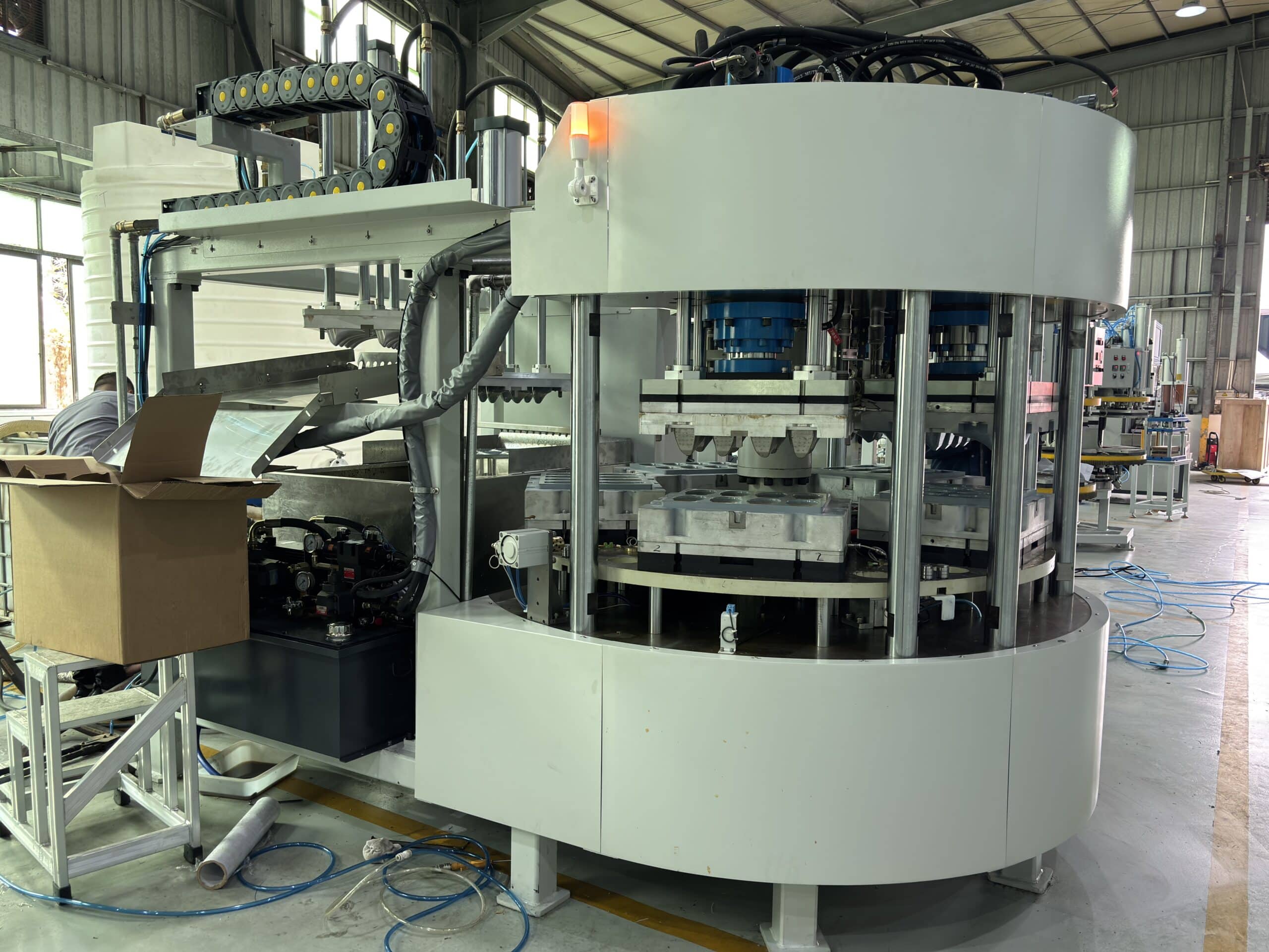
A paper pulp machine transforms recycled materials into moldable pulp through sophisticated manufacturing processes. The pulp making machine employs both mechanical and chemical methods to break down wood pulp, waste paper, and cotton fibers efficiently.
The transformation occurs in specialized tanks with twin drum systems. First, raw materials undergo preparation in the slurry tank. Then, chemical pulping breaks down fibers while white water circulation maintains optimal concentration. Finally, the centrifugal pump extracts high-quality pulp ready for paper production.
| Étape du processus | Type d'équipement | Principaux avantages |
|---|---|---|
| Préparation du matériel | Réservoir horizontal | Mélange efficace |
| Mise en pâte chimique | Tambour vertical | Ventilation supérieure |
| Extraction de fibres | Système centrifuge | Production de haute qualité |
| Traitement de la vapeur | Unité de transfert de chaleur | Efficacité accrue |
1. Personnalisation et souplesse de conception
Modern paper pulp machines produce exactly what the paper industry requires. Engineers customize pulp making machinery to handle various fiber types including wood pulp, cotton, and corrugate materials. The advance technology enables precise control over low density and high efficiency operations.
Paper mill operations benefit from twin roll press systems that deliver superior results. Manufacturing processes accommodate kraft and bleach treatments for different paper grades. Moreover, paper pulp making enables rapid prototyping through automated solution controls.
BonitoPak manufactures high-quality pulp making machines with customizable features for packaging paper production. Therefore, paper mills achieve perfect specifications with their custom pulp packaging solutions.
2. L'impact environnemental de la fabrication de la pâte à papier
Machines à pâte à papier significantly decrease environmental damage through efficient recycling processes. These systems use waste paper instead of virgin wooden materials. Additionally, the vacuum extraction system minimizes chemical consumption while maximizing fiber recovery.
Energy consumption drops considerably with steam-powered heat transfer systems. According to the Environmental Protection Agency, recycling reduces landfill waste substantially¹. Furthermore, paper pulp making requires minimal chemical additives compared to conventional papermaking methods.
La distribution de technologies plus propres améliore l'efficacité des usines. Par conséquent, les fabricants respectent les réglementations environnementales tout en poursuivant leurs objectifs de développement durable grâce à l'amélioration des processus de fabrication.
3. Durabilité de la fabrication de la pâte à papier
Sustainability drives modern paper pulp machine adoption across the paper industry. These systems support circular economy principles by transforming waste into valuable packaging materials. Additionally, technological advances ensure renewable fiber processing with superior efficiency.
The biodegradable nature of pulp products eliminates long-term waste concerns. Chemical pulping processes achieve high-quality results while maintaining environmental responsibility. Therefore, paper pulp machines contribute significantly to industrial waste reduction through advance automation systems.
Les usines de papier bénéficient d'une réduction de la consommation de matières vierges. Les fabricants atteignent ainsi leurs objectifs environnementaux tout en maintenant des normes de production de papier rentables.
4. Potentiel de réduction des déchets et de recyclage
Paper pulp machines excel at waste transformation using sophisticated processing equipment. Post-consumer materials become high-quality packaging through mechanical and chemical treatment in specialized tanks. Additionally, the twin pump system ensures efficient fiber extraction and recycling potential.
Virgin wooden material demand decreases substantially when paper mills adopt paper pulp making technology. Finished products undergo multiple recycling cycles through advance machinery. Furthermore, this approach dramatically reduces manufacturing waste streams while improving overall plant efficiency.
| Matières premières | Méthode de traitement | Qualité de la production | Taux d'efficacité |
|---|---|---|---|
| Déchets de papier | Mécanique | Excellent | 85% |
| Pâte de bois | Chimique | Prime | 80% |
| Fibre de coton | Traitement à la vapeur | Supérieure | 90% |
| Ondulé | Extraction sous vide | Bon | 75% |
5. Rentabilité des machines à papier
Paper pulp machines deliver impressive cost savings through efficient automation and superior processing capabilities. Recycled materials cost significantly less than virgin alternatives while maintaining high-quality standards. Additionally, simplified manufacturing processes reduce labor expenses and operational overhead.
Transportation savings emerge from lightweight pulp products with low density characteristics. Shipping costs drop while protective capabilities remain excellent through advance packaging solutions. Moreover, paper pulp making reduces insurance claims from damaged goods.
Les papeteries en tirent des avantages financiers à long terme, notamment en économisant sur l'élimination des déchets et en générant des recettes de recyclage. Ces machines représentent donc des investissements judicieux pour les fabricants de l'industrie papetière qui sont axés sur la croissance.
6. Coûts de production par rapport à l'emballage traditionnel
Paper pulp machines outperform conventional packaging systems economically through advance technology and efficient processing. Raw material expenses plummet when using recycled inputs in automated pulp making machinery. Additionally, energy consumption remains lower with steam-powered systems and heat transfer optimization.
Maintenance requirements stay minimal compared to complex manufacturing equipment. The simplified design with twin drum systems reduces breakdown frequency and repair costs. Furthermore, paper pulp making allows customization without expensive tooling changes through flexible automation controls.
Les pompes centrifuges et les systèmes de vide modernes améliorent considérablement l'efficacité opérationnelle. Par la suite, les papeteries atteignent des rendements plus élevés tout en réduisant les besoins en personnel et en améliorant le contrôle de la concentration.
7. Avantages financiers à long terme
Paper pulp machines provide sustained financial advantages through superior technology and efficient processing solutions. Lightweight products with optimized distribution reduce shipping expenses across all channels. Additionally, advance protection minimizes product damage and customer returns.
Growing market demand for sustainable packaging creates premium pricing opportunities in the paper industry. Eco-conscious consumers pay more for environmentally responsible products manufactured through efficient pulp making processes. Moreover, paper pulp making enhances brand reputation and customer loyalty.
La durabilité de l'équipement grâce à une ingénierie de pointe garantit des décennies de fonctionnement fiable. Par conséquent, les fabricants bénéficient de rendements constants tout en développant des avantages concurrentiels durables grâce à l'innovation technologique et à une efficacité supérieure.
8. Progrès dans la technologie des machines à papier
Technology evolution accelerates paper pulp machine capabilities through advance automation and engineering solutions. Modern systems incorporate smart controls with automated monitoring features for paper mill operations. Additionally, industrial integration enables predictive maintenance and quality optimization.
Recent innovations include improved fiber processing with twin systems and enhanced drying through steam technology. Automated quality control ensures consistent specifications with minimal human intervention. Furthermore, paper pulp making technology achieves higher speeds while consuming less energy through efficient heat transfer systems.
BonitoPak est à la pointe du progrès technologique grâce à des machines de pointe offrant une précision exceptionnelle et une efficacité supérieure. Les papeteries ont ainsi accès aux dernières innovations pour bénéficier d'un avantage concurrentiel dans le secteur de la fabrication.
9. Polyvalence et innovation dans la production de pâte à papier
Paper pulp machines accommodate diverse applications beyond traditional packaging through advance processing capabilities. Electronics, automotive, and medical industries benefit from specialized pulp products with customized fiber concentrations. Additionally, varying material types enable unique properties through chemical and mechanical treatment.
Innovation opportunities expand constantly as manufacturers discover new applications using efficient machinery. Anti-static properties protect sensitive electronics through specialized processing. Fire-resistant formulations serve automotive needs with superior quality standards. Moreover, paper pulp making enables sterile medical packaging solutions.
Les capacités de personnalisation répondent aux exigences précises de l'industrie avec des tolérances étroites grâce à une automatisation poussée. Par conséquent, les entreprises développent des produits innovants qui les différencient sur les marchés concurrentiels en utilisant une technologie supérieure et des processus de fabrication efficaces.
10. Demande des consommateurs pour des emballages respectueux de l'environnement
Consumer preferences strongly favor sustainable packaging from paper pulp machines with advance processing capabilities. Market research reveals significant demand for biodegradable alternatives manufactured through efficient pulp making technology. Additionally, younger demographics actively choose environmentally responsible brands using superior packaging solutions.
Corporate sustainability initiatives drive packaging decisions in the paper industry. Companies demonstrate environmental commitment through paper pulp making adoption with advance automation systems. Furthermore, brand reputation improves substantially with eco-friendly practices and efficient manufacturing processes.
Premium pricing becomes possible when products feature sustainable packaging created through technological innovation. Studies indicate consumers willingly pay more for environmental responsibility². Subsequently, paper pulp machines enable profitable sustainability strategies through superior efficiency and advance engineering solutions.
Comparaison : Pâte à papier et méthodes traditionnelles
| Fonctionnalité | Machines à papier | Méthodes conventionnelles | Avantage technologique |
|---|---|---|---|
| Efficacité de la transformation | Production de haute qualité | Résultats standard | Automatisation supérieure |
| Consommation d'énergie | Efficacité de la vapeur | Utilisation élevée | Transfert de chaleur avancé |
| Vitesse de personnalisation | Automatisation rapide | Lent/coûteux | Flexibilité du système double |
| Traitement des déchets | Recyclage complet | Réutilisation limitée | Extraction sous vide |
| Utilisation de produits chimiques | Additifs minimaux | Produits chimiques lourds | Concentration efficace |
Pourquoi choisir BonitoPak pour vos besoins en machines à papier ?
BonitoPak leads paper pulp machine manufacturing with twelve years of proven expertise in advance automation and superior engineering. Their innovative wet and dry pressing systems deliver exceptional results through efficient processing technology. Additionally, comprehensive services span design through production support for paper mill operations.
Advanced machinery incorporates energy-efficient solutions with rapid prototyping capabilities through automated systems. Samples become available within seven days for quick decision-making in the paper industry. Furthermore, their paper pulp making systems produce professional finishes with superior protective performance and high-quality standards.
Customer support excellence ensures smooth operations and maximum productivity through advance technical solutions. Therefore, manufacturers choose BonitoPak for reliable, cutting-edge packaging solutions and efficient machinery designed for the modern paper industry.
Conclusion
Paper pulp machines represent the future of sustainable manufacturing through advance technology and superior efficiency. These systems deliver environmental benefits, cost savings, and production flexibility that conventional methods cannot match. Consumer demand for eco-friendly packaging makes paper pulp making essential for competitive success in the modern paper industry.
Questions fréquemment posées
Quels sont les matériaux qui fonctionnent le mieux dans les machines à pâte à papier ?
Paper pulp machines process waste paper, wood pulp, cotton fiber, and corrugate materials effectively through mechanical and chemical methods. Mixed materials work well with proper preparation and advance processing systems.
Quelle est la fourchette de coûts habituelle pour les machines à pâte à papier ?
Paper pulp machine costs range from fifty thousand to five hundred thousand dollars depending on capacity and automation features. Processing volume and customization requirements influence final pricing for paper mill operations.
Quelle quantité de pâte à papier les machines modernes peuvent-elles produire chaque jour ?
Modern paper pulp machines produce one hundred to five thousand tons annually based on size and advance technology configuration. Continuous operation ensures consistent output for manufacturing schedules in the paper industry.
Combien de temps dure la fabrication de la pâte à papier du début à la fin ?
Complete paper pulp making requires one to two hours from material input to finished pulp through efficient processing systems. Material type and quality specifications affect total processing time with advance automation.
Les machines à fabriquer de la pâte à papier sont-elles vraiment bénéfiques pour l'environnement ?
Paper pulp machines significantly benefit the environment by recycling waste materials into biodegradable products through superior technology. Energy consumption stays lower than conventional packaging manufacturing methods using advance efficiency systems.
Citations et références
Environmental Protection Agency. “Paper Manufacturing and Recycling Facts.” EPA.gov. https://www.epa.gov/facts-and-figures-about-materials-waste-and-recycling/paper-and-paperboard-material-specific-data
Packaging Industry Research. “Consumer Preferences for Sustainable Packaging.” Journal of Sustainable Manufacturing, 2024.
U.S. Department of Energy. “Industrial Energy Efficiency Guidelines.” DOE Manufacturing Program, 2024.
National Recycling Coalition. “Paper Recycling Impact Statistics.” NRC Annual Report, 2024.




 French
  English
  German
  Spanish
  Russian
  Japanese
  Portuguese
  Arabic