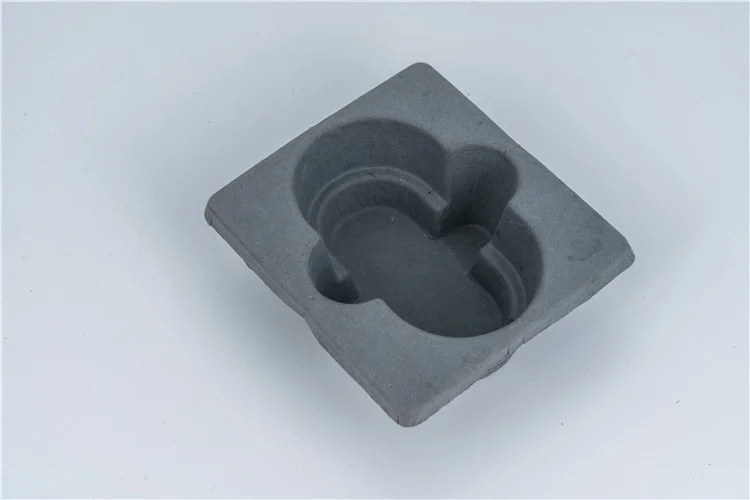
We start with cellulose‑rich bagasse and recycled paper fibers processed via a chemical‑free, mechanical pulping method. Wet‑press molding densifies the material, creating crisp geometry, smooth planes, and consistent tolerances that feel solid in hand and resist crush when stacked. The result is a paper bedpan that’s lightweight but tough, with an anti‑spill rim and reinforced base to help control splashes and add confidence during transfers. An ergonomic contour supports patient comfort, and optional features—finger‑grip tabs, pour‑friendly corners, or a moisture‑resistant barrier—let you tune performance to your workflow, whether in hospitals, elder care facilities, or home care kits.
Customization is straightforward. Share frame dimensions or CAD and we’ll match the footprint, rim angle, wall height, and capacity you need. Add discreet embossed or debossed branding and a professional color to aid department identification without inks or laminates. Operationally, the bedpans ship nested to reduce pallet height and storage footprint, and their repeatable fit speeds pack‑outs and replenishment across locations.
End‑of‑life guidance is clear: the bedpan is fiber‑based, biodegradable, and may be recyclable in clean, unused form—but used bedpans containing bodily waste must never be recycled or composted. Dispose of according to facility infection‑control and local municipal guidelines. Not sterile and not a medical device; pair with liners as your protocol requires. With OEM/ODM support and an MOQ of 5,000 units, you can validate samples quickly and scale a safer, simpler bedside experience.
FAQs:
Q1: Is the bedpan leak‑proof?
A: The wet‑pressed structure is splash‑resistant for typical use. For added durability or longer hold times, request a moisture‑resistant barrier or use liners.
Q2: Will it fit my commode or bedpan chair?
A: Yes—dimensions are fully customizable. Share frame specs or CAD for a precise fit.
Q3: Is it latex‑free and biodegradable?
A: Yes. It’s latex‑free, fiber‑based, and 100% biodegradable. Clean, unused units may be recyclable where accepted.
Q4: How should used bedpans be disposed of?
A: Do not recycle or compost used bedpans. Seal and dispose according to facility protocols and local regulations.
Q5: What are the MOQ and lead times? Can I get samples?
A: MOQ is 5,000 pcs. Samples are available; lead time depends on tooling and order size—request a fast quote for schedules and pricing.