Material :
Material :
Material :
Material :
Material :
Material :
Material :
Material :
Material :
Material :
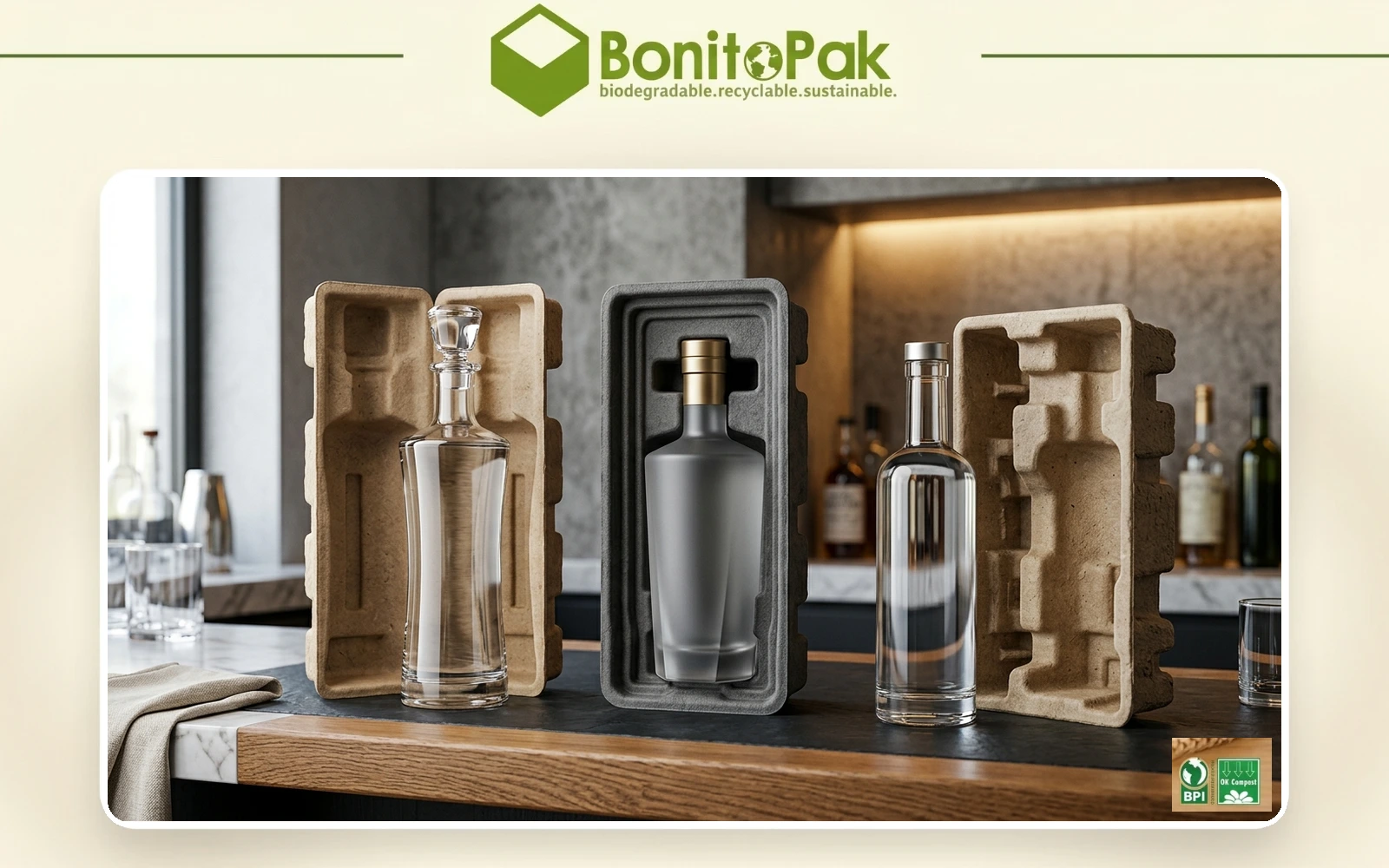
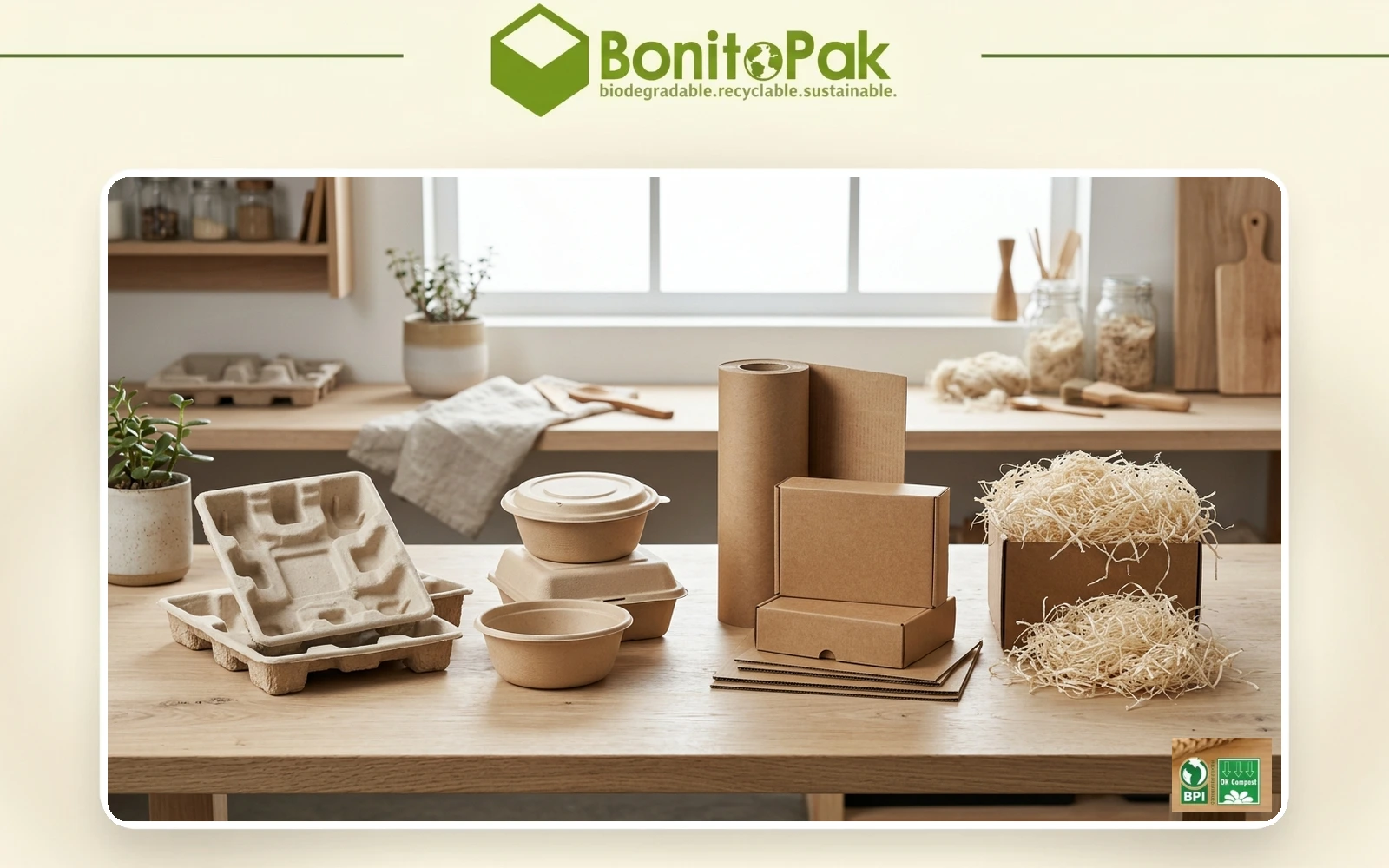
The wet pressing process uses biodegradable materials like bagasse, bamboo, and recycled paper, offering smooth finishes, protection, cushioning, and space-saving, eco-friendly packaging.
Molded pulp products replace plastic and foam, offering recyclable, biodegradable options. Custom shapes, colors, and eco-friendly surfaces are available. We provide affordable, sustainable packaging with in-house prototyping and manufacturing.
Our plant fiber tableware, made from bagasse, straw, and bamboo, is biodegradable, compostable, waterproof, oil-resistant, and microwave-safe. Certified, recyclable, and stackable for eco-friendly use.
Dry pressing paper pulp trays, made from 100% recycled materials, offer an eco-friendly, cost-effective alternative to plastic. They provide cushioning, temperature resistance, and stackability, saving up to 20% space.
Bonitopak offers molded pulp in six colors, including white, natural, and black, with 95% color accuracy. Eco-friendly methods ensure safe bleaching. Natural and white are best for food; others suit tray packaging.
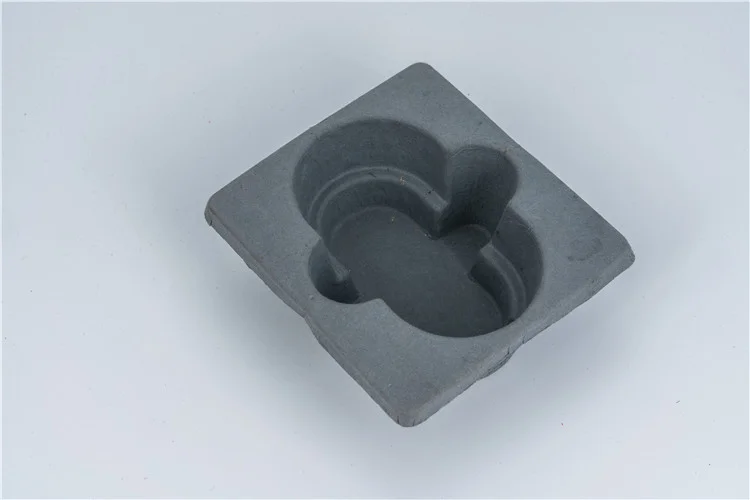
Modern tech buyers expect low‑impact packaging and a premium reveal. Our wet‑press process compresses recycled fibers under heat, creating dense walls with consistent thickness and smooth radii that won’t scratch housings or scuff printed manuals. Share CAD files or sample units and our engineers will map precise clearances, tune wall thickness, and design cable channels, charger wells, and accessory pockets tailored to your kit. We’ll size the flange for your existing slotted box so inserts lock in place without glue and load quickly on the line.
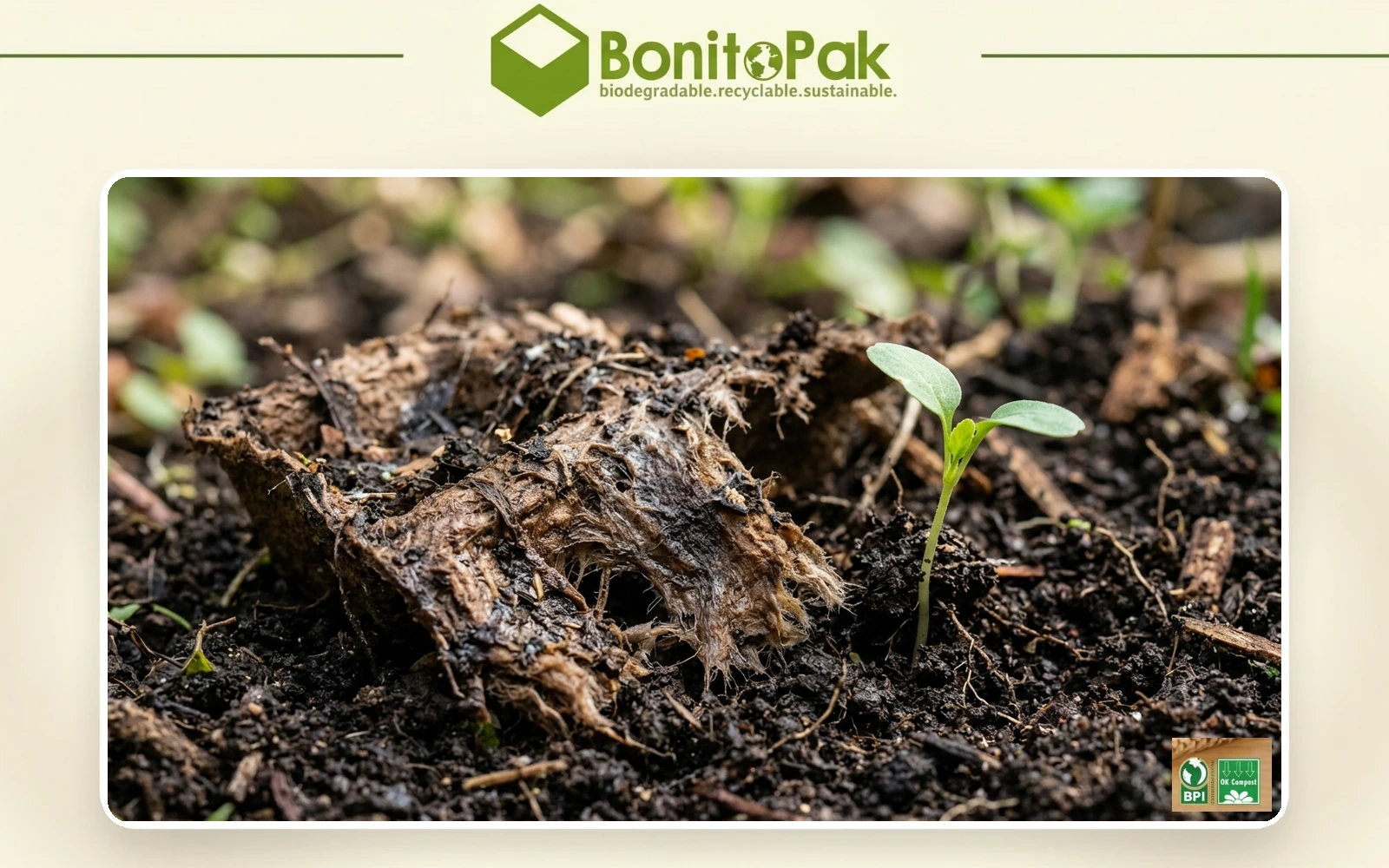
Operational benefits add up fast: trays nest tightly for high pallet density, weigh less than plastic to reduce shipping emissions, and arrive production‑ready with reliable tolerances. Branding integrates seamlessly—emboss or deboss your logo directly into the fiber for an elegant, ink‑free mark—and the pulp can be tinted to match your color story. After unboxing, consumers can recycle the insert where molded fiber is accepted, or it will biodegrade in suitable conditions. The result is a molded pulp electronics tray that protects in transit, streamlines packing, and tells a credible sustainability story that boosts brand perception.
FAQs:
Q1: Can you match my device and accessory layout exactly?
A: Yes. We build custom tooling from your CAD or samples for precise, rattle‑free cavities and cable channels.
Q2: Is the insert recyclable and biodegradable?
A: It’s plastic‑free and made from recycled paper pulp—recyclable in many paper streams and naturally biodegradable.
Q3: What branding options are available?
A: Embossed or debossed logos come standard; we can also color‑tint the pulp to your brand palette.
Q4: What are the MOQ and typical lead time?
A: MOQ is 5,000 units. Sampling usually takes 7–10 days after design approval; production typically 15–30 business days.
Q5: Do you offer moisture resistance?
A: Standard inserts are uncoated fiber. Optional water‑repellent/oil‑resistant treatments are available for humid supply chains.

Modern tech buyers expect low‑impact packaging and a premium reveal. Our wet‑press process compresses recycled fibers under heat, creating dense walls with consistent thickness and smooth radii that won’t scratch housings or scuff printed manuals. Share CAD files or sample units and our engineers will map precise clearances, tune wall thickness, and design cable channels, charger wells, and accessory pockets tailored to your kit. We’ll size the flange for your existing slotted box so inserts lock in place without glue and load quickly on the line.
Operational benefits add up fast: trays nest tightly for high pallet density, weigh less than plastic to reduce shipping emissions, and arrive production‑ready with reliable tolerances. Branding integrates seamlessly—emboss or deboss your logo directly into the fiber for an elegant, ink‑free mark—and the pulp can be tinted to match your color story. After unboxing, consumers can recycle the insert where molded fiber is accepted, or it will biodegrade in suitable conditions. The result is a molded pulp electronics tray that protects in transit, streamlines packing, and tells a credible sustainability story that boosts brand perception.
FAQs:
Q1: Can you match my device and accessory layout exactly?
A: Yes. We build custom tooling from your CAD or samples for precise, rattle‑free cavities and cable channels.
Q2: Is the insert recyclable and biodegradable?
A: It’s plastic‑free and made from recycled paper pulp—recyclable in many paper streams and naturally biodegradable.
Q3: What branding options are available?
A: Embossed or debossed logos come standard; we can also color‑tint the pulp to your brand palette.
Q4: What are the MOQ and typical lead time?
A: MOQ is 5,000 units. Sampling usually takes 7–10 days after design approval; production typically 15–30 business days.
Q5: Do you offer moisture resistance?
A: Standard inserts are uncoated fiber. Optional water‑repellent/oil‑resistant treatments are available for humid supply chains.
We respond within 24 hours, offering fast, clear communication, tailored solutions, and efficient service to save time and costs.
Our in-house design, engineering, and manufacturing ensure rapid tooling, with samples ready in 7 days and production molds in 8 days.
Our skilled R&D engineers excel in designing, prototyping, and tooling, offering complete packaging solutions with blister, tin can, and printed boxes.
Trained staff conduct 100% inspections, random checks, and quality control, ensuring high standards, reducing rejects, and saving costs.
We provide reasonable order scheduling and coordinate with clients to resolve issues promptly, ensuring the best solutions.
Our experienced after-sales team ensures smooth communication, solving issues with replacements, shipping, and delivery, aiming for zero complaints.
By Leo Chan | Writer, BonitoPak | 20+ years in moulded pulp packaging Vodka is
By Leo Chan | Writer, BonitoPak | 20+ years in molded pulp packaging Almost every
By Leo Chan | Writer, BonitoPak | 20+ years in molded pulp packaging Search this