 Ir para o conteúdo
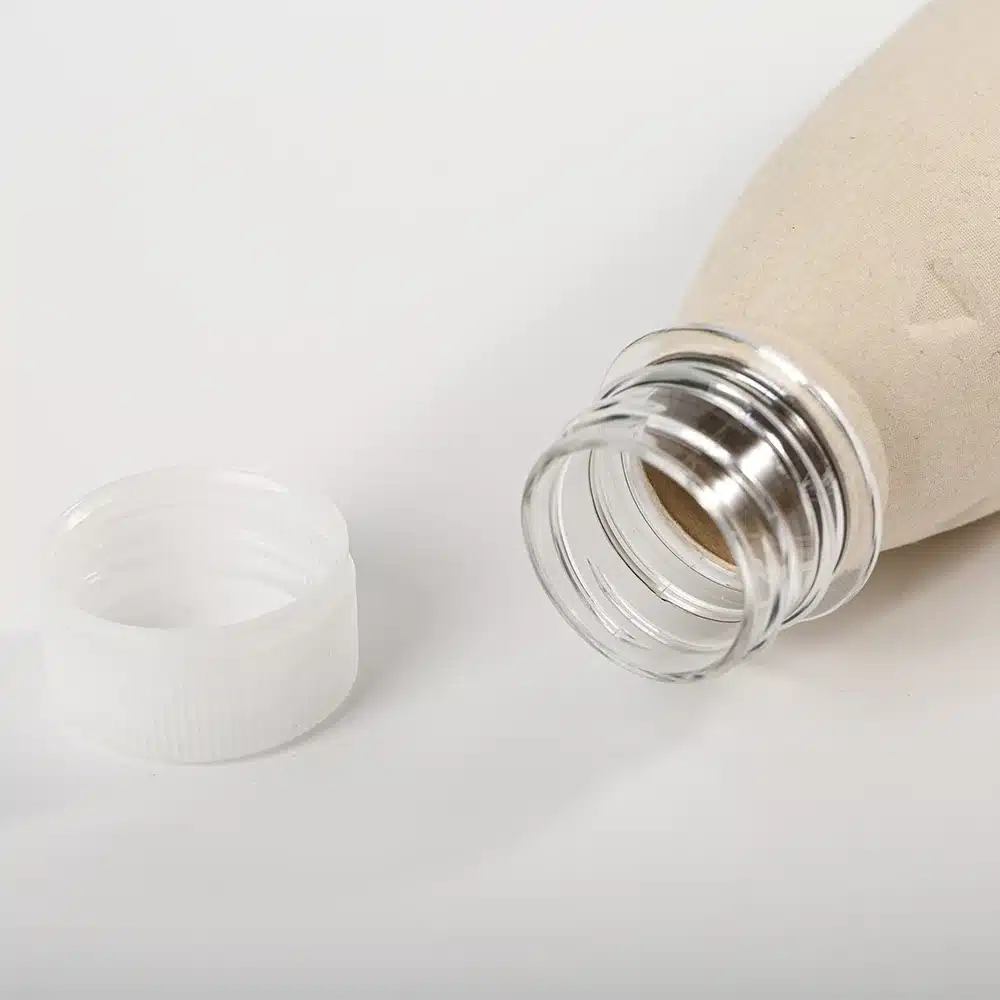
A paper bottle making machine forms bottles from molded pulp fiber using vacuum forming, hot pressing, and a barrier coating stage to make the shell liquid-resistant. This guide covers how the process works, what determines output and automation level, and what to verify with a manufacturer before committing capital without repeating unverified capacity or pricing figures.
Paper bottles are one of the more visible bets in the shift away from single-use plastic brands like Diageo and P&G have already piloted commercial paper bottle lines for spirits and personal care products. If you’re researching a paper bottle making machine, you’re likely evaluating whether to add this capability to an existing pulp molding operation or start a new production line from scratch.
This guide covers how a paper bottle making machine actually works, what separates semi-automatic from fully automatic systems, and what to verify with a manufacturer before you commit capital including being upfront about what’s general industry knowledge versus a specific, confirmed Bonitopak machine spec.
What Is a Paper Bottle Making Machine?
A paper bottle making machine is an industrial system that forms bottle shapes from molded pulp fiber, then applies a barrier coating so the shell can hold liquid. It combines the same core forming technology used in molded pulp packaging — pulping, mold forming, and pressing — with an added coating stage that plastic or glass bottle production doesn’t need.
Unlike injection-molded plastic bottles, which are formed from molten resin in a single shot, a paper bottle starts as pulped fiber that’s shaped over a mold using vacuum suction, dried, and then coated internally (and sometimes externally) to prevent leakage. That coating stage is the real technical differentiator in this category — it’s what determines whether a paper bottle can actually hold water, oil, or spirits without failing.
How Paper Bottles Are Manufactured, Stage by Stage
Paper bottle manufacturing runs through pulping, forming, pressing, drying, and coating — five stages that turn loose fiber into a liquid-holding shell. Bonitopak’s own molded pulp production uses the same core wet-pressing and drying principles for its packaging lines; the coating stage is specific to bottle-shaped, liquid-holding products.
- Raw material preparation — wood or recycled paper fiber is pulped into a slurry.
- Vacuum forming and mold shaping — a mesh mold is lowered into the slurry, and vacuum suction pulls fiber onto the mold to the target thickness.
- Hot pressing and structural compression — the formed shell is pressed to smooth the surface and set the wall structure, the same principle Bonitopak uses in wet pressing to achieve a smooth surface finish on its packaging trays.
- Drying — the shell is dried to remove moisture and build rigidity.
- Barrier coating application — an internal (and sometimes external) coating is applied to make the shell resistant to the liquid it will hold.
- Final trimming and inspection — excess material is trimmed and the shell is inspected before assembly.
This is general manufacturing process knowledge for the paper bottle category, not a claim about Bonitopak’s specific production line configuration — confirm exact process details for a specific order directly with Bonitopak’s team.
What Determines Output and Automation Level
Two things determine how a paper bottle machine performs for your business: automation level and mold flexibility. Neither is a single fixed number — both scale with investment and are worth evaluating against your actual production target rather than a headline capacity figure.
Automation level ranges from semi-automatic — where an operator manages loading, unloading, or inspection steps — to fully automatic lines that run with PLC-based control and minimal manual intervention. Semi-automatic systems generally cost less upfront and suit smaller production runs; fully automatic lines cost more but reduce labor dependency at scale.
Mold flexibility is how easily the line switches between bottle shapes or sizes. A line built around a single fixed mold is cheaper but inflexible; a line designed for interchangeable molds costs more but lets you run multiple SKUs on the same equipment.
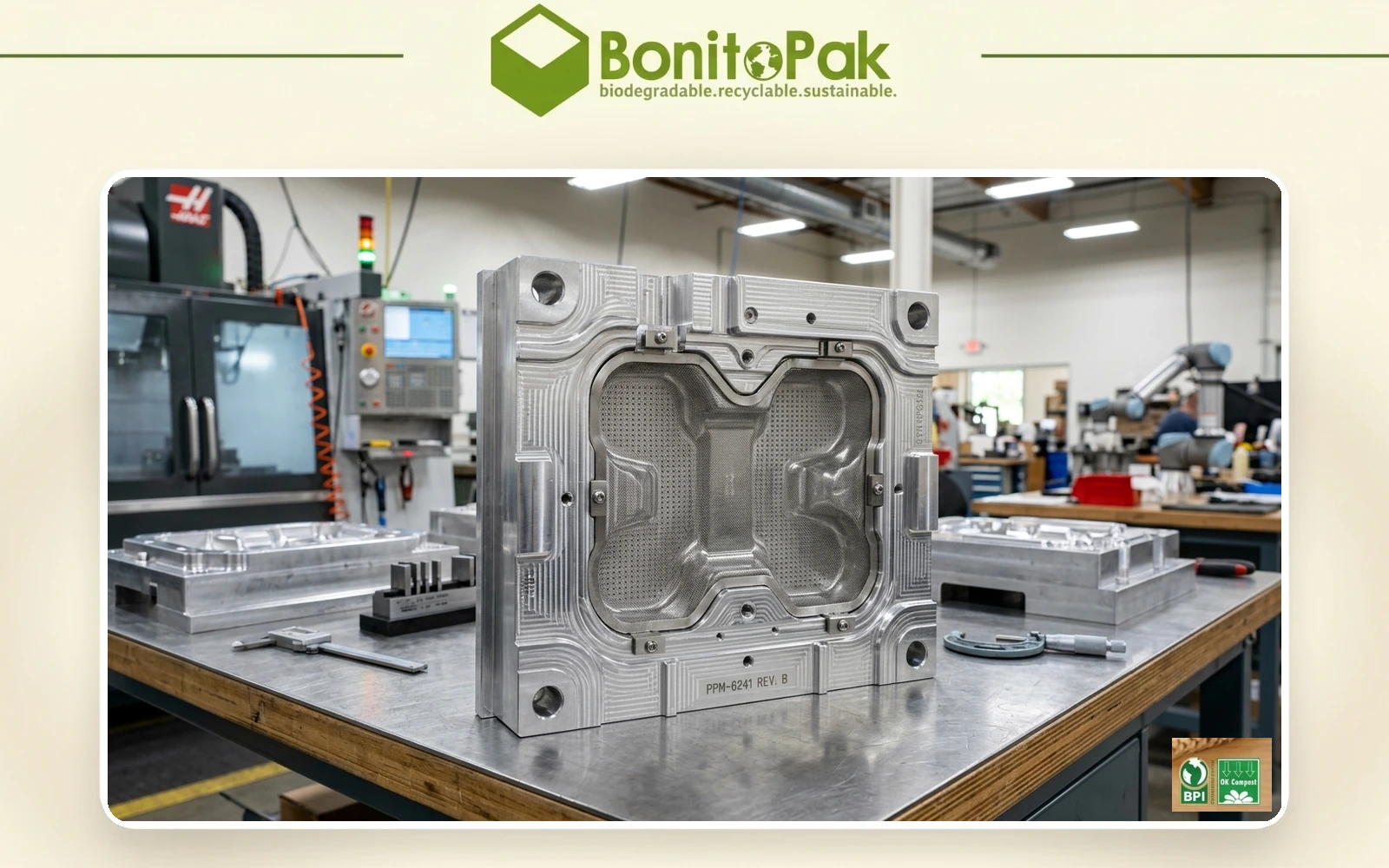
Bonitopak’s in-house design and tooling team — working in SolidWorks and Creo, accepting IGS and STEP files — builds custom molds for its pulp molding equipment, which is the same tooling capability that determines mold flexibility on a bottle line. Exact output figures, power consumption, and pricing for a specific machine configuration should be requested directly, since these vary by automation level and haven’t been published as fixed numbers.
Semi-Automatic vs. Fully Automatic: Which Fits Your Operation
A semi-automatic paper bottle line suits a lower initial production volume and a smaller capital budget; a fully automatic line suits higher-volume operations where labor cost per unit matters more than upfront machine cost. Most buyers new to the category start semi-automatic and scale up once demand is proven.
The tradeoff isn’t just cost — it’s operational complexity. A fully automatic line requires more consistent power supply, more rigorous preventive maintenance, and typically more skilled operators to run PLC-based controls. A semi-automatic line is more forgiving of inconsistent input material and easier to troubleshoot on the floor, at the cost of lower throughput per labor hour.
Neither configuration is universally “better” — the right choice depends on your target volume, available capital, and whether you already have production line experience. A manufacturer worth working with will ask about your target output before recommending a configuration, not the other way around.
What to Verify Before You Select a Supplier
Before committing capital to a paper bottle making machine, verify sample production, mold turnaround, and after-sales support directly with the manufacturer rather than relying on published specs alone. Bonitopak’s stated response time is within 24 hours, and its in-house mold design and tooling process runs a 3D drawing in 2 days with a physical sample in 7 days for its packaging lines — ask specifically whether the same timeline applies to bottle-specific tooling.
A few questions worth asking any supplier directly:
- Can you see a working demo or reference installation, not just a rendering?
- What’s the actual lead time from deposit to installed, running equipment?
- What training and installation support is included, and is it on-site or remote?
- What’s the warranty period, and how is spare parts availability handled after that?
- Can they quote total cost of ownership — machine price plus install, training, and expected maintenance — rather than just the machine’s sticker price?
These are the questions that separate a reliable investment from a costly guess, and any manufacturer should be able to answer them directly rather than pointing back to a generic spec sheet.
Market Applications and Where Paper Bottles Are Gaining Traction
Non-carbonated beverages, personal care, and cosmetics brands are the primary early adopters of paper bottle packaging, driven by sustainability positioning and regulatory pressure on single-use plastic. This is the same buyer motivation driving demand for Bonitopak’s broader molded pulp packaging line — a shift away from plastic and foam toward biodegradable, compostable material.
Paper bottles aren’t a fit for every liquid category yet — carbonated beverages and products requiring very long shelf stability face more technical hurdles with current coating technology than still liquids do. If your product category is still water, non-carbonated beverages, or personal care liquids, the technology is more production-proven than it is for pressurized or long-shelf-life applications.
Conclusão
A paper bottle making machine is a real, increasingly common capital investment — but the category is young enough that not every published spec sheet online is trustworthy. Evaluate any supplier, Bonitopak included, on sample turnaround, mold flexibility, and after-sales support rather than a headline capacity number alone, and get exact output, power, and cost figures in writing against your specific configuration before committing capital.
Request a quote from Bonitopak’s machine team for specs matched to your production target, or read more about how Bonitopak’s molded pulp packaging manufacturing process works on the packaging side of the business.
Perguntas frequentes
Are paper bottles suitable for all liquids?
Not yet at production scale — non-carbonated beverages, personal care, and cosmetics liquids are the most production-proven categories today, while carbonated and very long-shelf-life products face more technical hurdles with current barrier coating technology.
How durable are paper bottles?
Durability depends heavily on the barrier coating and wall structure, both of which vary by manufacturer and configuration — ask for a physical sample rather than a general durability claim before committing to an order.
Is skilled labor required to operate a paper bottle making machine?
It depends on automation level — semi-automatic lines need an operator managing loading, unloading, or inspection steps, while fully automatic lines require staff trained on PLC-based controls. Confirm training and installation support directly with your supplier.
What maintenance does a paper bottle making machine require?
Maintenance needs scale with automation level and usage intensity — ask any supplier for a maintenance schedule and spare parts availability as part of your quote, not as an afterthought once the machine is installed.
How is a paper bottle making machine different from standard pulp molding equipment?
The core forming process — pulping, vacuum forming, pressing, drying — is shared with general molded pulp packaging equipment. The barrier coating stage, which makes the shell liquid-resistant, is the specific addition for bottle production.
What should I ask a manufacturer before ordering a paper bottle machine?
Ask for a working demo or reference installation, a real lead time from deposit to running equipment, what training and installation support is included, the warranty period, and total cost of ownership rather than just the machine price.

 Portuguese
  English
  German
  Spanish
  French
  Russian
  Japanese
  Arabic