 Ir para o conteúdo
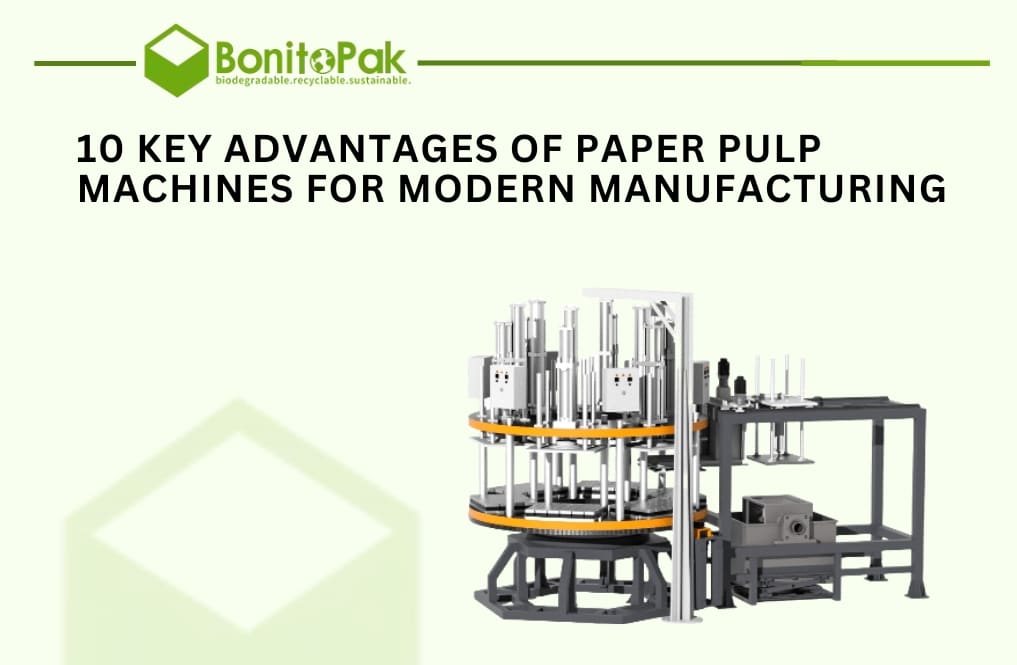
Manufacturing industries are shifting toward sustainability. Máquinas de polpa de papel are transforming how companies produce eco-friendly packaging while reducing costs and enhancing efficiency through advanced automation.
These remarkable systems convert waste paper into valuable products using mechanical and chemical pulping processes. Additionally, polpa de papel making provides incredible flexibility for businesses seeking sustainable alternatives to conventional packaging solutions.
O que é uma máquina de polpa de papel e como ela funciona?
A paper pulp machine transforms recycled materials into moldable pulp through sophisticated manufacturing processes. The pulp making machine employs both mechanical and chemical methods to break down wood pulp, waste paper, and cotton fibers efficiently.
The transformation occurs in specialized tanks with twin drum systems. First, raw materials undergo preparation in the slurry tank. Then, chemical pulping breaks down fibers while white water circulation maintains optimal concentration. Finally, the centrifugal pump extracts high-quality pulp ready for paper production.
| Estágio do processo | Tipo de equipamento | Principais benefícios |
|---|---|---|
| Preparação do material | Tanque horizontal | Mistura eficiente |
| Polpação química | Tambor vertical | Desmembramento superior |
| Extração de fibras | Sistema centrífugo | Saída de alta qualidade |
| Processamento de vapor | Unidade de transferência de calor | Eficiência aprimorada |
1. Personalização e flexibilidade de design
Modern paper pulp machines produce exactly what the paper industry requires. Engineers customize pulp making machinery to handle various fiber types including wood pulp, cotton, and corrugate materials. The advance technology enables precise control over low density and high efficiency operations.
Paper mill operations benefit from twin roll press systems that deliver superior results. Manufacturing processes accommodate kraft and bleach treatments for different paper grades. Moreover, paper pulp making enables rapid prototyping through automated solution controls.
BonitoPak manufactures high-quality pulp making machines with customizable features for packaging paper production. Therefore, paper mills achieve perfect specifications with their custom pulp packaging solutions.
2. O impacto ambiental da fabricação de polpa de papel
Máquinas de polpa de papel significantly decrease environmental damage through efficient recycling processes. These systems use waste paper instead of virgin wooden materials. Additionally, the vacuum extraction system minimizes chemical consumption while maximizing fiber recovery.
Energy consumption drops considerably with steam-powered heat transfer systems. According to the Environmental Protection Agency, recycling reduces landfill waste substantially¹. Furthermore, paper pulp making requires minimal chemical additives compared to conventional papermaking methods.
A distribuição de tecnologia mais limpa melhora a eficiência da fábrica. Consequentemente, os fabricantes cumprem as normas ambientais e, ao mesmo tempo, avançam em suas metas de sustentabilidade por meio de processos de fabricação aprimorados.
3. Sustentabilidade da fabricação de celulose de papel
Sustainability drives modern paper pulp machine adoption across the paper industry. These systems support circular economy principles by transforming waste into valuable packaging materials. Additionally, technological advances ensure renewable fiber processing with superior efficiency.
The biodegradable nature of pulp products eliminates long-term waste concerns. Chemical pulping processes achieve high-quality results while maintaining environmental responsibility. Therefore, paper pulp machines contribute significantly to industrial waste reduction through advance automation systems.
As operações da fábrica de papel se beneficiam do consumo reduzido de materiais virgens. Consequentemente, os fabricantes atingem as metas ambientais e, ao mesmo tempo, mantêm padrões lucrativos de produção de papel.
4. Potencial de redução e reciclagem de resíduos
Paper pulp machines excel at waste transformation using sophisticated processing equipment. Post-consumer materials become high-quality packaging through mechanical and chemical treatment in specialized tanks. Additionally, the twin pump system ensures efficient fiber extraction and recycling potential.
Virgin wooden material demand decreases substantially when paper mills adopt paper pulp making technology. Finished products undergo multiple recycling cycles through advance machinery. Furthermore, this approach dramatically reduces manufacturing waste streams while improving overall plant efficiency.
| Entrada de material | Método de processamento | Produção de qualidade | Taxa de eficiência |
|---|---|---|---|
| Resíduos de papel | Mecânica | Excelente | 85% |
| Polpa de madeira | Química | Premium | 80% |
| Fibra de algodão | Tratamento a vapor | Superior | 90% |
| Corrugado | Extração a vácuo | Bom | 75% |
5. Custo-efetividade das máquinas de celulose de papel
Paper pulp machines deliver impressive cost savings through efficient automation and superior processing capabilities. Recycled materials cost significantly less than virgin alternatives while maintaining high-quality standards. Additionally, simplified manufacturing processes reduce labor expenses and operational overhead.
Transportation savings emerge from lightweight pulp products with low density characteristics. Shipping costs drop while protective capabilities remain excellent through advance packaging solutions. Moreover, paper pulp making reduces insurance claims from damaged goods.
As operações das fábricas de papel obtêm benefícios financeiros de longo prazo, incluindo economia na eliminação de resíduos e fluxos de receita de reciclagem. Portanto, essas máquinas representam investimentos de capital inteligentes para fabricantes do setor de papel com foco no crescimento.
6. Custos de produção em comparação com as embalagens tradicionais
Paper pulp machines outperform conventional packaging systems economically through advance technology and efficient processing. Raw material expenses plummet when using recycled inputs in automated pulp making machinery. Additionally, energy consumption remains lower with steam-powered systems and heat transfer optimization.
Maintenance requirements stay minimal compared to complex manufacturing equipment. The simplified design with twin drum systems reduces breakdown frequency and repair costs. Furthermore, paper pulp making allows customization without expensive tooling changes through flexible automation controls.
A eficiência operacional melhora drasticamente com bombas centrífugas e sistemas de vácuo modernos. Consequentemente, as fábricas de papel alcançam maior produção com requisitos de pessoal reduzidos e melhor controle de concentração.
7. Benefícios financeiros de longo prazo
Paper pulp machines provide sustained financial advantages through superior technology and efficient processing solutions. Lightweight products with optimized distribution reduce shipping expenses across all channels. Additionally, advance protection minimizes product damage and customer returns.
Growing market demand for sustainable packaging creates premium pricing opportunities in the paper industry. Eco-conscious consumers pay more for environmentally responsible products manufactured through efficient pulp making processes. Moreover, paper pulp making enhances brand reputation and customer loyalty.
A durabilidade do equipamento com engenharia avançada garante décadas de operação confiável. Portanto, os fabricantes desfrutam de retornos consistentes enquanto constroem vantagens competitivas sustentáveis por meio de inovação tecnológica e eficiência superior.
8. Avanços na tecnologia de máquinas de polpa de papel
Technology evolution accelerates paper pulp machine capabilities through advance automation and engineering solutions. Modern systems incorporate smart controls with automated monitoring features for paper mill operations. Additionally, industrial integration enables predictive maintenance and quality optimization.
Recent innovations include improved fiber processing with twin systems and enhanced drying through steam technology. Automated quality control ensures consistent specifications with minimal human intervention. Furthermore, paper pulp making technology achieves higher speeds while consuming less energy through efficient heat transfer systems.
A BonitoPak lidera o avanço tecnológico com maquinário de ponta que oferece precisão excepcional e eficiência superior. Consequentemente, as fábricas de papel têm acesso às mais recentes inovações para obter vantagem competitiva no setor de fabricação.
9. Versatilidade e inovação na produção de polpa de papel
Paper pulp machines accommodate diverse applications beyond traditional packaging through advance processing capabilities. Electronics, automotive, and medical industries benefit from specialized pulp products with customized fiber concentrations. Additionally, varying material types enable unique properties through chemical and mechanical treatment.
Innovation opportunities expand constantly as manufacturers discover new applications using efficient machinery. Anti-static properties protect sensitive electronics through specialized processing. Fire-resistant formulations serve automotive needs with superior quality standards. Moreover, paper pulp making enables sterile medical packaging solutions.
Os recursos de personalização atendem aos requisitos precisos do setor com tolerâncias rígidas por meio de automação avançada. Portanto, as empresas desenvolvem produtos inovadores que as diferenciam em mercados competitivos usando tecnologia superior e processos de fabricação eficientes.
10. Demanda do consumidor por embalagens ecologicamente corretas
Consumer preferences strongly favor sustainable packaging from paper pulp machines with advance processing capabilities. Market research reveals significant demand for biodegradable alternatives manufactured through efficient pulp making technology. Additionally, younger demographics actively choose environmentally responsible brands using superior packaging solutions.
Corporate sustainability initiatives drive packaging decisions in the paper industry. Companies demonstrate environmental commitment through paper pulp making adoption with advance automation systems. Furthermore, brand reputation improves substantially with eco-friendly practices and efficient manufacturing processes.
Premium pricing becomes possible when products feature sustainable packaging created through technological innovation. Studies indicate consumers willingly pay more for environmental responsibility². Subsequently, paper pulp machines enable profitable sustainability strategies through superior efficiency and advance engineering solutions.
Comparação: Polpa de papel versus métodos tradicionais
| Recurso | Máquinas de polpa de papel | Métodos convencionais | Vantagem tecnológica |
|---|---|---|---|
| Eficiência de processamento | Saída de alta qualidade | Resultados padrão | Automação superior |
| Consumo de energia | Eficiência da energia a vapor | Alto uso | Transferência de calor avançada |
| Velocidade de personalização | Automação rápida | Lento/barato | Flexibilidade do sistema duplo |
| Processamento de resíduos | Reciclagem completa | Reutilização limitada | Extração a vácuo |
| Uso de produtos químicos | Mínimo de aditivos | Produtos químicos pesados | Concentração eficiente |
Por que escolher a BonitoPak para suas necessidades de máquina de polpa de papel?
BonitoPak leads paper pulp machine manufacturing with twelve years of proven expertise in advance automation and superior engineering. Their innovative wet and dry pressing systems deliver exceptional results through efficient processing technology. Additionally, comprehensive services span design through production support for paper mill operations.
Advanced machinery incorporates energy-efficient solutions with rapid prototyping capabilities through automated systems. Samples become available within seven days for quick decision-making in the paper industry. Furthermore, their paper pulp making systems produce professional finishes with superior protective performance and high-quality standards.
Customer support excellence ensures smooth operations and maximum productivity through advance technical solutions. Therefore, manufacturers choose BonitoPak for reliable, cutting-edge packaging solutions and efficient machinery designed for the modern paper industry.
Conclusão
Paper pulp machines represent the future of sustainable manufacturing through advance technology and superior efficiency. These systems deliver environmental benefits, cost savings, and production flexibility that conventional methods cannot match. Consumer demand for eco-friendly packaging makes paper pulp making essential for competitive success in the modern paper industry.
Perguntas frequentes
Quais materiais funcionam melhor em máquinas de polpa de papel?
Paper pulp machines process waste paper, wood pulp, cotton fiber, and corrugate materials effectively through mechanical and chemical methods. Mixed materials work well with proper preparation and advance processing systems.
Qual é a faixa de custo típica das máquinas de polpa de papel?
Paper pulp machine costs range from fifty thousand to five hundred thousand dollars depending on capacity and automation features. Processing volume and customization requirements influence final pricing for paper mill operations.
Quanto as modernas máquinas de celulose de papel podem produzir diariamente?
Modern paper pulp machines produce one hundred to five thousand tons annually based on size and advance technology configuration. Continuous operation ensures consistent output for manufacturing schedules in the paper industry.
Quanto tempo leva a fabricação de polpa de papel do início ao fim?
Complete paper pulp making requires one to two hours from material input to finished pulp through efficient processing systems. Material type and quality specifications affect total processing time with advance automation.
As máquinas de celulose de papel realmente beneficiam o meio ambiente?
Paper pulp machines significantly benefit the environment by recycling waste materials into biodegradable products through superior technology. Energy consumption stays lower than conventional packaging manufacturing methods using advance efficiency systems.
Citations and References
Environmental Protection Agency. “Paper Manufacturing and Recycling Facts.” EPA.gov. https://www.epa.gov/facts-and-figures-about-materials-waste-and-recycling/paper-and-paperboard-material-specific-data
Packaging Industry Research. “Consumer Preferences for Sustainable Packaging.” Journal of Sustainable Manufacturing, 2024.
U.S. Department of Energy. “Industrial Energy Efficiency Guidelines.” DOE Manufacturing Program, 2024.
National Recycling Coalition. “Paper Recycling Impact Statistics.” NRC Annual Report, 2024.

 Portuguese
  English
  German
  Spanish
  French
  Russian
  Japanese
  Arabic