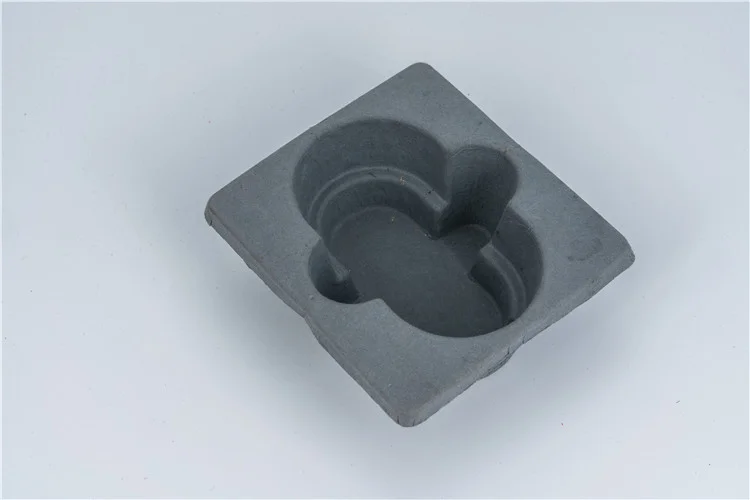
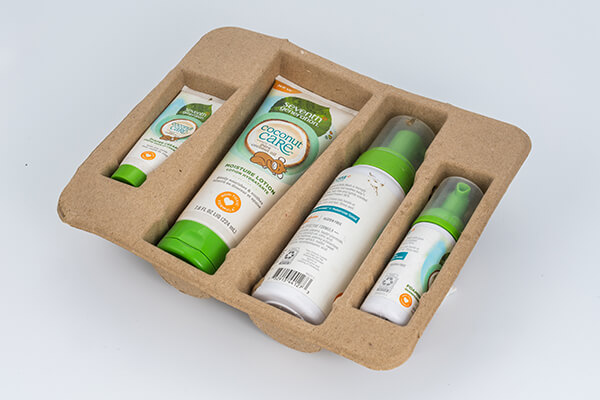
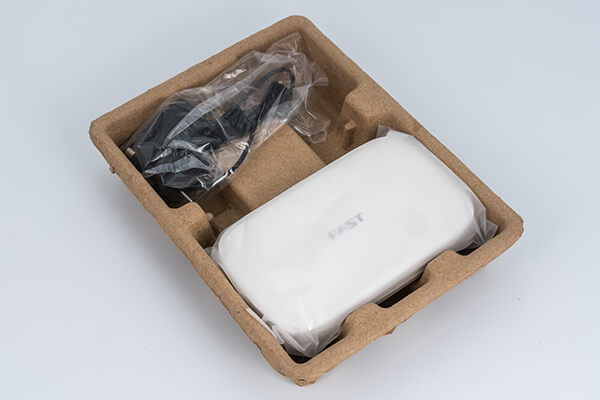
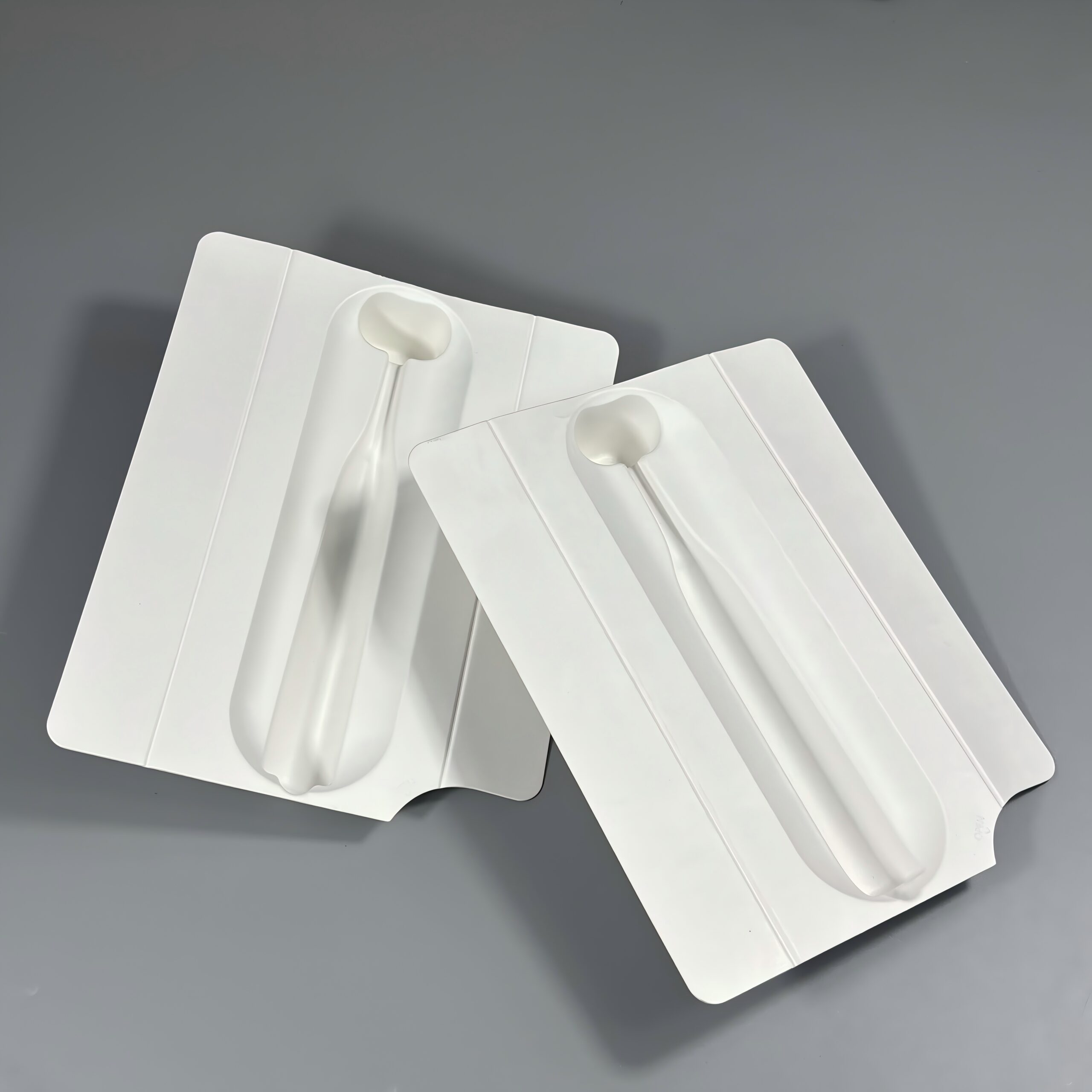
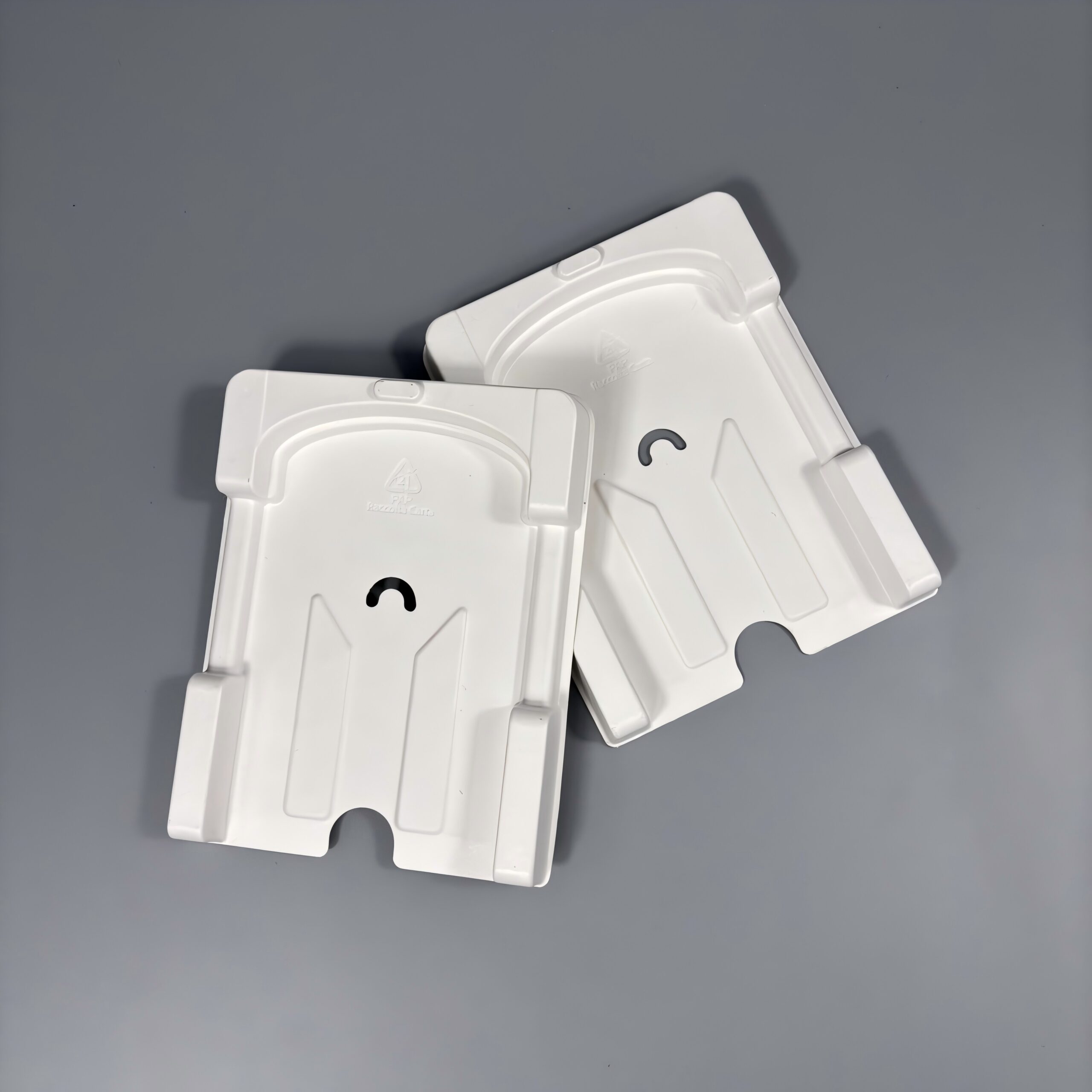
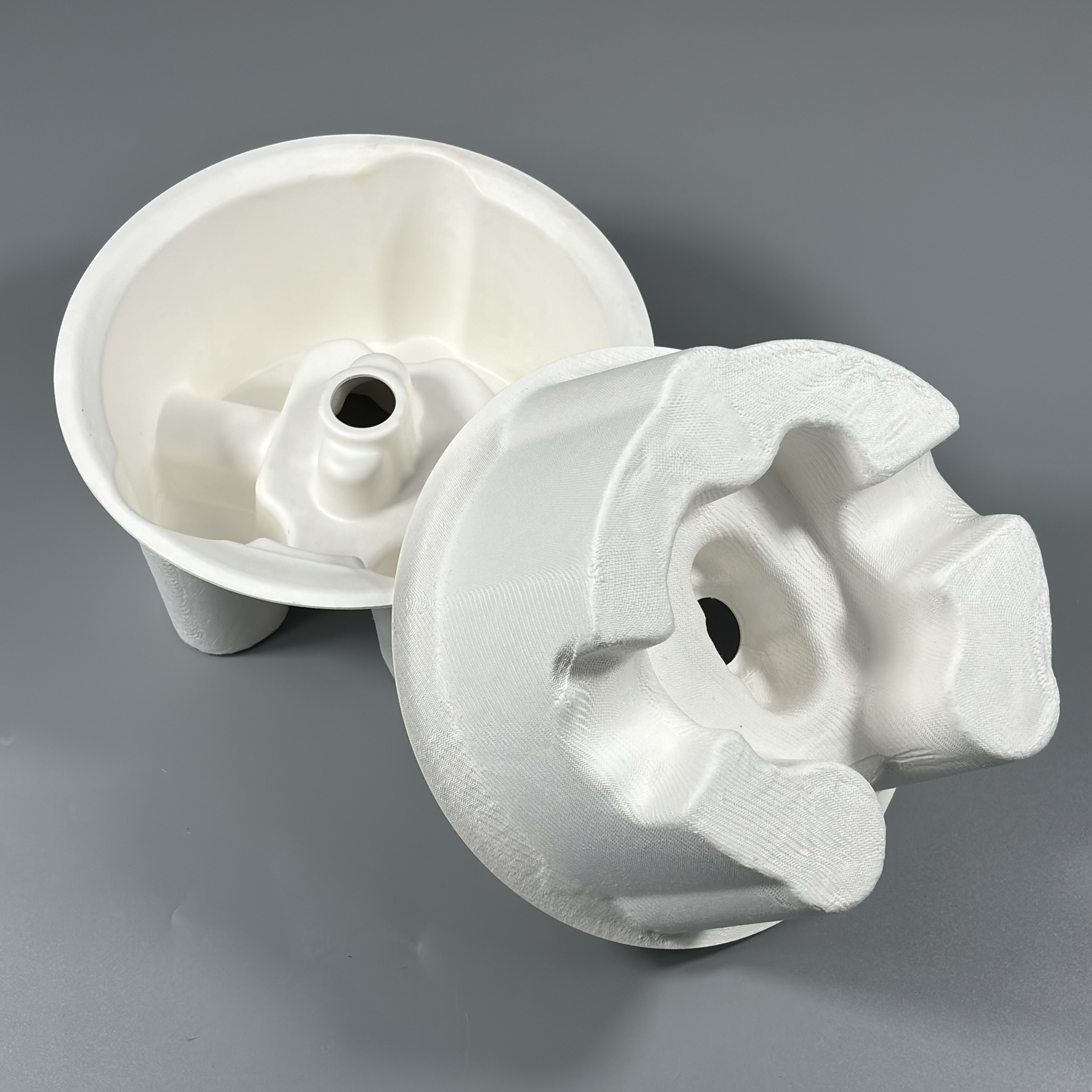
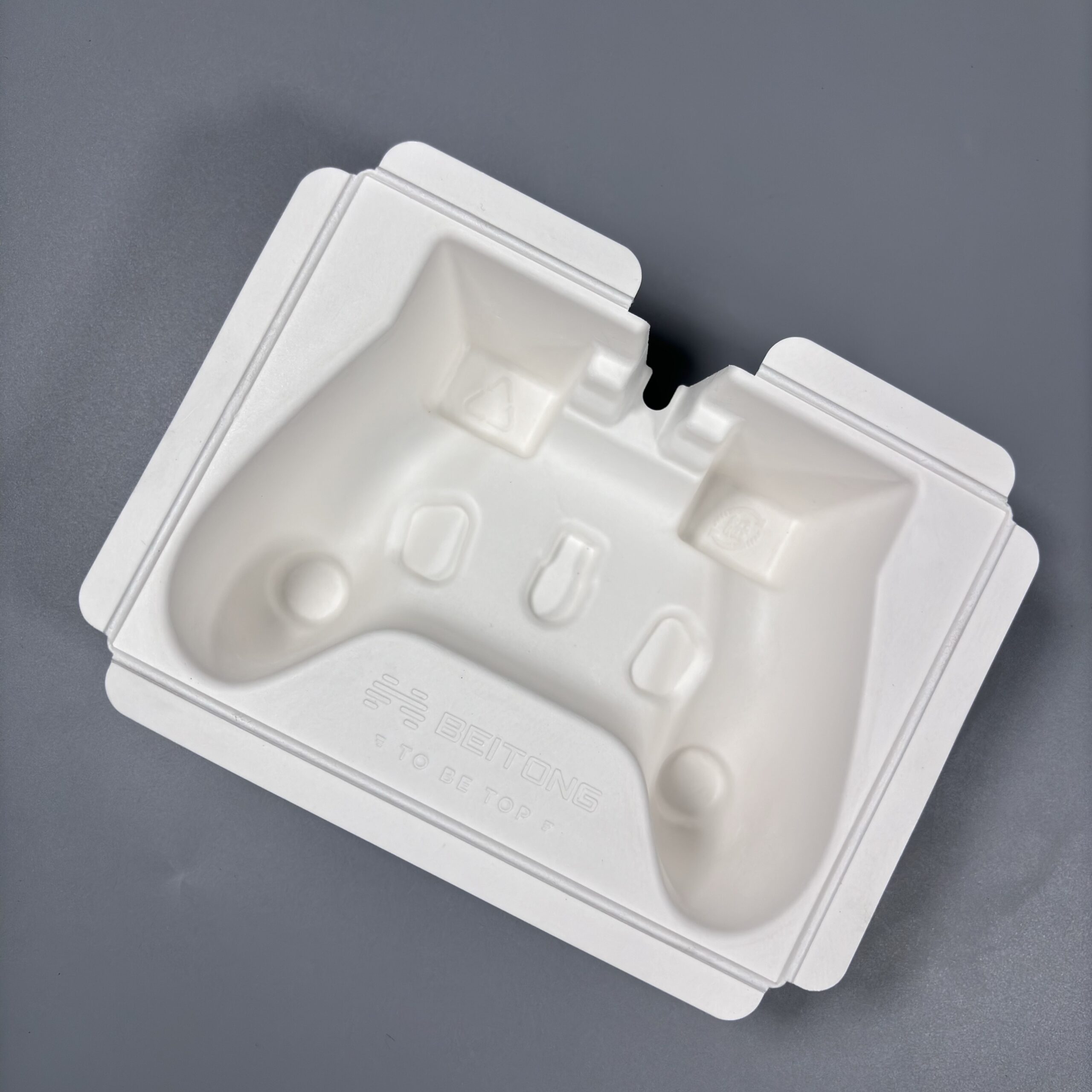
Protection, presentation, and planet‑friendly materials—this tray delivers all three. Our wet‑press process compresses plant fibers into dense walls with consistent thickness and soft radii that won’t scratch housings or glossy coatings. Share CAD files or a sample unit and our engineers will tune cavity geometry for a snug, rattle‑free fit; add cable channels, charger wells, or leaflet pockets; and set flange widths for fast, repeatable packing. Prefer a glue‑free line? Choose locking wings to keep inserts fixed inside the carton through long‑haul shipping.
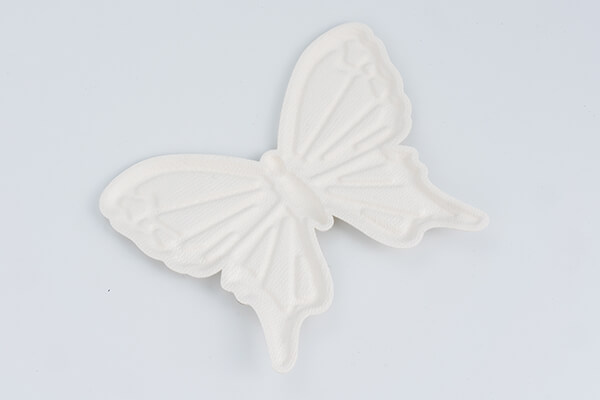
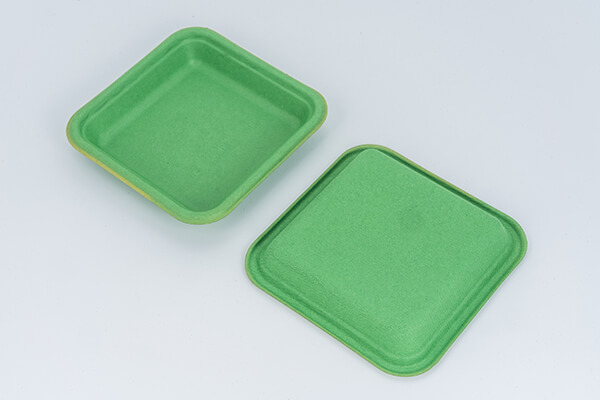
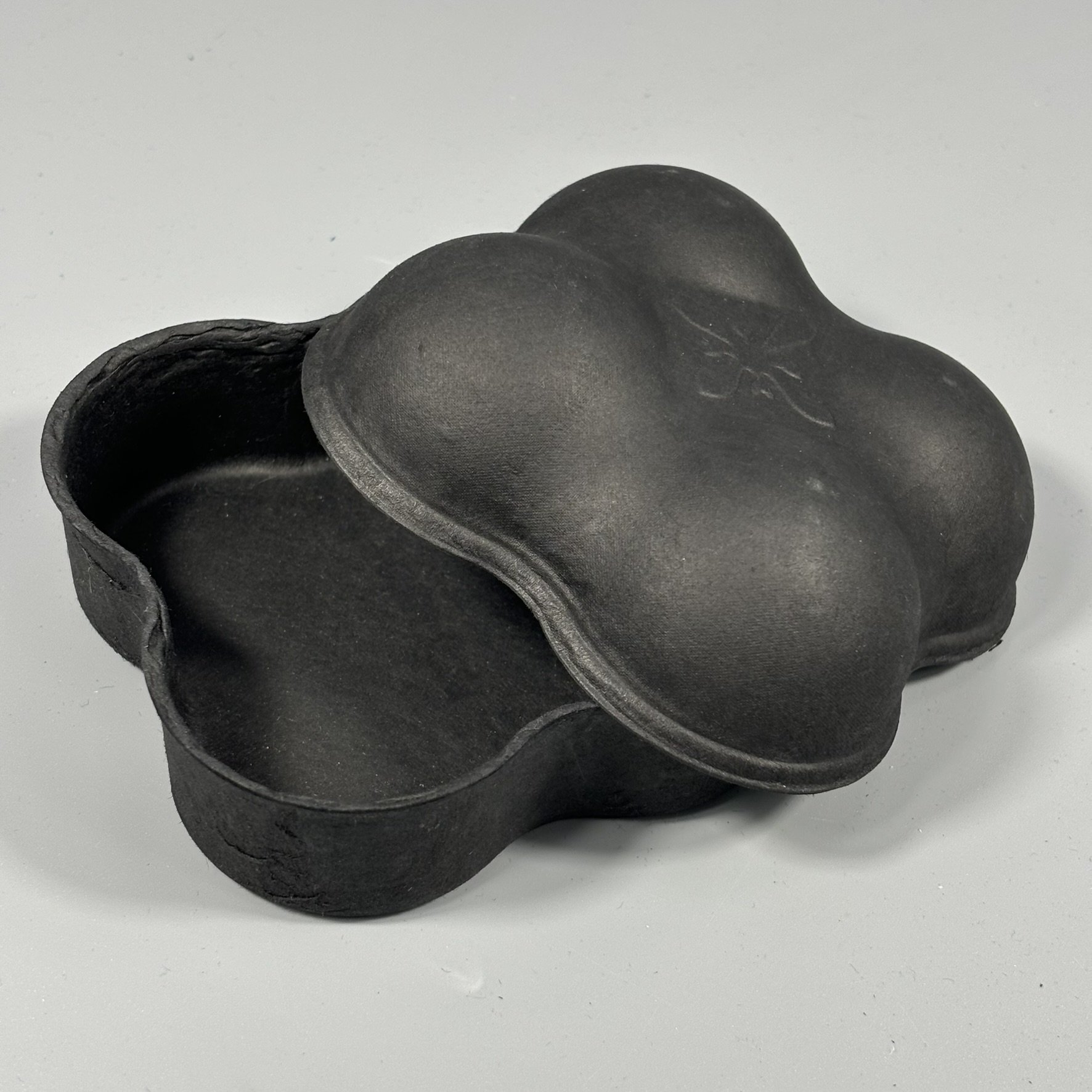
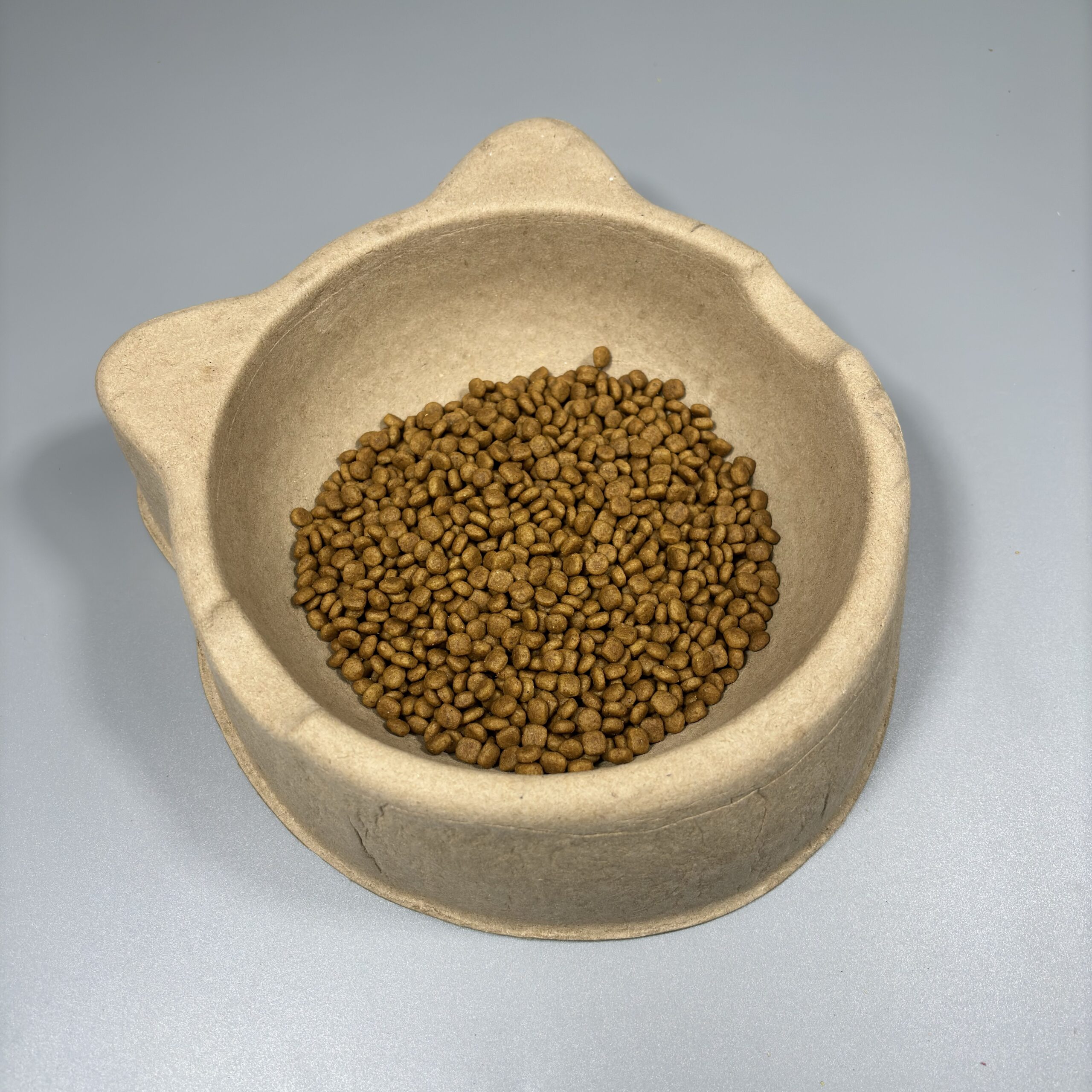
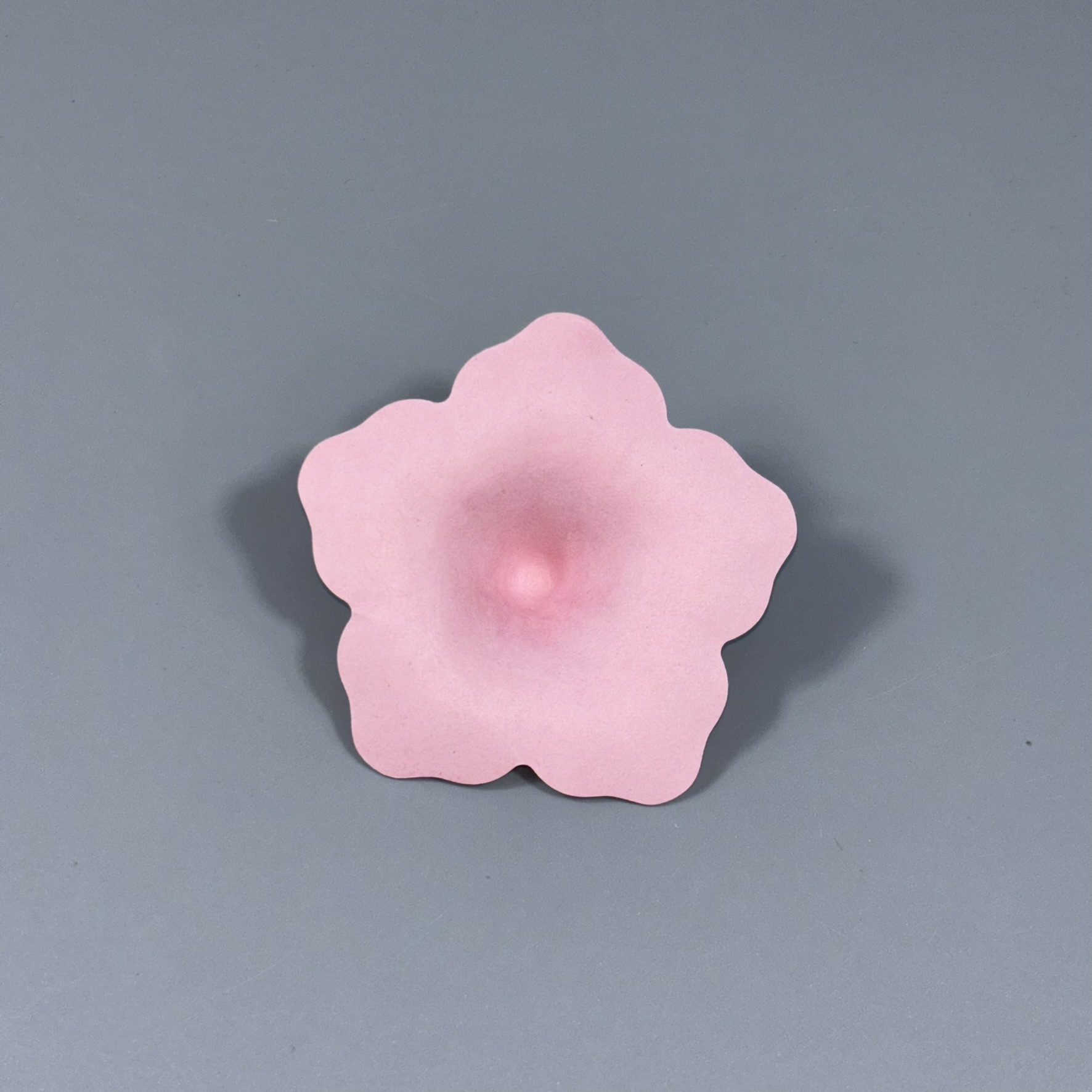
Operational benefits stack up quickly. Pulp trays nest tightly to maximize pallet density, ship lighter to reduce logistics costs and emissions, and arrive production‑ready with dependable tolerances that speed your line. Branding is built in—emboss or deboss your logo directly into the fiber for an elegant, ink‑free mark—and the pulp can be tinted to your brand color. After unboxing, customers can recycle the insert where molded fiber is accepted, or it will biodegrade in suitable conditions. The result: secure protection, a modern unboxing experience, and a credible sustainability story for your electronic products.
FAQs:
Q1: Is the tray recyclable and biodegradable?
A: Yes. It’s made from bagasse/recycled paper fibers, plastic‑free, recyclable in many paper streams, and naturally biodegradable.
Q2: Can you build the tray for my exact device and accessories?
A: Absolutely. We create custom tooling from your CAD or sample to match devices, charger blocks, cables, and manuals.
Q3: What branding options are available?
A: Embossed/debossed logos come standard. We can also color‑tint the pulp to match your brand palette.
Q4: What are the MOQ and typical lead time?
A: MOQ is 5,000 units. Sampling usually takes 7–10 days after design approval; mass production typically 15–30 business days.
Q5: Do you offer water‑repellent options?
A: Yes. Optional moisture/oil‑resistant treatments are available for humid or high‑touch supply chains.






 English
  German
  Spanish
  French
  Russian
  Japanese
  Portuguese
  Arabic