Material :
Material :
Material :
Material :
Material :
Material :
Material :
Material :
Material :
Material :
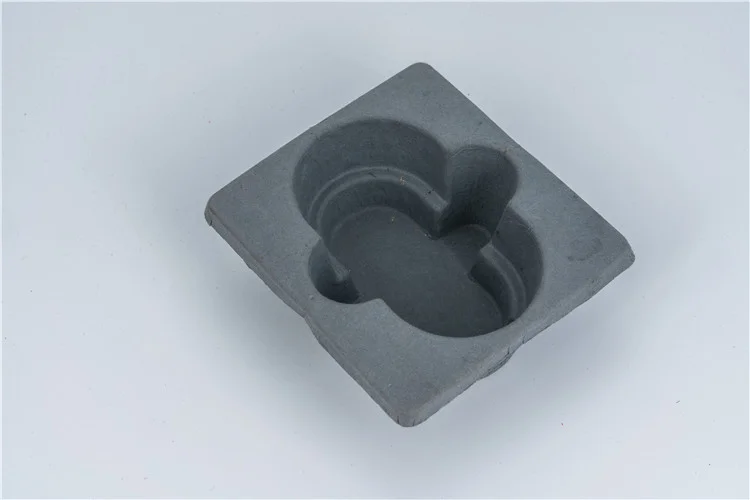
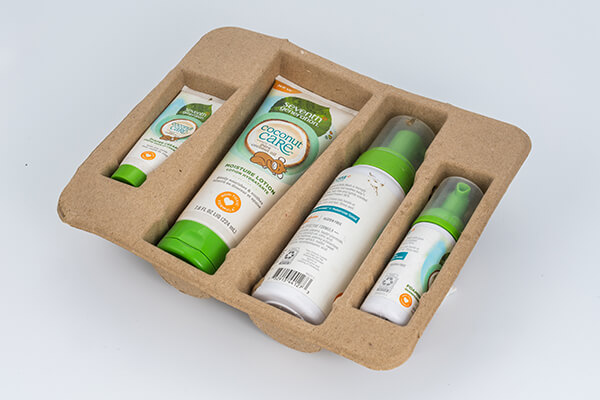
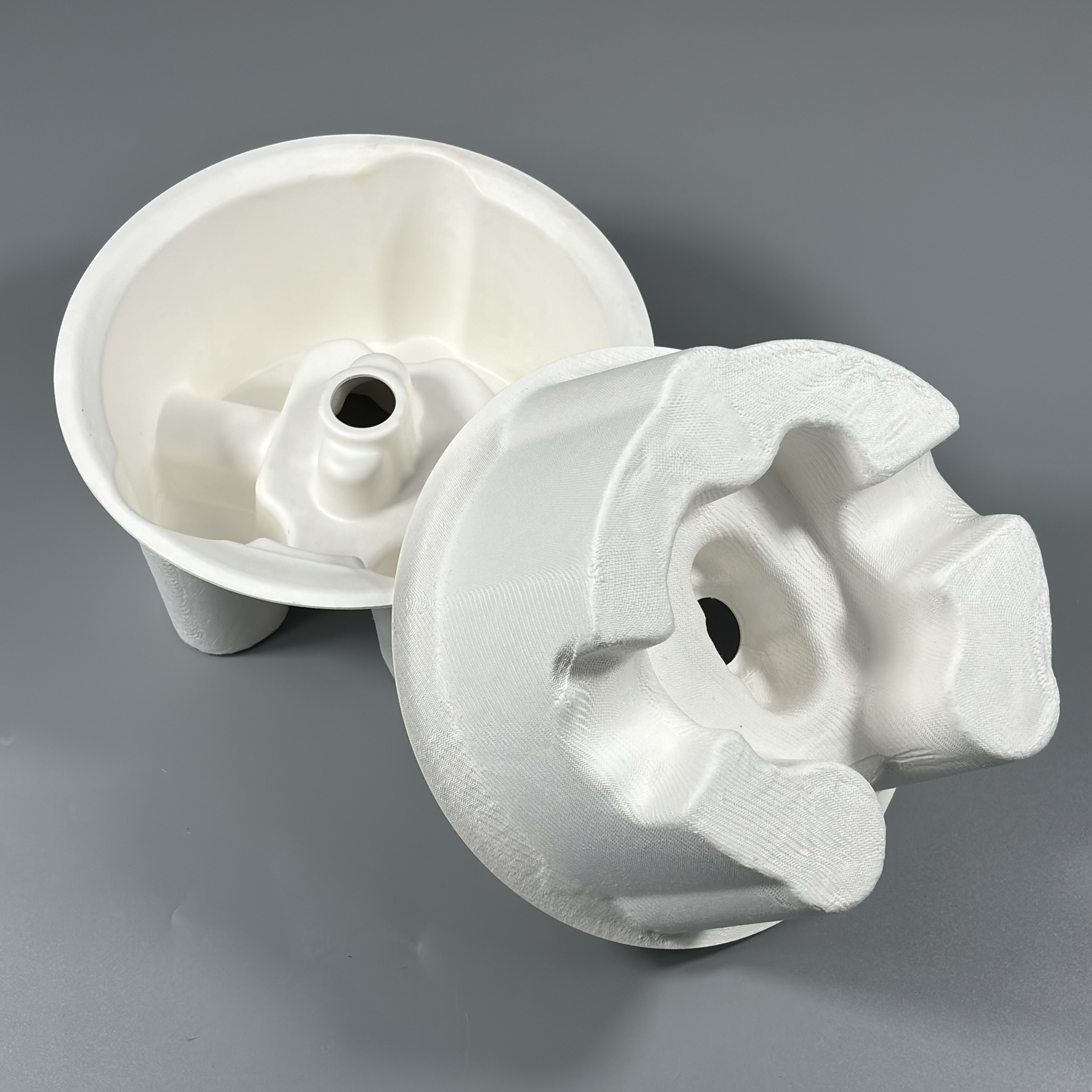
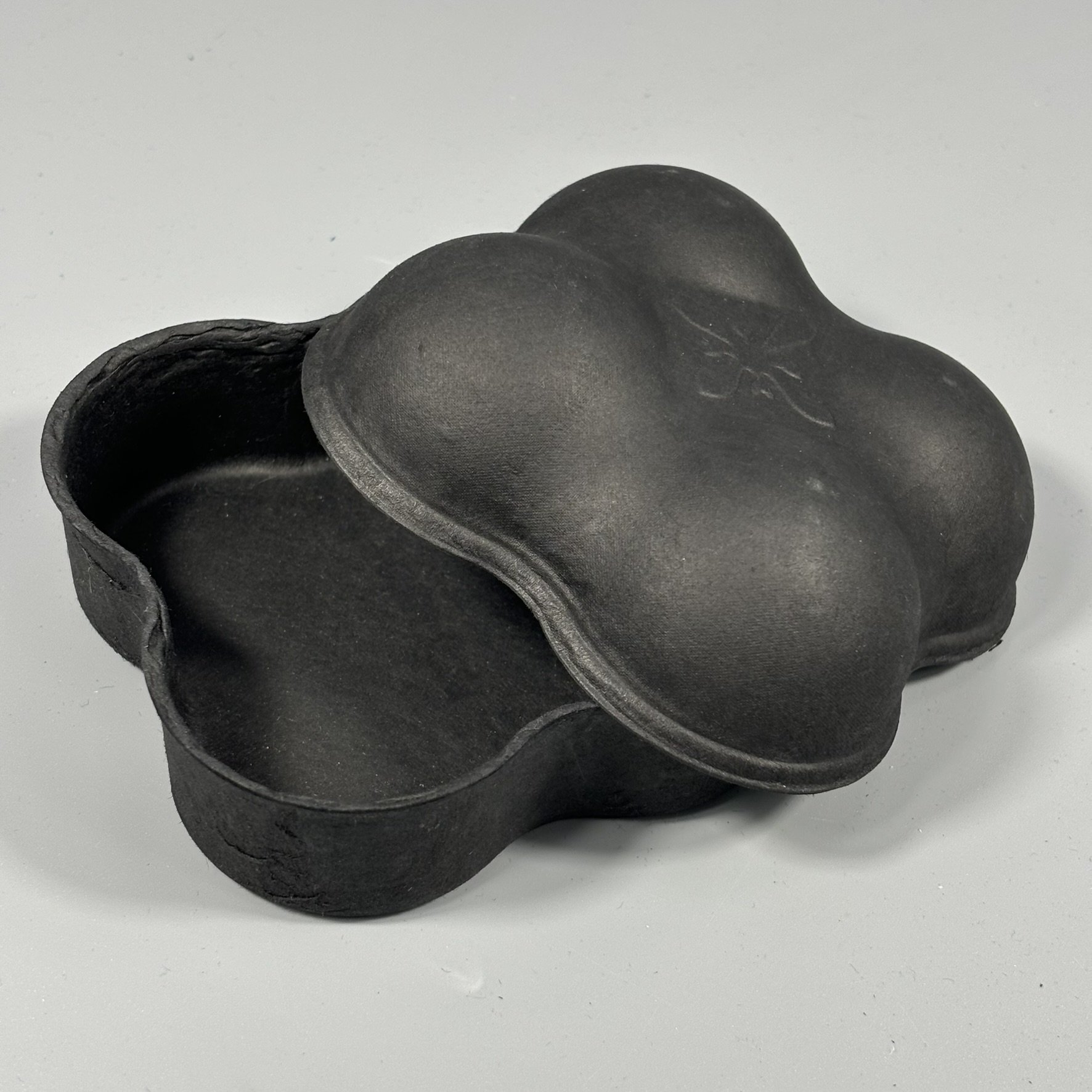
The wet pressing process uses biodegradable materials like bagasse, bamboo, and recycled paper, offering smooth finishes, protection, cushioning, and space-saving, eco-friendly packaging.
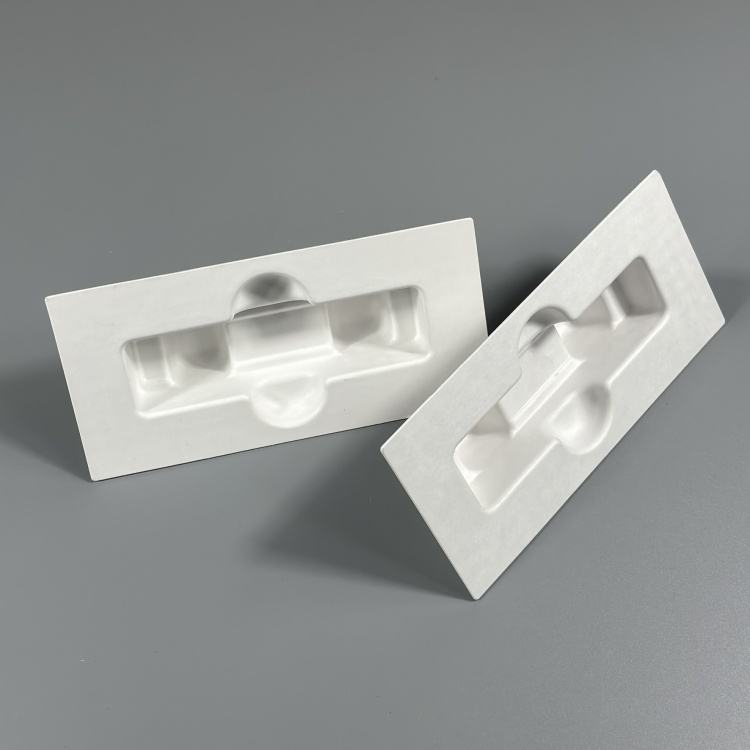
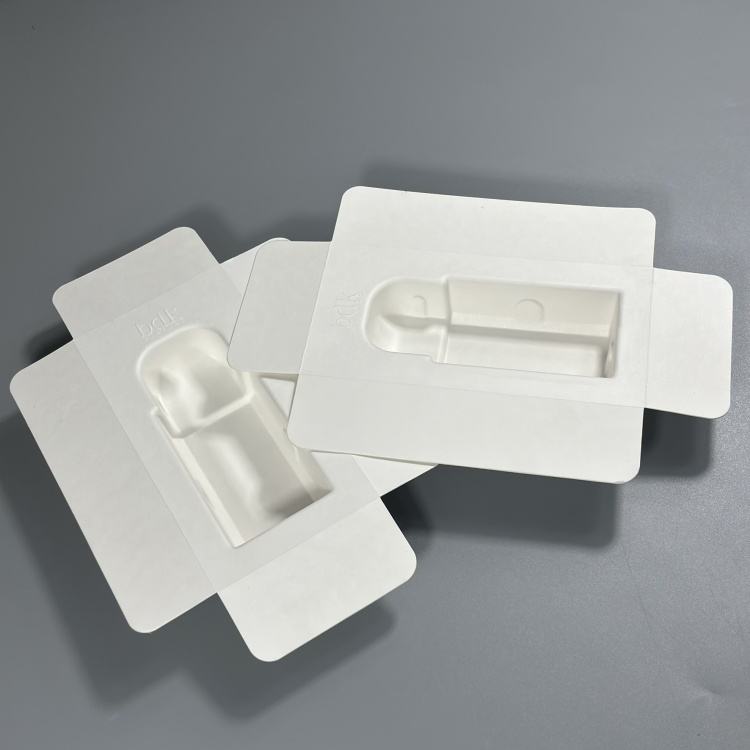
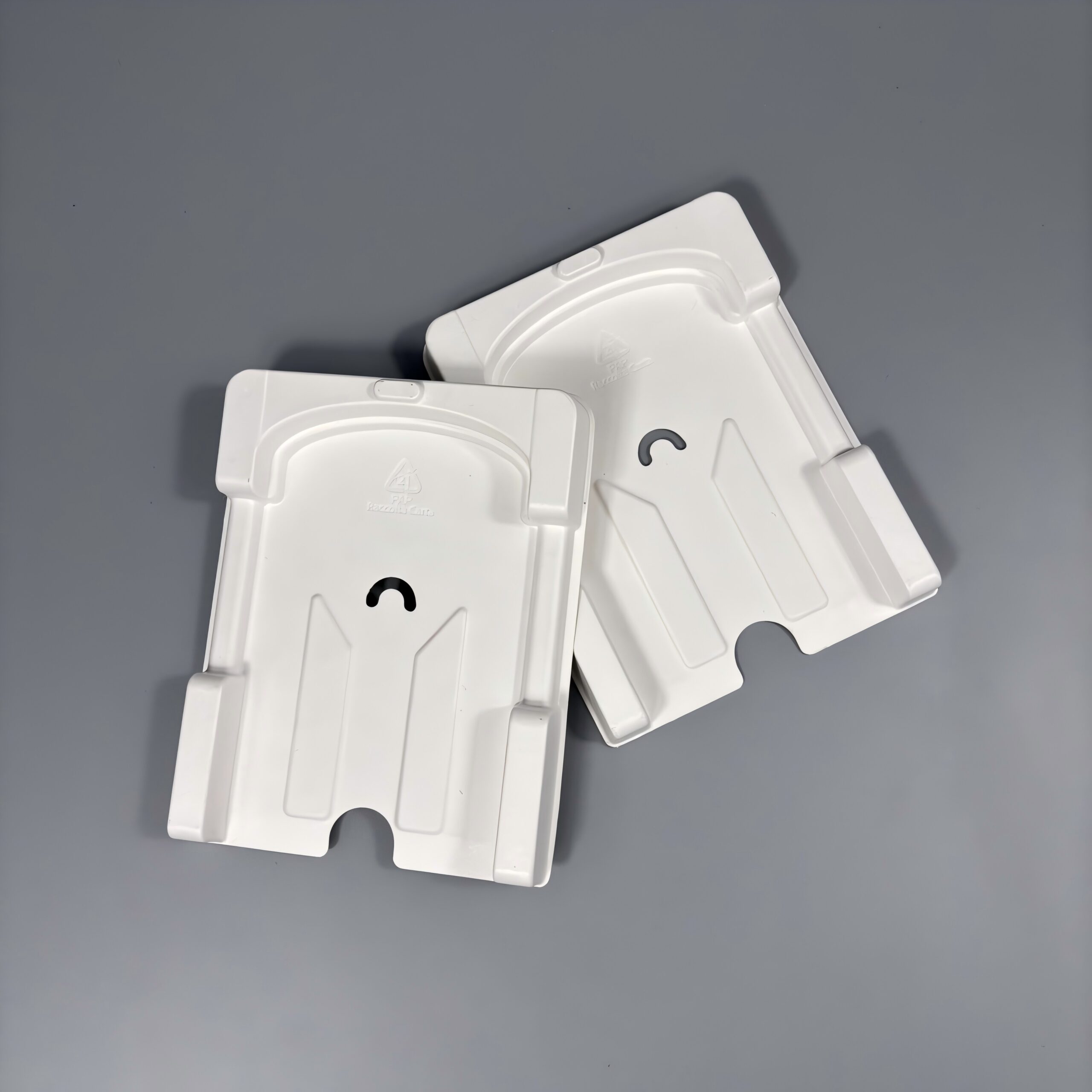
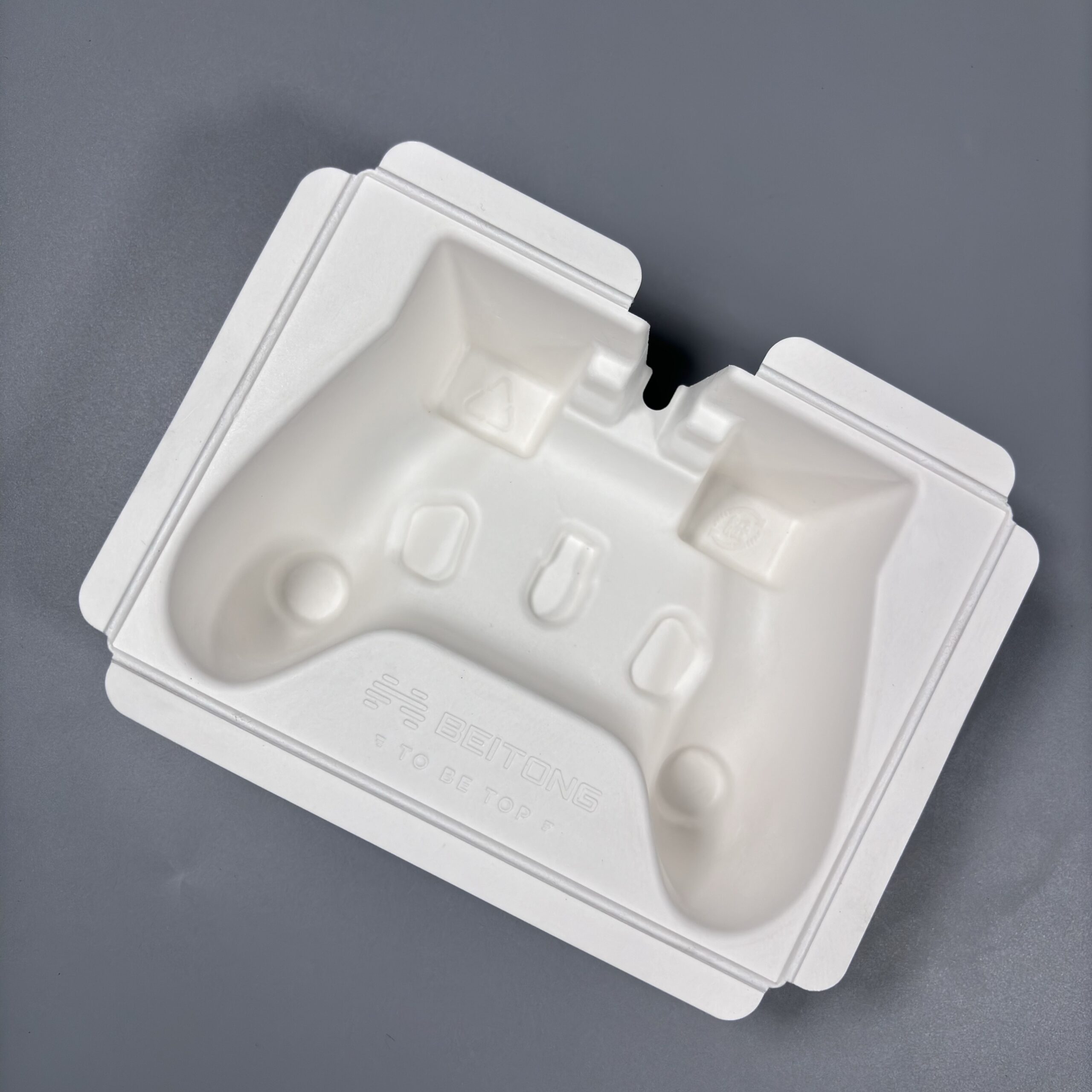
Molded pulp products replace plastic and foam, offering recyclable, biodegradable options. Custom shapes, colors, and eco-friendly surfaces are available. We provide affordable, sustainable packaging with in-house prototyping and manufacturing.
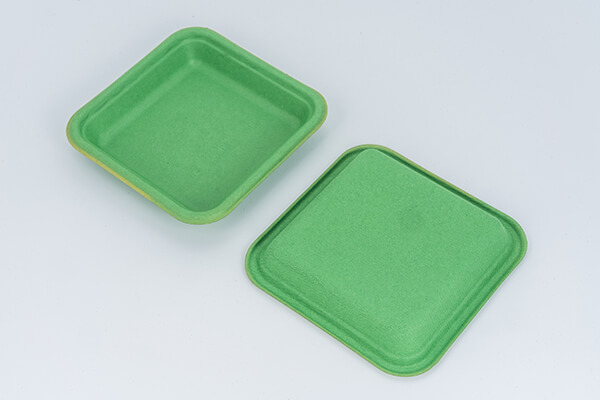
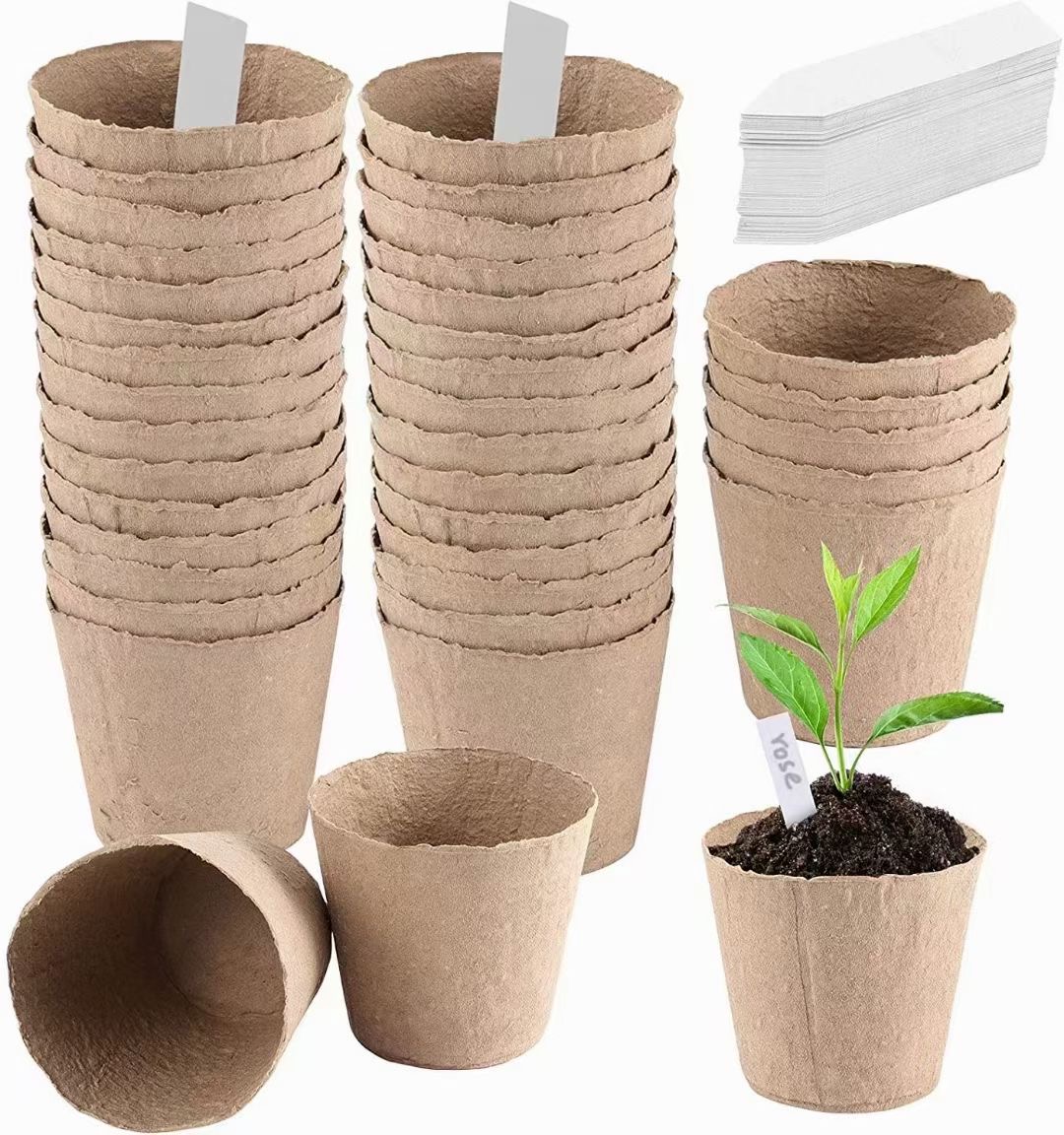
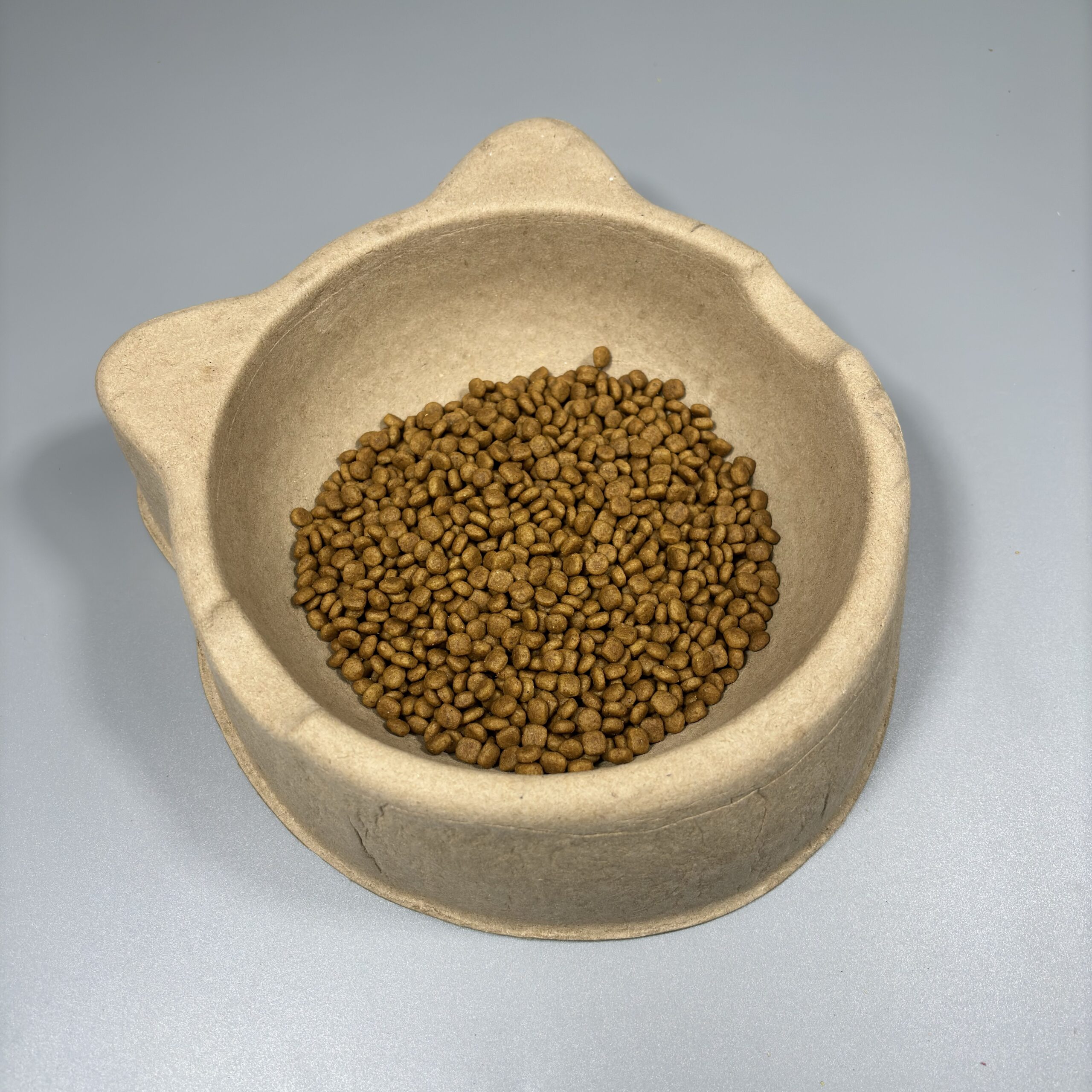
Our plant fiber tableware, made from bagasse, straw, and bamboo, is biodegradable, compostable, waterproof, oil-resistant, and microwave-safe. Certified, recyclable, and stackable for eco-friendly use.
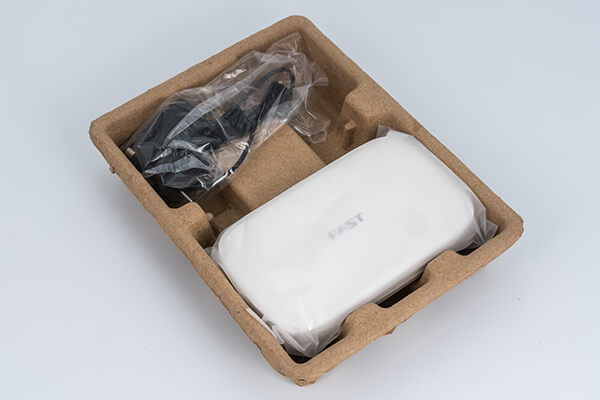
Dry pressing paper pulp trays, made from 100% recycled materials, offer an eco-friendly, cost-effective alternative to plastic. They provide cushioning, temperature resistance, and stackability, saving up to 20% space.
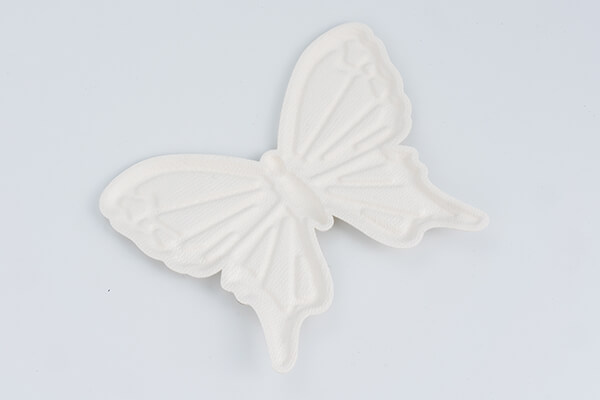
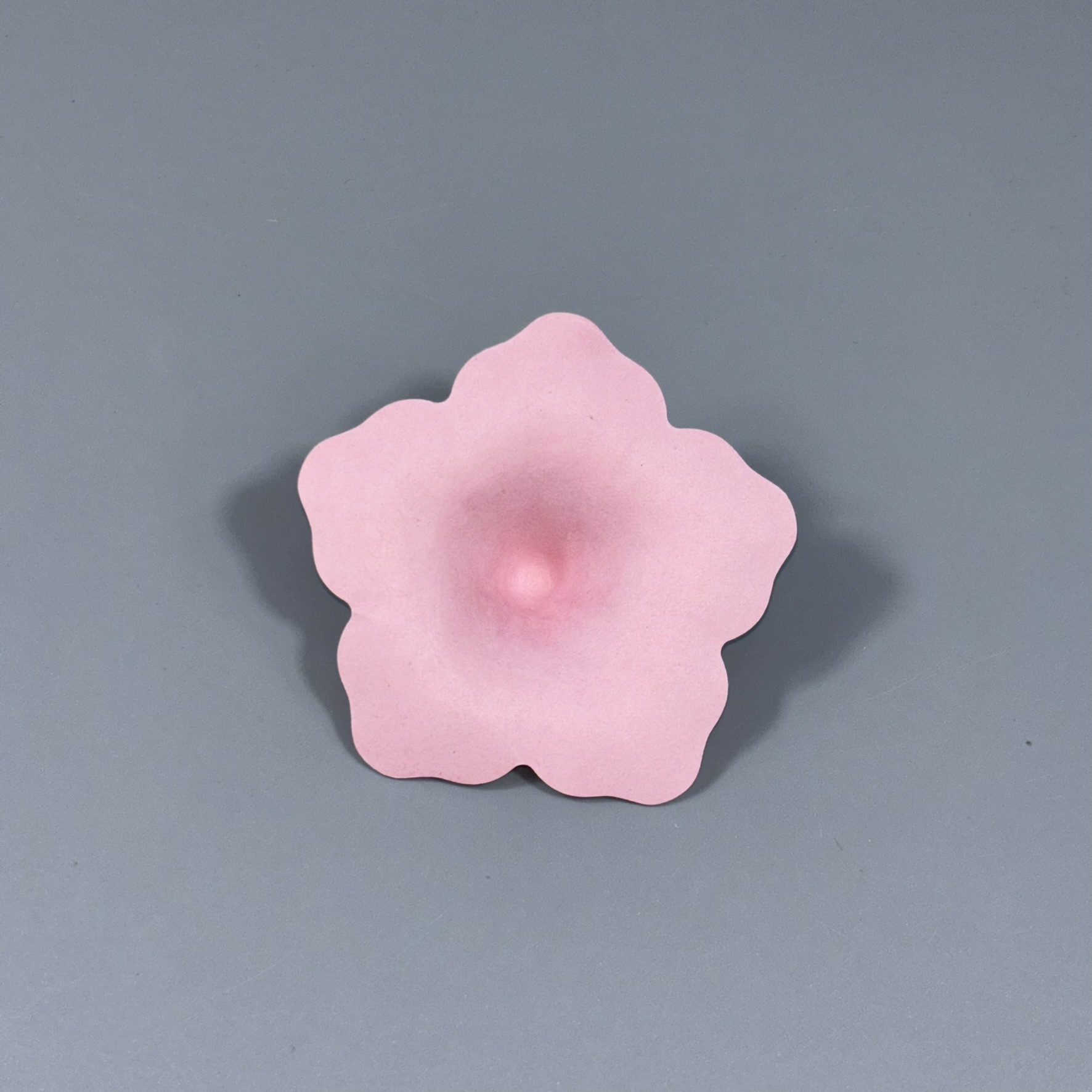
Bonitopak offers molded pulp in six colors, including white, natural, and black, with 95% color accuracy. Eco-friendly methods ensure safe bleaching. Natural and white are best for food; others suit tray packaging.
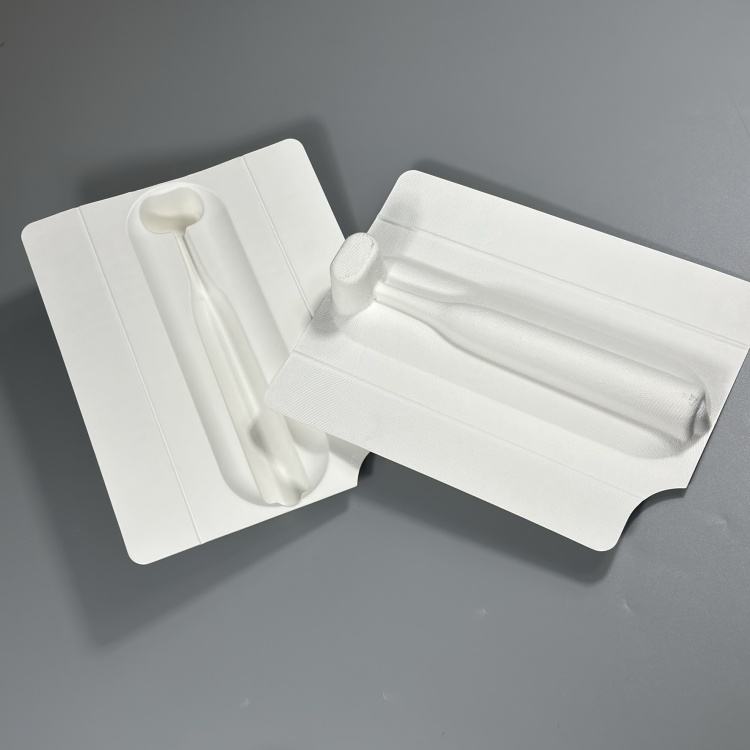
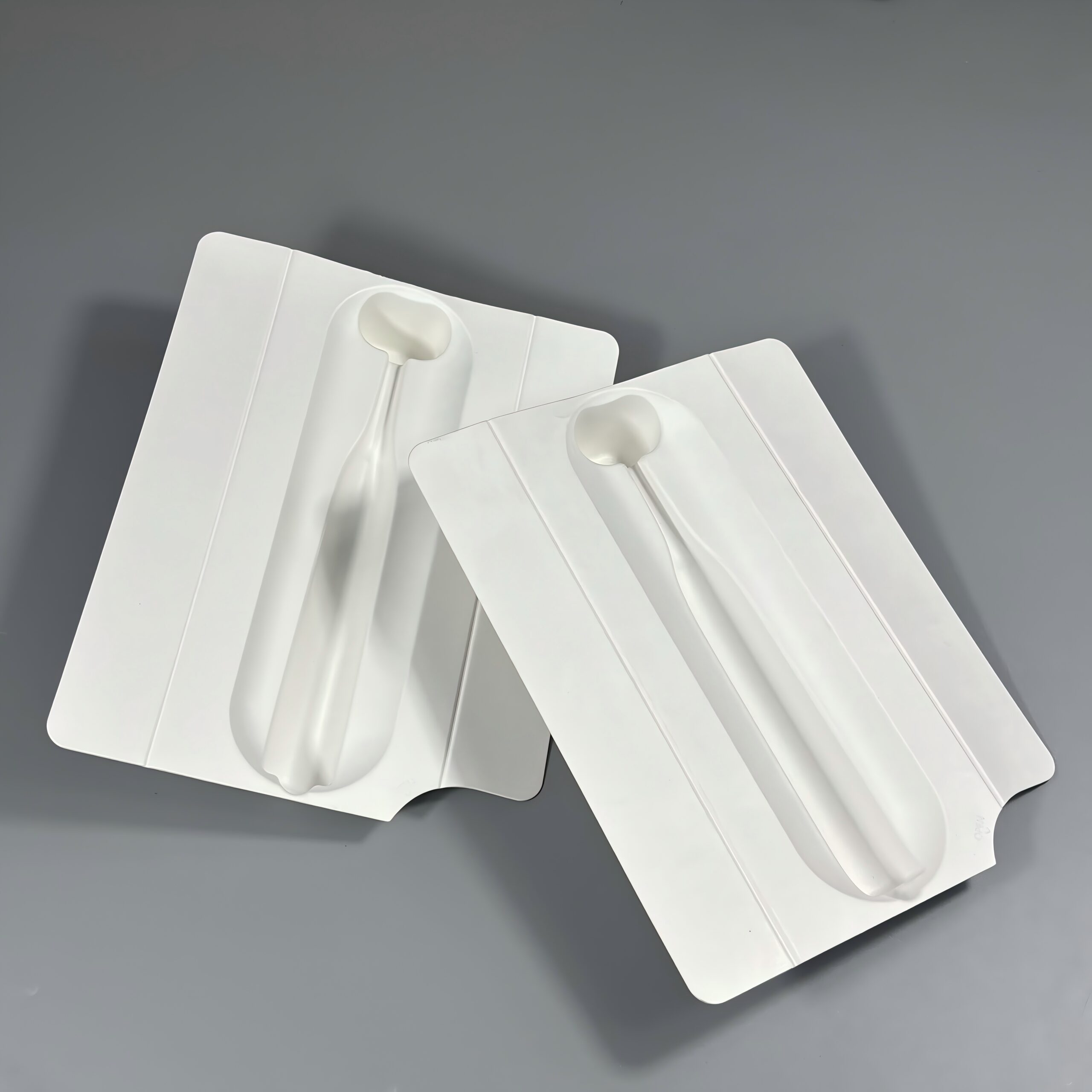
The right insert protects your bottle, elevates unboxing, and supports your brand values. Wet‑press molded pulp does all three. We compress recycled fibers under heat to form dense walls with clean edges and a smooth texture that feels premium and holds shape under load. The engineered scoop and punt‑lock design keep bottles centered and upright, minimizing scuffs and toppling during shipping. Need a tighter fit, corner fillets, or finger‑pulls for quick removal? Share CAD files or a sample and our engineers will fine‑tune cavity geometry and flange size to your exact carton.
Operationally, molded pulp delivers measurable savings. Trays nest tightly for high pallet density, ship lighter than plastic or foam, and arrive production‑ready with consistent dimensions that speed packing. Branding integrates seamlessly—emboss or deboss your mark directly into the fiber for an elegant, ink‑free finish—and we can tint the pulp to match your label or seasonal collection. After unboxing, consumers can recycle the insert where paper programs accept molded fiber, or it will biodegrade over time. The result is robust protection, a sophisticated look, and a credible sustainability story—everything you need to make your wine stand out and ship safely.
Q1: Will this tray fit my specific bottle shape?
A: Yes. We produce custom tooling to match your bottle’s base diameter and punt depth, plus your box’s flange dimensions.
Q2: Is the tray recyclable and biodegradable?
A: It’s made from recycled paper pulp, plastic‑free, recyclable in many paper streams, and biodegradable—check local guidelines.
Q3: Can I add my logo or a custom color?
A: Absolutely. We offer embossed/debossed logos and color‑tinted pulp to align with your brand.
Q4: What are the MOQ and lead time?
A: MOQ is 5,000 units. Sampling typically takes 7–10 days after approval; mass production usually 15–30 business days.
Q5: Do you offer moisture resistance?
A: Standard trays are uncoated fiber. Optional water‑repellent treatments are available for humid or chilled supply chains.
We respond within 24 hours, offering fast, clear communication, tailored solutions, and efficient service to save time and costs.
Our in-house design, engineering, and manufacturing ensure rapid tooling, with samples ready in 7 days and production molds in 8 days.
Our skilled R&D engineers excel in designing, prototyping, and tooling, offering complete packaging solutions with blister, tin can, and printed boxes.
Trained staff conduct 100% inspections, random checks, and quality control, ensuring high standards, reducing rejects, and saving costs.
We provide reasonable order scheduling and coordinate with clients to resolve issues promptly, ensuring the best solutions.
Our experienced after-sales team ensures smooth communication, solving issues with replacements, shipping, and delivery, aiming for zero complaints.
Sustainable packaging is no longer just a buzzword—it’s a necessity. As both businesses and consumers
As sustainability becomes more important, industries are rapidly shifting toward eco-friendly alternatives to traditional plastic
The packaging industry is undergoing a major transformation, driven by the demand for eco-friendly alternatives