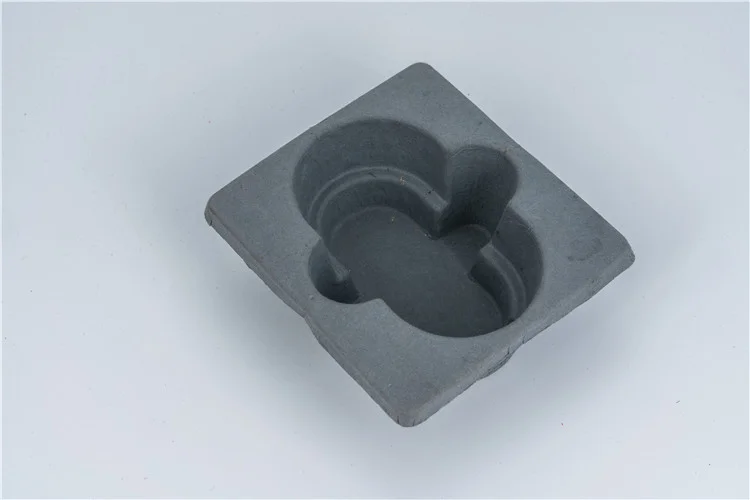
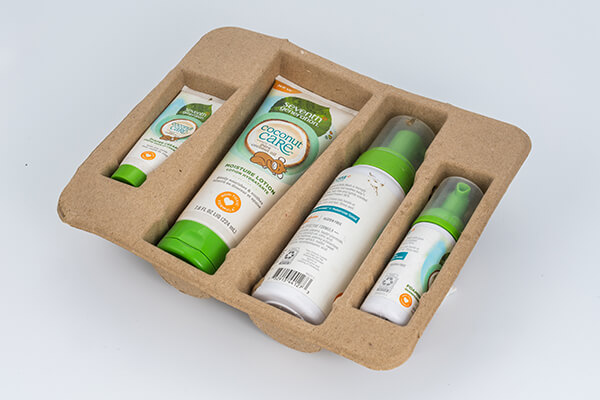
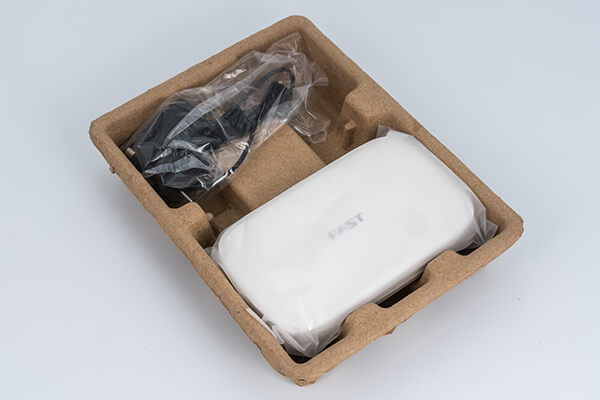
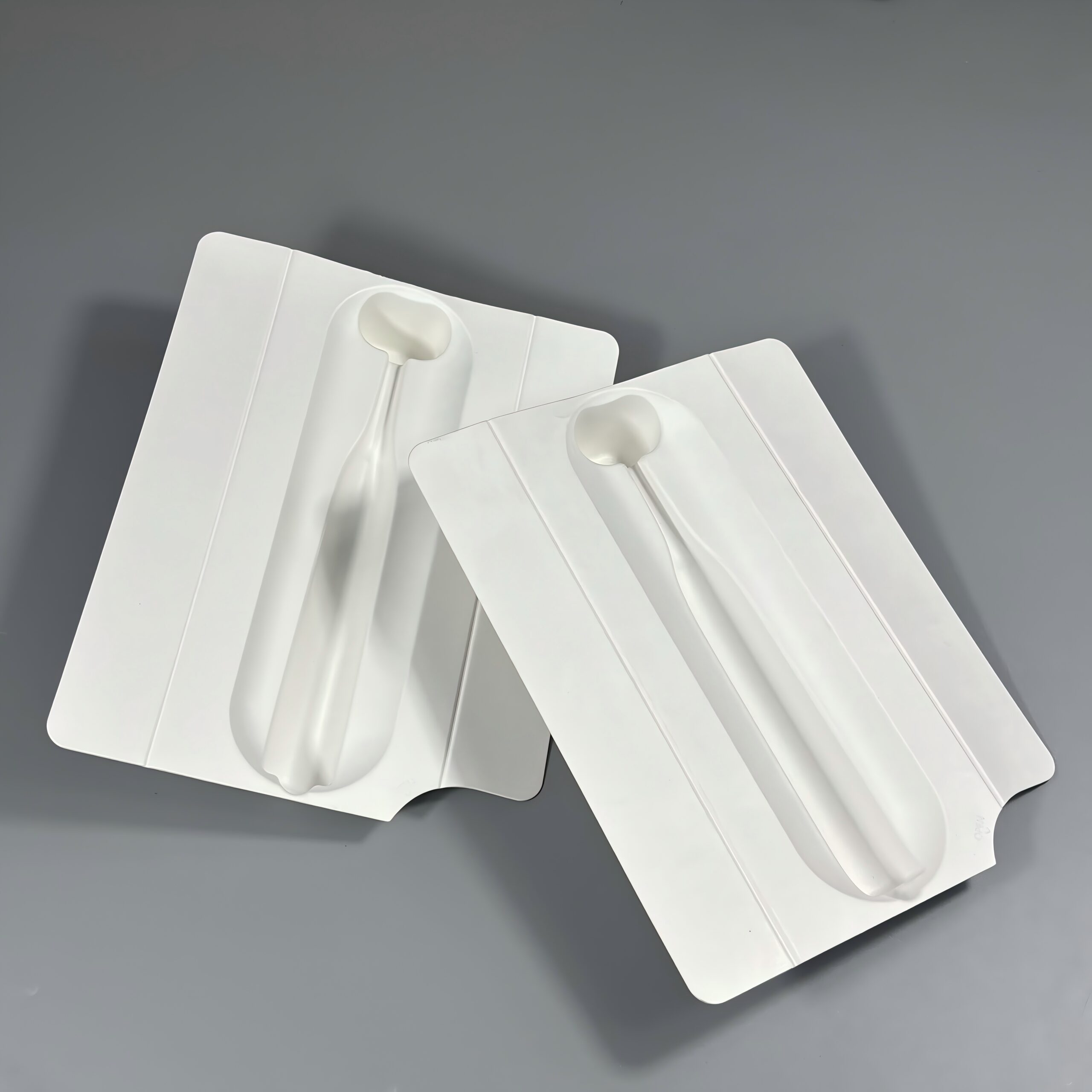
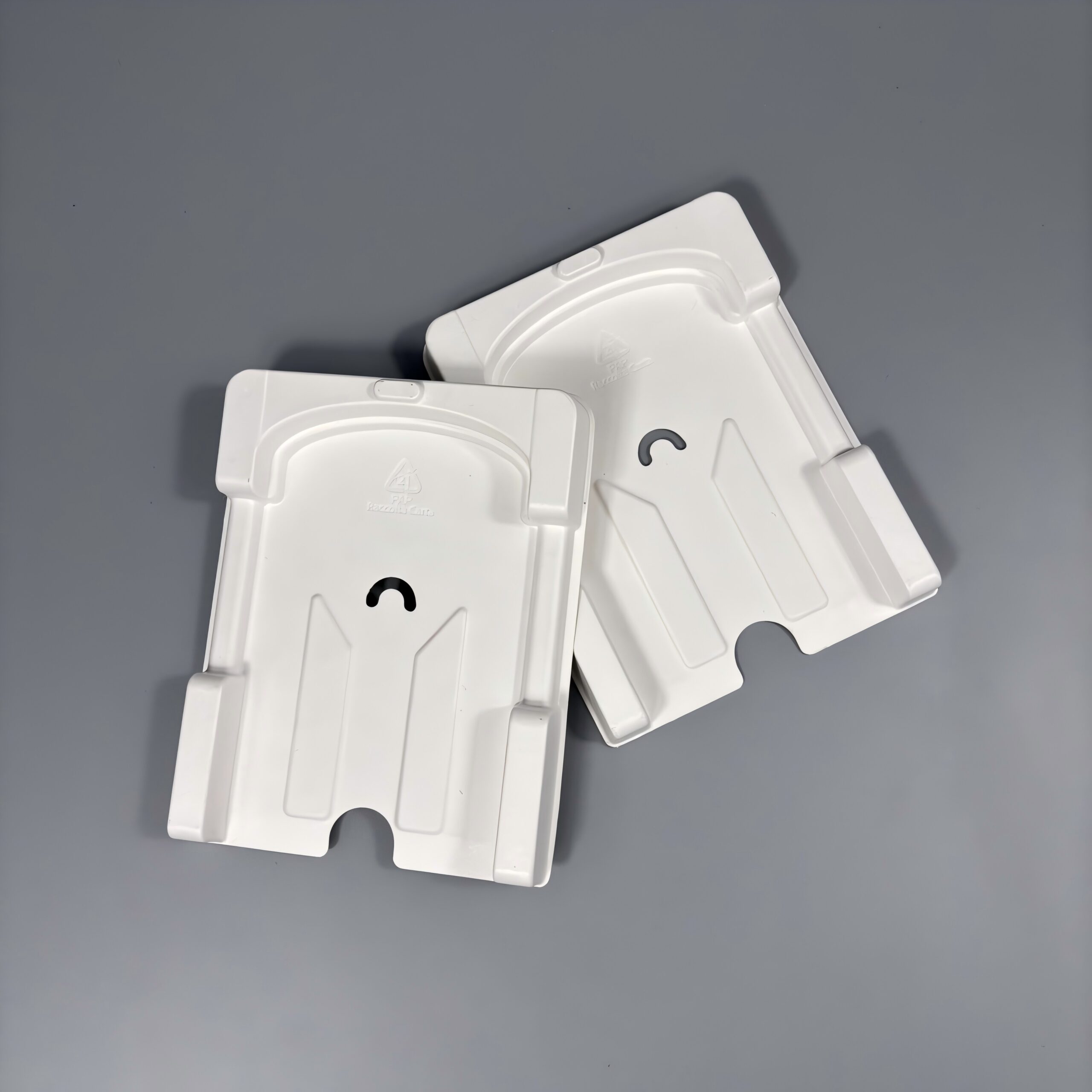
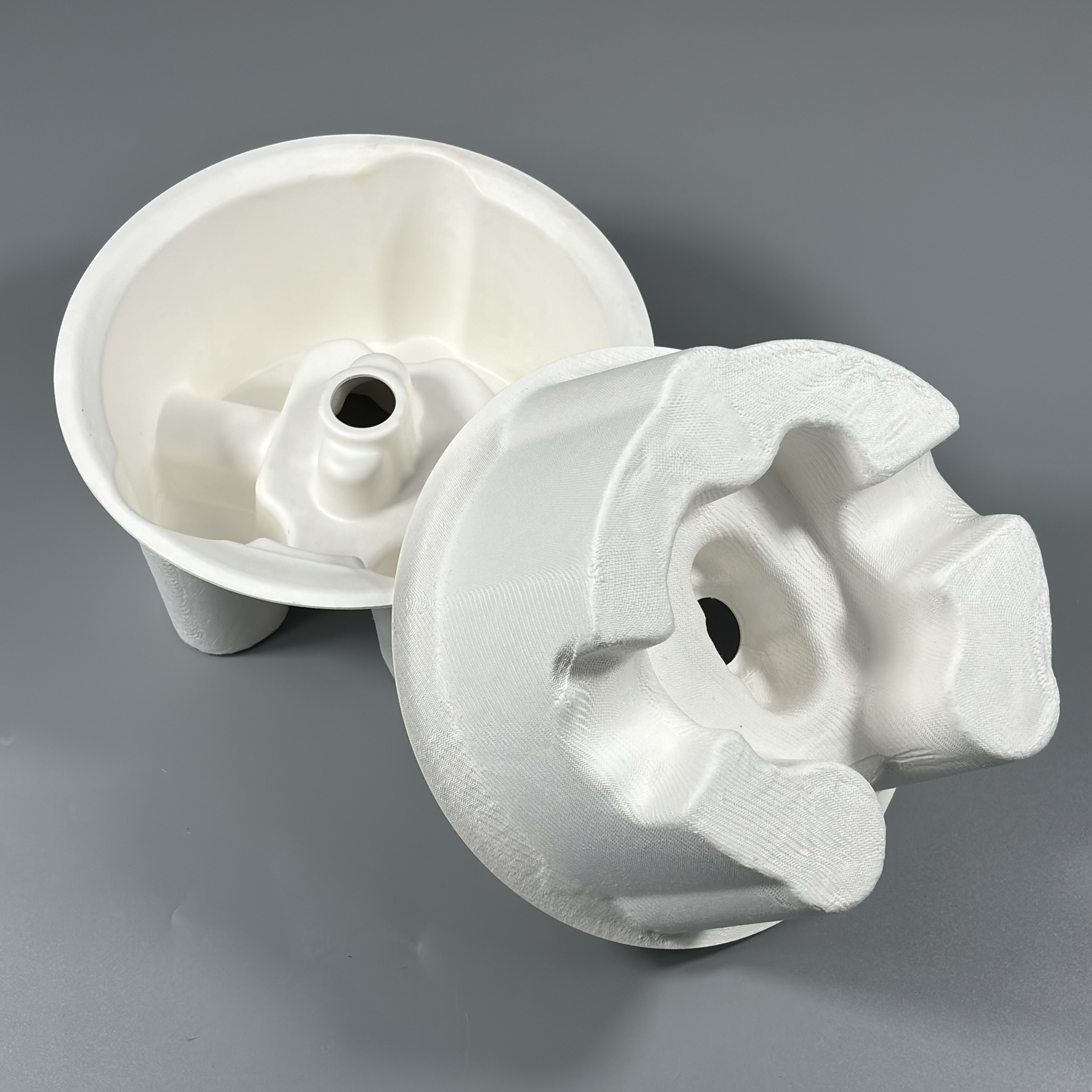
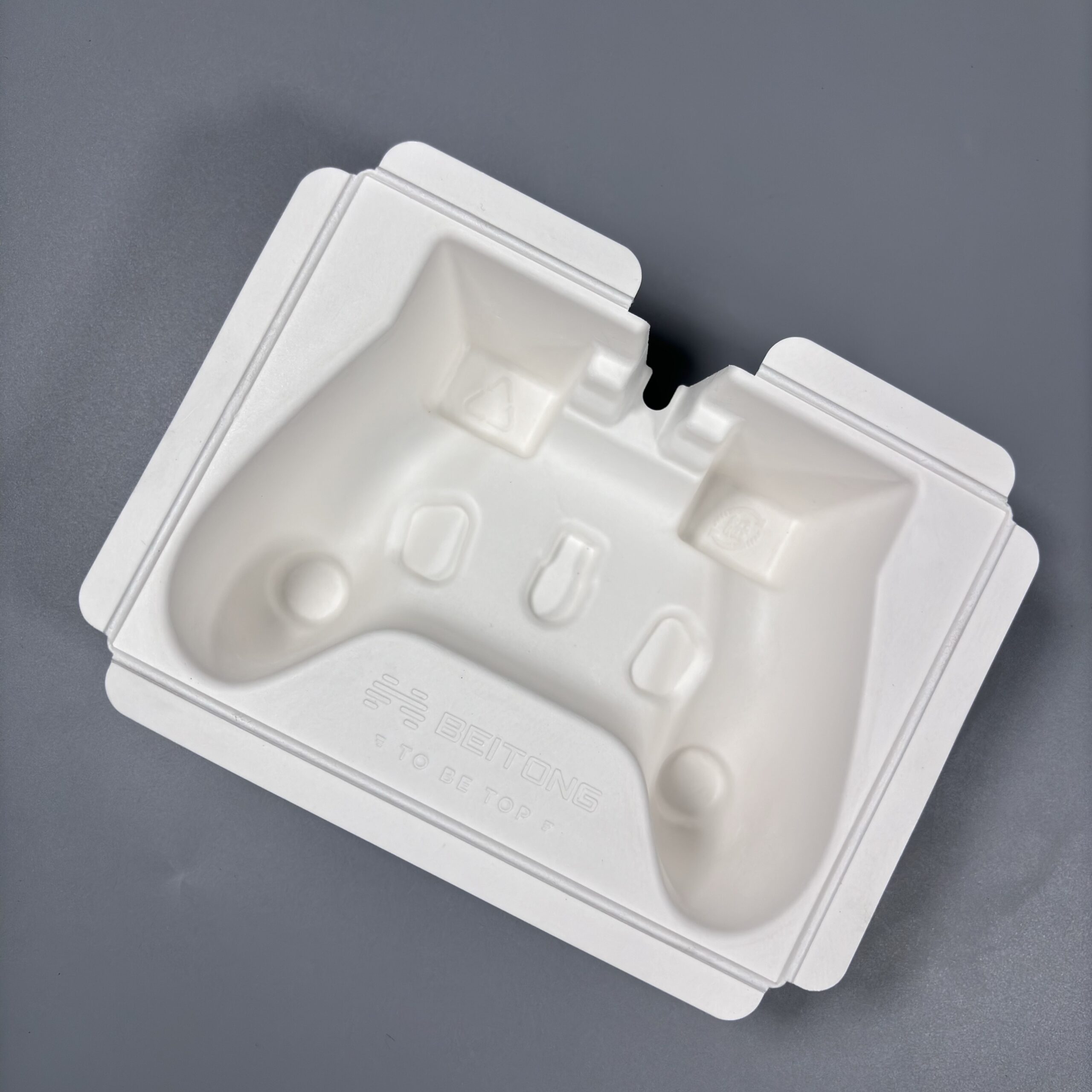
Great packaging protects, organizes, and communicates your brand values. Our wet‑press process compresses bagasse and recycled fibers under heat to create dense walls with consistent thickness and soft radii that won’t scuff coated finishes. Share CAD files or a sample device and we’ll build precision tooling to match your geometry, fine‑tuning cavity depth for the handle and head, adding finger‑pulls for easy lift, and routing channels to tame cords or chargers. Prefer a glue‑free line? We can integrate locking wings so inserts stay fixed during long‑haul shipping.
Operational wins follow quickly. Trays nest tightly to maximize pallet density, weigh less than plastic alternatives to reduce emissions, and arrive production‑ready with repeatable tolerances that keep your line moving. Branding is integrated—emboss or deboss your logo directly into the fiber for an elegant, ink‑free mark—and the pulp can be color‑tinted to align with your palette or limited editions. After unboxing, consumers can recycle the insert where molded fiber is accepted or compost it in suitable facilities. The result is robust protection, a refined tactile feel, and an authentic sustainability story that elevates your hair‑dryer packaging from factory to first impression.
FAQs:
Q1: Can you match my specific hair‑dryer model and attachments?
A: Yes. We create custom tooling from your CAD or sample to form precise cavities for the dryer, plug, cord, and nozzles.
Q2: Is the tray recyclable and compostable?
A: It’s plastic‑free molded fiber—recyclable in many paper streams and compostable in appropriate facilities; always check local guidelines.
Q3: What branding options are available?
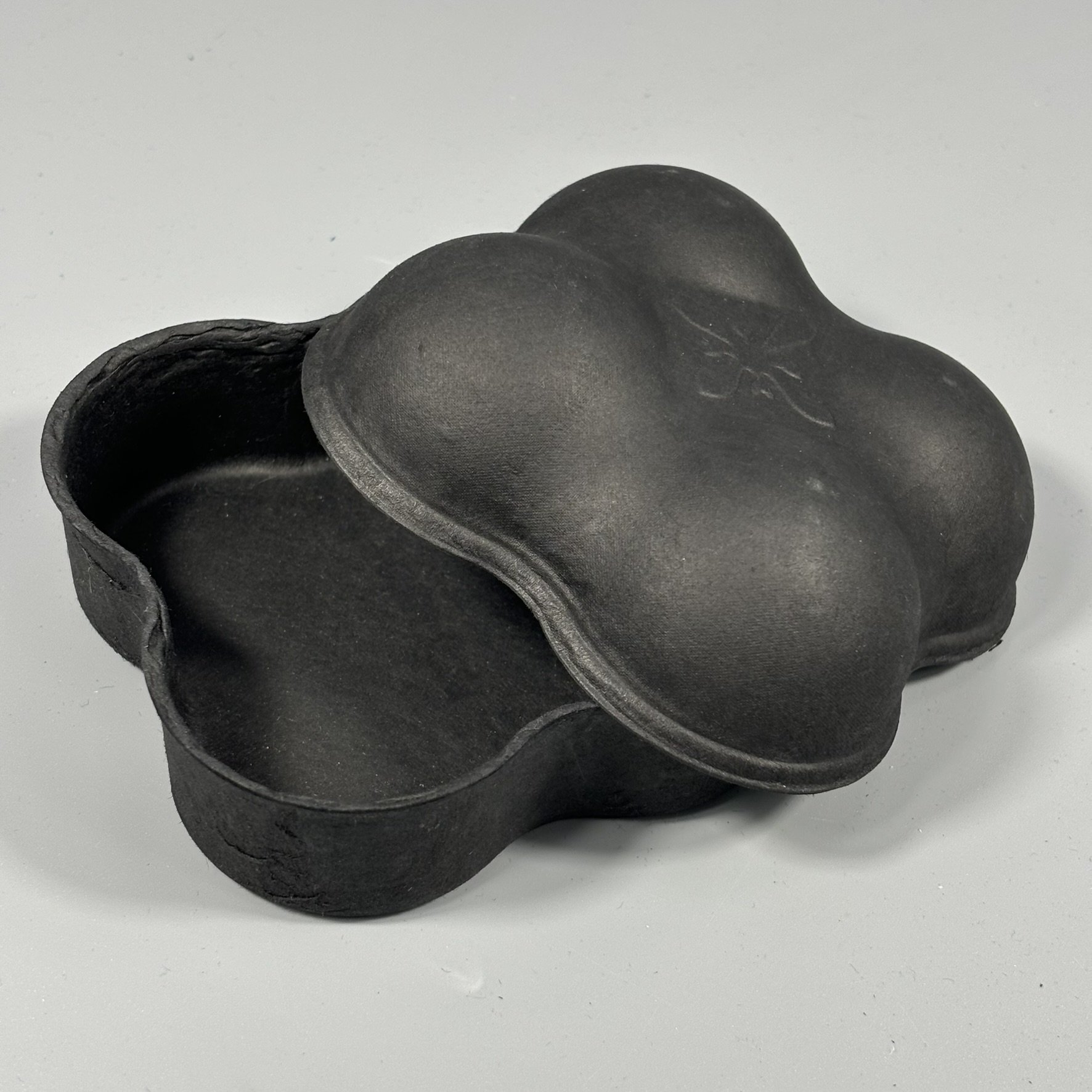
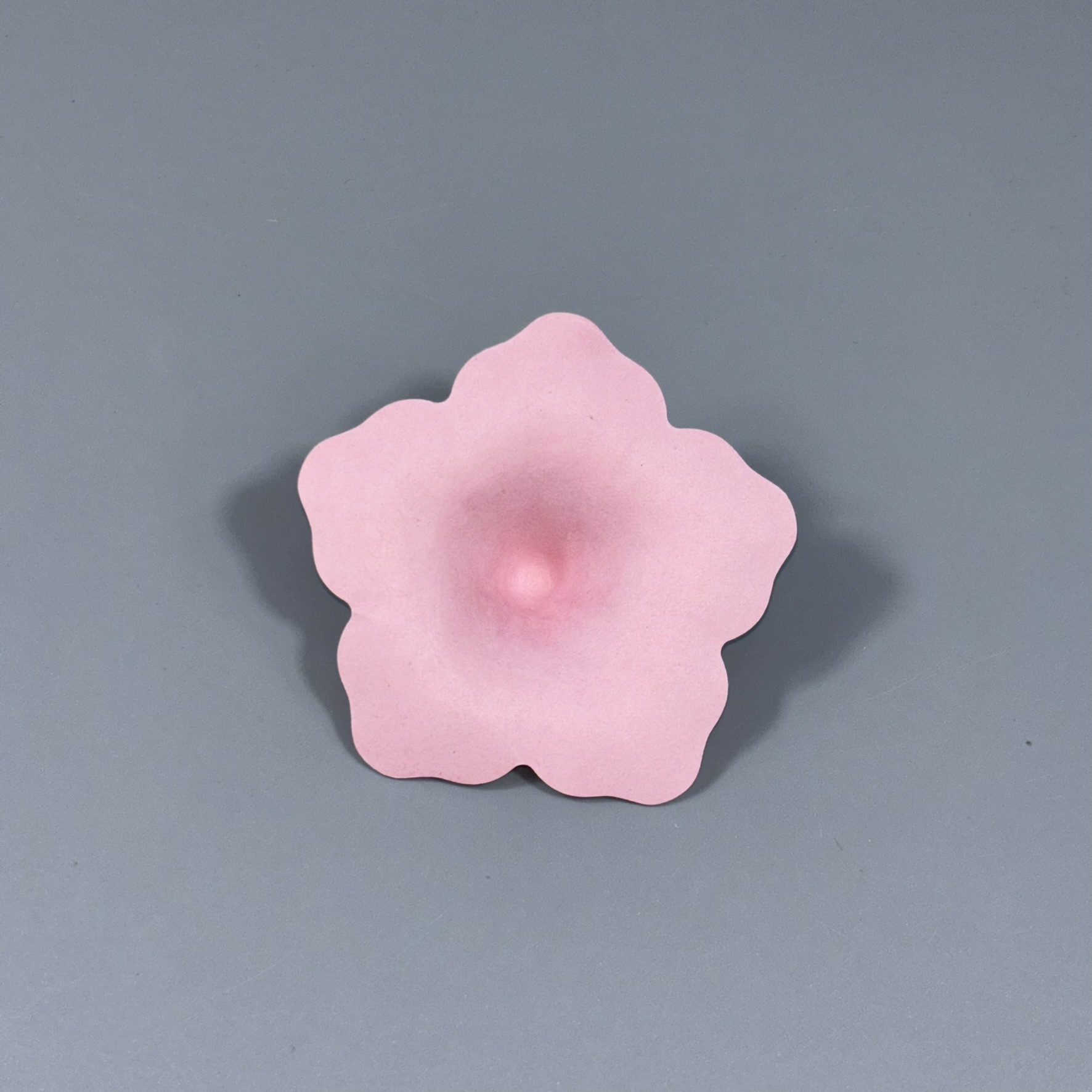
A: Embossed or debossed logos come standard. We can also tint the pulp (black, white, natural, or brand colors).
Q4: What are the MOQ and typical lead time?
A: MOQ is 5,000 units. Sampling usually takes 7–10 days after design approval; production typically 15–30 business days.
Q5: Do you offer moisture resistance?
A: Standard trays are uncoated fiber. Optional water‑repellent or oil‑resistant finishes are available for humid supply chains.






 English
  German
  Spanish
  French
  Russian
  Japanese
  Portuguese
  Arabic