 Skip to content
 BonitoPak’sMold Design & Tooling Solutions provide expert end-to-end support for custom molded pulp packaging solutions. From initial concept and 3D design to prototyping and production-ready tooling, our in-house engineering team ensures precision, speed, and high quality at every stage of development. With advanced tooling technology and extensive experience in both wet and dry pressing methods, we craft robust and sustainable packaging engineered to protect, cushion, and elevate your products. Whether you need simple tray inserts or complex multi-component packaging, our team delivers reliable results optimized for performance and manufacturability.


Material :
Material :

Material :

Material :

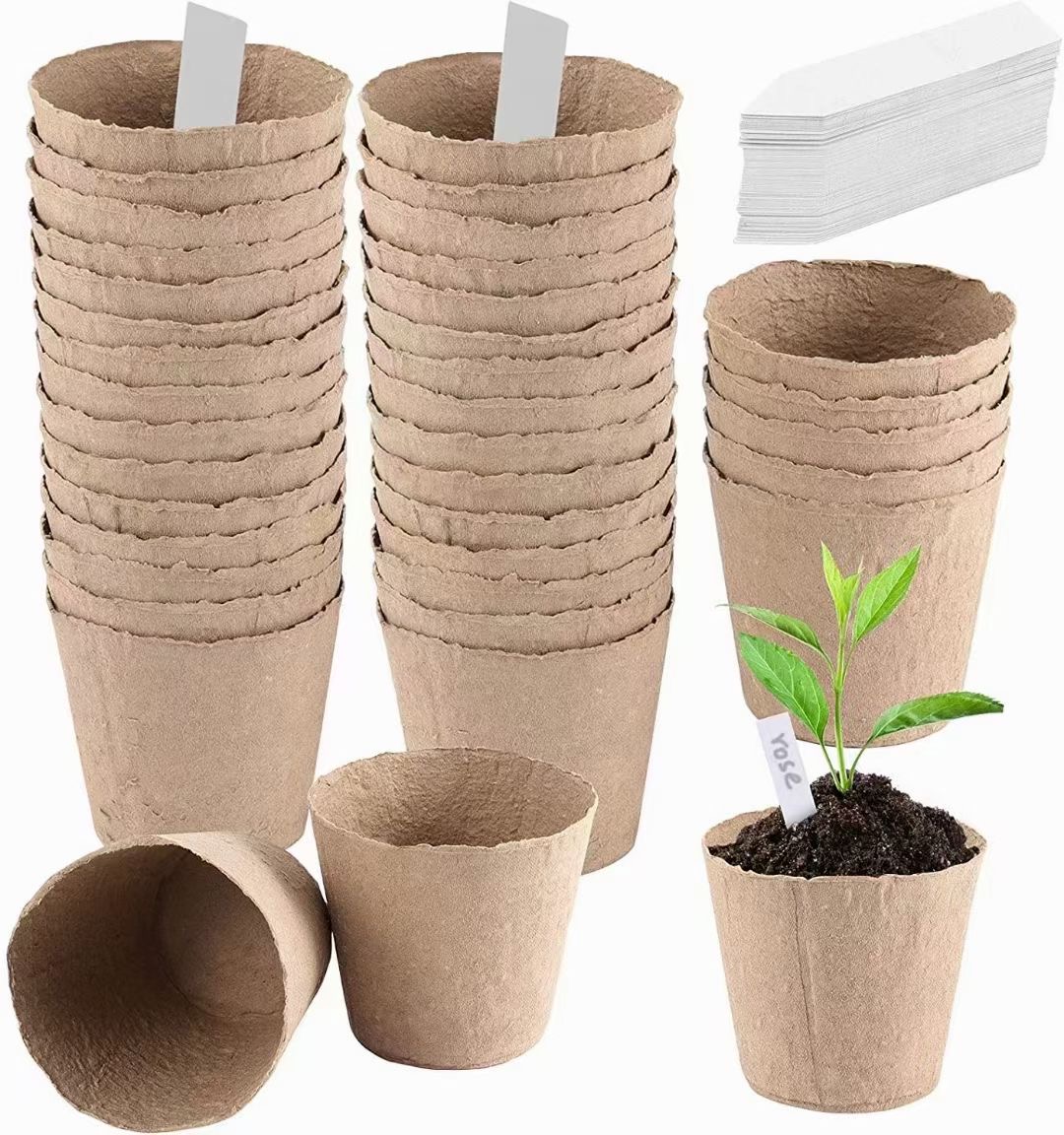
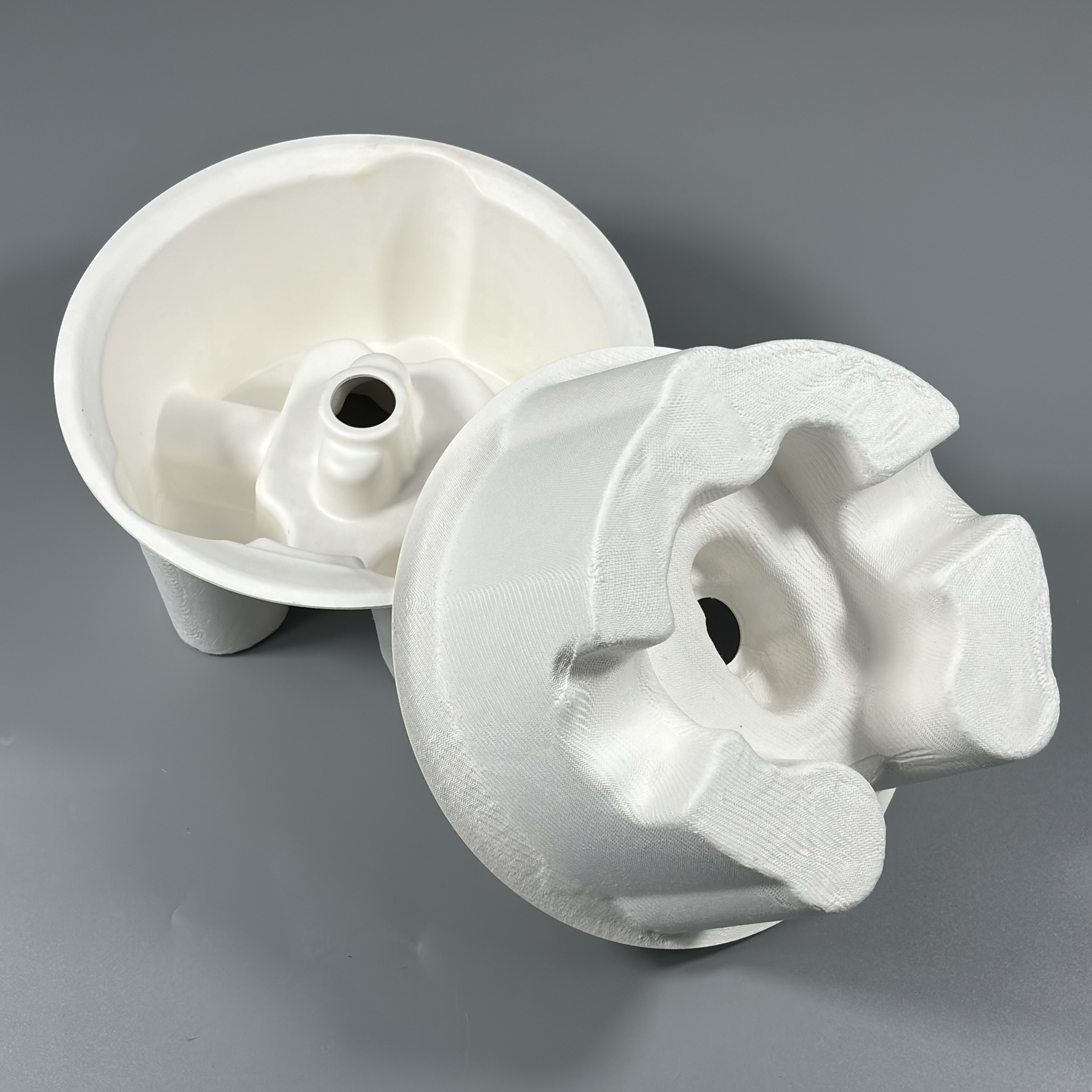
The wet pressing process uses biodegradable materials like bagasse, bamboo, and recycled paper, offering smooth finishes, protection, cushioning, and space-saving, eco-friendly packaging.
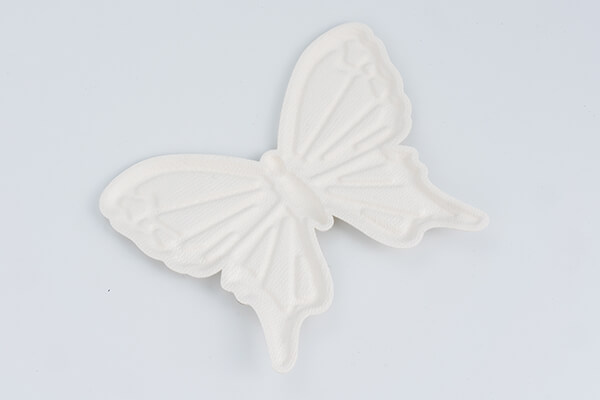
Molded pulp products replace plastic and foam, offering recyclable, biodegradable options. Custom shapes, colors, and eco-friendly surfaces are available. We provide affordable, sustainable packaging with in-house prototyping and manufacturing.
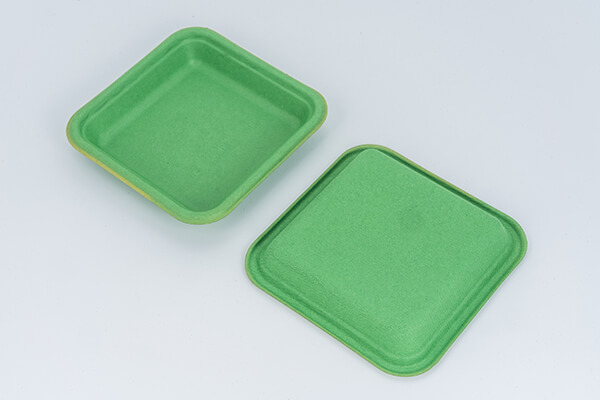
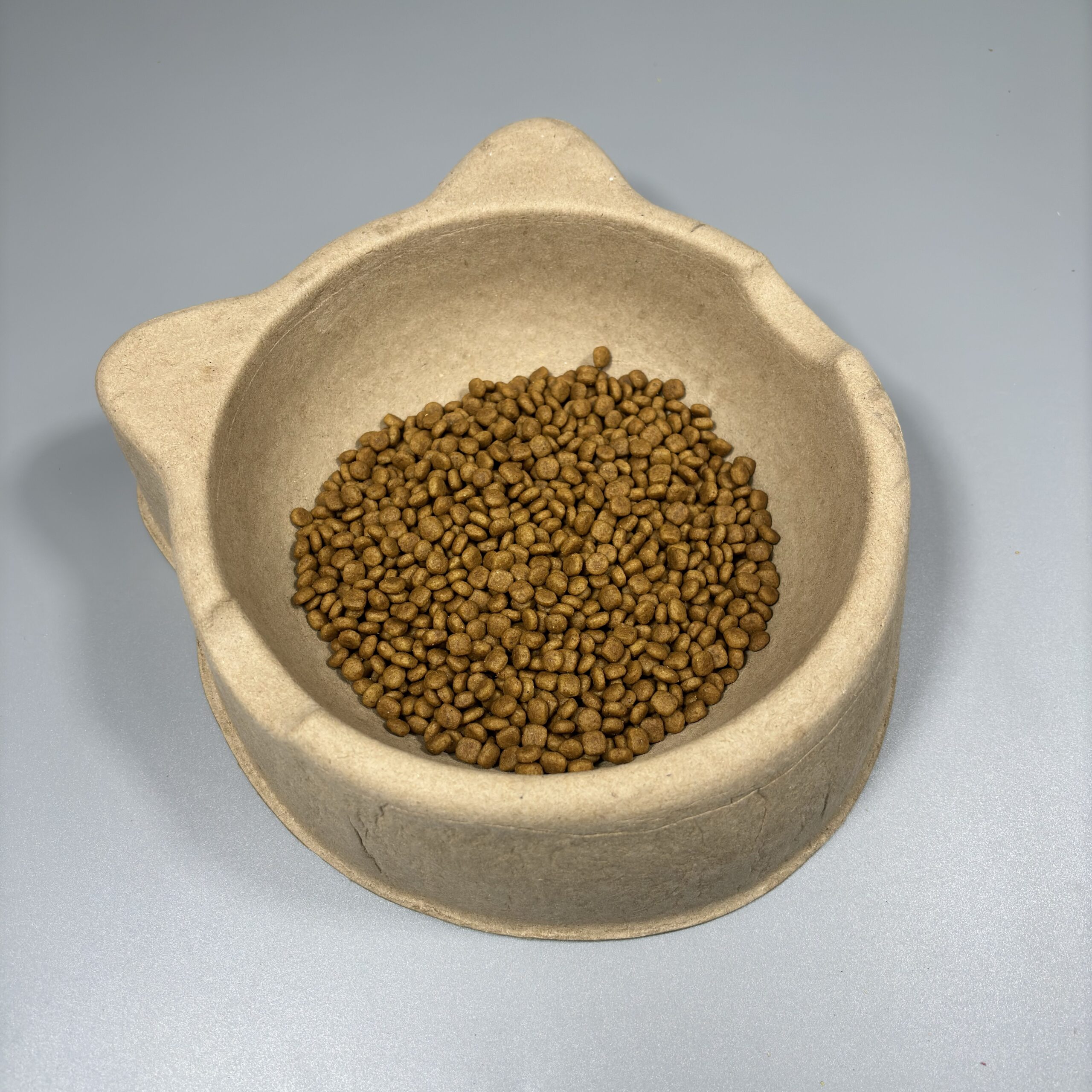
Our plant fiber tableware, made from bagasse, straw, and bamboo, is biodegradable, compostable, waterproof, oil-resistant, and microwave-safe. Certified, recyclable, and stackable for eco-friendly use.
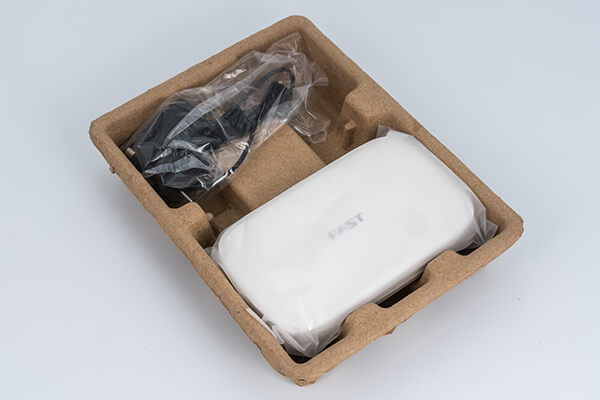
Dry pressing paper pulp trays, made from 100% recycled materials, offer an eco-friendly, cost-effective alternative to plastic. They provide cushioning, temperature resistance, and stackability, saving up to 20% space.

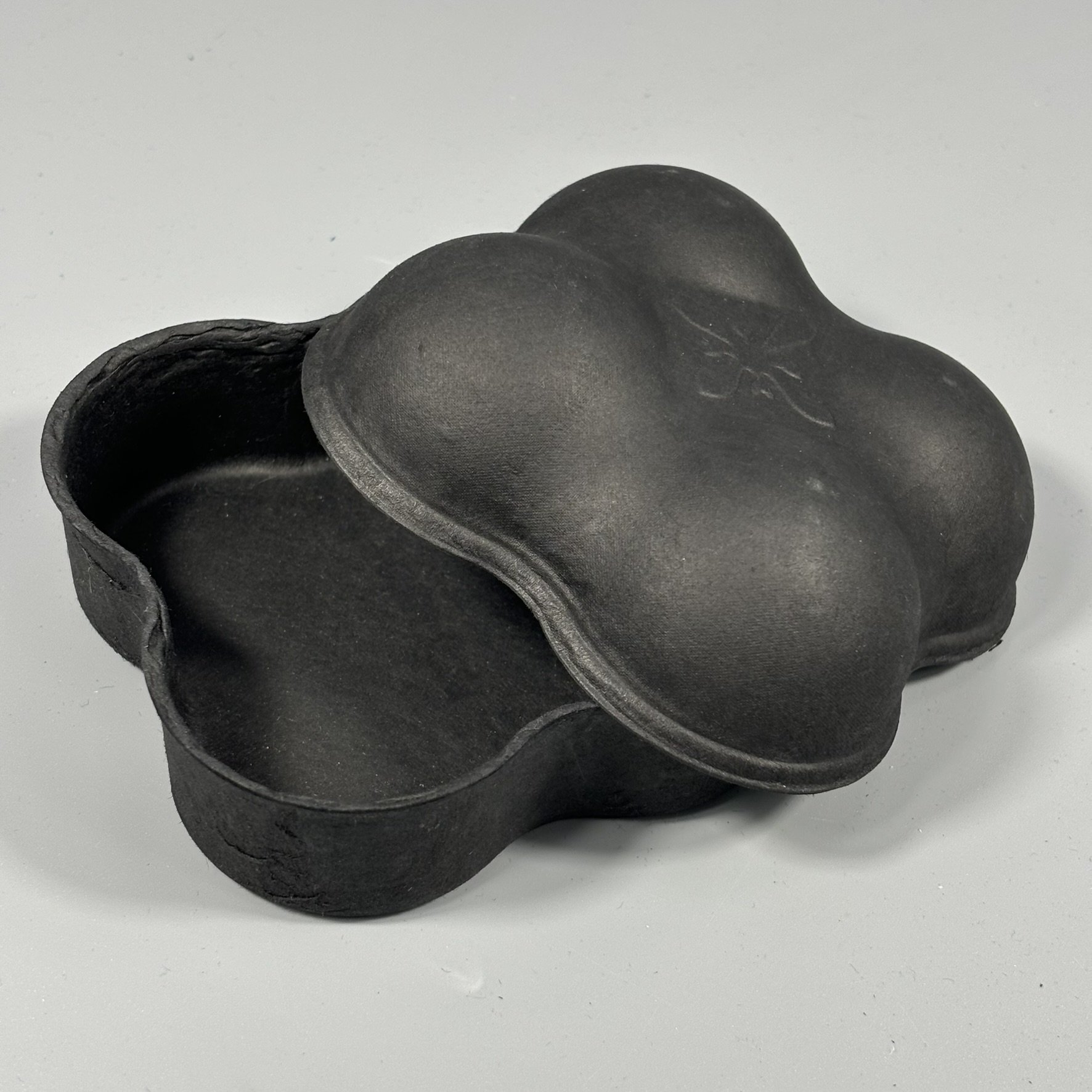
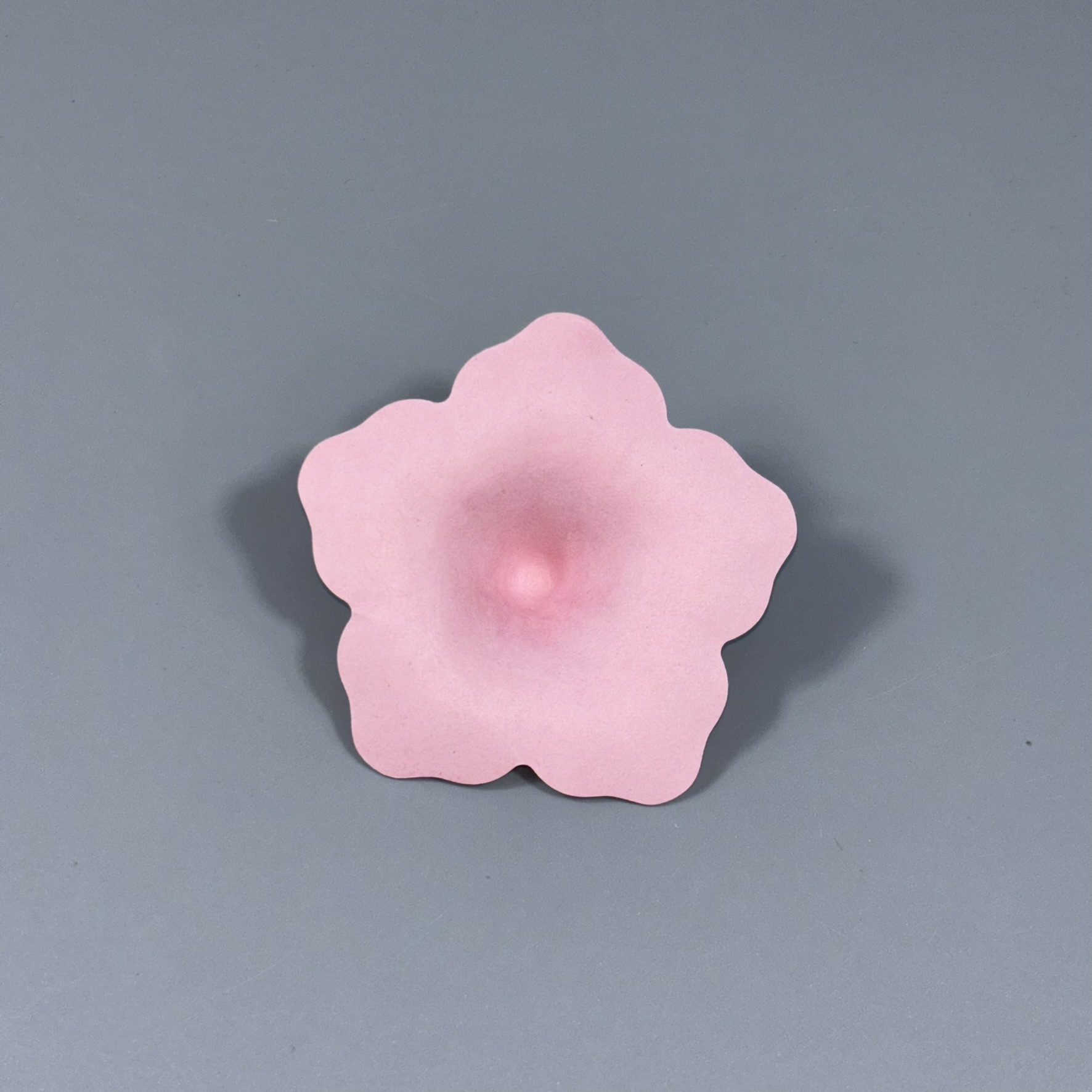
Bonitopak offers molded pulp in six colors, including white, natural, and black, with 95% color accuracy. Eco-friendly methods ensure safe bleaching. Natural and white are best for food; others suit tray packaging.
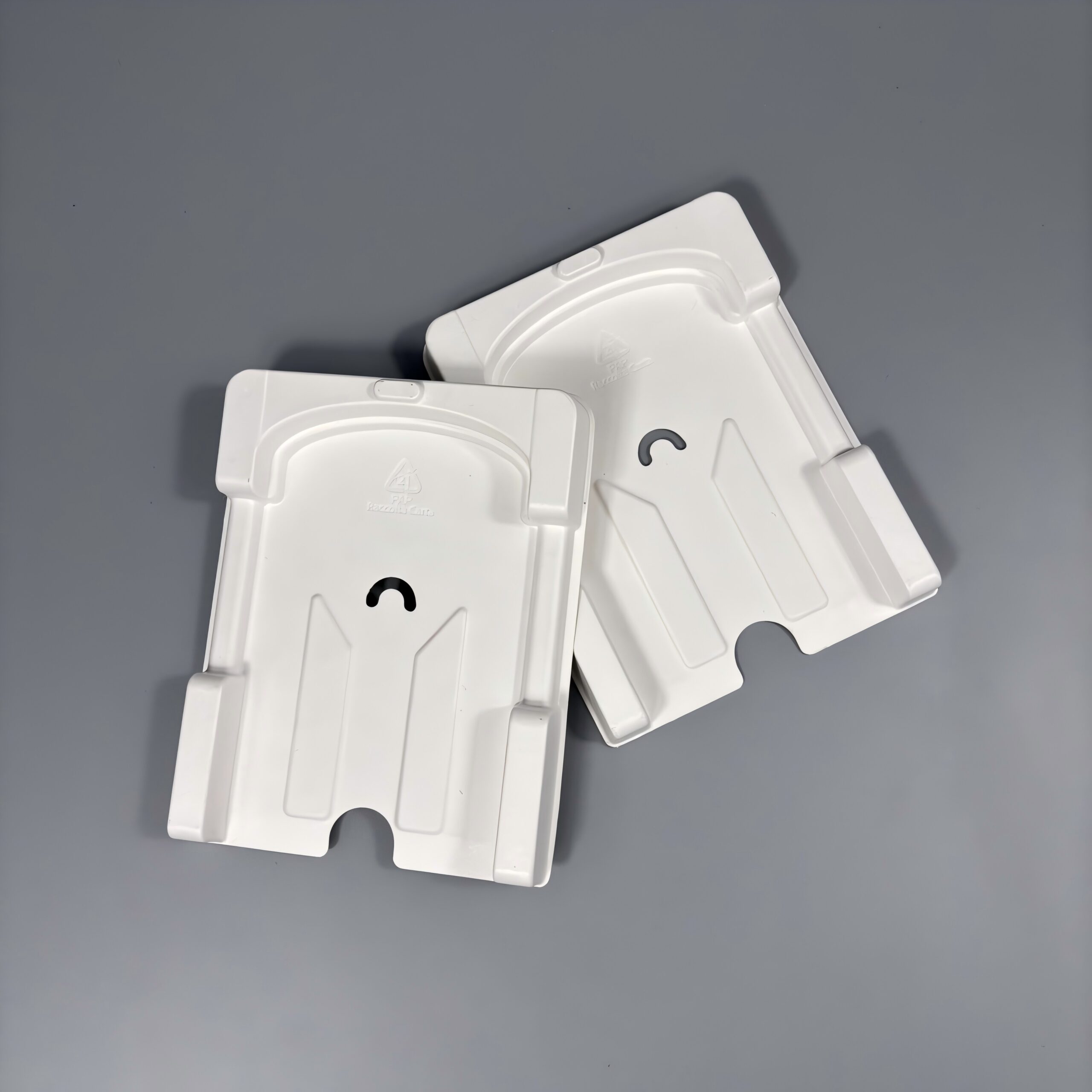
In hot press molded pulp production, inconsistency rarely comes from the fiber alone—it comes from tooling that does not distribute pressure and heat evenly. Variations in cavity depth or flange height lead directly to uneven nesting, warped trays, and packing inefficiencies.
This tooling is engineered to apply uniform compression across every cavity, helping trays maintain shape, stiffness, and stack stability through shipping and handling.
Cavity geometry is developed with fiber shrinkage, moisture release, and press cycle behavior in mind. Draft angles are tuned to allow release without tearing edges, while flange geometry controls stacking depth and carton fit.
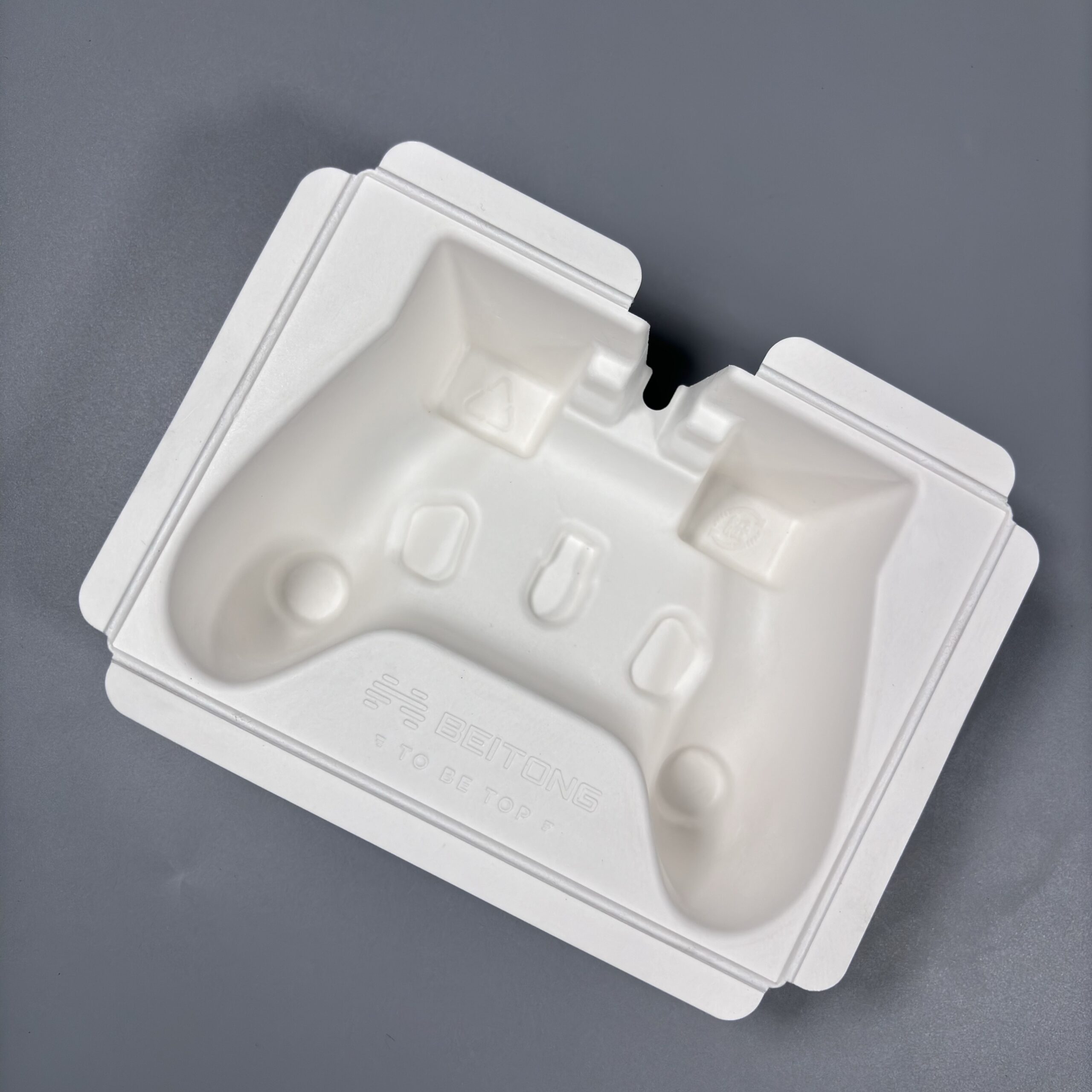
Tool designs are created using CAD-driven engineering, allowing cavity layouts to be adjusted for throughput, press size, and material behavior. Branding elements, when required, are integrated directly into the tooling through emboss or deboss features, avoiding secondary processes.
It is important to be transparent: even with high-quality tooling, hot press molded pulp has natural variation. Tooling performance must be evaluated alongside fiber consistency, press temperature, and cycle time to achieve stable output.
What process is this tooling used for?
It is used for hot press or wet-press molded pulp tray production.
Why is CNC machining important for this tooling?
It ensures accurate cavity geometry, consistent depth, and reliable nesting across production runs.
Can cavity layouts be customized?
Yes. Cavity count, shape, and spacing are designed based on product size and packing requirements.
Is this tooling suitable for electronics packaging?
Yes, commonly for trays and inserts where shape control and repeatability are required.
What affects final tray quality most?
Tooling accuracy, fiber formulation, press temperature, and cycle control all interact.
If you are planning molded pulp production and need hot press tooling engineered for real press conditions—not just nominal dimensions—request a technical review or quotation to confirm suitability for your equipment and output targets.
We respond within 24 hours, offering fast, clear communication, tailored solutions, and efficient service to save time and costs.
Our in-house design, engineering, and manufacturing ensure rapid tooling, with samples ready in 7 days and production molds in 8 days.
Our skilled R&D engineers excel in designing, prototyping, and tooling, offering complete packaging solutions with blister, tin can, and printed boxes.
Trained staff conduct 100% inspections, random checks, and quality control, ensuring high standards, reducing rejects, and saving costs.
We provide reasonable order scheduling and coordinate with clients to resolve issues promptly, ensuring the best solutions.
Our experienced after-sales team ensures smooth communication, solving issues with replacements, shipping, and delivery, aiming for zero complaints.

Introduction: Why Bagasse Manufacturing Is No Longer Optional The shift toward compostable food packaging is

Introduction: Why Rotary Systems Dominate High-Volume Manufacturing In industrial manufacturing, speed alone does not create

Introduction: The Rise of Home-Based Plastic Manufacturing The idea of owning a plastic injection molding

 English
  German
  Spanish
  French
  Russian
  Japanese
  Portuguese
  Arabic