ورق كرافت قابل للتحويل إلى سماد

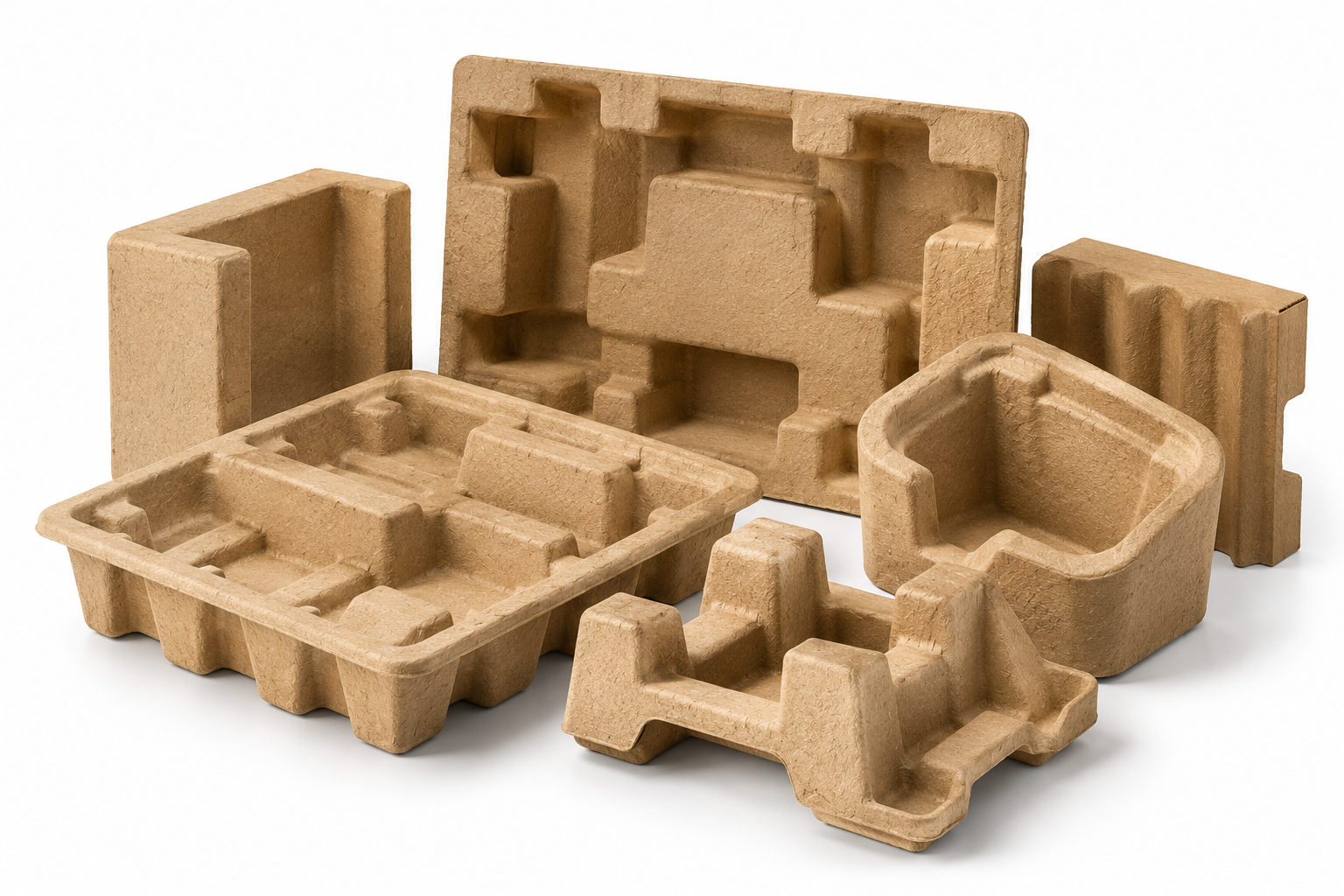
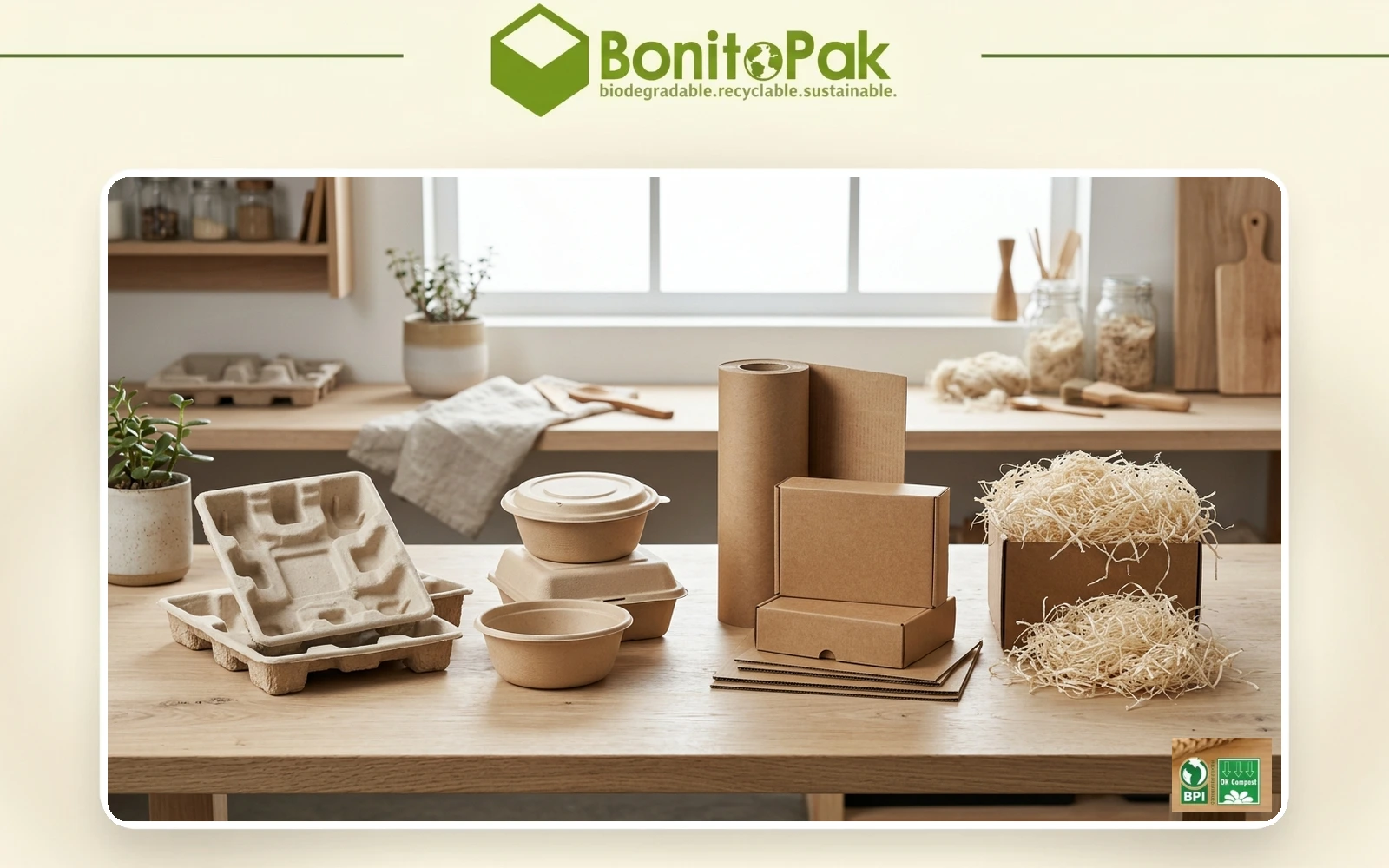
Compostable kraft paper is the strongest fiber we form. Made from virgin softwood by the kraft process, it carries the longest fibers in our material range at 2.5 to 4.5 mm, which build a bonded network that resists tearing and carries compression better than any recycled or agricultural alternative. The unbleached brown color is the natural lignin residue, not a dye, and it composts without any decolorizing step.

Why specify compostable kraft paper

  • Longest fiber in the range. At 2.5 to 4.5 mm, softwood kraft fibers bridge across many neighbors and transfer load through the network rather than through the wall thickness alone.
  • Highest tear and burst resistance. The same fiber length that carries compression also resists the propagation of a tear once one starts, which matters for parts handled repeatedly.
  • No bleaching chemistry. The brown color is residual lignin left in place. Skipping the bleaching stage removes a chemical process step and the effluent that goes with it.
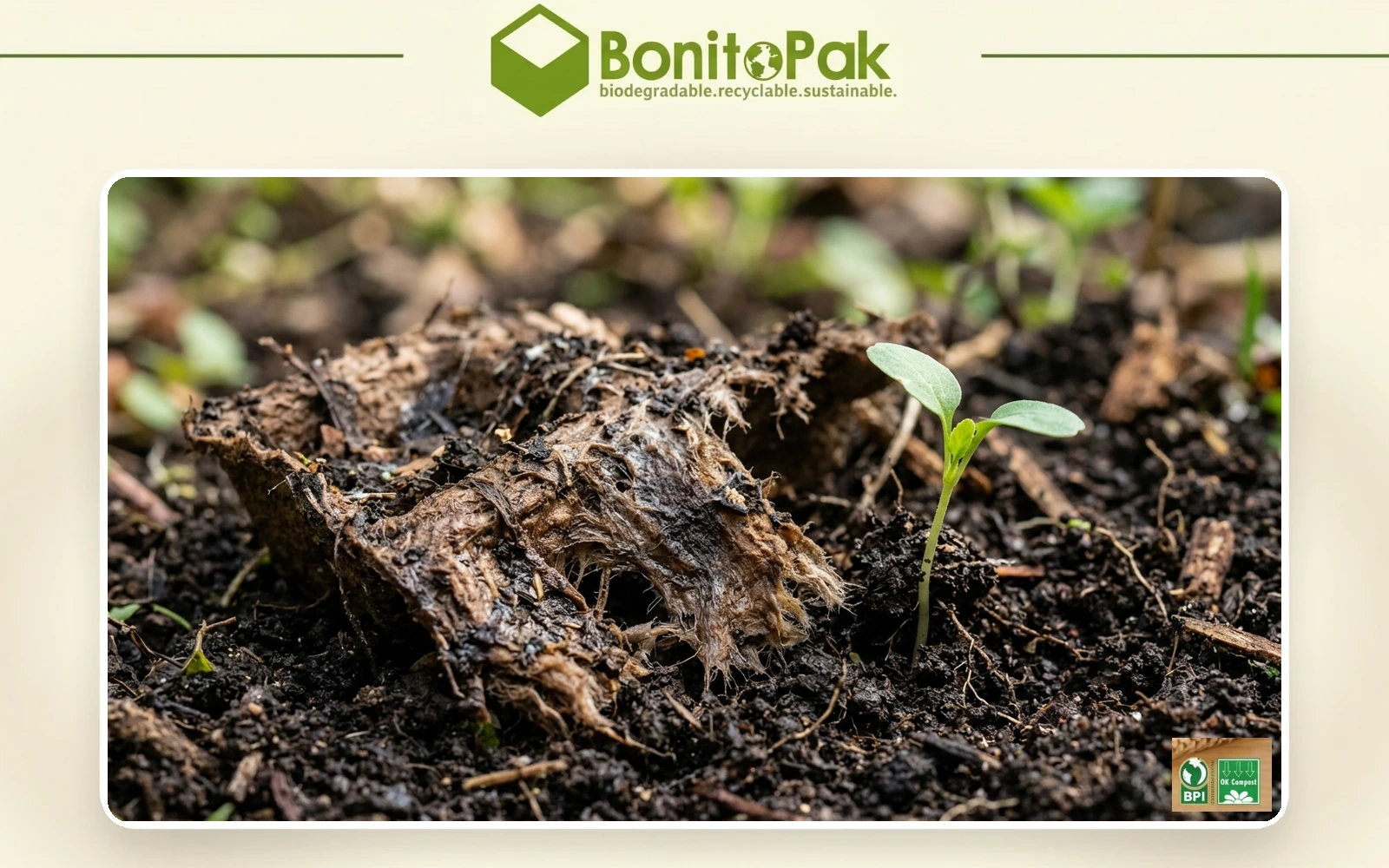
  • Compostable without qualification. Uncoated kraft is cellulose and lignin, both of which break down in a composting environment. Nothing in the material works against EN 13432 or ASTM D6400 chemistry requirements.
  • Takes embossing cleanly. Long fiber holds a formed edge, so embossed detail stays sharper than it does in short-fiber furnishes.
  • Blends well as a strength carrier. Most production furnishes use kraft as a proportion rather than at 100%, adding structure to a short-fiber base that handles detail and finish.

The kraft process itself is why this fiber performs. Wood chips are cooked in sodium hydroxide and sodium sulfide, which dissolves lignin and separates fibers while leaving the cellulose chains largely intact. Mechanical pulping, by contrast, grinds the wood and shortens fibers in the process. The kraft route costs more and yields less pulp per tonne of wood, and it produces a fiber that nothing else matches on strength.

The trade is appearance and cost. Kraft is brown, and it will not reach a white or pale finish without bleaching, which is a different material. It also sits at the top of our price range because virgin fiber competes against every other use for the same wood.

Specification table

المواصفات التفاصيل
اسم المادة ورق كرافت قابل للتحويل إلى سماد
نوع المادة Virgin softwood kraft fiber, unbleached
مصدر الألياف Softwood, typically pine and spruce
Average Fiber Length 2.5 to 4.5 mm
Pulping Method Kraft (sulfate) chemical process
Natural Color Brown, from residual lignin
Relative Tensile Strength Highest in the BonitoPak range
Relative Tear Resistance Highest in the BonitoPak range
تشطيب السطح Textured, matte
Typical Wall Thickness 1.5 to 6.0 mm depending on type
توافق العملية Wet pressing, dry pressing, thick wall, transfer molding
أنواع اللب المقولب Type 1, Type 2, Type 4
قابلية التسميد Meets the chemistry basis for EN 13432 and ASTM D6400 uncoated
قابلية إعادة التدوير Accepted in most paper streams uncoated
Food Contact Confirm against FDA 21 CFR 176.170 or EU 10/2011 for your market
خيارات الألوان Natural brown; pigmented variants available
Relative Cost عالية
التصديق FSC or PEFC chain of custody available on request

Where compostable kraft paper is the right call

Load-bearing protective packaging. Edge protectors, corner guards, appliance cradles, and pallet-level trays all carry real compression, and this is the fiber that handles it without going to a thicker wall. Using kraft rather than recycled fiber often lets a part run thinner, which recovers part of the cost difference in material saved.

Parts handled repeatedly. Returnable transit packaging and any part that gets opened, closed, and moved many times benefits from tear resistance. A short-fiber part that develops a small tear will propagate it quickly. Kraft resists that.

Where brown is the point. Unbleached kraft reads as natural and unprocessed, which is exactly the signal many sustainable brands want. It is one of the rare cases where the cheapest processing route produces the most desirable appearance.

As a strength component in a blend. This is the most common use. A furnish combining kraft with a short-fiber base gets structural performance from the kraft and surface quality and detail from the short fiber, at a cost between the two.

Where kraft is the wrong call: any part that needs a white or pale finish, any part where cost is the binding constraint, and any fine-detail Type 3 part where long fibers bridge over mold detail rather than flowing into it. For those, see اللب المبيض, لب الورق المعاد تدويرهو لب الخشب respectively.

The closest alternative on strength is ألياف الخيزران, which gives up some tensile performance and gains a considerably faster renewal cycle. Buyers choosing between the two are usually weighing maximum strength against sustainability narrative.

الأسئلة الشائعة (FAQs)

Is compostable kraft paper the same as the kraft paper used for shopping bags?
Same fiber and same pulping process, different form. Bag kraft is a flat sheet made on a paper machine. In molded pulp, the kraft fiber is repulped into slurry and vacuum formed into a three-dimensional part. The fiber properties carry across, which is why molded kraft parts share the strength characteristics people associate with kraft bags.
The brown is residual lignin, the natural polymer that binds fibers in wood and which the kraft process removes only partially. Lightening it requires bleaching, which is a separate chemical stage and produces a different material. You can shift the appearance by blending kraft with a paler fiber, which lightens the tone without a bleaching step, though it also dilutes the strength advantage.
Somewhat, yes. Lignin is more resistant to microbial breakdown than cellulose, so a kraft part will generally take longer to disappear in a compost pile than a bleached or recycled part of the same thickness. It still falls within the timeframes that EN 13432 and ASTM D6400 define, and the practical difference matters more in a home pile than in a commercial facility.
Yes, with the understanding that the brown base limits the palette. Dark inks read well, white ink works for reverse-out designs, and light colors print muted because the base tone shows through. Embossing often outperforms printing on kraft, since the long fiber holds a formed edge sharply and the result needs no ink at all.
It depends which measure you weigh. Virgin kraft from certified forests carries a higher carbon and land footprint than recovered fiber, and it produces a stronger part that can be made thinner and can survive more use cycles. Recycled fiber diverts waste and uses less energy but yields shorter fibers nearing the end of their life. Neither is simply better; the honest answer is that kraft is the right choice when strength requirements make it the lightest viable part.
اسم المادة

ورق كرافت قابل للتحويل إلى سماد

نوع المادة

مادة ورقية قابلة للتحلل الحيوي

توافق العملية

مواد تغليف بونيتوباك بونيتوباك

تُصنع حلول التعبئة والتغليف لدينا من مواد مستدامة مثل ألياف قصب السكر والخيزران ولب الورق المعاد تدويره، مما يوفر خيارات صديقة للبيئة وقابلة للتحلل لمجموعة كبيرة من المنتجات.

Compostable kraft paper is the strongest fiber we form. Made from virgin

Colored pulp is not a separate fiber. It is any of our

Bleached pulp is the material to specify when the part has to

Natural plant fiber covers the non-wood cellulose sources we blend outside the

Corrugated paper as a molded pulp material means recovered cardboard boxes repulped

Straw fiber is made from the stalks left after grain harvest, material

فئات منتجاتنا

اكتشف مجموعة بونيتوباك المتنوعة من حلول التعبئة والتغليف، بما في ذلك صواني اللب المقولبة، وتغليف المواد الغذائية، والتصميمات المخصصة، والخيارات المستدامة. صُممت كل فئة من هذه الفئات من أجل المتانة والأداء الوظيفي والمسؤولية البيئية، وهي مصممة خصيصًا لتلبية احتياجاتك الخاصة.
هل أنت مستعد للارتقاء بمشروعك؟

اجعل تصميماتك تنبض بالحياة مع BonitoPak

اختبر الهندسة الدقيقة مع BonitoPak. من النماذج الأولية التفصيلية إلى الإنتاج بكميات كبيرة، نحن هنا لتحويل مفاهيمك إلى واقع ملموس. اتصل بنا اليوم لمناقشة احتياجات مشروعك!

مقالات ورؤى ذات صلة

ابق على اطلاع بآخر التحديثات حول اتجاهات التغليف المستدام ورؤى الصناعة ونصائح الخبراء من خلال مدونتنا. استكشف الأفكار والحلول المبتكرة لتعزيز معرفتك بالتعبئة والتغليف.

بقلم ليو تشان | كاتب في BonitoPak | أكثر من 20 عامًا من الخبرة في مجال التغليف المصنوع من اللب المقولب. الفودكا هي

بقلم ليو تشان | كاتب في BonitoPak | أكثر من 20 عامًا من الخبرة في مجال التغليف المصنوع من اللب المقولب تقريبًا كل

بقلم ليو تشان | كاتب في BonitoPak | أكثر من 20 عامًا من الخبرة في مجال التغليف المصنوع من اللب المقولب ابحث في هذا

املأ هذا النموذج المفصل