ألياف القش

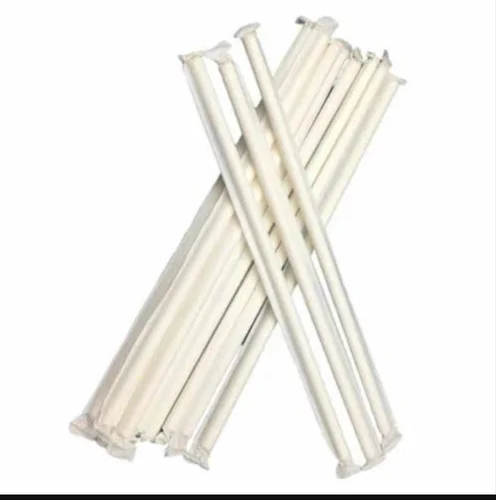
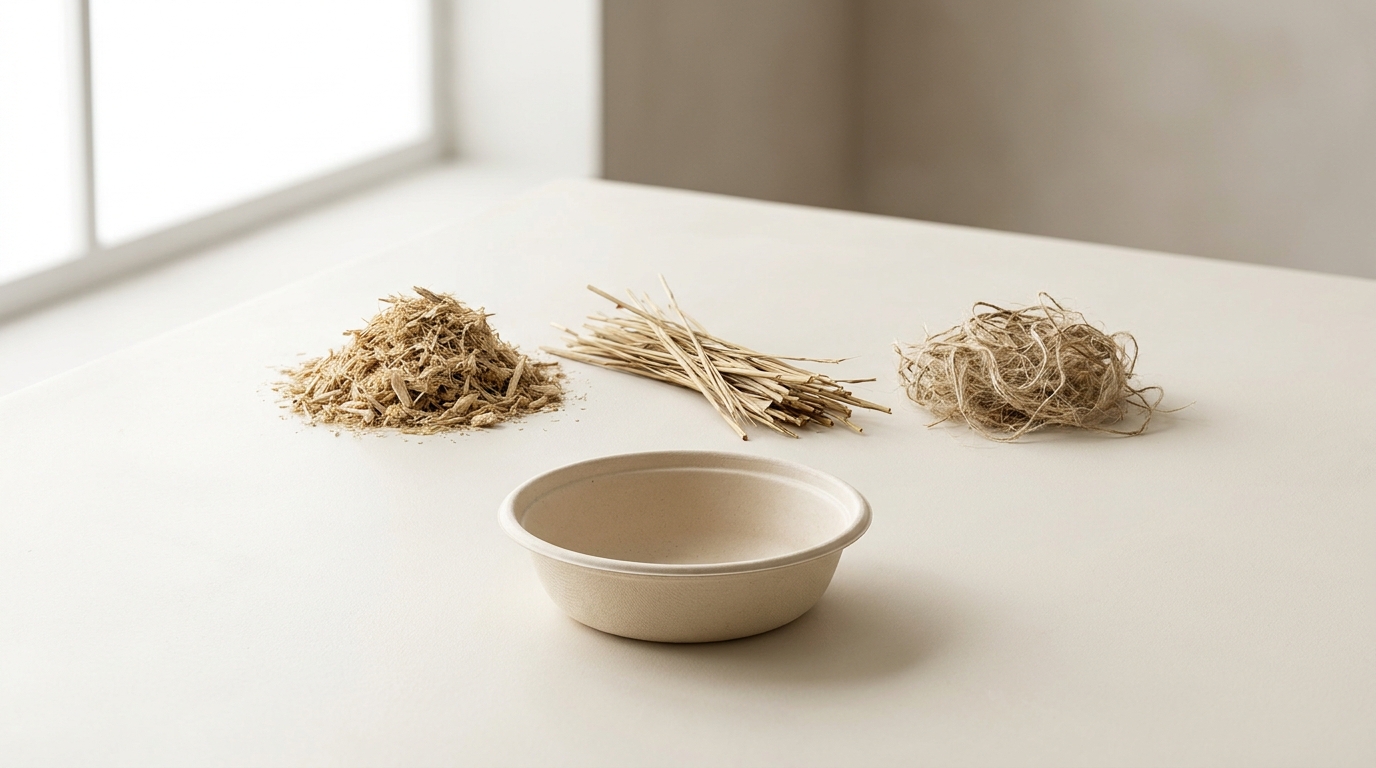
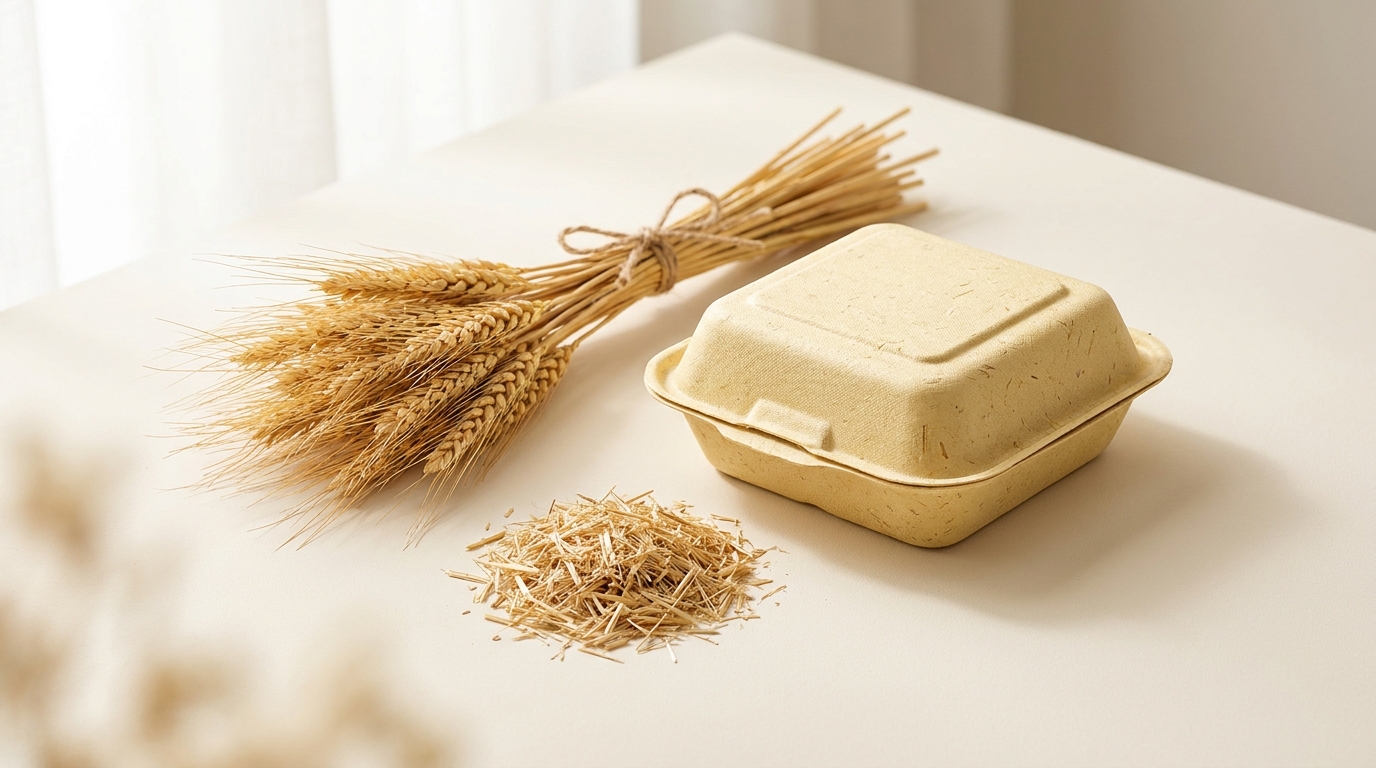
Straw fiber is made from the stalks left after grain harvest, material that in many regions is still burned in the field because there is nothing else to do with it. Using it for packaging turns a disposal problem into an input. The fiber runs 1.0 to 1.5 mm, forms a pale gold part with a lightly textured surface, and renews annually rather than over the decades a tree needs.

Why straw fiber works as a packaging material

  • Annual renewal cycle. Wheat and rice are harvested every year. A softwood plantation runs 25 to 40 years before harvest. On renewability per year, no wood fiber comes close.
  • Diverts open field burning. Straw disposal by burning is a significant regional air quality problem across several major grain-growing areas. Diverting it into packaging has a measurable environmental argument behind it.
  • No competition with food production. The grain is already harvested. The straw is residue, so using it does not displace food crops or farmland.
  • Pale gold natural tone. Lighter and warmer than recycled fiber, which gives a finished part that reads as agricultural rather than as waste paper.
  • Low cost at volume. Residue pricing rather than commodity fiber pricing, where collection logistics are established.
  • Good formability. Mid-short fibers flow into mold detail cleanly and drain predictably on the forming screen.

The technical complication worth naming is silica. Rice straw in particular carries a high silica content, which is abrasive on processing equipment and interferes with fiber bonding if it is not managed. Straw pulping therefore needs process control that wood pulping does not, and suppliers who treat straw as a drop-in substitute for wood fiber tend to produce inconsistent parts.

Wheat straw carries less silica than rice straw, which is why wheat is the more common input where both are available. We select and blend on that basis rather than taking whatever residue is cheapest.

Specification table

المواصفات التفاصيل
اسم المادة ألياف القش
نوع المادة Agricultural residue cellulose
مصدر الألياف Wheat straw, rice straw
Average Fiber Length 1.0 to 1.5 mm
Renewal Cycle Annual
Silica Content Present; higher in rice than wheat straw
Natural Color Pale gold
تشطيب السطح Lightly textured, matte
Relative Strength متوسط
Typical Wall Thickness 1.0 to 4.0 mm
توافق العملية Wet pressing, dry pressing, transfer molding
أنواع اللب المقولب Type 1, Type 2, Type 4
قابلية التسميد Meets the chemistry basis for EN 13432 and ASTM D6400 uncoated
قابلية إعادة التدوير Accepted in most paper streams uncoated
Food Contact Confirm against your market requirement
خيارات الألوان Natural gold; takes pigment on a pale base
Supply Pattern Seasonal at harvest, stocked for year-round production
Relative Cost منخفضة

Where straw fiber is the right specification

Volume parts with a sustainability requirement. This is the material’s natural home. It costs close to recycled fiber, looks considerably better, and carries a stronger environmental argument than either recycled or virgin wood.

Brands reporting on agricultural circularity. Field-burning diversion is a specific, defensible claim rather than a general eco statement, which is exactly what procurement teams need when they have to substantiate a packaging decision.

Food service and produce trays. The pale gold tone and the agricultural origin sit naturally alongside food, and the formability supports the shallow trays these applications use.

Replacing expanded polystyrene in retail-facing packaging. Where OCC-based pulp is too coarse to put in front of a customer, straw fiber does the same protective job and looks intentional.

Straw stops being the answer in two situations. Anything carrying serious compression needs the longer fibers in ورق كرافت قابل للتحويل إلى سماد أو ألياف الخيزران. Anything needing a true white finish or direct food contact clearance needs اللب المبيض.

The closest material in the range is ألياف نباتية طبيعية, which blends several agricultural sources rather than committing to straw specifically. Choose straw when you want a single declared origin for a sustainability claim; choose the blend when you want supply resilience.

الأسئلة الشائعة (FAQs)

Is straw fiber weaker than wood fiber?
Yes, and the reason is fiber length. Straw runs 1.0 to 1.5 mm against 2.5 to 4.5 mm for softwood kraft, so it builds a less interconnected bonded network. In practice this governs only load-critical parts. For trays, inserts, and general protective packaging, geometry carries the performance and the difference does not decide the design.
Two things. It is abrasive, so it wears processing equipment faster than wood pulping does, which is a cost that shows up in the supplier’s operation rather than in the part. And it interferes with fiber-to-fiber bonding, which reduces strength if the pulping process does not manage it. Suppliers who have not solved this produce straw parts with inconsistent compression performance.
Some straw is used for animal bedding, soil incorporation, and energy, and some is simply burned. Volumes are large enough in major grain regions that packaging demand sits well within what is currently disposed of rather than competing with established uses. The claim worth making is field-burning diversion rather than that no alternative use exists.
Yes, and the pale gold base takes pigment better than gray-brown recycled fiber does. Light tints reproduce more predictably because there is less base color to work against. The base tone does warm the result slightly, so a cool shade on straw will read marginally warmer than the same pigment on bleached pulp.
Harvest is seasonal, so the input arrives in a concentrated period and is stocked for continuous production. The risk to manage is a poor harvest year rather than the normal seasonal cycle. For large recurring orders we plan material availability against your schedule at quotation rather than assuming supply.
اسم المادة

ألياف القش

نوع المادة

الألياف النباتية الطبيعية

توافق العملية

مواد تغليف بونيتوباك بونيتوباك

تُصنع حلول التعبئة والتغليف لدينا من مواد مستدامة مثل ألياف قصب السكر والخيزران ولب الورق المعاد تدويره، مما يوفر خيارات صديقة للبيئة وقابلة للتحلل لمجموعة كبيرة من المنتجات.

ورق الكرافت القابل للتحلل هو أقوى أنواع الألياف التي نصنعها. وهو مصنوع من ألياف خام

اللب الملون ليس أليافًا منفصلة. إنه أي من منتجاتنا

يجب تحديد «اللب المبيض» كمواد عند الحاجة إلى أن يكون الجزء

تشمل الألياف النباتية الطبيعية مصادر السليلوز غير الخشبية التي نمزجها خارج

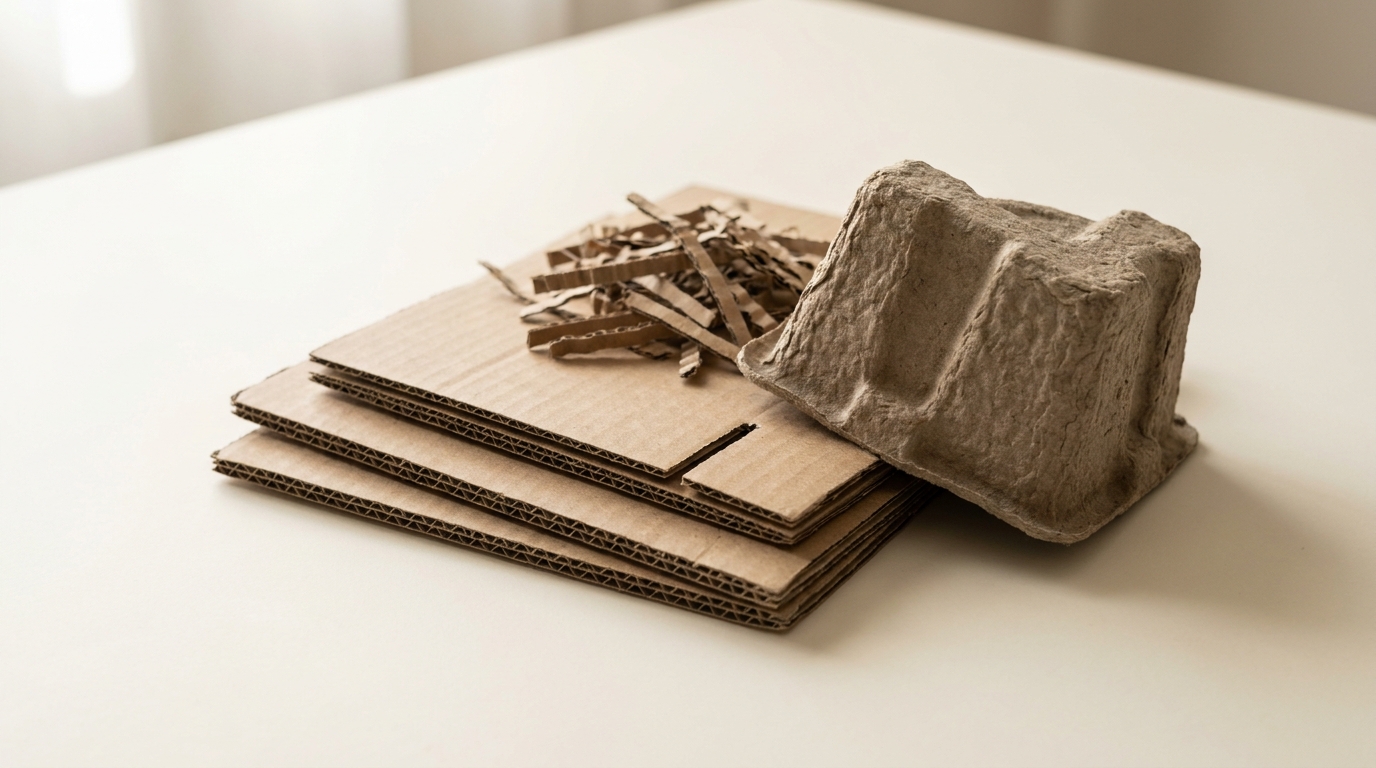
الورق المموج، باعتباره مادة من اللب المقولب، يعني صناديق الكرتون المسترجعة التي أعيد تحويلها إلى لب

تُصنع ألياف القش من السيقان المتبقية بعد حصاد الحبوب، وهي مادة

فئات منتجاتنا

اكتشف مجموعة بونيتوباك المتنوعة من حلول التعبئة والتغليف، بما في ذلك صواني اللب المقولبة، وتغليف المواد الغذائية، والتصميمات المخصصة، والخيارات المستدامة. صُممت كل فئة من هذه الفئات من أجل المتانة والأداء الوظيفي والمسؤولية البيئية، وهي مصممة خصيصًا لتلبية احتياجاتك الخاصة.
هل أنت مستعد للارتقاء بمشروعك؟

اجعل تصميماتك تنبض بالحياة مع BonitoPak

اختبر الهندسة الدقيقة مع BonitoPak. من النماذج الأولية التفصيلية إلى الإنتاج بكميات كبيرة، نحن هنا لتحويل مفاهيمك إلى واقع ملموس. اتصل بنا اليوم لمناقشة احتياجات مشروعك!

مقالات ورؤى ذات صلة

ابق على اطلاع بآخر التحديثات حول اتجاهات التغليف المستدام ورؤى الصناعة ونصائح الخبراء من خلال مدونتنا. استكشف الأفكار والحلول المبتكرة لتعزيز معرفتك بالتعبئة والتغليف.

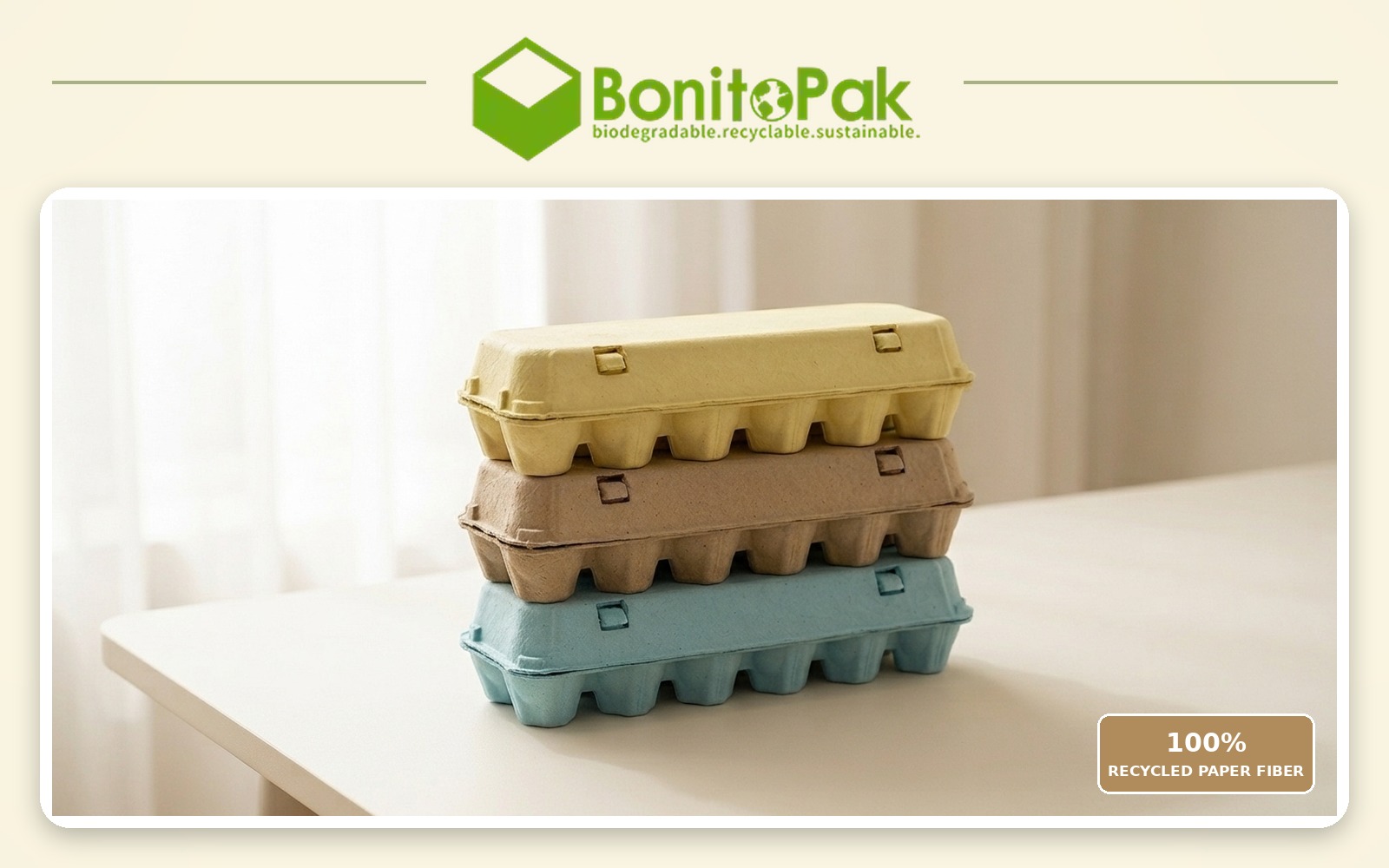
بقلم ليو تشان، مستشار أول في مجال التغليف بشركة BonitoPak. آخر تحديث: نوفمبر 2026. علبة البيض التي تتسع لـ 12 بيضة تحتوي على

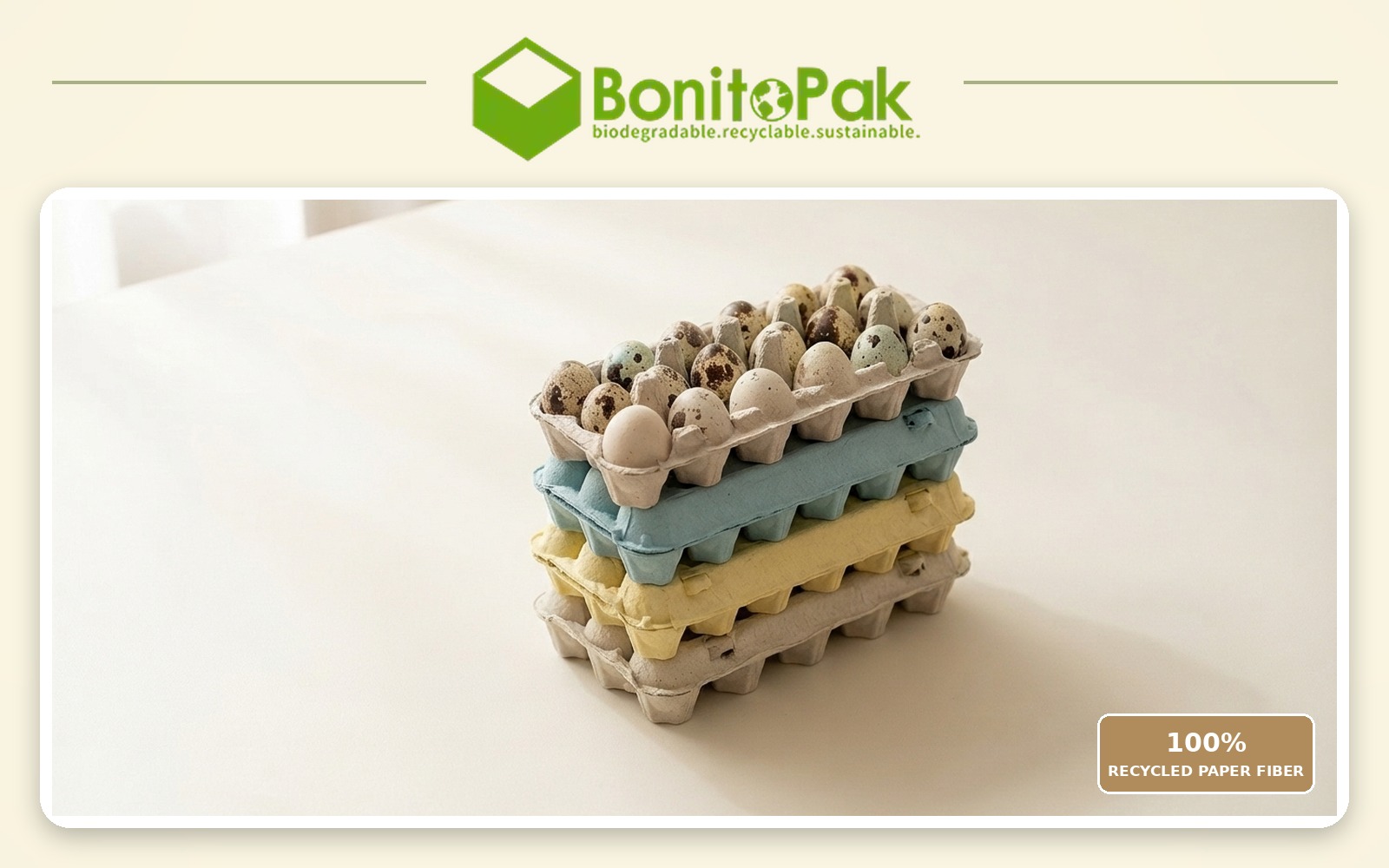
بقلم ليو تشان، مستشار أول في مجال التغليف بشركة BonitoPak. آخر تحديث: نوفمبر 2026. تُصنع علب بيض السمان بالقولبة

بقلم ليو تشان، مستشار أول في مجال التغليف بشركة BonitoPak. آخر تحديث: نوفمبر 2026. حامل أكواب مصنوع من اللب المقولب

املأ هذا النموذج المفصل