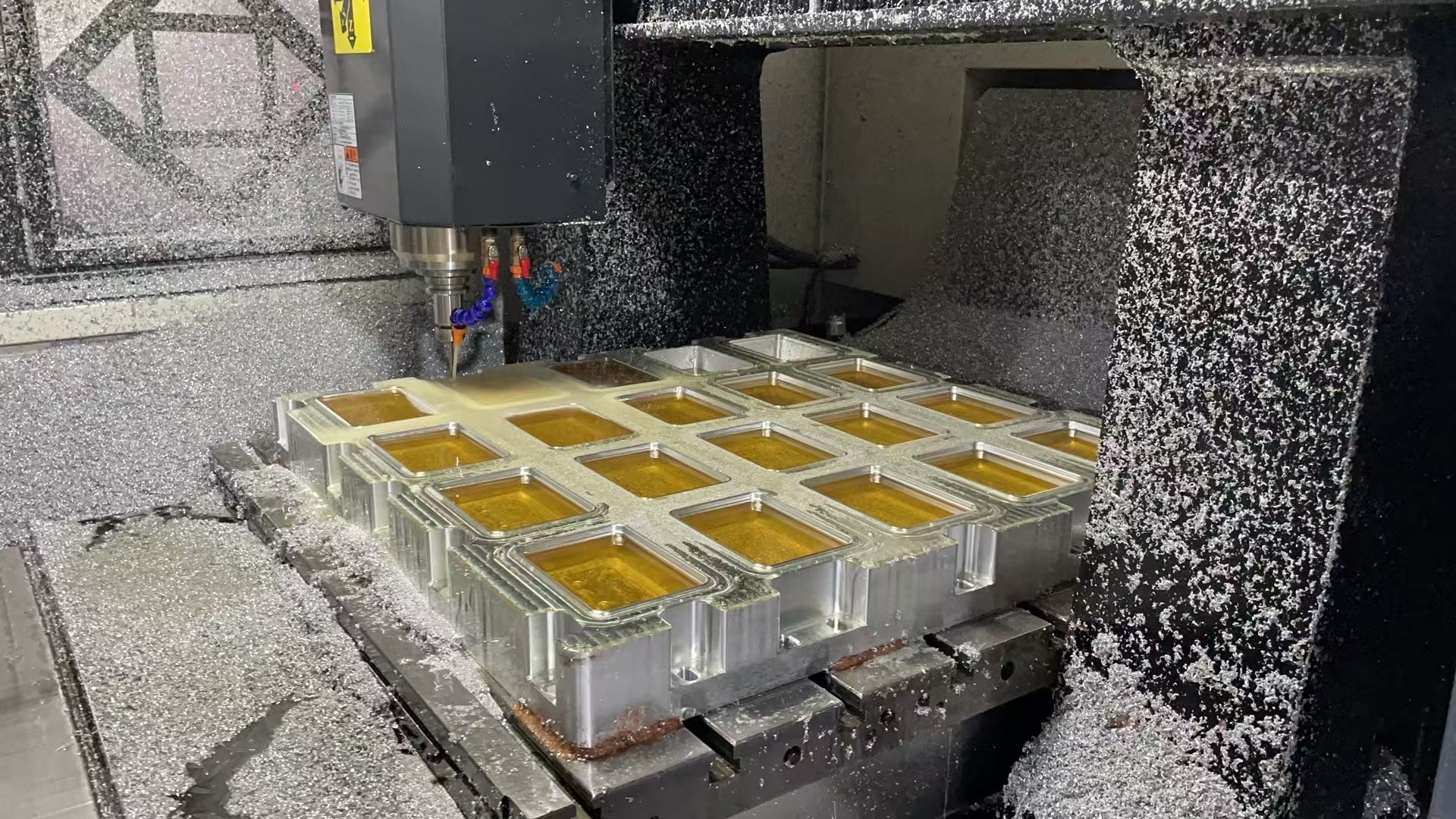
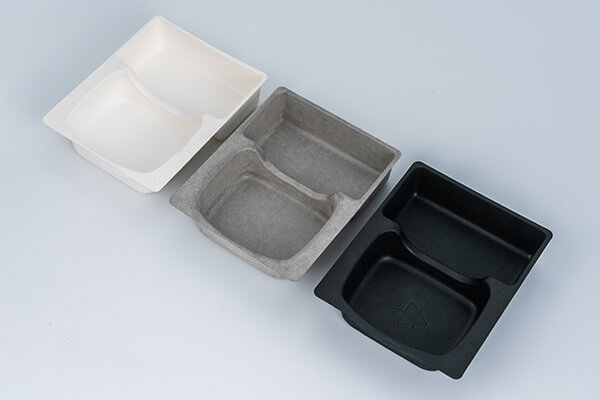
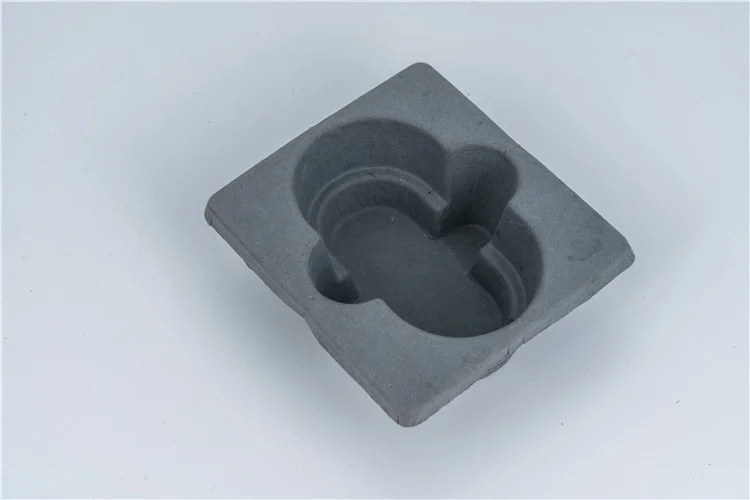
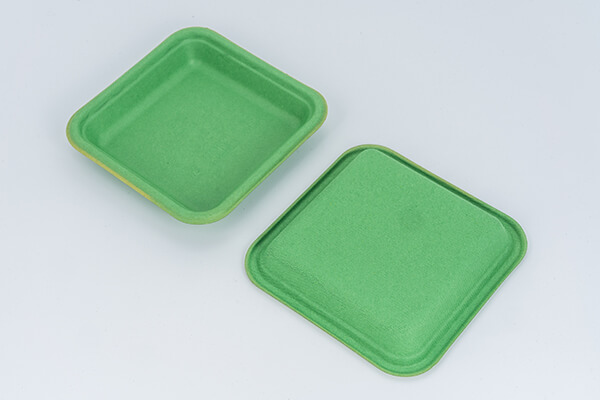
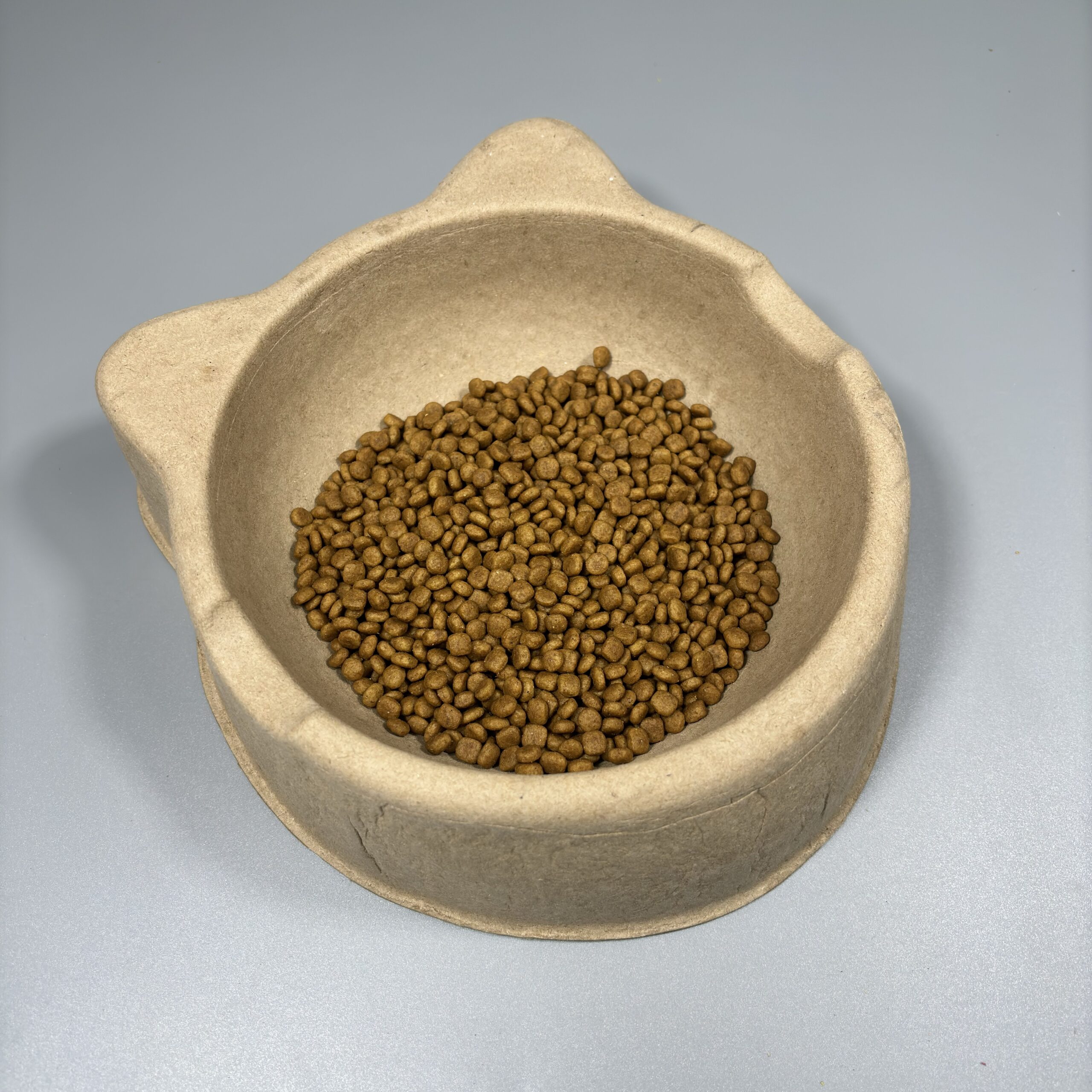
In hot press molded pulp production, inconsistency rarely comes from the fiber alone—it comes from tooling that does not distribute pressure and heat evenly. Variations in cavity depth or flange height lead directly to uneven nesting, warped trays, and packing inefficiencies.
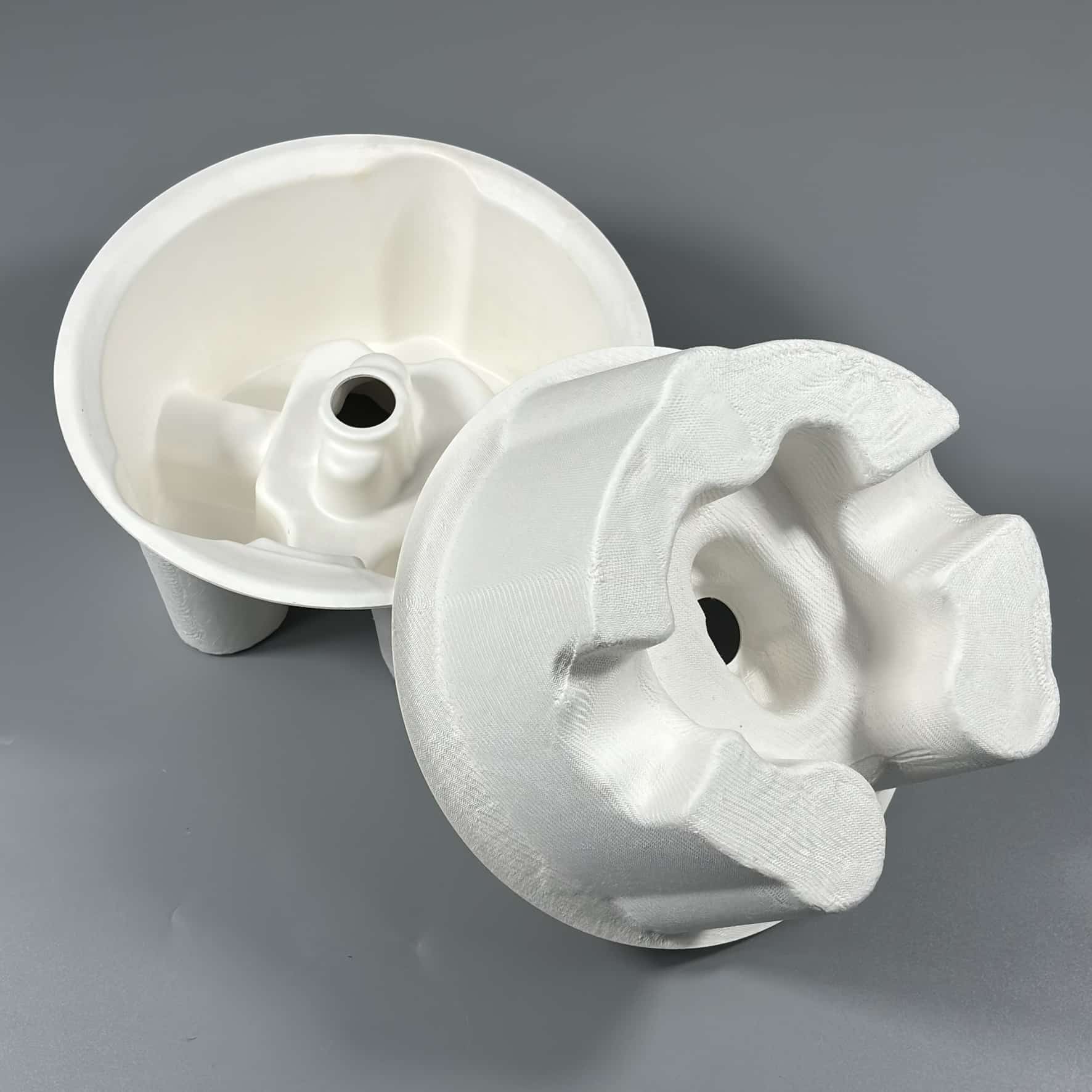
This tooling is engineered to apply uniform compression across every cavity, helping trays maintain shape, stiffness, and stack stability through shipping and handling.
Engineered Tooling for Production-Scale Pulp Packaging
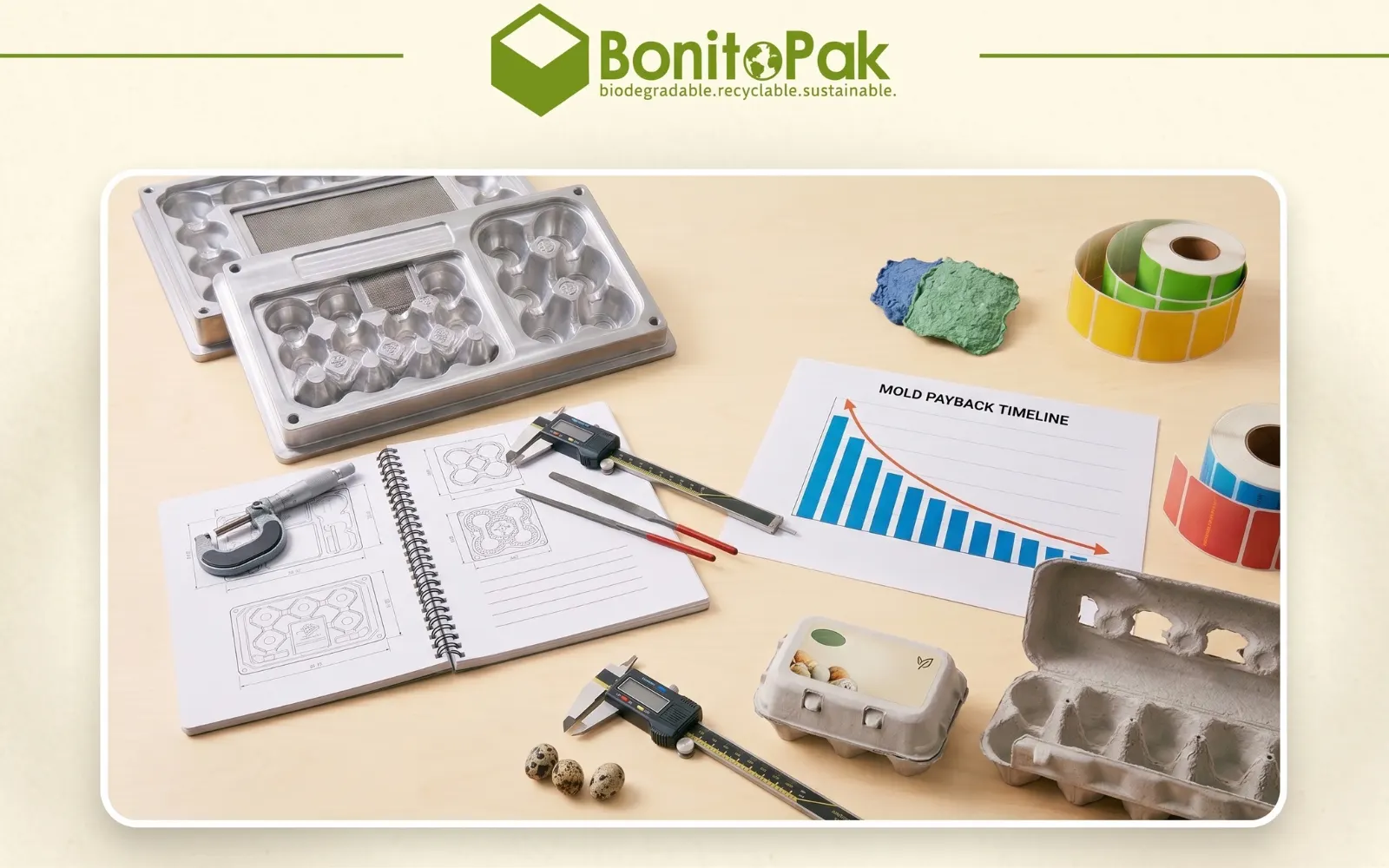
Cavity geometry is developed with fiber shrinkage, moisture release, and press cycle behavior in mind. Draft angles are tuned to allow release without tearing edges, while flange geometry controls stacking depth and carton fit.
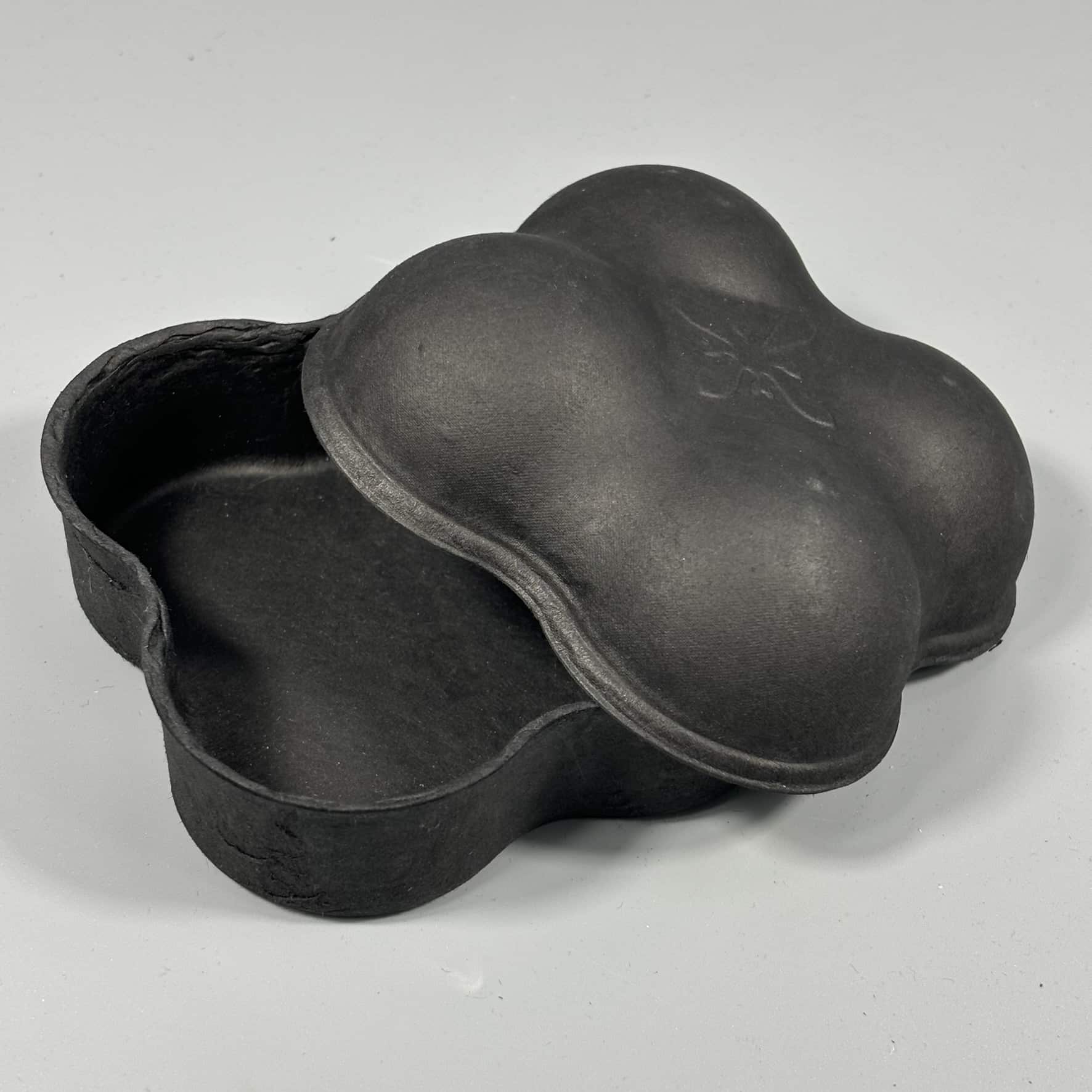
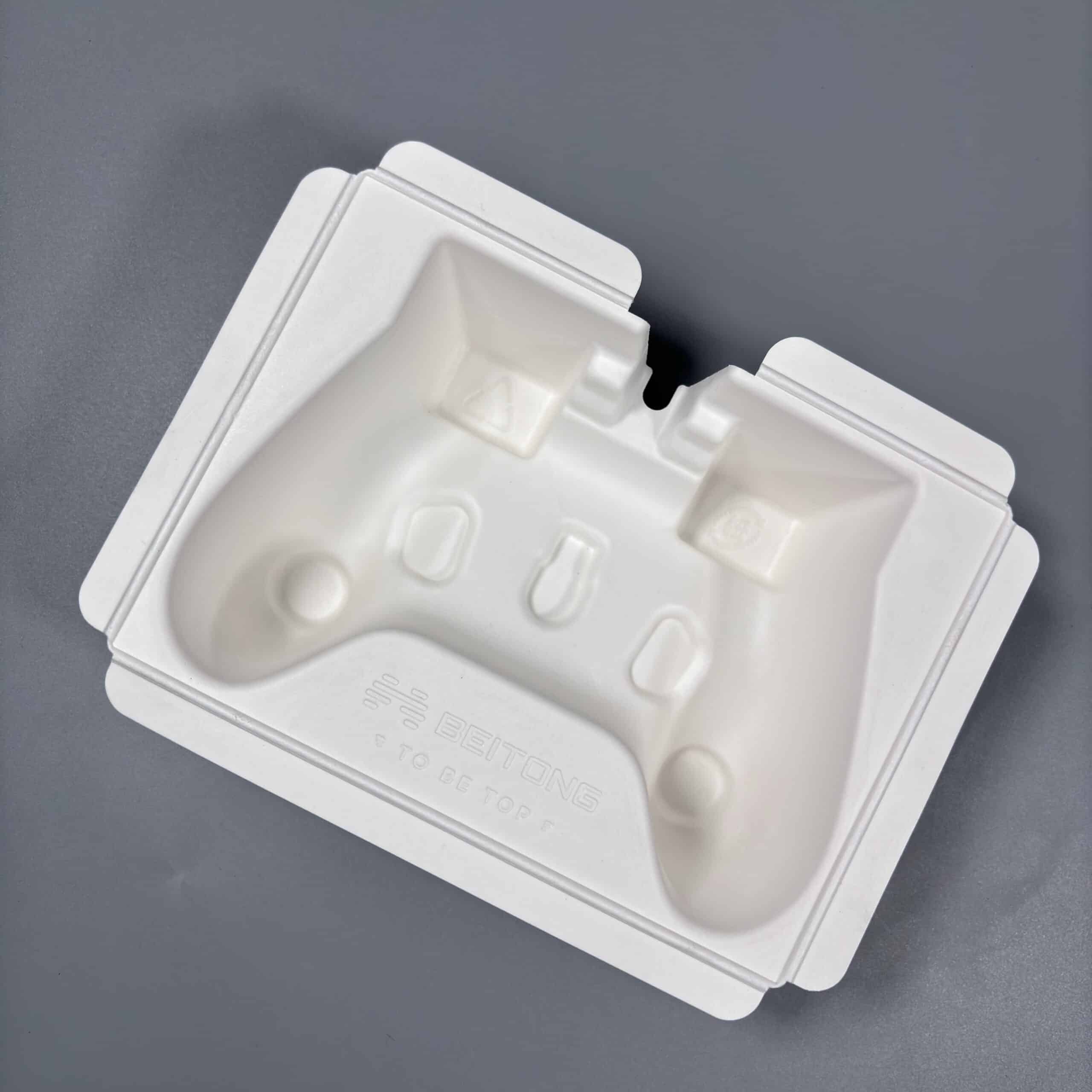
Tool designs are created using CAD-driven engineering, allowing cavity layouts to be adjusted for throughput, press size, and material behavior. Branding elements, when required, are integrated directly into the tooling through emboss or deboss features, avoiding secondary processes.
It is important to be transparent: even with high-quality tooling, hot press molded pulp has natural variation. Tooling performance must be evaluated alongside fiber consistency, press temperature, and cycle time to achieve stable output.
FAQs
What process is this tooling used for?
It is used for hot press or wet-press molded pulp tray production.
Why is CNC machining important for this tooling?
It ensures accurate cavity geometry, consistent depth, and reliable nesting across production runs.
Can cavity layouts be customized?
Yes. Cavity count, shape, and spacing are designed based on product size and packing requirements.
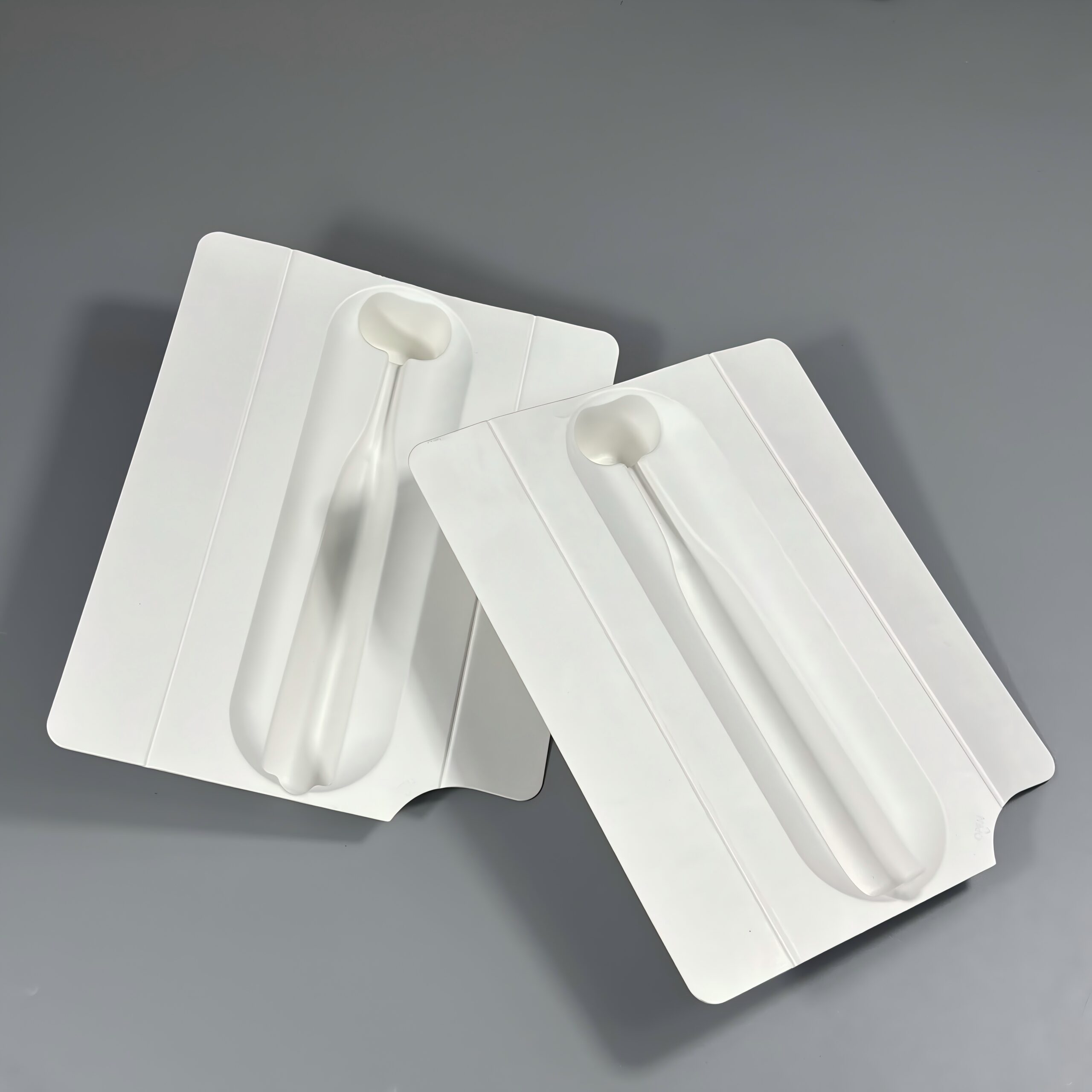
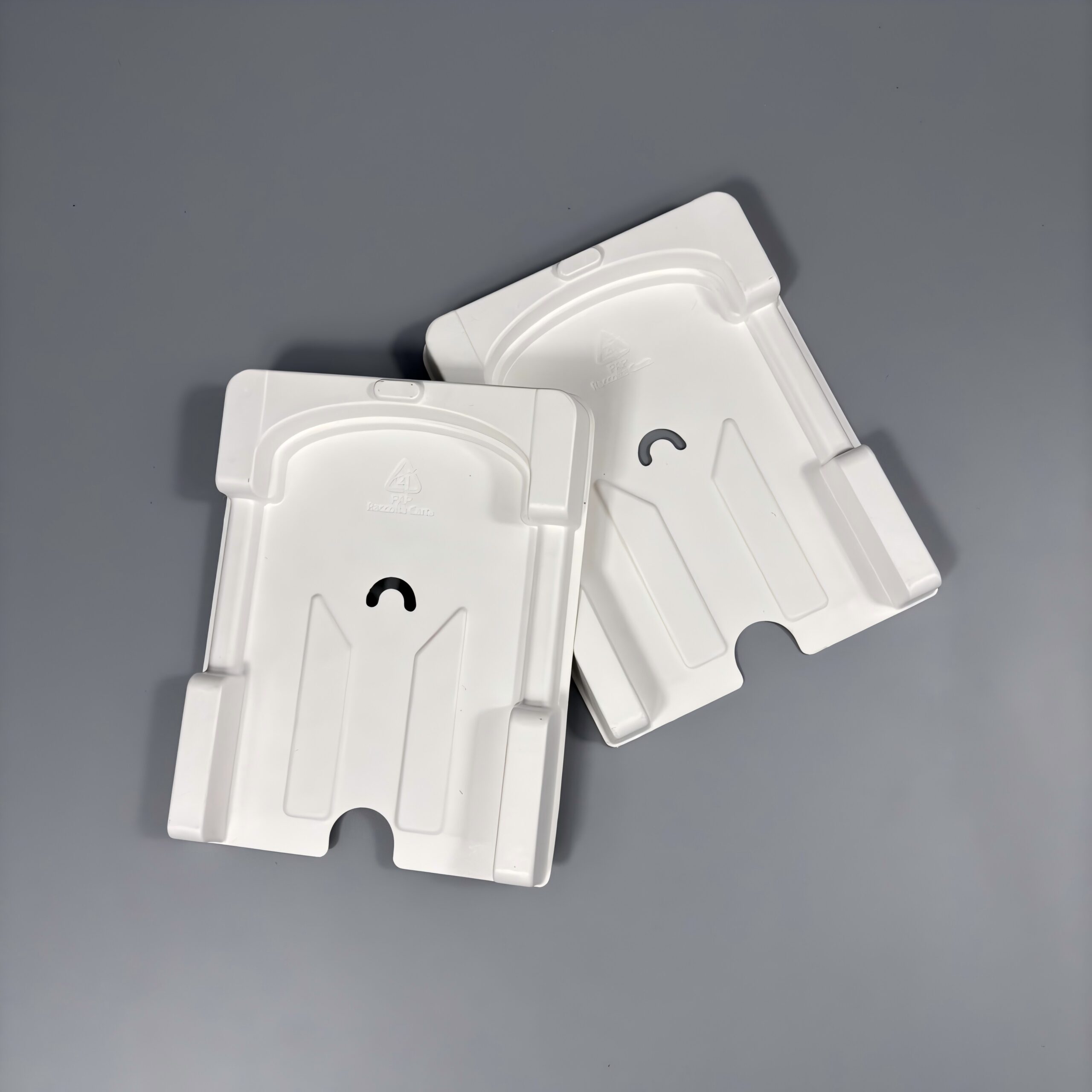
Is this tooling suitable for electronics packaging?
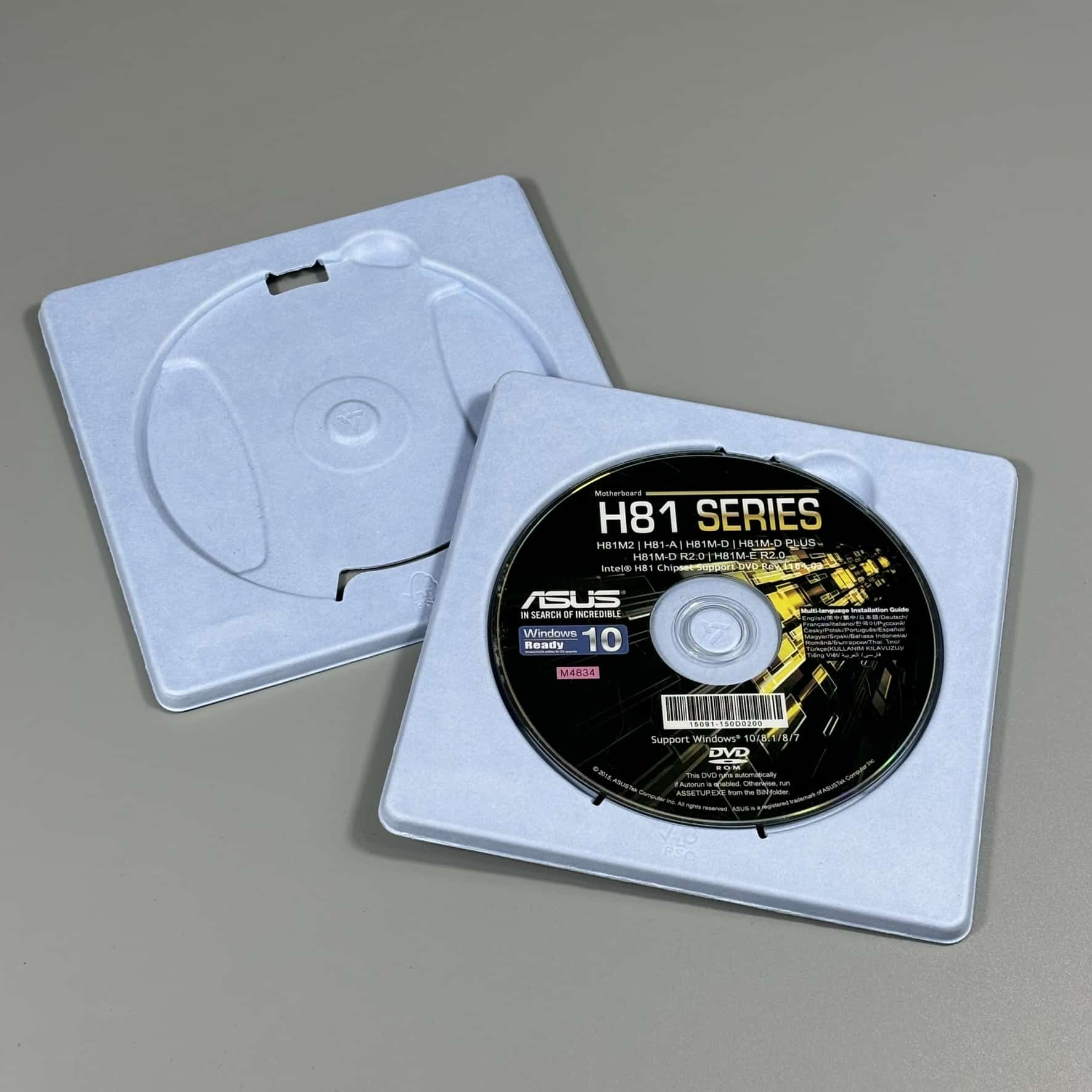
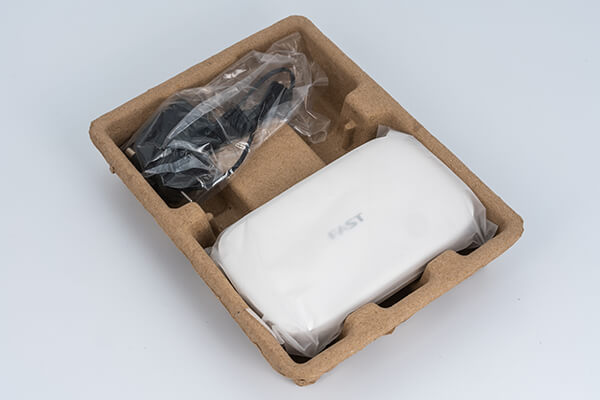
Yes, commonly for trays and inserts where shape control and repeatability are required.
What affects final tray quality most?
Tooling accuracy, fiber formulation, press temperature, and cycle control all interact.
Request Technical Review or Quotation
If you are planning molded pulp production and need hot press tooling engineered for real press conditions—not just nominal dimensions—request a technical review or quotation to confirm suitability for your equipment and output targets.
 Skip to content










 English
  German
  Spanish
  French
  Russian
  Japanese
  Portuguese
  Arabic