 Ir para o conteúdo

Are you looking for a high-quality BPM (Beater-Box Pulping Machine) commercial pulp board machine to elevate your paper production process? Whether you’re a paper manufacturer or someone new to the industry, selecting the right equipment can feel overwhelming. With so many options available, how can you ensure that you’re making the right investment?
This guide is designed to provide you with a clear understanding of BPM commercial pulp board machines, focusing on the key factors that matter most for your business—cost-efficiency, production speed, quality, and durability. If you’re struggling with decision fatigue or uncertain about which machine suits your needs, this article will guide you step-by-step.
Let’s dive into everything you need to know to make an informed decision and ensure your pulp production process runs smoothly.
1. Understanding BPM Commercial Pulp Board Machines
Before making a purchasing decision, it’s essential to understand what a BPM commercial pulp board machine is and how it fits into your production line. BPM machines are critical in the paper industry for converting raw wood or recycled paper into usable pulp, which is then formed into sheets and eventually processed into paper or board products.
What is a BPM Machine?
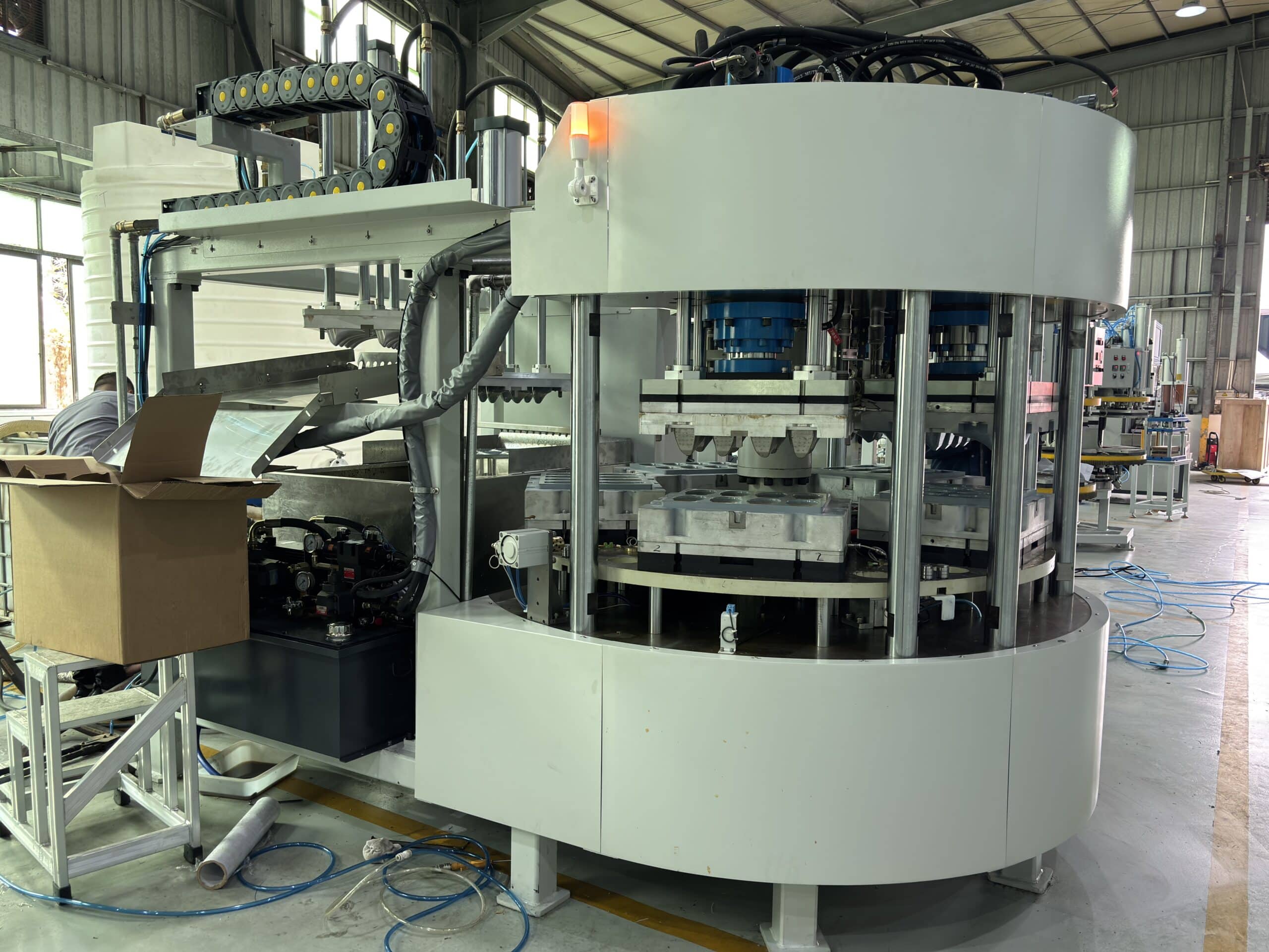
A BPM machine uses the beater-box process to prepare raw material (wood chips, recycled paper) into pulp. The pulp is then refined and processed into commercial-grade paperboard. These machines are popular for producing high-quality pulp that is later used in packaging, corrugated board, and other paper products.
Key Components of a BPM Machine:
- Beater Box: The core component that breaks down raw materials into pulp.
- Refining System: Ensures the pulp achieves the desired consistency and fiber quality.
- Stock Preparation: Prepares the pulp before it is used in the papermaking process.
- Discharge System: Moves the pulp to the next stage in production.
2. Why Quality Matters in a BPM Commercial Pulp Board Machine
When it comes to manufacturing pulp board, the quality of the machine is paramount. A high-quality BPM machine ensures that you produce consistent, durable, and smooth pulp, which directly impacts the quality of the final paperboard products. Poor-quality machines can lead to inefficient production, inconsistent pulp quality, and increased downtime, ultimately affecting your bottom line.
Higher Productivity:
A high-quality machine can increase the throughput of your production line, leading to faster output with fewer interruptions. This can significantly reduce your overall production costs.
Durabilidade:
Investing in a high-quality machine means fewer breakdowns and maintenance issues. The more durable the machine, the less downtime your factory experiences, making your operation more efficient.
Consistency in Pulp Quality:
High-quality machines consistently produce pulp with the same characteristics, such as fiber length, consistency, and texture. This results in better paperboard that meets industry standards.
3. Key Features to Look for in a High-Quality BPM Commercial Pulp Board Machine
When selecting the best BPM commercial pulp board machine, focus on the following key features that directly influence your production outcomes.
Capacity and Speed:
High-capacity BPM machines can handle large quantities of raw materials at faster speeds without sacrificing quality. Make sure the machine you choose can meet your production volume requirements.
Eficiência energética:
Energy costs are one of the highest operational costs for paper mills. Look for BPM machines with energy-efficient systems that help reduce power consumption without compromising on output quality.
Automation Features:
Advanced automation systems can streamline the process, allowing for smoother operations and reduced human error. Machines that offer automatic feeding, pulp consistency control, and automated monitoring systems are invaluable.
Maintenance and Support:
Reliable machines are designed for easy maintenance, minimizing downtime and maximizing productivity. Ensure the BPM machine you choose has readily available support and service from the manufacturer or local agents.
Environmental Impact:
Sustainability is becoming increasingly important. A high-quality BPM machine should offer features that reduce waste and water usage, making your operations more eco-friendly and in compliance with industry regulations.
4. Step-by-Step Guide to Choosing the Right BPM Machine for Your Business
Now that you understand the key components and features of a BPM machine, it’s time to find the right one for your specific needs. Follow this step-by-step guide to make an informed decision.
Step 1: Assess Your Production Needs
Determine your production volume: Estimate how much pulp you need to produce and whether your current machine can meet this demand.
Consider the type of pulp board you require: Different machines are suited for producing different types of pulp, such as kraft board or greyboard. Ensure the machine you select aligns with your needs.
Step 2: Evaluate the Features
Check for energy efficiency: Analyze the power consumption and compare it with similar models.
Inspect automation features: If your factory can benefit from automation, select a model with these features to reduce labor costs and improve precision.
Step 3: Compare Manufacturers
Look for established BPM machine manufacturers with a reputation for quality. Research customer reviews and case studies to get a sense of their product reliability and service quality.
Step 4: Budget Considerations
Don’t just look at the upfront cost of the BPM machine. Consider long-term costs such as maintenance, energy consumption, and spare parts.
5. Troubleshooting Common Issues in BPM Machines
Even the best machines can sometimes experience problems. Here are some common issues and troubleshooting tips for BPM commercial pulp board machines.
Problem: Pulp Quality is Inconsistent
Solution: Ensure that the beater-box settings are calibrated correctly. Check the consistency of the raw material and adjust the refining process accordingly.
Problem: Overheating or Excessive Wear
Solution: Regularly check the lubrication system and cooling mechanisms to prevent overheating. Also, inspect wear-resistant components for degradation.
Problem: Production Slowdown
Solution: Investigate the automation system for errors or malfunctions. Ensure all feedstock materials are being processed at the correct rate.
6. Advanced Strategies for Optimizing Your BPM Machine’s Performance
Once you’ve installed your BPM machine and started production, consider these advanced strategies to take your operations to the next level:
Upgrading the Refining System:
Invest in higher-quality refining units that further enhance the pulp’s consistency and smoothness. This can improve the overall quality of your board products.
Automated Monitoring:
Implement automated systems to continuously monitor pulp quality, machine performance, and energy consumption. This will allow for quicker adjustments and minimal human intervention.
Predictive Maintenance:
Leverage IoT-enabled sensors to predict when parts are likely to fail, allowing you to replace them before a breakdown occurs.
FAQ Section
Q1: What is the average lifespan of a BPM commercial pulp board machine?
The lifespan of a BPM machine typically ranges between 10-15 years, depending on usage, maintenance, and operating conditions.
Q2: How can I reduce energy consumption with my BPM machine?
Choose a machine with an energy-efficient motor, optimize production speeds, and maintain the system properly to ensure minimal energy wastage.
Q3: Can I retrofit my old BPM machine with automation features?
In many cases, older machines can be retrofitted with modern automation systems to improve efficiency and reduce labor costs. Consult with your machine manufacturer for specific upgrade options.
Conclusion and Next Steps
Escolhendo o caminho certo BPM commercial pulp board machine for your business is a critical decision that impacts the quality, efficiency, and cost-effectiveness of your operations. By understanding the features that matter most and following a structured approach to selection, you can make a confident investment that drives long-term success.




 Portuguese
  English
  German
  Spanish
  French
  Russian
  Japanese
  Arabic