لب الورق المعاد تدويره

Recycled paper pulp is the most used molded pulp material in the world, and egg packaging is the reason. Made from 100% post-consumer recovered paper, its fibers have already been through several use cycles, which leaves them short at 0.8 to 1.5 mm. Short fiber is usually described as a weakness. In molded pulp it is an advantage: it flows into mold detail, drains predictably on the forming screen, and produces the most dimensionally consistent parts at the lowest cost in the range.

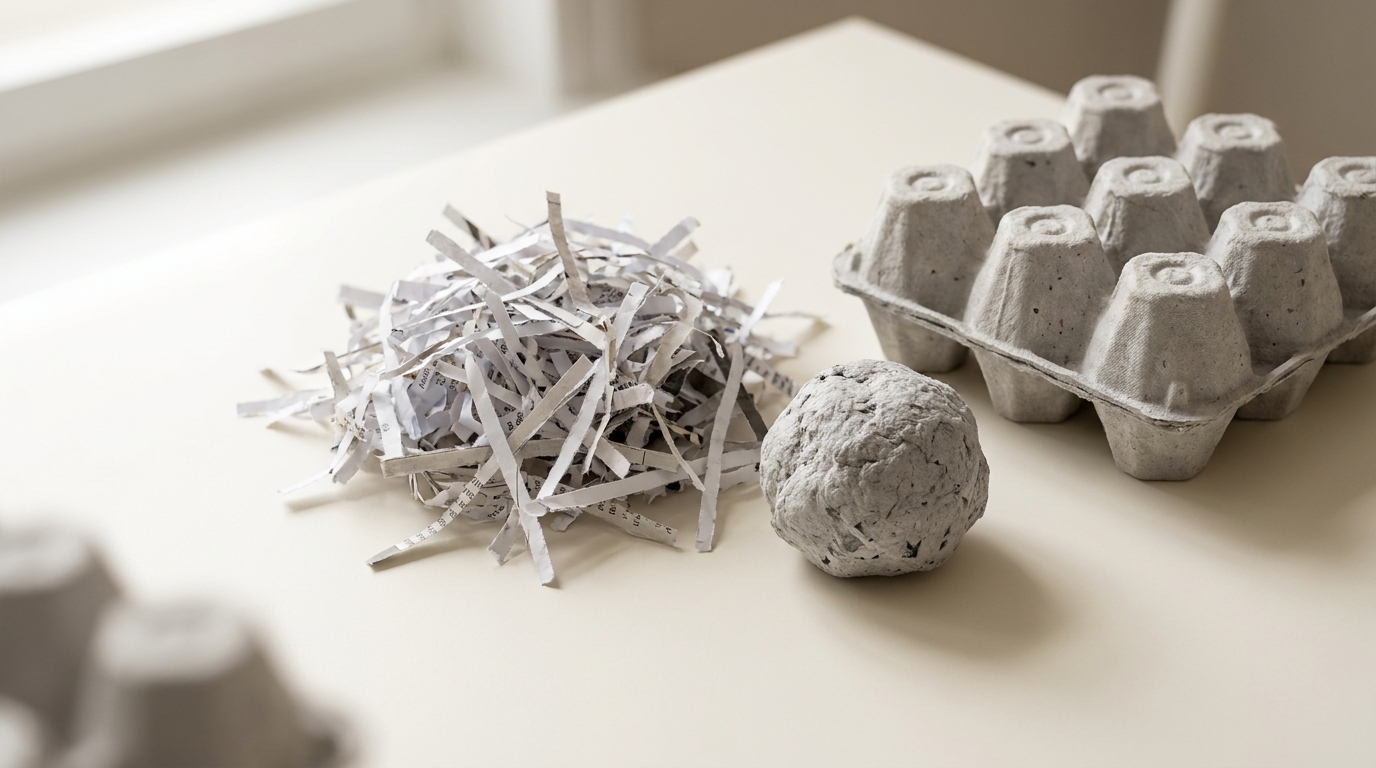
Why short fiber is the right answer more often than buyers expect

  • Flows into detail. Short fibers conform to ribs, cones, and fine features that long fibers bridge over. For parts with intricate internal geometry, this beats raw strength.
  • Drains predictably. Consistent drainage on the forming screen is what dimensional consistency actually depends on, and it is why egg cartons from this material fit grading equipment run after run.
  • Lowest cost in the range. Recovered paper is collected at scale and priced as a commodity. No other input competes on cost.
  • The strongest circularity claim available. 100% post-consumer content is the clearest recycled-content statement a packaging buyer can report.
  • Extends fiber life. Molded pulp is often the last useful application for fibers too short for paper machines. The material does real work at the end of the chain rather than diverting fiber from better uses.
  • Proven at enormous scale. This is the oldest continuously produced molded pulp material, with over a century of production behind the process.

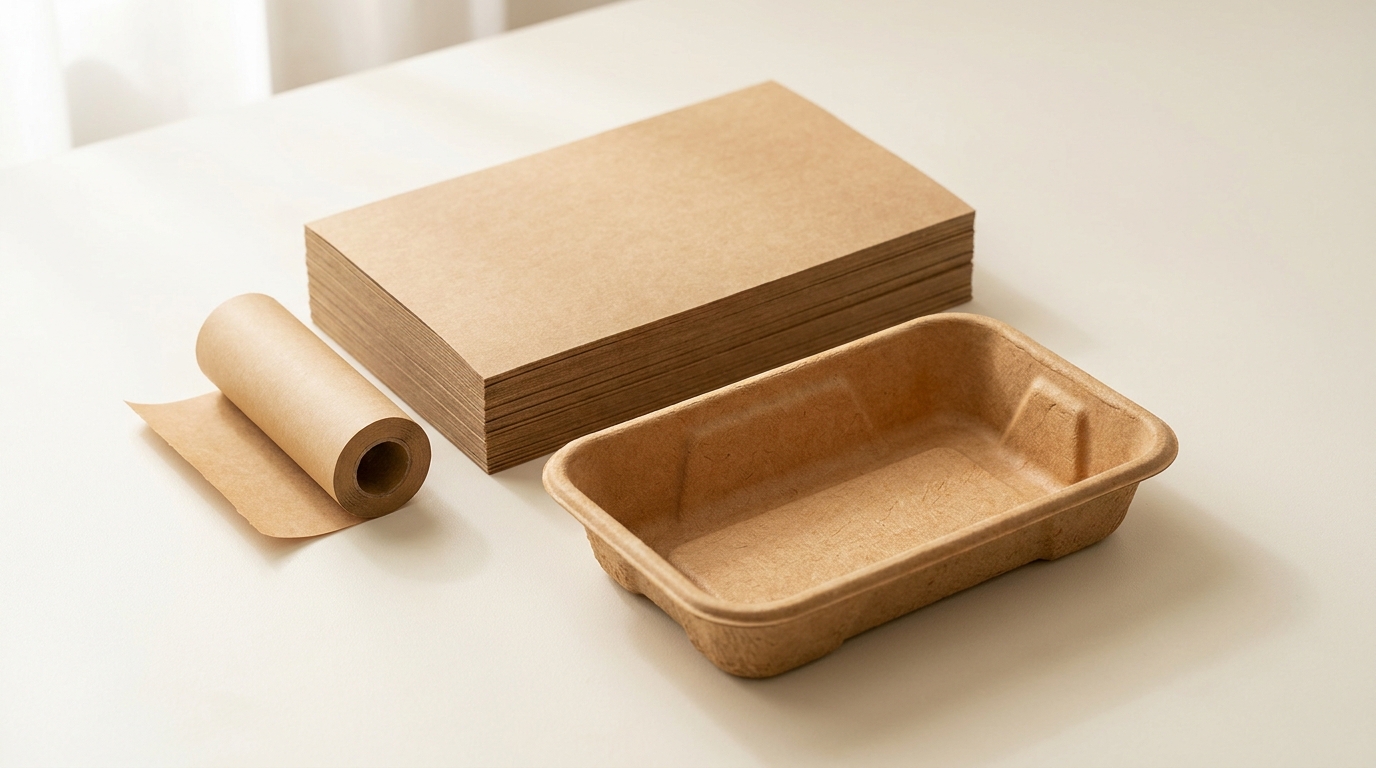
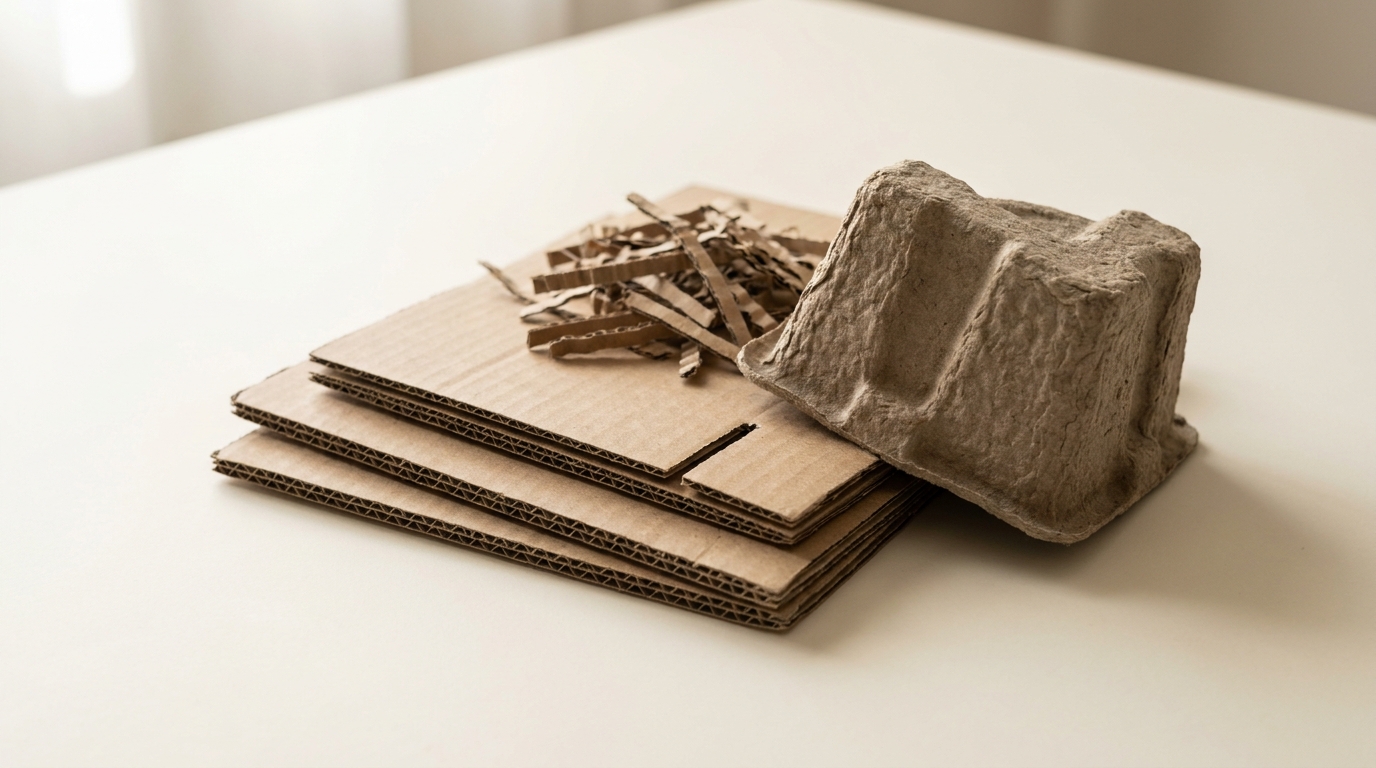
The characteristic gray-brown color comes from mixed recovered stock rather than from any pigment, and it varies with the incoming waste stream. For the applications this material suits, that variation is irrelevant. For anything appearance-critical, it is the reason to choose a different base.

The honest limitation is strength. Each repulping cycle shortens fibers and reduces bonding, so recycled pulp sits at the lower end of the strength range. Parts compensate through geometry rather than through fiber: ribs, cones, and curves carry load that a flat wall cannot, which is why a well-designed recycled part outperforms a poorly designed virgin one.

Specification table

المواصفات التفاصيل
اسم المادة لب الورق المعاد تدويره
نوع المادة 100% post-consumer recovered paper
مصدر الألياف Mixed recovered paper and newsprint
Average Fiber Length 0.8 to 1.5 mm
Recycled Content 100% post-consumer
Natural Color Gray-brown, varies with input stream
تشطيب السطح Fine texture, good detail reproduction
Relative Strength Medium; lowest in the BonitoPak range
Dimensional Consistency عالية
Typical Wall Thickness 1.0 to 4.0 mm
توافق العملية Wet pressing, dry pressing, transfer molding
أنواع اللب المقولب Type 1, Type 2, Type 4
قابلية التسميد Meets the chemistry basis for EN 13432 and ASTM D6400 uncoated
قابلية إعادة التدوير Varies by municipality; fibers near end of life
Food Contact Not recommended for direct contact; standard for egg packaging
خيارات الألوان Natural; takes dark pigment well, pale tints least predictably
Relative Cost الأدنى

Where recycled paper pulp dominates

Egg packaging. Cartons and trays are the single largest molded pulp application worldwide and this is the material behind almost all of it. Detail reproduction, dimensional consistency, moisture regulation, and cost all align with what egg packaging needs. See علب البيض المصنوعة من اللب المقولب و molded pulp egg trays.

High volume protective inserts. Where a part ships in millions and is discarded at receiving, cost per unit governs and this material wins on it.

Parts with complex internal geometry. Counterintuitively, the cheapest fiber reproduces intricate features best, because short fibers conform where long ones bridge.

Buyers reporting post-consumer recycled content. A 100% PCR claim is simple to substantiate and increasingly appears as a procurement requirement rather than a preference.

Where recycled pulp is the wrong call: direct food contact, which needs اللب المبيض; load-critical structural parts, which need ورق كرافت قابل للتحويل إلى سماد; and anything needing a pale or precisely reproduced color, which needs اللب المبيض as a base. For color work generally, see لب ملون.

The nearest alternative is الورق المموج, which draws from recovered board specifically rather than mixed paper. OCC gives more strength and a browner tone; mixed recycled gives finer detail.

الأسئلة الشائعة (FAQs)

Why is recycled paper pulp used for egg cartons rather than a stronger fiber?
Because egg packaging needs detail reproduction and dimensional consistency more than tensile strength, and short fibers deliver both. The load in a stacked carton travels through the cone structure between cells rather than through the wall material, so geometry carries the performance. Using a stronger fiber would add cost without improving the thing that actually matters.
Q: Can molded pulp made from recycled paper be recycled again? A: It depends on your municipality rather than on the product. The fibers have been through several cycles already and are near the end of their usable length for repulping, so some paper streams accept them and others direct them to compost. Composting works reliably in all cases, since the material is untreated cellulose with no coating or adhesive.
Yes, and the difference matters for reporting. Post-consumer means the paper reached an end user and was recovered after use. Recycled content can also include pre-consumer or post-industrial material such as mill trim, which never reached a customer. Post-consumer is the stronger claim, which is why we state it specifically.
Yes, with the incoming waste stream, which shifts seasonally and regionally. For protective and egg packaging applications this is normal and nobody specifies against it. For a part where appearance is specified, we either pigment to a shade dark enough to cover the variation or recommend a paler base material.
For secondary packaging where a sealed product sits inside, it is used routinely. For direct food contact, most markets restrict it because recovered fiber carries whatever was in the original paper, including inks and adhesives. Eggs are the common exception, since the shell is the contact surface and the carton is treated as secondary packaging in most jurisdictions.
اسم المادة

لب الورق المعاد تدويره

نوع المادة

المواد المعاد تدويرها

توافق العملية

مواد تغليف بونيتوباك بونيتوباك

تُصنع حلول التعبئة والتغليف لدينا من مواد مستدامة مثل ألياف قصب السكر والخيزران ولب الورق المعاد تدويره، مما يوفر خيارات صديقة للبيئة وقابلة للتحلل لمجموعة كبيرة من المنتجات.

ورق الكرافت القابل للتحلل هو أقوى أنواع الألياف التي نصنعها. وهو مصنوع من ألياف خام

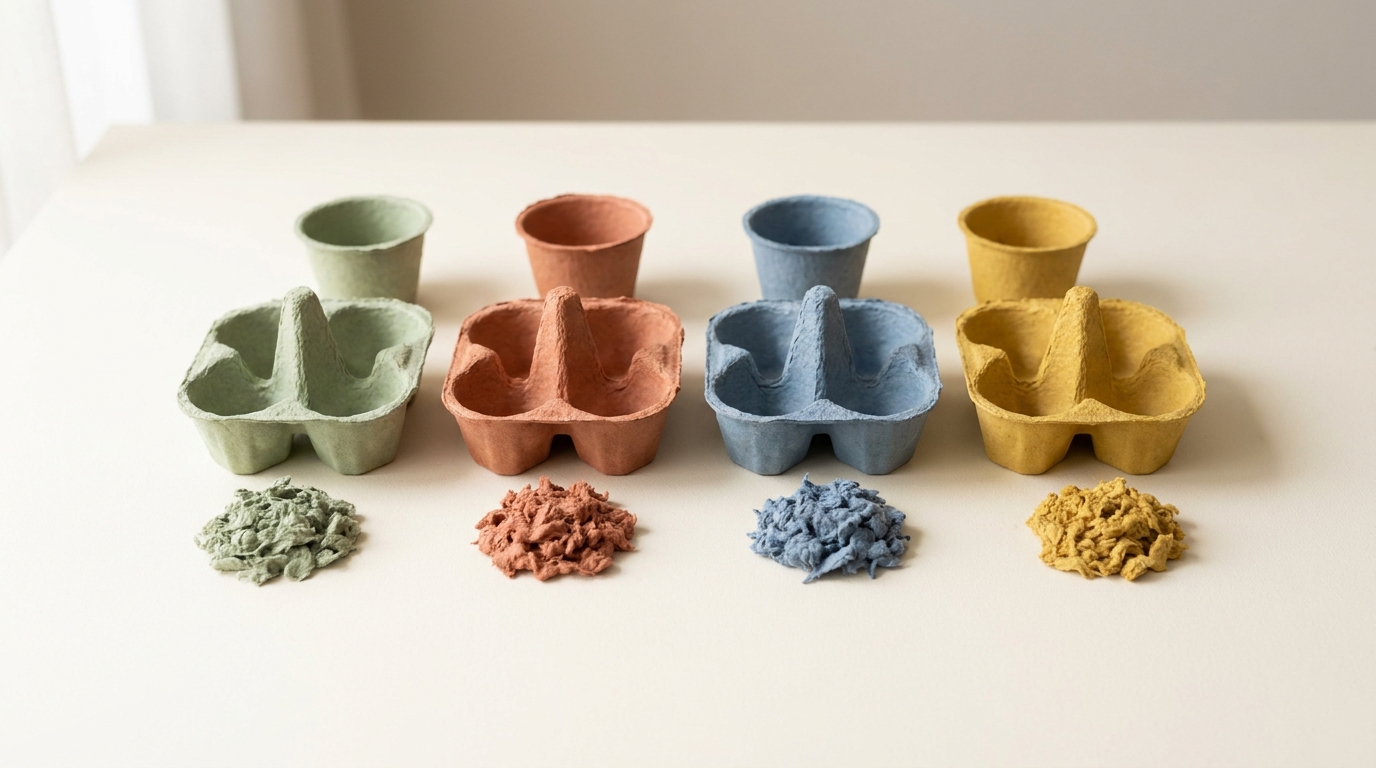
اللب الملون ليس أليافًا منفصلة. إنه أي من منتجاتنا

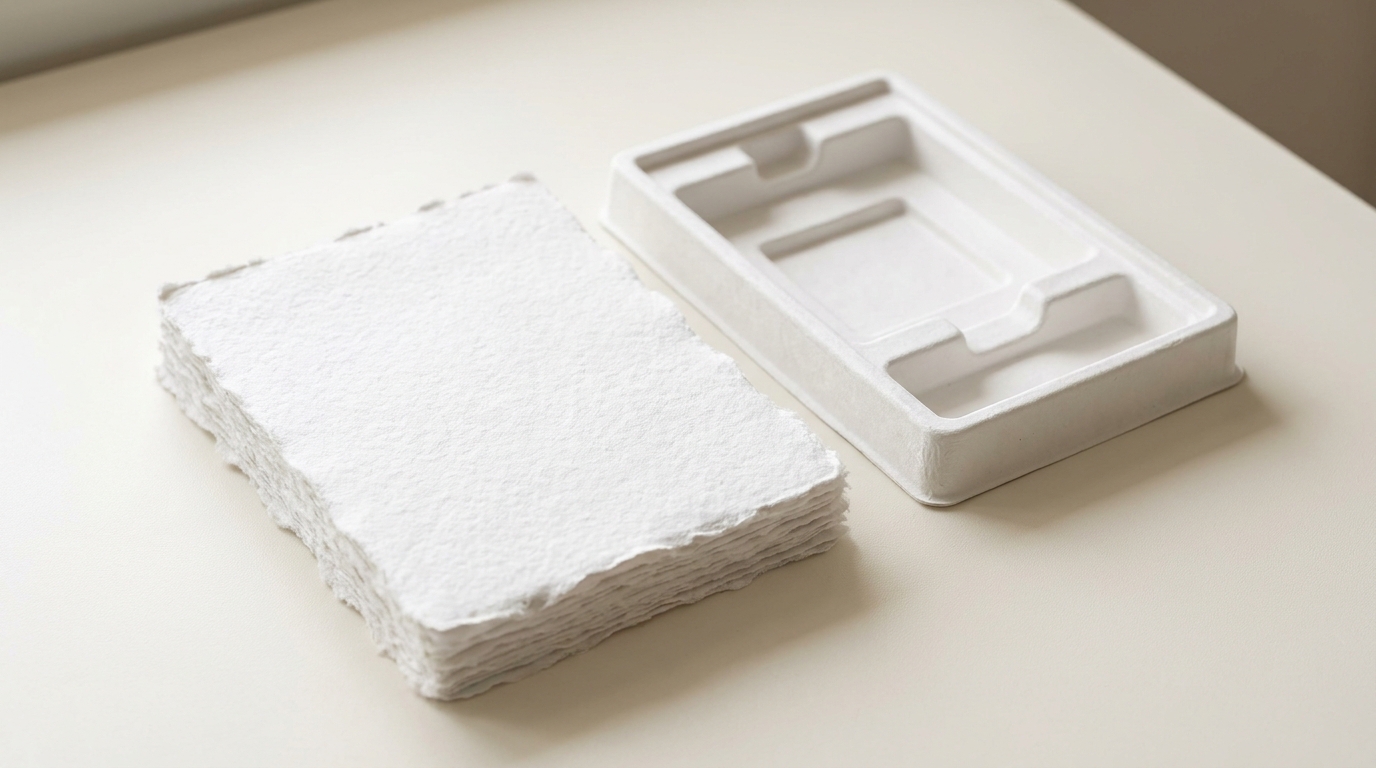
يجب تحديد «اللب المبيض» كمواد عند الحاجة إلى أن يكون الجزء

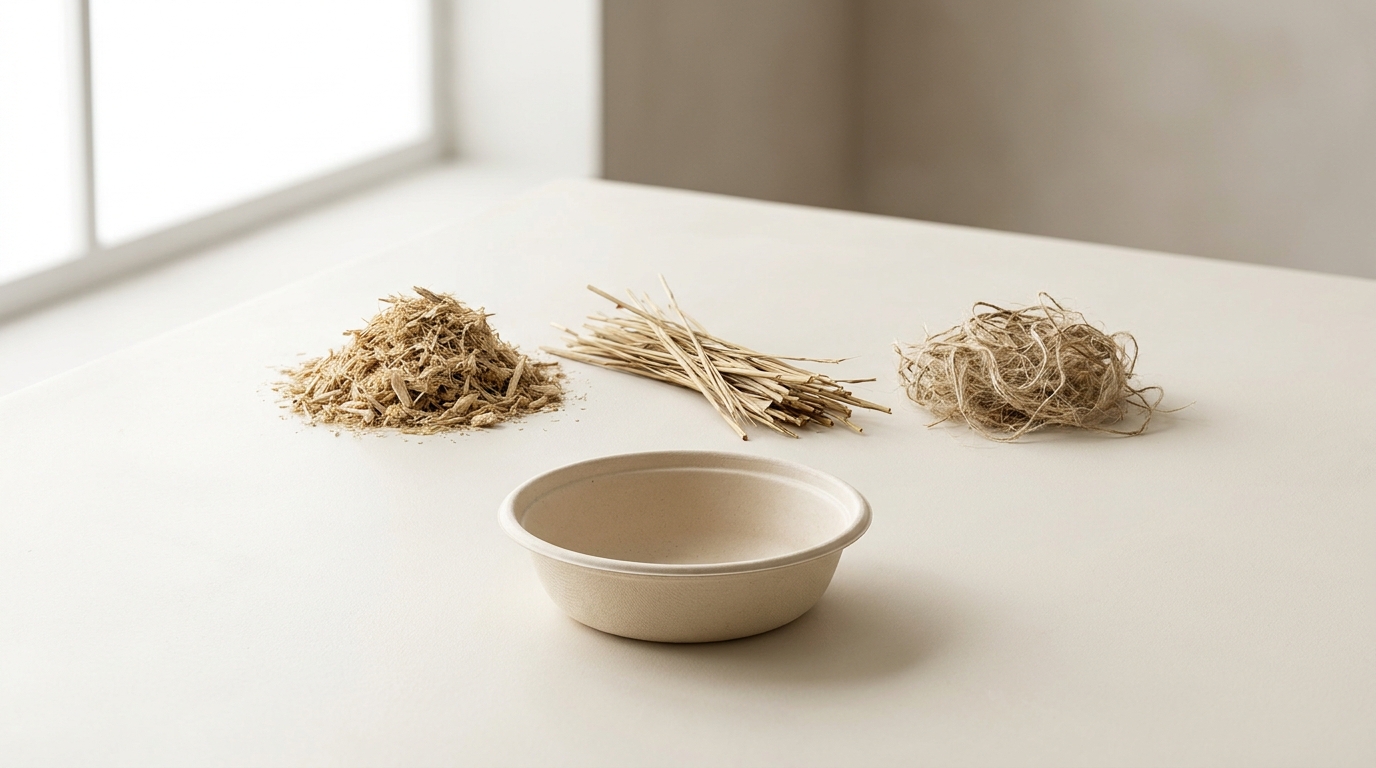
تشمل الألياف النباتية الطبيعية مصادر السليلوز غير الخشبية التي نمزجها خارج

الورق المموج، باعتباره مادة من اللب المقولب، يعني صناديق الكرتون المسترجعة التي أعيد تحويلها إلى لب

تُصنع ألياف القش من السيقان المتبقية بعد حصاد الحبوب، وهي مادة

فئات منتجاتنا

اكتشف مجموعة بونيتوباك المتنوعة من حلول التعبئة والتغليف، بما في ذلك صواني اللب المقولبة، وتغليف المواد الغذائية، والتصميمات المخصصة، والخيارات المستدامة. صُممت كل فئة من هذه الفئات من أجل المتانة والأداء الوظيفي والمسؤولية البيئية، وهي مصممة خصيصًا لتلبية احتياجاتك الخاصة.
هل أنت مستعد للارتقاء بمشروعك؟

اجعل تصميماتك تنبض بالحياة مع BonitoPak

اختبر الهندسة الدقيقة مع BonitoPak. من النماذج الأولية التفصيلية إلى الإنتاج بكميات كبيرة، نحن هنا لتحويل مفاهيمك إلى واقع ملموس. اتصل بنا اليوم لمناقشة احتياجات مشروعك!

مقالات ورؤى ذات صلة

ابق على اطلاع بآخر التحديثات حول اتجاهات التغليف المستدام ورؤى الصناعة ونصائح الخبراء من خلال مدونتنا. استكشف الأفكار والحلول المبتكرة لتعزيز معرفتك بالتعبئة والتغليف.

بقلم ليو تشان | مؤسس شركة BonitoPak | أكثر من 20 عامًا من الخبرة في تصنيع اللب المقولب آخر تحديث:

بقلم ليو تشان | مؤسس شركة BonitoPak | أكثر من 20 عامًا من الخبرة في تصنيع اللب المقولب آخر تحديث:

بقلم ليو تشان | مؤسس شركة BonitoPak | أكثر من 20 عامًا من الخبرة في تصنيع اللب المقولب آخر تحديث:

املأ هذا النموذج المفصل