الصفحة الرئيسية " الخدمات " Molded Pulp Egg Cartons
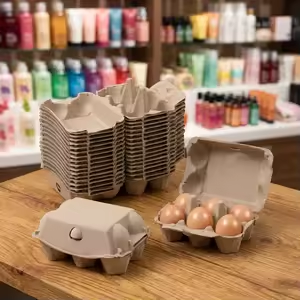
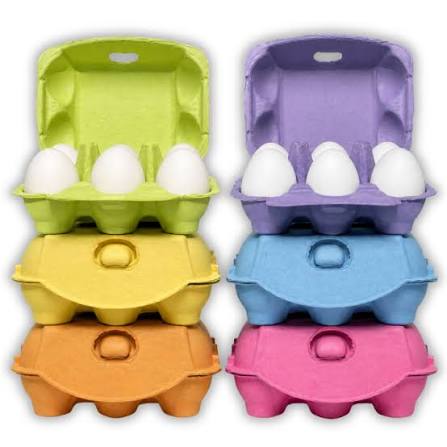
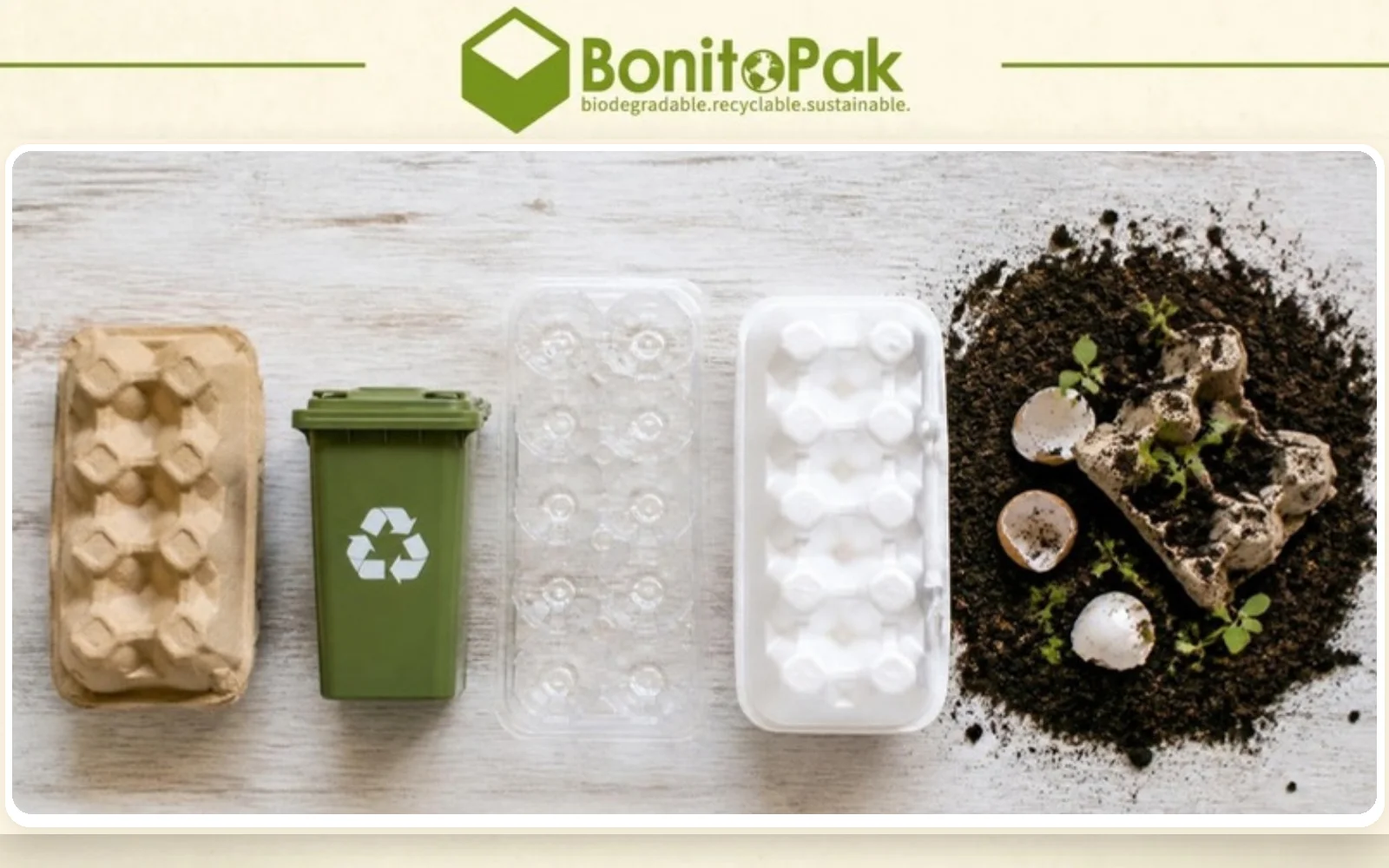
Every egg you sell arrives in something. Our molded pulp egg cartons are formed from 100% recycled paper fiber into cartons that protect the eggs, carry your brand, and break down in a home compost pile when the customer is finished with them. No plastic, no foam, no coating.
Here is what the range gives you:
المادة :
المادة :
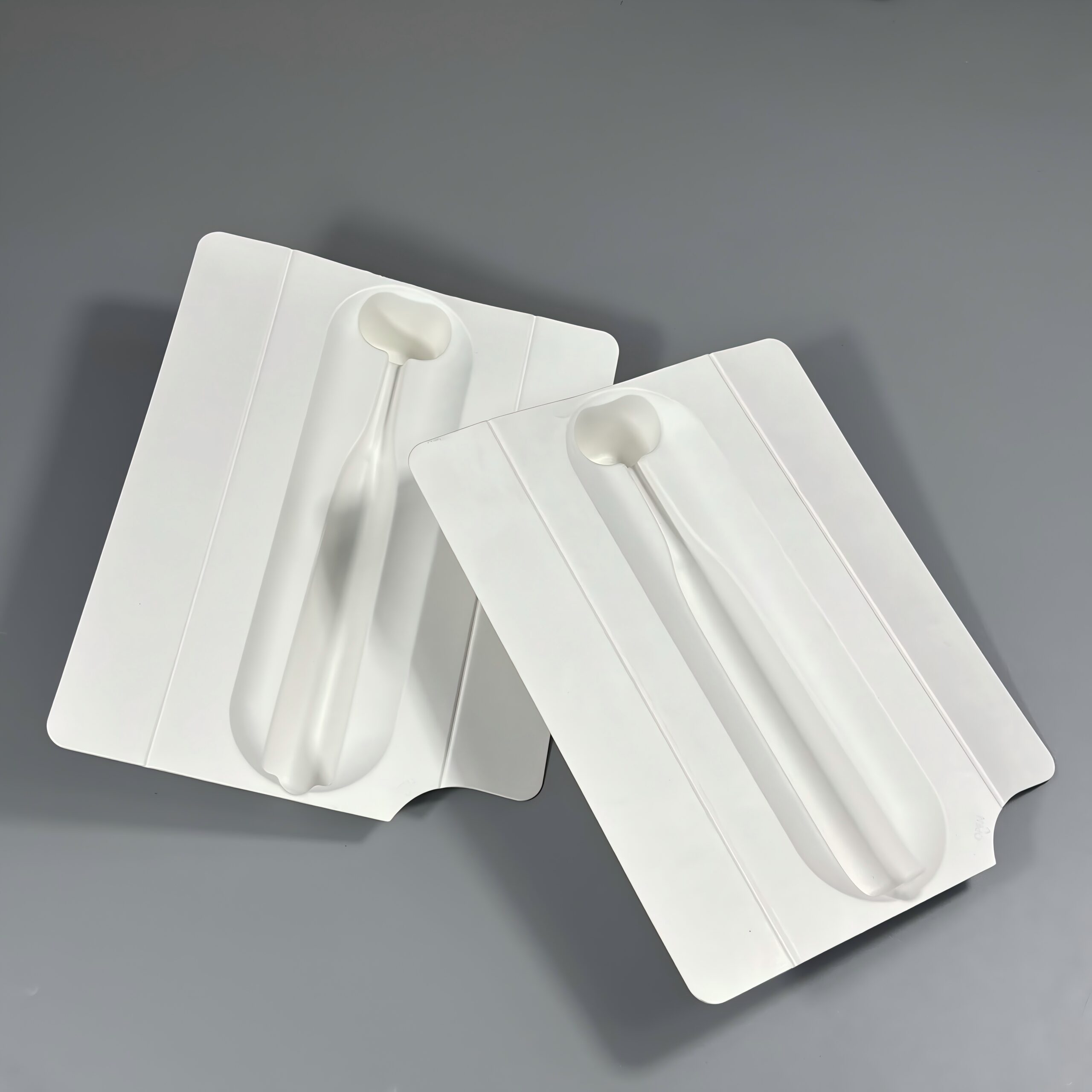
تستخدم عملية الكبس الرطب مواد قابلة للتحلل الحيوي مثل تفل قصب القصب والخيزران والورق المعاد تدويره، مما يوفر لمسات نهائية ناعمة وحماية وتوسيداً وتغليفاً موفراً للمساحة وصديقاً للبيئة.
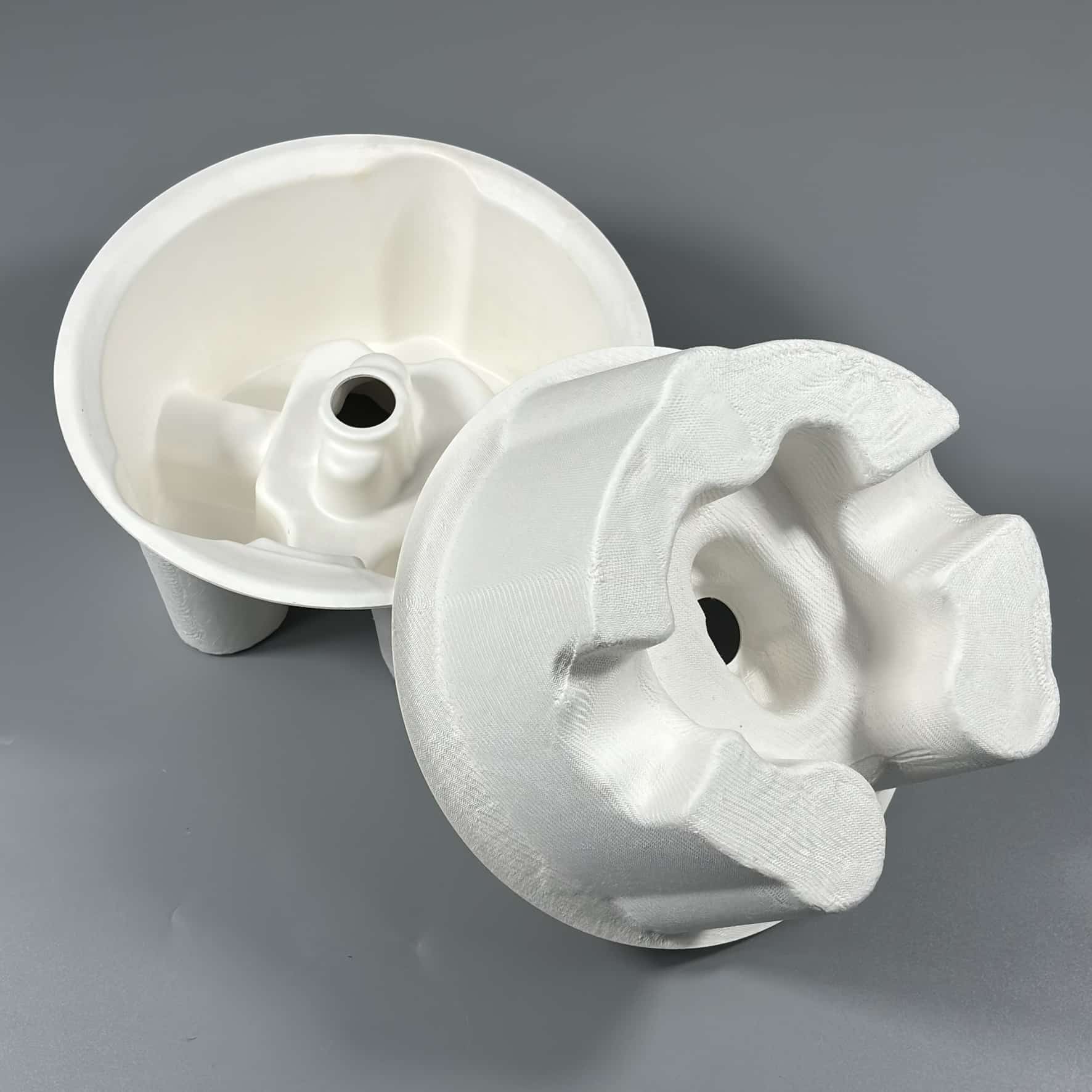
تحل منتجات اللب المقولب محل البلاستيك والرغوة، مما يوفر خيارات قابلة لإعادة التدوير وقابلة للتحلل الحيوي. تتوفر الأشكال والألوان والأسطح الصديقة للبيئة حسب الطلب. نحن نوفر عبوات مستدامة وبأسعار معقولة من خلال النماذج الأولية والتصنيع الداخلي.
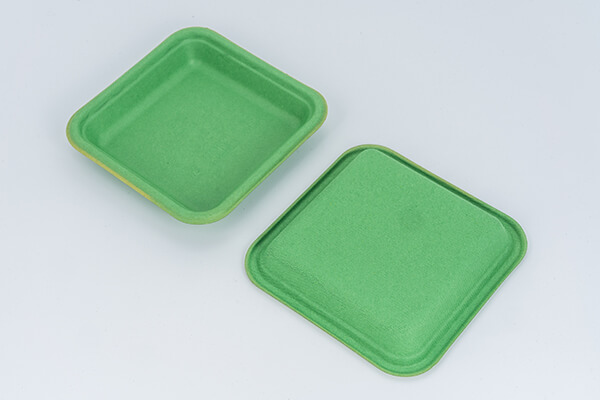
أدوات مائدتنا المصنوعة من الألياف النباتية المصنوعة من تفل قصب الباجاس والقش والخيزران قابلة للتحلل الحيوي وقابلة للتسميد ومقاومة للماء ومقاومة للزيت وآمنة للاستخدام في الميكروويف. معتمدة وقابلة لإعادة التدوير وقابلة للتكديس للاستخدام الصديق للبيئة.
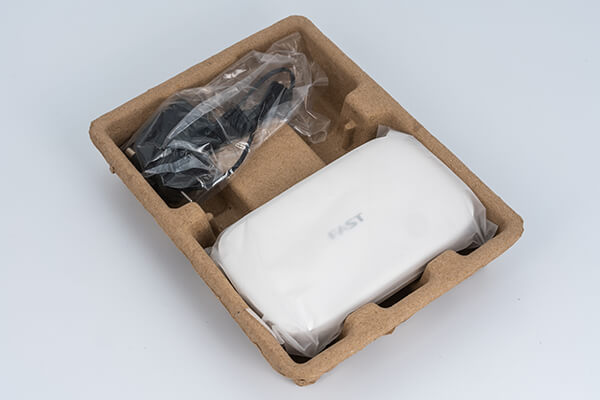
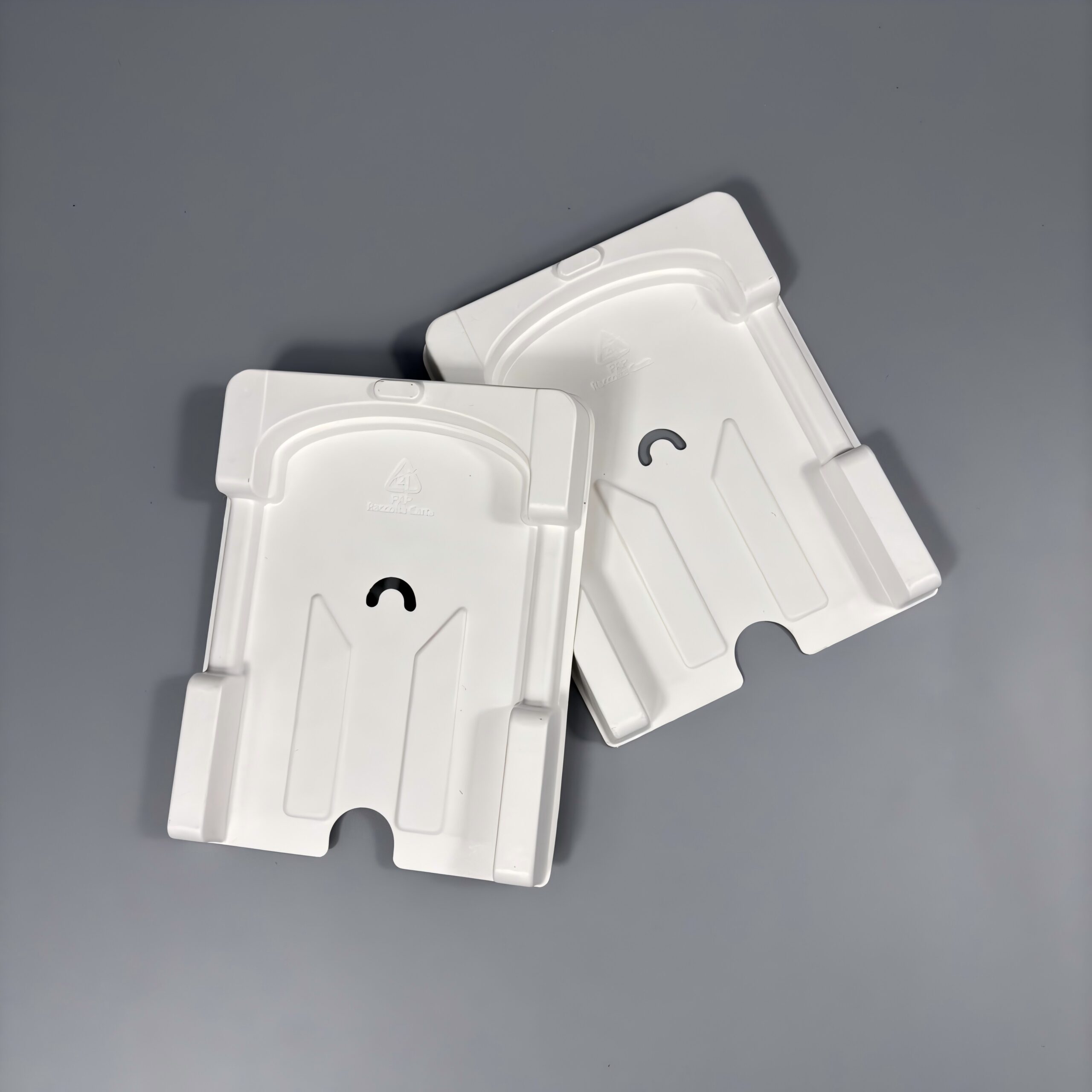
توفر صواني لب الورق الجاف المضغوط الجاف، المصنوعة من مواد معاد تدويرها 100%، بديلاً صديقًا للبيئة وفعالاً من حيث التكلفة للبلاستيك. فهي توفر توسيدًا ومقاومة لدرجات الحرارة وقابلية للتكديس وتوفر مساحة تصل إلى 20%.
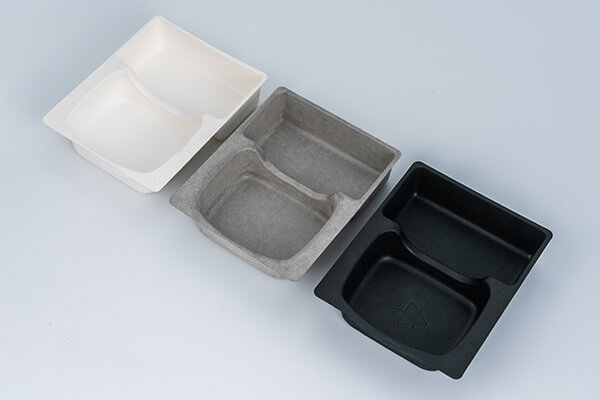
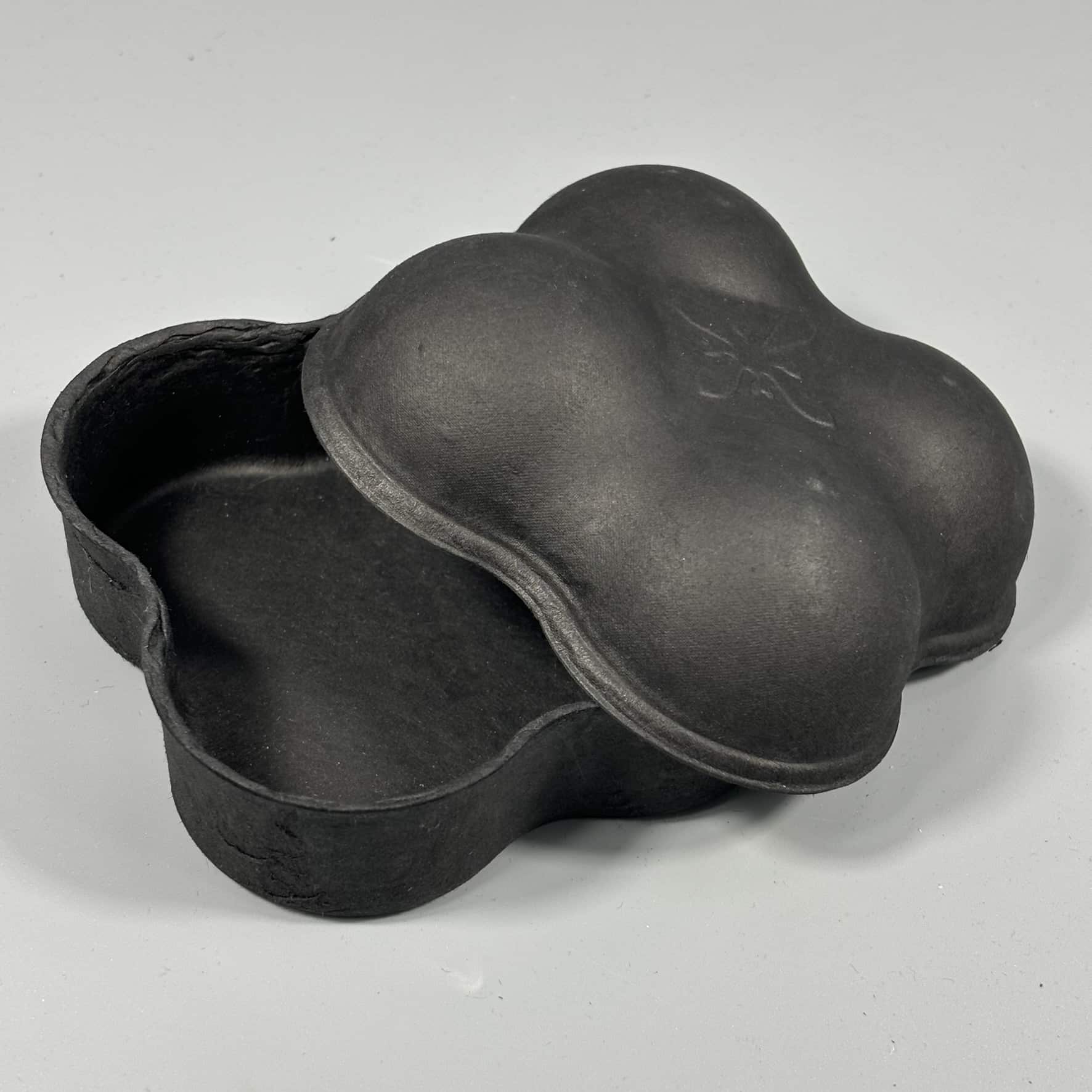
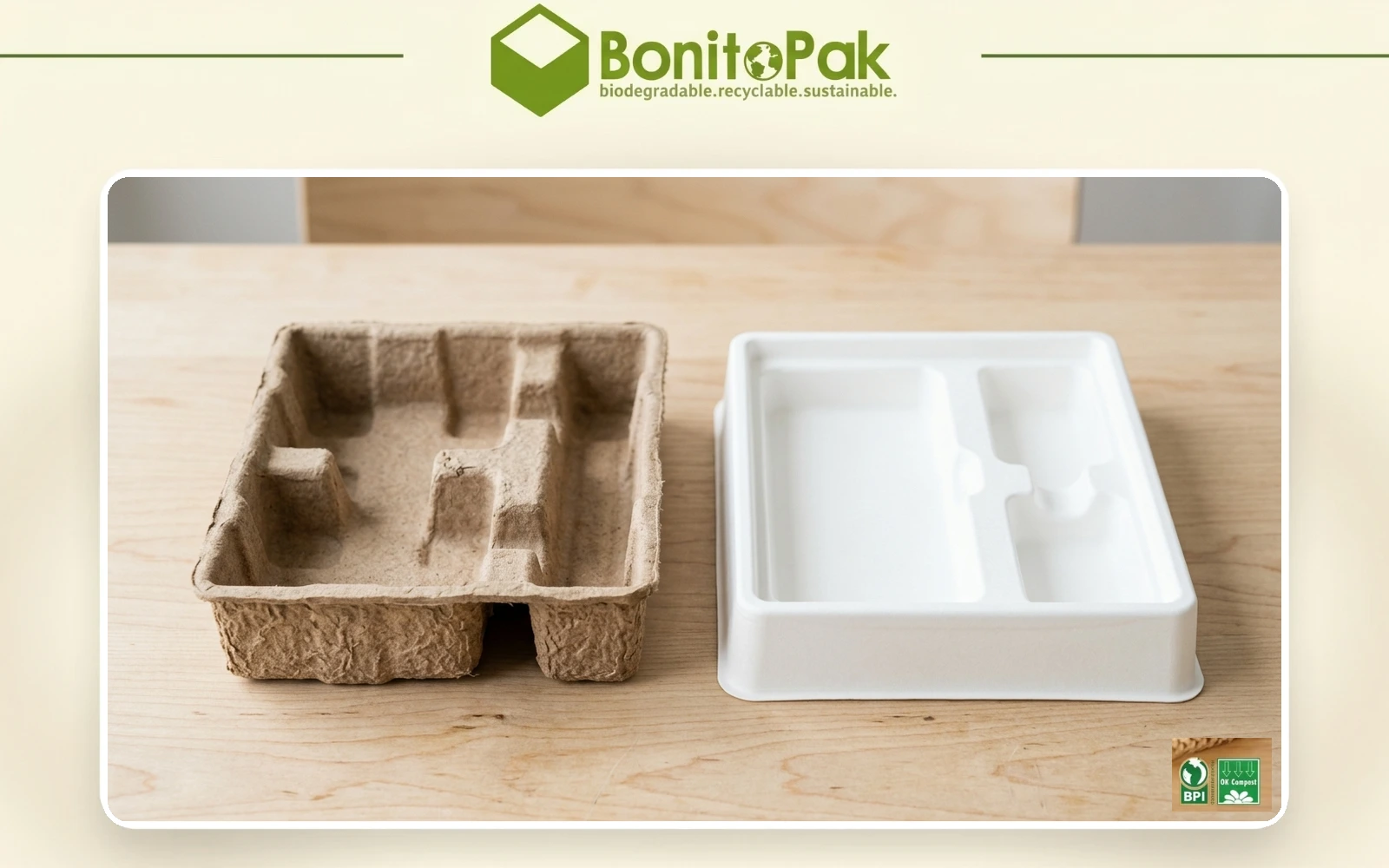
تقدم بونيتوباك اللب المقولب بستة ألوان، بما في ذلك الأبيض والطبيعي والأسود، مع دقة ألوان 95%. تضمن الطرق الصديقة للبيئة التبييض الآمن. الطبيعي والأبيض هما الأفضل للطعام؛ أما الألوان الأخرى فتناسب تغليف الصواني.
A twelve count has a harder job than any other size in the range. It has to fit a supermarket shelf, run through a packer’s line, survive a distributor’s pallet, and still open cleanly in a customer’s kitchen. Get one of those wrong and the whole order comes back.
That is why the twelve count is where specification discipline matters most. The other sizes tolerate a few millimeters of variance. This one does not.
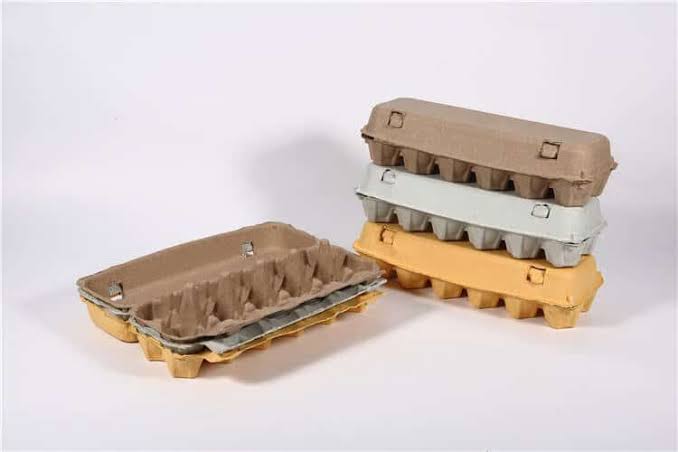
Twelve cells come in two standard footprints, and they are not interchangeable.
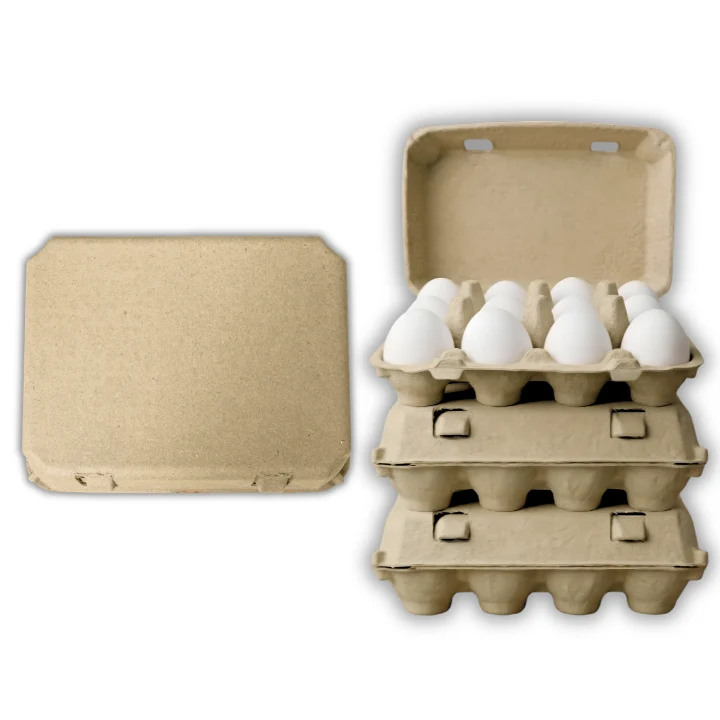
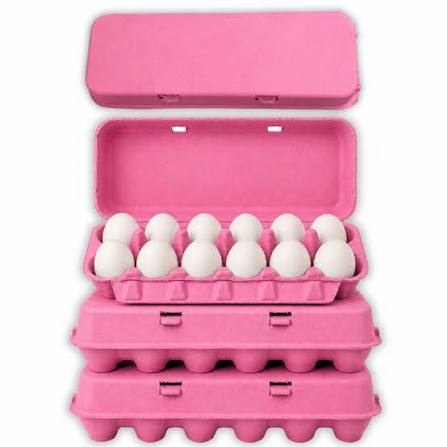
The 2×6 long format is the shape most people picture. It measures roughly 300 mm end to end and fits the shelf channels most grocery chains built their cold cases around. It also matches the infeed width on the majority of automatic packing lines, which is the reason it dominates commercial supply.
The 3×4 compact format runs shorter and wider at roughly 205 x 150 mm. It uses less linear shelf space, stacks into a tighter pallet cube, and gives a squarer lid panel that suits a centered logo. Farm direct sellers and specialty retailers often prefer it. Automatic lines generally do not, unless the machine was specified for it.
Choosing between them is a distribution decision before it is a design decision. If the eggs are going through a grading station, the packer’s line dictates the answer. If they are going to a market table, the choice is open.
Stack a pallet of filled dozen cartons twelve high and the bottom layer carries real weight. A filled twelve count runs close to 700 grams, so a twelve high column puts several kilograms on the base carton before anyone adds a second pallet.
Molded pulp handles this through geometry rather than material thickness. The cone that separates each pair of cells rises to meet the lid, so when the lid closes, those cones become vertical columns transferring load from the carton above straight to the base. The eggs sit in the gaps between the load path, not in it.
This is the single clearest advantage pulp holds over folded cardboard at the same weight. Cardboard carries load through its outer walls and buckles when they fail. Pulp carries it through an internal frame that stays engaged even when a corner is knocked.
US retail egg cartons carry more mandatory text than most buyers expect. Grade shield, size class, packing plant code, Julian date, handling statement, and nutrition panel all have to appear, and several must meet minimum type sizes.
The 2×6 lid gives roughly 315 square centimeters of flat panel, which is enough to place all of it and still leave the center third for brand identity. The 3×4 lid gives slightly less total area but a better proportioned block for a logo.
Buyers who plan to print should map the mandatory elements first and treat the remaining space as the brand area. Working the other way around is how designs come back from compliance review.
Embossing works alongside print rather than instead of it. A common setup runs the brand mark embossed into the mold and the regulatory text flexo printed, which keeps the identity permanent and lets the variable data change between runs.
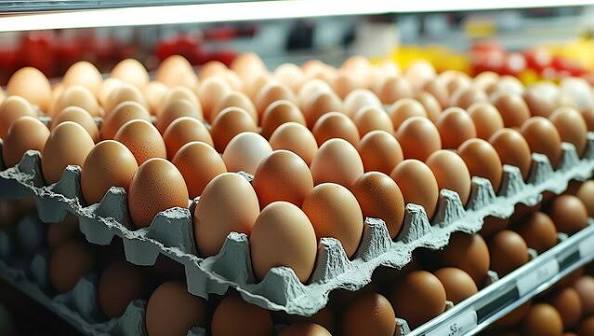
Egg cartons live in humidity. A retail cold case sits around 4 degrees Celsius with high relative humidity, and cartons often move between that and a warmer back room several times.
Molded pulp absorbs moisture, which is a genuine property of the material rather than a defect. Fiber density is what controls it. A carton pressed to the correct density picks up moisture slowly enough that it holds structural rigidity through normal retail cycles and releases it again without warping. Under-pressed pulp goes soft at the hinge, which is where field failures usually appear first.
This is a manufacturing control point, not a design choice, and it is worth asking any supplier how they measure it.
The dozen is the volume seller in almost every catalog, but it works best supported on both sides. Producers pair it with the 6 egg carton for premium and low volume lines, and the 18 egg carton for value packs where the shopper is buying on price per egg.
Buyers packing eggs from a mixed or specialty flock should read the chicken egg carton page for the grade and cell depth detail, since egg size class drives the fit more than carton footprint does.
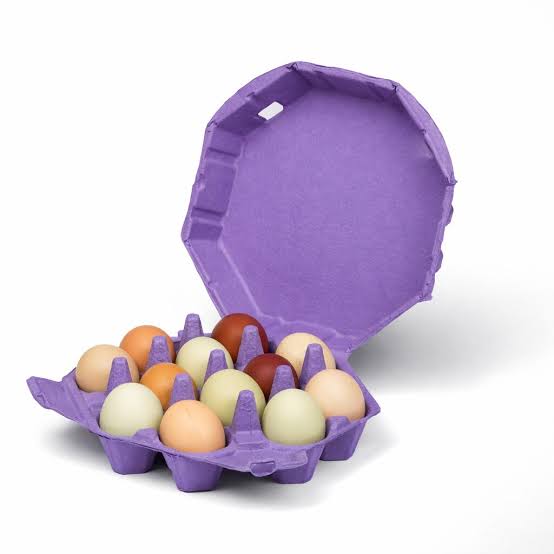
For twelve counts sold into gift or premium channels, the octagon egg cartons format gives the same capacity in a shape that reads differently on a shelf.
A twelve count has a harder job than any other size in the range. It has to fit a supermarket shelf, run through a packer’s line, survive a distributor’s pallet, and still open cleanly in a customer’s kitchen. Get one of those wrong and the whole order comes back.
That is why the twelve count is where specification discipline matters most. The other sizes tolerate a few millimeters of variance. This one does not.
Twelve cells come in two standard footprints, and they are not interchangeable.
The 2×6 long format is the shape most people picture. It measures roughly 300 mm end to end and fits the shelf channels most grocery chains built their cold cases around. It also matches the infeed width on the majority of automatic packing lines, which is the reason it dominates commercial supply.
The 3×4 compact format runs shorter and wider at roughly 205 x 150 mm. It uses less linear shelf space, stacks into a tighter pallet cube, and gives a squarer lid panel that suits a centered logo. Farm direct sellers and specialty retailers often prefer it. Automatic lines generally do not, unless the machine was specified for it.
Choosing between them is a distribution decision before it is a design decision. If the eggs are going through a grading station, the packer’s line dictates the answer. If they are going to a market table, the choice is open.
Stack a pallet of filled dozen cartons twelve high and the bottom layer carries real weight. A filled twelve count runs close to 700 grams, so a twelve high column puts several kilograms on the base carton before anyone adds a second pallet.
Molded pulp handles this through geometry rather than material thickness. The cone that separates each pair of cells rises to meet the lid, so when the lid closes, those cones become vertical columns transferring load from the carton above straight to the base. The eggs sit in the gaps between the load path, not in it.
This is the single clearest advantage pulp holds over folded cardboard at the same weight. Cardboard carries load through its outer walls and buckles when they fail. Pulp carries it through an internal frame that stays engaged even when a corner is knocked.
US retail egg cartons carry more mandatory text than most buyers expect. Grade shield, size class, packing plant code, Julian date, handling statement, and nutrition panel all have to appear, and several must meet minimum type sizes.
The 2×6 lid gives roughly 315 square centimeters of flat panel, which is enough to place all of it and still leave the center third for brand identity. The 3×4 lid gives slightly less total area but a better proportioned block for a logo.
Buyers who plan to print should map the mandatory elements first and treat the remaining space as the brand area. Working the other way around is how designs come back from compliance review.
Embossing works alongside print rather than instead of it. A common setup runs the brand mark embossed into the mold and the regulatory text flexo printed, which keeps the identity permanent and lets the variable data change between runs.
Egg cartons live in humidity. A retail cold case sits around 4 degrees Celsius with high relative humidity, and cartons often move between that and a warmer back room several times.
Molded pulp absorbs moisture, which is a genuine property of the material rather than a defect. Fiber density is what controls it. A carton pressed to the correct density picks up moisture slowly enough that it holds structural rigidity through normal retail cycles and releases it again without warping. Under-pressed pulp goes soft at the hinge, which is where field failures usually appear first.
This is a manufacturing control point, not a design choice, and it is worth asking any supplier how they measure it.
The dozen is the volume seller in almost every catalog, but it works best supported on both sides. Producers pair it with the 6 egg carton for premium and low volume lines, and the 18 egg carton for value packs where the shopper is buying on price per egg.
Buyers packing eggs from a mixed or specialty flock should read the chicken egg carton page for the grade and cell depth detail, since egg size class drives the fit more than carton footprint does.
For twelve counts sold into gift or premium channels, the octagon egg cartons format gives the same capacity in a shape that reads differently on a shelf.
نحن نستجيب في غضون 24 ساعة، ونقدم تواصلاً سريعاً وواضحاً وحلولاً مصممة خصيصاً وخدمة فعالة لتوفير الوقت والتكاليف.
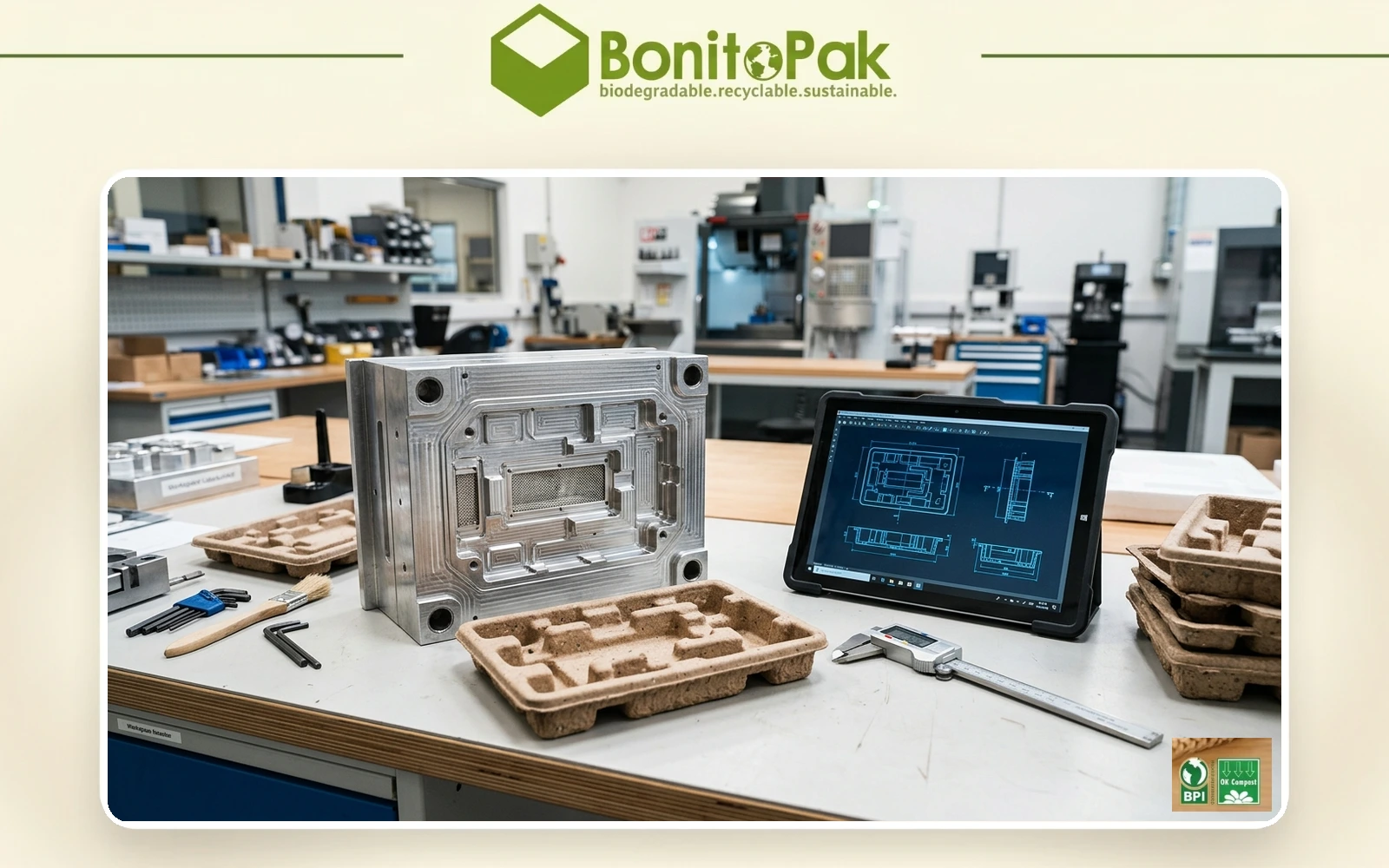
يضمن تصميمنا وهندستنا وتصنيعنا الداخلي سرعة تصنيع الأدوات، حيث تكون العينات جاهزة في 7 أيام وقوالب الإنتاج في 8 أيام.
يتفوق مهندسو البحث والتطوير المهرة لدينا في التصميم والنماذج الأولية والأدوات، ويقدمون حلول تغليف كاملة مع علب الصفيح والعلب الصفيح والعلب المطبوعة.
يقوم الموظفون المدربون بإجراء عمليات التفتيش والفحص العشوائي ومراقبة الجودة 100%، مما يضمن معايير عالية، ويقلل من حالات الرفض، ويوفر التكاليف.
نحن نوفر جدولة معقولة للطلبات وننسق مع العملاء لحل المشكلات على الفور، مما يضمن أفضل الحلول.
يضمن فريقنا المتمرس في خدمات ما بعد البيع التواصل السلس وحل المشكلات المتعلقة بالاستبدال والشحن والتوصيل بهدف الوصول إلى صفر شكاوى.
بقلم ليو تشان | كاتب في BonitoPak | أكثر من 20 عامًا من الخبرة في مجال التغليف المصنوع من اللب المقولب تاريخ النشر: 16
بقلم ليو تشان | كاتب في BonitoPak | أكثر من 20 عامًا من الخبرة في مجال التغليف المصنوع من اللب المقولب تاريخ النشر: 15
بقلم ليو تشان | كاتب في BonitoPak | أكثر من 20 عامًا من الخبرة في مجال التغليف المصنوع من اللب المقولب تاريخ النشر: 14