علبة بيض من الورق المقوى المصبوب بسعة 12 بيضة

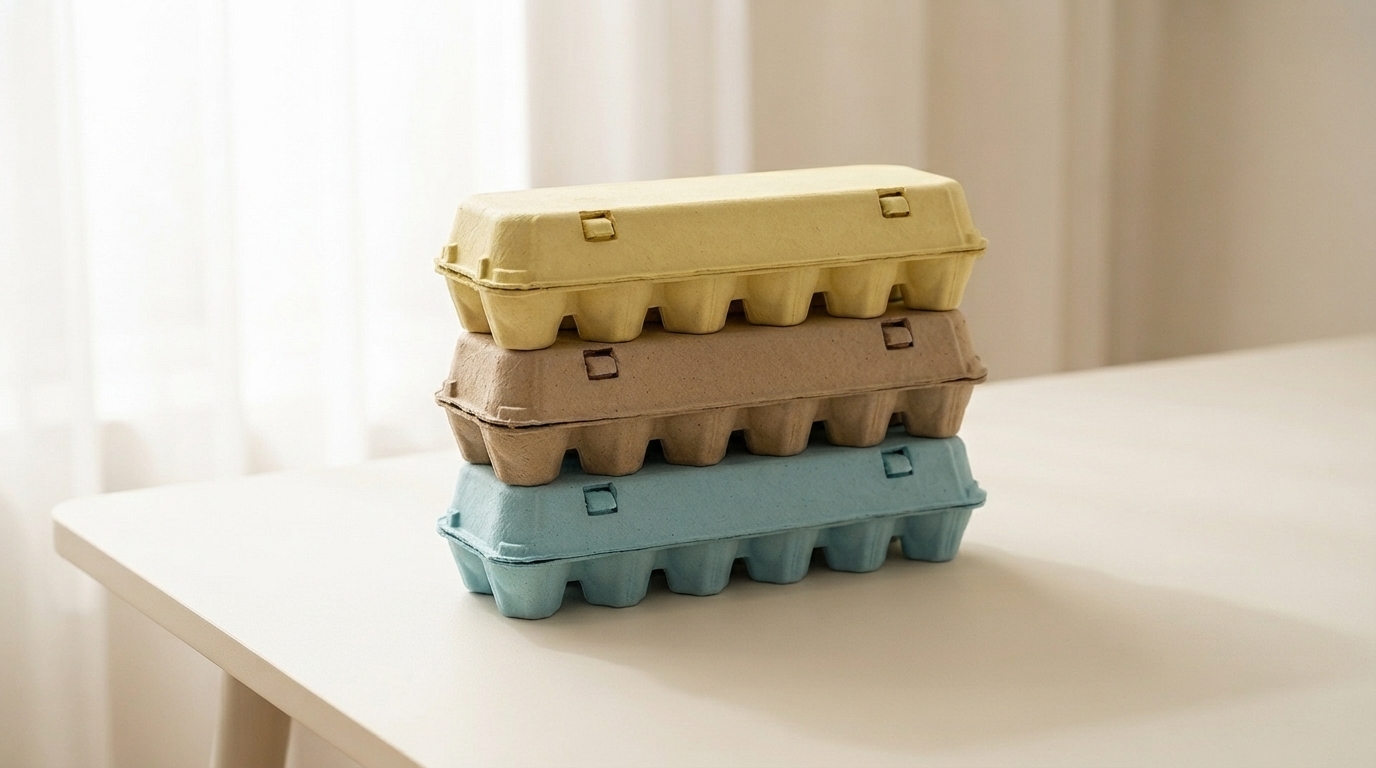
The BonitoPak molded pulp dozen egg carton is the twelve count retail standard, with a full width label panel and a locking front tab.

  • Twelve cell bed available in 2×6 long format or 3×4 compact footprint
  • Formed from 100% recycled paper pulp, biodegradable and home compostable
  • Full width lid panel takes grade labels, nutrition text, and brand marks without crowding
  • Rib structure carries stacking load through the frame rather than through the eggs
  • Compatible with automatic and semi-automatic grading line packing on request
  • Natural pulp plus six stock colors; custom shades matched to brand specification
  • OEM and ODM sizing accepted; blank and printed both supplied

القالب العام

حلول التعبئة والتغليف

تصميم ثلاثي الأبعاد

قالب مخصص حسب الطلب

وصف المنتج

المواصفات التفاصيل
اسم العلامة التجارية بونيتوباك
رقم الموديل EC-12
اسم المنتج Dozen Egg Carton / 12 Count Pulp Carton
المواد لب الورق المعاد تدويره
نوع الورق Post-consumer recycled paper
التقنية Molded pulp forming (wet-pressed)
Cell Count 12 cells, 2×6 or 3×4 layout
Egg Size Range Standard to jumbo chicken eggs
Outer Dimensions 2×6: 300 x 105 x 75 mm; 3×4: 205 x 150 x 75 mm
Unit Weight 48 to 58 g
اللون Natural pulp; six stock colors; custom color matching
الشكل والأسلوب Top-fold clamshell, front locking tab; flat top available
طباعة الشعار Embossed, debossed, or flexographic print
الاستخدام الصناعي Grading stations, packers, retail grocery, farm direct sales
التطبيق Standard retail dozen packs across all grades
الحجم OEM and custom dimensions accepted
المزايا Biodegradable, home compostable, nestable, plastic free
التعبئة والتغليف Bulk nested in export cartons; custom packing accepted
طلب مخصص مقبولة
موك Confirm with sales; stock molds carry a lower minimum than custom tooling

معرض الصور علبة بيض من الورق المقوى المصبوب بسعة 12 بيضة الأجزاء

يعرض هذا المعرض الجودة الاستثنائية والاهتمام بالتفاصيل التي نقدمها في كل مشروع. من التصاميم المعقدة إلى اللمسات النهائية الخالية من العيوب، تعكس كل صورة التزامنا بالتميز في علبة بيض من الورق المقوى المصبوب بسعة 12 بيضة .

40%

التكلفة والوقت الموفر

اختبر حلول التعبئة والتغليف الرائدة التي تعمل على تحسين التكاليف والوقت وتقديم عمليات فعالة وتعظيم العائد على الاستثمار.

50%

أكثر استدامة

حقق تغليفاً صديقاً للبيئة باستخدام مواد مستدامة، مما يقلل من النفايات ويعزز المسؤولية البيئية في جميع خطوط إنتاجك.

25%

الزيادة في المبيعات

عزز من جاذبية منتجاتك على الرفوف بتصميمات مبتكرة تعزز من ظهورها ومبيعاتها في أسواق التجزئة والأسواق الإلكترونية.

100%

أكثر موثوقية

ثق في التزام BonitoPak بالجودة، مما يضمن أن كل منتج يفي بمعاييرنا العالية مع خدمة متسقة وموثوقة.

The format that has to work with everything

A twelve count has a harder job than any other size in the range. It has to fit a supermarket shelf, run through a packer’s line, survive a distributor’s pallet, and still open cleanly in a customer’s kitchen. Get one of those wrong and the whole order comes back.

That is why the twelve count is where specification discipline matters most. The other sizes tolerate a few millimeters of variance. This one does not.

2×6 against 3×4, and why packers care

Twelve cells come in two standard footprints, and they are not interchangeable.

The 2×6 long format is the shape most people picture. It measures roughly 300 mm end to end and fits the shelf channels most grocery chains built their cold cases around. It also matches the infeed width on the majority of automatic packing lines, which is the reason it dominates commercial supply.

The 3×4 compact format runs shorter and wider at roughly 205 x 150 mm. It uses less linear shelf space, stacks into a tighter pallet cube, and gives a squarer lid panel that suits a centered logo. Farm direct sellers and specialty retailers often prefer it. Automatic lines generally do not, unless the machine was specified for it.

Choosing between them is a distribution decision before it is a design decision. If the eggs are going through a grading station, the packer’s line dictates the answer. If they are going to a market table, the choice is open.

Load path through the rib structure

Stack a pallet of filled dozen cartons twelve high and the bottom layer carries real weight. A filled twelve count runs close to 700 grams, so a twelve high column puts several kilograms on the base carton before anyone adds a second pallet.

Molded pulp handles this through geometry rather than material thickness. The cone that separates each pair of cells rises to meet the lid, so when the lid closes, those cones become vertical columns transferring load from the carton above straight to the base. The eggs sit in the gaps between the load path, not in it.

This is the single clearest advantage pulp holds over folded cardboard at the same weight. Cardboard carries load through its outer walls and buckles when they fail. Pulp carries it through an internal frame that stays engaged even when a corner is knocked.

Label panel real estate and what has to fit on it

US retail egg cartons carry more mandatory text than most buyers expect. Grade shield, size class, packing plant code, Julian date, handling statement, and nutrition panel all have to appear, and several must meet minimum type sizes.

The 2×6 lid gives roughly 315 square centimeters of flat panel, which is enough to place all of it and still leave the center third for brand identity. The 3×4 lid gives slightly less total area but a better proportioned block for a logo.

Buyers who plan to print should map the mandatory elements first and treat the remaining space as the brand area. Working the other way around is how designs come back from compliance review.

Embossing works alongside print rather than instead of it. A common setup runs the brand mark embossed into the mold and the regulatory text flexo printed, which keeps the identity permanent and lets the variable data change between runs.

Cold chain behavior

Egg cartons live in humidity. A retail cold case sits around 4 degrees Celsius with high relative humidity, and cartons often move between that and a warmer back room several times.

Molded pulp absorbs moisture, which is a genuine property of the material rather than a defect. Fiber density is what controls it. A carton pressed to the correct density picks up moisture slowly enough that it holds structural rigidity through normal retail cycles and releases it again without warping. Under-pressed pulp goes soft at the hinge, which is where field failures usually appear first.

This is a manufacturing control point, not a design choice, and it is worth asking any supplier how they measure it.

Fitting the twelve count into a range

The dozen is the volume seller in almost every catalog, but it works best supported on both sides. Producers pair it with the علبة بيض سعة 6 بيضات for premium and low volume lines, and the 18 egg carton for value packs where the shopper is buying on price per egg.

Buyers packing eggs from a mixed or specialty flock should read the chicken egg carton page for the grade and cell depth detail, since egg size class drives the fit more than carton footprint does.

For twelve counts sold into gift or premium channels, the علب البيض المثمنة format gives the same capacity in a shape that reads differently on a shelf.

The format that has to work with everything

A twelve count has a harder job than any other size in the range. It has to fit a supermarket shelf, run through a packer’s line, survive a distributor’s pallet, and still open cleanly in a customer’s kitchen. Get one of those wrong and the whole order comes back.

That is why the twelve count is where specification discipline matters most. The other sizes tolerate a few millimeters of variance. This one does not.

2×6 against 3×4, and why packers care

Twelve cells come in two standard footprints, and they are not interchangeable.

The 2×6 long format is the shape most people picture. It measures roughly 300 mm end to end and fits the shelf channels most grocery chains built their cold cases around. It also matches the infeed width on the majority of automatic packing lines, which is the reason it dominates commercial supply.

The 3×4 compact format runs shorter and wider at roughly 205 x 150 mm. It uses less linear shelf space, stacks into a tighter pallet cube, and gives a squarer lid panel that suits a centered logo. Farm direct sellers and specialty retailers often prefer it. Automatic lines generally do not, unless the machine was specified for it.

Choosing between them is a distribution decision before it is a design decision. If the eggs are going through a grading station, the packer’s line dictates the answer. If they are going to a market table, the choice is open.

Load path through the rib structure

Stack a pallet of filled dozen cartons twelve high and the bottom layer carries real weight. A filled twelve count runs close to 700 grams, so a twelve high column puts several kilograms on the base carton before anyone adds a second pallet.

Molded pulp handles this through geometry rather than material thickness. The cone that separates each pair of cells rises to meet the lid, so when the lid closes, those cones become vertical columns transferring load from the carton above straight to the base. The eggs sit in the gaps between the load path, not in it.

This is the single clearest advantage pulp holds over folded cardboard at the same weight. Cardboard carries load through its outer walls and buckles when they fail. Pulp carries it through an internal frame that stays engaged even when a corner is knocked.

Label panel real estate and what has to fit on it

US retail egg cartons carry more mandatory text than most buyers expect. Grade shield, size class, packing plant code, Julian date, handling statement, and nutrition panel all have to appear, and several must meet minimum type sizes.

The 2×6 lid gives roughly 315 square centimeters of flat panel, which is enough to place all of it and still leave the center third for brand identity. The 3×4 lid gives slightly less total area but a better proportioned block for a logo.

Buyers who plan to print should map the mandatory elements first and treat the remaining space as the brand area. Working the other way around is how designs come back from compliance review.

Embossing works alongside print rather than instead of it. A common setup runs the brand mark embossed into the mold and the regulatory text flexo printed, which keeps the identity permanent and lets the variable data change between runs.

Cold chain behavior

Egg cartons live in humidity. A retail cold case sits around 4 degrees Celsius with high relative humidity, and cartons often move between that and a warmer back room several times.

Molded pulp absorbs moisture, which is a genuine property of the material rather than a defect. Fiber density is what controls it. A carton pressed to the correct density picks up moisture slowly enough that it holds structural rigidity through normal retail cycles and releases it again without warping. Under-pressed pulp goes soft at the hinge, which is where field failures usually appear first.

This is a manufacturing control point, not a design choice, and it is worth asking any supplier how they measure it.

Fitting the twelve count into a range

The dozen is the volume seller in almost every catalog, but it works best supported on both sides. Producers pair it with the علبة بيض سعة 6 بيضات for premium and low volume lines, and the 18 egg carton for value packs where the shopper is buying on price per egg.

Buyers packing eggs from a mixed or specialty flock should read the chicken egg carton page for the grade and cell depth detail, since egg size class drives the fit more than carton footprint does.

For twelve counts sold into gift or premium channels, the علب البيض المثمنة format gives the same capacity in a shape that reads differently on a shelf.
مواد ل علبة بيض من الورق المقوى المصبوب بسعة 12 بيضة قطع الغيار

تعتمد الشركات الرائدة والمهندسون الرائدون على BonitoPak في التكرارات السريعة والأجزاء المتينة عالية الجودة. سواء كان ذلك للنماذج الأولية أو للإنتاج على نطاق واسع، فإن مجموعتنا الواسعة من المواد تضمن تلبية المتطلبات الفريدة لأي علبة بيض من الورق المقوى المصبوب بسعة 12 بيضة المشروع بدقة وسرعة.

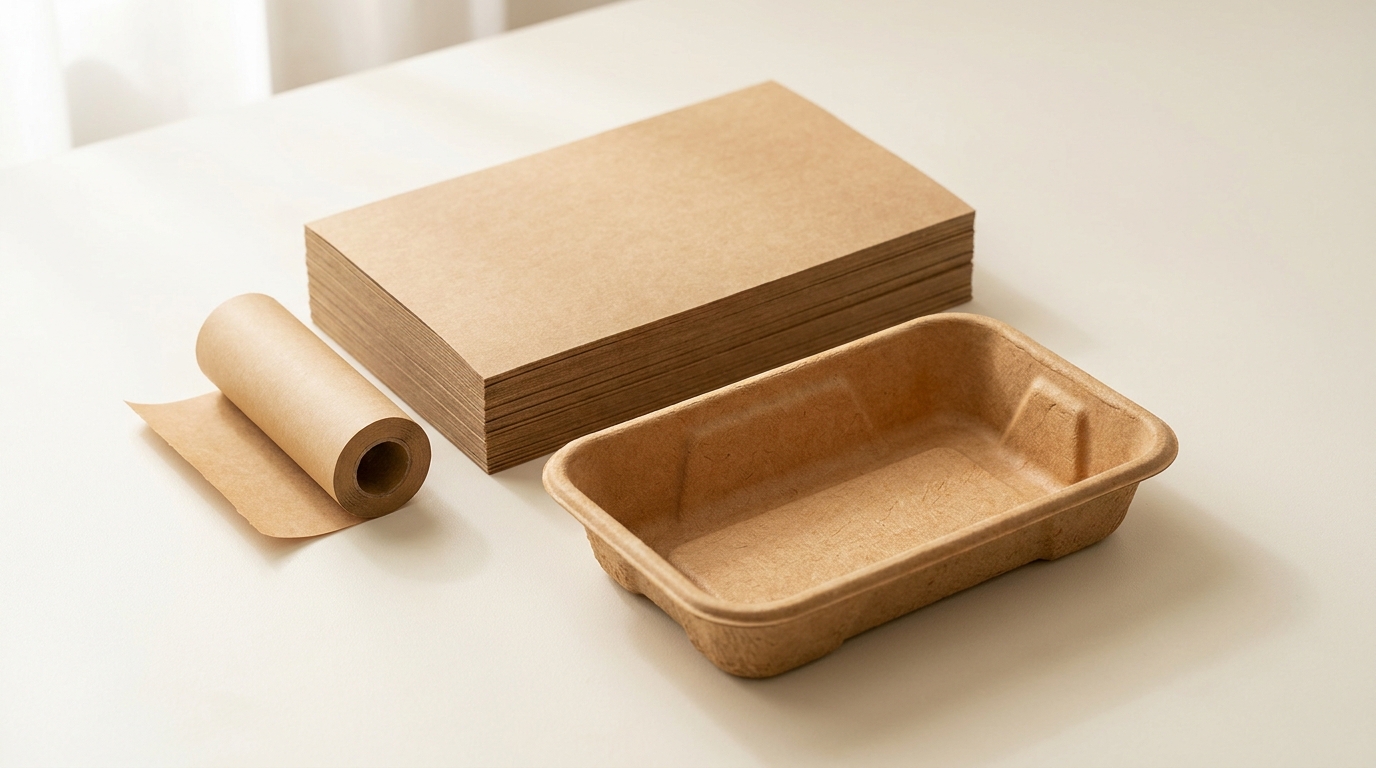
Compostable kraft paper is the strongest fiber we form. Made from virgin

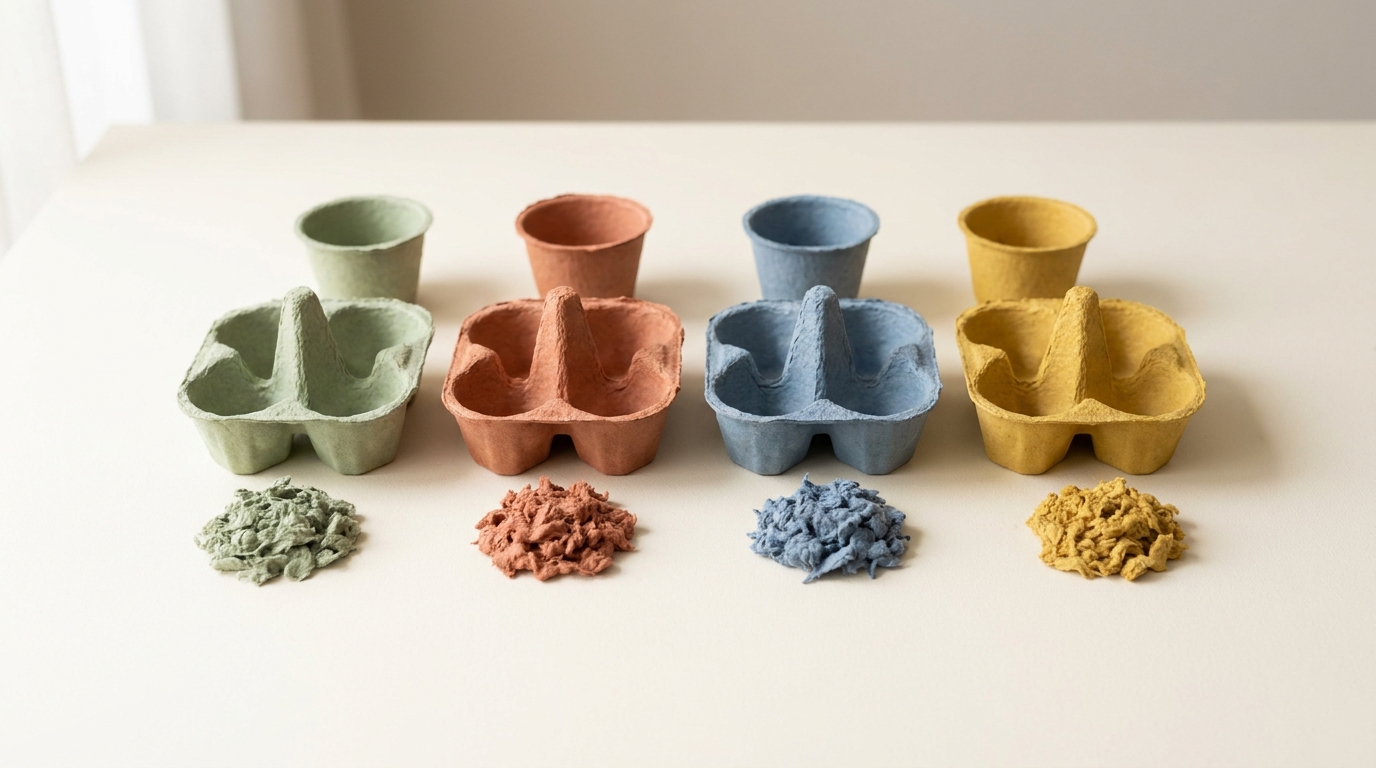
Colored pulp is not a separate fiber. It is any of our

Bleached pulp is the material to specify when the part has to

Natural plant fiber covers the non-wood cellulose sources we blend outside the

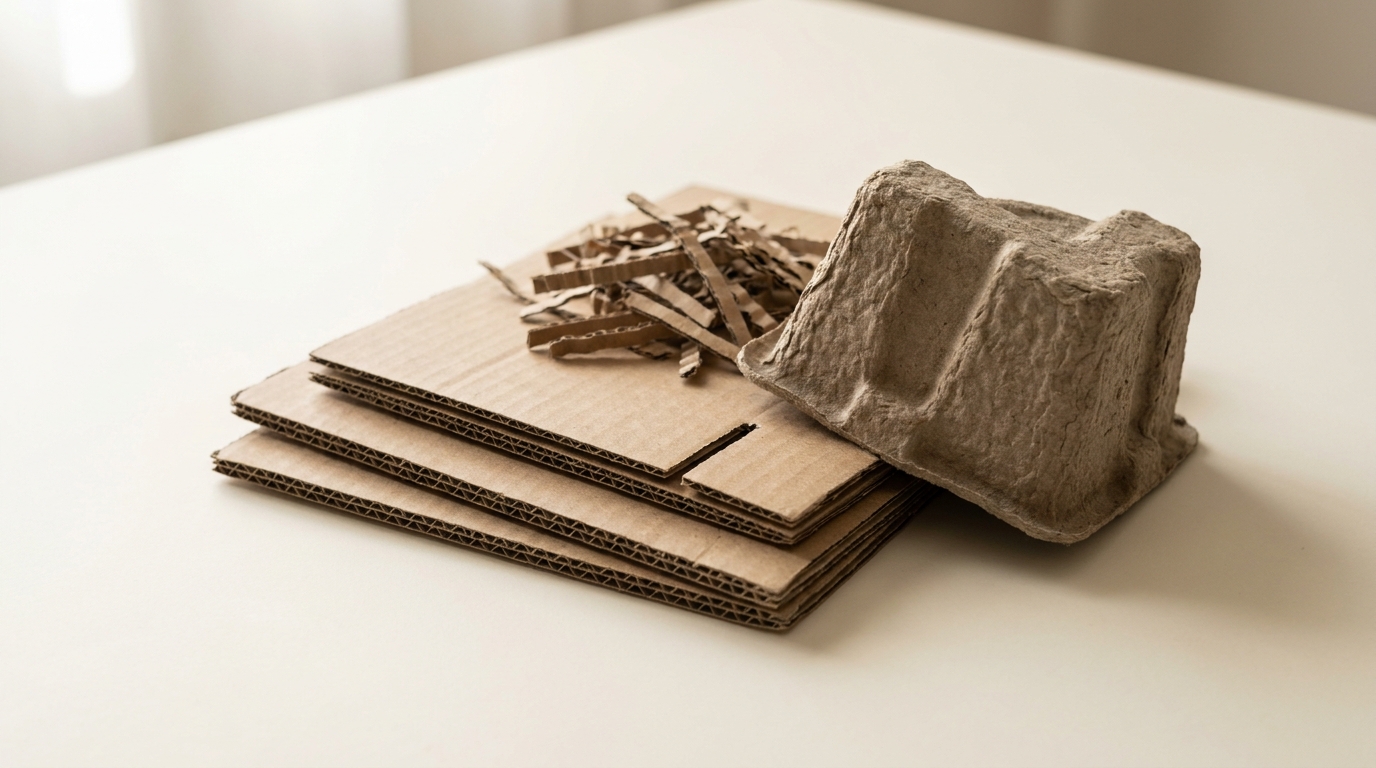
Corrugated paper as a molded pulp material means recovered cardboard boxes repulped

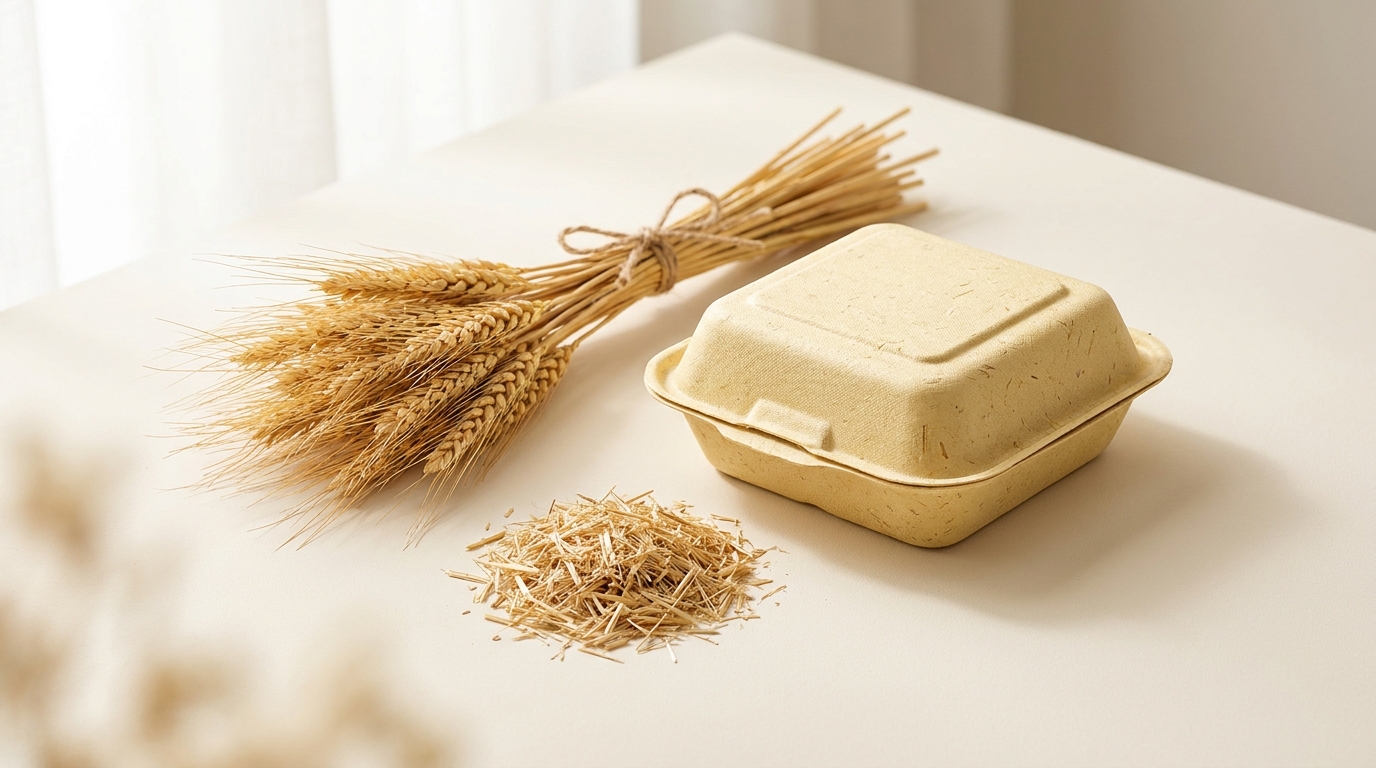
Straw fiber is made from the stalks left after grain harvest, material

صديقة للبيئة وموثوقة ومخصصة وموثوقة

تعبئة وتغليف مخصص وصديق للبيئة بامتياز

قابل للتخصيص بالكامل

خصص عبواتك بأنماط وأحجام وألوان ولمسات نهائية مصممة خصيصًا لتلبية احتياجاتك الخاصة.

دعم الخبراء

تقدم بونيتوباك مشورة الخبراء في مجال التصميم والخدمات اللوجستية لزيادة كفاءة التعبئة والتغليف إلى أقصى حد وتعزيز العائد على الاستثمار.

الحلول البيئية

اختر عبوات مستدامة وصديقة للبيئة لتقليل الأثر البيئي ودعم أهداف علامتك التجارية الخضراء.

ضمان الجودة

تضمن بونيتوباك خدمة عالية الجودة ومنتجات متميزة مع كل حل من حلول التعبئة والتغليف.

الأسئلة المتكررة

علبة بيض من الورق المقوى المصبوب بسعة 12 بيضة

  • Can one mold cover both brown and white eggs?

    Yes. Shell color has no bearing on cell fit. Egg size class does. A carton molded for large eggs handles both brown and white large eggs identically, since the grading standard is by weight rather than by shell color.

  • Do you supply cartons pre-labeled with grade shields?

    We print what you supply as artwork, including grade shields and plant codes. We do not generate or verify regulatory content, since grade assignment and plant codes are issued to you and vary by jurisdiction. Give us print-ready files and we reproduce them exactly.

  • What causes the hinge to crack on a pulp carton?

    Almost always under-pressing at the hinge line, where the fiber is thinnest by design. Correct forming leaves enough fiber density for repeated opening. If cartons crack on first open, the mold pressure or the pulp consistency was off. It is a production control issue rather than a limitation of the material.

  • How much does the printed version cost above blank?

    Flexographic printing adds a plate charge per color, then a small per unit cost that falls as run length grows. Below a certain volume, embossing is cheaper because the cost is built into the mold and does not repeat. The crossover point depends on how many colors you need. We quote both so you can see the break-even against your annual volume.

  • Can a dozen egg carton run on an automatic packing line?

    The 2×6 format usually can, since most lines were built around it. What matters is the infeed width tolerance and the lid hinge stiffness, since machine closers apply force at a fixed point. Send us your line make and model and we will confirm compatibility before you commit to tooling, or supply sample cartons for a trial run.

نتيجة قابلة للتحلل الحيوي

0 يوم

7 أيام

14 يوماً

30 يوماً

الصناعات المتخصصة

بعد إنتاج ملايين القطع، تمتلك BonitoPak معرفة عميقة في العديد من التطبيقات. نحن نتفوق بشكل خاص في الصناعات التي تتطلب تصنيع مكونات دقيقة ومعقدة. ثق بنا لتقديم الخبرة والجودة، بغض النظر عن مدى تعقيدها.

حلول التعبئة والتغليف OEM و ODM

تقدم بونيتوباك حلول تغليف مخصصة (OEM) ومصممة مسبقًا (ODM). سواء كنت بحاجة إلى تصميمات مصممة بالكامل أو عبوات جاهزة للاستخدام، فإننا نقدم خيارات عالية الجودة وفعالة ومرنة لتلبية احتياجات علامتك التجارية.

خدمات تصنيع المعدات الأصلية

تتيح لك حلول التعبئة والتغليف لمصنعي المعدات الأصلية إنشاء منتجات مخصصة بالكامل مصممة ومصنعة لتلبية متطلباتك الخاصة. نحن في بونيتوباك نقدم دعمًا شاملاً طوال عملية التصميم والنماذج الأولية والتصنيع، مما يضمن أن تعكس عبواتك الهوية الفريدة لعلامتك التجارية. تضمن قدراتنا التصنيعية الدقيقة إنتاجاً عالي الجودة ومتسقاً، بغض النظر عن مدى تعقيد التصميم. ومن خلال الخدمة المتكاملة، نتعامل مع كل شيء بدءاً من الفكرة وحتى التسليم، مما يساعدك على تبسيط احتياجاتك من التغليف.

خدمات ODM

تقدم حلول التعبئة والتغليف ODM منتجات مصممة مسبقًا يمكن تصميمها وفقًا لمتطلبات علامتك التجارية. بفضل خبرة بونيتوباك في التصميم المبتكر وعملية الإنتاج الفعالة، يمكنك الاختيار من بين مجموعة كبيرة من خيارات التغليف الجاهزة للاستخدام. نحن نوفر تخصيصاً مرناً، مما يسمح لك بإضافة علامتك التجارية والاختيار من بين مختلف التشطيبات والألوان والأحجام. يوفر هذا الحل الوقت والتكلفة مع ضمان تغليف عالي الجودة يلبي معايير علامتك التجارية.
هل أنت مستعد للارتقاء بمشروعك؟

اجعل تصميماتك تنبض بالحياة مع BonitoPak

اختبر الهندسة الدقيقة مع BonitoPak. من النماذج الأولية التفصيلية إلى الإنتاج بكميات كبيرة، نحن هنا لتحويل مفاهيمك إلى واقع ملموس. اتصل بنا اليوم لمناقشة احتياجات مشروعك!

فئات منتجاتنا

اكتشف مجموعة بونيتوباك المتنوعة من حلول التعبئة والتغليف، بما في ذلك صواني اللب المقولبة، وتغليف المواد الغذائية، والتصميمات المخصصة، والخيارات المستدامة. صُممت كل فئة من هذه الفئات من أجل المتانة والأداء الوظيفي والمسؤولية البيئية، وهي مصممة خصيصًا لتلبية احتياجاتك الخاصة.

The format that has to work with everything

A twelve count has a harder job than any other size in the range. It has to fit a supermarket shelf, run through a packer’s line, survive a distributor’s pallet, and still open cleanly in a customer’s kitchen. Get one of those wrong and the whole order comes back.

That is why the twelve count is where specification discipline matters most. The other sizes tolerate a few millimeters of variance. This one does not.

2×6 against 3×4, and why packers care

Twelve cells come in two standard footprints, and they are not interchangeable.

The 2×6 long format is the shape most people picture. It measures roughly 300 mm end to end and fits the shelf channels most grocery chains built their cold cases around. It also matches the infeed width on the majority of automatic packing lines, which is the reason it dominates commercial supply.

The 3×4 compact format runs shorter and wider at roughly 205 x 150 mm. It uses less linear shelf space, stacks into a tighter pallet cube, and gives a squarer lid panel that suits a centered logo. Farm direct sellers and specialty retailers often prefer it. Automatic lines generally do not, unless the machine was specified for it.

Choosing between them is a distribution decision before it is a design decision. If the eggs are going through a grading station, the packer’s line dictates the answer. If they are going to a market table, the choice is open.

Load path through the rib structure

Stack a pallet of filled dozen cartons twelve high and the bottom layer carries real weight. A filled twelve count runs close to 700 grams, so a twelve high column puts several kilograms on the base carton before anyone adds a second pallet.

Molded pulp handles this through geometry rather than material thickness. The cone that separates each pair of cells rises to meet the lid, so when the lid closes, those cones become vertical columns transferring load from the carton above straight to the base. The eggs sit in the gaps between the load path, not in it.

This is the single clearest advantage pulp holds over folded cardboard at the same weight. Cardboard carries load through its outer walls and buckles when they fail. Pulp carries it through an internal frame that stays engaged even when a corner is knocked.

Label panel real estate and what has to fit on it

US retail egg cartons carry more mandatory text than most buyers expect. Grade shield, size class, packing plant code, Julian date, handling statement, and nutrition panel all have to appear, and several must meet minimum type sizes.

The 2×6 lid gives roughly 315 square centimeters of flat panel, which is enough to place all of it and still leave the center third for brand identity. The 3×4 lid gives slightly less total area but a better proportioned block for a logo.

Buyers who plan to print should map the mandatory elements first and treat the remaining space as the brand area. Working the other way around is how designs come back from compliance review.

Embossing works alongside print rather than instead of it. A common setup runs the brand mark embossed into the mold and the regulatory text flexo printed, which keeps the identity permanent and lets the variable data change between runs.

Cold chain behavior

Egg cartons live in humidity. A retail cold case sits around 4 degrees Celsius with high relative humidity, and cartons often move between that and a warmer back room several times.

Molded pulp absorbs moisture, which is a genuine property of the material rather than a defect. Fiber density is what controls it. A carton pressed to the correct density picks up moisture slowly enough that it holds structural rigidity through normal retail cycles and releases it again without warping. Under-pressed pulp goes soft at the hinge, which is where field failures usually appear first.

This is a manufacturing control point, not a design choice, and it is worth asking any supplier how they measure it.

Fitting the twelve count into a range

The dozen is the volume seller in almost every catalog, but it works best supported on both sides. Producers pair it with the علبة بيض سعة 6 بيضات for premium and low volume lines, and the 18 egg carton for value packs where the shopper is buying on price per egg.

Buyers packing eggs from a mixed or specialty flock should read the chicken egg carton page for the grade and cell depth detail, since egg size class drives the fit more than carton footprint does.

For twelve counts sold into gift or premium channels, the علب البيض المثمنة format gives the same capacity in a shape that reads differently on a shelf.
The format that has to work with everything

A twelve count has a harder job than any other size in the range. It has to fit a supermarket shelf, run through a packer’s line, survive a distributor’s pallet, and still open cleanly in a customer’s kitchen. Get one of those wrong and the whole order comes back.

That is why the twelve count is where specification discipline matters most. The other sizes tolerate a few millimeters of variance. This one does not.

2×6 against 3×4, and why packers care

Twelve cells come in two standard footprints, and they are not interchangeable.

The 2×6 long format is the shape most people picture. It measures roughly 300 mm end to end and fits the shelf channels most grocery chains built their cold cases around. It also matches the infeed width on the majority of automatic packing lines, which is the reason it dominates commercial supply.

The 3×4 compact format runs shorter and wider at roughly 205 x 150 mm. It uses less linear shelf space, stacks into a tighter pallet cube, and gives a squarer lid panel that suits a centered logo. Farm direct sellers and specialty retailers often prefer it. Automatic lines generally do not, unless the machine was specified for it.

Choosing between them is a distribution decision before it is a design decision. If the eggs are going through a grading station, the packer’s line dictates the answer. If they are going to a market table, the choice is open.

Load path through the rib structure

Stack a pallet of filled dozen cartons twelve high and the bottom layer carries real weight. A filled twelve count runs close to 700 grams, so a twelve high column puts several kilograms on the base carton before anyone adds a second pallet.

Molded pulp handles this through geometry rather than material thickness. The cone that separates each pair of cells rises to meet the lid, so when the lid closes, those cones become vertical columns transferring load from the carton above straight to the base. The eggs sit in the gaps between the load path, not in it.

This is the single clearest advantage pulp holds over folded cardboard at the same weight. Cardboard carries load through its outer walls and buckles when they fail. Pulp carries it through an internal frame that stays engaged even when a corner is knocked.

Label panel real estate and what has to fit on it

US retail egg cartons carry more mandatory text than most buyers expect. Grade shield, size class, packing plant code, Julian date, handling statement, and nutrition panel all have to appear, and several must meet minimum type sizes.

The 2×6 lid gives roughly 315 square centimeters of flat panel, which is enough to place all of it and still leave the center third for brand identity. The 3×4 lid gives slightly less total area but a better proportioned block for a logo.

Buyers who plan to print should map the mandatory elements first and treat the remaining space as the brand area. Working the other way around is how designs come back from compliance review.

Embossing works alongside print rather than instead of it. A common setup runs the brand mark embossed into the mold and the regulatory text flexo printed, which keeps the identity permanent and lets the variable data change between runs.

Cold chain behavior

Egg cartons live in humidity. A retail cold case sits around 4 degrees Celsius with high relative humidity, and cartons often move between that and a warmer back room several times.

Molded pulp absorbs moisture, which is a genuine property of the material rather than a defect. Fiber density is what controls it. A carton pressed to the correct density picks up moisture slowly enough that it holds structural rigidity through normal retail cycles and releases it again without warping. Under-pressed pulp goes soft at the hinge, which is where field failures usually appear first.

This is a manufacturing control point, not a design choice, and it is worth asking any supplier how they measure it.

Fitting the twelve count into a range

The dozen is the volume seller in almost every catalog, but it works best supported on both sides. Producers pair it with the علبة بيض سعة 6 بيضات for premium and low volume lines, and the 18 egg carton for value packs where the shopper is buying on price per egg.

Buyers packing eggs from a mixed or specialty flock should read the chicken egg carton page for the grade and cell depth detail, since egg size class drives the fit more than carton footprint does.

For twelve counts sold into gift or premium channels, the علب البيض المثمنة format gives the same capacity in a shape that reads differently on a shelf.
مقالات ورؤى ذات صلة

ابق على اطلاع بآخر التحديثات حول اتجاهات التغليف المستدام ورؤى الصناعة ونصائح الخبراء من خلال مدونتنا. استكشف الأفكار والحلول المبتكرة لتعزيز معرفتك بالتعبئة والتغليف.

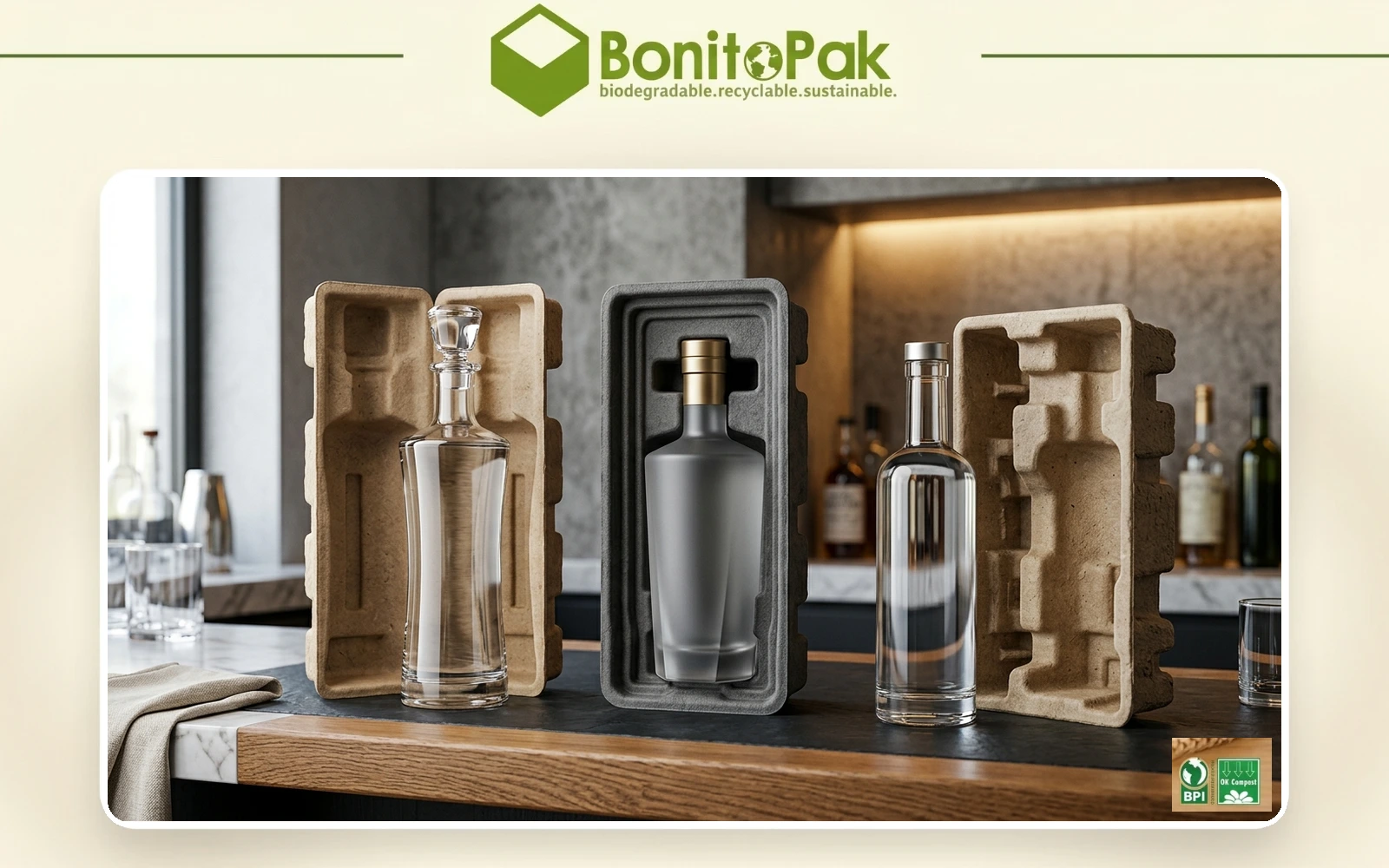
بقلم ليو تشان | كاتب في BonitoPak | أكثر من 20 عامًا من الخبرة في مجال التغليف المصنوع من اللب المقولب. الفودكا هي

بقلم ليو تشان | كاتب في BonitoPak | أكثر من 20 عامًا من الخبرة في مجال التغليف المصنوع من اللب المقولب تقريبًا كل

بقلم ليو تشان | كاتب في BonitoPak | أكثر من 20 عامًا من الخبرة في مجال التغليف المصنوع من اللب المقولب ابحث في هذا

الأسئلة المتكررة

علبة بيض من الورق المقوى المصبوب بسعة 12 بيضة

  • Can one mold cover both brown and white eggs?

    Yes. Shell color has no bearing on cell fit. Egg size class does. A carton molded for large eggs handles both brown and white large eggs identically, since the grading standard is by weight rather than by shell color.

  • Do you supply cartons pre-labeled with grade shields?

    We print what you supply as artwork, including grade shields and plant codes. We do not generate or verify regulatory content, since grade assignment and plant codes are issued to you and vary by jurisdiction. Give us print-ready files and we reproduce them exactly.

  • What causes the hinge to crack on a pulp carton?

    Almost always under-pressing at the hinge line, where the fiber is thinnest by design. Correct forming leaves enough fiber density for repeated opening. If cartons crack on first open, the mold pressure or the pulp consistency was off. It is a production control issue rather than a limitation of the material.

  • How much does the printed version cost above blank?

    Flexographic printing adds a plate charge per color, then a small per unit cost that falls as run length grows. Below a certain volume, embossing is cheaper because the cost is built into the mold and does not repeat. The crossover point depends on how many colors you need. We quote both so you can see the break-even against your annual volume.

  • Can a dozen egg carton run on an automatic packing line?

    The 2×6 format usually can, since most lines were built around it. What matters is the infeed width tolerance and the lid hinge stiffness, since machine closers apply force at a fixed point. Send us your line make and model and we will confirm compatibility before you commit to tooling, or supply sample cartons for a trial run.

املأ هذا النموذج المفصل