 Skip to content

As sustainability becomes more critical, industries are shifting towards eco-friendly alternatives to traditional materials. One of the most promising developments in sustainable packaging is plant fiber molding equipment, used in the production of molded pulp. This technology is revolutionizing packaging solutions by offering an environmentally friendly option to plastic and styrofoam.
In this blog, we’ll explore what plant fiber molding equipment is, how it works, its benefits, and why it’s becoming a go-to choice for manufacturers and businesses looking to reduce their environmental footprint.
What is Plant Fiber Molding Equipment?
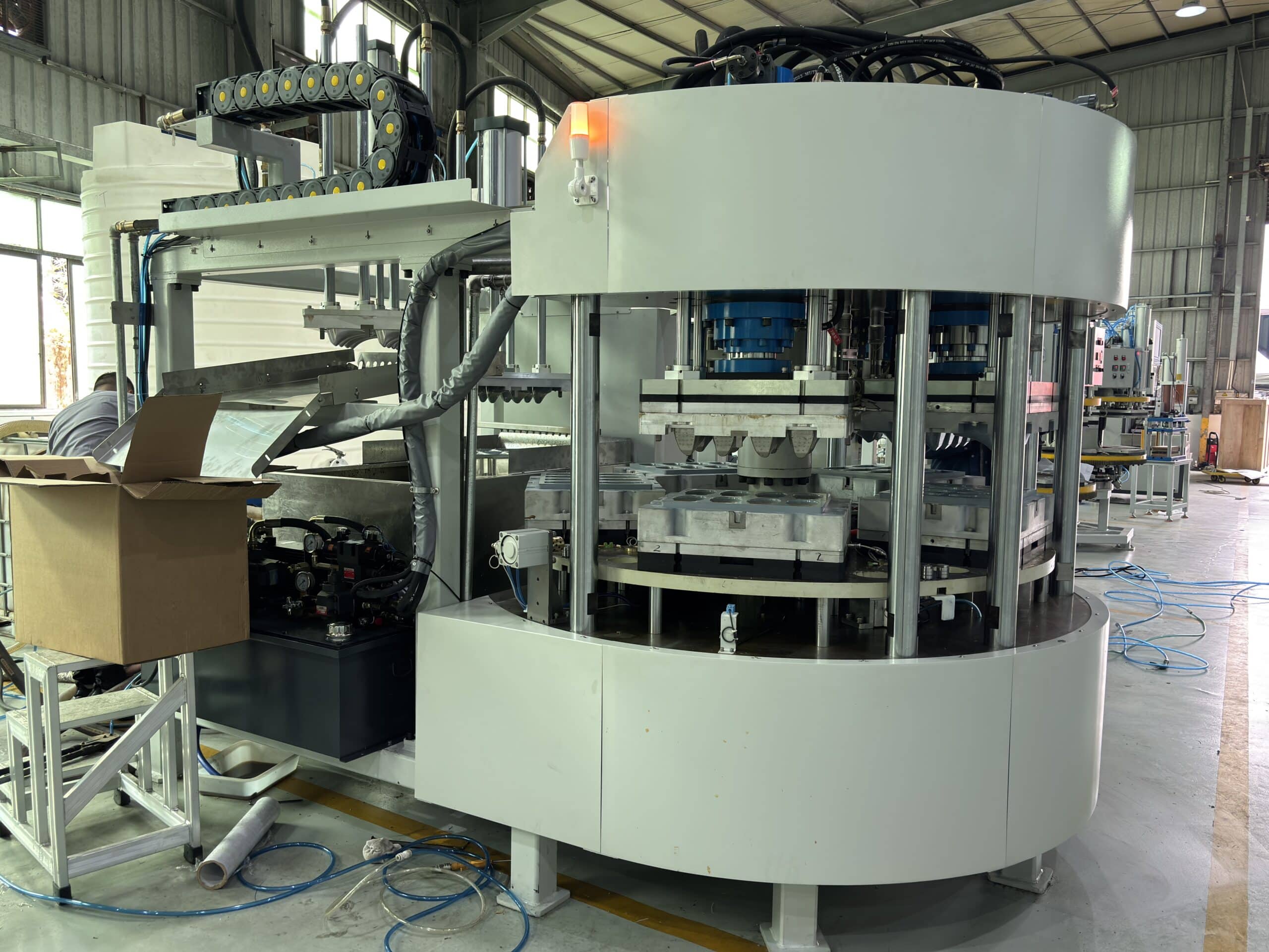
Plant fiber molding equipment is used to create molded pulp products from plant-based fibers such as bamboo, sugarcane bagasse, and agricultural waste. This equipment uses an innovative process of turning raw plant fibers into a pulp, which is then molded into various shapes and sizes to create packaging materials, trays, containers, and other products.
The key to plant fiber molding is its use of sustainable, biodegradable materials instead of harmful plastics. This makes it an eco-friendly alternative to traditional packaging methods.
How Does Plant Fiber Molding Equipment Work?
The plant fiber molding process typically involves several key stages:
- Fiber Preparation: Plant fibers are collected, cleaned, and processed to remove impurities. This can involve grinding and blending the fibers with water to form a slurry or pulp.
- Molding: The pulp is placed into molds where it takes the shape of the desired product. These molds can vary in size and shape depending on the final product, such as food trays, cups, or packaging inserts.
- Drying: After molding, the products are dried to harden and solidify the pulp. This drying process can be done naturally in the sun or in a controlled environment, depending on the manufacturing setup.
- Finishing: Once dried, the molded pulp products are often trimmed, shaped, or coated for enhanced durability and aesthetic appeal. Some products may undergo further treatment, such as applying a biodegradable coating for moisture resistance.
The equipment required to execute this process ranges from large-scale industrial machines to more specialized units for smaller batches. The versatility of plant fiber molding equipment allows manufacturers to produce everything from simple packaging inserts to complex, custom-designed containers.
Types of Molded Pulp
There are four primary types of molded pulp products, each with specific uses and benefits. These are:
- Thick-wall molded pulp: Used for heavy-duty packaging, such as for electronics, appliances, and automotive parts. These products offer maximum protection during shipping.
- Transfer molded pulp: Often used for creating more intricate shapes, this type is ideal for packaging delicate items such as eggs and fragile electronics.
- Formed fiber pulp: Commonly used for lighter applications such as food packaging, cups, and trays.
- Molded fiber pulp: Used for everything from packaging inserts to custom designs, molded fiber pulp is extremely versatile.
Each of these types has specific applications in various industries, from agriculture to electronics, food, and beyond.
For a more in-depth look at these types, refer to this guide on the 4 types of molded pulp.
Benefits of Plant Fiber Molding Equipment
The demand for sustainable alternatives to plastic and other non-biodegradable materials is on the rise. As a result, plant fiber molding equipment has garnered attention for its numerous benefits:
1. Eco-Friendly and Biodegradable
One of the most compelling reasons for using plant fiber molding equipment is that it creates biodegradable products. Unlike plastic, which can take hundreds of years to break down, molded pulp products decompose naturally and quickly, reducing landfill waste.
The use of renewable plant-based materials ensures that the environmental impact of production remains low. Companies can reduce their carbon footprint and contribute to environmental preservation by choosing molded pulp packaging over traditional plastic options.
2. Cost-Effective
While the initial investment in plant fiber molding equipment can be substantial, it pays off in the long run. The raw materials used for molded pulp products—such as agricultural waste or bamboo—are often less expensive than plastic. Moreover, the energy-intensive process of plastic production is more expensive than the relatively low-energy requirements of pulp molding.
Additionally, molded pulp is lightweight, which leads to reduced shipping costs and lower fuel consumption.
3. Customization and Versatility
Plant fiber molding equipment offers the ability to create highly customizable packaging solutions. Manufacturers can produce products in various shapes and sizes, making it ideal for specific packaging needs. Whether it’s for fragile products, custom-shaped packaging, or food containers, molded pulp can be molded to meet any demand.
The molding equipment also allows for different finishes and coatings to ensure moisture resistance, strength, or aesthetic appeal. This customization flexibility makes it perfect for a wide range of industries, including food, electronics, cosmetics, and more.
4. Strong and Protective
Despite being made from plant fibers, molded pulp is surprisingly strong and durable. The molding process results in a dense, tough material that offers excellent protection for items during shipping and handling. This makes it a preferred choice for packaging fragile goods, such as electronics, eggs, and delicate machinery parts.
Additionally, molded pulp products can be engineered to fit the exact dimensions of the items they protect, ensuring a snug fit that reduces the risk of damage during transportation.
5. Reduced Environmental Impact
Beyond its biodegradability, molded pulp offers environmental benefits at every stage of production. Using agricultural waste and plant fibers reduces the need for virgin materials and helps minimize deforestation. Furthermore, the manufacturing process often requires fewer chemicals and water compared to traditional plastic production, making it a cleaner option for the environment.
For more information on molded pulp, check out this detailed explanation of what molded pulp is.
Applications of Plant Fiber Molding Equipment
Plant fiber molding equipment is used in various industries, from food packaging to electronics. Here are some of the most common applications:
- Food Packaging: Plant fiber molded products are commonly used for food trays, takeout containers, cups, and food packaging inserts. Their ability to decompose naturally and be made from renewable materials makes them an ideal choice for food companies looking to adopt more sustainable practices.
- Electronics and Consumer Goods: The strong protective qualities of molded pulp make it perfect for packaging fragile electronics, such as phones, tablets, and computers. It can be molded into precise shapes to ensure secure protection during transit.
- Automotive Parts: Manufacturers of automotive components use molded pulp for packaging heavy-duty parts that need protection during shipping. The custom molds ensure a perfect fit for various parts, offering both protection and a sustainable solution.
- Medical and Cosmetic Products: Molded pulp is often used for medical packaging and cosmetic packaging, where durability, lightweight, and eco-friendliness are important factors.
Future of Plant Fiber Molding Equipment
As demand for eco-friendly packaging grows, plant fiber molding equipment will likely continue to evolve. Innovations in raw materials, processing technology, and design will make this sustainable solution even more efficient, cost-effective, and versatile.
Additionally, governments and consumers are placing increased pressure on companies to adopt more sustainable practices. This shift toward green packaging solutions presents a significant opportunity for manufacturers of plant fiber molding equipment to expand their market share and influence.
Conclusion
Plant fiber molding equipment represents a sustainable solution to packaging challenges faced by industries across the globe. With its biodegradability, versatility, and cost-effectiveness, it’s no wonder that many companies are turning to molded pulp to replace plastic packaging. Whether you’re in the food, electronics, automotive, or medical industry, plant fiber molding offers a way to reduce your environmental impact while maintaining product protection and integrity.
For more detailed insights into molded pulp and plant fiber molding equipment, explore these pages:
By adopting this sustainable technology, you’re not only meeting environmental standards but also providing your customers with a greener future.
1. What is plant fiber molding equipment used for?
Plant fiber molding equipment is primarily used to produce molded pulp products, which can be used in packaging, food containers, and protective inserts for various industries. These products are made from renewable plant fibers such as bamboo, sugarcane bagasse, and agricultural waste, offering an eco-friendly alternative to traditional plastic packaging.
2. Is molded pulp biodegradable?
Yes, molded pulp products are biodegradable. Unlike plastic, which can take hundreds of years to break down, molded pulp decomposes naturally and quickly, reducing its environmental impact. It’s an ideal alternative for companies looking to adopt sustainable packaging solutions.
3. How strong is molded pulp compared to plastic?
Molded pulp is surprisingly strong and durable despite being made from plant fibers. It offers excellent protection for items during shipping and handling, making it suitable for packaging fragile products like electronics and delicate machinery parts. It can be engineered for specific applications to ensure it meets the required protection standards.
4. Can plant fiber molding equipment be customized?
Yes, plant fiber molding equipment is highly customizable. Manufacturers can produce molded pulp products in a variety of shapes and sizes to meet specific packaging needs. Whether for food trays, takeout containers, or custom packaging inserts, the equipment allows for a wide range of applications.
5. What industries use plant fiber molding equipment?
Plant fiber molding equipment is used in multiple industries, including food packaging, electronics, automotive, medical, and cosmetic packaging. It’s ideal for businesses looking to reduce their environmental impact while ensuring product protection.
6. Is the initial investment in plant fiber molding equipment high?
The initial investment in plant fiber molding equipment can be significant, especially for large-scale industrial machines. However, the long-term cost benefits, such as lower raw material costs and reduced shipping expenses due to the lightweight nature of molded pulp, make it a cost-effective choice over time.
7. How does plant fiber molding equipment compare to traditional plastic molding?
Plant fiber molding equipment is more eco-friendly compared to traditional plastic molding. While plastic can take centuries to decompose, molded pulp is biodegradable and made from renewable resources. Additionally, the production process of molded pulp generally requires less energy and fewer chemicals than plastic production.




 English
  German
  Spanish
  French
  Russian
  Japanese
  Portuguese
  Arabic