 Skip to content

Introduction: The Capsule Revolution in Coffee
Coffee culture has changed dramatically over the last two decades. While traditional espresso machines once dominated cafés and serious home baristas, convenience has become a defining factor in how people consume coffee at home and in offices. Nespresso pods have played a major role in this transformation. By combining precise portioning, controlled extraction, and compact brewing systems, capsule coffee has made espresso-style beverages accessible to millions of people who may never have used a professional espresso machine.
At its core, the concept behind Nespresso pods is simple: a sealed capsule containing finely ground coffee that allows a machine to brew a consistent shot of espresso with minimal effort. But the simplicity experienced by users hides a sophisticated system involving capsule engineering, pressure control, and packaging design. The pod must preserve aroma, maintain freshness, withstand brewing pressure, and still allow the coffee to extract properly.
Understanding how Nespresso pods work, how they differ from other coffee capsules, and how sustainability considerations are shaping their future provides a deeper look into one of the most influential innovations in modern coffee brewing.
What Nespresso Pods Actually Are
Nespresso pods are single-use coffee capsules designed specifically for Nespresso brewing machines. Each capsule contains a precisely measured portion of ground coffee sealed inside a small container typically made from aluminum or specialized composite materials. When inserted into a compatible machine, the capsule is punctured, allowing pressurized hot water to pass through the coffee grounds and extract an espresso shot.
The capsule design serves multiple purposes simultaneously. First, it protects the coffee from oxygen, moisture, and light, all of which degrade flavor over time. Second, it maintains consistent coffee dosage, ensuring that each brew cycle delivers predictable extraction. Third, the capsule structure must withstand the pressure generated by the brewing system, which in Nespresso machines can exceed 15 bars.
This level of engineering means that Nespresso pods function as both a coffee container and a brewing chamber. The capsule itself becomes part of the brewing mechanism, allowing the machine to deliver café-style espresso with minimal preparation.
Types of Nespresso Pods Available
Over time, the Nespresso ecosystem has expanded beyond the original capsule designs. Today, the most common categories include OriginalLine pods, Vertuo pods, and compatible third-party capsules designed to work with Nespresso machines.
OriginalLine capsules are the classic aluminum pods designed for espresso-style extraction using high-pressure brewing. These capsules typically produce smaller espresso shots or lungos and are widely available from both Nespresso and compatible brands.
Vertuo pods operate differently. Instead of using pressure alone, Vertuo machines combine centrifugal force with water injection to extract coffee. Each capsule contains a barcode that allows the machine to adjust brewing parameters automatically. This system supports larger coffee servings, making it popular among consumers who prefer full cups rather than short espresso shots.
Third-party compatible capsules have also become common in the market. Many coffee brands now produce capsules designed to fit Nespresso machines, offering alternative flavor profiles or price points while maintaining compatibility with the brewing system.
How Capsule Design Influences Coffee Quality
While the user experience of brewing capsule coffee is simple, the design of Nespresso pods plays a crucial role in the final taste. Coffee begins losing volatile aroma compounds soon after grinding. Capsule sealing technology slows this process by isolating the coffee from oxygen.
The capsule must also allow precise water flow during extraction. If water flows too quickly, the coffee becomes under-extracted and weak. If it flows too slowly, the coffee becomes bitter and over-extracted. Capsule perforation points, internal filters, and structural rigidity all influence how water moves through the coffee bed.
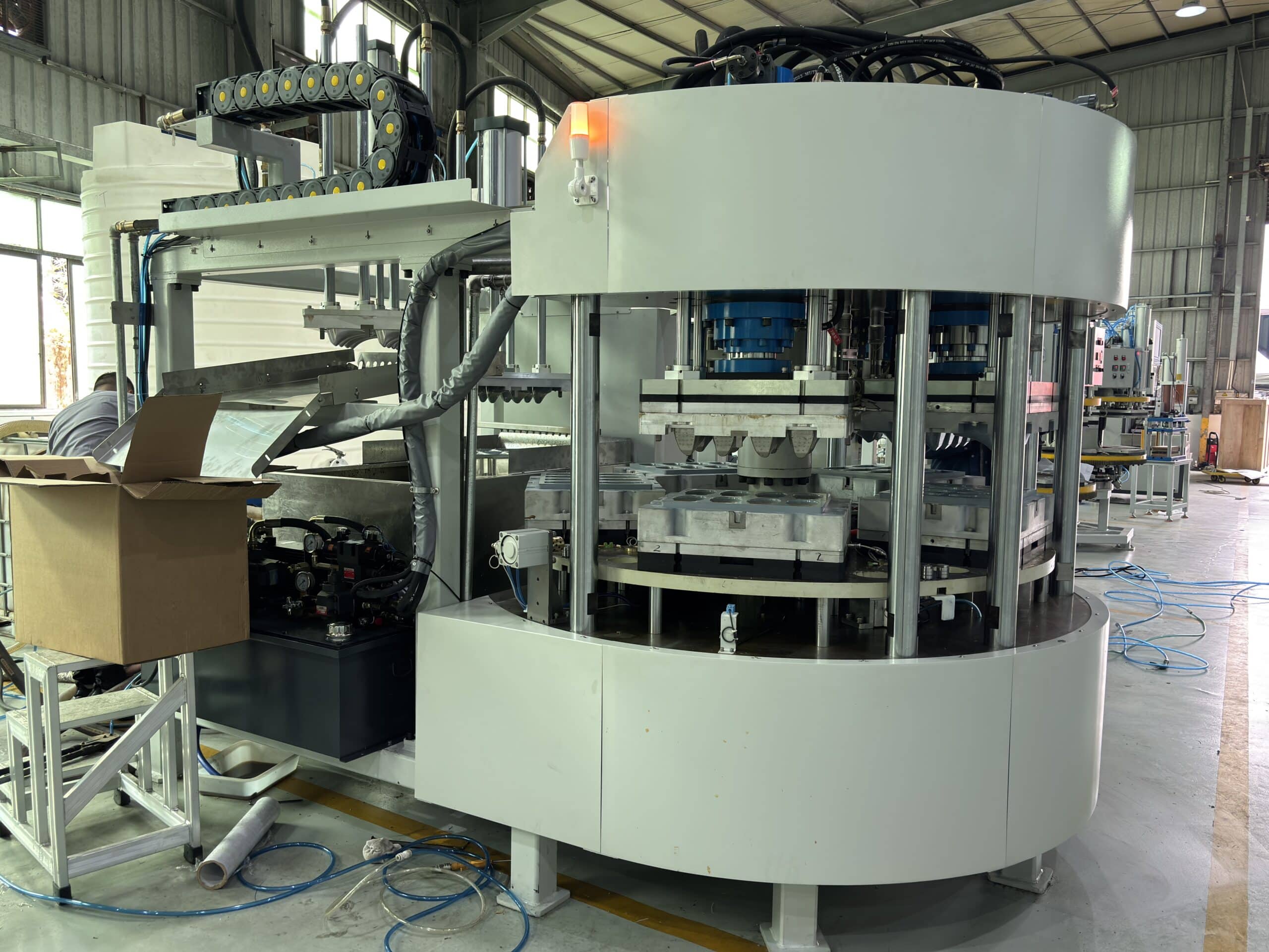
Packaging technology is therefore just as important as the coffee itself. This connection between product design and packaging engineering is also seen in other manufacturing sectors, including molded fiber packaging systems such as dry pressing molded pulp trays, where structural precision determines product performance and durability.
Even though coffee capsules are small, they represent an advanced balance of materials science, mechanical design, and food preservation technology.
Sustainability Challenges and Recycling Efforts
One of the most debated aspects of Nespresso pods is sustainability. Because capsules are designed for single-use convenience, they have raised concerns about waste generation. Aluminum capsules can be recycled, but only if they are collected and processed properly.
Many capsule manufacturers have introduced recycling programs where consumers can return used pods through collection points or mail-back systems. Aluminum is particularly suitable for recycling because it can be reused indefinitely without losing quality. However, the success of recycling programs depends heavily on consumer participation.
In response to these concerns, some companies are exploring biodegradable or compostable capsule materials. Others are experimenting with reusable pods that consumers can refill with their own coffee grounds. The broader packaging industry is also shifting toward fiber-based solutions and compostable materials, trends discussed in sustainability-focused manufacturing sectors like those supported by companies such as BonitoPak.
These developments suggest that the future of capsule coffee will likely combine convenience with improved environmental responsibility.
Why Consumers Continue Choosing Capsule Coffee
Despite sustainability debates, Nespresso pods remain extremely popular. The main reason is consistency. Traditional espresso preparation requires precise grinding, tamping pressure, and brewing timing. Capsule systems automate these variables, allowing anyone to brew espresso quickly without specialized skills.
Speed is another advantage. Brewing with a capsule machine typically takes less than a minute from start to finish. For busy households or office environments, this convenience outweighs the ritual of manual espresso preparation.
Capsule systems also enable a wide range of flavor options. Consumers can easily switch between espresso blends, flavored coffees, or intensity levels simply by choosing a different pod. This flexibility allows experimentation without committing to an entire bag of beans.
Conclusion: Convenience, Engineering, and the Future of Capsule Coffee
Nespresso pods represent a major shift in how coffee is prepared and consumed. By integrating coffee packaging and brewing technology into a single capsule, the system delivers convenience, consistency, and accessibility. Millions of households now enjoy espresso-style beverages that previously required specialized equipment and training.
At the same time, the environmental impact of single-use capsules continues to drive innovation. Recycling initiatives, compostable materials, and alternative packaging solutions are shaping the next generation of capsule coffee products.
The future of Nespresso pods will likely depend on balancing convenience with sustainability. As consumers become more environmentally conscious, manufacturers must continue refining capsule design, materials, and recycling systems to ensure that convenience does not come at the expense of environmental responsibility.
Frequently Asked Questions
What are Nespresso pods made from?
Most Nespresso pods are made from aluminum, which helps protect coffee freshness and withstand brewing pressure.
Are Nespresso pods recyclable?
Yes, aluminum pods are recyclable, but they must be collected through specific recycling programs or facilities that handle capsule waste.
Can other brands make pods compatible with Nespresso machines?
Yes. Many coffee companies produce capsules designed to fit Nespresso machines, though compatibility may depend on the machine model.
Do Nespresso pods contain fresh coffee?
Capsules contain ground coffee that is sealed in an oxygen-free environment to preserve aroma and flavor until brewing.
Are reusable Nespresso pods available?
Yes. Some companies offer refillable capsules that allow users to add their own ground coffee and reduce single-use waste.




 English
  German
  Spanish
  French
  Russian
  Japanese
  Portuguese
  Arabic