 Skip to content

Introduction: The Growing Need for Sustainable Packaging
As the world becomes more environmentally conscious, the demand for sustainable packaging solutions has reached an all-time high. Businesses are under increasing pressure to reduce their carbon footprints and adopt eco-friendly practices. One such solution gaining momentum is the use of molded fiber packaging machines—a cutting-edge technology for producing sustainable, biodegradable packaging.
In this comprehensive guide, we’ll explore how molded fiber packaging machines work, their benefits, and why your business should consider implementing them for a more eco-friendly packaging solution. Whether you’re new to the concept or looking for ways to optimize your packaging processes, this article will provide valuable insights.
Who Should Care About Molded Fiber Packaging Machines?
Target Audience Overview
- Demographics: This guide is primarily aimed at manufacturers, packaging designers, and business owners in industries like food, electronics, and retail. These individuals range from 30 to 50 years old, and their expertise can range from beginner to advanced levels in sustainable packaging practices.
- Current Situation: Many businesses are looking for eco-friendly packaging alternatives due to rising consumer demand for sustainability and stricter government regulations on packaging waste. They’re trying to reduce their environmental impact without compromising packaging efficiency or product safety.
- Knowledge Level: Depending on the user, some might be beginners exploring green packaging solutions, while others may already have experience in packaging but are searching for better alternatives to plastic or foam packaging.
- Emotional State: Users may be curious but also frustrated by the challenge of balancing environmental concerns with cost-efficiency. There might also be a sense of urgency, driven by increasing pressure from consumers and regulations.
- Resources: Budget constraints and technical limitations can pose challenges. However, many businesses are eager to find scalable solutions that reduce waste without excessive upfront costs.
What Is a Molded Fiber Packaging Machine?
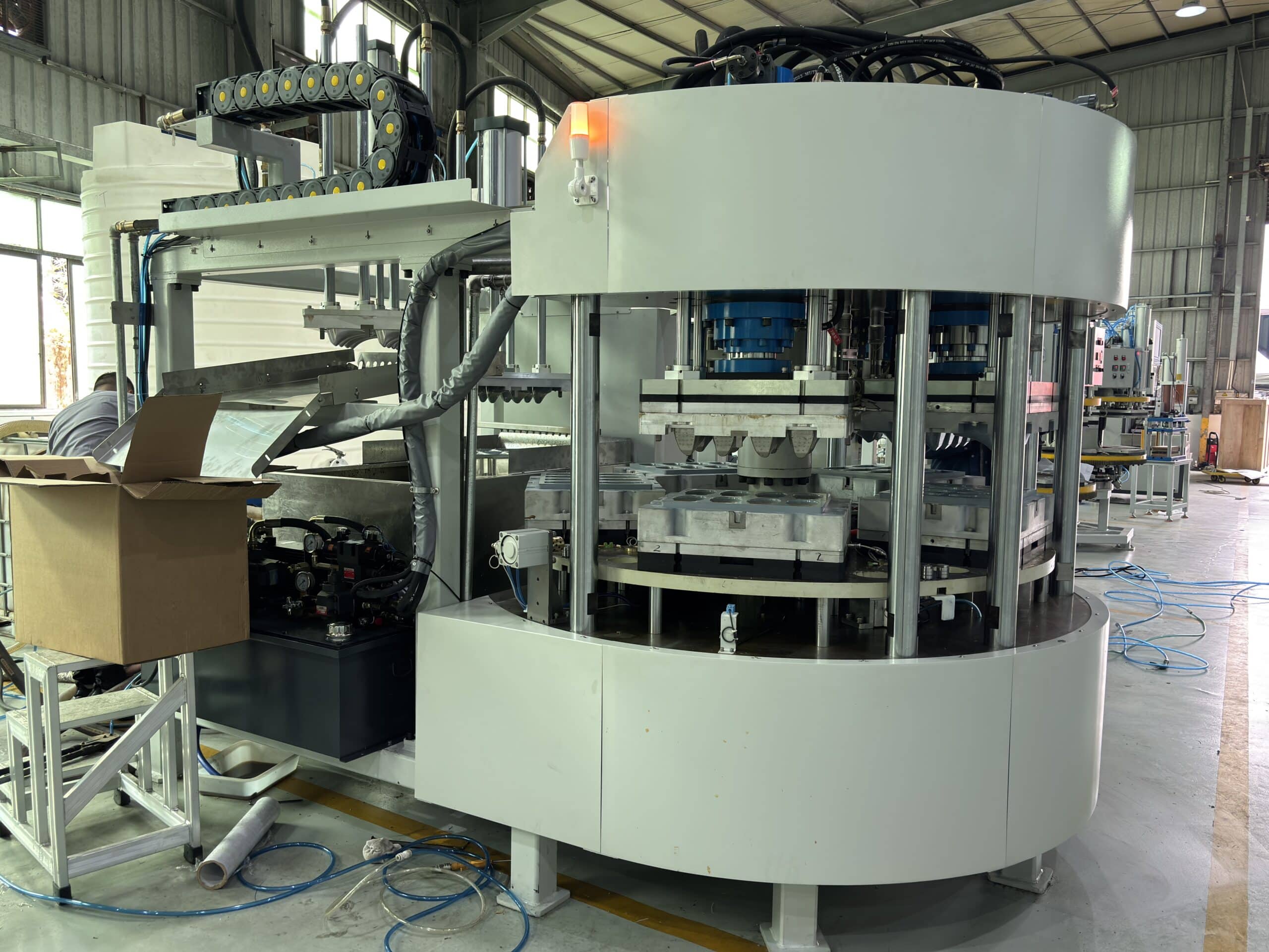
A molded fiber packaging machine is a specialized piece of equipment designed to produce sustainable, biodegradable packaging products. These machines use waste paper or other fibrous materials that are pulped, molded, and dried to create protective packaging components, such as trays, boxes, and inserts.
The process includes several key steps:
- Pulping: Raw materials like waste paper are shredded and mixed with water to form a slurry.
- Molding: The slurry is poured into molds, which form it into the desired shape (e.g., packaging trays or protective inserts).
- Drying: The formed pulp is then dried to create rigid, durable packaging that can protect fragile products during transportation.
Molded fiber packaging is known for being a sustainable alternative to plastic and other non-recyclable materials. It’s also fully biodegradable and recyclable, making it an ideal choice for eco-conscious businesses.
For example, BonitoPak’s molded fiber packaging machines are designed to provide businesses with a reliable and efficient solution for producing molded fiber products that meet both sustainability goals and operational needs.
Benefits of Molded Fiber Packaging Machines
1. Sustainability at Its Core
One of the most significant benefits of using a molded fiber packaging machine is the environmental impact. Molded fiber products are biodegradable, compostable, and made from renewable resources like recycled paper. Unlike plastic packaging, molded fiber doesn’t contribute to pollution or landfill waste, making it an eco-friendly option for businesses looking to reduce their environmental footprint.
2. Cost-Effectiveness
While the initial investment in a molded fiber packaging machine may seem high, the long-term savings are substantial. Businesses can save on packaging costs and waste disposal fees. Additionally, since molded fiber packaging is lightweight, it can also reduce shipping costs.
3. Customizability
Molded fiber packaging is highly versatile. These machines can produce different shapes and sizes of packaging to fit a variety of products, from food trays to electronic device packaging. This customizability ensures that businesses can create packaging that perfectly meets their product protection and branding requirements.
4. Durability
Despite being made from recycled paper, molded fiber packaging is incredibly strong and durable. It provides excellent protection for fragile products during transit and storage. Additionally, molded fiber can be designed with multiple layers, further improving its strength.
5. Efficiency
Molded fiber packaging machines are designed to operate efficiently, offering high throughput while keeping material waste to a minimum. This efficiency is crucial for businesses that need to meet high production volumes while maintaining sustainability goals.
BonitoPak’s molded fiber packaging machines are engineered for both high performance and minimal environmental impact, offering the ideal solution for businesses looking to improve their packaging processes.
How to Implement Molded Fiber Packaging
Step 1: Evaluate Your Packaging Needs
The first step in implementing a molded fiber packaging solution is to assess your packaging needs. Consider the type of products you’re packaging, the volume of packaging required, and whether you need specialized shapes or sizes. This evaluation will guide you in selecting the right machine and determining the required production capacity.
Step 2: Choose the Right Machine
Not all molded fiber packaging machines are the same. Some may offer more flexibility in terms of the types of products they can handle or the level of automation they provide. When selecting a machine, consider factors like energy efficiency, ease of use, and the ability to create custom molds. BonitoPak offers a variety of machines designed to meet these needs with advanced features and reliable performance.
Step 3: Integrate the Machine into Your Production Line
Once you’ve chosen the right machine, the next step is to integrate it into your production line. Depending on your current setup, this may involve some modifications to ensure the machine works seamlessly with your existing processes.
Step 4: Optimize for Maximum Efficiency
After installation, it’s important to test and fine-tune the machine to ensure optimal performance. Adjust settings like pulp consistency, drying times, and mold temperature to maximize output while minimizing material waste.
Troubleshooting Common Issues with Molded Fiber Packaging Machines
Although molded fiber packaging machines are highly efficient, issues may arise during production. Here are some common challenges and how to address them:
- Clogged Molds: Over time, molds can become clogged with material. Regular cleaning and maintenance are essential to prevent this issue.
- Pulp Consistency Problems: If the pulp mixture is too thick or too thin, it can affect the final product’s quality. Ensure that the pulp consistency is carefully monitored during production.
- Drying Issues: Uneven or insufficient drying can lead to weak packaging. Make sure the drying time and temperature are properly adjusted to ensure that the product is fully cured.
For more details on troubleshooting, check out BonitoPak’s support resources.
Advanced Strategies for Molded Fiber Packaging
1. Automation for Greater Efficiency
As your production volume increases, consider integrating automation into your molded fiber packaging system. Automated features can help increase output, reduce human error, and lower labor costs.
2. Incorporating Alternative Materials
For added sustainability, you can experiment with different raw materials, such as agricultural waste or biodegradable fibers, in your pulp mix. These materials can further reduce your carbon footprint and make your packaging even more eco-friendly.
3. Collaborate with Experts
Partnering with packaging experts like BonitoPak can help streamline the transition to molded fiber packaging. With their expertise, you can ensure your business gets the most out of your molded fiber packaging machine.
Conclusion: Make the Shift to Sustainable Packaging Today
Adopting molded fiber packaging machines is an essential step toward achieving sustainable packaging goals. These machines offer a high-quality, eco-friendly solution that reduces waste, cuts costs, and provides durability and customization options.
If you’re ready to take your packaging process to the next level, it’s time to invest in a molded fiber packaging machine. By working with trusted providers like BonitoPak, you can integrate this innovative technology into your production line with ease, helping you meet sustainability targets while boosting efficiency.
FAQ
1. What are molded fiber packaging machines made of?
Molded fiber packaging machines are made of durable materials like stainless steel and aluminum, designed for long-lasting performance.
2. Are molded fiber packaging products biodegradable?
Yes, molded fiber packaging is biodegradable and can be composted, making it an environmentally friendly option.
3. Can I customize molded fiber packaging?
Absolutely! Molded fiber packaging can be molded into various shapes and sizes, providing tailored solutions for a wide range of products.




 English
  German
  Spanish
  French
  Russian
  Japanese
  Portuguese
  Arabic