 コンテンツにスキップ

Introduction: Why Energy Efficiency Is Now Central to Papermaking
The papermaking industry has always been energy-intensive. From pulp preparation to forming, pressing, and drying, each stage of the process requires significant amounts of electricity and thermal energy. As global energy prices rise and environmental regulations become stricter, paper manufacturers are increasingly focused on reducing energy consumption without sacrificing production capacity.
This shift has led to growing demand for customized energy-saving papermaking machinery. Rather than relying on standard machines designed for generic production conditions, manufacturers are investing in equipment specifically engineered to optimize energy use for their particular fiber materials, production volumes, and product types.
Customized energy-efficient machinery allows paper mills to reduce operating costs, improve process stability, and meet sustainability targets. In modern papermaking, energy optimization is no longer just a cost-saving strategy it has become a critical factor in long-term competitiveness.
What Customized Energy-Saving Papermaking Machinery Means
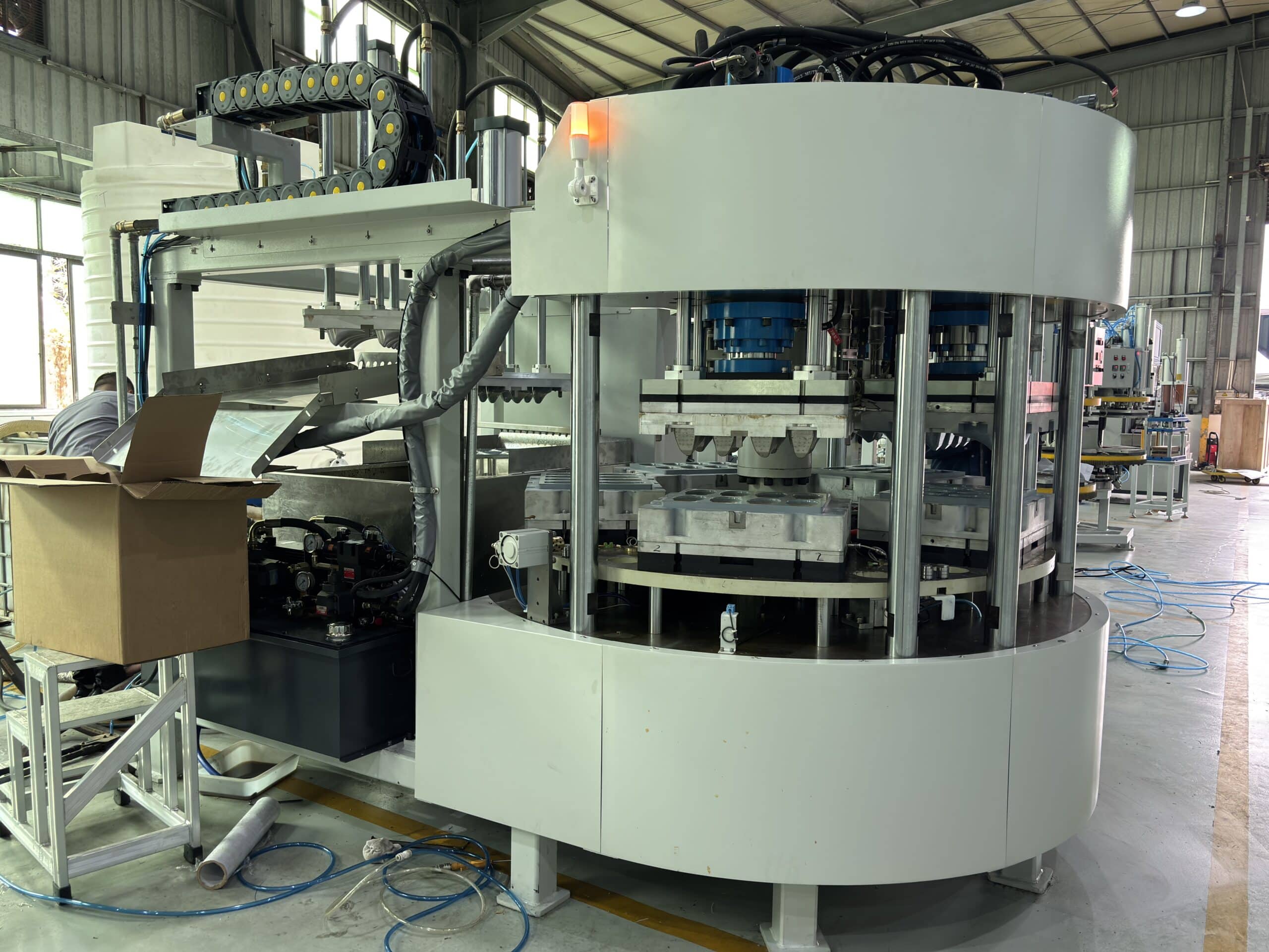
Customized energy-saving papermaking machinery refers to equipment that is specifically designed or modified to minimize energy consumption during paper production. These machines incorporate optimized forming systems, efficient pressing mechanisms, advanced drying technologies, and automated control systems that allow manufacturers to operate with lower energy usage.
Unlike traditional papermaking equipment that may rely on standard configurations, customized machinery is engineered based on the specific needs of a mill. Factors such as fiber type, machine width, production speed, and final product requirements are analyzed during the design process. This allows engineers to create machinery that balances energy efficiency with production performance.
For example, a paper mill producing packaging board from recycled pulp may require different forming and drying configurations than a facility producing tissue products. Customizing the machinery ensures that energy is used only where it is needed, improving overall efficiency.
In many cases, these papermaking systems are also connected with downstream fiber processing technologies such as molded fiber packaging production, where pulp boards are later formed into products like ドライプレス成形パルプトレイ.
How Energy-Saving Papermaking Machinery Works
Energy-efficient papermaking machinery focuses on optimizing the entire production process rather than improving a single component. Several key technologies help reduce energy consumption across the production line.
Efficient forming systems improve water drainage during the early stages of sheet formation. Better drainage reduces the amount of moisture remaining in the paper sheet before pressing and drying. Because removing water mechanically requires far less energy than evaporating it through heat, improved forming efficiency directly reduces energy demand later in the process.
Advanced pressing systems also play a major role in energy efficiency. High-performance press configurations remove additional moisture through mechanical pressure, further reducing the energy required during drying.
The drying section, which is typically the most energy-intensive part of papermaking, can also be optimized through improved heat transfer systems, airflow management, and heat recovery technologies. These improvements allow mills to maintain production speed while reducing thermal energy consumption.
Automation and process monitoring systems ensure that each stage of the production line operates within optimal parameters. Sensors track variables such as moisture content, machine speed, and temperature, allowing operators to maintain efficient operating conditions.
Energy Consumption in Papermaking Production
Understanding energy distribution within a papermaking process helps manufacturers identify where efficiency improvements can have the greatest impact.
Energy use in a typical paper production system may be distributed as follows:
| System Area | Primary Energy Type | Approximate Share of Total Energy |
|---|---|---|
| Drying Section | Thermal | 50–60% |
| Forming & Vacuum Systems | Electricity | 15–20% |
| Press Section | Electricity | 10–15% |
| Auxiliary Equipment | Electricity | 5–10% |
Because drying accounts for the majority of energy usage, improvements in moisture removal during forming and pressing significantly reduce overall energy consumption.
Companies specializing in sustainable fiber production systems, including integrated equipment providers such as ボニートパック, often focus on optimizing drying efficiency and heat recovery to lower energy demand across the entire production line.
Standard Machinery vs Customized Energy-Saving Systems
Traditional papermaking machines are often designed to operate under generalized production conditions. While these machines can produce paper successfully, they may not deliver optimal efficiency when production requirements change or when mills work with different fiber materials.
| Metric | Standard Papermaking Machine | Customized Energy-Saving Machine |
|---|---|---|
| エネルギー消費 | より高い | より低い |
| Production Stability | 中程度 | 高い |
| Adaptability to Fiber Types | 限定 | フレキシブル |
| オートメーションの統合 | Basic | Advanced |
| Long-Term Operating Cost | より高い | Reduced |
Customized energy-saving systems are designed to match the specific operational needs of a paper mill. By tailoring equipment to the production environment, manufacturers can achieve better performance and lower energy usage.
The Role of Automation in Energy Efficiency
Automation plays a crucial role in customized energy-saving papermaking machinery. Modern paper machines rely on advanced sensors and control systems to monitor process conditions in real time. These systems track variables such as pulp consistency, sheet moisture, drying temperature, and machine speed.
When process conditions deviate from optimal ranges, automated control systems adjust machine settings to maintain efficiency. For example, if moisture sensors detect excessive moisture in the paper sheet, the system can adjust drying temperature or airflow automatically.
Automation also helps prevent energy waste by ensuring that equipment operates only when needed and within optimal efficiency ranges.
Challenges in Implementing Energy-Saving Machinery
Although customized energy-saving papermaking machinery offers significant advantages, implementing these systems can present several challenges. Initial investment costs may be higher compared with standard machinery, particularly when advanced automation and customized engineering are involved.
Integrating new equipment into existing production lines may also require careful planning to ensure compatibility with current systems. Additionally, operators may require training to fully utilize advanced automation features and maintain optimal machine performance.
However, the long-term savings in energy costs and improved production efficiency often offset the initial investment.
Conclusion: Energy-Efficient Machinery Drives the Future of Papermaking
Customized energy-saving papermaking machinery represents an important step toward more sustainable and efficient paper production. By optimizing forming, pressing, and drying systems, manufacturers can significantly reduce energy consumption while maintaining high production output.
As environmental regulations and energy costs continue to shape the papermaking industry, mills that invest in customized energy-efficient equipment will be better positioned to remain competitive. Efficient machinery not only reduces operational costs but also supports the broader shift toward sustainable manufacturing practices.
In modern papermaking, energy efficiency is no longer optional—it is essential for long-term industry success.
よくある質問
What is customized energy-saving papermaking machinery?
It refers to papermaking equipment designed specifically to reduce energy consumption while maintaining efficient production.
How do papermaking machines save energy?
Energy savings come from improved forming, efficient pressing, optimized drying systems, and automated process control.
Why is drying the most energy-intensive stage?
Drying requires thermal energy to evaporate moisture from the paper sheet, which consumes more energy than mechanical water removal.
Can papermaking machinery be customized for different fiber materials?
Yes. Machines can be designed to process recycled pulp, bamboo fiber, bagasse fiber, and other materials efficiently.
Is customized machinery worth the investment?
In many cases, the energy savings and improved production efficiency offset the higher initial cost over time.




 Japanese
  English
  German
  Spanish
  French
  Russian
  Portuguese
  Arabic