...

Mould Making Machine: The Foundation of Precision Manufacturing

パルプ成形機

Introduction: Why Every Production Line Is Only as Good as Its Moulds

In manufacturing, machines often get the spotlight. Forming lines, molding systems, automation controls these are the visible investments. But behind every consistent product is something far more fundamental: the mould. Without precision tooling, even the most advanced production system cannot deliver stable quality. That is why the mould making machine plays such a critical role in modern industrial operations.

A mould making machine is not simply equipment used to shape metal. It is the starting point of dimensional accuracy, surface finish, structural strength, and repeatability. Whether in plastic injection molding, die casting, composite forming, or molded fiber production, mould precision determines the final product’s performance.

Companies that underestimate tooling quality often face recurring defects, higher rejection rates, and escalating maintenance costs. Those who prioritize advanced mould manufacturing build long-term production stability.

What a Mould Making Machine Actually Does

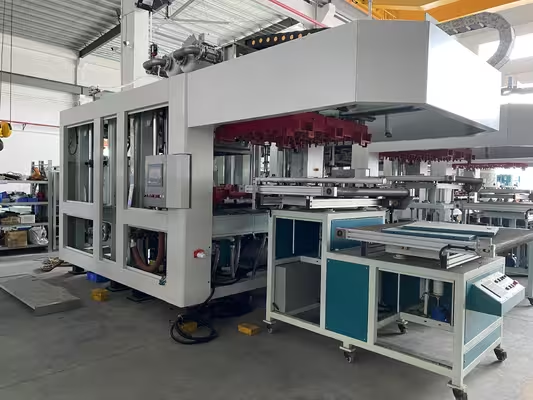
A mould making machine is designed to manufacture molds used in production systems. Depending on the industry, this may involve CNC machining centers, EDM (electrical discharge machining), precision milling, drilling, grinding, and surface finishing equipment. These machines create cavities and structural forms that define the geometry of the final product.

In plastic injection molding, the mold cavity must tolerate high pressure and repeated thermal cycles. In molded fiber production, mold venting patterns influence drainage efficiency and wall thickness consistency. In both cases, micron-level precision can determine whether a product performs consistently at scale.

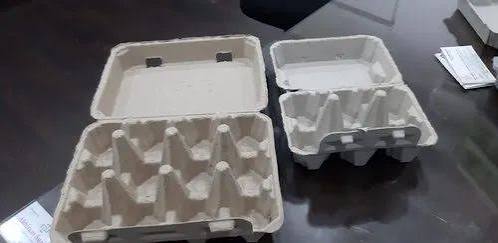
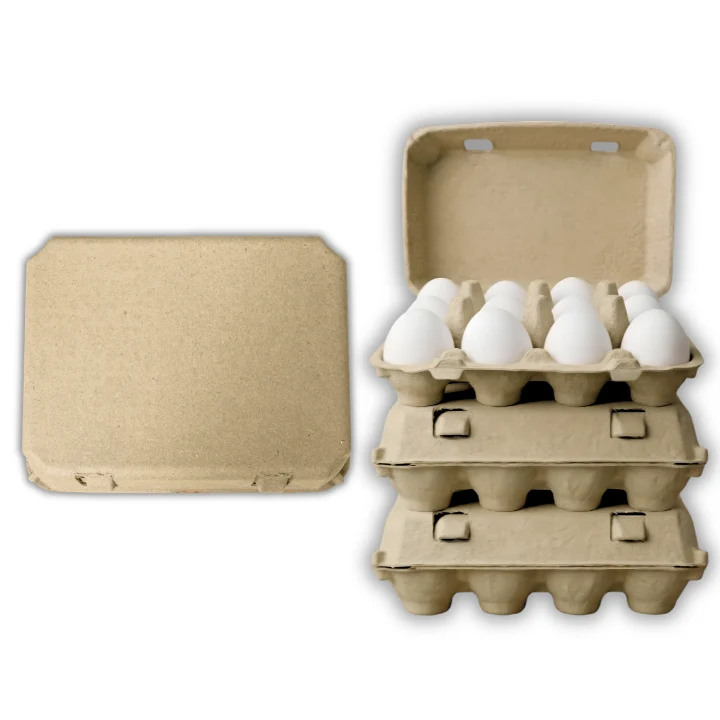
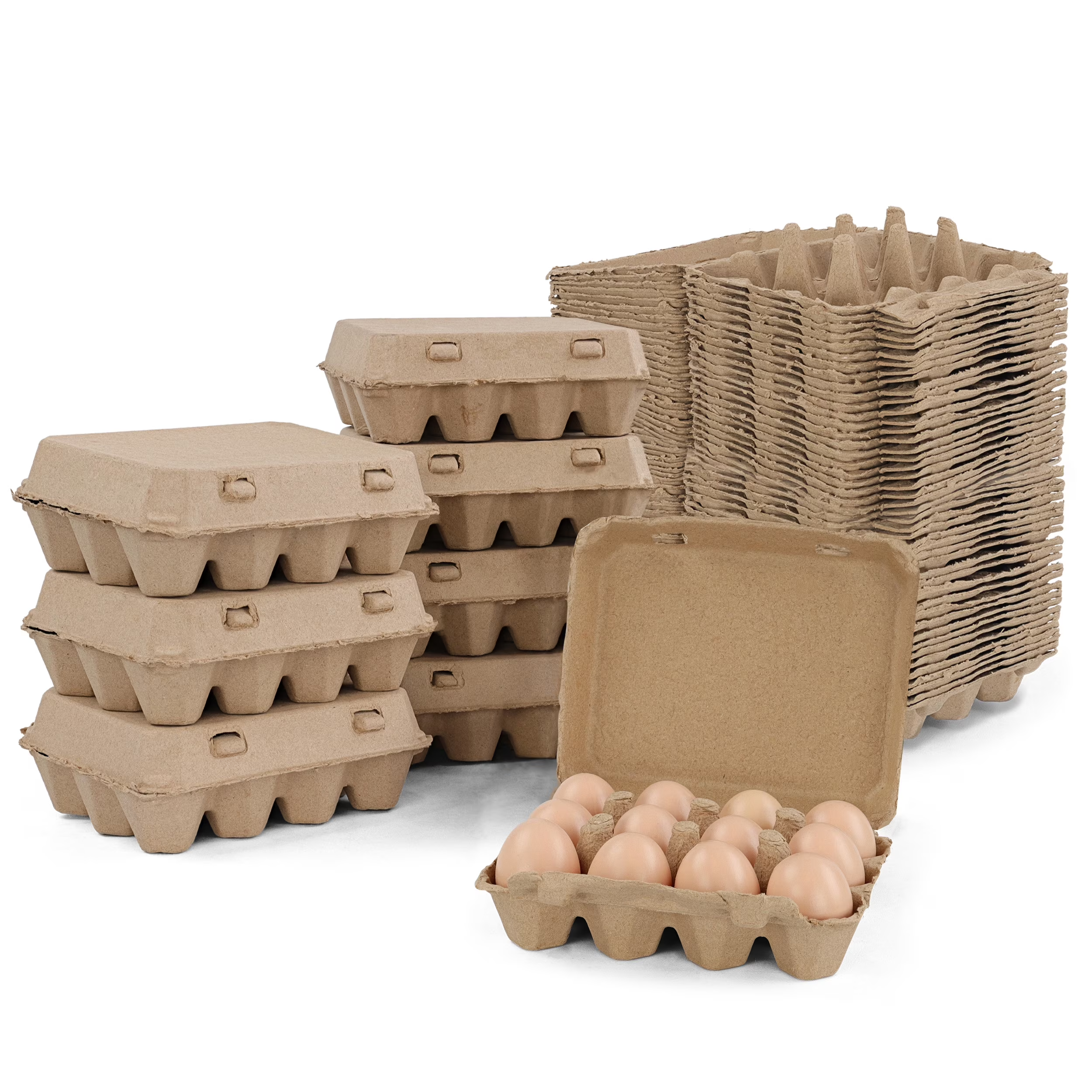
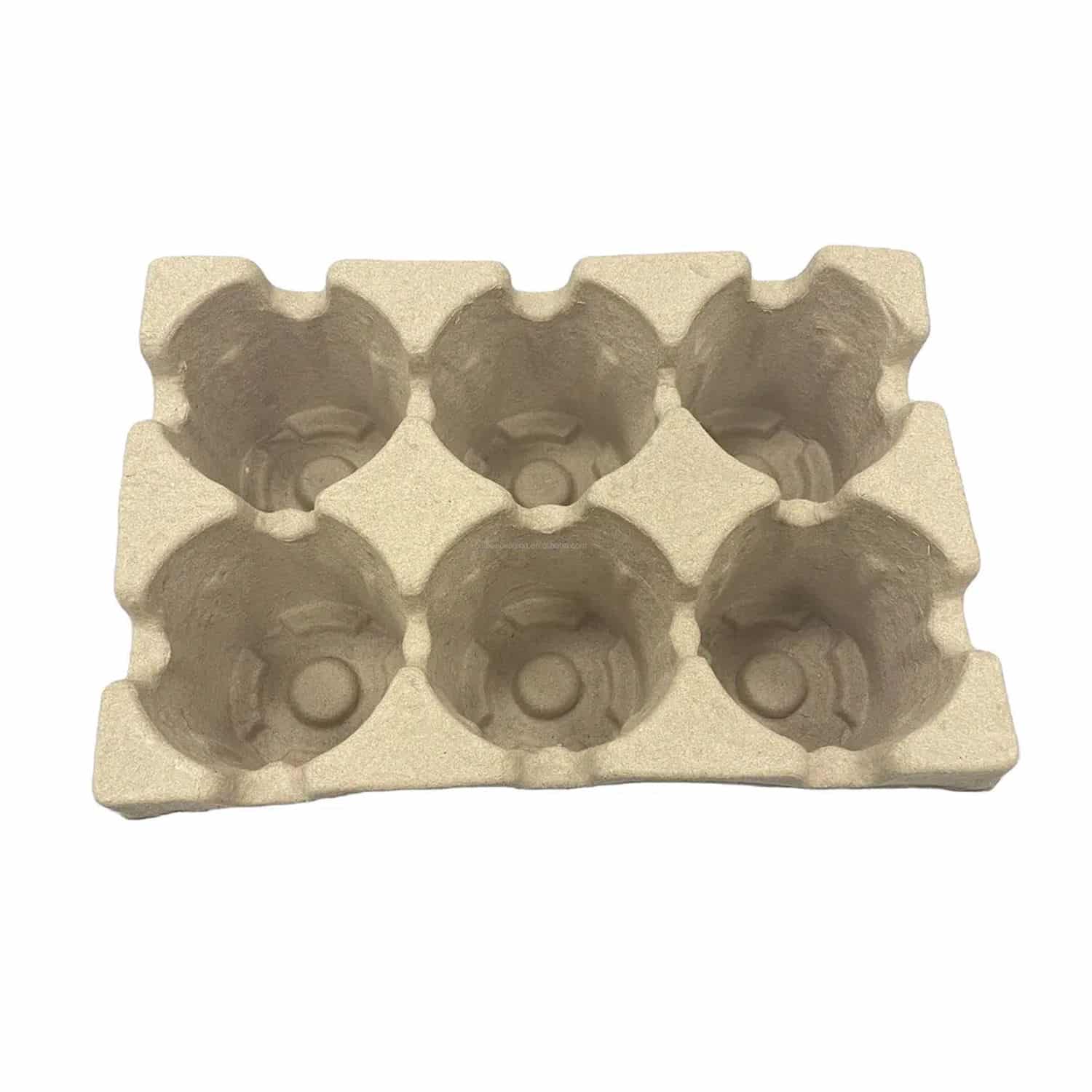
For example, in molded fiber systems such as ドライプレス成形パルプトレイ, mould venting design and cavity geometry directly impact moisture removal and surface finish. If the mould is poorly manufactured, no amount of machine adjustment can fully correct the resulting defects.

A mould making machine therefore does more than cut metal. It defines process capability.

Types of Mould Making Machines Used in Industry

Modern mould manufacturing involves multiple technologies working together. CNC machining centers handle cavity shaping and contour accuracy. EDM machines refine intricate details and sharp internal corners. Surface grinding machines ensure flatness and alignment. Laser engraving systems add precision marking or micro-features.

Each technology contributes to final mould performance. High-speed CNC machines reduce machining time while maintaining tight tolerances. Multi-axis machining allows complex geometries that were previously impossible to achieve. Advanced measurement systems verify dimensional integrity before molds are installed in production lines.

In industries transitioning toward sustainable manufacturing including molded fiber packaging and precision forming tooling precision becomes even more important. Integrated manufacturing philosophies, such as those applied at ボニートパック, emphasize that mould design, forming mechanics, and material behavior must align from the start.

Energy and Efficiency in Mould Manufacturing

While mould making machines do not consume energy at the same scale as large production lines, efficiency in tooling production influences overall manufacturing economics. Faster machining cycles reduce lead times. Accurate first-pass machining reduces rework. Optimized cutting parameters reduce tool wear.

Energy distribution in a typical CNC-based mould making setup may resemble the following:

System AreaPrimary Energy TypeApproximate Share of Total Energy
CNC Spindle OperationElectricity35–45%
Servo Drives & MotionElectricity20–30%
Cooling & LubricationElectricity10–15%
Auxiliary SystemsElectricity10–15%

Although these machines operate on electrical power, productivity efficiency matters more than raw energy usage. Reduced machining time and improved tool longevity lower overall operational cost.

Standard Tooling vs Precision-Engineered Moulds

Manufacturers often face a decision between low-cost standard tooling and precision-engineered molds produced using advanced mould making machines. The difference becomes visible over time rather than immediately.

MetricStandard ToolingPrecision-Engineered Mould
Dimensional Tolerance中程度Tight
Surface Finish Quality可変Consistent
Production Stability中程度高い
Maintenance Frequencyより高いより低い
Product Rejection Rate5–10%1–3%

Initial savings on tooling may appear attractive, but increased rejection rates, downtime, and maintenance quickly offset those savings. Precision moulds extend tool life, stabilize output, and improve product consistency.

In sectors such as molded fiber packaging, where customization and branding are increasingly important — as discussed in insights like パルプ成型箱はカスタマイズ可能か? — tooling precision directly influences surface detail and structural accuracy.

Customization in Mould Making

A mould making machine enables customization beyond simple shape adjustments. Cooling channels can be engineered to optimize thermal balance. Venting patterns can be modified to enhance drainage in fiber molding. Reinforcement structures can be integrated to extend mold lifespan under high-pressure cycles.

Customization aligns tooling with material behavior. In plastic injection molding, gate placement and flow path design influence part strength. In fiber molding, vent hole distribution influences moisture removal efficiency.

This alignment between mold geometry and process conditions reduces variability and increases repeatability. Without it, manufacturers often rely on trial-and-error adjustments that waste time and material.

The Strategic Value of In-House Mould Making

Some manufacturers outsource mould production entirely. While outsourcing may reduce capital expenditure, it often increases dependency and extends lead times. Investing in mould making machines allows faster iteration, design flexibility, and tighter control over quality.

For companies operating high-volume production lines, in-house tooling capability can significantly shorten development cycles. Adjustments can be implemented quickly without waiting for third-party suppliers. Over time, this agility becomes a competitive advantage.

However, in-house mould making requires skilled operators, proper maintenance, and calibration. Without expertise, advanced machines cannot deliver their full potential.

Conclusion: Tooling Determines Manufacturing Excellence

A mould making machine may not produce the final product directly, but it defines how well that product can be made. Precision tooling supports consistency, reduces waste, and stabilizes long-term production.

Manufacturers who invest in advanced mould manufacturing technology build stronger foundations for every downstream process. Those who compromise on tooling often spend more correcting defects later.

In modern manufacturing — whether plastic, composite, or molded fiber — quality begins with the mould. The machine that creates that mould therefore deserves strategic attention.

よくある質問

What is a mould making machine?

A mould making machine is industrial equipment used to manufacture molds for production systems such as injection molding, die casting, and molded fiber forming.

Why is mould precision important?

Precise molds ensure dimensional accuracy, surface finish quality, and consistent product performance during mass production.

Can mould making machines be customized?

Yes. CNC programming, multi-axis machining, and EDM technology allow customization of cavity geometry, venting patterns, and cooling channels.

Is in-house mould production better than outsourcing?

It depends on production scale. In-house capability offers faster iteration and greater control, while outsourcing reduces upfront capital investment.

How does tooling affect production cost?

Higher-quality molds reduce rejection rates, maintenance frequency, and downtime, lowering long-term operational expenses.

この記事を共有する

ボニトパック・パッケージング・アカデミー

カスタムパッケージのすべてをマスターしよう

カテゴリー

目次

Leo Chanの写真

レオ・チャン

BonitoPakのシニア・パッケージング・コンサルタント

レオ・チャンは20年以上にわたる持続可能なパッケージングに関する専門知識を持ち、500以上のブランドに対し、環境への影響と市場での存在感の両方を高めるパルプモールドソリューションへの移行を指導してきた。.

あなたのプロジェクトを向上させる準備はできていますか?

BonitoPakでデザインに命を吹き込もう

BonitoPakで精密なエンジニアリングを体験してください。詳細なプロトタイプから大量生産まで、お客様のコンセプトを現実にします。今すぐお問い合わせください!

関連記事と洞察

私たちの包括的な記事と投稿のコレクションであなたの知識を高め、情報を維持します。各記事は、あなたの特定の関心に沿うように慎重にキュレートされており、あなたの業界のニーズに共鳴する洞察力と最新情報を提供します。

jaJapanese
詳細フォーム