
Introduction: The Rise of Home-Based Plastic Manufacturing
The idea of owning a plastic injection molding machine for home use has become increasingly popular among hobbyists, product designers, and small-scale entrepreneurs. With the growth of maker culture, rapid prototyping, and small-batch product launches, many individuals are exploring whether they can bring plastic part production into a home workshop or garage.
At first glance, it seems straightforward. Buy a compact injection molding unit, load plastic pellets, heat, inject, cool, and produce parts. But the reality is more complex. Injection molding is not just a machine purchase; it is a process involving temperature control, pressure management, mold precision, material selection, and safety considerations.
Before investing in a plastic injection molding machine for home, it’s important to understand how these machines work, what limitations exist in residential environments, and whether small-scale molding truly aligns with your goals.
What a Plastic Injection Molding Machine for Home Actually Does
A plastic injection molding machine works by melting thermoplastic material and injecting it under high pressure into a mold cavity. Once the material cools and solidifies, the mold opens and the finished part is ejected. Industrial systems operate at extremely high pressures and temperatures, producing thousands of parts per day.
Home-scale machines are smaller and typically designed for lower output and simplified operation. They may use manual clamping systems or semi-automatic injection controls. While they can produce small components such as brackets, knobs, connectors, or prototype housings, they are not designed for mass manufacturing.
The core components remain the same regardless of scale: a heating barrel, injection mechanism, mold clamping system, and cooling process. What changes is throughput capacity and precision tolerance.
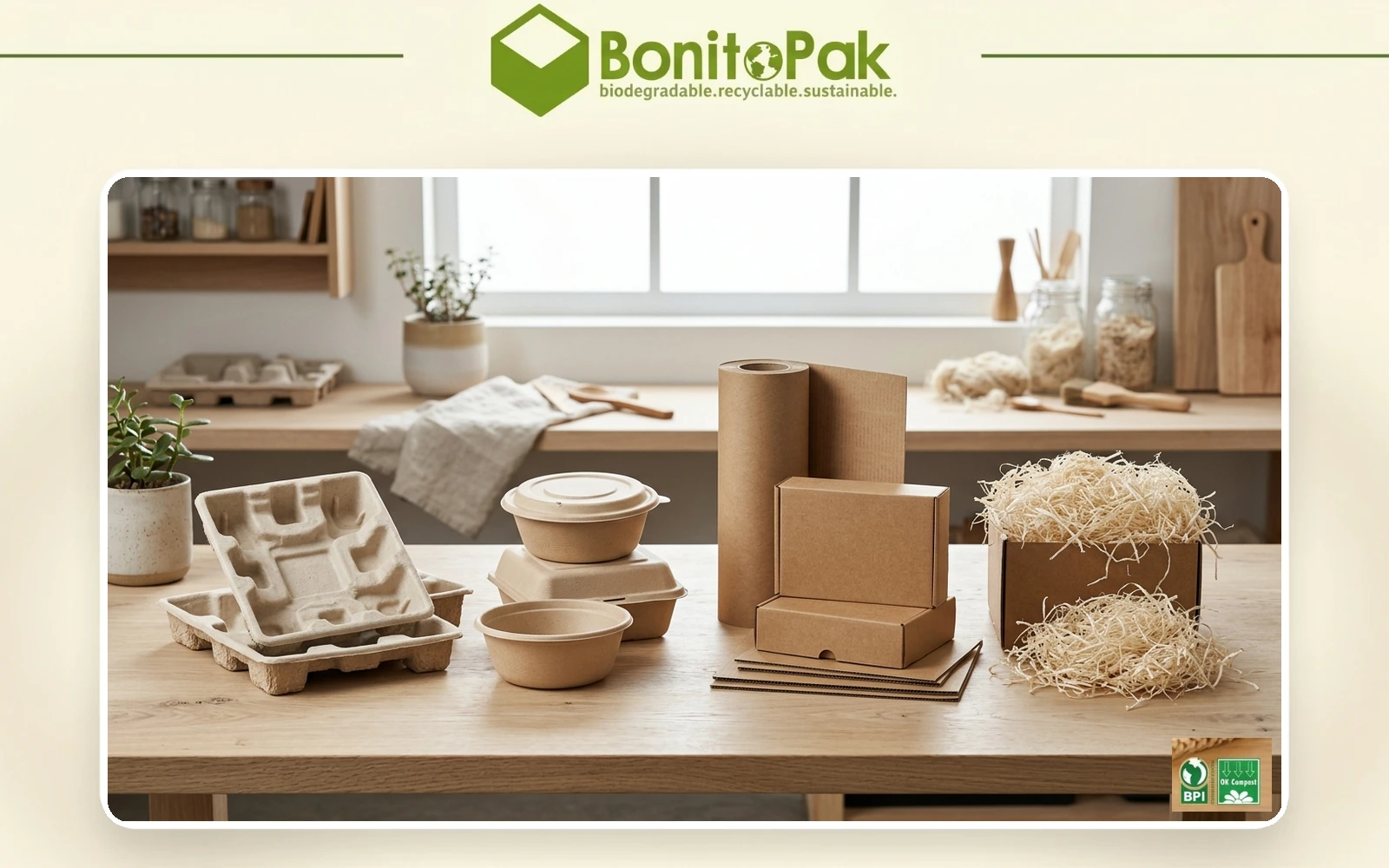
For individuals interested in manufacturing packaging components or product housings, it’s important to recognize that material behavior in plastic molding differs significantly from fiber-based forming processes such as those used in molded pulp production like dry pressing molded pulp trays. Plastic molding relies on thermal melting and solidification, while molded fiber relies on water removal and compression. The machinery and environmental considerations are therefore very different.
Key Considerations Before Installing a Machine at Home
Operating a plastic injection molding machine for home use involves more than plugging into a power outlet. Electrical requirements, ventilation, temperature control, and safety protocols must all be addressed.
Plastic pellets must be heated to specific melting temperatures depending on the material type, often between 180°C and 300°C. That heat must be maintained consistently to avoid part defects such as sink marks, short shots, or warping. Additionally, some plastics release fumes when heated, requiring proper ventilation to ensure a safe working environment.
Another factor is mold quality. The machine is only as good as the mold installed. Precision molds require machining expertise and can represent a significant portion of total cost. In small-scale home operations, mold cost often exceeds machine cost.
Energy consumption is also relevant. While home machines are smaller than industrial systems, they still require stable power supply and consistent heating cycles.
In a small-scale setup, energy use may distribute approximately as follows:
| System Area | Primary Energy Type | Approximate Share of Total Energy |
| Heating Barrel | Electricity | 40–50% |
| Injection Mechanism | Electricity | 20–25% |
| Clamping System | Electricity | 10–15% |
| Cooling & Auxiliary | Electricity | 10–15% |
Heating dominates the load, and stable thermal management directly influences part quality.
Standard Hobby Machines vs Small Commercial Systems
There are two broad categories of plastic injection molding machines for home users. The first includes manual or desktop hobby machines designed for experimental use. The second includes compact semi-automatic systems intended for small business operations.
The difference between these systems becomes clear when comparing performance factors.
| Metric | Hobby Desktop Machine | Small Commercial System |
| Injection Pressure | Lower | Higher |
| Output Consistency | Moderate | High |
| Production Volume per Day | Low | Moderate |
| Automation Level | Manual / Basic | Semi-Automatic |
| Initial Investment | Lower | Higher |
Hobby machines are ideal for experimentation and prototyping. However, if the goal is consistent small-batch production for resale, a more advanced system may be necessary. Choosing the wrong level of equipment can lead to frustration and wasted material.
When Home Injection Molding Makes Sense
A plastic injection molding machine for home use can make sense in specific scenarios. Product designers who need rapid iteration capability may benefit from in-house molding rather than outsourcing every prototype. Entrepreneurs producing niche accessories or small mechanical parts in limited quantities may find small-scale molding cost-effective.
However, for larger production runs or products requiring tight dimensional tolerances, outsourcing to specialized manufacturing facilities often proves more economical and efficient.
It is also worth considering broader sustainability implications. Many industries are actively shifting away from single-use plastics toward fiber-based alternatives, a transition reflected in sustainable packaging innovation discussions such as Are Molded Pulp Boxes Customizable for Branding?. Depending on your product category, long-term market trends may influence whether investing in plastic-based manufacturing aligns with future demand.
Companies like BonitoPak focus on integrated fiber-based manufacturing solutions, demonstrating how production strategy should align with both market direction and operational efficiency. Before investing in home plastic molding equipment, evaluating long-term product positioning is just as important as assessing machine specifications.
Safety and Regulatory Awareness
Operating high-temperature equipment in a residential setting introduces risks. Electrical load must be compatible with household infrastructure. Fire safety precautions should be in place. Proper ventilation is necessary to manage fumes from heated polymers. Additionally, local zoning regulations may restrict commercial manufacturing activities within residential areas.
Insurance coverage is another factor often overlooked. Some home insurance policies may not cover damage related to industrial machinery use.
Understanding these practical considerations prevents costly surprises later.
Conclusion: Practical Ambition Requires Practical Planning
A plastic injection molding machine for home can be a powerful tool for prototyping, small-batch production, or educational experimentation. It offers control, flexibility, and independence. However, it also requires technical understanding, upfront investment in molds, stable energy supply, and careful safety management.
For hobbyists and designers, it can open creative possibilities. For entrepreneurs, it can support early-stage production. But it is not a shortcut to industrial-scale manufacturing.
Before purchasing, define your goals clearly. Are you prototyping? Producing limited runs? Testing a product concept? Or attempting full-scale commercialization? Your answer should guide the type of machine you choose — and whether home-based molding is truly the right path.
Frequently Asked Questions
What is a plastic injection molding machine for home?
It is a compact injection molding system designed for small-scale production, prototyping, or educational use in a workshop or residential setting.
How much does a home injection molding machine cost?
Costs vary widely depending on automation level and capacity, ranging from entry-level hobby machines to more advanced semi-commercial systems.
Is it safe to operate an injection molding machine at home?
It can be safe if proper ventilation, electrical infrastructure, and fire precautions are in place. However, safety planning is essential.
Can I run a profitable business with a home injection molding machine?
Small-batch niche production may be viable, but larger commercial volumes typically require industrial-scale equipment.
What materials can be used in home injection molding?
Common thermoplastics such as ABS, PLA, polypropylene, and polyethylene are often used, depending on machine capability and mold design.