 コンテンツにスキップ
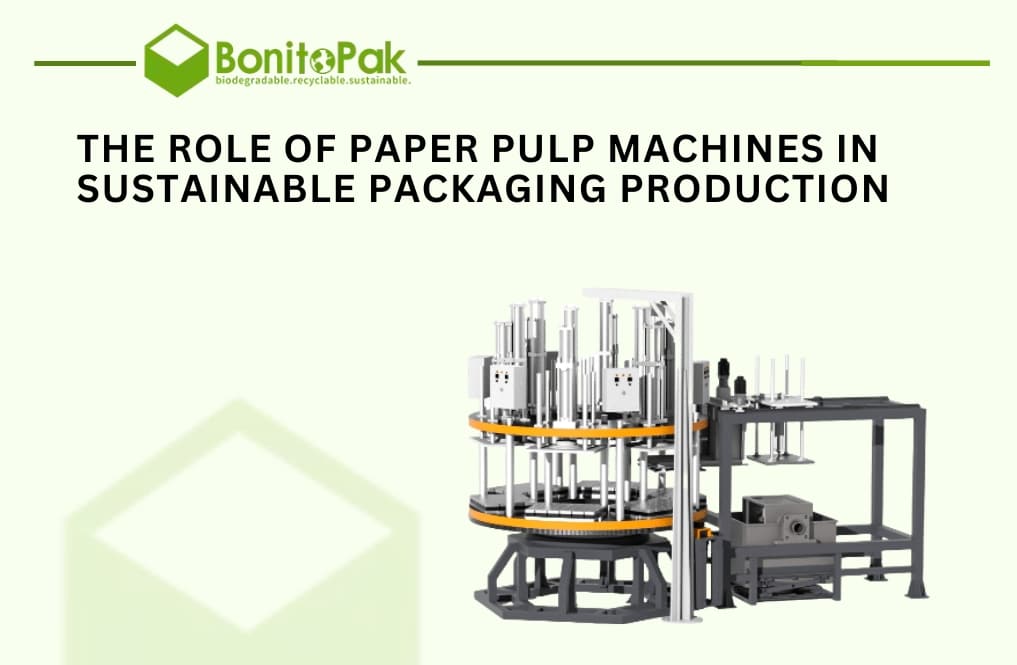
について 紙パルプ製造機 industry has revolutionized sustainable packaging production worldwide. According to the Pulp & Paper Manufacturing Association, over 68% of manufacturers now employ advanced pulping equipment for eco-friendly packaging solutions¹. This transition represents a significant shift toward environmental responsibility in the paper and pulp industry.
Modern paper pulp machines process various raw materials including waste paper, wood pulp, and agricultural residues. The paper industry increasingly depends on these systems to meet growing demand for biodegradable packaging alternatives.
紙パルプ製造機械技術を理解する
A paper pulp making machine transforms recycled materials into 成形可能なパルプ through mechanical and chemical processes. The equipment manufacturer designs these systems to manage diverse raw materials efficiently.
現代のシステムに不可欠なコンポーネント
Pulp Digester: The digester breaks down raw materials using steam and chemicals. This pressure vessel operates at high temperatures to separate fibers effectively.
Paper Pulper: The paper pulper mechanically breaks apart waste paper and other materials. High-speed rotation creates the necessary agitation for proper fiber separation.
Stock Preparation System: This system cleans and prepares pulp slurry for the papermaking process. Multiple stages remove impurities and achieve consistent fiber quality.
Refiner Equipment: Refiners enhance fiber properties through controlled mechanical treatment. The refining process improves bonding characteristics in final products.
紙パルプ製造に使用される原材料
主原料オプション
Wood Pulp: Softwood and hardwood species provide primary fiber sources. The kraft process remains the leading method for wood pulp making operations.
Waste Paper Pulp: Recycled newspapers, cardboard, and office paper form major raw material streams. Deinking processes remove printed materials during recycling.
Agricultural Residues: Sugarcane bagasse, wheat straw, and jute fibers offer sustainable alternatives. These materials reduce dependence on forest resources significantly.
| 原材料の種類 | ファイバー長 (mm) | 加工方法 | 標準的な歩留まり(%) |
|---|---|---|---|
| 針葉樹パルプ | 2.7-4.6 | クラフトクッキング | 45-50 |
| 古紙 | 可変 | 浮遊脱墨 | 75-85 |
| サトウキビバガス | 1.7-2.0 | ソーダパルプ | 40-45 |
| 竹繊維 | 2.5-3.2 | 化学パルプ | 42-48 |
紙パルプ製造ラインの全工程
第一段階:原材料の準備
The paper pulp making machine begins with raw material sorting and cleaning. Automated systems remove contaminants like metals, plastics, and adhesives. Specialized machinery breaks materials into uniform sizes for consistent processing.
第2段階:パルプの調理と消化
パルプダイジェスターは、原料を加圧下150~170℃で調理する。化学溶液はセルロース繊維を保存しながらリグニンを溶解する。ブロータンクは、圧力開放と冷却のために調理された原料を受け取ります。
第3段階クリーニングとスクリーニング
複数の洗浄ステージにより、パルプスラリーから残留不純物を除去します。遠心洗浄機は、密度差によって重質汚染物質を分離します。ディスクフィルターと真空ドラム洗浄機が、パルプストックをさらに浄化します。
第4段階漂白作業
漂白工場では、環境に安全な化学薬品を使ってパルプを白くする。最新のシステムでは、塩素化合物の代わりに酸素、オゾン、過酸化水素が使用されている。この工程により、高品質の未晒しパルプや晒しパルプが生産される。
先進のパルプ化装置技術
高効率処理システム
Modern paper pulp making machines incorporate automation for optimal performance. Computer-controlled systems monitor temperature, pressure, and chemical addition rates continuously.
Twin Roll Press: These machines remove excess water from wet lap pulp. High-pressure nips achieve moisture content below 50% efficiently.
Heat Transfer Systems: Advanced heat recovery reduces energy consumption by 30-40%. Steam recovery systems capture waste heat for reuse throughout the production line.
Flow Box Technology: Precision flow boxes distribute pulp slurry evenly across forming wires. This technology ensures uniform basis weight in finished products.
製紙における特殊用途
包装紙製造
The paper pulp making machine produces various packaging grades including corrugated medium and linerboard. These products require specific strength characteristics for shipping applications.
High-Speed Production: Modern paper machines operate at speeds exceeding 2,000 meters per minute. Advanced stock preparation ensures consistent quality at these production rates.
Special Paper Grades: Custom formulations create packaging materials with enhanced barrier properties. Food-grade coatings provide moisture and grease resistance.
産業加工アプリケーション
Turnkey Solutions: Complete paper pulp production systems include all necessary equipment and controls. Equipment manufacturers provide comprehensive installation and commissioning services.
Low Density Products: Specialized forming techniques create lightweight packaging materials. These products reduce shipping costs while maintaining protective properties.
| 生産能力 | 日産量(トン) | エネルギー消費量(MWh/トン) | 水使用量(m³/トン) |
|---|---|---|---|
| 小規模工場 | 50-150 | 12-15 | 15-25 |
| 中規模施設 | 150-500 | 8-12 | 10-18 |
| 大型ミル | 500-1500 | 6-9 | 8-15 |
| 大手製紙工場 | 1500+ | 4-7 | 6-12 |
紙パルプ加工における品質管理
Most paper pulp making machine operations rely on continuous monitoring. Mill laboratories check lignin levels during cooking because these affect final product strength. Brightness measurements determine bleaching needs, while viscosity testing ensures proper fiber development.
物理的なテストは生産ラインで行われる。引裂強度と破裂抵抗は数分ごとに測定される。形成品質は印刷の均一性に影響するため、オペレーターはこれらの測定値を注意深く監視します。
水管理は、環境と経済的な理由から重要である。工場では、処理前の白水を何度もリサイクルしている。ろ過システムは、廃棄物となる粒子や化学物質を除去する。
環境への影響と持続可能性
The paper pulp making machine industry has decreased its environmental footprint dramatically. Most kraft mills recover over 95% of cooking chemicals through black liquor systems. This process also generates steam energy for operations.
排出量は20年間で大幅に減少した。二酸化硫黄レベルはほとんどの施設で80%以上減少した。スタックガススクラバーは放出前に微粒子を除去する。
水の使用量は大幅に減少した。多くの工場では、1990年代の施設より60~70%少ない淡水を使用している。生物処理システムは、排水前に廃水を処理する。EPAのデータによれば、最新のパルプ工場では、トン²当たりの固形廃棄物の発生量が大幅に減少している。
経済効果と市場分析
Modern paper pulp making machine technology requires substantial capital. Complete production lines cost $50-500 million depending on capacity. Mills recover investments within 15-20 years through operational savings.
Energy costs represent major expenses in pulp production. Newer equipment captures waste heat and optimizes steam usage. Many manufacturers report 25-35% energy savings after upgrades.
複数の原料を使用できるため、柔軟な操業が可能。工場は、価格に応じて木材チップ、古紙、農業残渣を切り替える。この適応性により、市況の変動時にも収益性を維持することができる。
世界の紙・パルプセクターは、デジタルトレンドにもかかわらず成長。業界予測では、2028年まで年間3.2%の成長を見込んでいる。アジア市場は、地域によっては年間5.8%の増加を示している。
技術仕様と性能基準
Industrial paper pulp making machine systems handle impressive volumes. Large installations process 200-2,000 tons daily while maintaining quality. Continuous operation requires careful maintenance and process control.
化学薬品の回収はクラフト工場にとって依然として重要である。最良の施設では、95~98%の調理用化学薬品を回収している。これは操業コストと環境コンプライアンスに直接影響する。
古紙からの繊維回収は、より良い装置によって改善された。最新の脱墨システムは、汚染物質を除去しながら92-96%の使用可能な繊維を回収する。
プロセスオートメーションが工場のオペレーションを一変させた。センサーが温度、圧力、化学薬品を常時監視。自動化されたコントロールは、人間のオペレーターよりも速く調整される。
品質モニタリングは生産全体を通して行われる。インライン・スキャナーは数秒ごとに坪量、水分、強度を測定する。統計的管理は、問題が発生する前に傾向を発見します。
紙パルプ技術における将来のイノベーション
バイオテクノロジーの応用がパルプ化学を変える。酵素処理は、繊維特性を改善しながら化学薬品を削減する。いくつかの工場では、これらのプロセスを商業的に使用しているが、コスト面で導入に限界がある。
Nanocellulose represents exciting development for the paper pulp making machine industry. Standard pulp streams produce high-value materials through specialized processing. Applications include advanced packaging and composites.
AIと機械学習が工場のオペレーションを最適化します。これらのシステムはプロセスデータを分析し、品質のばらつきやメンテナンスの必要性を予測する。早期導入企業からは、大幅な効率改善が報告されている。
Equipment manufacturers collaborate with research institutions on next-generation technologies. Future paper pulp machines will achieve higher efficiencies while reducing environmental impacts.
結論
The paper pulp making machine serves as the backbone of sustainable packaging production. Modern equipment processes diverse raw materials efficiently while meeting environmental standards.
経済的な成功と環境への責任は、今日の産業界では共に機能している。最も収益性の高い工場は、持続可能性の指標をリードすることが多く、優れた環境慣行がビジネスとして理にかなっていることを証明している。
BonitoPak understands industry dynamics through years of paper pulp making machine experience. The company helps customers with equipment selection and process optimization for sustainability and profitability goals.
先進的なシステムに投資するメーカーにとって、将来的なチャンスは有望である。環境に優しいパッケージング需要の高まりは、計画的な投資に対する大きなリターンを保証する。
よくあるご質問
最新の紙パルプ製造機械は、どのような原料を効率的に処理できるのか?
Today’s paper pulp making machines work with everything from traditional wood chips to agricultural waste like sugarcane bagasse and wheat straw. Many mills prefer this flexibility because it lets them use whatever raw materials are cheapest and most available locally. Recycled paper and cardboard make up the largest volume at most facilities.
紙パルプの製造工程にはどれくらいの時間がかかるのですか?
実際の調理時間は、処理するものによってかなり異なる。広葉樹のチップは2~3時間、針葉樹は4時間近くかかる。これに洗浄、漂白、乾燥が加わると、原料から抄紙用のパルプができるまで、合計6~8時間はかかることになる。
化学的パルプ化法と機械的パルプ化法の主な違いは何ですか?
化学パルプは、木の繊維をつなぎとめるリグニンを溶かすため、パルプは強くなるが歩留まりは悪くなる。機械パルプはすべてを粉砕するだけで、元の木材をより多く残すが、繊維は弱くなる。化学パルプは包装用紙や印刷用紙に適しており、機械パルプは新聞用紙やティッシュ製品に適しています。
脱墨システムはどのようにして古紙から印刷物を取り除くのか?
古紙からのインク除去には、主に2つのアプローチがある。浮遊システムは、パルプスラリーに気泡を吹き込み、インク粒子が気泡に付着して表面に浮き、そこからかすめ取られる。洗浄システムは、洗剤と大量の水を使ってインク粒子を溶解し、スクリーンを通して洗い流す。
産業用紙パルプ製造機械にはどのようなメンテナンスが必要ですか?
日常的な作業には、潤滑箇所のチェック、圧力測定値の監視、主要部品のクリーニングなどが含まれる。週1回のメンテナンスでは、摩耗部品の点検とアライメントチェックを行います。年1回のシャットダウンにより、主要コンポーネントの交換や制御システムの更新を行うことができる。ほとんどの工場では、メンテナンス費用として、設備価値の年間5-8%を予算計上している。
最新の工場では、パルプ生産時の環境への影響をどのように最小限に抑えているのだろうか?
Water recycling makes the biggest difference – most mills reuse their process water multiple times before treatment. Chemical recovery systems capture and reuse cooking chemicals while generating steam energy. Emission control equipment removes particulates and gases before discharge. The paper pulp making machine industry has cut water usage and emissions dramatically over the past 20 years.
References and Citations
Pulp & Paper Manufacturing Association. (2024). “Annual Industry Statistics and Trends Report.” PPMA Industry Analysis.
United States Environmental Protection Agency. (2024). “Pulp and Paper Manufacturing Point Source Category.” EPA.gov. Retrieved from https://www.epa.gov/eg/pulp-and-paper-manufacturing
Forest Products Industry Research Center. (2024). “Global Market Analysis and Projections.” Industry Research Report.
Technical Association of the Pulp & Paper Industry. (2024). “Best Practices for Sustainable Manufacturing.” TAPPI.org. Retrieved from https://www.tappi.org/sustainability
National Institute of Standards and Technology. (2024). “Material Testing Standards for Paper Products.” NIST.gov. Retrieved from https://www.nist.gov/manufacturing-engineering
International Organization for Standardization. (2024). “ISO 12625 Paper Testing Methods.” ISO.org. Retrieved from https://www.iso.org/standard/75507.html
United States Department of Agriculture. (2024). “Agricultural Residue Utilization in Manufacturing.” USDA.gov. Retrieved from https://www.usda.gov/topics/forestry/forest-products-manufacturing
Occupational Safety and Health Administration. (2024). “Safety Standards for Paper Manufacturing Operations.” OSHA.gov. Retrieved from https://www.osha.gov/pulp-paper

 Japanese
  English
  German
  Spanish
  French
  Russian
  Portuguese
  Arabic