 Skip to content

In the pulp and paper industry, efficient drying processes are essential for both production speed and product quality. However, manufacturers often face significant challenges when it comes to selecting the right drying equipment. Off-the-shelf machines may not meet the specific needs of your production line, leading to inefficiencies, increased costs, or compromised product quality.
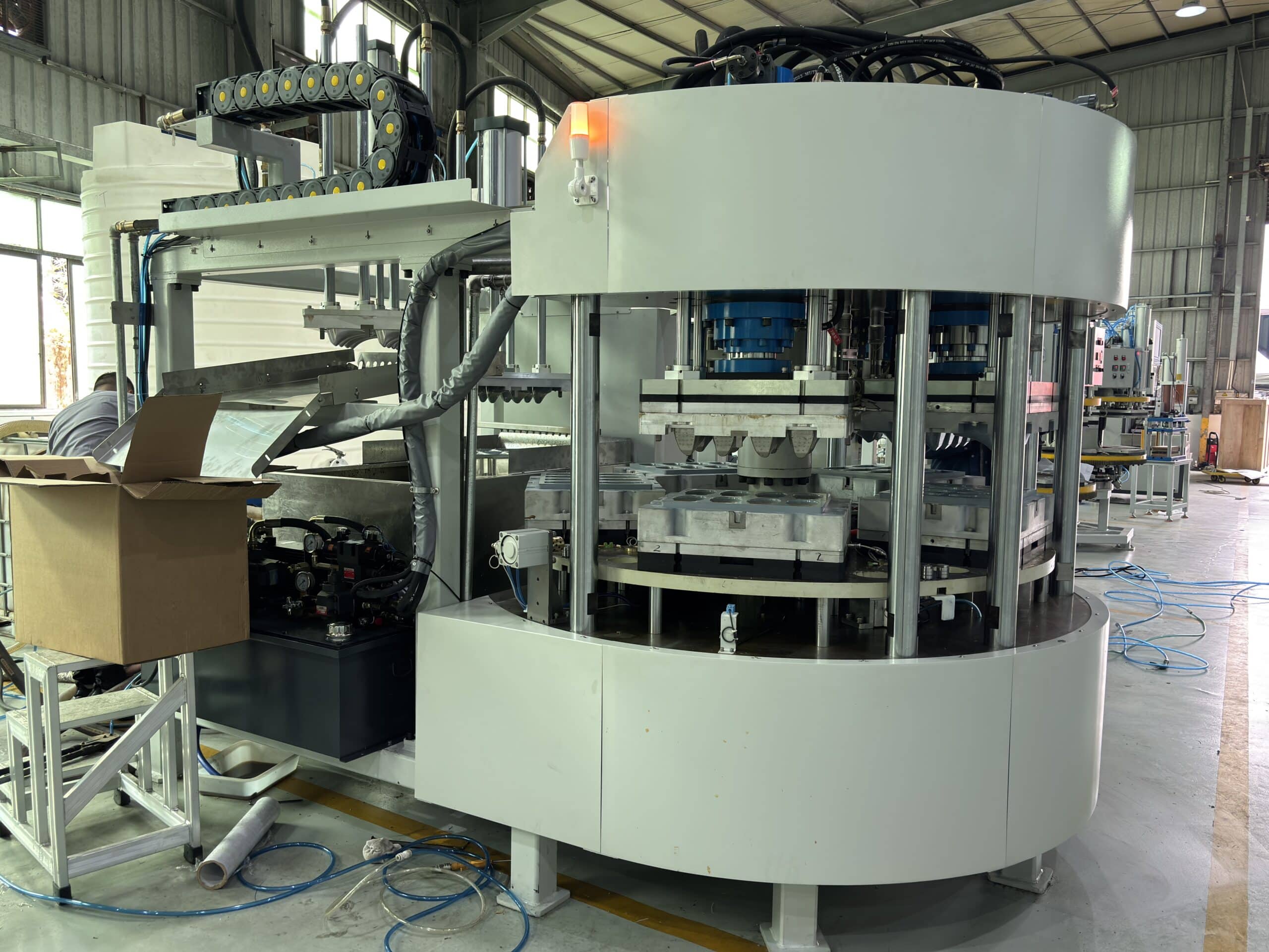
A custom hot air dry pulp machine could be the solution you’ve been searching for. In this article, we’ll dive into how these machines work, the benefits of customizing your drying system, and how implementing one can transform your pulp production process.
Section 1: Understanding Hot Air Drying in the Pulp Industry
What Is Hot Air Drying?
Hot air drying is a process where heated air is circulated over pulp materials to remove moisture. As the pulp is exposed to hot air, the moisture evaporates, leaving behind the desired dry pulp. This method is widely used in the pulp and paper industry due to its speed, efficiency, and relatively low energy consumption compared to other drying methods.
Why It Matters
Efficient drying is essential for two key reasons:
- Production Efficiency: A faster drying process means more pulp can be processed in a shorter amount of time, leading to higher throughput and faster production cycles.
- Cost Efficiency: By optimizing drying times and reducing energy consumption, manufacturers can significantly cut operational costs.
The hot air drying method helps achieve both goals, but optimizing this process often requires custom solutions to ensure the equipment fits the unique needs of your production line.
Section 2: Why Customization Matters
The Need for Tailored Machines
Every manufacturing facility has its own unique requirements. Factors such as the type of pulp, production volume, space constraints, and energy needs vary from one company to another. Standard drying machines often fail to address these nuances, leading to inefficiencies or subpar performance.
For instance, a paper mill focusing on high-quality pulp may require precise temperature control to prevent damage to the pulp fibers, while another facility with high throughput may need a machine that handles larger volumes at a faster pace.
Benefits of Custom Solutions
Custom hot air drying machines are specifically designed to meet these requirements. Some of the advantages of choosing a customized machine include:
- Optimized Capacity: Custom machines can be designed to handle specific production volumes without compromising performance.
- Energy Efficiency: Custom systems can incorporate energy-saving features like heat recovery, which reduces the overall energy consumption.
- Precise Control: Customization allows for better temperature and moisture control, ensuring consistent pulp quality.
By choosing a custom solution, you ensure that the drying process is perfectly suited to your operational needs, resulting in increased efficiency and reduced costs.
Section 3: How Custom Hot Air Dry Pulp Machines Work
Key Components
A custom hot air dry pulp machine consists of several essential components:
- Air Heater: This is the heart of the system, heating the air to the desired temperature.
- Fan System: Fans circulate the hot air over the pulp, ensuring even distribution and maximizing heat exposure.
- Ducting: The air ducts direct the heated air over the pulp sheets or mats in a controlled manner to ensure optimal drying.
- Moisture Sensors: In a custom system, moisture sensors can be integrated to monitor the pulp’s moisture content in real-time, allowing for automatic adjustments to maintain ideal conditions.
Working Mechanism
The basic working principle is simple but effective. Hot air is introduced into the drying chamber, where it comes into direct contact with the pulp. As the hot air passes over the material, it draws out moisture, which then evaporates. The air is continuously circulated to ensure even drying. In custom machines, airflow patterns, temperature settings, and drying times are finely tuned to match the material and production goals, ensuring the best possible results.
Section 4: Practical Benefits of Custom Hot Air Drying Systems
Increased Efficiency
One of the main reasons to invest in a custom hot air dry pulp machine is to significantly increase drying efficiency. Custom machines can be optimized for specific drying times and temperatures, ensuring pulp is dried faster without compromising quality.
By customizing the airflow and temperature settings, manufacturers can achieve:
- Faster drying cycles: This reduces bottlenecks and increases production capacity.
- Consistent quality: Even moisture distribution ensures uniform drying, which translates to higher-quality pulp.
Energy Savings
Energy consumption is one of the largest operational costs in pulp production. Custom machines can incorporate energy-saving features such as heat recovery systems, which recycle waste heat to reduce the amount of energy needed to heat the air.
Custom hot air drying systems allow you to:
- Maximize energy efficiency: Through optimized airflow, heat recovery, and temperature control.
- Reduce operational costs: By using less energy while maintaining high output.
Quality Control
In a highly competitive industry, product quality can make or break a business. Custom machines allow manufacturers to maintain strict quality standards by offering better control over the drying process.
For example, a custom hot air drying machine can:
- Prevent over-drying, which can cause fiber damage.
- Maintain consistent temperature and moisture levels, ensuring uniformity in the pulp.
- Tailor the drying process to match the specific requirements of different pulp types.
Section 5: Implementing a Custom Hot Air Dry Pulp Machine
Installation and Setup
Installing a custom hot air dry pulp machine is a straightforward process, but it requires careful planning. Typically, the steps involve:
- Site Assessment: Understanding the production line layout and available space.
- Design & Customization: Collaborating with manufacturers to design a machine that fits your exact requirements.
- Installation: Once the machine is built, it will be integrated into your production line. This often takes 2–4 weeks depending on the complexity of the system.
- Testing & Calibration: The system will be tested to ensure it works at optimal capacity.
Maintenance and Troubleshooting
Like any industrial machinery, custom hot air drying machines require ongoing maintenance to ensure optimal performance. Regular checks on air filters, heating elements, and moisture sensors are essential to avoid downtime.
Some common issues that may arise include:
- Clogged air filters: These can reduce airflow, affecting drying efficiency.
- Temperature fluctuations: Calibration errors or faulty sensors may lead to inconsistent drying.
Having a well-trained maintenance team can help prevent these issues and keep the machine running smoothly.
Section 6: Advanced Features for Custom Machines
Automation and IoT Integration
Modern custom hot air dry pulp machines can integrate with Internet of Things (IoT) technology to automate various aspects of the drying process. Sensors can monitor temperature, moisture, and airflow in real-time, adjusting the system’s settings automatically to ensure optimal performance.
Advanced Heat Recovery Systems
Custom systems can incorporate advanced heat recovery technology, which captures and reuses the heat from the exhaust air. This significantly reduces the amount of energy needed to keep the drying process running, making the system more energy-efficient.
Conclusion
Investing in a custom hot air dry pulp machine offers significant advantages for pulp manufacturers. From enhanced efficiency and energy savings to better quality control, these machines can revolutionize your production line. By customizing your drying system, you’re ensuring that your equipment meets the unique demands of your production process, ultimately leading to greater profitability and operational success.
If you’re ready to optimize your drying process and achieve better results, now is the time to explore how a custom hot air dry pulp machine can transform your operations.
FAQ
- What is the difference between a standard and a custom hot air dry pulp machine?
Standard machines are designed for general use, while custom machines are built to fit your specific needs and production requirements, optimizing efficiency and quality. - How much does a custom hot air dry pulp machine cost?
Costs vary depending on customization and capacity, but investing in a tailored solution typically offers long-term savings through energy efficiency and productivity. - How long does it take to install a custom hot air drying system?
Typically, installation can take between 2–4 weeks, depending on the complexity of the system and the required customization. - Can I upgrade my current system to include a custom drying solution?
Yes, many manufacturers offer retrofit solutions that allow you to integrate custom components into your existing system. - What maintenance does a hot air dry pulp machine require?
Regular maintenance includes checking air filters, ensuring proper airflow, and monitoring moisture sensors. Proper maintenance extends the machine’s lifespan and ensures optimal performance.




 English
  German
  Spanish
  French
  Russian
  Japanese
  Portuguese
  Arabic